landmark
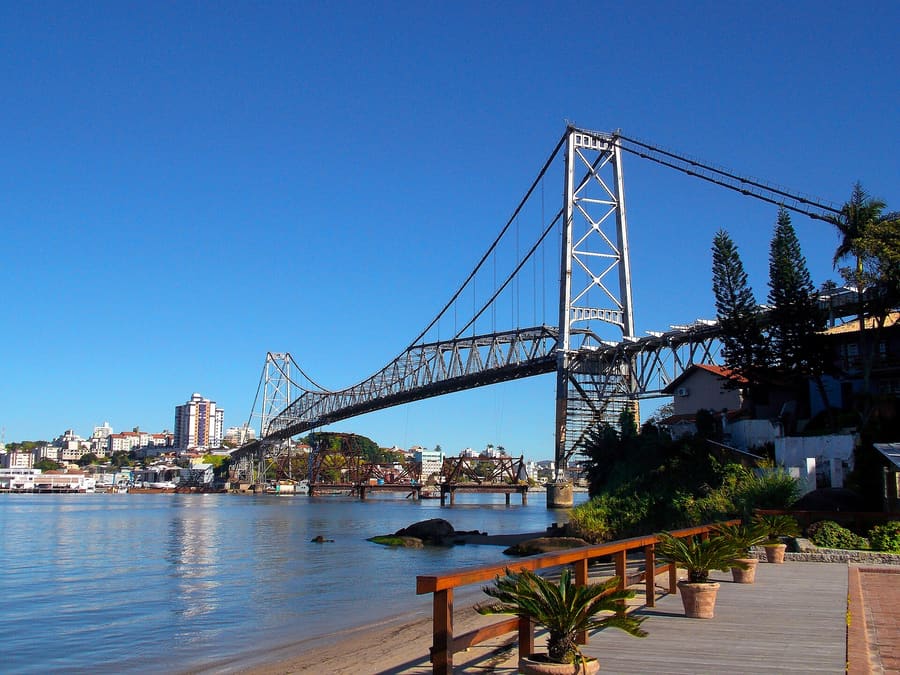
Hercílio Luz Bridge
Brazil's longest suspension bridge opens to pedestrians on weekends for direct views of North Bay.
Parley fragenBrasilien
Forty-two beaches split across an Atlantic island.
introduction
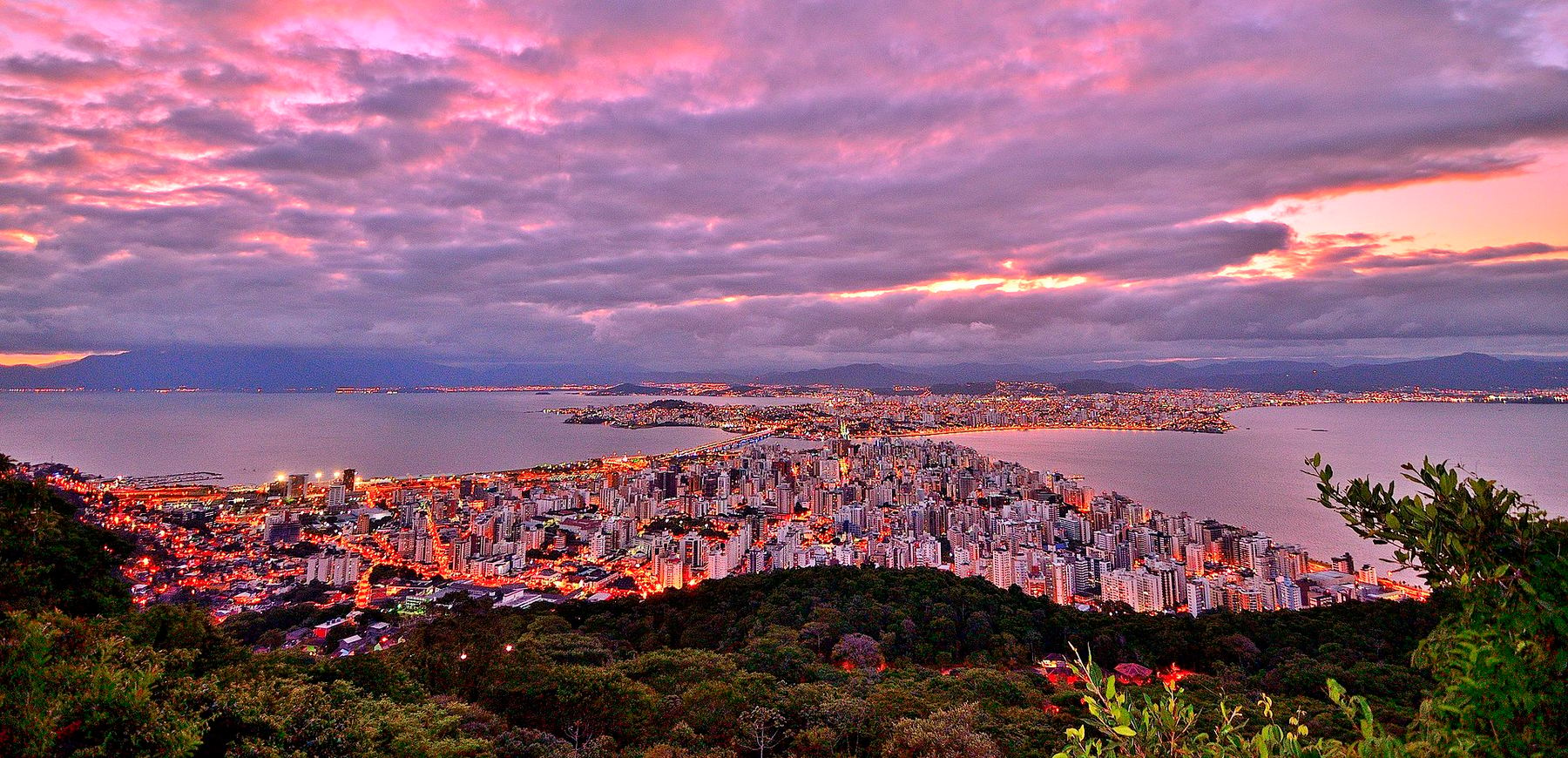
Florianópolis spans a long coastal island attached to mainland Brazil by three bridges. You navigate it along a single mountainous spine that funnels traffic into severe bottlenecks. Each beach settlement functions as a self-contained village with distinct water conditions and seafood traditions. Expect long transit times between northern resorts and southern fishing bays.
Airport transit tip
Line 461 connects Hercílio Luz Airport to the Centro terminal in 30 minutes for under R$7.
UNESCO Creative City of Gastronomy
UNESCO designated Florianópolis a Creative City of Gastronomy in 2014 for its oyster culture.
North-south traffic divide
A single north-south road bottleneck links the island ends. Travel outside peak hours to avoid gridlock.
Florianópolis
Der Kolonist · CC BY-SA 3.0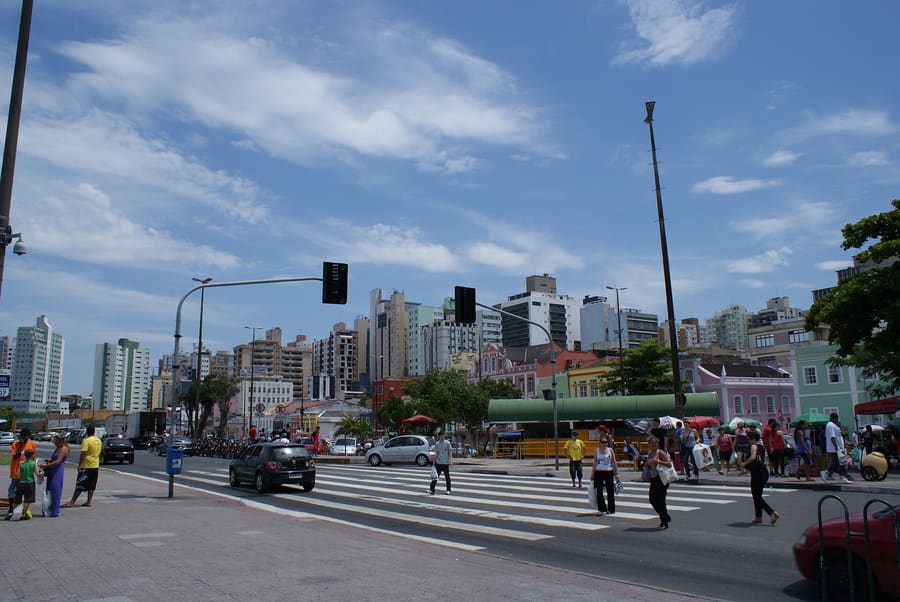
Centro — Transit hub and commercial core filled with historical architecture and local markets.
Ben Tavener · CC BY 2.0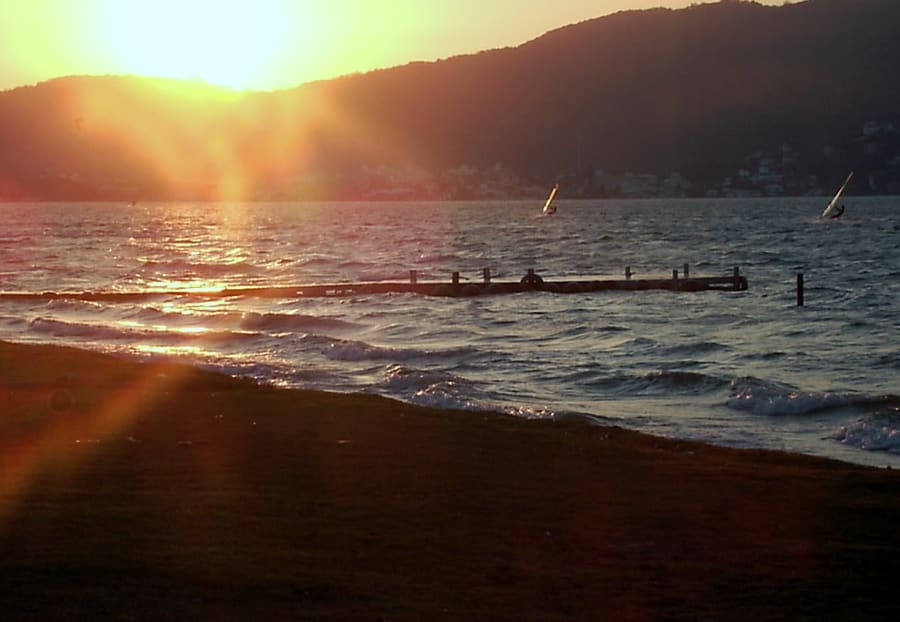
Lagoa da Conceição — Nightlife center surrounded by lagoon waters, cafes, and surf paths.
Vanderlei Bissiato · CC BY-SA 3.0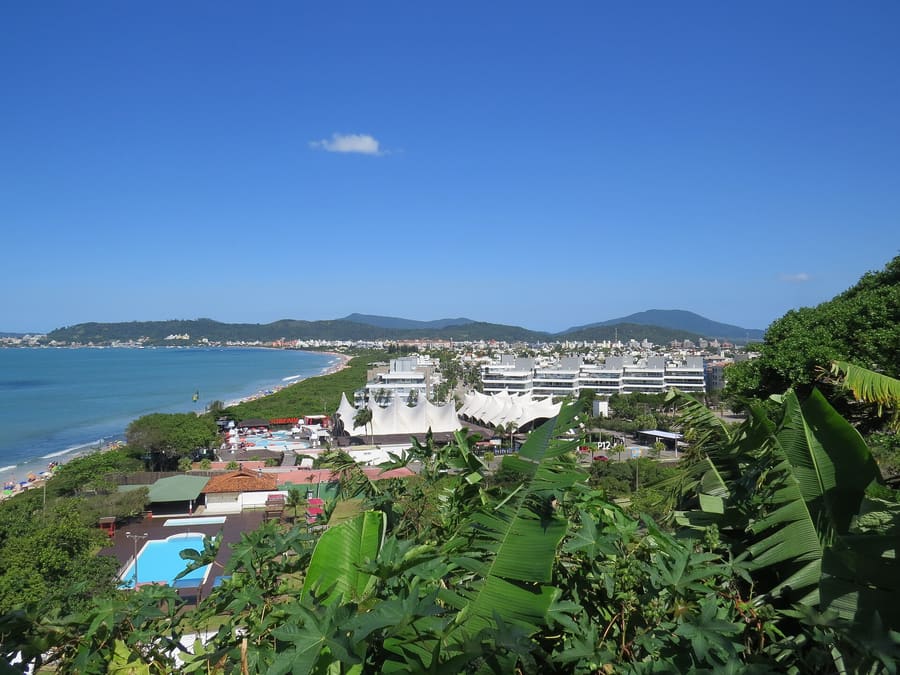
Jurerê Internacional — Upscale northern enclave with calm bay waters and luxury beach clubs.
Rafael Ghidini · CC BY-SA 4.0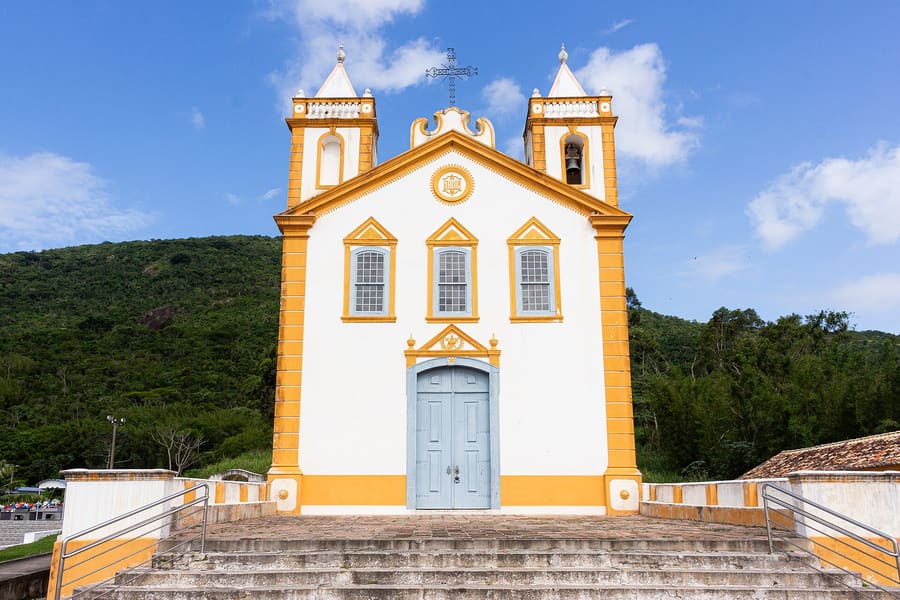
Ribeirão da Ilha — Colonial Azorean village operating as the nation's oyster farming capital.
Lucas Espindola Braga · CC BY-SA 4.0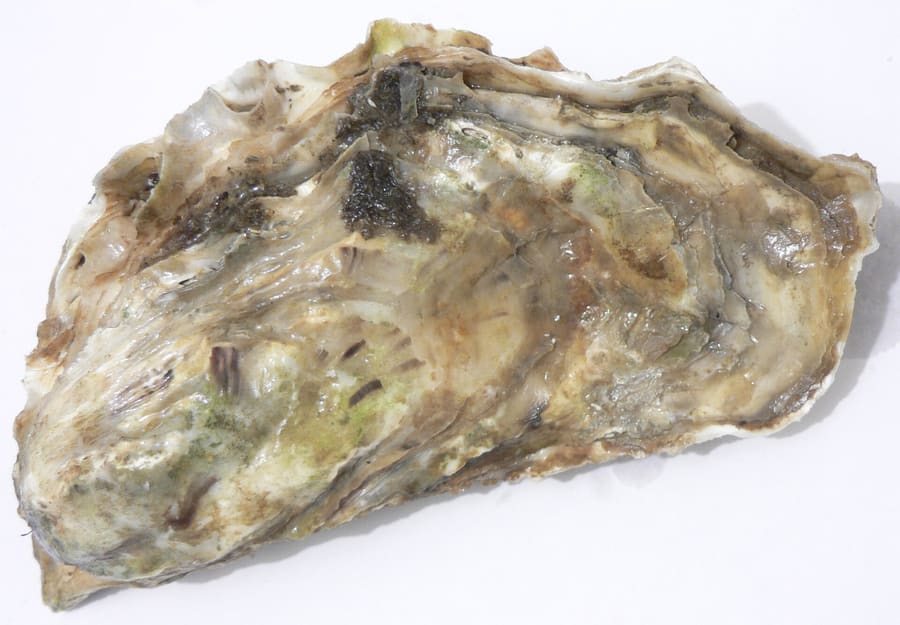
Freshly harvested oysters served along the bay at Ribeirão da Ilha.
David Monniaux · CC BY-SA 3.0highlights
landmark
Brazil's longest suspension bridge opens to pedestrians on weekends for direct views of North Bay.
Parley fragen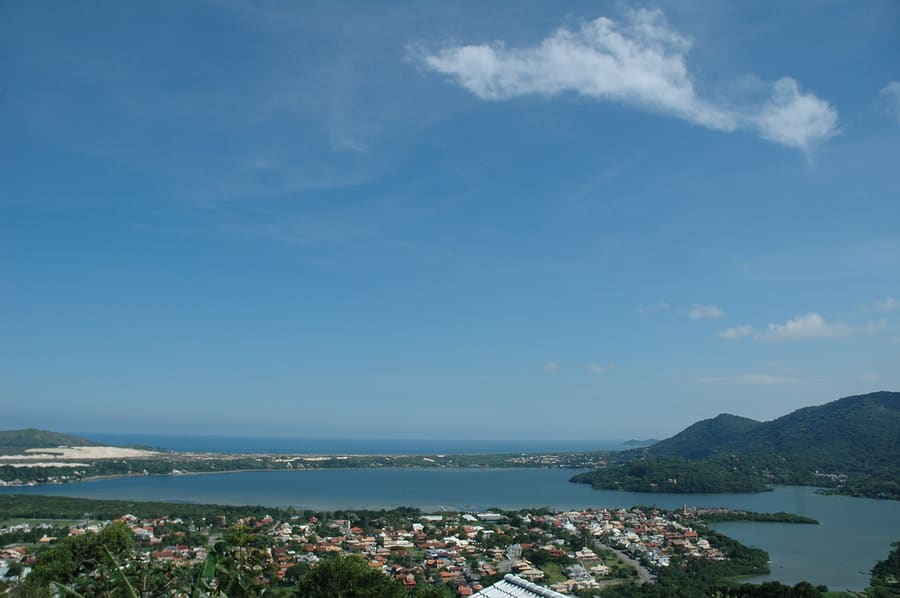
landmark
A central saltwater lagoon framed by dunes and windsurfing schools. Rent boards early before wind shifts.
Parley fragen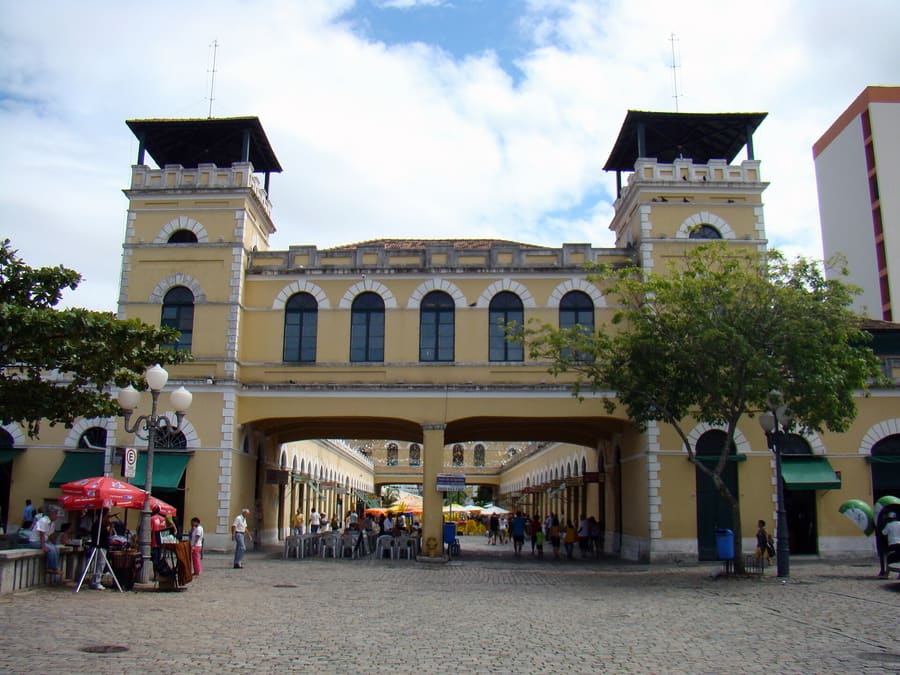
landmark
Two 19th-century halls serving fried pastéis and fresh oysters. Go at lunchtime for active counter service.
Parley fragen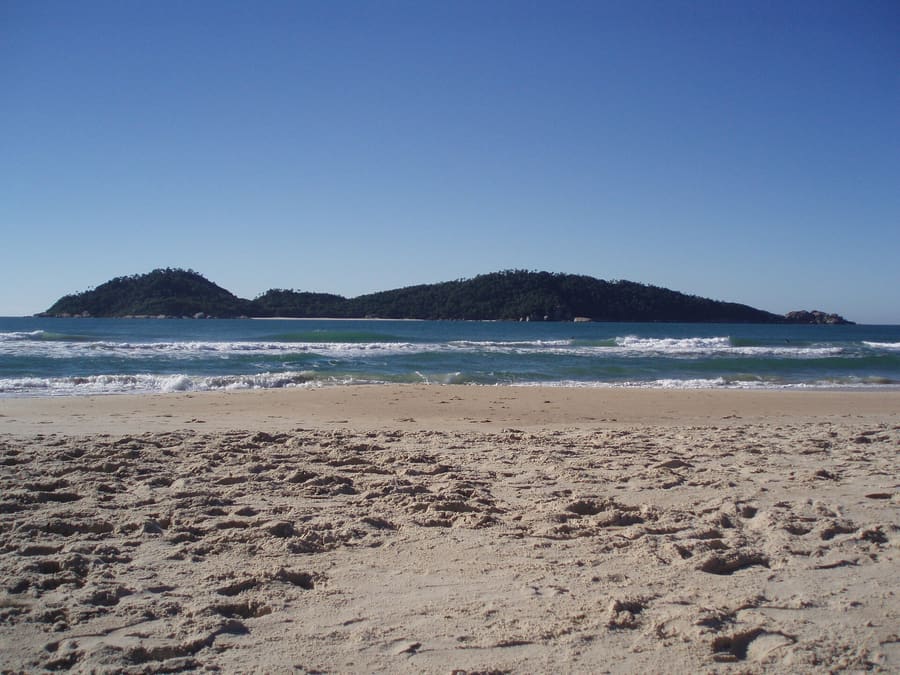
landmark
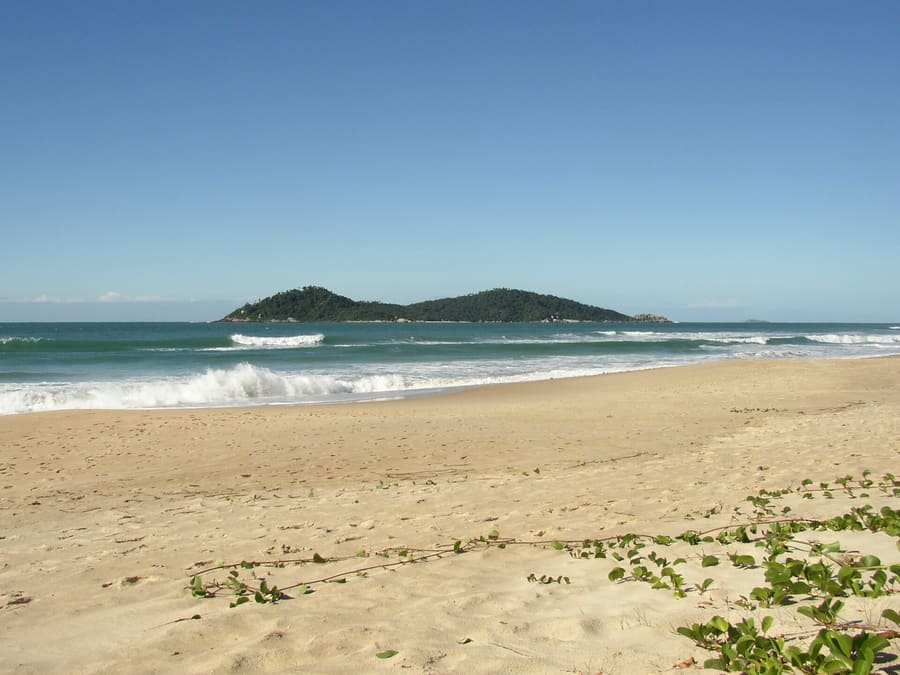
An offshore island with clear waters and ancient rock carvings. Boats limit passenger numbers daily.
Parley fragen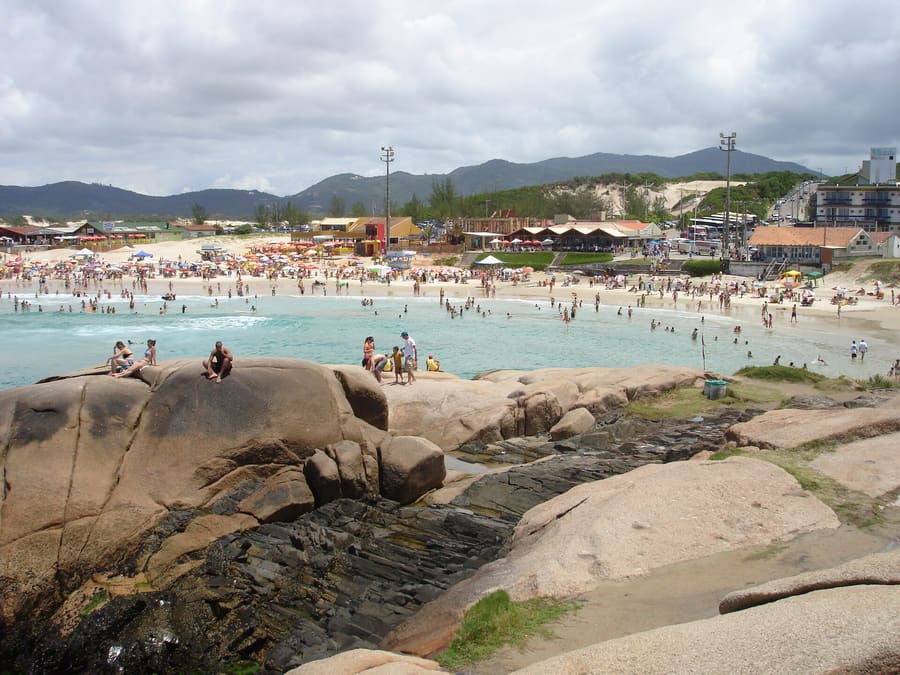
landmark
Heavy Atlantic swells and massive sand dunes. Board rentals line the main entry path.
Parley fragenattractions
areas
Transit hub and commercial core filled with historical architecture and local markets.
In der NäheHercílio Luz Bridge and main bus terminal.
Parley fragenNightlife center surrounded by lagoon waters, cafes, and surf paths.
In der NäheJoaquina Beach and Praia Mole.
Parley fragenUpscale northern enclave with calm bay waters and luxury beach clubs.
In der NähePraia do Forte and Daniela Beach.
Parley fragenColonial Azorean village operating as the nation's oyster farming capital.
In der NäheSouthern oyster farms and Tapera.
Parley fragenfood
Florianópolis produces over 80 percent of Brazil's farmed oysters. Local restaurants serve them raw, gratinéed with parmesan, or steamed in white wine. The southern bay of Ribeirão da Ilha supplies most tables directly from coastal mariculture plots. Aside from shellfish, traditional menus feature *sequência de camarão*, a multi-course shrimp feast served in Lagoa da Conceição. Local eateries prepare *tainha*, a native mullet fish roasted whole during autumn harvesting months.
Freshly harvested oysters served along the bay at Ribeirão da Ilha.
David Monniaux · CC BY-SA 3.0Assess farm fresh quality by ordering raw oysters on ice before trying baked varieties.
Order *sequência de camarão* for lunch because the heavy fried portions suit afternoon digestion.
Visit during May and June to eat fresh *tainha* caught along southern beaches.
history
Indigenous Carijó people originally inhabited the island, calling it Meiembipe. Portuguese settlers arrived in the 17th century, establishing Desterro as a supply point. Mid-18th century immigration brought families from the Azores islands to fortify Portugal's southern border. Their influence remains visible in coastal architecture, fishing techniques, and local dialect. The city took the name Florianópolis in 1894 following the Federalist Riots.
Founding of Desterro
Francisco Dias Velho establishes the settlement that eventually becomes Florianópolis.
Azorean Immigration
Thousands of settlers arrive from the Azores to build fortified coastal villages.
Name Change
Desterro is renamed Florianópolis after Floriano Peixoto following military political struggles.
Hercílio Luz Opening
The suspension bridge opens, connecting the island to mainland road networks for the first time.
where to stay
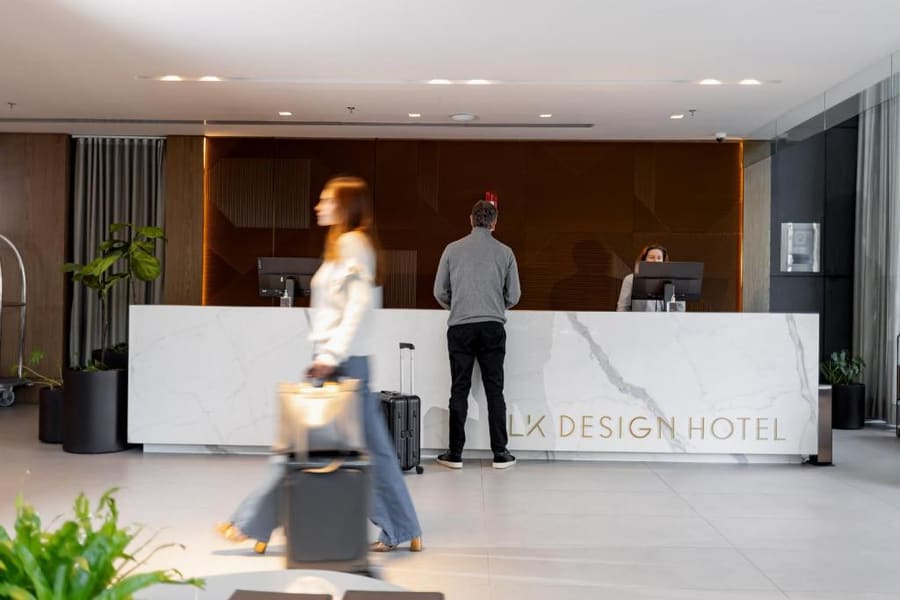
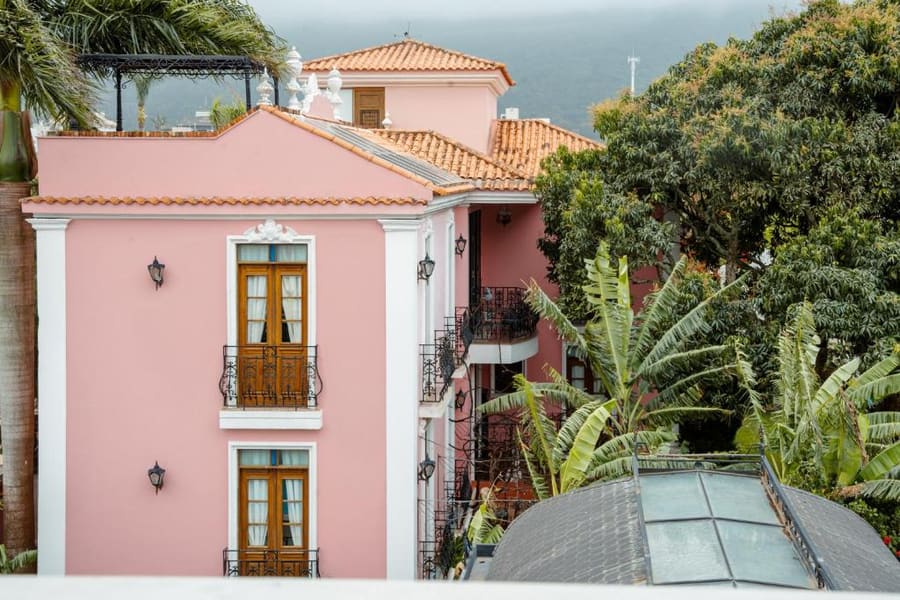
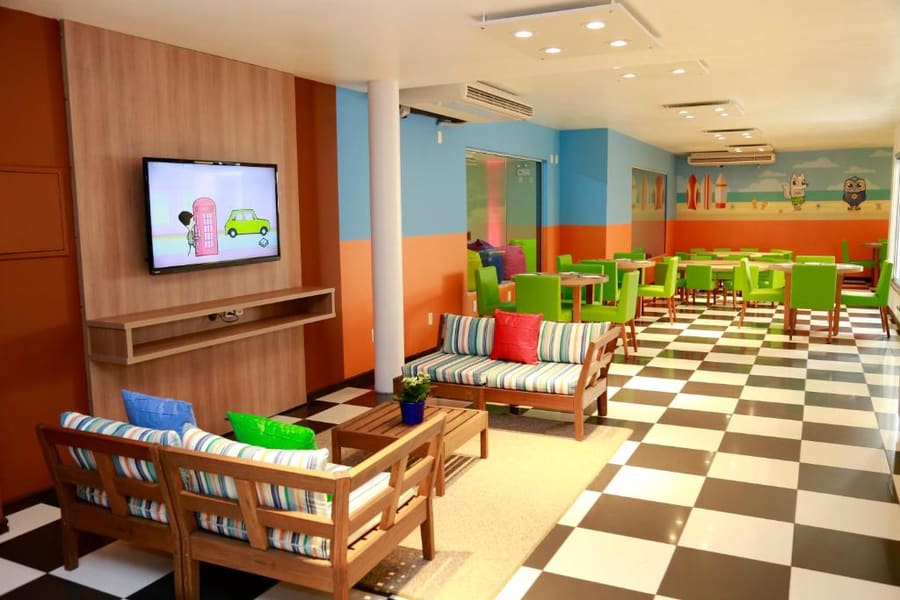
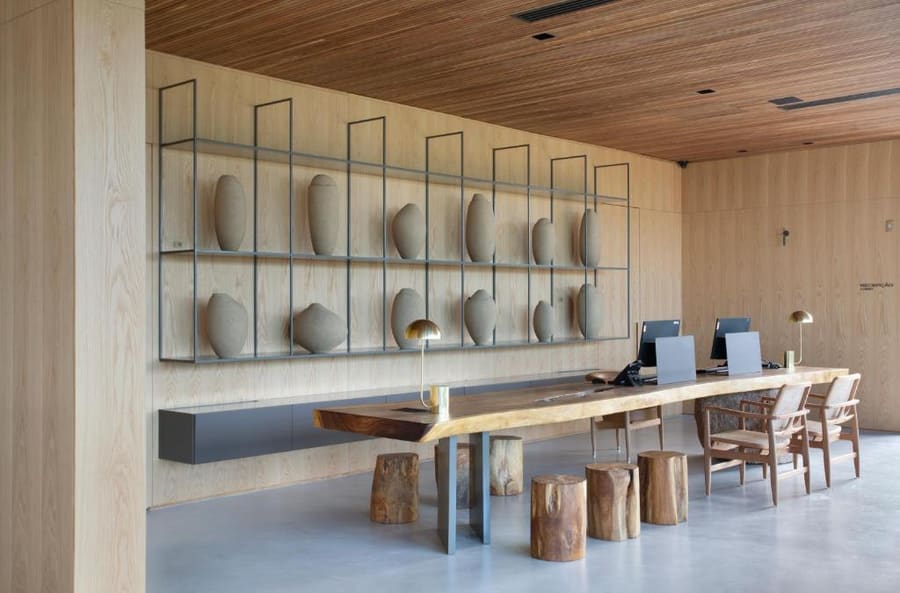
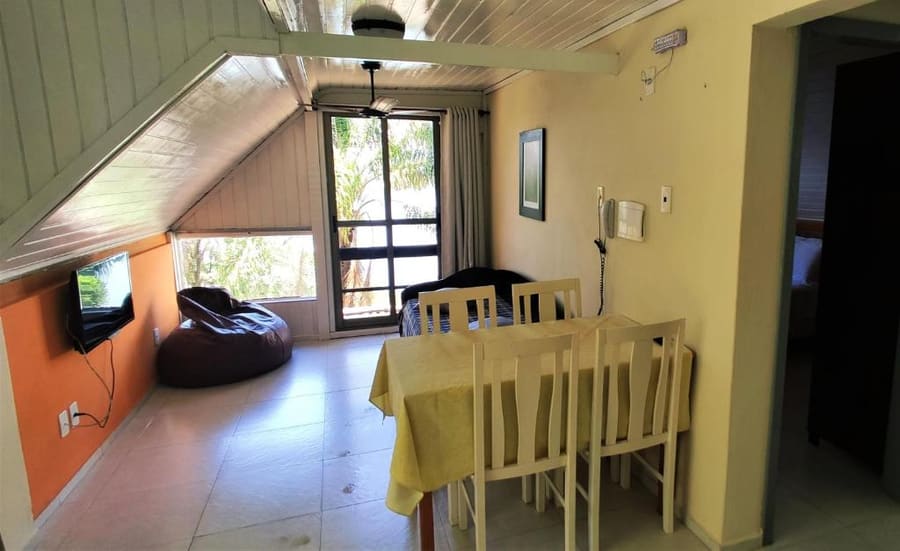
Choose your area based on water preferences and travel style. Stay north in Jurerê for modern amenities and flat, calm waters. Pick Lagoa da Conceição for surf access, nightlife, and central road connections. Select Centro if your itinerary relies heavily on regional buses or business stops. Choose Ribeirão da Ilha for quiet nights focused exclusively on culinary travel.
Live rates, matched to the areas above.
transport
Florianópolis relies on a hub-and-spoke bus system centered around integration terminals called TICEN, TILAG, and TISAN. Roads bottle up during summer months, especially along SC-401 and SC-404. Rideshare apps function reliably across the island, but surge pricing spikes during rainy afternoons and beach departures.
Ab Florianópolis-Hercílio Luz International Airport (FLN)
Line 461 runs directly from the terminal to TICEN in Centro.
Pick-up area sits directly outside the main arrivals exit.
Metered fares with fixed airport departure rates.
Purchase a rechargeable Passe Rápido card at TICEN to pay lower fares on municipal buses.
Do not travel between Centro and northern beaches between 17:00 and 19:30 on weekdays.
Transfer between connecting buses inside integration terminals without paying a second fare.
cost
Prices vary significantly between seasonal beach resort zones and the administrative center. Seafood costs reflect direct access to local aquaculture, making oysters remarkably inexpensive compared to major global cities.
Price range for a dozen raw oysters at seafood restaurants in Ribeirão da Ilha.
Cost for a two-person *sequência de camarão* feast in Lagoa da Conceição.
Standard single ride fare on public buses across the island system.
Hourly board rental rate at Joaquina or Praia Mole beaches.
seasonality
DEC – FEB
Peak summer brings warm water, maximum sunshine, and severe traffic jams on main island corridors.
MAR – MAY
Warm seas persist while summer crowds disperse. Mullet fishing season starts in May.
JUN – AUG
Cool, dry weather brings clear winter skies. Water temperatures drop, requiring wetsuits for surfing.
SEP – NOV
Spring brings variable rainfall and warming air. Ocean temperatures remain chilly until December.
practicalities
Southern Brazil experiences high UV index ratings year-round. Apply sunscreen even on overcast mornings.
Watch for lifeguard flags on open ocean beaches like Campeche and Joaquina before swimming.
Banks open from 10:00 to 16:00 on weekdays. Card payment works at virtually all beach kiosks.
English is not widely spoken outside luxury hotel desks. Basic Portuguese phrases help significantly.
Download offline maps before hiking paths like Trilha do Gravatá where cellular service drops.