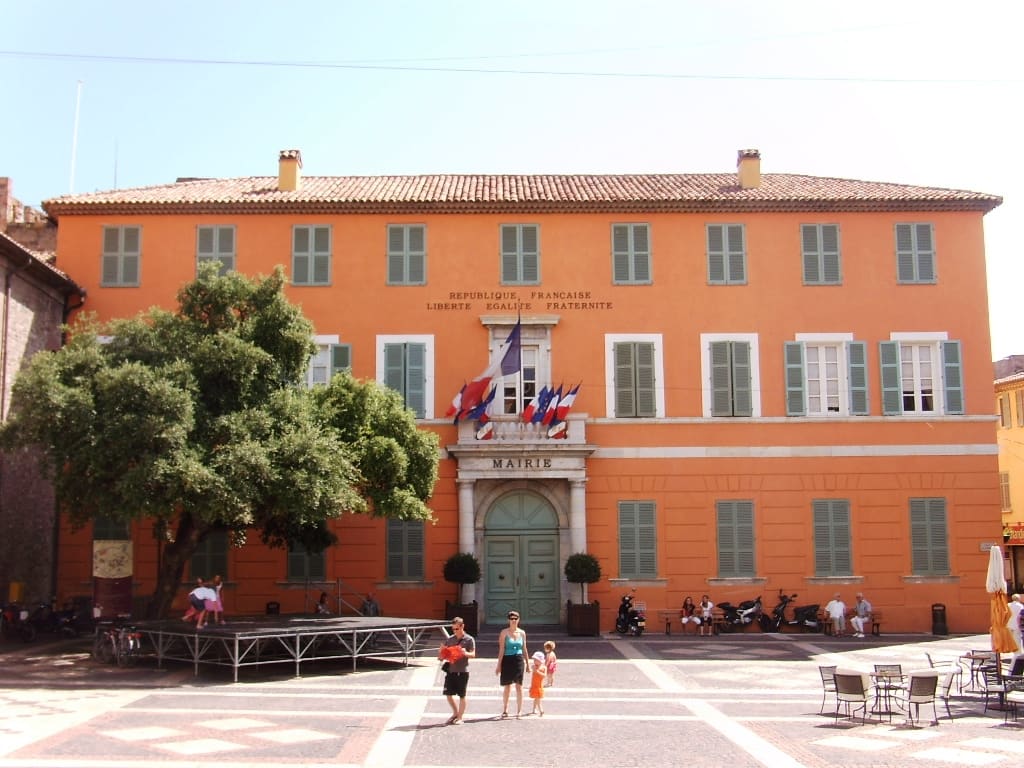
landmark
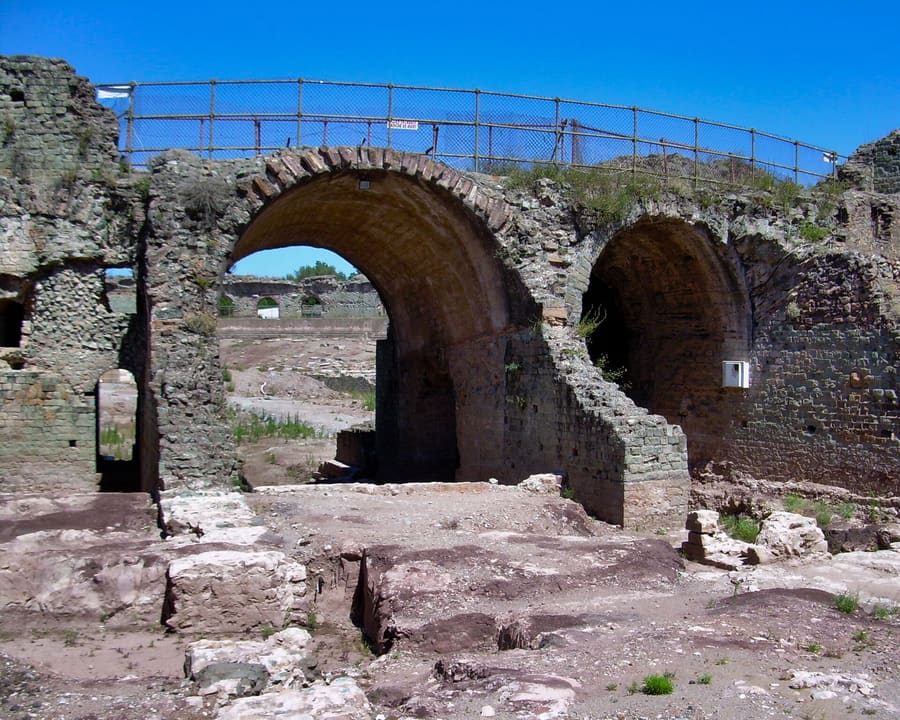
Arènes de Fréjus
1st-century Roman amphitheatre rebuilt with modern concrete seating. Entry is €3 or covered by the local pass.
Parley fragenFrankreich
Roman ruins meet Riviera coastline without Cannes prices.
introduction
Fréjus sits split into three clear tiers: the Roman and medieval core inland, the 1980s marina at Port-Fréjus, and the resort beach strip at Saint-Aygulf. You navigate between them using AggloBus lines or bikes, as walkability drops off quickly outside the medieval centre. Expect heavy coastal traffic along the D559 in July and August, but easy rail connections year-round via neighbouring Saint-Raphaël.
Arrive via Saint-Raphaël-Valescure
TGV trains stop at Saint-Raphaël-Valescure station, 2 km east. AggloBus line 4 links the platform directly to Fréjus centre in ten minutes.
Town of Art and History
Fréjus holds France's official Ville d'Art et d'Histoire designation. Its Forum Julii was founded by Julius Caesar in 49 BC.
highlights
landmark
1st-century Roman amphitheatre rebuilt with modern concrete seating. Entry is €3 or covered by the local pass.
Parley fragen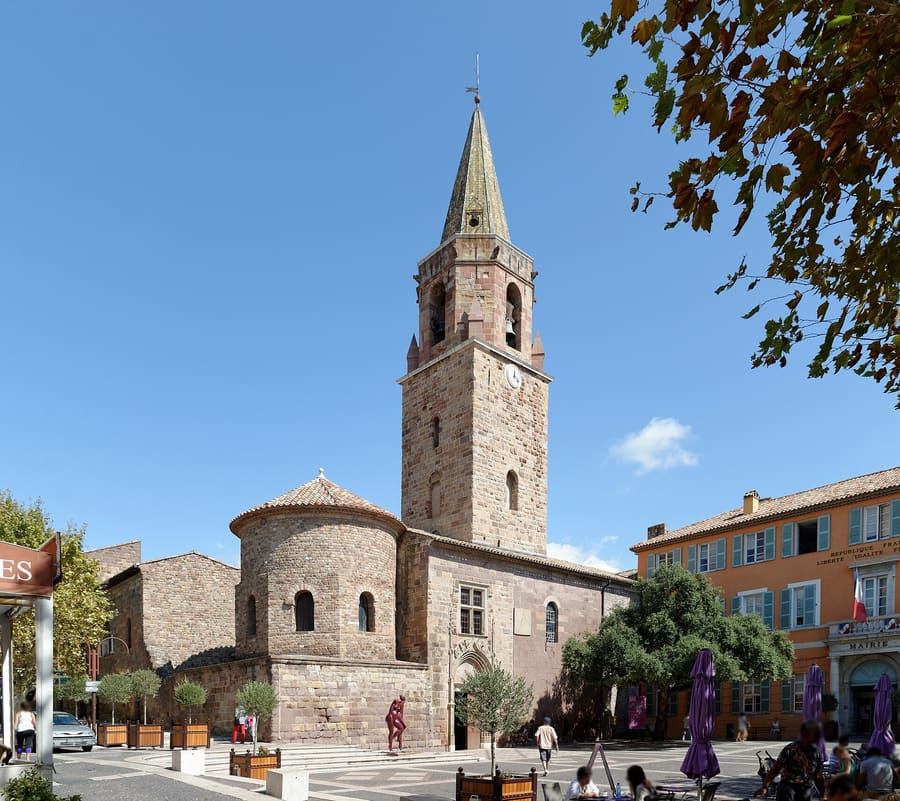
landmark
5th-century baptistery and 14th-century cloister with painted ceiling panels. Closed Mondays outside summer.
Parley fragen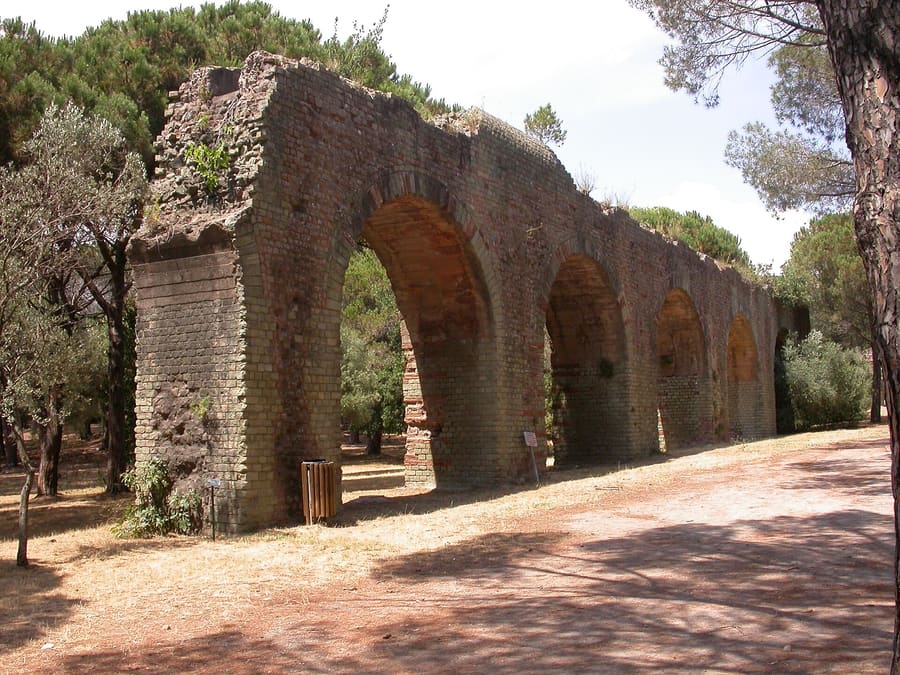
landmark
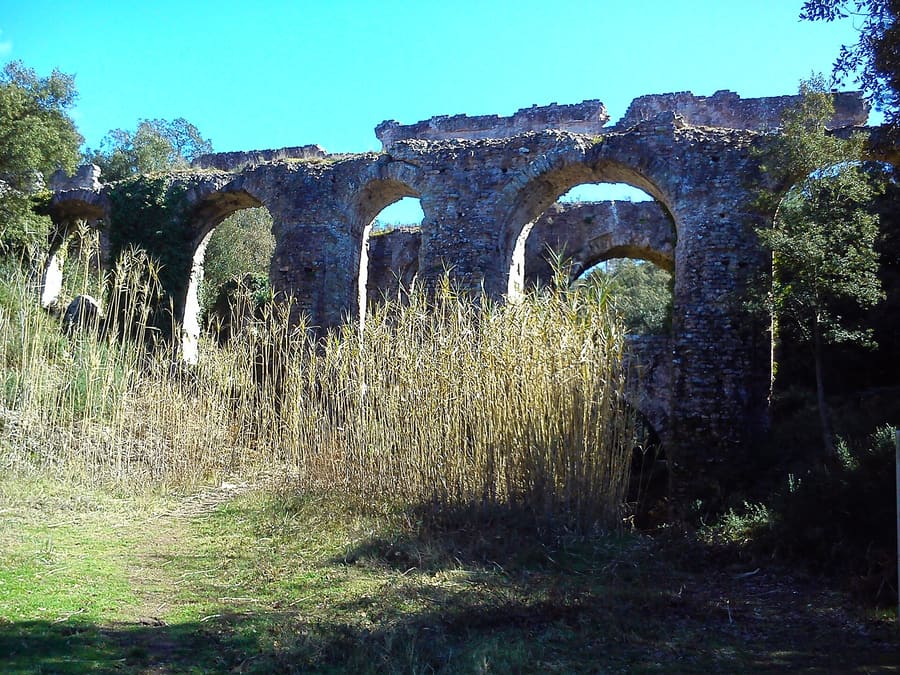
Arched stone ruins of a 40-kilometre Roman water system. Viewable free inside Parc Aurélien.
Parley fragenattractions
areas
Quiet, wooded residential quarter set in pine forests northeast of the centre.
In der NäheParc Aurélien and Estérel hills
Parley fragenHistoric Roman and medieval core with shaded squares, terracotta roofs, and local markets.
In der NähePort-Fréjus and Saint-Raphaël
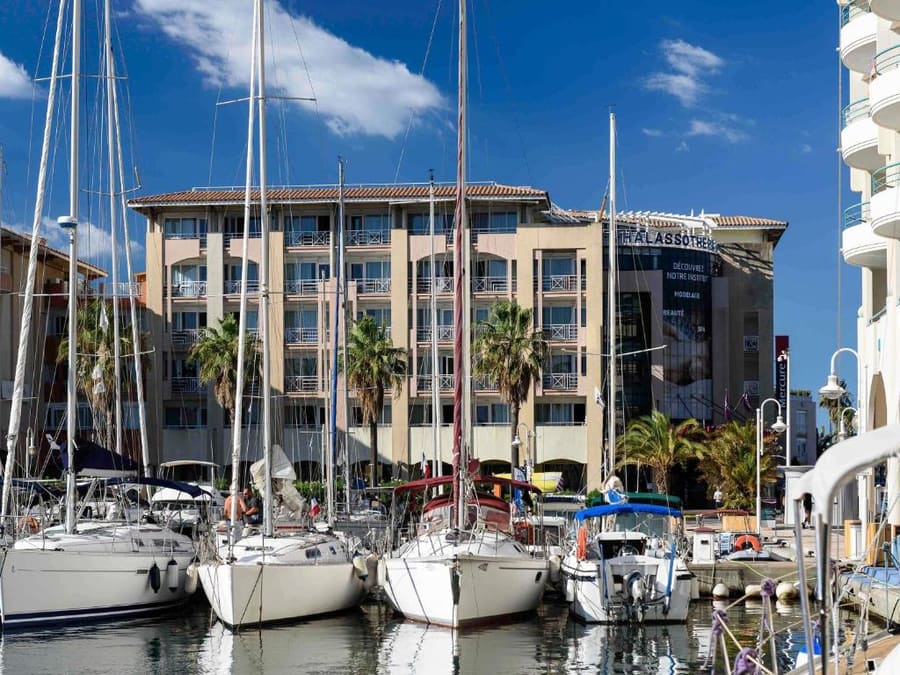
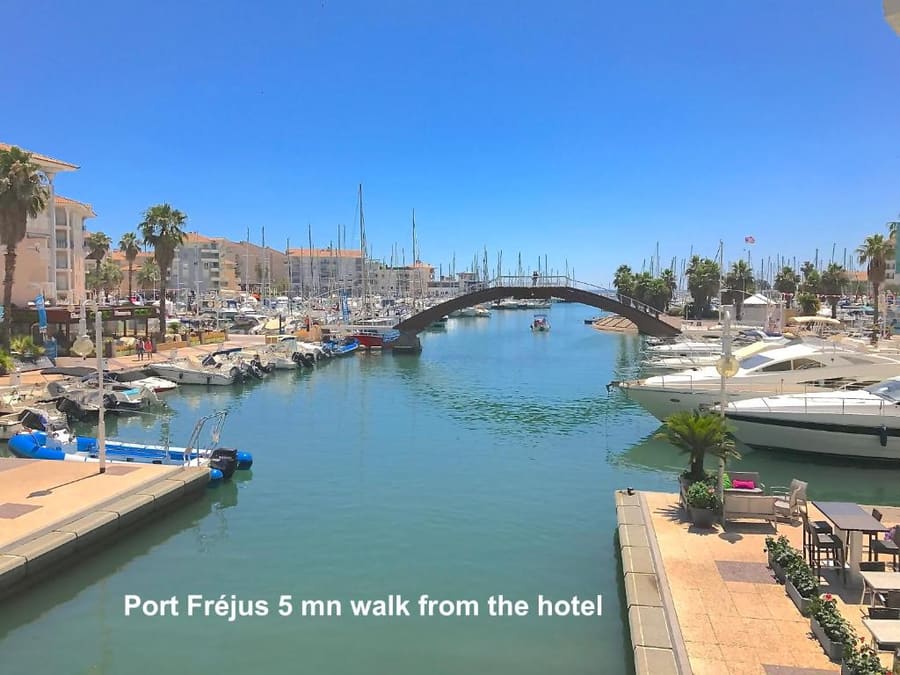
Parley fragenModern waterfront district built around a marina basin lined with apartments and seafood eateries.
In der NäheBase Nature and Centre-Ville
Parley fragenRelaxed seaside village south of the river mouth with wide sandy beaches and coastal coves.
In der NäheVillepey Ponds and Les Issambres
Parley fragenfood
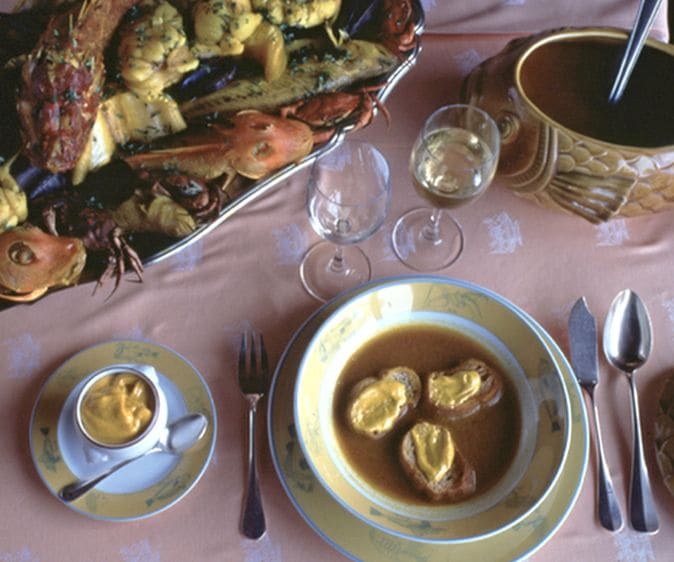
Dining in Fréjus focuses on coastal Provençal staples like rockfish soup and tapenade. The town's culinary signature is the Pavé de Fréjus, a cube-shaped chocolate praline created to match ancient Roman paving stones. Place Formigé serves as the food hub on market days.
Local produce on sale at the bi-weekly market in Place Formigé.
Slastic · CC BY 3.0Buy octopus, local goat cheese, and tapenade at Place Formigé market on Wednesday and Saturday mornings.
Traditional bistros in the historic centre close lunch service at 14:00 sharply. Sit down by 13:00 to order.
Purchase boxed Pavé de Fréjus chocolates at bakeries around Place Formigé for roughly €12 per box.
history
Julius Caesar founded Forum Julii in 49 BC to secure his coastal supply lines along the Via Aurelia. The port became a primary Roman naval base after Octavian stationed captured ships here. Over time, river silt pushed the coastline outward, leaving ancient ruins inland.
Caesar founds Forum Julii
Julius Caesar creates a staging post on the Via Aurelia that grows into a military port.
Octavian anchors his fleet
Warships captured at the Battle of Actium are stationed inside the Roman harbor basin.
Malpasset Dam disaster
The collapse of the Malpasset Dam upstream sends a wall of water through Fréjus, killing 423 people.
Construction of Port-Fréjus
Engineers excavate a new modern marine basin on former marshland near the historic harbour site.
where to stay
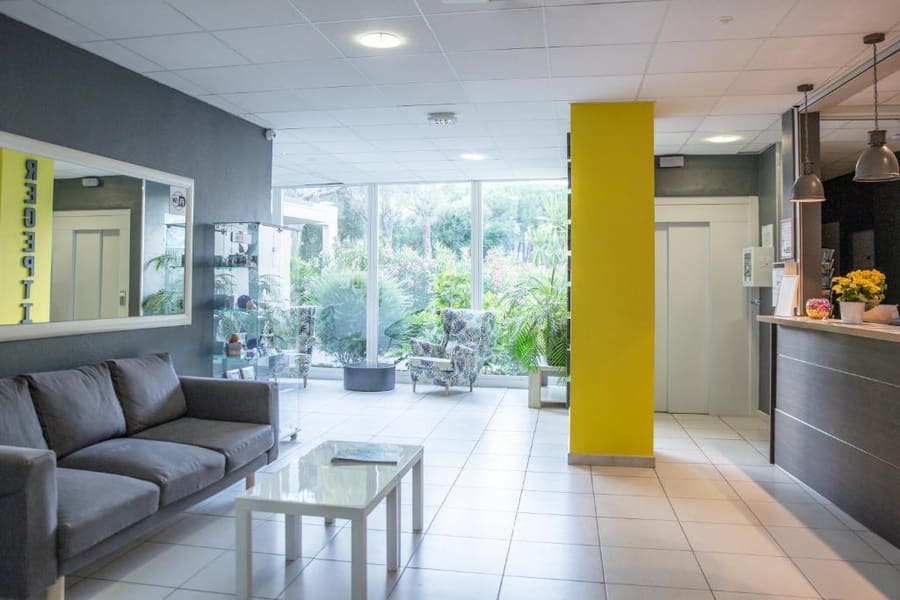
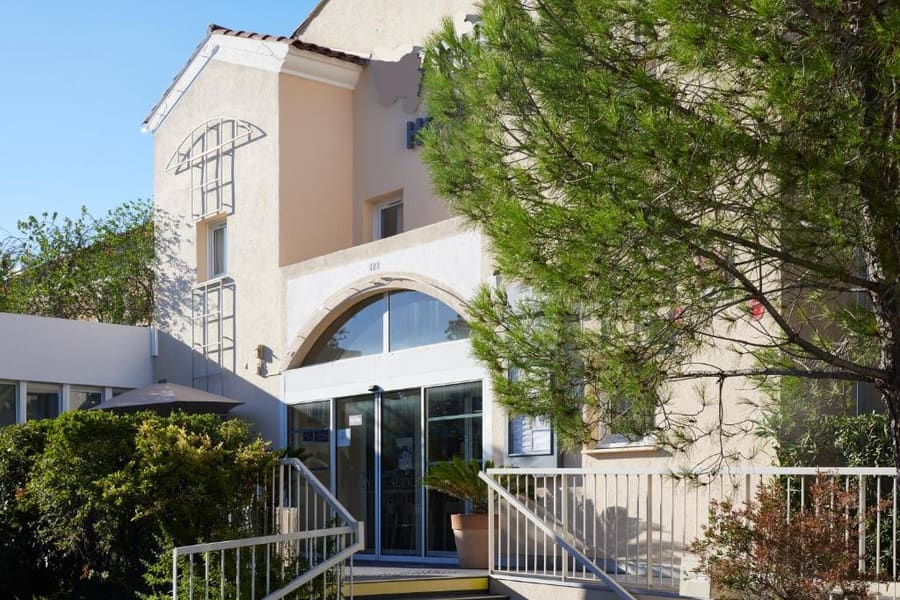
Choose your location based on transport versus beach access. Centre-Ville keeps you near train lines and Roman monuments, while Saint-Aygulf and Port-Fréjus trade transit convenience for immediate access to the water.
Live rates, matched to the areas above.

transport
Fréjus shares its rail gateway with Saint-Raphaël. Most travellers arrive at Saint-Raphaël-Valescure station and cross into Fréjus via AggloBus routes or a short walking path along the beach.
A single bus ticket costs €1.50 and includes 60 minutes of transfers across both Fréjus and Saint-Raphaël.
You tap a credit card or mobile device directly on the onboard readers when entering any AggloBus.
Line 4 runs every 15 minutes during summer peak hours, but drops to 30-minute intervals off-season.
Fréjus and Saint-Raphaël share a continuous seaside promenade; you walk between the centres in 25 minutes.
cost
Prices in Fréjus remain below neighboring Cannes or Saint-Tropez. However, beachside sunbed rentals and summer hotel rates spike significantly between July and August.
Provides unlimited 24-hour travel on all urban bus routes in the district.
Standard sitting price at central outdoor cafes.
Daily rental fee for a lounge chair on private beach strips in summer.
seasonality
MAR – MAY
Mild temperatures around 18°C. Ideal for exploring Roman sites without summer heat or heavy crowds.
JUN – AUG
Water hits 24°C. Coastal traffic on the D559 slows to a crawl; book hotels months in advance.
SEP – OCT
Warm sea temperatures persist while summer crowds leave. Excellent conditions for Estérel hikes.
NOV – FEB
Quiet winter months with daily highs around 12°C. Some seasonal beach venues close until April.
practicalities
Independent shops in Centre-Ville close routinely between 12:30 and 15:30.
The 135-hectare coastal park opens daily from 08:00 to sunset with no entry fee.
Vendors at Place Formigé prefer cash for smaller transactions under €10.
Saint-Aygulf beaches feature active lifeguard surveillance daily from mid-June to mid-September.
Access to Massif de l'Estérel hiking trails is restricted on high-wind days during summer.