landmark
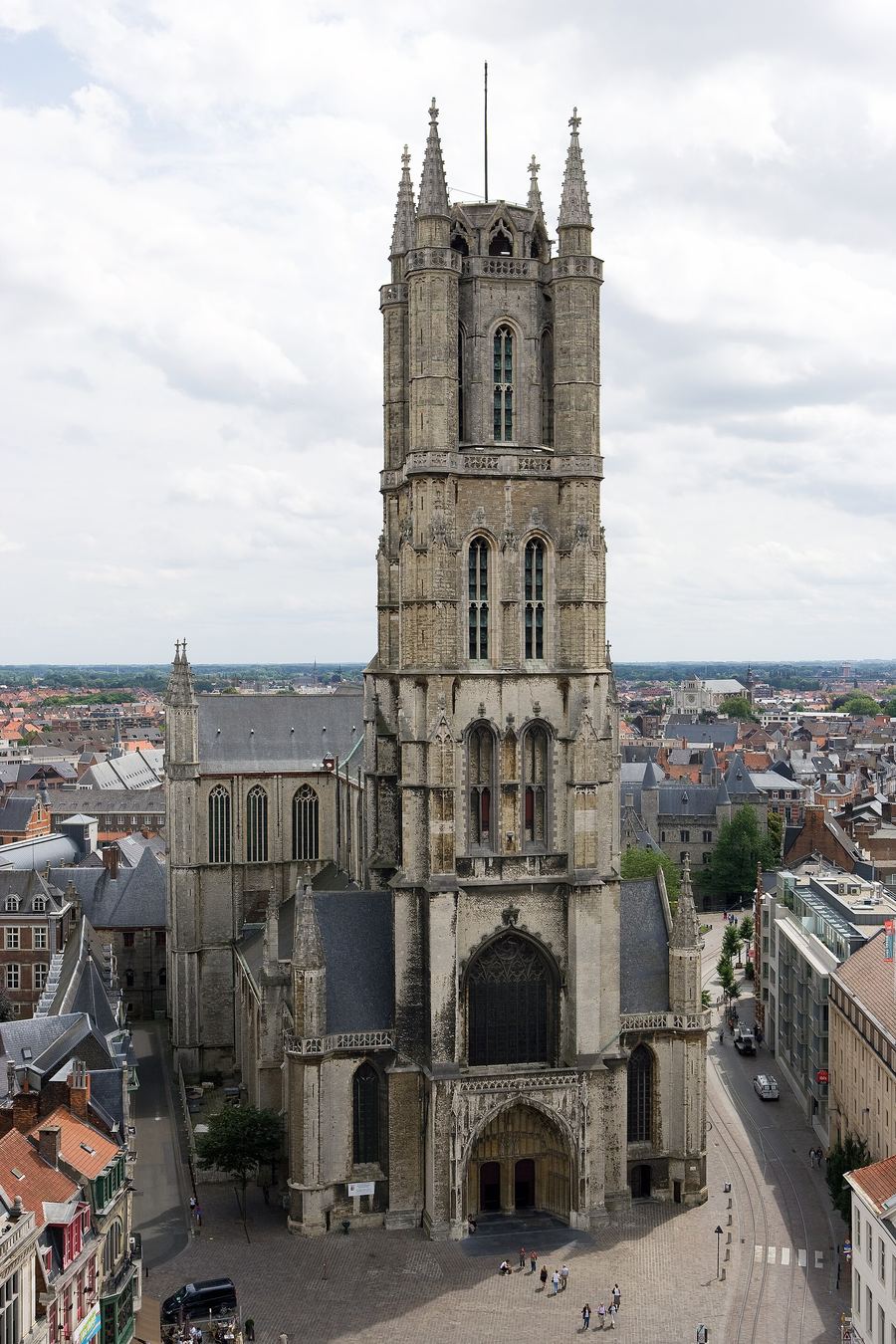
St Bavo's Cathedral
Houses Van Eyck's 1432 Adoration of the Mystic Lamb. Augmented reality tickets required for the crypt display.
Parley fragenBelgien
Flemish medieval scale with student grit and workaday life.
introduction
Ghent is Belgium's functioning historic city. Unlike neighbouring Bruges, it refused to turn its center into an open-air museum. Tram line T1 cuts past 14th-century guildhouses carrying university students rather than tour groups. You come here for Flemish Primitives, restored canal fortresses, and a dining scene driven by strict local preferences.
Rail hub arrival choice
Gent-Sint-Pieters handles all intercity trains. Gent-Dampoort drops you closer to Patershol and the eastern canal loop.
CityCard transit math
The CityCard Gent includes all De Lijn trams, buses, and major museum admissions. It pays off after three site entries.
Ghent
Thomas Kindermans · CC BY-SA 3.0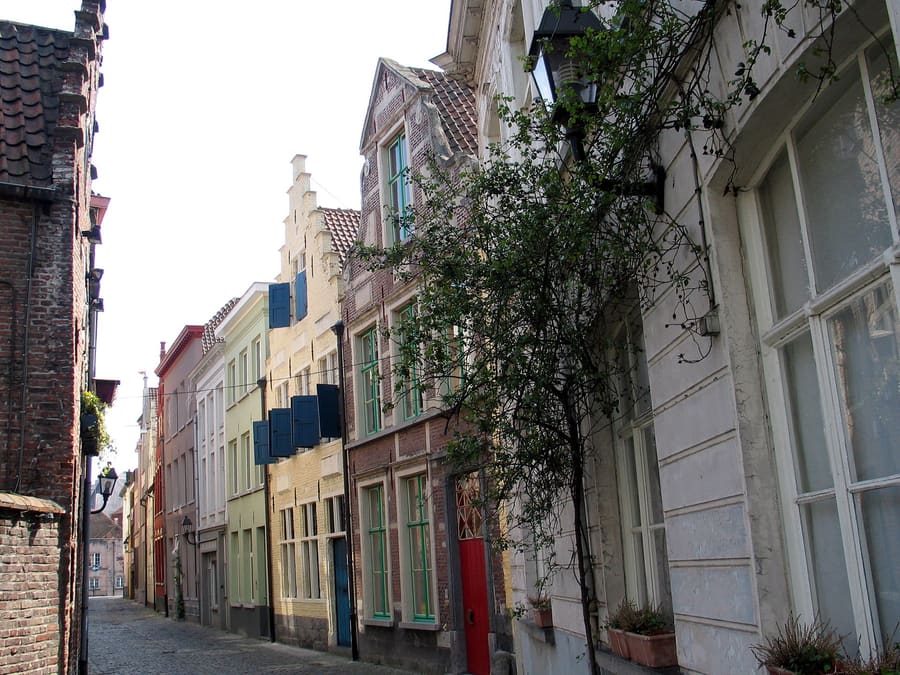
Patershol — Grid of medieval alleys north of Gravensteen, filled with independent restaurants.
Paul Hermans · CC BY-SA 3.0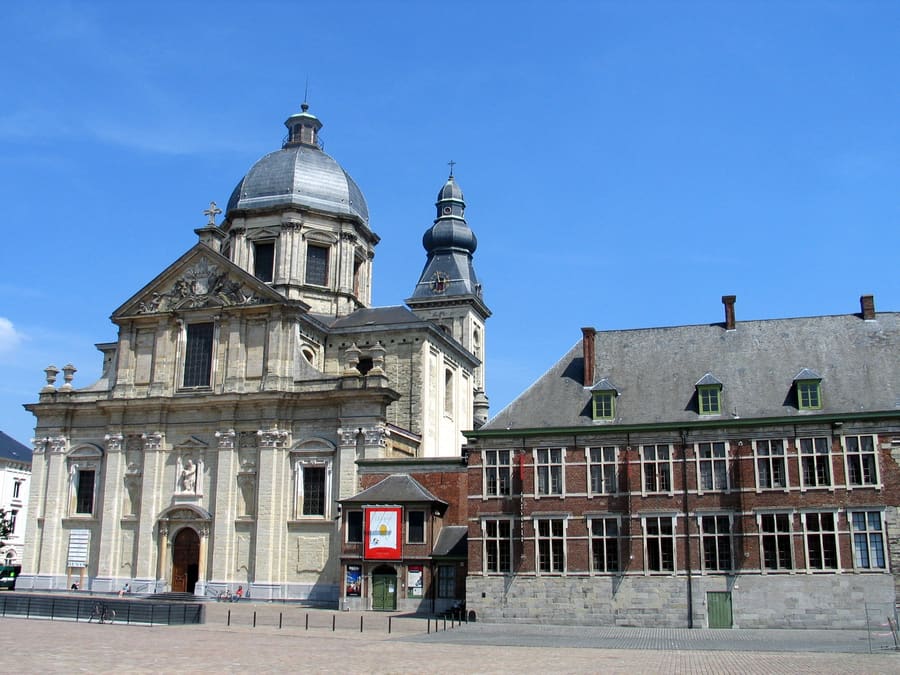
Arts Quarter — University district around Sint-Pietersplein with quiet parks and major museums.
Paul Hermans · CC BY-SA 3.0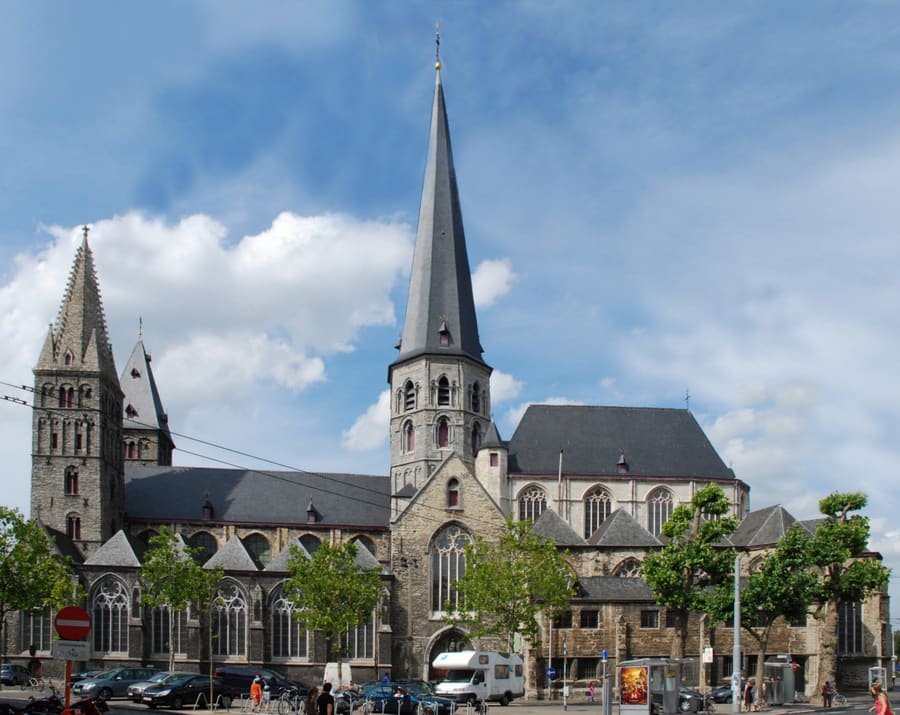
Sint-Jacobs — Bohemian eastern wedge known for vintage shops, record stores, and flea markets.
Paul Hermans · CC BY-SA 3.0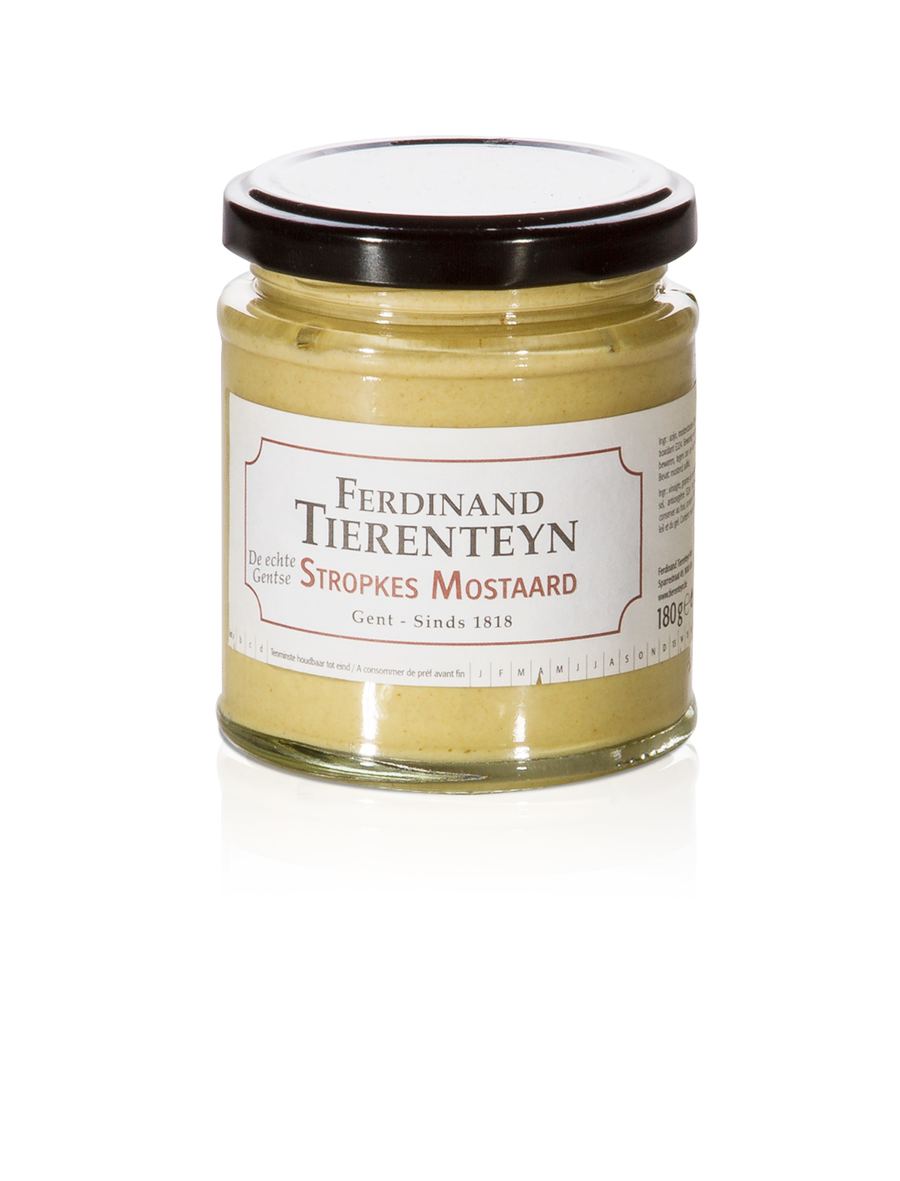
Tierenteyn-Verlent mustard shop on Groentenmarkt, operating on this spot since 1867.
Bernard Desrumaux · CC BY-SA 4.0highlights
landmark
Houses Van Eyck's 1432 Adoration of the Mystic Lamb. Augmented reality tickets required for the crypt display.
Parley fragen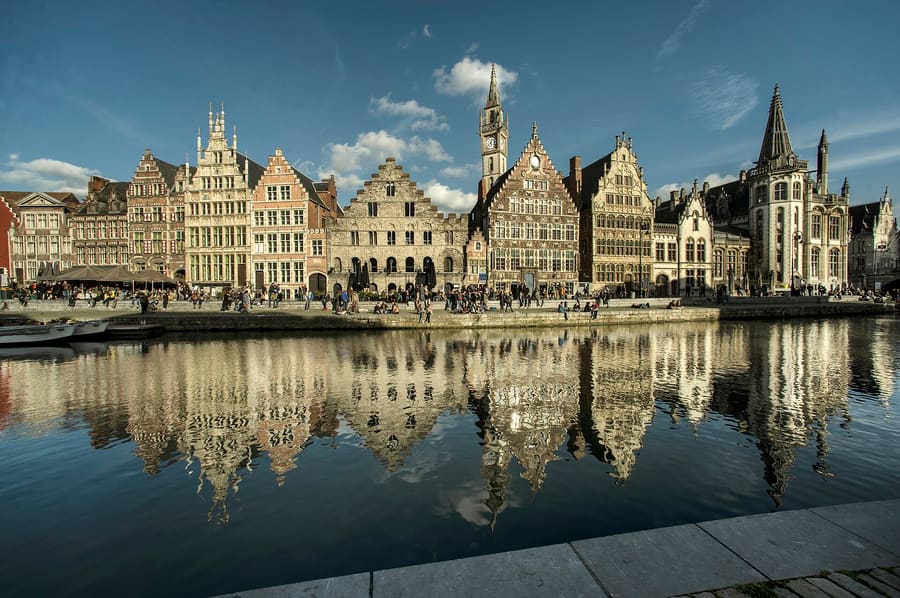
landmark
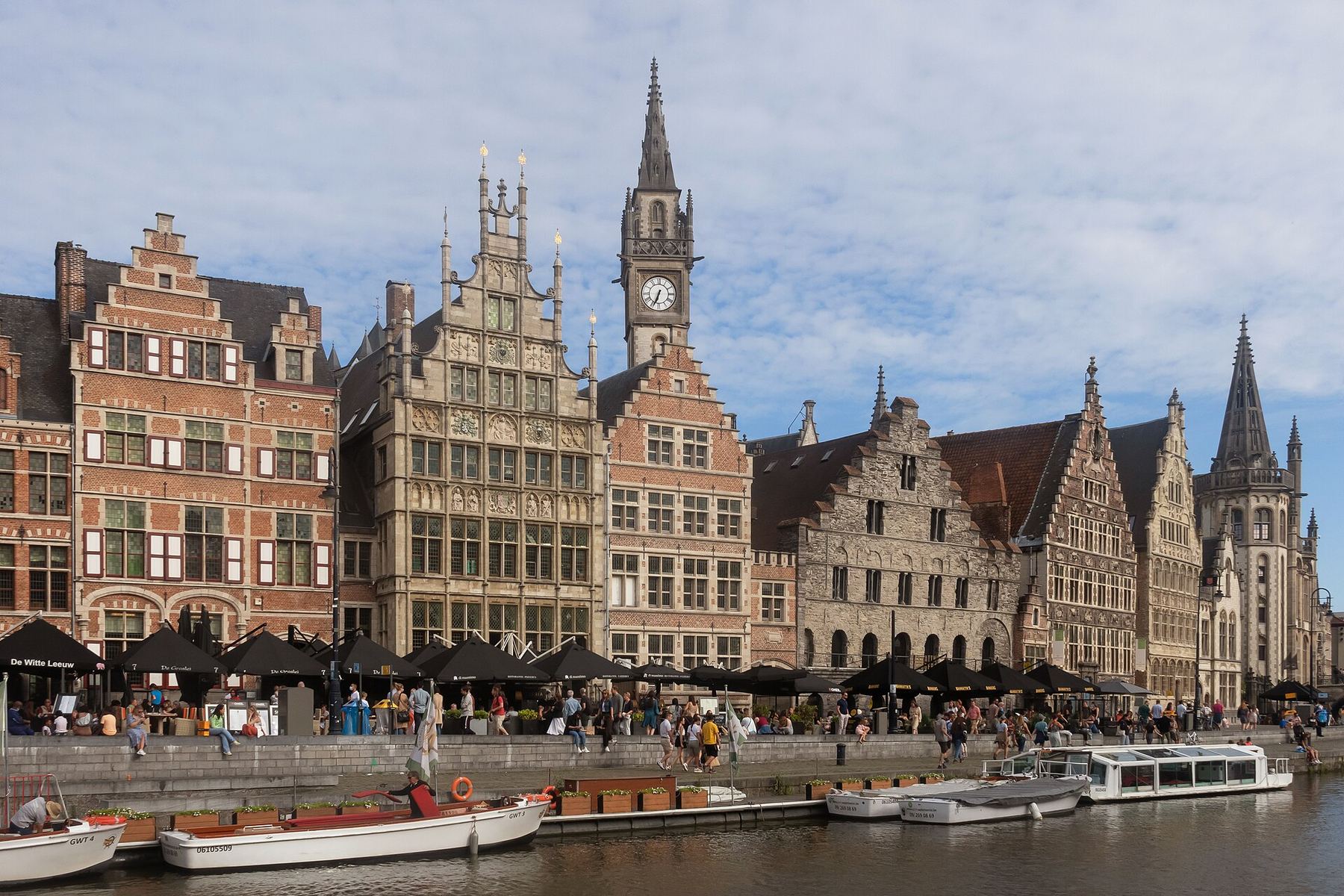
Twin medieval harbour docks on the Leie. Best visited early morning before tourist boats fill the water.
Parley fragen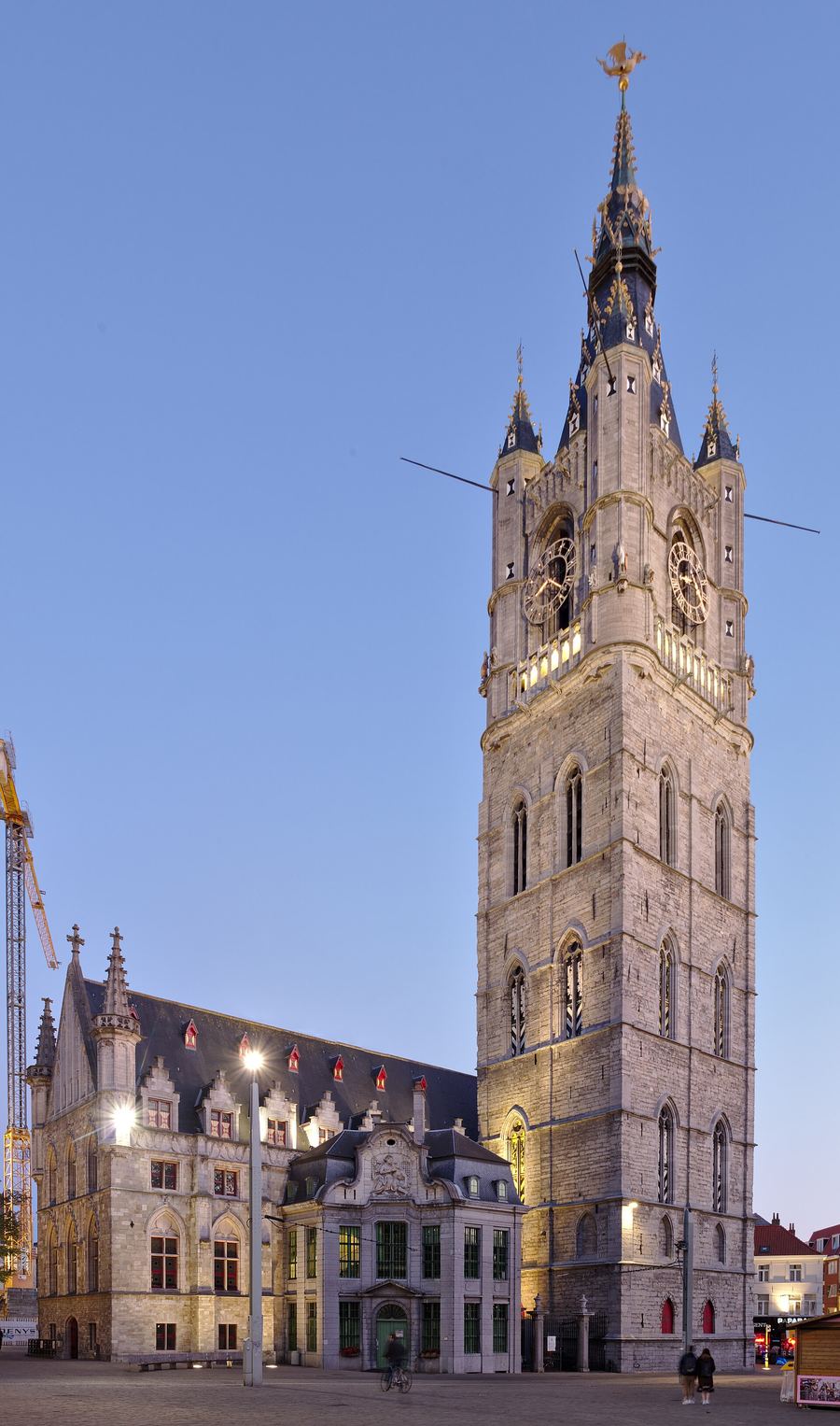
landmark
A 91-metre civic watchtower housing a 52-bell carillon. Take the lift up to skip 366 narrow steps.
Parley fragen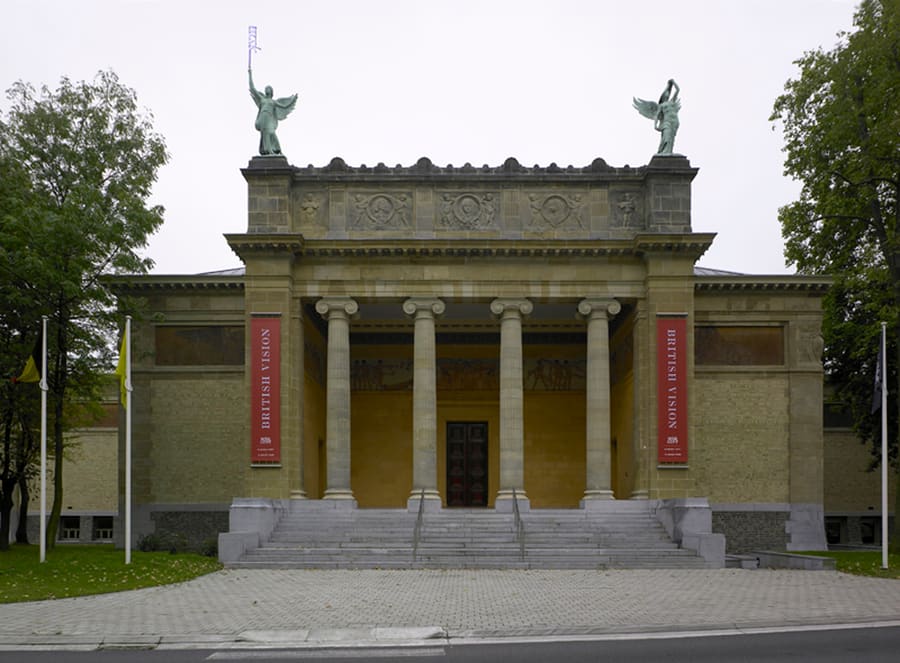
landmark
Belgium's oldest museum focusing on Flemish Masters through modernism. Houses active restoration workshops.
Parley fragen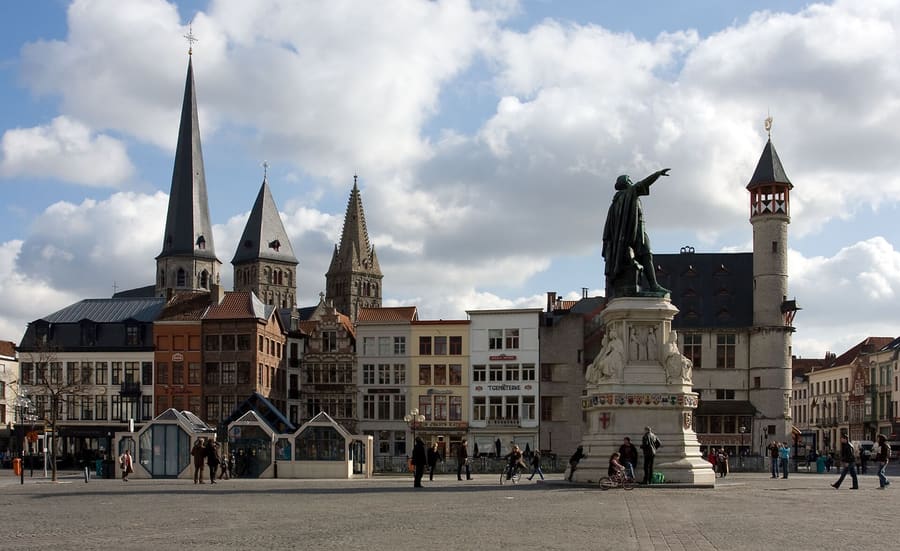
landmark
Historic market square dominated by Jacob van Artevelde's statue. Hosts traditional Friday and Saturday markets.
Parley fragenattractions
areas
Grid of medieval alleys north of Gravensteen, filled with independent restaurants.
In der NäheGravensteen, Design Museum
Parley fragenUniversity district around Sint-Pietersplein with quiet parks and major museums.
In der NäheMSK, S.M.A.K., Citadelpark
Parley fragenBohemian eastern wedge known for vintage shops, record stores, and flea markets.
In der NäheVrijdagmarkt, Church of Saint James
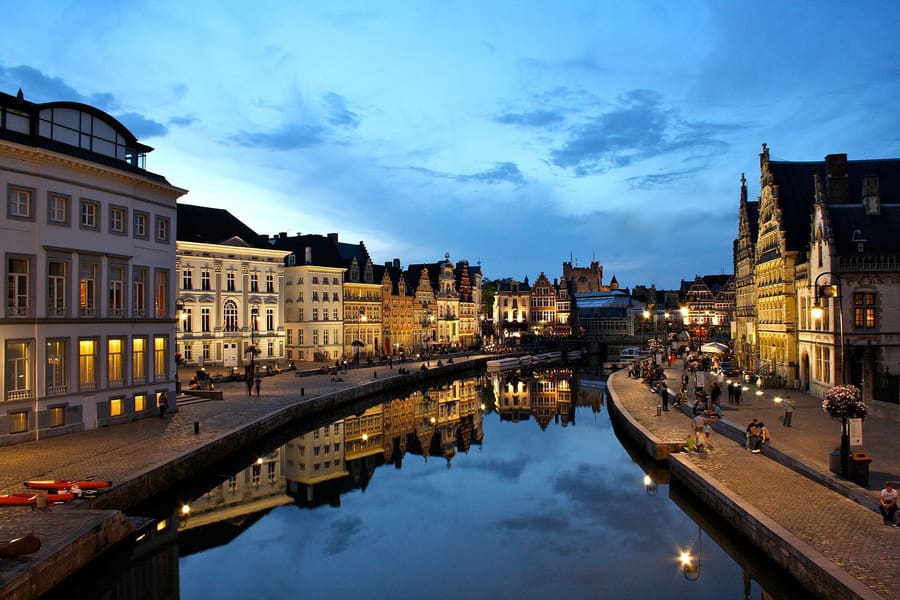
Parley fragenPedestrianised core with gothic spires, retail chains, and crowded canal corridors.
In der NäheSt Bavo's, Belfry, Graslei
Parley fragenfood
Ghent eats differently from Antwerp or Brussels. The city committed to official meat-free Thursdays (Donderdag Veggie-dag) in 2009, giving it one of Europe's highest densities of vegetarian restaurants per capita. Local cooking relies heavily on mustard, braised meats, and rich chicken or fish broths.Ghent's traditional broth dish is Gentse Waterzooi, a stew of chicken or fish cooked with vegetables, cream, and egg yolks. For snacks, look for sweet nose-shaped candies called cuberdons, sold from wooden carts on Groentenmarkt. The local mustard comes from Tierenteyn-Verlent, where staff ladle fresh, unpasteurised mustard straight into ceramic crock jars from large wooden tubs.
Tierenteyn-Verlent mustard shop on Groentenmarkt, operating on this spot since 1867.
Bernard Desrumaux · CC BY-SA 4.0Buy fresh mustard directly at Tierenteyn-Verlent on Groentenmarkt. Freshly ladled mustard lasts about two months without losing its sharp kick.
Authentic Waterzooi was originally made with freshwater fish from the Lys. Modern versions use chicken unless specified on the menu.
Buy cuberdons from rival wooden pushcarts on Groentenmarkt. These candies have a hard shell and a liquid raspberry center that crystallises after three weeks.
history
Ghent grew at the confluence of the Scheldt and Lys rivers. By the 13th century, it was Europe's second-largest city north of the Alps after Paris, made wealthy by English wool processing and cloth trade.Its merchant guilds held immense power, frequently rebelling against French kings and Burgundian dukes. That rebellious streak shaped the city's architecture and independent civic identity, which persists today in its refusal to turn the historic center over entirely to tourism.
Textile metropolis
Ghent grows into a major European textile hub, using imported English wool to manufacture cloth.
Gravensteen construction
Count Philip of Alsace builds Gravensteen to project power over wealthy, defiant townspeople.
Altarpiece installed
Jan and Hubert van Eyck complete the Ghent Altarpiece for Saint Bavo's Cathedral.
Birth of Charles V
Holy Roman Emperor Charles V is born at Prinsenhof in Ghent.
Ghent University founded
King William I opens Ghent University, turning the industrial textile city into a major academic hub.
where to stay
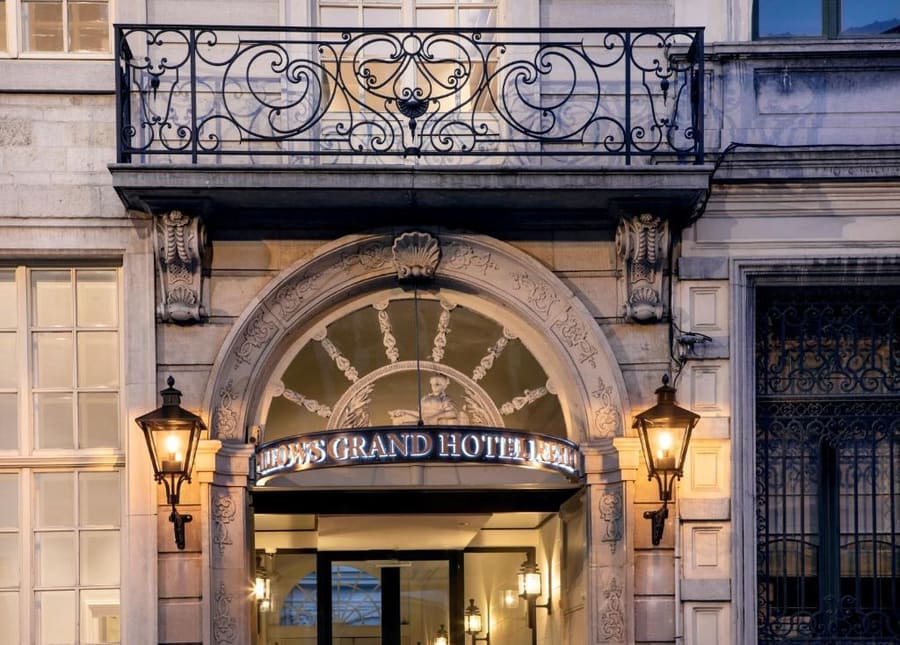
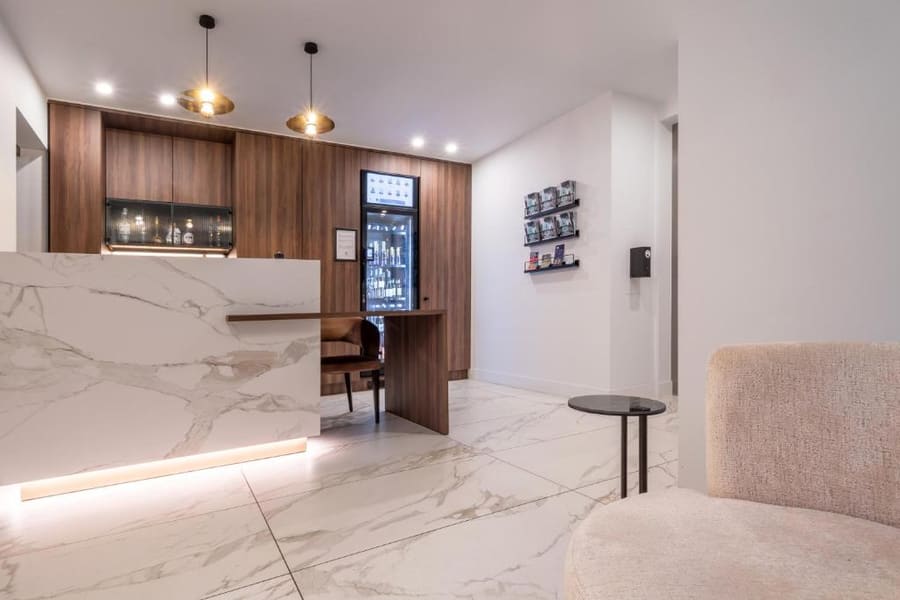
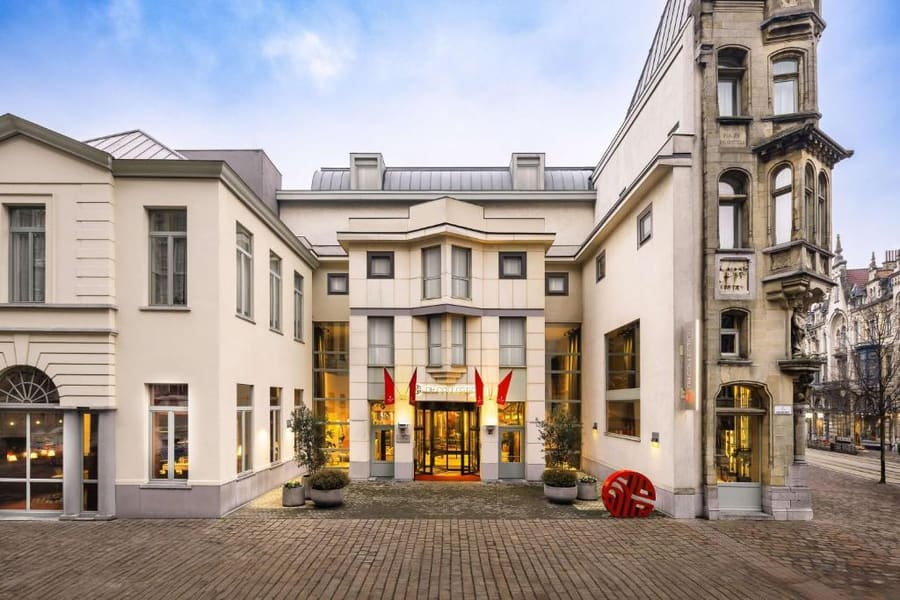
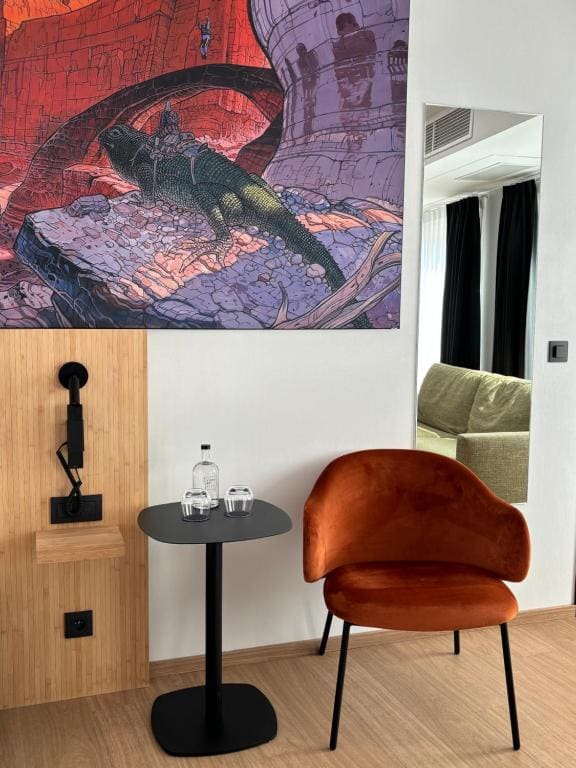
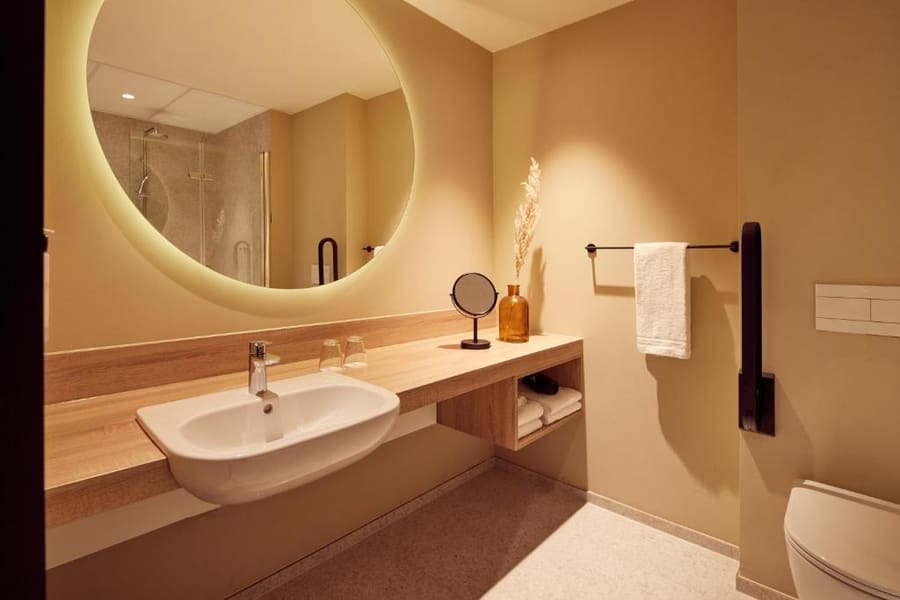
Choose accommodation based on evening noise tolerance and rail access. Stay inside Patershol for character and dining steps from your door, or near Gent-Sint-Pieters if you plan daily rail excursions across Flanders.
Live rates, matched to the areas above.
transport
Tap your contactless payment card directly on the yellow validator aboard De Lijn trams and buses. A single ride costs €2.50.
Gent-Sint-Pieters handles main intercity lines to Bruges, Antwerp, and Brussels. Gent-Dampoort stops closer to Patershol.
Central Ghent is a strict Low Emission Zone (LEZ). Foreign vehicle number plates must be registered online before driving into the city perimeter.
Ghent has extensive streetcar tracks embedded in cobblestones. Cross tram tracks at a sharp angle to avoid catching bicycle wheels.
cost
Ghent is generally cheaper than Brussels or Bruges, largely because of its high student population. Everyday food and transit remain reasonable, though hotel pricing spikes during summer and winter market periods.
Standard adult entry ticket including the augmented reality tour inside Saint Bavo's Cathedral crypt.
Includes access to the ramparts and the self-guided audio tour narrated by comedian Wouter Deprez.
Covers entrance to major museums, a boat ride, and unlimited public transit.
Price for local Flemish ales like Gentse Strop or St. Bernardus in standard city-center bars.
seasonality
MAR – MAY
Mild spring temperatures. Canal terraces open and university activity keeps nightlife steady.
JUN – AUG
Peak tourist season. Gentse Feesten in July draws 1.5 million festival visitors over ten days.
SEP – NOV
Students return to university. Autumn light fits Flemish art collections; carry an umbrella.
DEC – FEB
Short winter days. Christmas market fills Sint-Baafsplein; hotel rates drop outside the holiday weeks.
practicalities
Ghent is in Dutch-speaking Flanders. Locals speak English fluently, but starting conversations in Dutch (Hallo) is appreciated.
Debit and credit cards are accepted almost everywhere, including market stalls. A few small bars maintain a cash-only policy.
The ten-day Gentse Feesten city festival starts on the Friday before the third Sunday in July. Book lodging months ahead.
Ordering Kwak beer at De Dulle Griet bar requires trading one shoe as collateral for their traditional long wooden glass.
Most city museums in Ghent close on Mondays. Check schedules before planning weekday cultural visits.