landmark
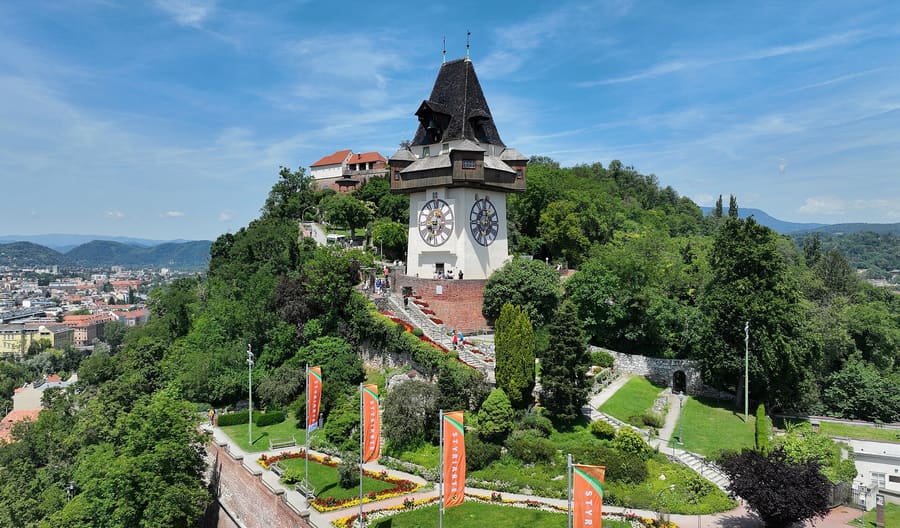
Schlossberg & Uhrturm
A dolomite hill in the city center. Walk the 260 steps or take the glass lift through the mountain.
Parley fragenÖsterreich
Red tile roofs, design architecture, and Styrian kitchens.
introduction
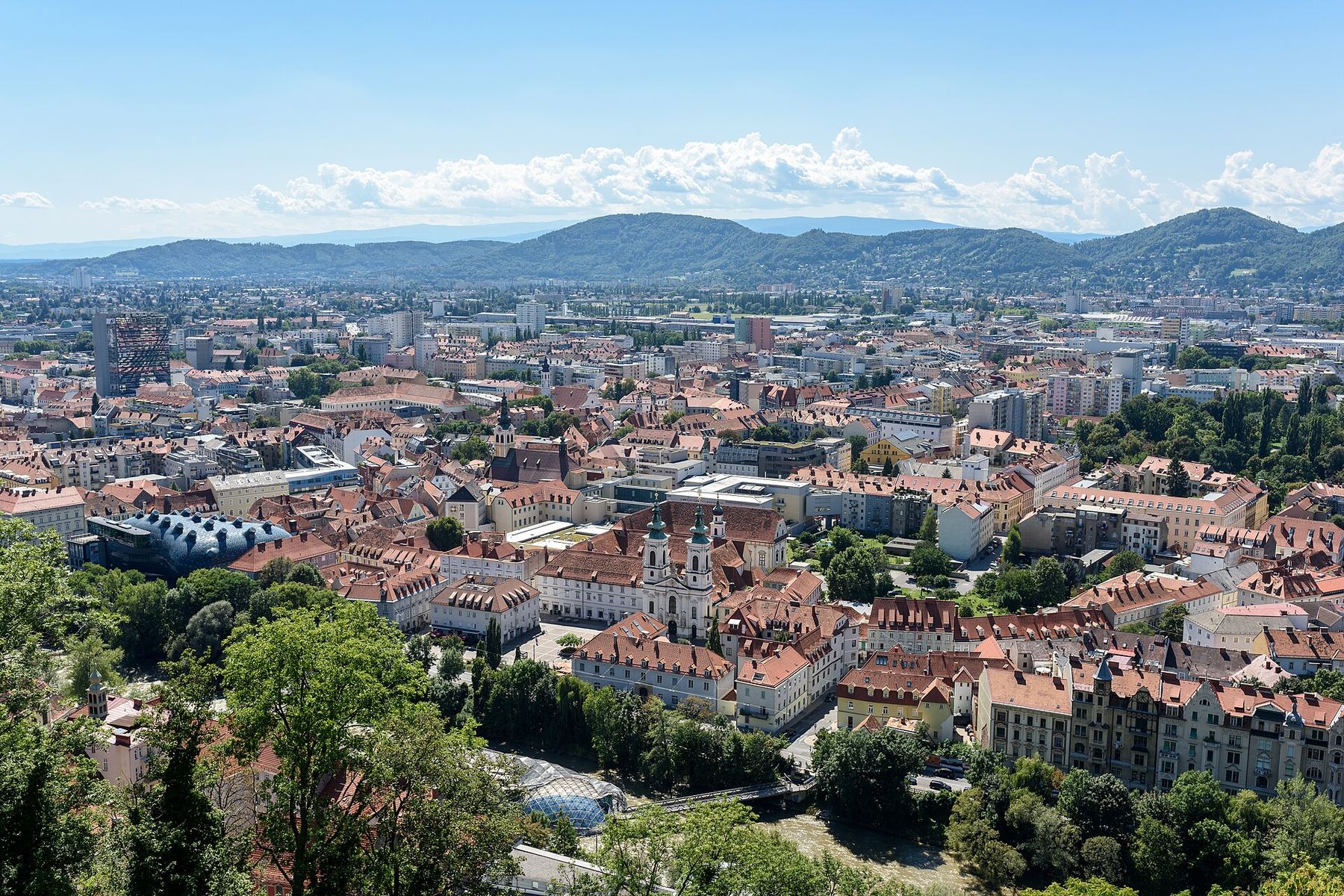
Graz is Austria's second city, defined by a medieval core wrapped around a wooded hill. The Mur river splits the city into an elegant Renaissance east bank and a creative west bank. Trams are free through the center, making movement simple. Expect a relaxed Southern European pacing driven by a large university population.
Airport transit trick
Train S5 connects Graz Airport to the main station in 12 minutes for €3.00. The train platform sits a short walk outside the terminal.
UNESCO double listing
Graz holds two UNESCO listings. The historic Old Town was designated in 1999, followed by Schloss Eggenberg in 2010.
Free Old Town tram zone
All trams are free between Jakominiplatz, Hauptplatz, and Schlossbergplatz. You do not need a ticket for travel within this central zone.
Graz
Mgrueter · Public domain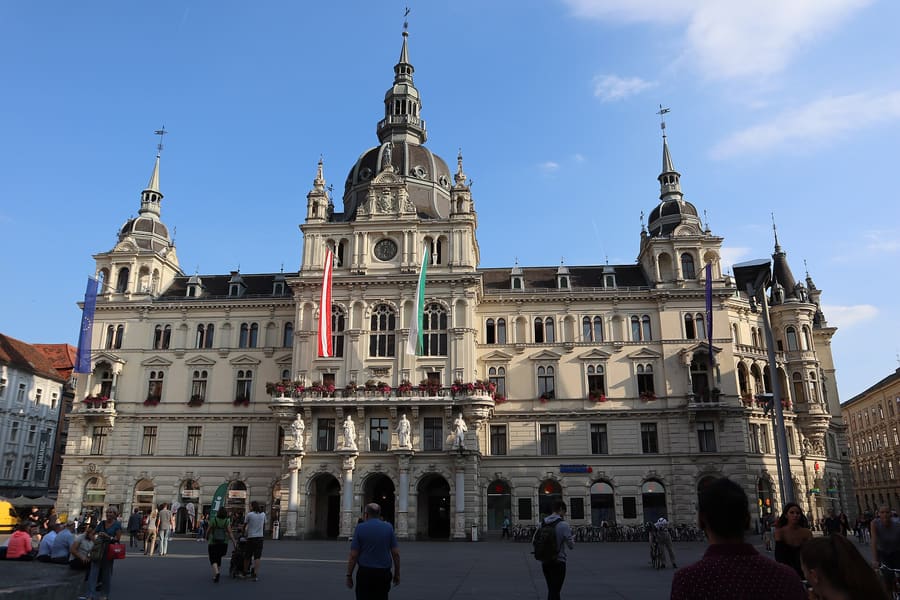
Innere Stadt — Renaissance courtyards and pedestrianized lanes crowded with cafes around the central hill.
Anna Saini · CC BY-SA 4.0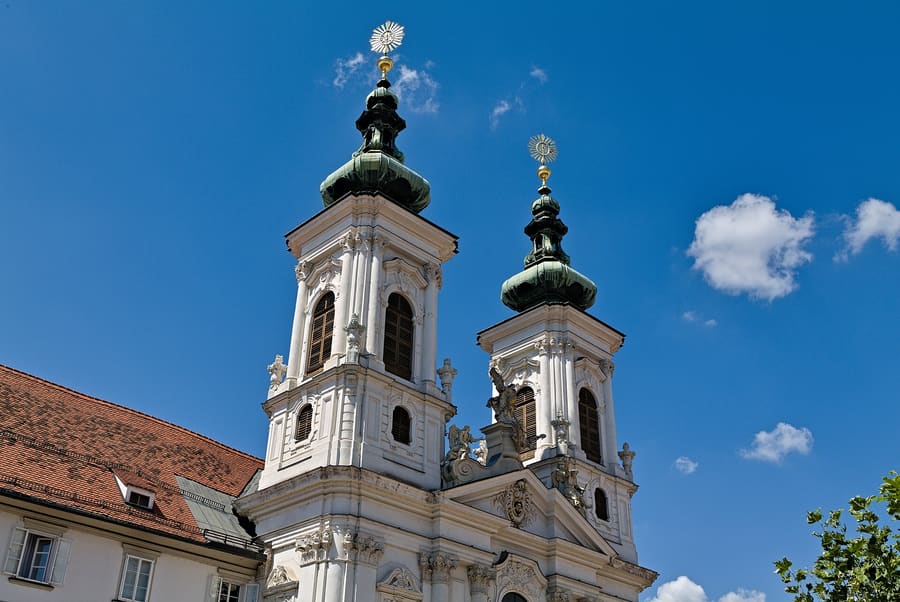
Lend — Former red-light district transformed into a design hub centered on Lendplatz market.
Leonhard Lenz · CC0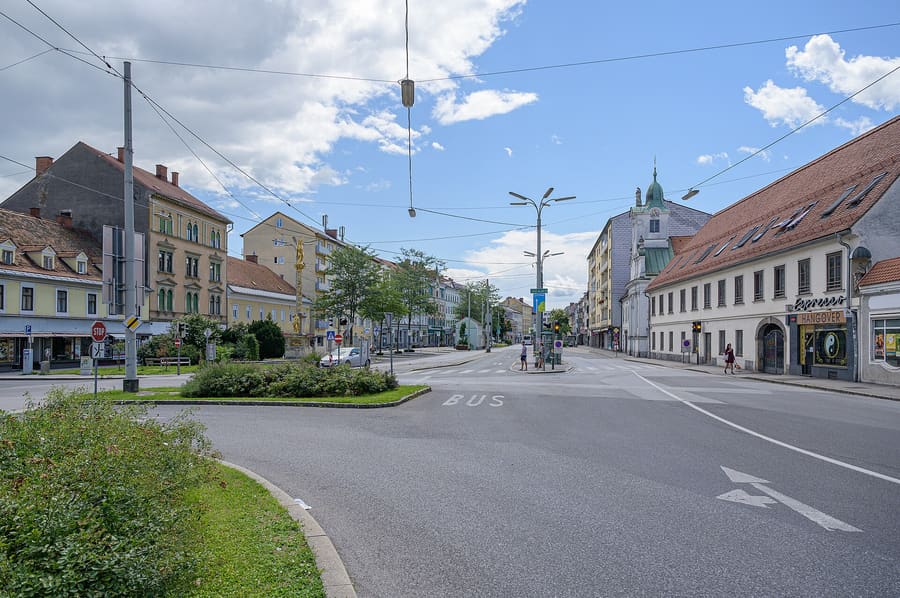
Gries — Gritty, creative, and multicultural quarter stretching south along the west bank.
Isiwal · CC BY-SA 4.0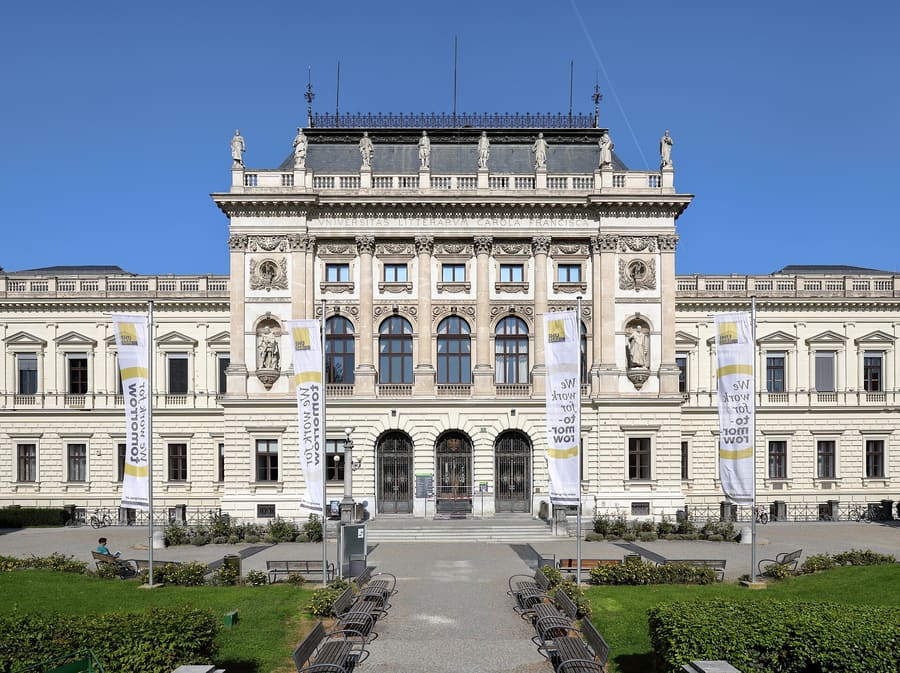
Geidorf — Leafy university area with quiet residential streets and direct access to green spaces.
C.Stadler/Bwag · CC BY-SA 4.0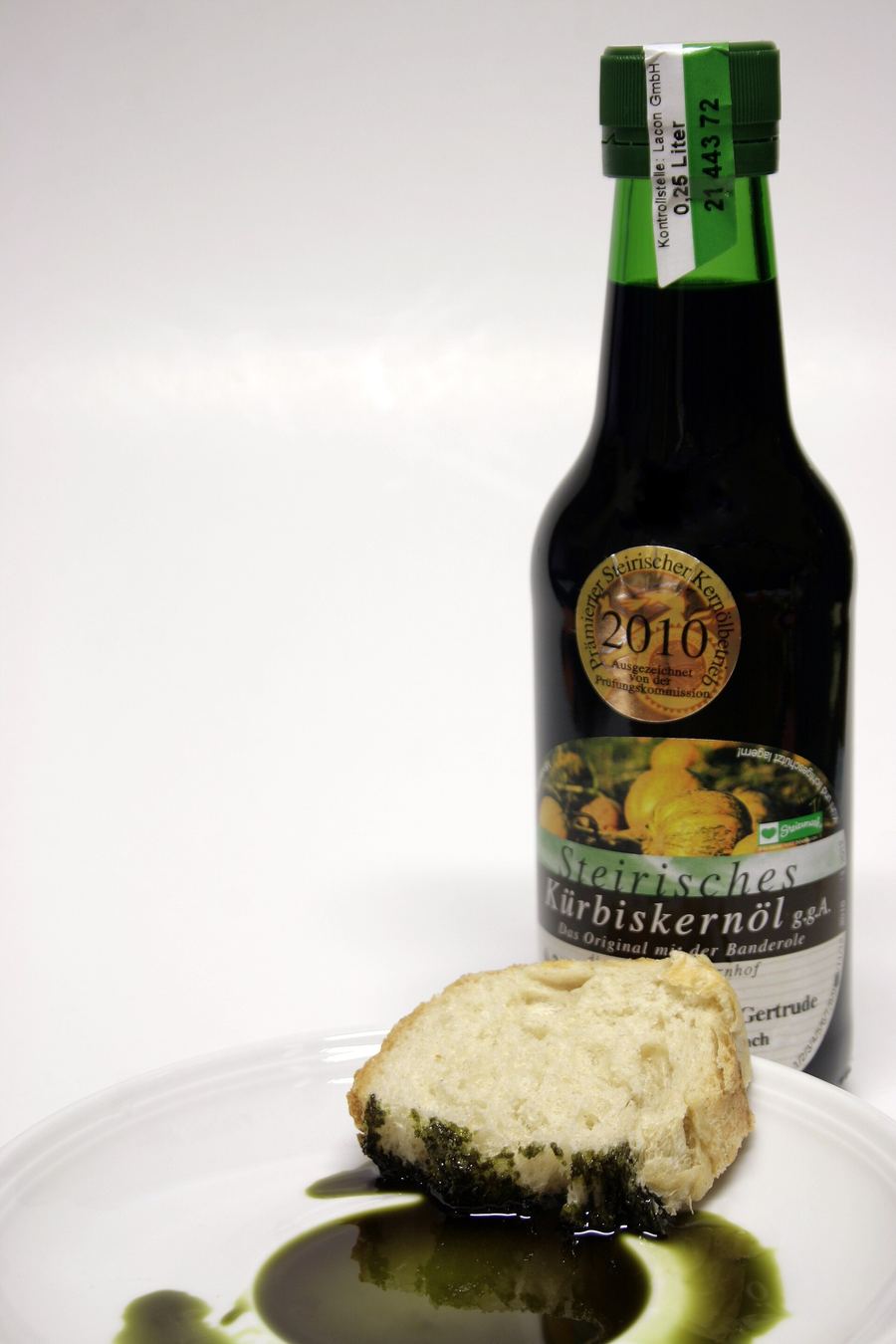
Dark pumpkin seed oil is the core culinary staple of Styria.
Wolf32at · CC BY-SA 3.0highlights
landmark
A dolomite hill in the city center. Walk the 260 steps or take the glass lift through the mountain.
Parley fragen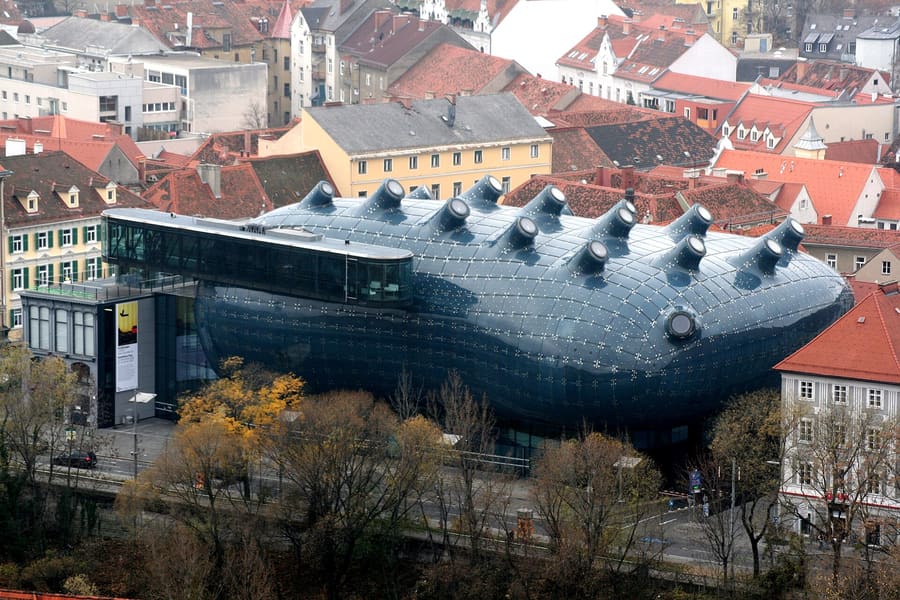
landmark
Biomorphic contemporary art hall floating on the Mur bank. The upper deck offers panoramic rooftop views.
Parley fragen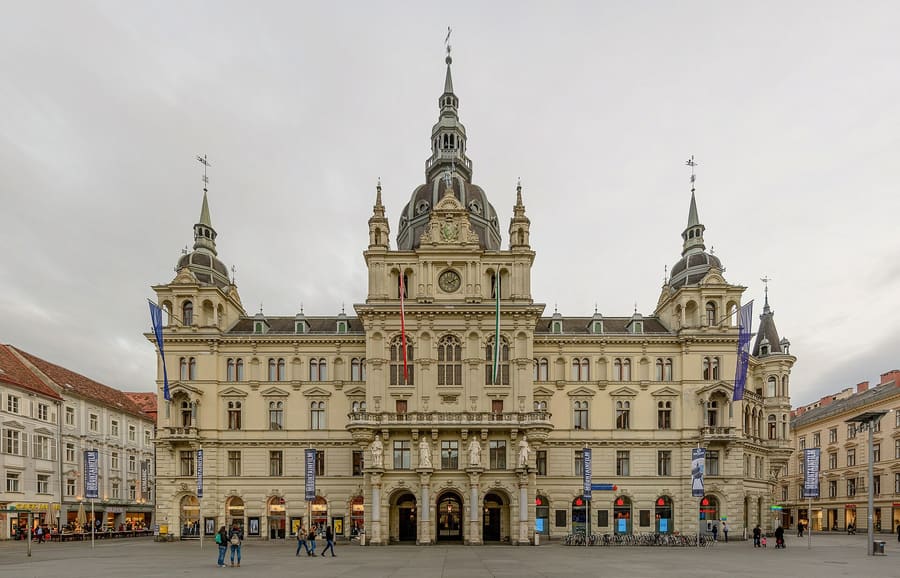
landmark
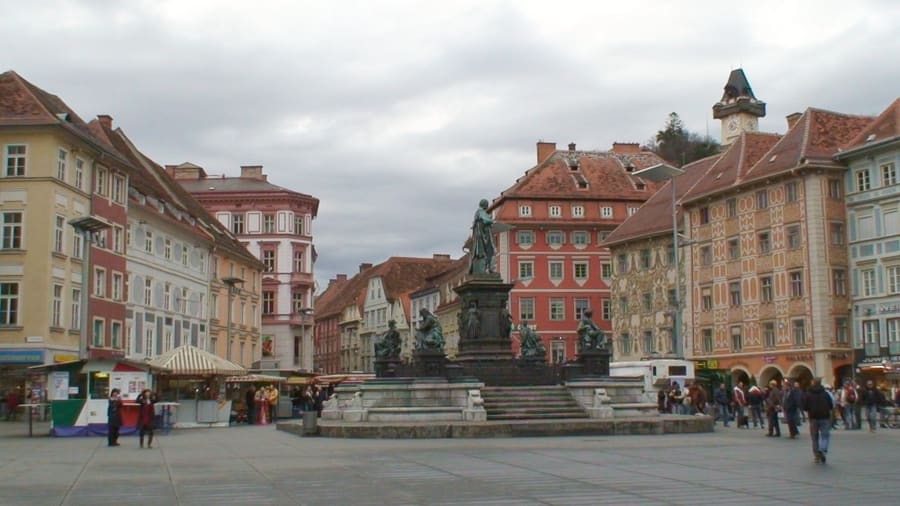
Main square ringed by Guild houses and food stalls. Tram lines converge here beside the town hall.
Parley fragen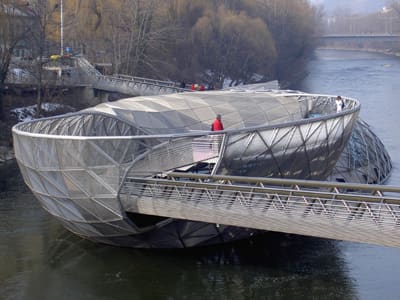
landmark
Steel floating platform designed by Vito Acconci. It houses a cafe and links both riverbanks.
Parley fragen
landmark
World's largest original armory housing 32,000 historic weapons. Unchanged since the 17th century.
Parley fragen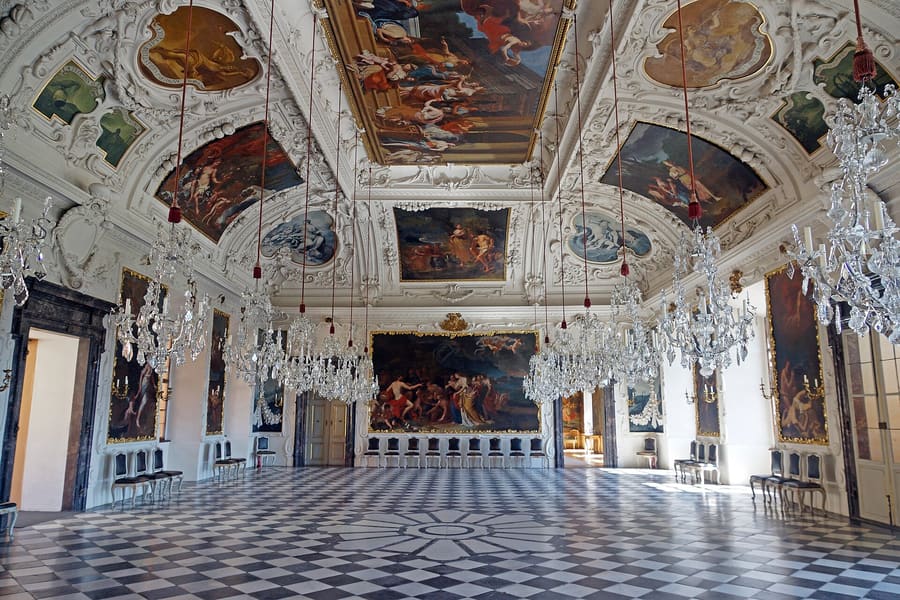
landmark
17th-century palace built around calendar symbolism. Peacocks roam the expansive surrounding park.
Parley fragenattractions
areas
Renaissance courtyards and pedestrianized lanes crowded with cafes around the central hill.
In der NäheHauptplatz and Schlossberg
Parley fragenFormer red-light district transformed into a design hub centered on Lendplatz market.
In der NäheKunsthaus and Murinsel
Parley fragenGritty, creative, and multicultural quarter stretching south along the west bank.
In der NäheAugarten and South Mur
Parley fragenLeafy university area with quiet residential streets and direct access to green spaces.
In der NäheKarl-Franzens University and Stadtpark
Parley fragenfood
Graz sits in Austria's agricultural heartland, where dark green pumpkin seed oil touches almost every menu. Local dining centers around traditional Gasthäuser and modern design-led bistros. You eat hearty Styrian specialties alongside wines from nearby Mediterranean-influenced vineyards.
Dark pumpkin seed oil is the core culinary staple of Styria.
Wolf32at · CC BY-SA 3.0Order vanilla ice cream topped with dark Kürbiskernöl at local parlors for a nut-like savory finish.
Venture to city edge taverns where law permits serving only cold house-made meat platters and regional wine.
Styrian fried chicken comes skin-on and bone-in, traditionally served with a potato and pumpkin oil salad.
history
Graz grew from a Slavic fortress into the inner Austrian residence of the Habsburgs. Its position near the Ottoman border shaped its fortified urban layout.
First written record
Mentioned as 'Gradec', meaning small castle in Slavic, establishing its defensive origin.
Habsburg residence
Becomes capital of Inner Austria, initiating major Renaissance construction across the city center.
Fortress dismantling
Citizens pay Napoleon's troops a ransom to spare the Uhrturm while the fortress walls are demolished.
UNESCO inscription
The Old Town receives World Heritage status, recognized for its intact historic architectural layers.
where to stay
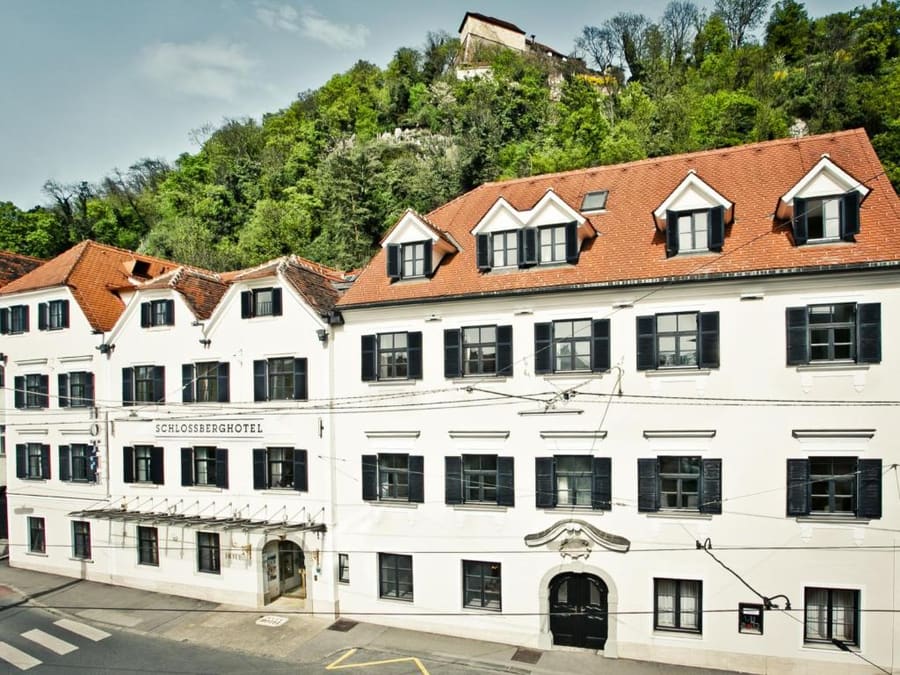
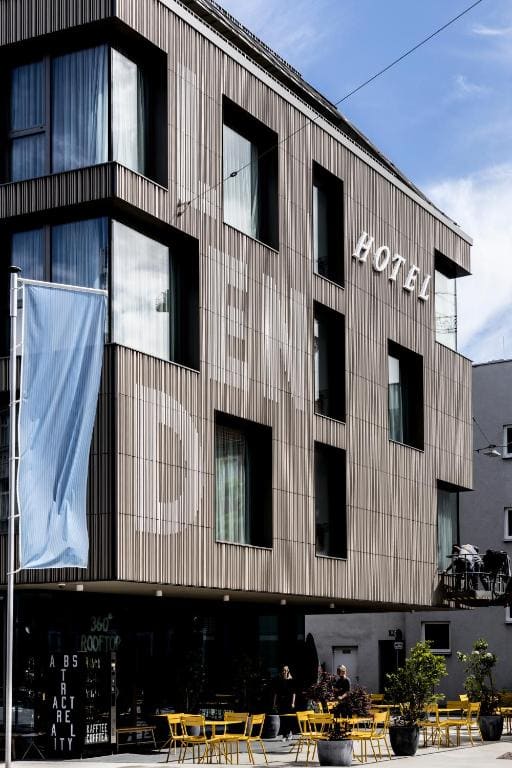
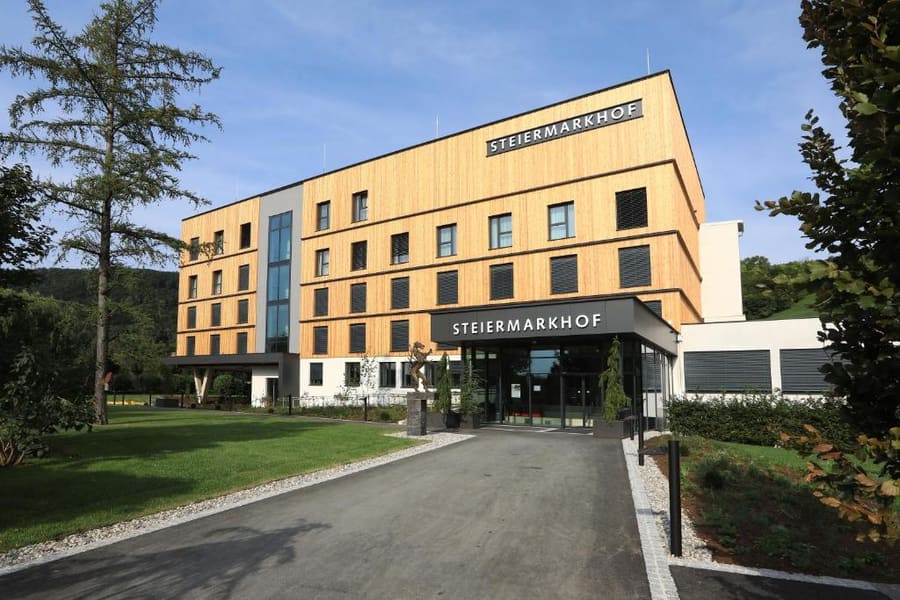
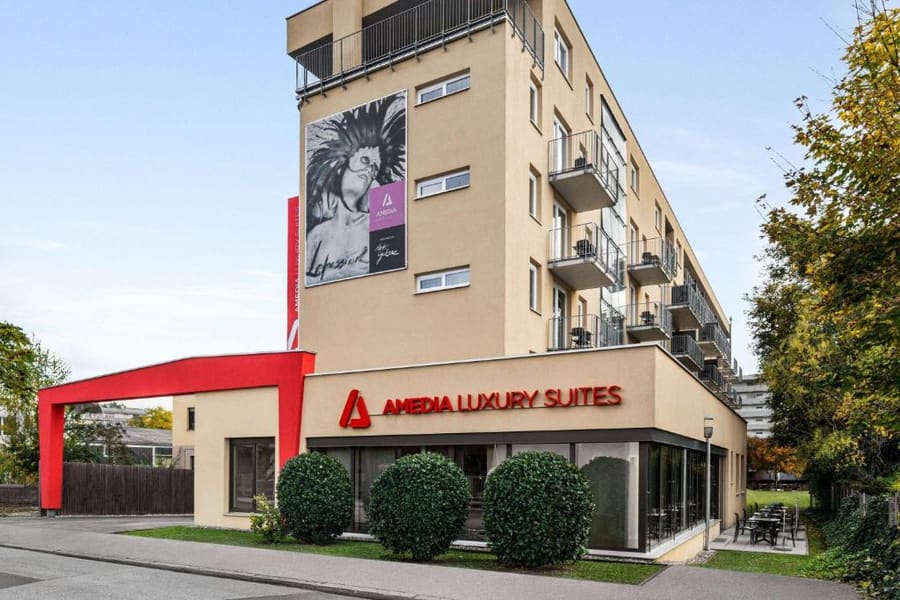
Choose your base by river side. The east bank gives immediate walking access to historic monuments and high-end shopping. The west bank offers design hotels, lower rates, and evening atmosphere around Lendplatz.
Live rates, matched to the areas above.
transport
The historic core is compact and largely pedestrianized. Trams cover the city efficiently, with free rides through the immediate center.
Ab Graz Airport (GRZ)
S-Bahn S5 connects Feldkirchen-Flughafen to Hauptbahnhof every 30 minutes.
Line 630 or 631 stops outside arrivals and runs straight to Jakominiplatz.
Available directly outside the terminal day and night.
Tram rides are completely free between Jakominiplatz, Hauptplatz, and Schlossbergplatz.
Covers all public transit in zone 101 plus entrance to all major city museums.
Every city tram line passes through this central junction; transfers take under two minutes.
The lift cut inside the mountain rock costs €2.60 each way if you skip the stairs.
cost
Graz is noticeably cheaper than Vienna or Salzburg. Dining out and museum tickets offer solid value, especially when using city culture passes.
Coffee prices remain lower than in Vienna's central district cafes.
Valid on all trams, buses, and the Schlossbergbahn funicular in zone 101.
Daily Mittagsmenü offers two courses at reduced weekday prices.
Grants access to four floors of original historic armor.
seasonality
MAR – MAY
Mild spring weather brings outdoor seating back to market squares. Crowds remain manageable.
JUN – AUG
Warm summer days invite riverfront dining and open-air cinema on Schlossberg.
SEP – NOV
Autumn brings the grape harvest in surrounding vineyards and pumpkin harvest dishes.
DEC – FEB
Cold winter days feature festive advent markets across historic town squares.
practicalities
Retail stores close entirely on Sundays; bakeries and station shops remain open.
Most restaurants accept cards, but market stalls at Lendplatz often require cash.
Red paved lanes belong strictly to bicycles; walking in them causes immediate friction.
Farmers sell regional produce Monday through Saturday until 13:00.
Included in standard city public transit tickets without extra charges.