landmark
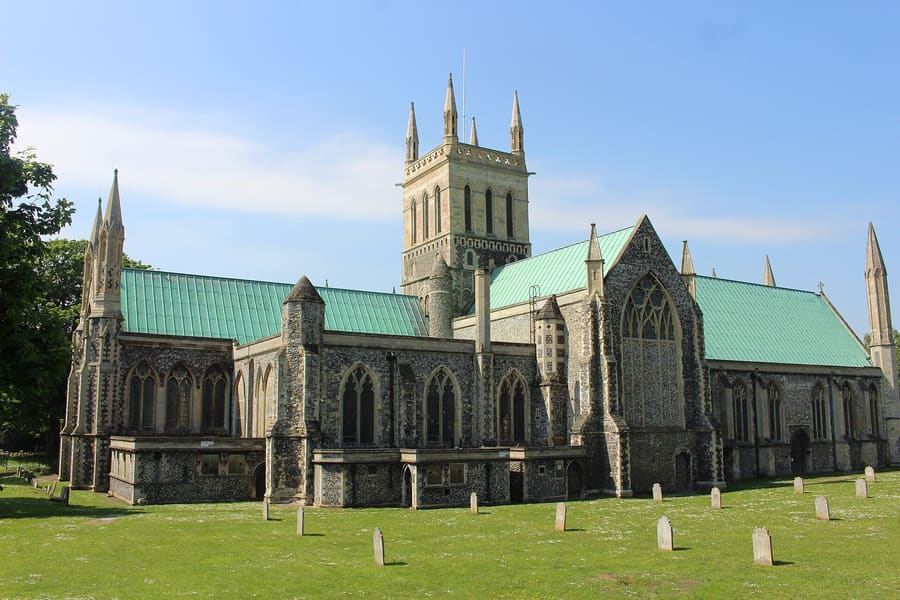
Great Yarmouth Minster
England's largest parish church by floor area features surviving 13th-century masonry and a quiet cloister yard. Entry is free.
Parley fragenVereinigtes Königreich
Victorian seaside scale meets working North Sea maritime history.
introduction
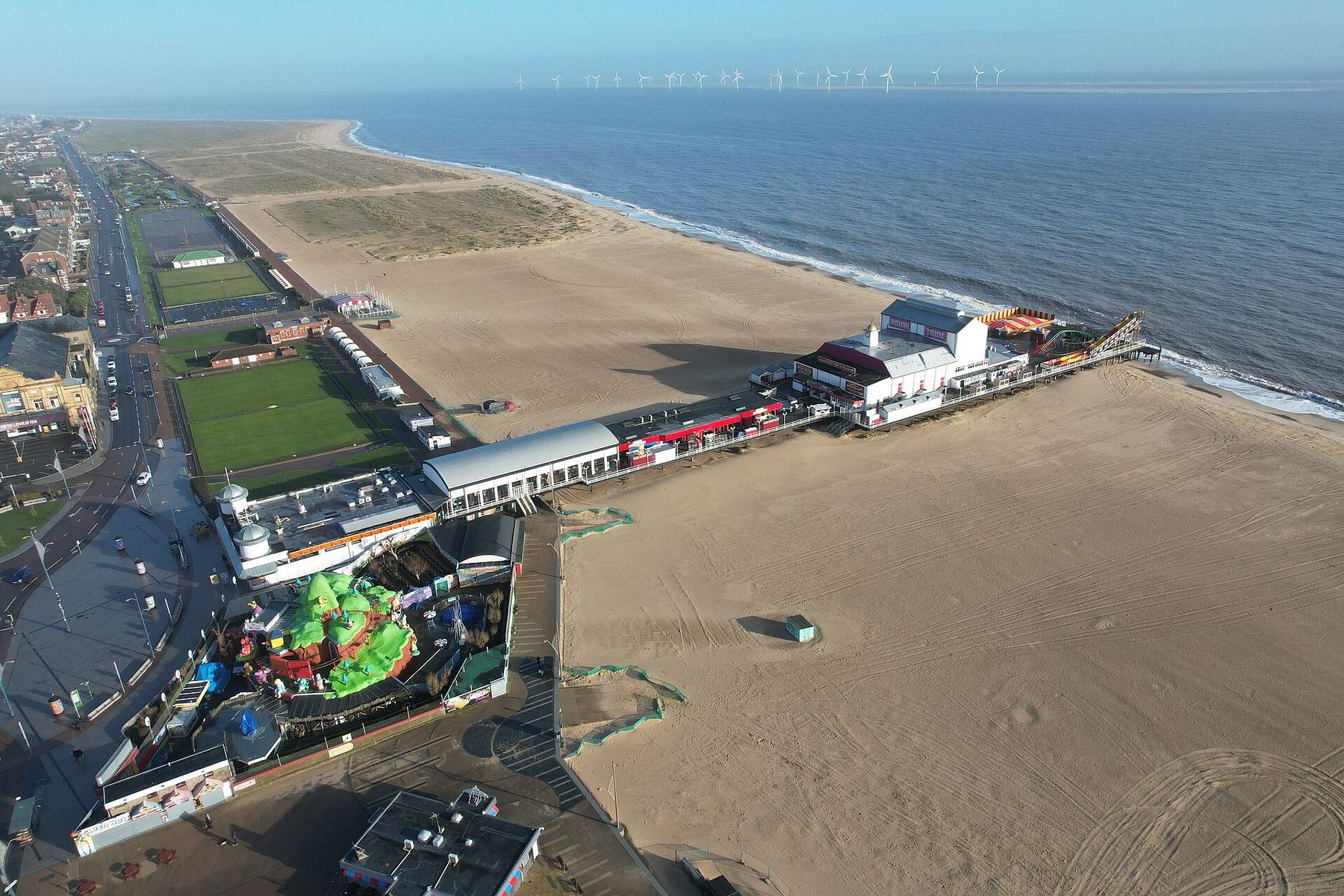
Great Yarmouth sits on a narrow spit of land between the River Yare and the North Sea. The town splits neatly into two distinct identities: Marine Parade runs the two-mile tourist strip, while South Quay holds centuries of maritime trading history. You move easily on foot along the flat seafront, though local buses connect the station to the beach. Expect honest seaside heritage, wide sandy beaches, and strong winds off the water.
Arrival trick
Great Yarmouth rail station sits ten minutes on foot west of the town centre. Direct hourly trains run from Norwich in 35 minutes.
Seafront navigation
The main beach strip spans two miles along Marine Parade. Coastal buses run every fifteen minutes between the northern and southern piers.
Great Yarmouth
Scribwik · CC BY-SA 4.0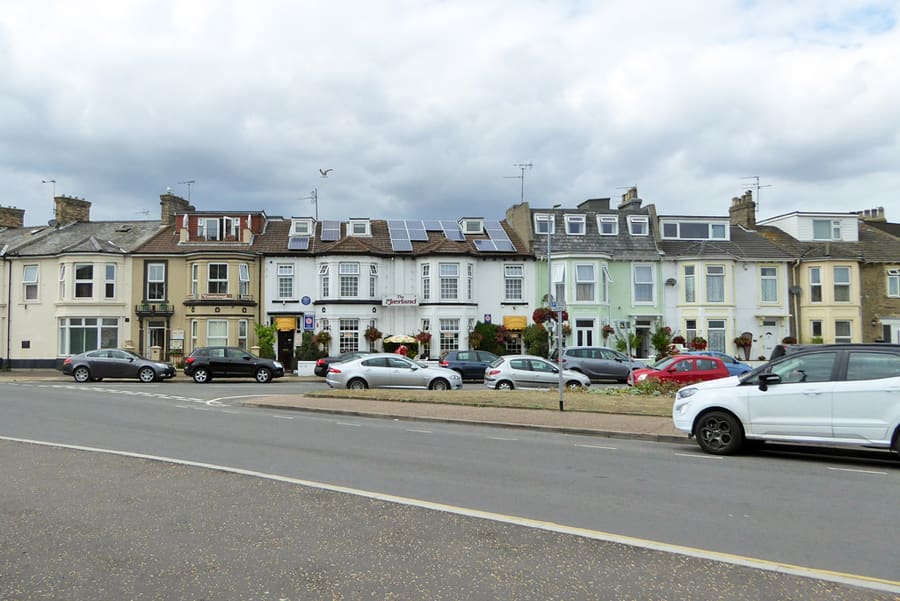
Golden Mile — High-volume seafront energy dominated by arcades, ice cream kiosks, and wide sand.
Robin Webster · CC BY-SA 2.0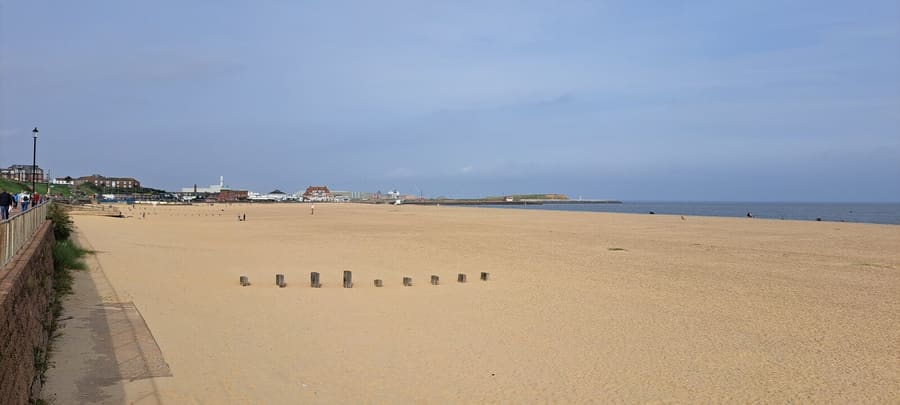
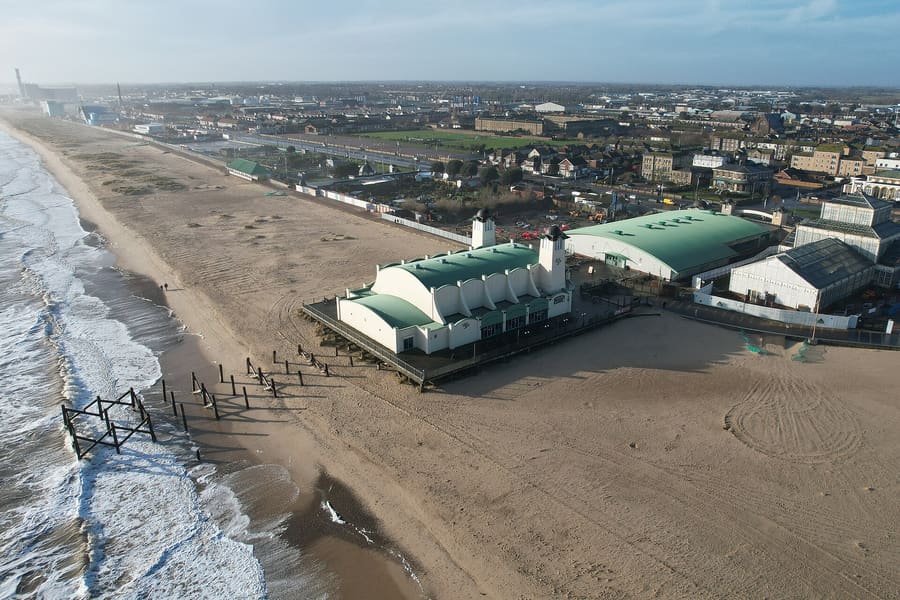
Gorleston-on-Sea — Sweeping sandy bay flanked by cliff top gardens, independent cafes, and harbour walls.
Christopher Hilton · CC BY-SA 2.0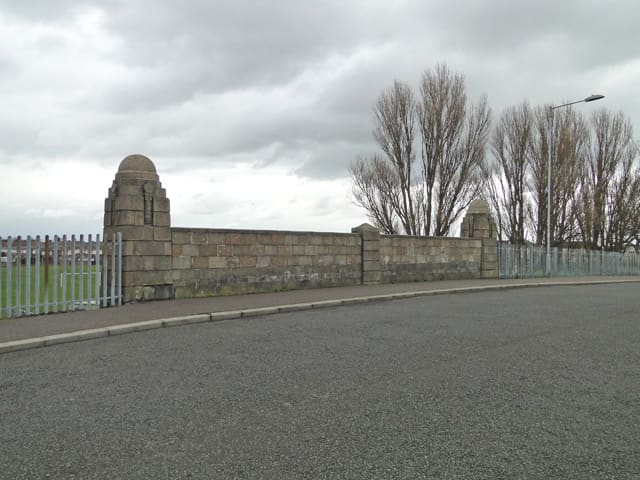
North Denes — Restored Venetian canals, ornamental gardens, and grassy dunes away from the arcades.
Adrian S Pye · CC BY-SA 2.0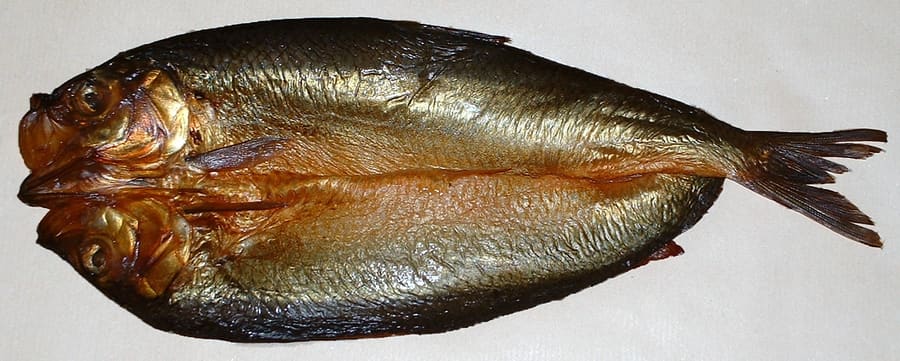
Smoked herring cooked using centuries-old Yarmouth curing methods.
No machine-readable author provided. Gaius Cornelius assumed (based on copyright claims). · Public domainhighlights
landmark
England's largest parish church by floor area features surviving 13th-century masonry and a quiet cloister yard. Entry is free.
Parley fragen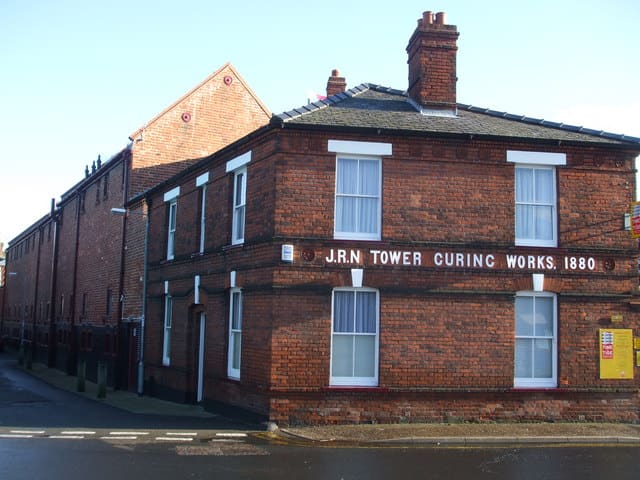
landmark
Walk through a preserved Victorian herring curing factory with authentic smokehouses. Visit before 15:00 for daily talks.
Parley fragen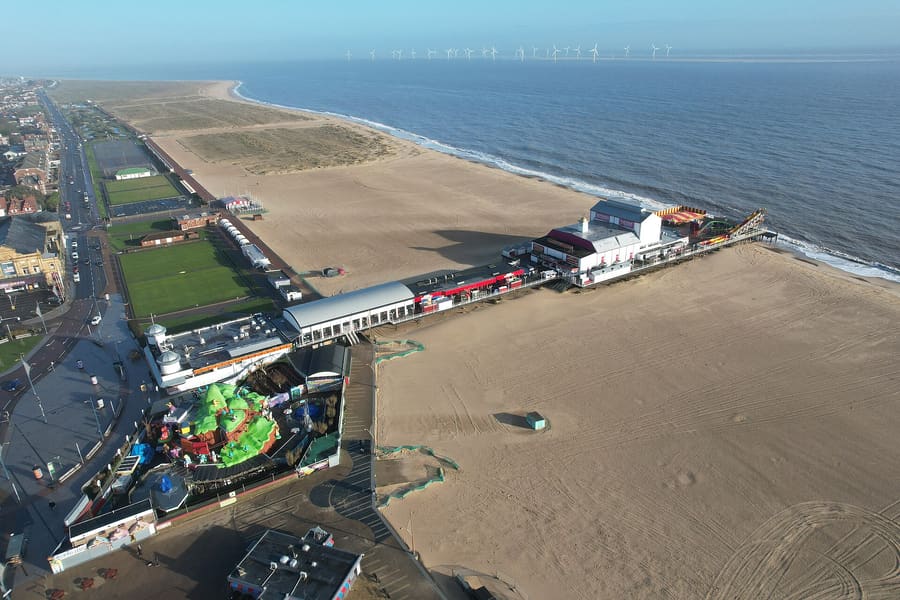
landmark
The northern anchor of the Golden Mile houses a traditional theatre and arcade halls. Walk to the far end for sea views.
Parley fragenattractions
areas
High-volume seafront energy dominated by arcades, ice cream kiosks, and wide sand.
In der NähePleasure Beach and Wellington Pier
Parley fragenSweeping sandy bay flanked by cliff top gardens, independent cafes, and harbour walls.
In der NäheGorleston Beach and Pier
Parley fragenRestored Venetian canals, ornamental gardens, and grassy dunes away from the arcades.
In der NäheVenetian Waterways and North Beach
Parley fragenQuiet historic lanes, ancient narrow alleyways called Rows, and river views along South Quay.
In der NäheGreat Yarmouth Minster and Town Hall
Parley fragenfood
Food in Great Yarmouth centres on seaside tradition and long maritime history. The central Market Place has served hot chips cooked in traditional dripping for generations. Smoked fish remains a local staple, though bloaters and kippers are no longer produced in Great Yarmouth's historic smokehouses, as the last commercial smokehouse in the town has closed. Seafront shacks sell fresh cockles, whelks, and dressed brown crab caught off the Norfolk coast.
Smoked herring cooked using centuries-old Yarmouth curing methods.
No machine-readable author provided. Gaius Cornelius assumed (based on copyright claims). · Public domainOrder a bag of chips from the permanent market stalls in Market Place. Add salt and vinegar before walking down Regent Road.
Pick up pots of salted cockles or brown shrimp from the wooden huts near Britannia Pier during afternoon beach walks.
history
Great Yarmouth grew on a sandbank that formed across the mouth of the River Yare. King John granted the town a royal charter in 1208, cementing its dominance over the regional herring trade. Medieval builders constructed massive stone walls to protect port wealth, while narrow alleys called Rows optimized floor space inside the fortifications. By the 19th century, railways transformed the working fishing port into a major resort for holidaying factory workers.
Royal Charter
King John grants Yarmouth borough status, securing municipal rights to levy maritime tolls.
The Great Plague
Black Death kills over half the town's population, halting construction on the parish church.
Suspension Bridge Collapse
The Yarmouth suspension bridge collapses under a crowd watching a promotional stunt, killing 79.
Hippodrome Built
Showman George Gilbert opens the Hippodrome Circus, featuring a mechanical sinking water stage.
Coaster Opens
The scenic railway wooden coaster moves from the Paris Colonial Exhibition to the Pleasure Beach.
where to stay
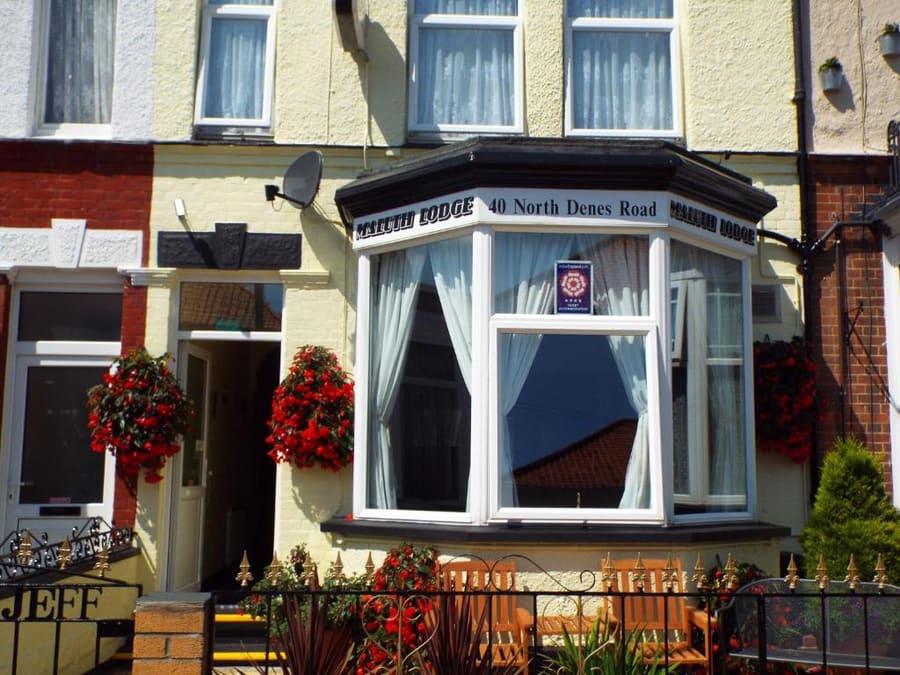
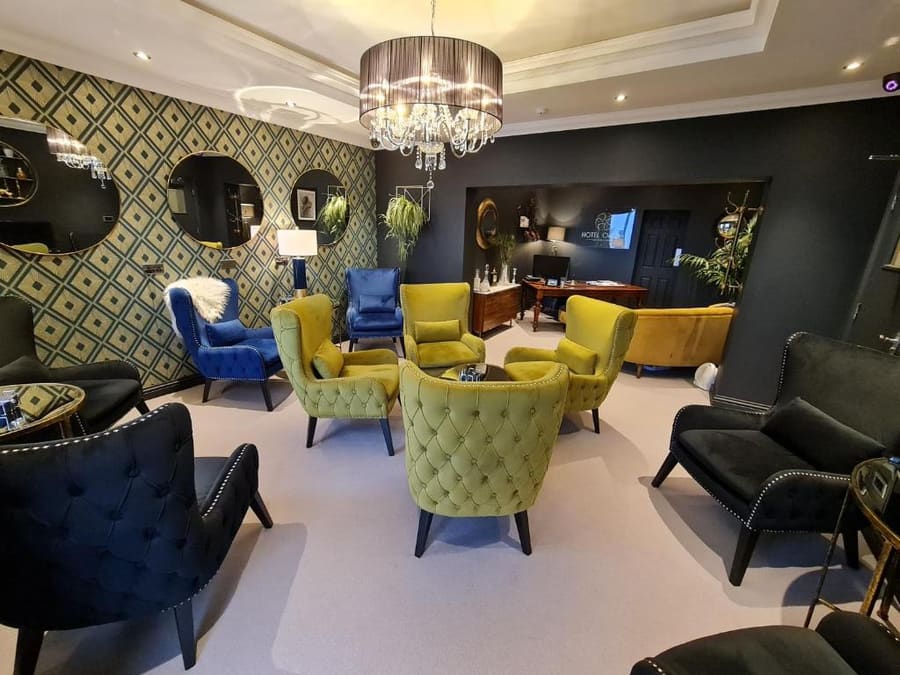
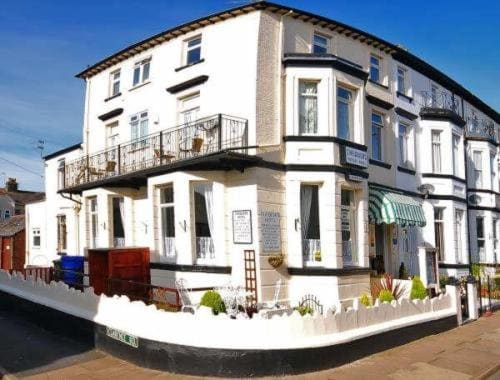
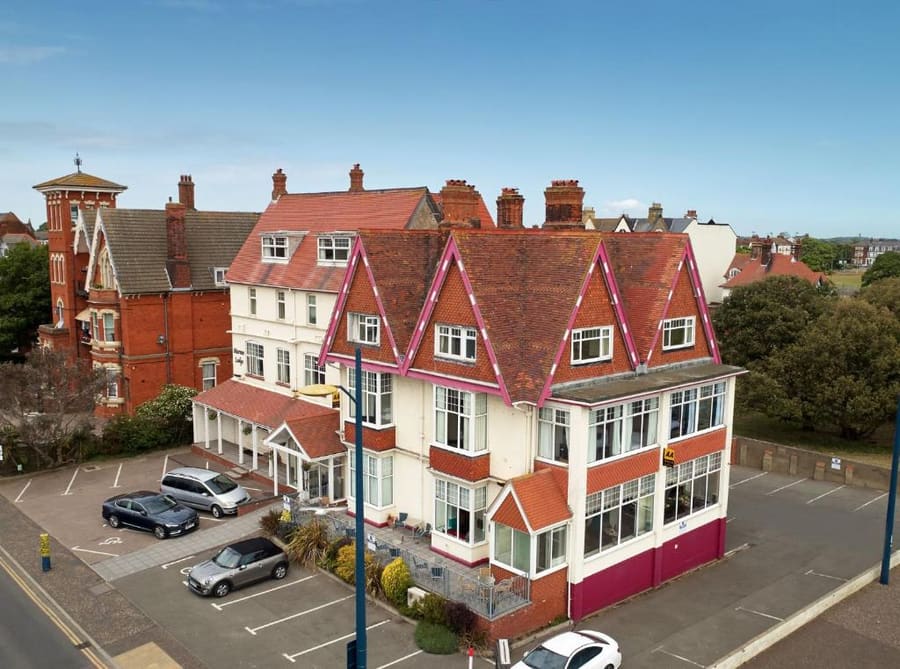
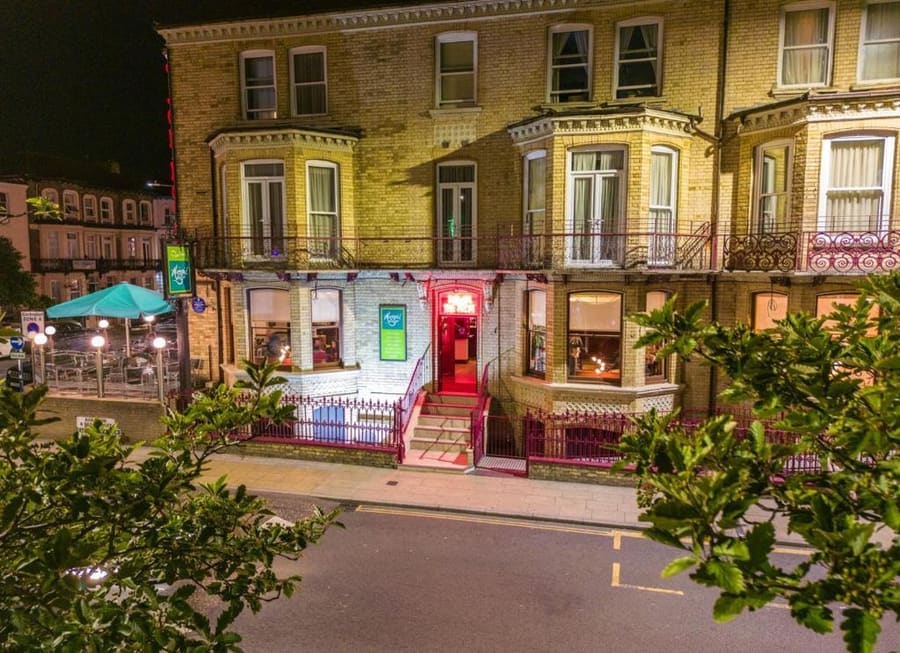
Choose your base depending on whether you prefer late-night seafront activity or quiet historic streets. Staying along Marine Parade puts you steps from arcades, theatres, and sandy beaches. Gorleston-on-Sea offers quieter guesthouses and open sea views away from the main resort crowds. Minster Quarter properties suit travellers focused on museums and rail connections.
Live rates, matched to the areas above.
transport
Great Yarmouth is flat and easy to navigate on foot. Walking from the train station through the town centre to Marine Parade takes about fifteen minutes. Local buses run along the coast, connecting the northern end of town to Gorleston and Lowestoft. Taxis queue outside the railway station and market square.
The promenade stretches two miles from North Denes down to the Pleasure Beach. The path is completely flat.
First Bus route 8 runs continuously between the Rail Station, Market Place, and Marine Parade.
All local First Bus routes accept contactless card payments directly at the driver's ticket machine.
Bus frequencies drop significantly after 19:00 outside peak summer months. Plan late returns ahead.
cost
Great Yarmouth remains one of England's more affordable coastal destinations. Traditional food like chips and seafood snacks offer good value. Attractions range from free historical sites to ticketed amusement passes.
A generous bag of fresh dripping chips from the central market stalls.
Grants unlimited access to rides for a three-hour session when booked online.
Standard adult seat for the summer circus and water show.
Single adult entry ticket to the Time and Tide Museum on Tower Road.
seasonality
MAR – MAY
Cool spring weather and quiet streets. Key attractions open on reduced weekend schedules.
JUN – AUG
Peak summer season. All rides, circus shows, and beach kiosks operate daily until late.
SEP – OCT
Milder autumn days and smaller crowds. Heritage Open Days in September unlock hidden town sights.
NOV – FEB
Cold North Sea winds and short days. Marine Parade attractions close, but town museums remain open.
practicalities
Sea winds lower temperatures on the beach. Pack a warm layer even on sunny summer afternoons.
The Hippodrome Circus fills up quickly during school holidays. Book summer seats weeks in advance.
Arcades rely on cash coins, though all major arcades have change machines accepting debit cards.
Check local tide tables before long beach walks. High tide narrows the beach significantly at North Denes.
Seagulls actively target open food along Marine Parade. Keep food covered when walking outside.