landmark
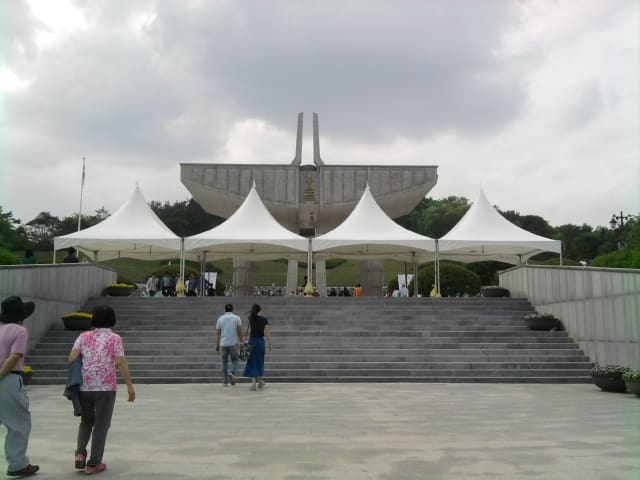
May 18th National Cemetery
Burial ground honoring victimized citizens of the 1980 Uprising. Bus 518 runs directly here from the city center.
Parley fragenSüdkorea
South Korea's crucible of political memory and art.
introduction
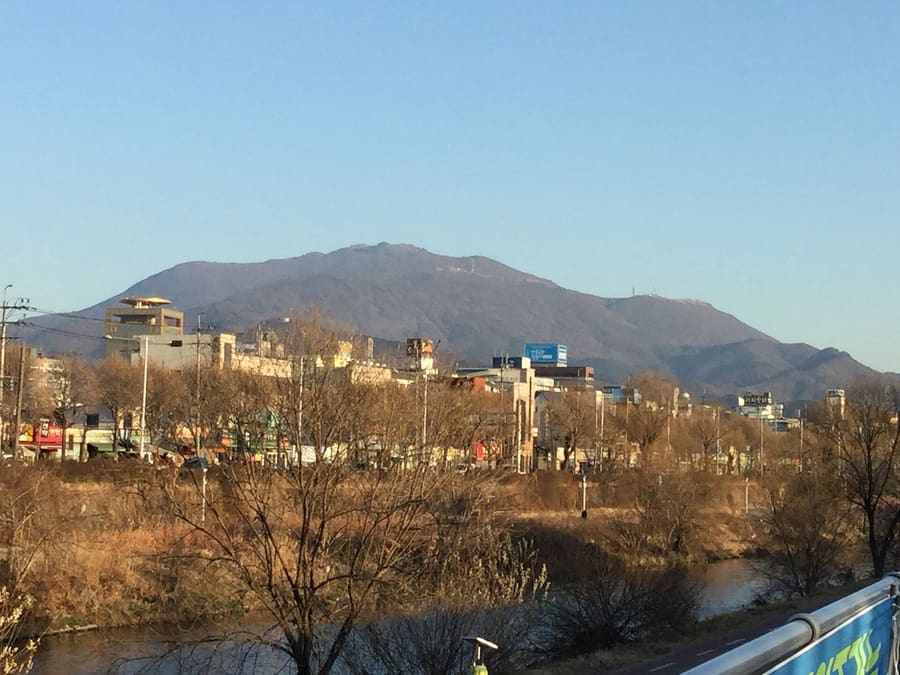
Gwangju is the political and culinary capital of South Korea's southwest Jeolla region. Metro Line 1 cuts east to west, linking the high-speed rail hub at Songjeong directly to the downtown culture district. You come here to understand modern Korean democracy, climb hexagonal dacitic welded tuff cliffs, and eat famously rich regional dishes.
Arrival via KTX
KTX trains terminate at Gwangju-Songjeong Station on the western edge of town. Subway Line 1 connects the station to downtown Culture Complex in 28 minutes.
Media Arts distinction
UNESCO designated Gwangju a Creative City of Media Arts in 2014. Interactive digital installations fill the Asia Culture Center complex year-round.
Biennale timing
The Gwangju Biennale runs during autumn in even-numbered years. Reserve hotels near Dong-gu four months early to avoid inflated event rates.
Gwangju
Kgw1226 · CC BY-SA 4.0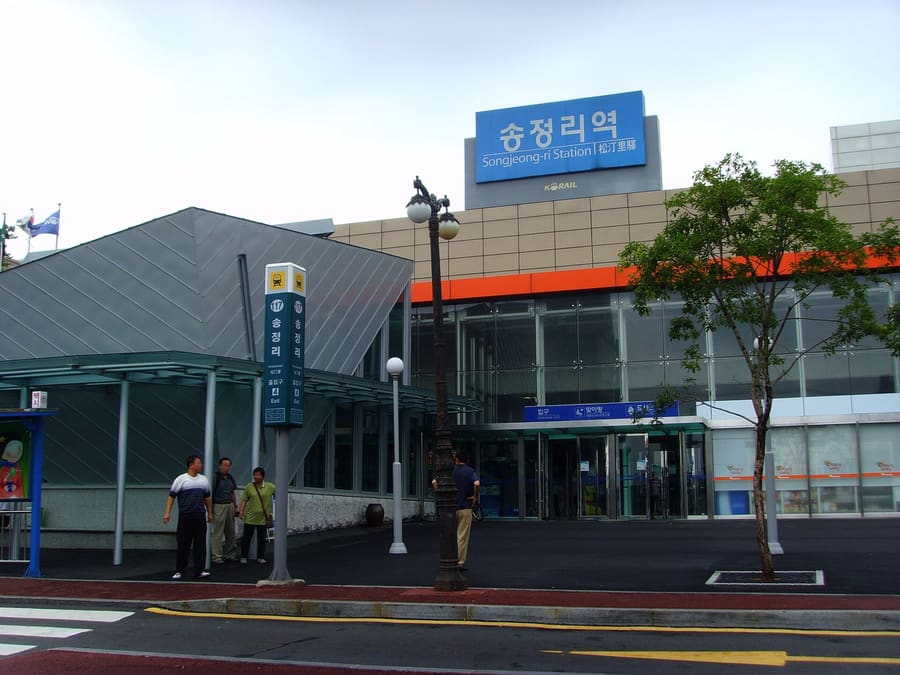
Songjeong-dong — Transit-centered hub anchored by a retro market street and famous meat restaurants.
User:G43 · CC BY-SA 3.0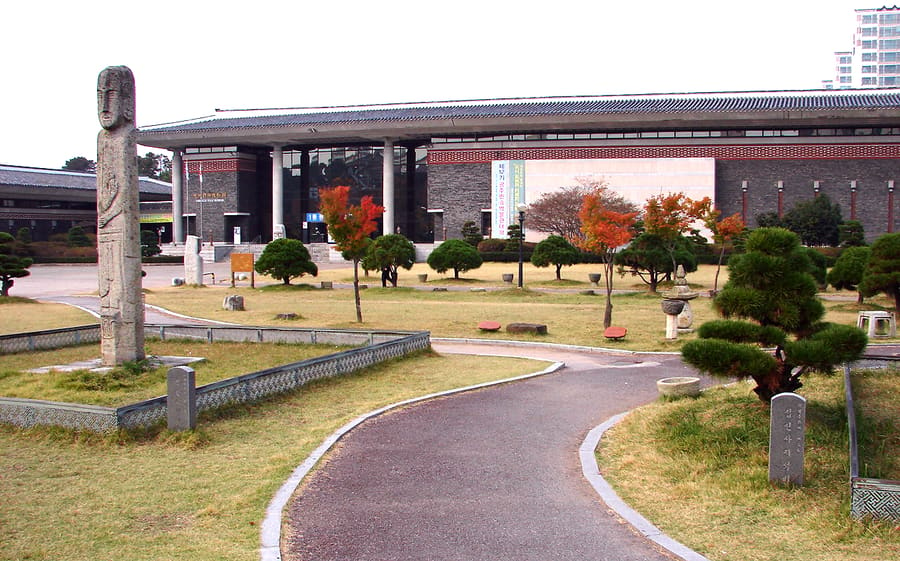
Buk-gu — Sprawling northern district driven by university students, market halls, and major exhibition grounds.
Steve46814 · CC BY-SA 3.0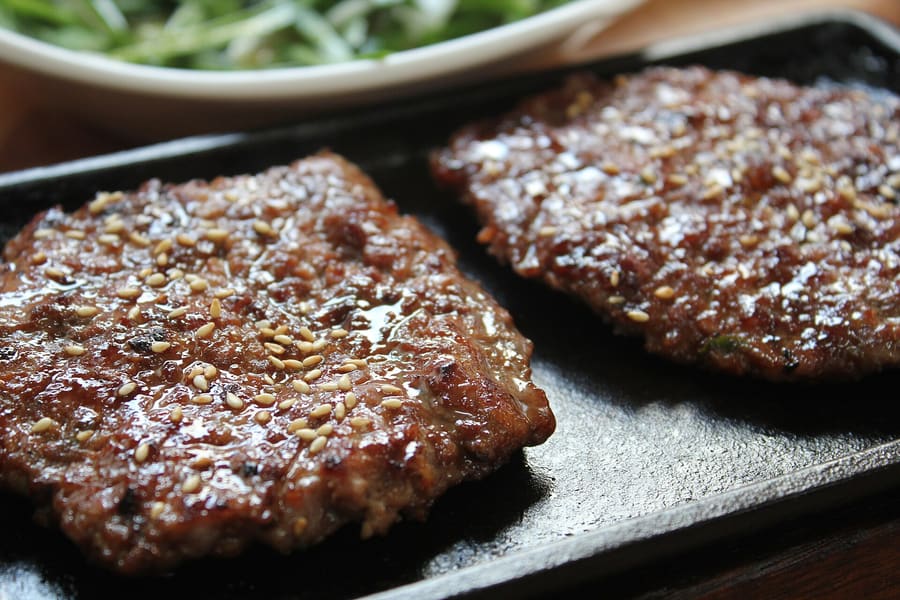
Songjeong Tteokgalbi: grilled minced pork rib patties served alongside complimentary gamja-tang broth.
https://pixabay.com/users/ArgentumFerrum-990817/ ArgentumFerrum] · CC0highlights
landmark
Burial ground honoring victimized citizens of the 1980 Uprising. Bus 518 runs directly here from the city center.
Parley fragen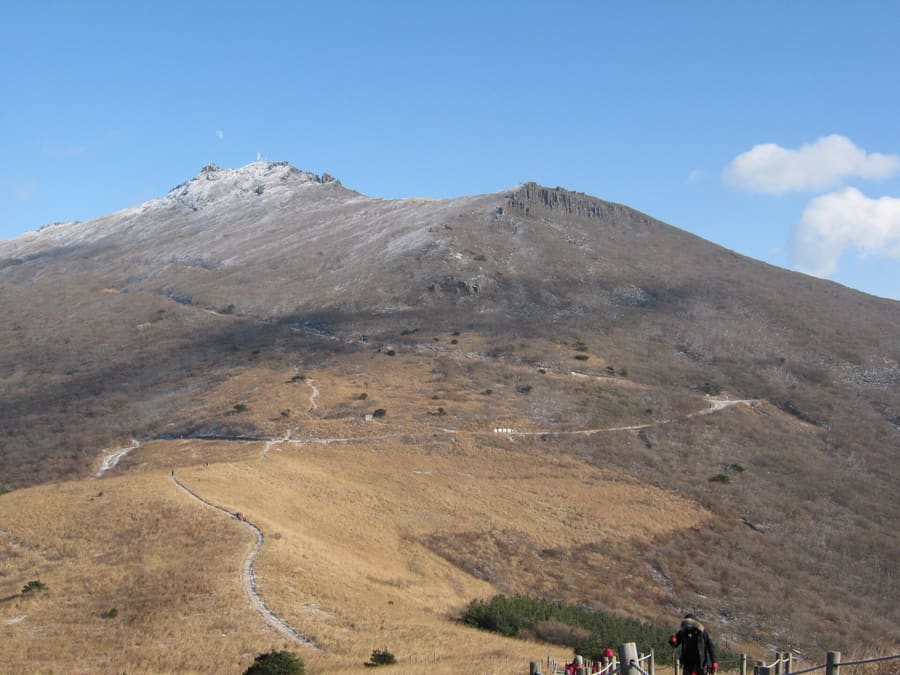
landmark
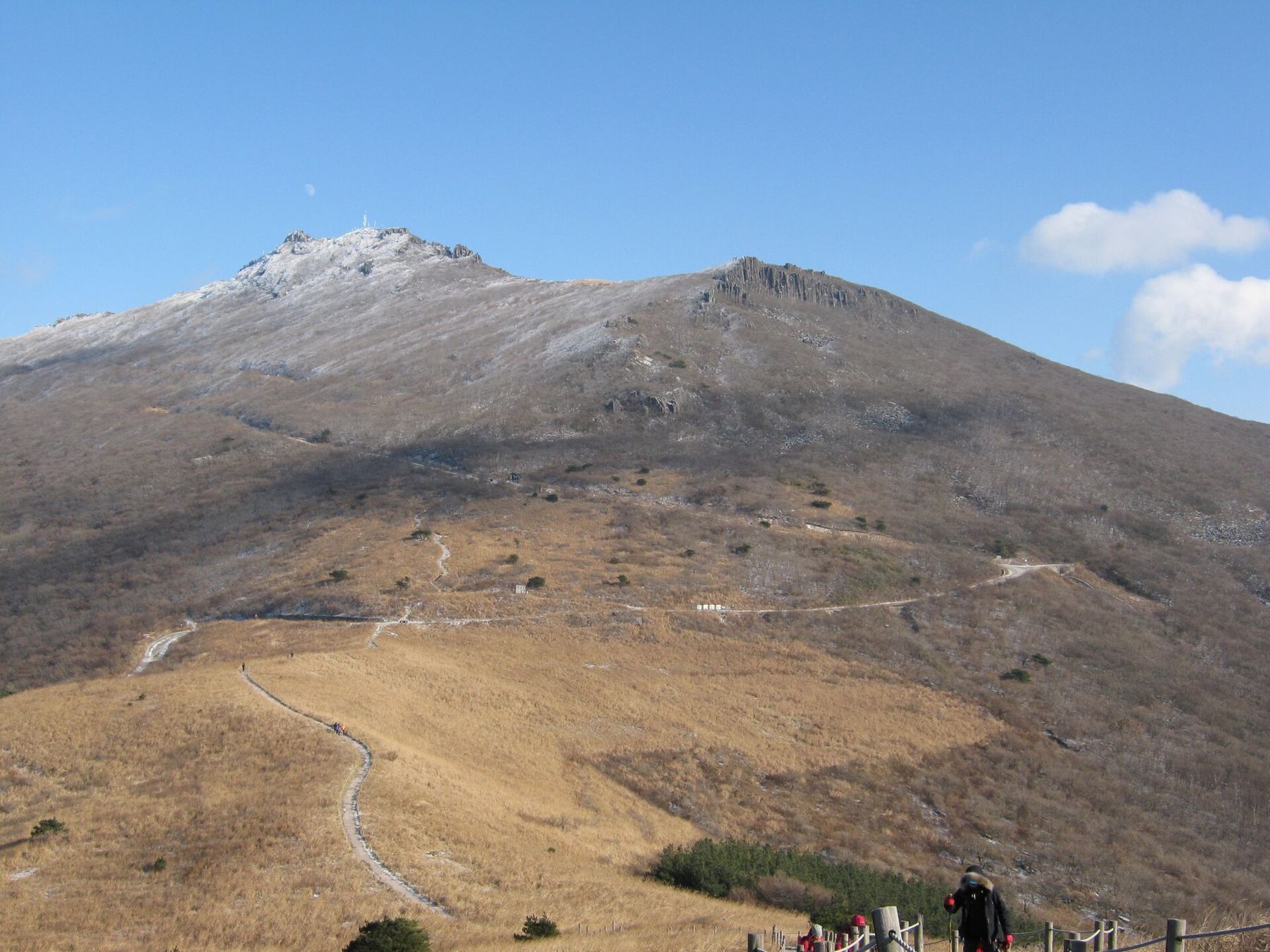
Home to Seoseokdae, massive hexagonal column rock formations. Hike three hours from Wonhyosa temple to reach the summit.
Parley fragen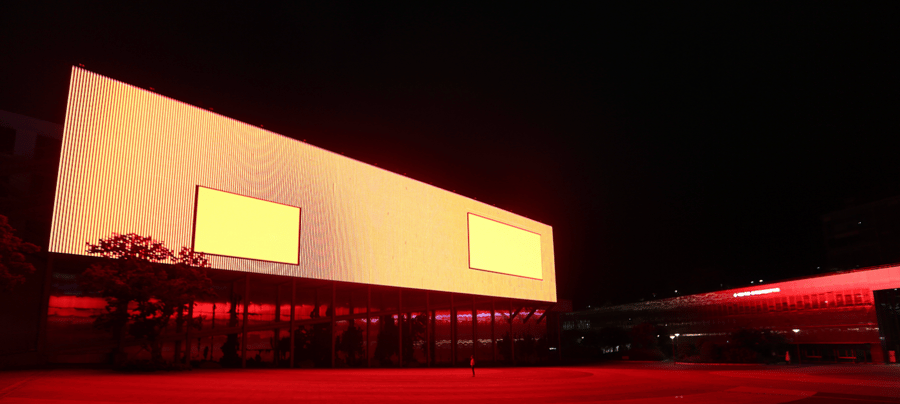
landmark
Vast subterranean arts facility built on the former Provincial Office site. Outdoor plazas and library spaces require no ticket.
Parley fragen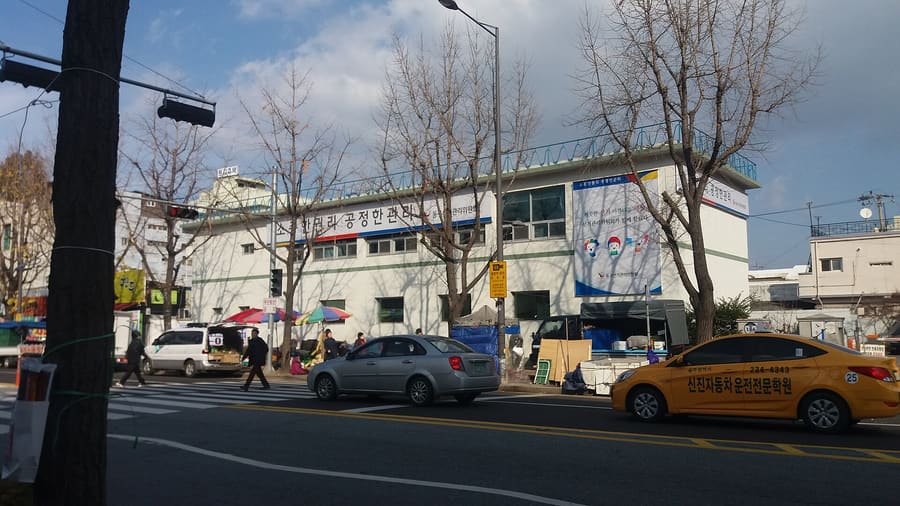
landmark
Traditional produce hall housing artist studios. Visit on Saturday nights for live music and pop-up food vendors.
Parley fragen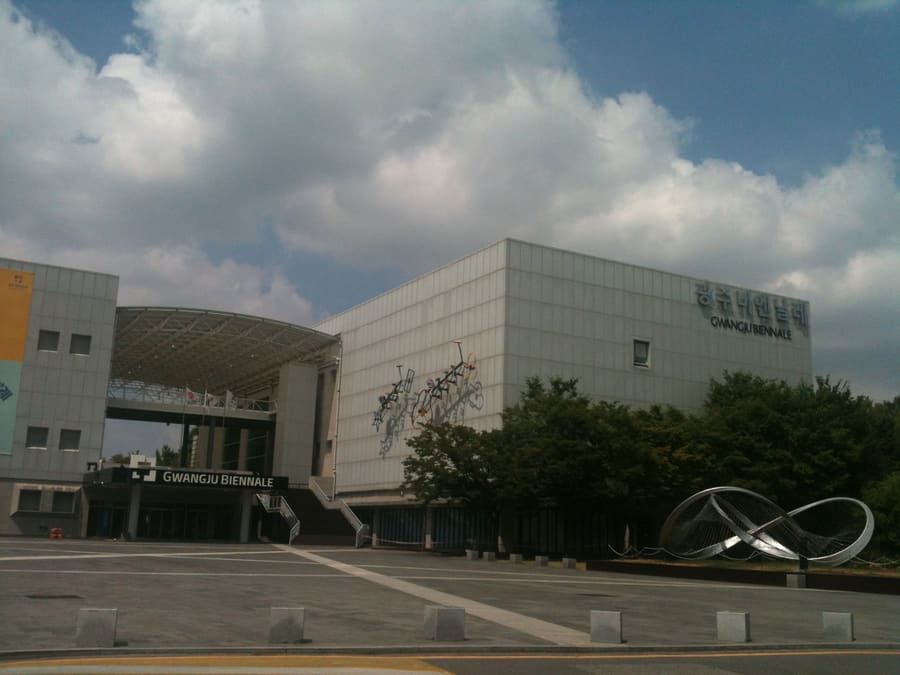
landmark
Purpose-built pavilion hosting Asia's oldest contemporary art biennial. Open continuously during official exhibition runs.
Parley fragenattractions
areas
Transit-centered hub anchored by a retro market street and famous meat restaurants.
In der NäheGwangju-Songjeong KTX Station and Tteokgalbi Alley
Parley fragenSprawling northern district driven by university students, market halls, and major exhibition grounds.
In der NäheChonnam National University and Malbau Market
Parley fragenDesign shops and specialty espresso bars set inside converted 1970s residential homes.
In der NäheAsia Culture Center and May 18 Democracy Square
Parley fragenQuiet hillside streets blending early 20th-century missionary brick houses and traditional hanoks.
In der NähePenguin Village and Sajik Park Observatory
Parley fragenfood
Gwangju is the culinary focal point of Jeollanam-do, a region famous across Korea for heavy seasoning and elaborate banchan side dishes. Local cooking emphasizes fermented seafood paste, aged kimchi, and rich broth bases.You find specialized dining enclaves across the city. Songjeong-dong centers on minced grilled rib patties, while Yu-dong houses a street dedicated entirely to rich duck stew cooked with dropwort leaves.
Songjeong Tteokgalbi: grilled minced pork rib patties served alongside complimentary gamja-tang broth.
https://pixabay.com/users/ArgentumFerrum-990817/ ArgentumFerrum] · CC0Head to Tteokgalbi Alley near Songjeong Station. Ordering minced grilled pork patties includes free refills of clear pork bone soup.
Visit Yu-dong for Ori-tang, a thick duck stew topped with mountain perilla powder and fresh minari dropwort greens.
Try Sangchu-twigim at local street stalls. You wrap deep-fried squid bites inside crisp lettuce leaves with pickled onion soy sauce.
history
Gwangju served historically as an administrative center for southwestern Korea. During the 20th century, the city emerged as the national epicenter for student resistance and pro-democracy demonstrations against authoritarian rule.
Student Independence Movement
Gwangju students organized nationwide protests against Japanese colonial policy, forming a core chapter in Korean resistance history.
May 18 Democratic Uprising
Citizens took up arms against military dictator Chun Doo-hwan's martial law forces. Hundreds of protestors were killed before government troops reclaimed the city hall.
First Gwangju Biennale
The city established Asia's first international contemporary art biennial to transform civic memory of military violence into global cultural exchange.
Asia Culture Center Opens
South Korea's ministry of culture opened the massive subterranean ACC complex on the physical site of the former provincial government headquarters.
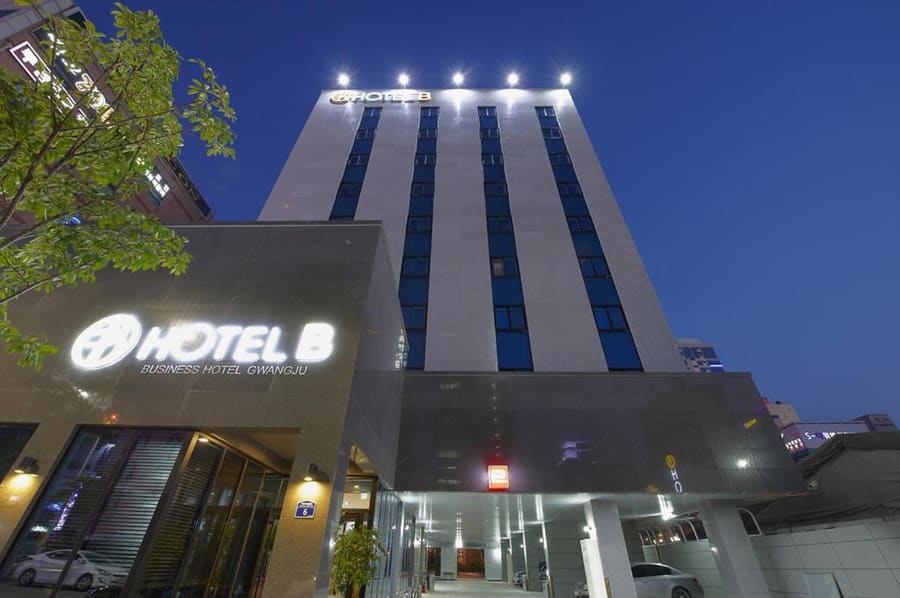
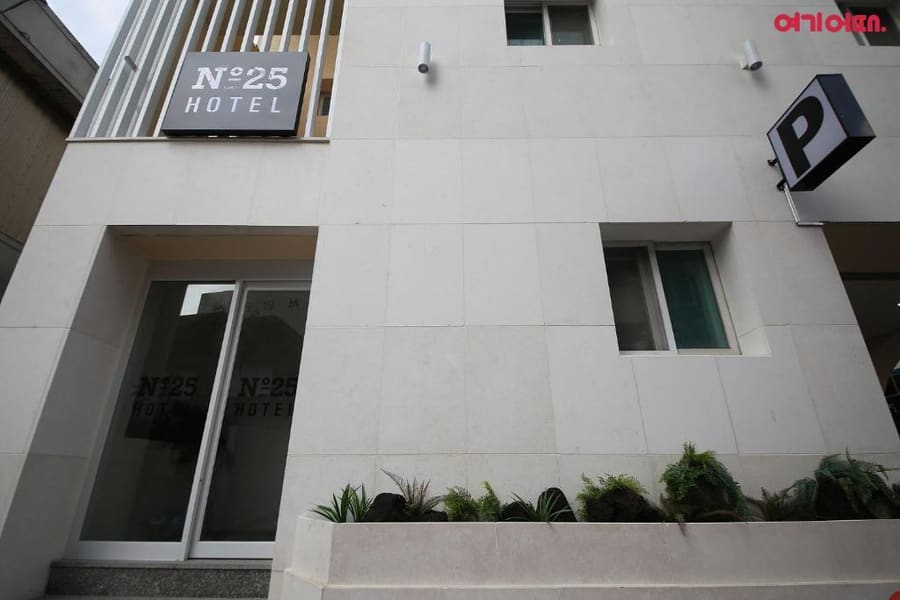
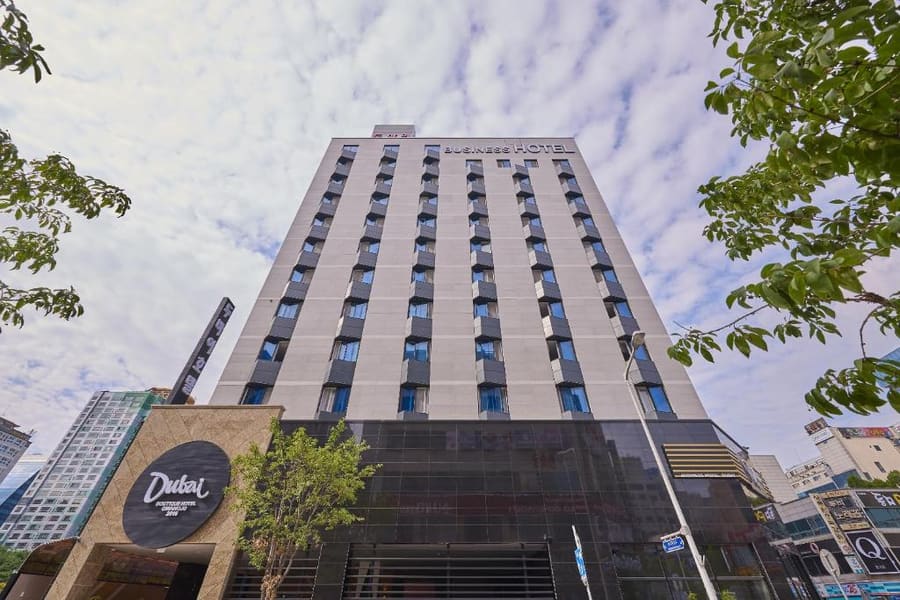
where to stay
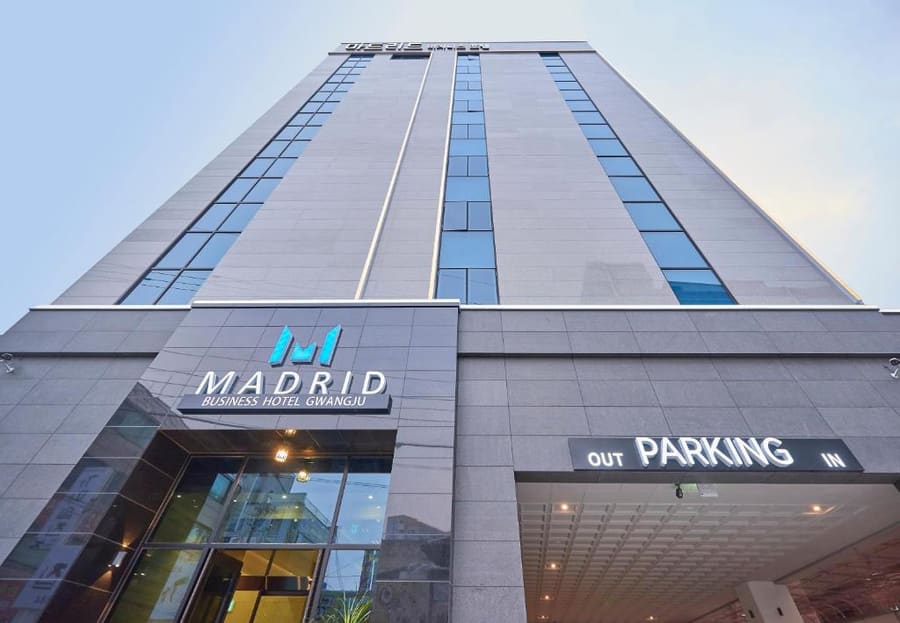
Choose your base around your transit priorities. Dong-gu keeps you within walking distance of galleries and Metro Line 1. Songjeong-dong suits tight schedules requiring immediate high-speed rail access.
Live rates, matched to the areas above.
transport
Gwangju relies on a single subway line running east-west alongside a network of city buses. High-speed KTX trains dock exclusively at Gwangju-Songjeong Station, while national express buses arrive at U-Square terminal.
Ab Gwangju-Songjeong KTX Station / Gwangju Airport (KWJ)
Subway Line 1 travels direct from Songjeong Station to Culture Complex in Dong-gu.
Standard city taxis operate on meters from the KTX arrival plaza.
Tap T-money or Hanpay cards when boarding and exiting subway turnstiles and buses to lock in transfer discounts.
City Bus 518 connects all primary May 18th memorial sites, from the downtown square to the National Cemetery.
U-Square is South Korea's largest bus terminal complex. Express buses leave every 15 minutes for Seoul Central City.
cost
Gwangju is noticeably less expensive than Seoul or Busan for lodging and regional food. High-speed rail fares remain standardized across the national Korail network.
Includes two grilled meat patties, unlimited pork rib broth, and full banchan side dish spread.
Standard pot size served with dropwort vegetables and dipping sauce.
Flat rate fare using a transit card across Line 1.
Standard economy seat fare on the Honam KTX line taking 110 minutes.
seasonality
MAR – MAY
Mild spring temperatures suit Mudeungsan hiking and walking tour routes in Yangnim-dong.
JUN – AUG
Humid summer conditions with monsoon rain. Escape mid-day heat inside the air-conditioned ACC halls.
SEP – NOV
Clear skies and fall foliage on Mudeungsan. Peak season during even-numbered years for Biennale visitors.
DEC – FEB
Cold winters with occasional snowfall on the high basalt peaks. Minimal tourist crowds in city markets.
practicalities
The Asia Culture Center outdoor grounds remain open daily until 22:00, though indoor exhibition halls close on Mondays.
Credit cards are accepted across taxis and market stalls. Cash is useful mainly for small street snacks.
Audio guide handsets in English and Japanese are available free at the 5·18 Memorial Park reception desk.
A retro monorail and chairlift system operates near Jisan Resort, providing low-effort mountain views without hiking.
Trails on Mudeungsan feature steep stone staircases. Wear sturdy boots with proper ankle support for basalt terrain.