landmark
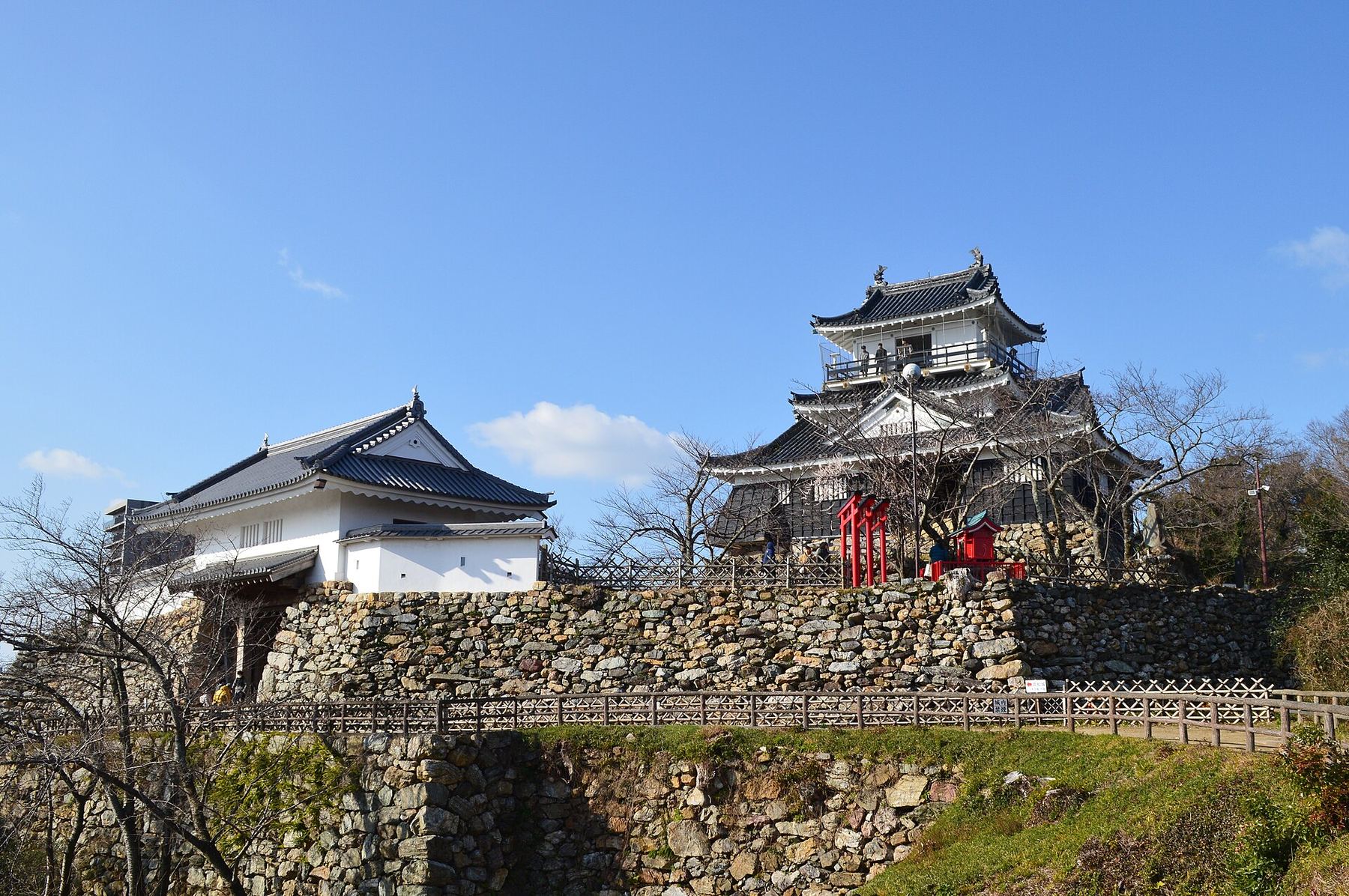
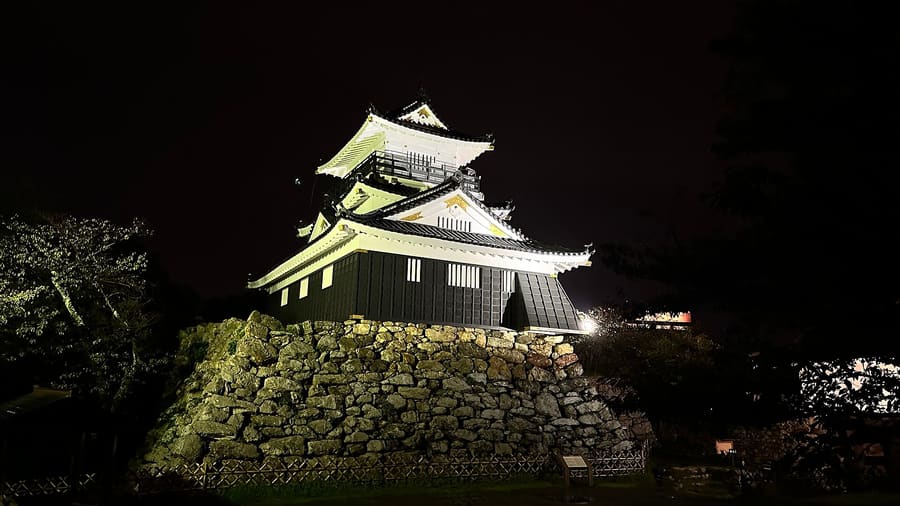
Hamamatsu Castle
Tokugawa Ieyasu built this base before unifying Japan. The stone foundations are original 16th-century masonry.
Parley fragenJapan
Industrial craft, freshwater eel, and Pacific coastal dunes.
introduction
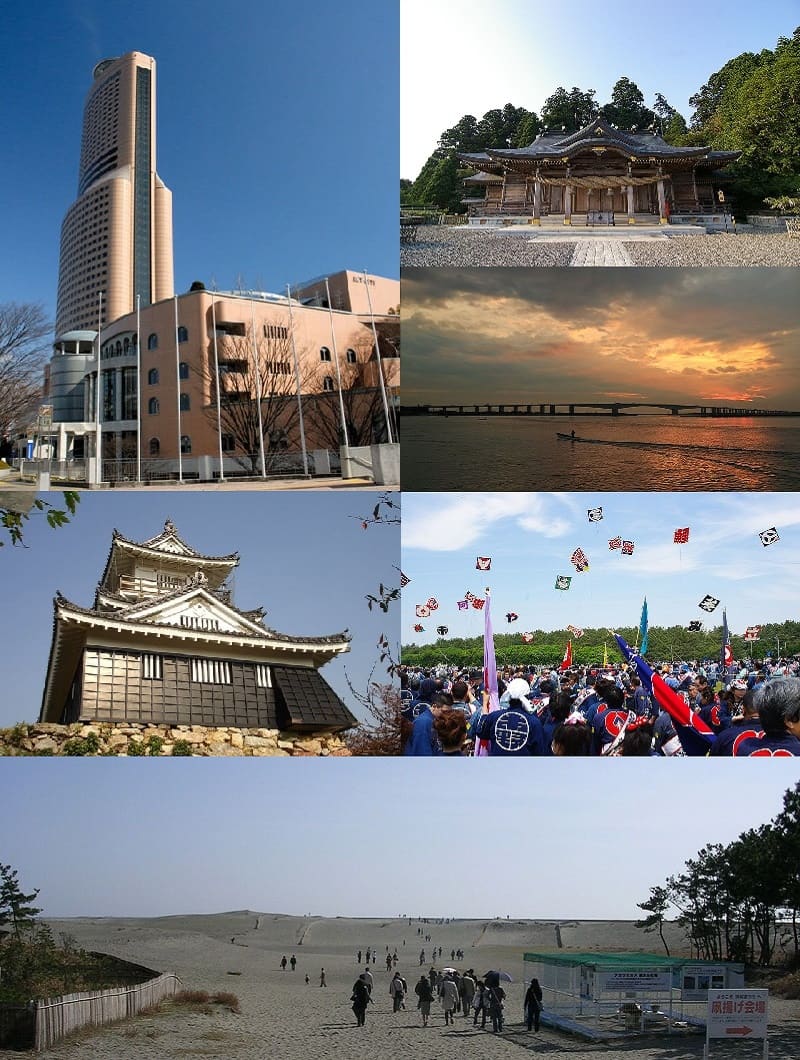
Hamamatsu is Japan's center of precision manufacturing, built along the Tokaido Shinkansen line between Tokyo and Osaka. You move through a landscape defined by industrial design studios, a shallow brackish lake, and high coastal sand dunes. Expect straightforward transit, distinct local food, and fewer tourists than neighboring transit hubs.
Shinkansen access
The Tokaido Shinkansen Hikari train connects Tokyo Station to Hamamatsu in 83 minutes. Kodama trains take 110 minutes.
City of Music designation
Hamamatsu belongs to the UNESCO Creative Cities Network as a designated City of Music. It hosts major international piano competitions.
Hamamatsu
水だらけのプール · CC BY-SA 4.0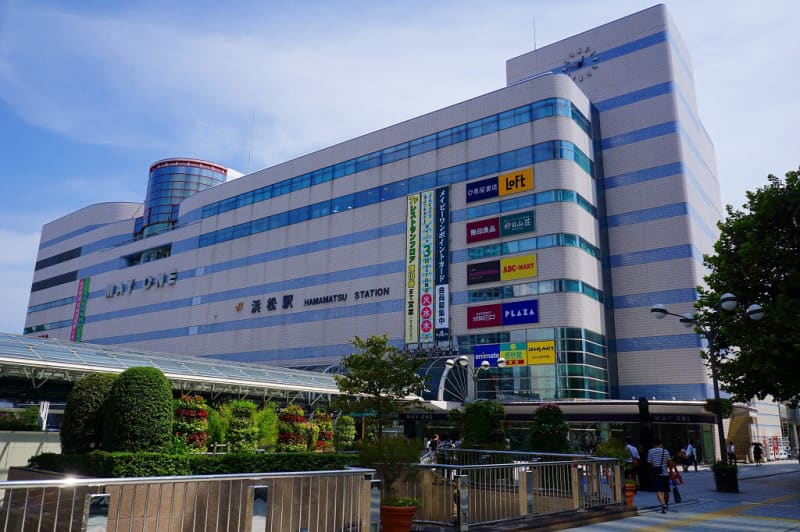
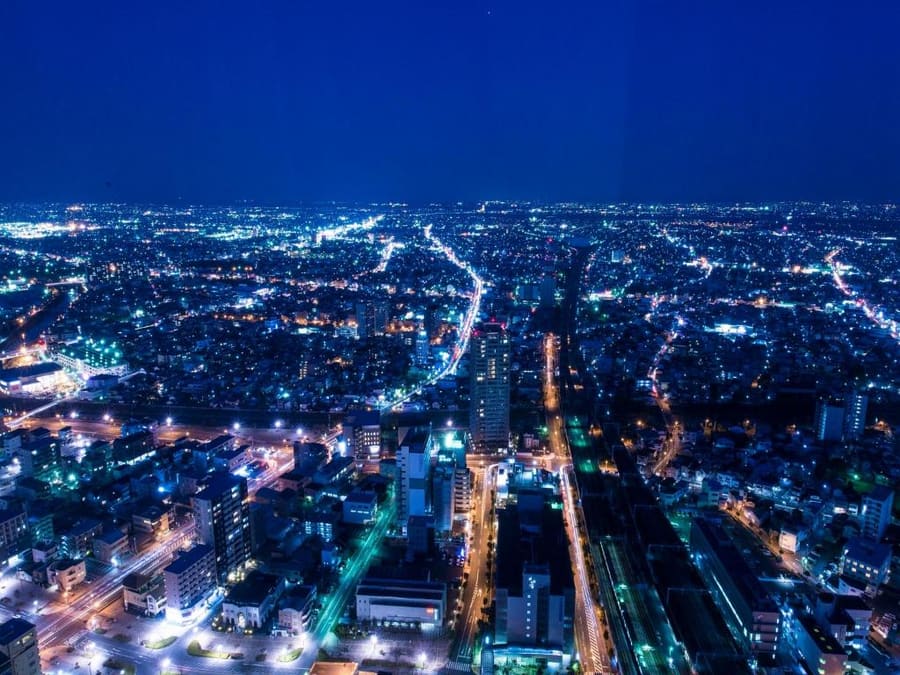
Downtown & Act City — Modern transit hub packed with gyoza eateries, department stores, and corporate research headquarters.
純一末永 · CC BY-SA 4.0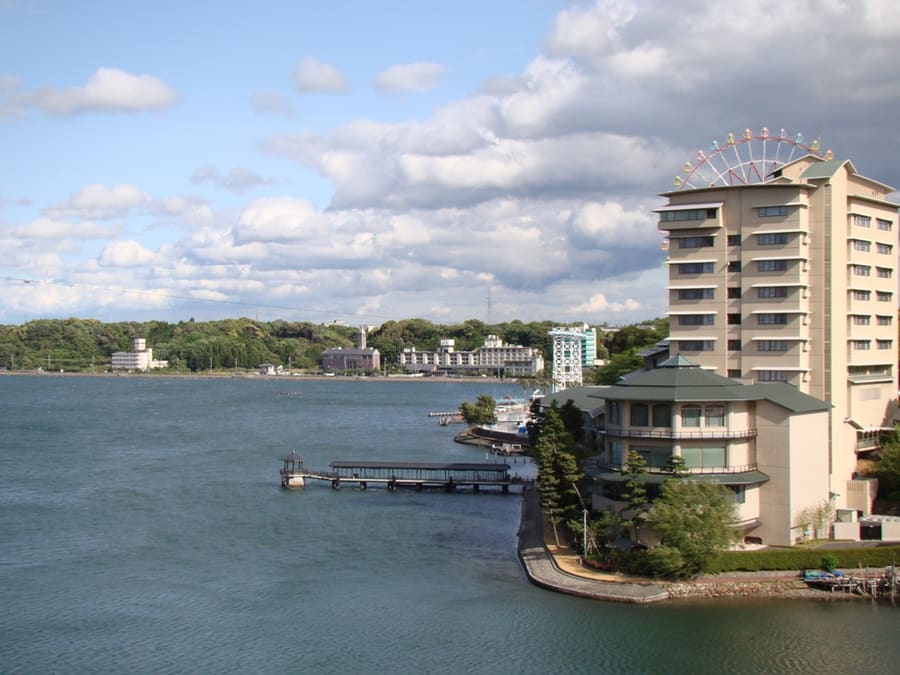
Kanzanji Onsen — Lakeside thermal resort town with ryokan, botanical gardens, and cable car rides over the lagoon.
しんかわな · CC BY-SA 3.0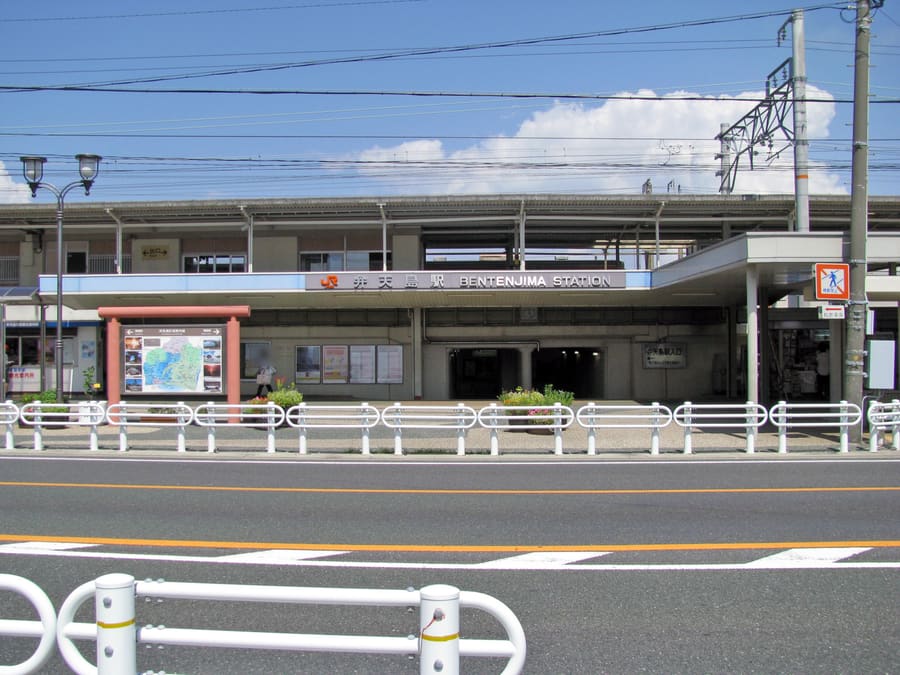
Bentenjima — Coastal island neighborhood facing the ocean bay, famous for its red water gate and calm beaches.
東京特許許可局 · CC BY-SA 3.0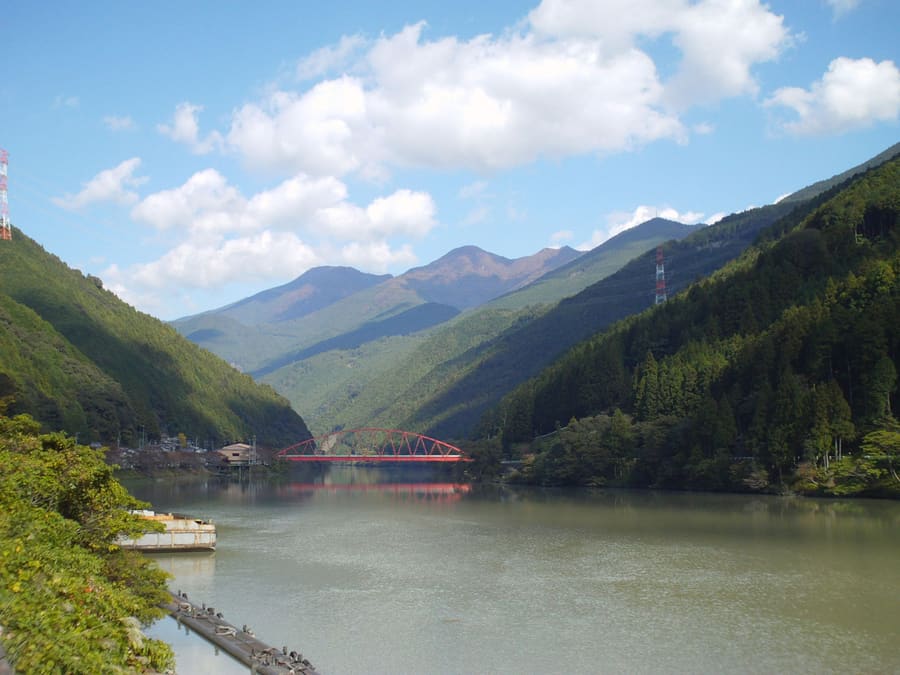
Tenryu Hills — Mountainous northern district with cedar forests, historic railways, and river kayaking.
Yones · CC BY-SA 3.0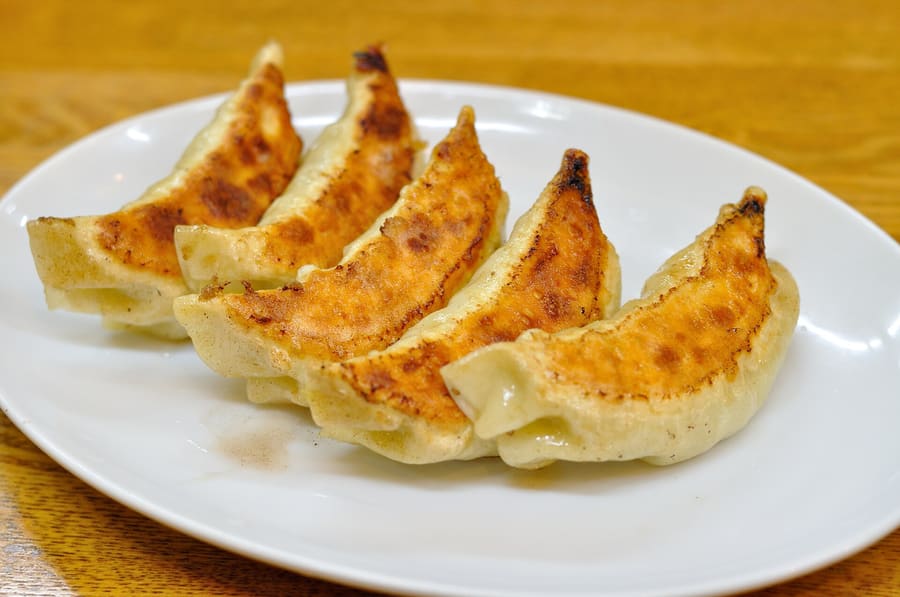
Crispy Hamamatsu gyoza served in traditional circular formation with boiled bean sprouts.
Ocdp · CC0highlights
landmark
Tokugawa Ieyasu built this base before unifying Japan. The stone foundations are original 16th-century masonry.
Parley fragen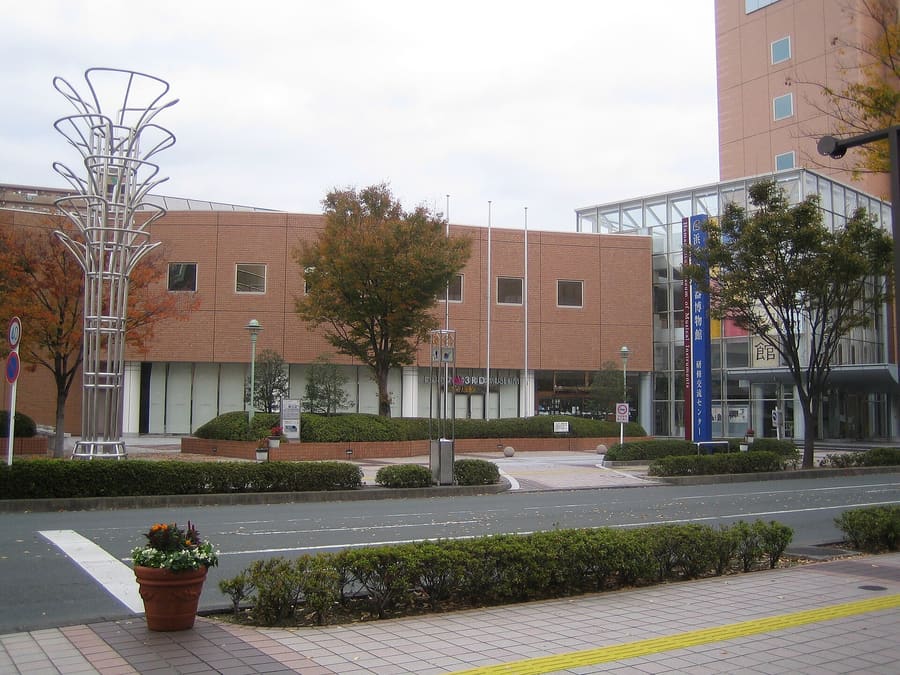
landmark
Japan's first public instrument museum displays 1,300 instruments. Hands-on rooms let you play traditional gongs and harps.
Parley fragen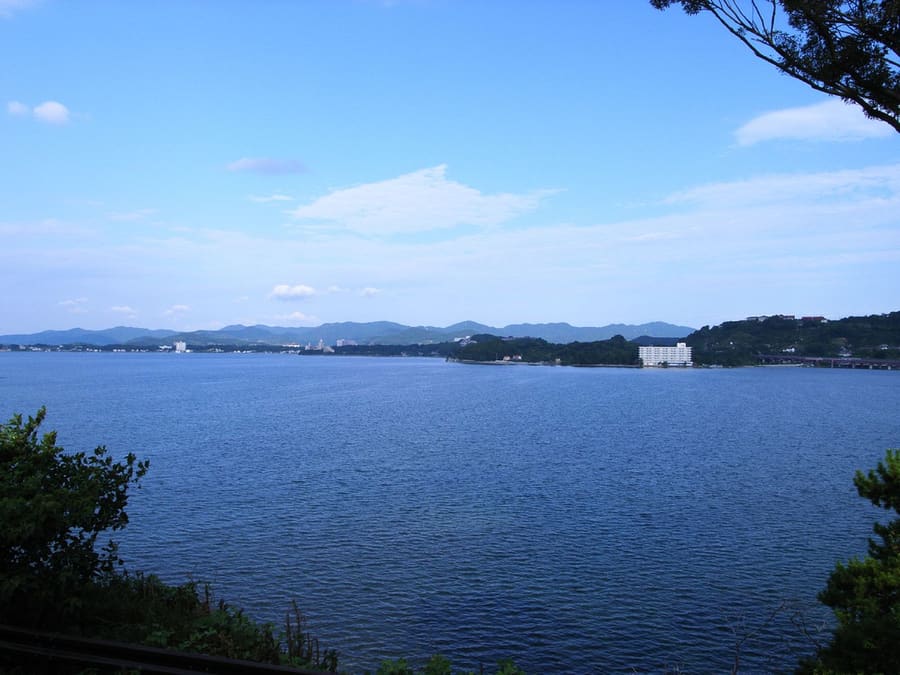
landmark
This coastal lagoon produces Japan's most famous farmed eel. Boat tours depart regularly from Kanzanji pier.
Parley fragen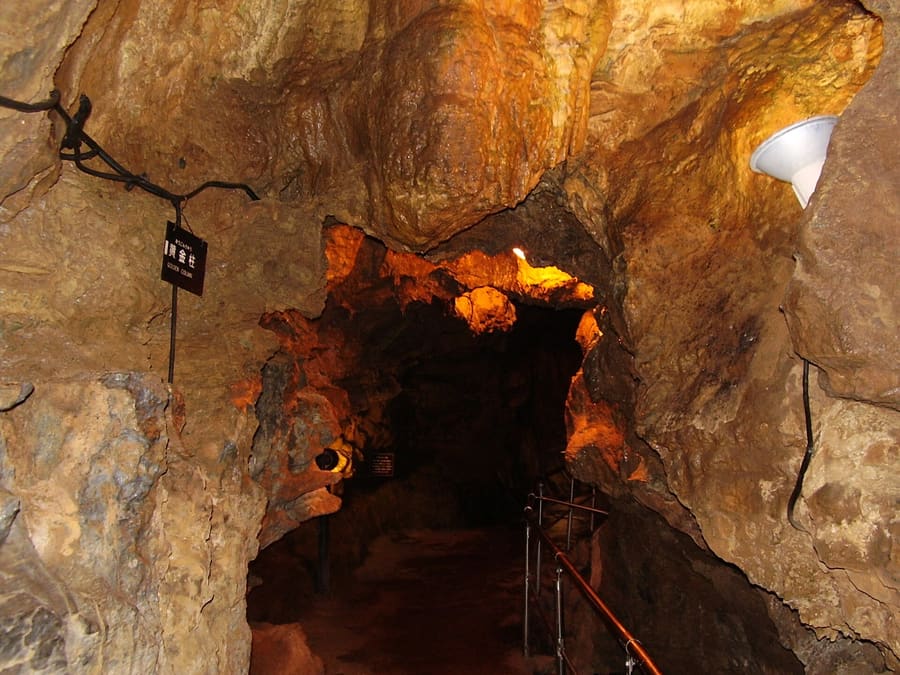
landmark
A 1,000-meter limestone cave system stays at 18°C year-round. An underground waterfall drops 30 meters inside the cavern.
Parley fragenattractions
areas
Modern transit hub packed with gyoza eateries, department stores, and corporate research headquarters.
In der NäheHamamatsu Castle and Museum of Musical Instruments
Parley fragenLakeside thermal resort town with ryokan, botanical gardens, and cable car rides over the lagoon.
In der NäheLake Hamana Ropeway and Hamana PalPal
Parley fragenCoastal island neighborhood facing the ocean bay, famous for its red water gate and calm beaches.
In der NäheJR Bentenjima Station and Maisaka Shuku
Parley fragenMountainous northern district with cedar forests, historic railways, and river kayaking.
In der NäheTenryu River and Futamata town
Parley fragenfood
Hamamatsu claims one of Japan's highest per-capita gyoza consumption rates. Local gyoza arrive pan-fried in a tight circular wheel, topped with boiled bean sprouts in the center to cut through the rich pork fat. Freshwater eel (*unagi*) harvested from Lake Hamana forms the city's second culinary pillar, grilled over charcoal with a sweet soy glaze.
Crispy Hamamatsu gyoza served in traditional circular formation with boiled bean sprouts.
Ocdp · CC0Hamamatsu Station stalls sell warm unagi bento boxes tailored for Shinkansen travelers at ¥2,500 to ¥3,800.
history
Hamamatsu grew as a castle town on the Tokaido road connecting Edo and Kyoto. In the 20th century, local workshop innovation transformed the agricultural region into an industrial powerhouse, spawning global motor and musical giants.
Ieyasu builds the castle
Tokugawa Ieyasu constructs Hamamatsu Castle, using it as his strategic base for 17 years before establishing the Tokugawa Shogunate.
Yamaha begins manufacturing
Torakusu Yamaha repairs a reed organ in Hamamatsu and founds Nippon Gakki, starting the city's musical manufacturing legacy.
Suzuki Loom Works opens
Michio Suzuki establishes his loom factory in Hamamatsu, which later evolves into Suzuki Motor Corporation.
Honda Motor established
Soichiro Honda founds Honda Motor Co. in Hamamatsu, manufacturing motorized bicycles from surplus engine stock.
Museum of Musical Instruments opens
Hamamatsu opens Japan's first municipal musical instrument museum to cement its identity as the City of Music.
where to stay
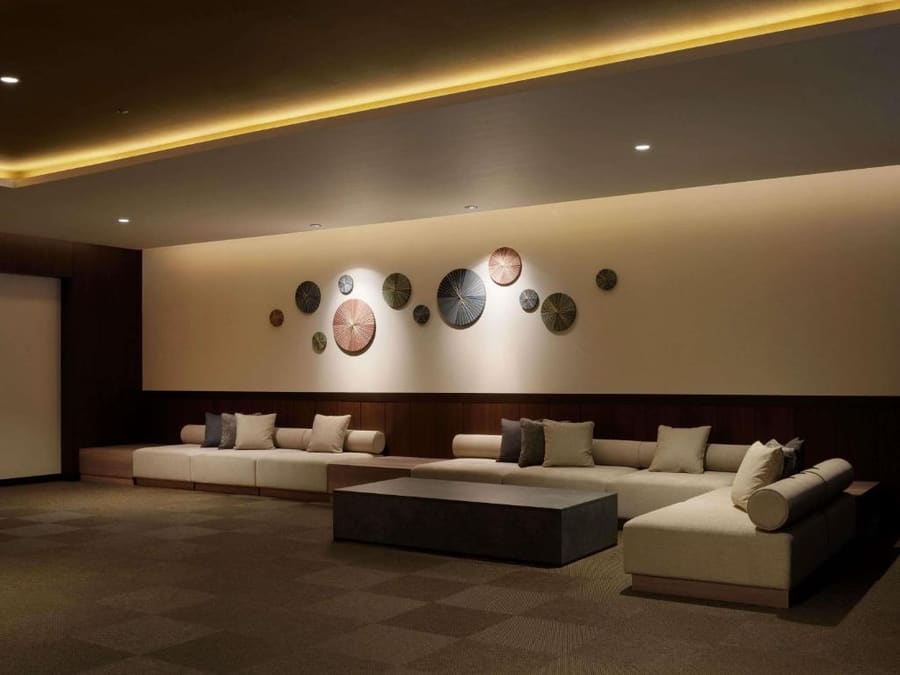
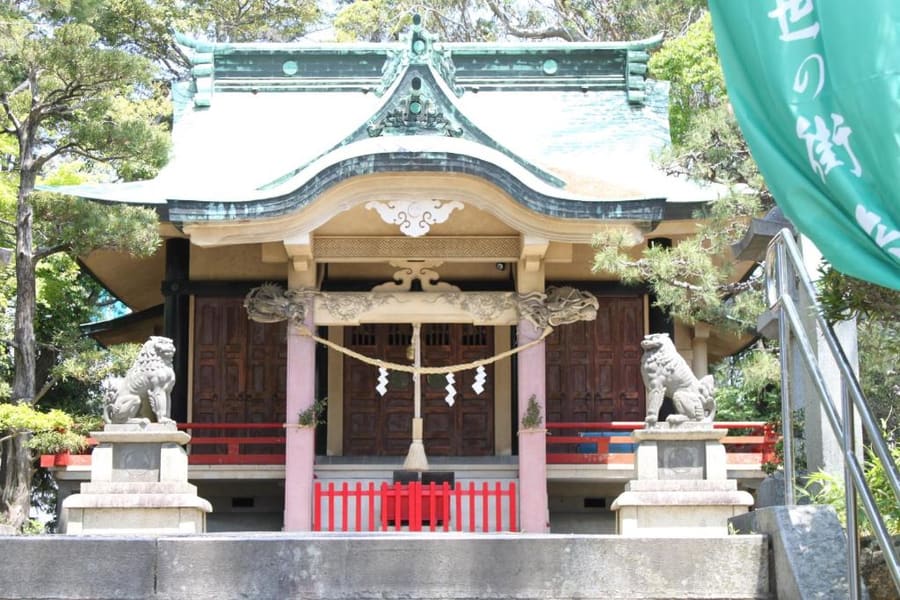
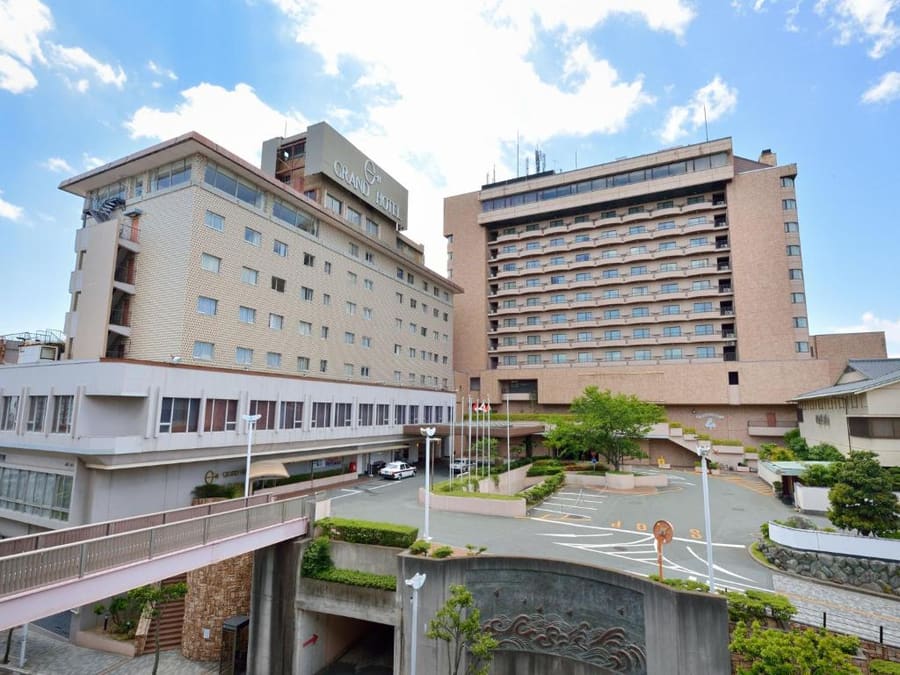
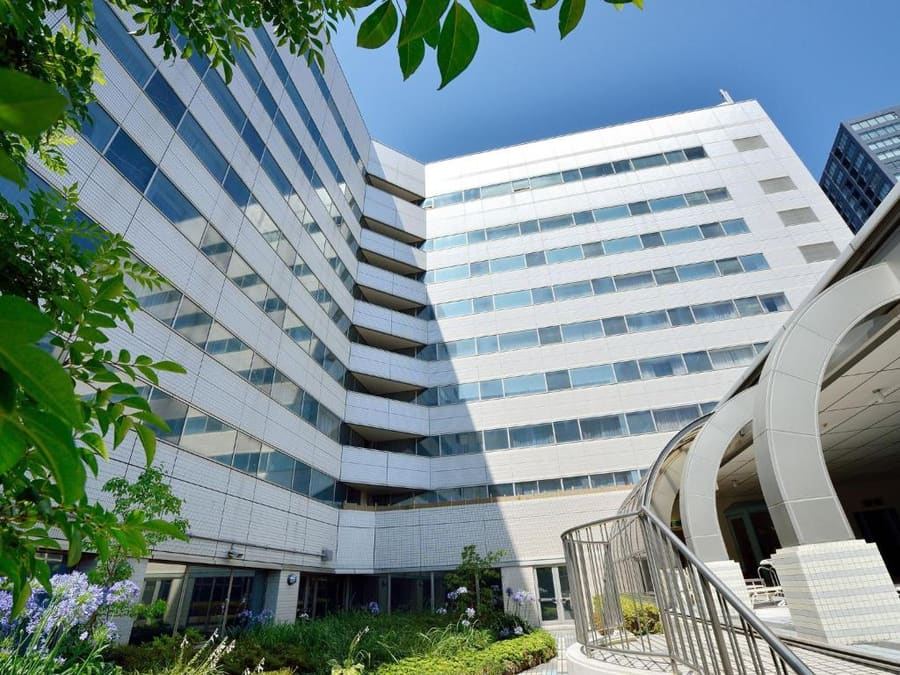
Choose your base by transit convenience versus thermal relaxation. Staying near Hamamatsu Station keeps you steps from the Shinkansen and dining hubs. Staying along Lake Hamana offers hot spring baths and quiet resort stays at the cost of a longer bus ride.
Live rates, matched to the areas above.
transport
Hamamatsu Station is the transit heart of the city. High-speed Shinkansen trains connect downtown to Tokyo and Osaka, while local Entetsu buses serve the region and the Red Train regional rail line serves urban suburbs running north to Nishi-Kajima.
Ab Hamamatsu Station (Shinkansen & JR Line)
Tokaido Shinkansen Hikari service from Tokyo Station.
Tokaido Shinkansen Hikari service from Shin-Osaka Station.
Entetsu Bus Line 30 from Station Bay 1 to Kanzanji Onsen.
JR Tokaido Line local train to Bentenjima Station.
Standard street taxi from Hamamatsu Station North Exit to Hamamatsu Castle.
This diesel single-car train loops around the northern rim of Lake Hamana through retro wooden stations.
cost
Hamamatsu costs less than Tokyo for dining and hotels, though local specialties like farm-raised eel command premium prices.
Standard lunch serving cooked fresh in round pans with bean sprouts.
Premium grilled charcoal freshwater eel over rice with soup and pickles.
Unlimited travel on local city buses including the Lake Hamana route.
seasonality
MAR – MAY
Cherry blossoms bloom around Hamamatsu Castle. Clear spring days offer optimal cycling along Lake Hamana.
JUN – JUL
Humid summer conditions bring heavy rain in June. Early July features lake firework displays.
AUG – SEP
Hot coastal summer conditions. Ocean breezes refresh Nakatajima Sand Dunes at dusk.
OCT – NOV
Mild foliage weather in Tenryu hills. Best season for dining on peak-flavor autumn eel.
DEC – FEB
Crisp dry winter days offer the highest visibility for seeing Mount Fuji from Act City Tower.
practicalities
Strong ocean gusts blow sand across Nakatajima; wear closed shoes and eye protection.
Yamaha Innovation Center museum requires free advance online booking for guided tours.
Winter months align the setting sun directly inside the frame of the lake torii gate.