landmark
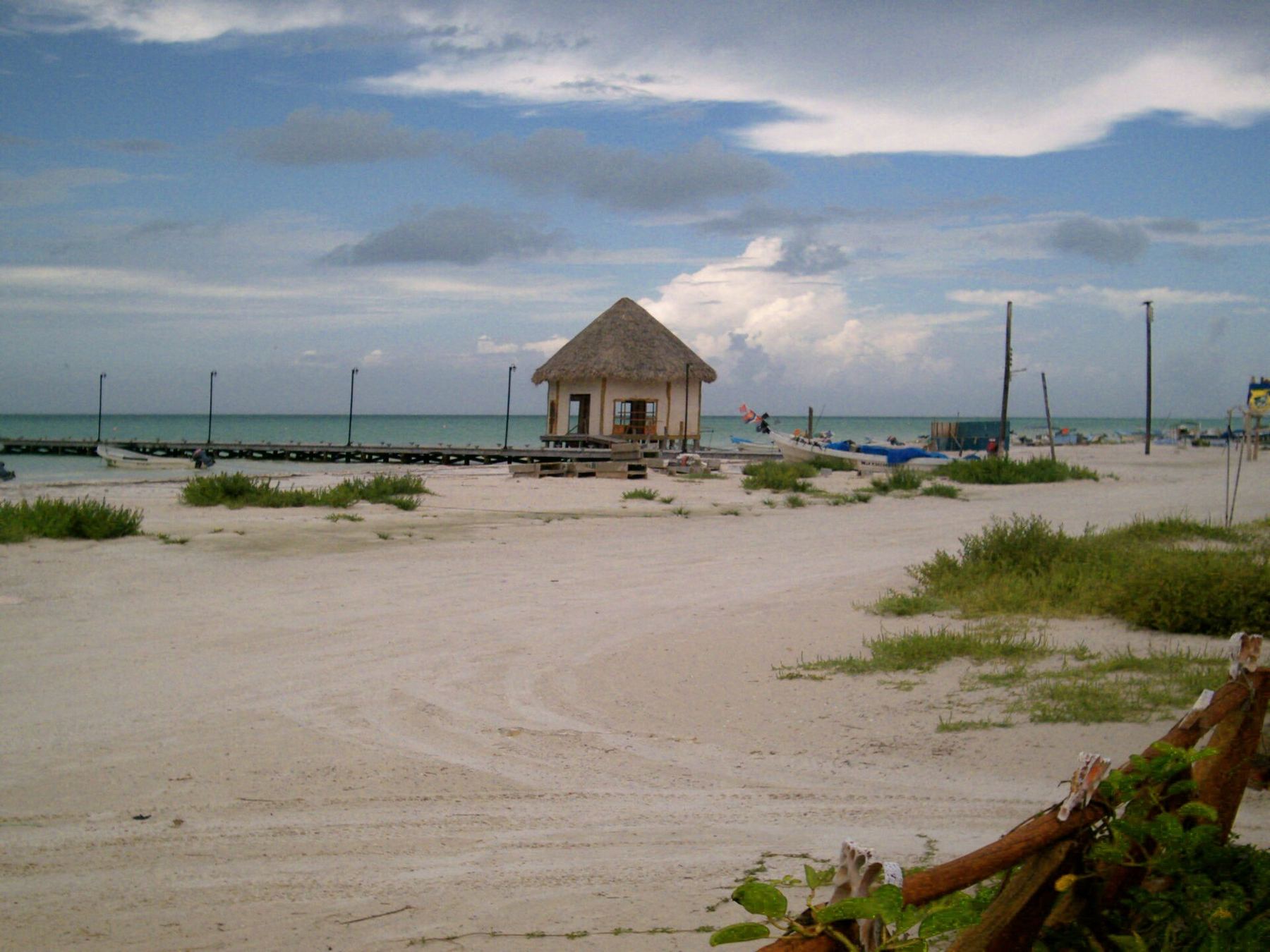
Punta Cocos
A quiet beach on the western tip. Walk here at night during new moon periods to spot glowing microscopic bioluminescence.
Parley fragenMexiko
Car-free sand roads, whale sharks, and shallow waters.
introduction
Holbox is a narrow sandbar island off Quintana Roo's northern coast. Unpaved sand tracks replace asphalt, so movement happens on foot, by bicycle, or in gasoline-powered golf carts. The surrounding waters stay shallow far from shore, keeping waves small and tide changes calm. Expect minimal paved infrastructure, frequent cash shortages, and slow-paced island logistics.
Ferry entry trick
9 Hermanos and Holbox Express run ferries from Chiquilá every 30 minutes until 21:30. Buy tickets directly at the pier before boarding.
Protected reserve status
Holbox sits inside the Yum Balam reserve, protected since 1994. The sanctuary safeguards whale sharks, sea turtles, and over 300 bird species.
Cash dependency trick
Cars are prohibited on the island's unpaved sand roads. Cash is essential because local ATMs routinely run out of banknotes.
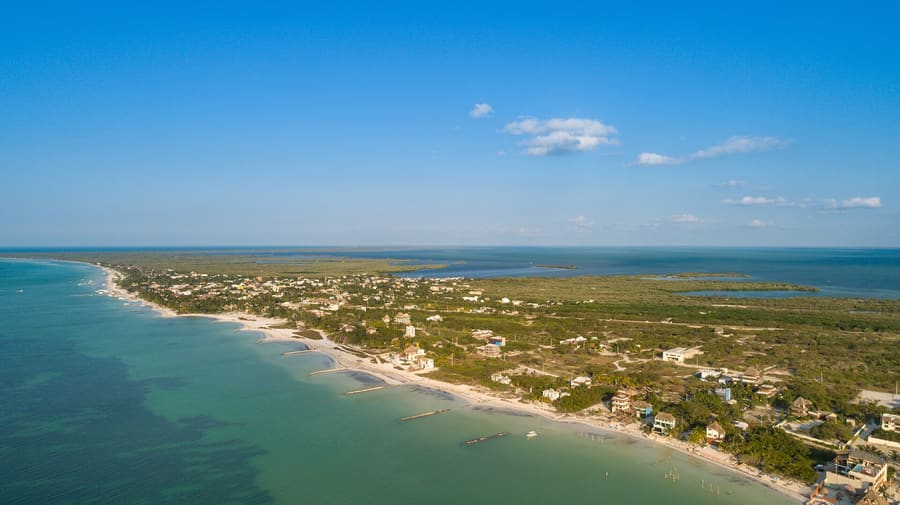
Holbox Island
Dronepicr · CC BY 3.0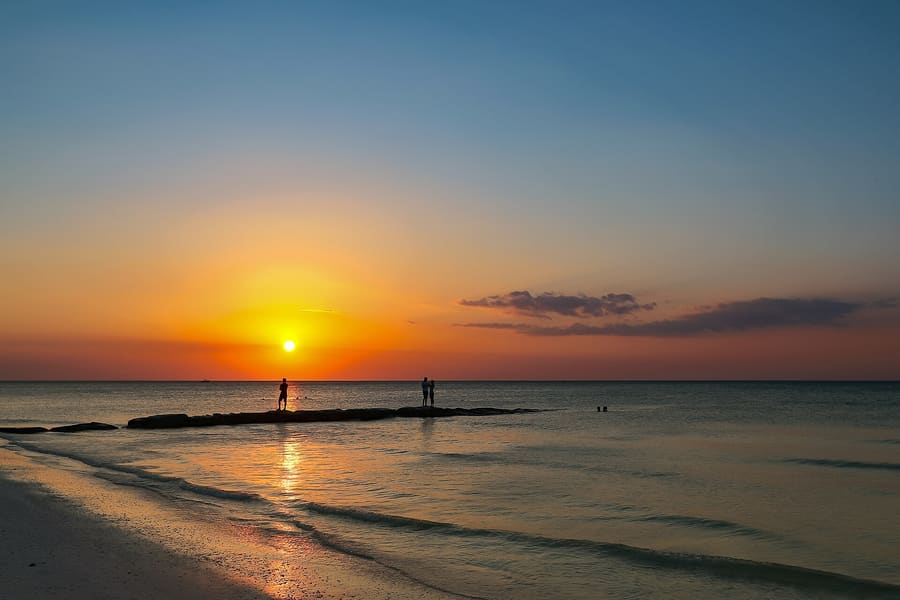
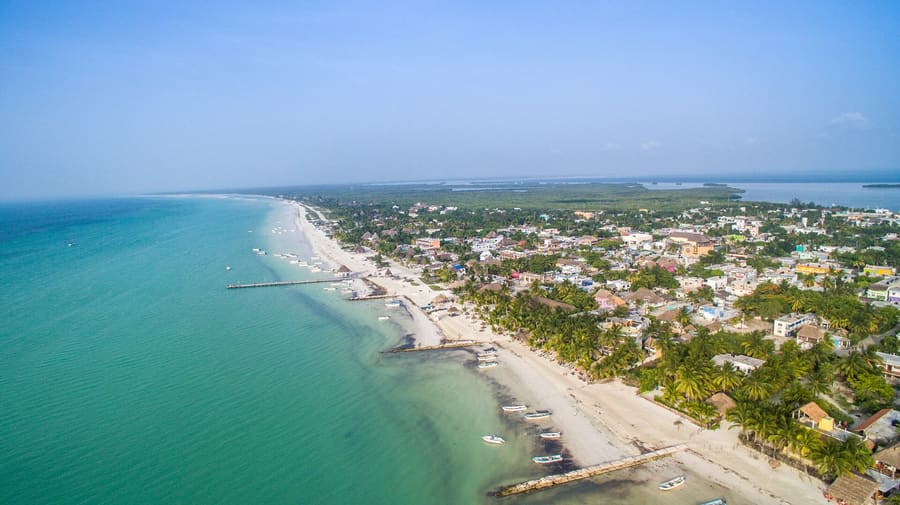
Playa Norte — Beachfront resort strip with direct access to warm, shallow Gulf water.
dronepicr · CC BY 2.0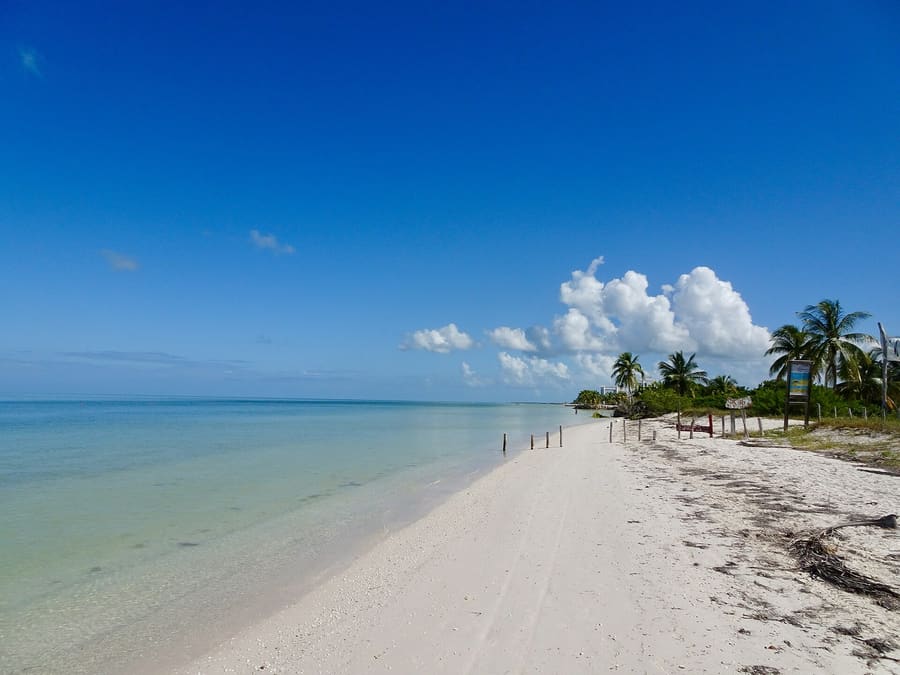
Punta Cocos — Quiet western residential edge with dark skies and sunset views.
Bruno Rijsman · CC BY-SA 2.0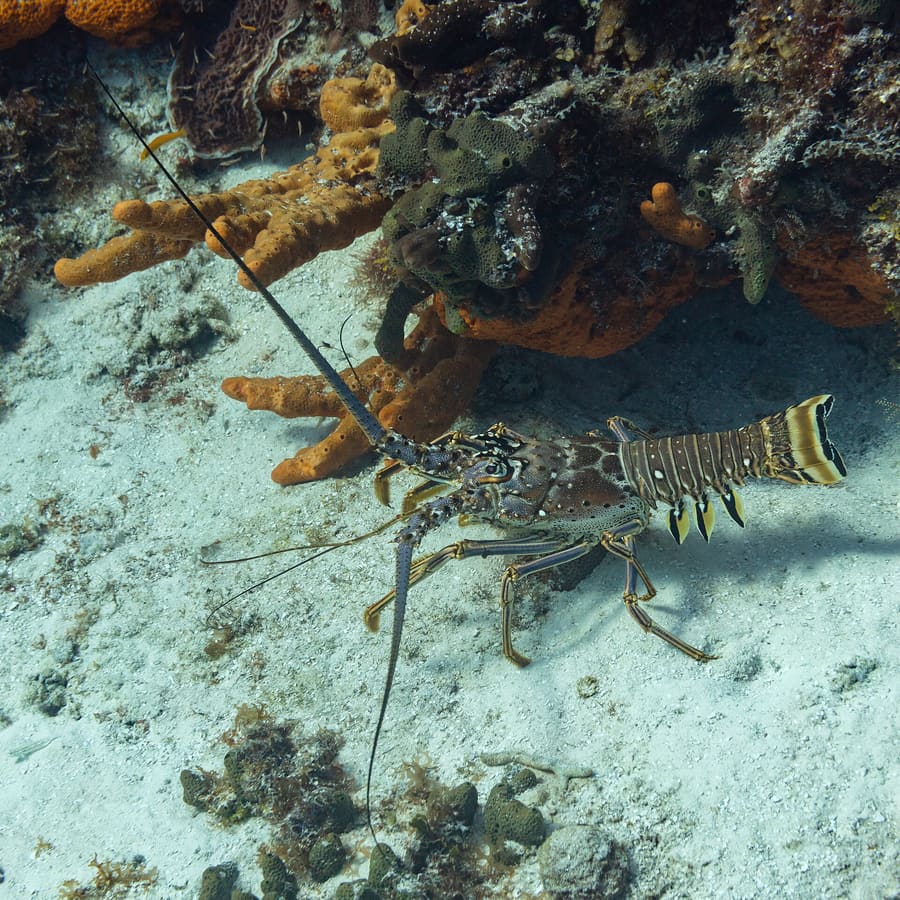
Fresh lobster pizza, an island specialty introduced by local pizzerias.
Diego Delso · CC BY-SA 4.0highlights
landmark
A quiet beach on the western tip. Walk here at night during new moon periods to spot glowing microscopic bioluminescence.
Parley fragen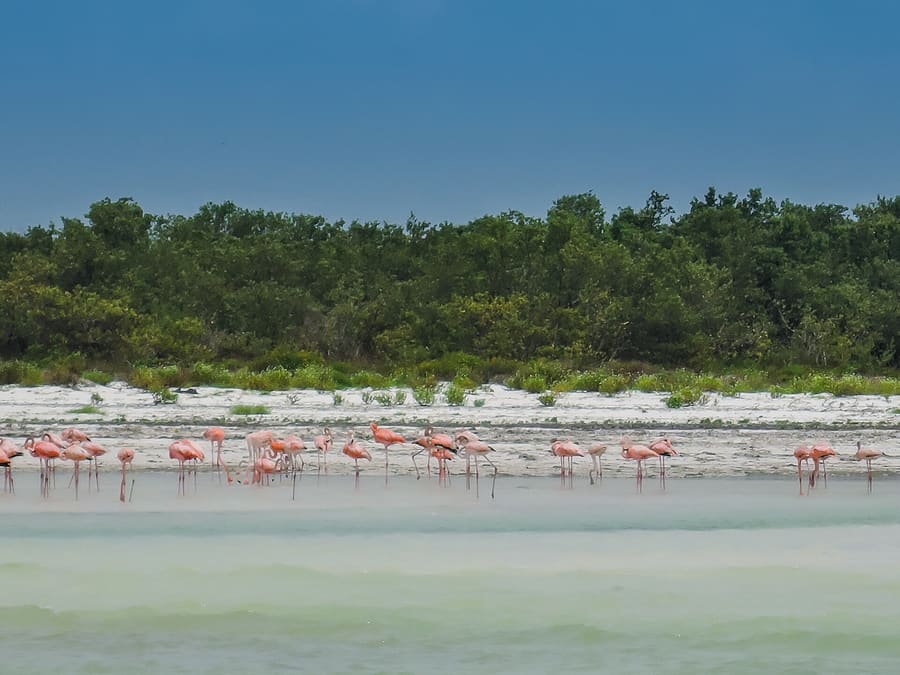
landmark
A vast natural sandbar extending east. Walk through knee-deep water at low tide to spot flamingos without disturbing the reserve.
Parley fragenlandmark
A protected ecosystem covering the island and lagoon. Licensed boat tours operate seasonal whale shark swims from June to September.
Parley fragenattractions
areas
Beachfront resort strip with direct access to warm, shallow Gulf water.
In der NäheNorth beach front, seafood clubs, cocktail bars
Parley fragenQuiet western residential edge with dark skies and sunset views.
In der NähePunta Cocos beach, lagoon mangroves
Parley fragenHigh foot traffic, street art, central shops, and evening restaurant crowds.
In der NäheFerry dock, main plaza, street food stalls
Parley fragenSparse boutique lodges bordering the protected flora and fauna reserve.
In der NähePunta Mosquito trail, nature reserve boundary
Parley fragenfood
Dining on Holbox centers on local catches from the Gulf of Mexico. Lobster is harvested locally during the official fishing season from July to February. Restaurant menus pair fresh seafood with traditional Yucatecan citrus and chili marinades.The island's signature invention is pizza de langosta, created by local Italian-Mexican kitchens. Oceanfront establishments charge premium prices for whole fish, while inland taquerias around the main plaza serve budget ceviche and fish tacos.
Fresh lobster pizza, an island specialty introduced by local pizzerias.
Diego Delso · CC BY-SA 4.0Order fresh lobster between July 1 and the end of February. Outside this window, restaurants serve frozen stock due to the local fishing ban.
Small eateries add a 3% to 5% card fee or refuse credit cards entirely. Keep cash on hand for dinner bill settlements.
Popular restaurants along Calle Tiburón don't accept reservations. Arrive before 19:30 to avoid 45-minute table waits.
history
Holbox was originally inhabited by Maya fishing families who relied on the rich marine life of the Yalahau lagoon. The island served as a coastal lookout point and freshwater source due to natural springs crossing the bay.In the mid-19th century, refugees fleeing the Caste War of Yucatán settled permanently on the island. They built a self-sustaining community based on commercial fishing and coconut harvesting, remaining largely isolated from mainland developments.
Permanent Settlement
Yucatecan families settle on Holbox to escape mainland Caste War conflicts.
Reserve Protection
The federal government creates the Yum Balam Flora and Fauna Protection Area.
Tourism Shift
Whale shark eco-tours transform the local fishing economy into boutique tourism.
Vehicle Bans Enforced
Local authorities restrict private cars to preserve unpaved sand roads.
where to stay
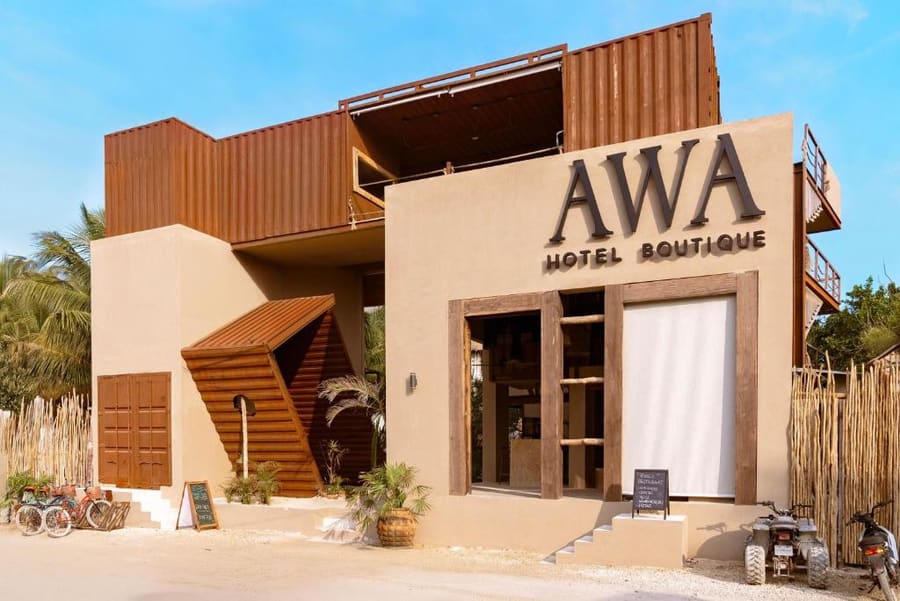
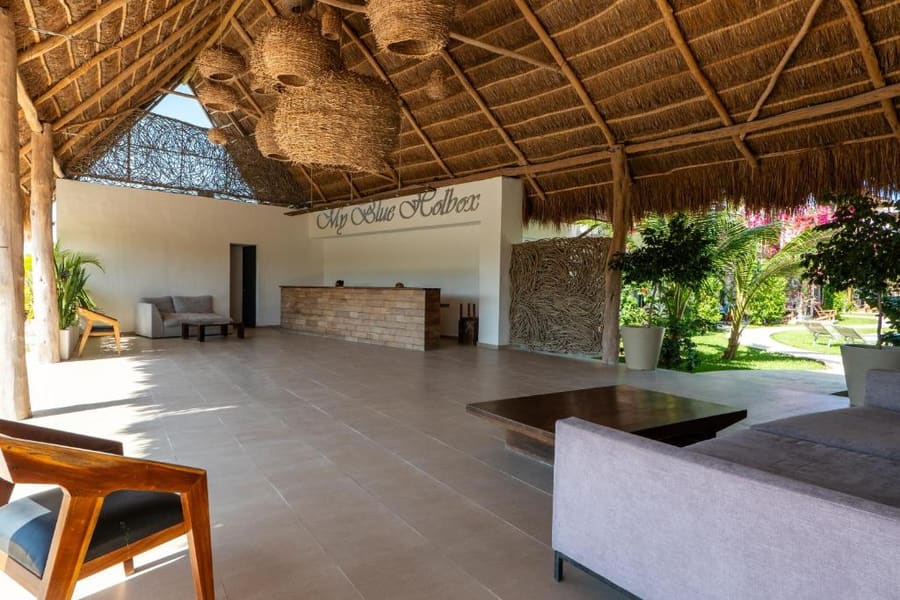
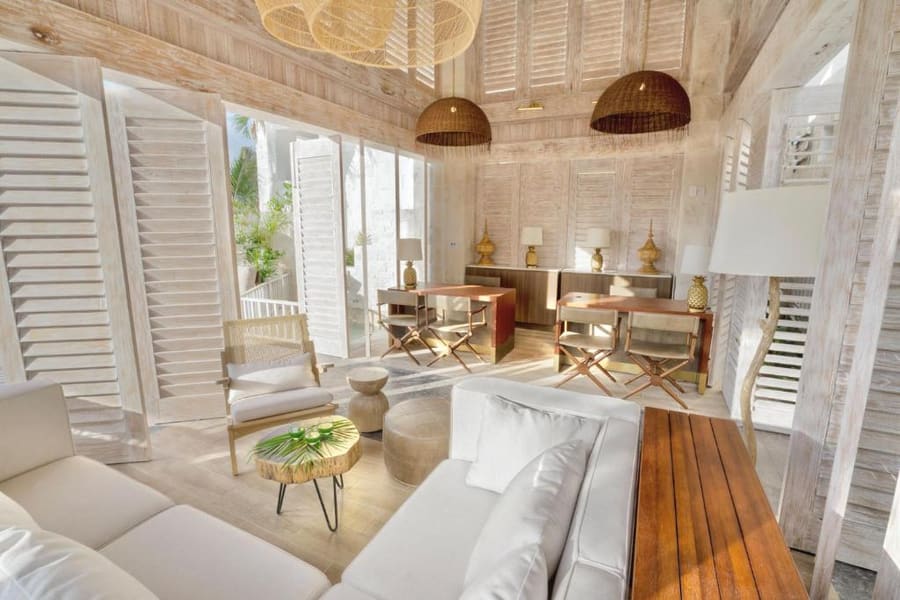
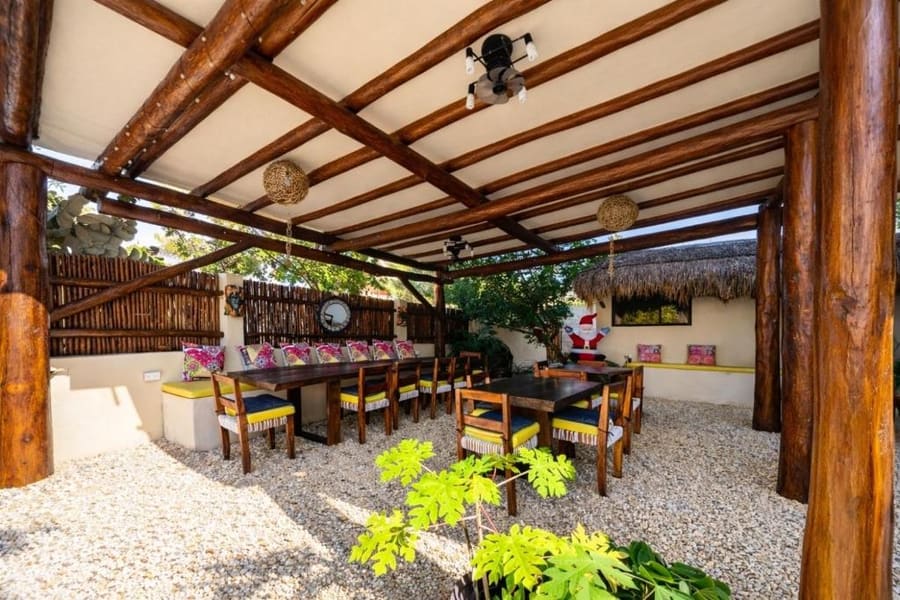
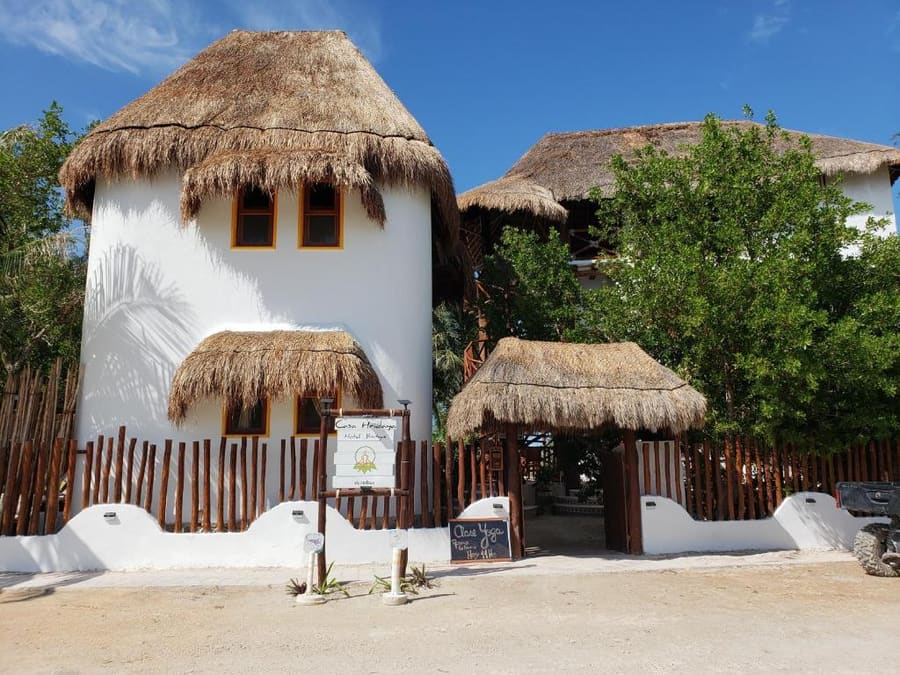
Select your base by evaluating trade-offs between proximity to town amenities and quiet surroundings. Central stays put restaurants and night venues within immediate walking distance, but exposed rooms absorb golf cart noise early in the morning.Beachfront hotels along Playa Norte offer direct ocean access at significantly higher rates. Stays near Punta Cocos or the eastern reserve edge require golf cart rentals or long walks along dark sand tracks after dinner.
Live rates, matched to the areas above.
transport
Reaching Holbox requires land transport to the port town of Chiquilá, followed by a 20-minute ferry crossing. Cancun International Airport (CUN) is the primary flight hub for arriving travellers.Once on the island, private motor vehicles are prohibited. You move around by walking, renting bicycles, or paying fixed fares for golf cart taxis operating from the ferry terminal, which come in a variety of colors, mostly white.
Ab Cancun International Airport (CUN)
ADO buses run directly from Cancun downtown or terminal to Chiquilá ferry port.
Pre-booked van directly from airport arrivals gate to Chiquilá dock.
Golf cart taxis charge fixed zone rates between 100 MXN and 250 MXN. Agree on the price before sitting down.
Rental shops charge 300 MXN to 400 MXN per day. Check tire pressure before leaving the shop to manage soft sand tracks.
Heavy rain turns unpaved streets into deep mud pools. Golf cart taxis charge higher rates or stop operating entirely during severe flooded conditions.
Ferry tickets are sold at official port booths in Chiquilá. Avoid third-party resellers offering marked-up ticket packages on the approach road.
cost
Prices on Holbox reflect island import logistics. Fresh seafood and local street food remain reasonable, while imported groceries and luxury hotel dining carry notable markups compared to mainland Quintana Roo.Cash remains king. Carrying sufficient pesos avoids high credit card surcharge fees and ATM outages.
Includes boat transport, equipment, safety guide, and light lunch on board.
Feeds two people at standard sit-down pizzerias in Centro.
24-hour rental fee for a four-passenger golf cart during peak season.
Covers Yalahau cenote, Isla Pasión, and Isla Pájaros.
seasonality
DEC – FEB
Dry weather and mild temperatures. Hotel rates hit peak levels around Christmas and New Year.
MAR – MAY
Warmest ocean temperatures and clear skies. Excellent conditions for kitesurfing and swimming.
JUN – SEP
Whale shark season is active. Expect high heat, humidity, and afternoon tropical downpours.
OCT – NOV
Lower hotel rates but higher risk of rainstorms, flooded sand tracks, and seasonal business maintenance closures.
practicalities
The island has very few ATMs, and they frequently run out of cash. Stock up on Mexican Pesos in Cancun or Chiquilá before crossing.
Mosquitoes and sand flies are active at sunrise and sunset. Bring biodegradable repellent to protect yourself and the marine reserve.
Holbox faces north, keeping its beaches clearer of sargassum sea weed compared to Caribbean-facing Riviera Maya shores.
Wi-Fi signals are unstable across the island. Mobile cellular data speeds drop significantly during peak tourist hours.
Leave high heels and formal shoes behind. Sandals or light water shoes are necessary for walking through flooded or unpaved sand paths.