landmark
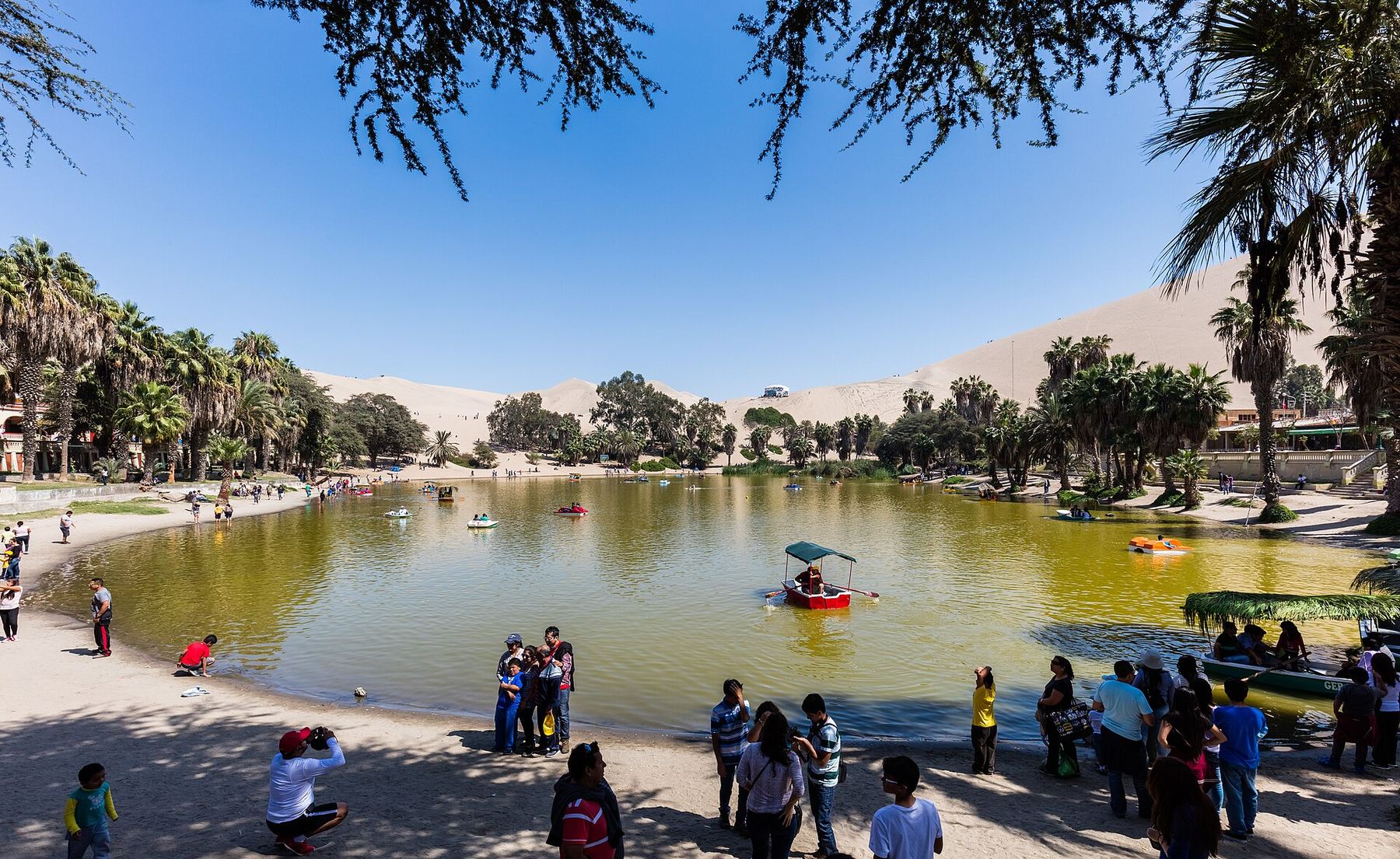
Huacachina Oasis
Natural desert lagoon surrounded by high sand dunes. Reserve buggy rides after 16:00 to avoid severe daytime heat.
Parley fragenPeru
Pisco vineyards and desert dunes in Peru's south coast.
introduction
Ica sits in a dry coastal valley four hours south of Lima. The city functions as Peru's main producer of Pisco grape brandy and an entry point to the desert dunes of Huacachina. You move between historic hacienda wineries, central plazas, and surrounding sand fields by taxi or mototaxi. Expect high afternoon temperatures and dense urban traffic around the central market.
Paracas Culture origins
The region produced Paracas and Nazca textiles and ceramics. The Regional Museum holds deformed skulls and mummies from these cultures.
Dune tour timing
Book buggy tours that start after 16:00. This avoids peak midday heat and positions you on high dunes for sunset.
Ica
Ingo Mehling · CC BY-SA 3.0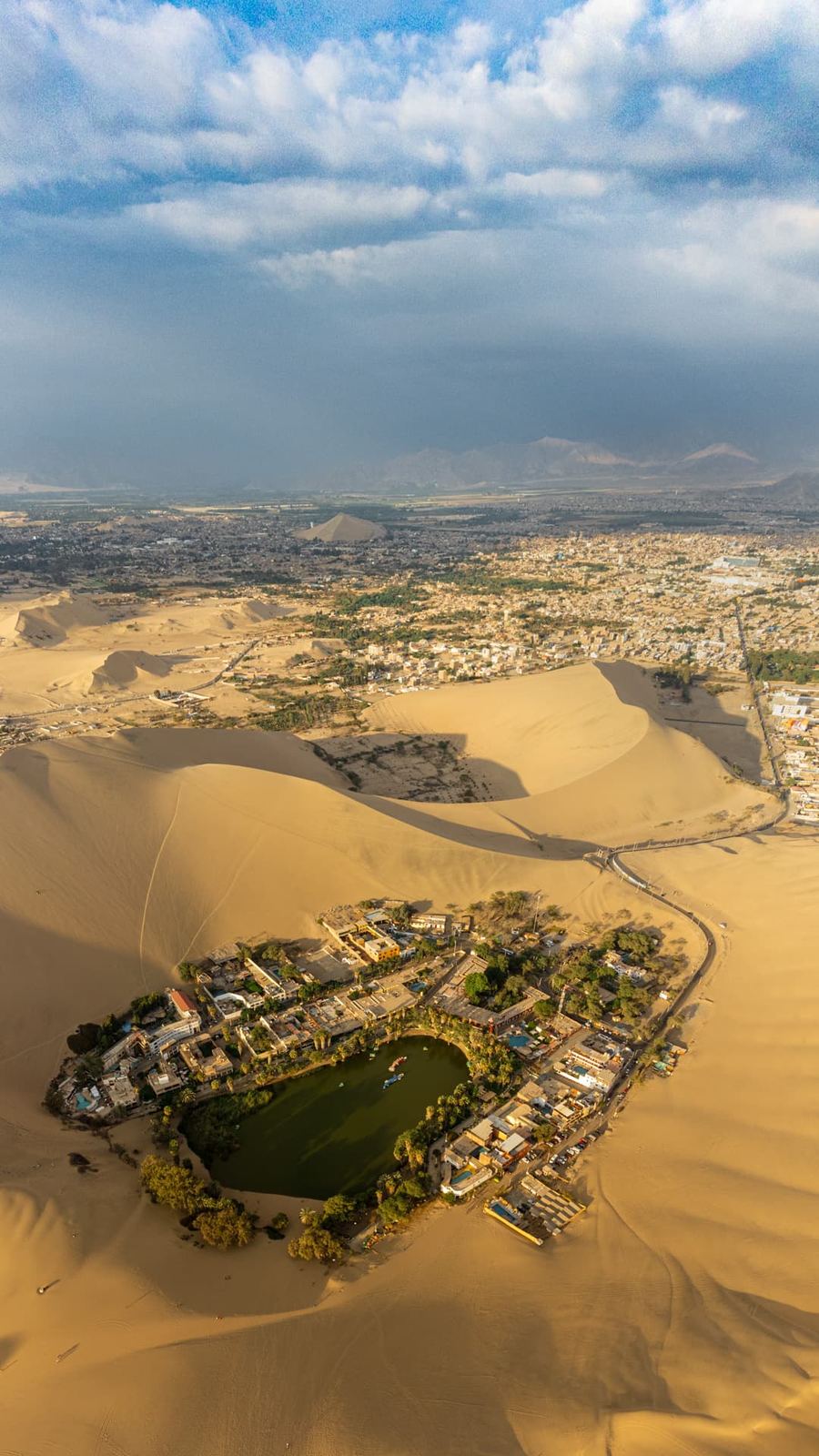
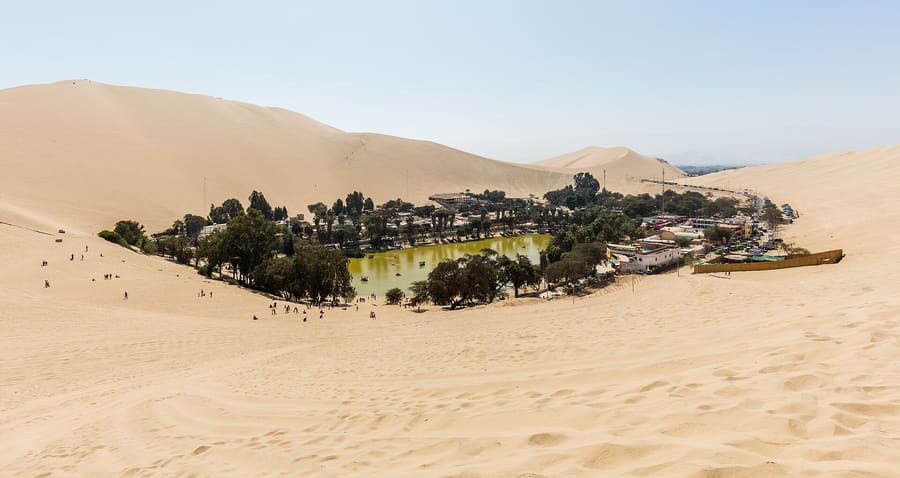
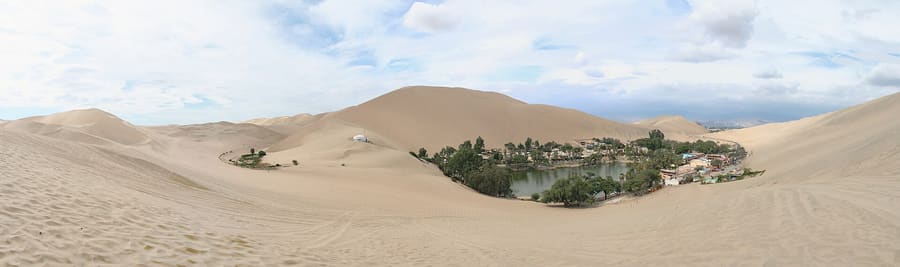
Huacachina — Desert oasis village dominated by buggy operators, backpacker hostels, and lakeside cafes.
camilogaleano.com · CC BY-SA 4.0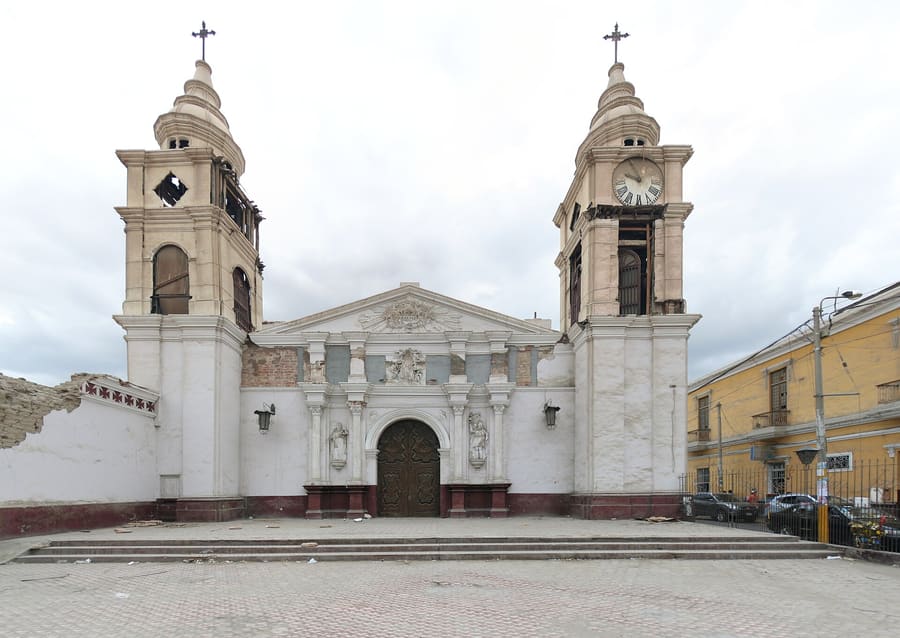
Plaza de Armas & Centro — Busy administrative center with transit hubs, commercial markets, and historic churches.
Ingo Mehling · CC BY-SA 3.0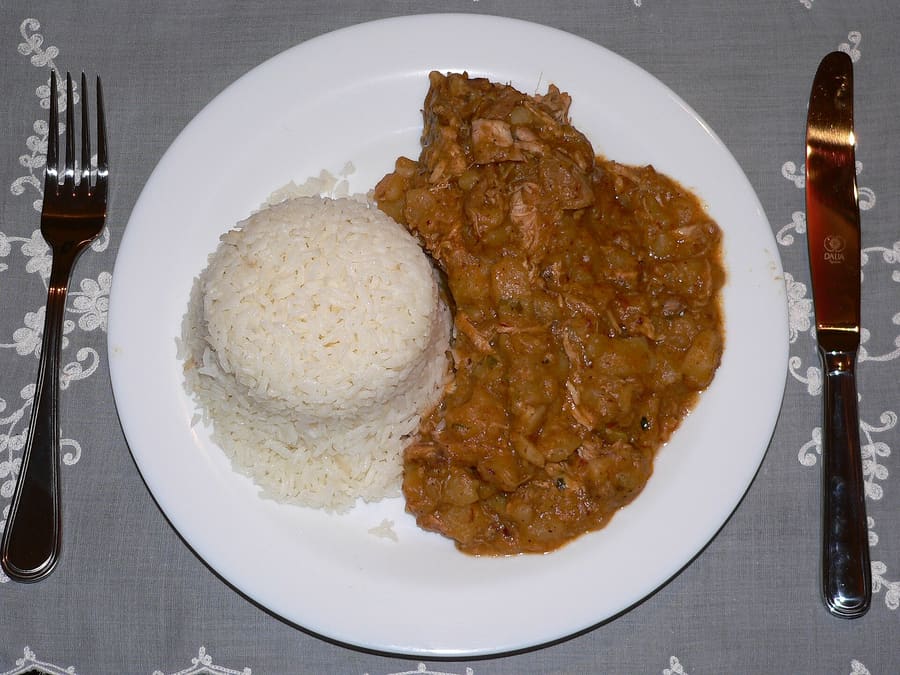
Carapulcra chinchana served alongside sopa seca at an Ica restaurant.
No machine-readable author provided. Manuel González Olaechea assumed (based on copyright claims). · CC BY 3.0highlights
landmark
Natural desert lagoon surrounded by high sand dunes. Reserve buggy rides after 16:00 to avoid severe daytime heat.
Parley fragen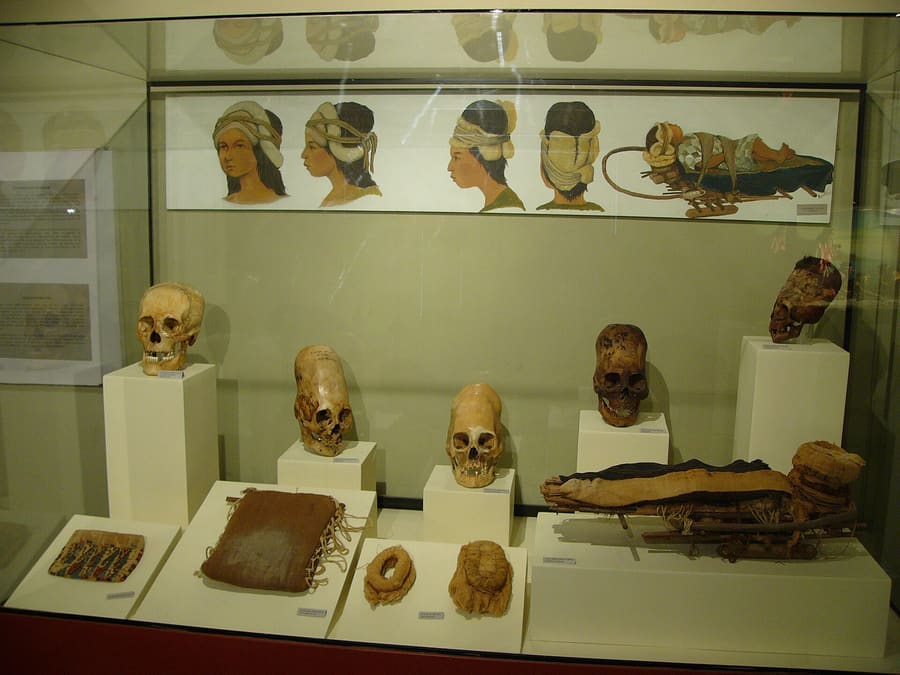
landmark
Contains Paracas textiles and elongated skulls. Go on weekday mornings for calm gallery conditions.
Parley fragen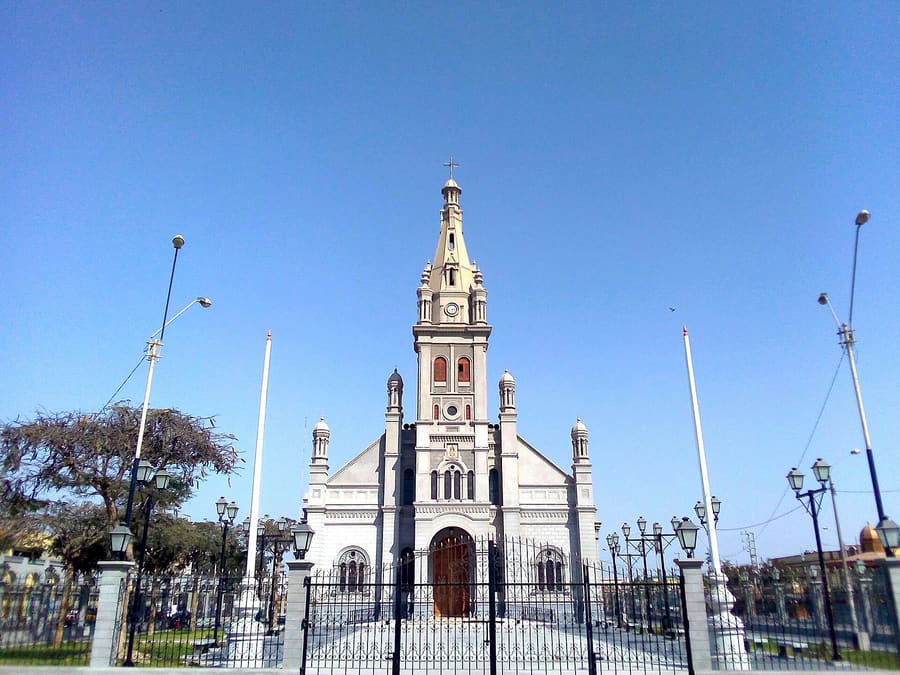
landmark
Rebuilt modern sanctuary honoring Ica's patron saint. Visit during early evening when lighting highlights the main facade.
Parley fragen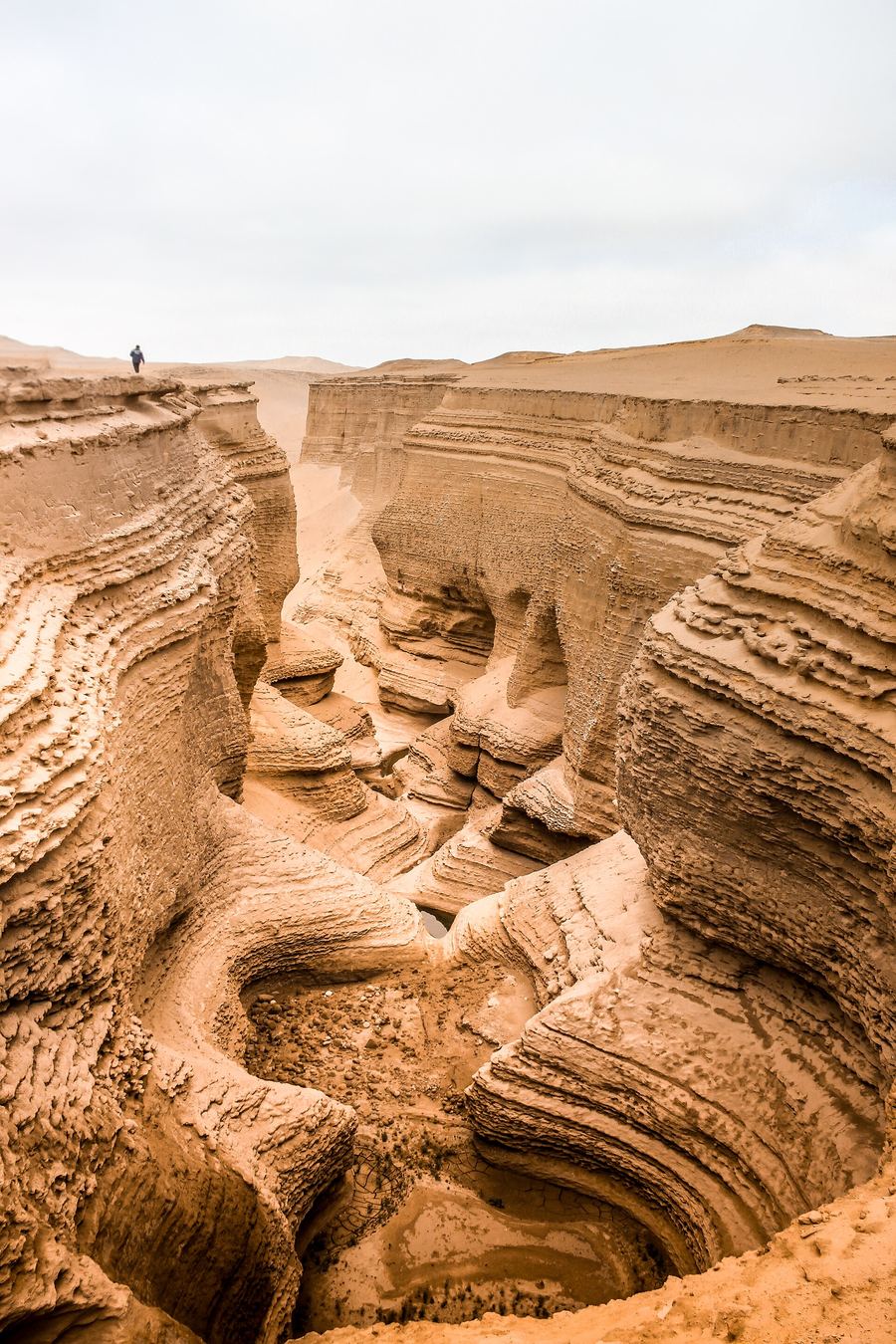
landmark
Deep desert canyon carved by water in the Ica valley. Hire a four-wheel-drive tour as access roads lack paving.
Parley fragenattractions
areas
Desert oasis village dominated by buggy operators, backpacker hostels, and lakeside cafes.
In der NäheHuacachina dunes, dune buggy terminals
Parley fragenBusy administrative center with transit hubs, commercial markets, and historic churches.
In der NäheSantuario de Luren, Bus Terminals, Central Market
Parley fragenGated residential neighborhood offering quiet paved streets and upscale suburban hotels.
In der NähePan-American Highway, North entrance to Ica
Parley fragenAgricultural zone of grape vineyards, olive groves, and historic pisco estates.
In der NäheBodega Tacama, Bodega Vista Alegre, Subtanjalla
Parley fragenfood
Ica's cuisine centers on dry-season agricultural crops and traditional Afro-Peruvian cooking techniques. The city's signature dish is carapulcra chinchana, a stew made from dried rehydrated potatoes, pork, chili, and ground peanuts. Restaurants often serve it alongside sopa seca, seasoned spaghetti cooked in basil and broth.The region produces Peru's official grape spirits. Artisanal distilleries use copper stills and Quebranta or Italia grapes. Pisco is distilled once to proof without added water or aging in wood, leaving clear spirit with distinct fruit profiles.
Carapulcra chinchana served alongside sopa seca at an Ica restaurant.
No machine-readable author provided. Manuel González Olaechea assumed (based on copyright claims). · CC BY 3.0Tejas are pecan or fruit candies coated in sugar fondant or chocolate. Buy them fresh from specialist shops like El Buho near Plaza de Armas.
Traditional countryside restaurants (campestres) open primarily for lunch. Kitchens peak between 12:30 and 15:30.
Industrial bodegas accept credit cards, but small artisanal bodegas only take cash for tastings and bottle purchases.
history
The Ica valley supported complex pre-Inca cultures long before Spanish conquest. The Paracas culture flourished between 800 BCE and 100 BCE, leaving behind fine embroidered textiles and evidence of cranial trepanation. Later, the Nazca culture developed advanced irrigation aqueducts that still carry groundwater to valley farms today.Spanish colonists established Ica in 1563 as Villa de Valverde. They planted European grapevines in the arid soil, laying the foundation for Peru's pisco industry. Earthquakes periodically reshaped the city, most recently in 2007, prompting major rebuilds of civic structures.
Paracas Culture
Paracas communities settle in the coastal desert, creating advanced textiles and intricate pottery traditions.
Spanish Foundation
Jerónimo Luis de Cabrera founds Villa de Valverde de Ica, establishing grape cultivation in the valley.
Earthquakes hit wineries
A severe earthquake destroys regional infrastructure, pushing vintners from wine toward brandy distillation.
Major Earthquake
An 8.0 magnitude earthquake severely damages downtown structures, including the original Santuario de Luren.
where to stay
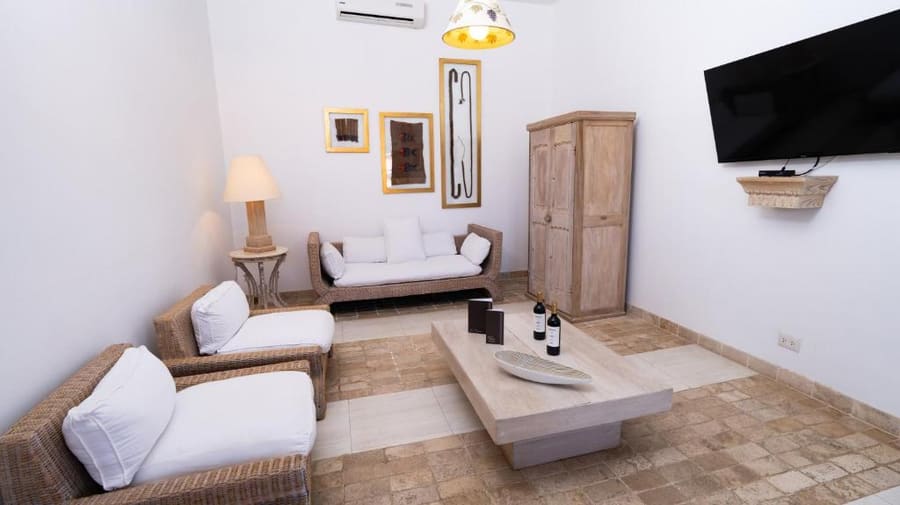
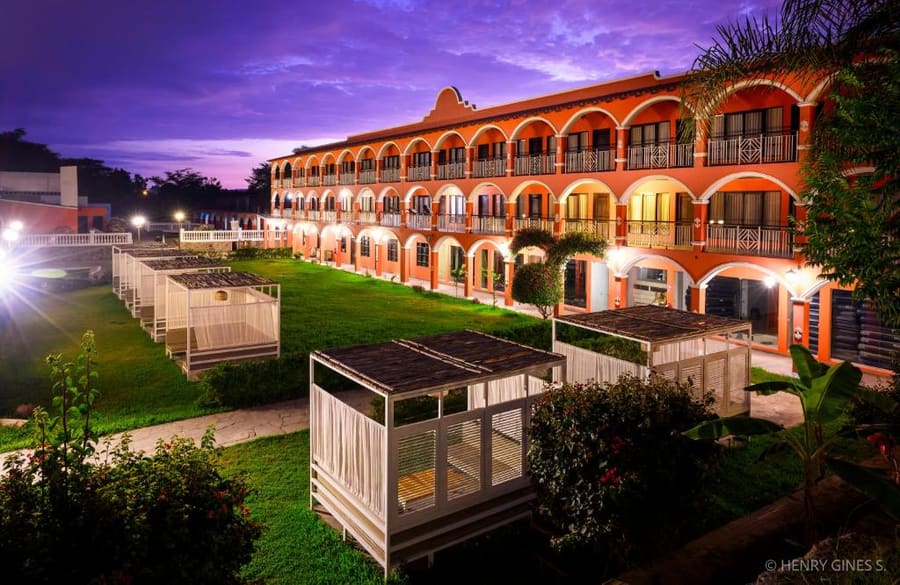
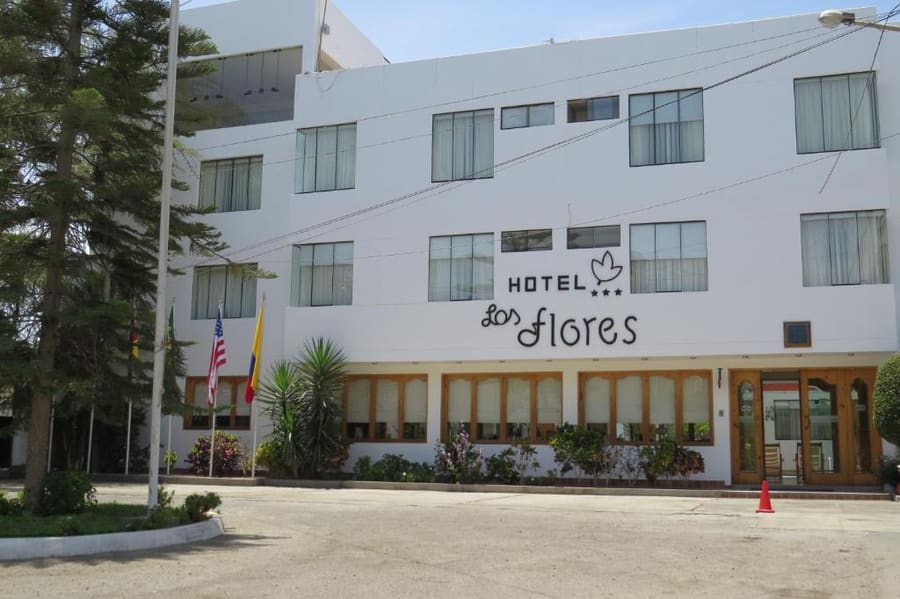
Choose your base based on how you want to spend your evenings. Huacachina keeps you steps from sand dune activities but stays noisy past midnight. La Angostura offers quiet suburban hotels suitable for light sleepers. The surrounding vineyard estates provide self-contained resorts surrounded by grape fields.
Live rates, matched to the areas above.
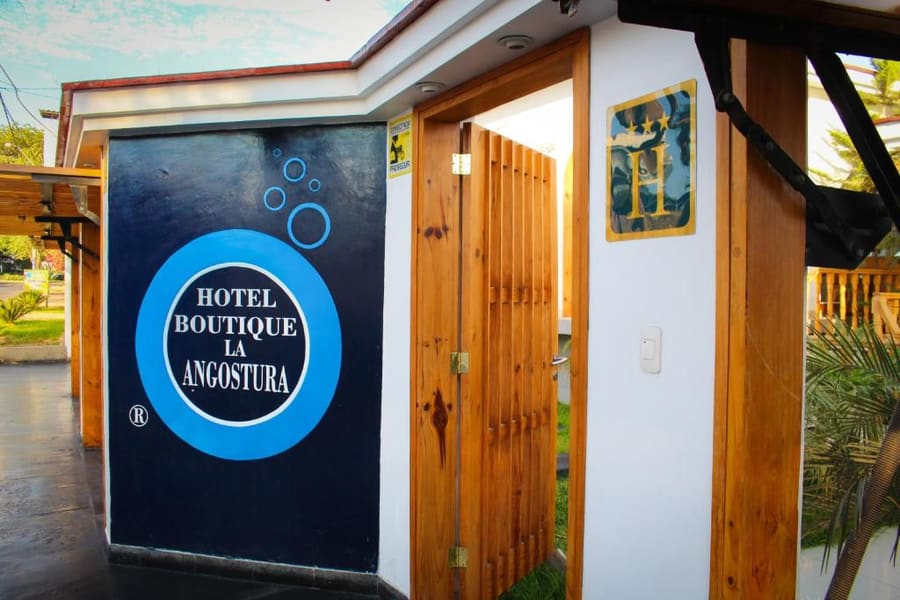
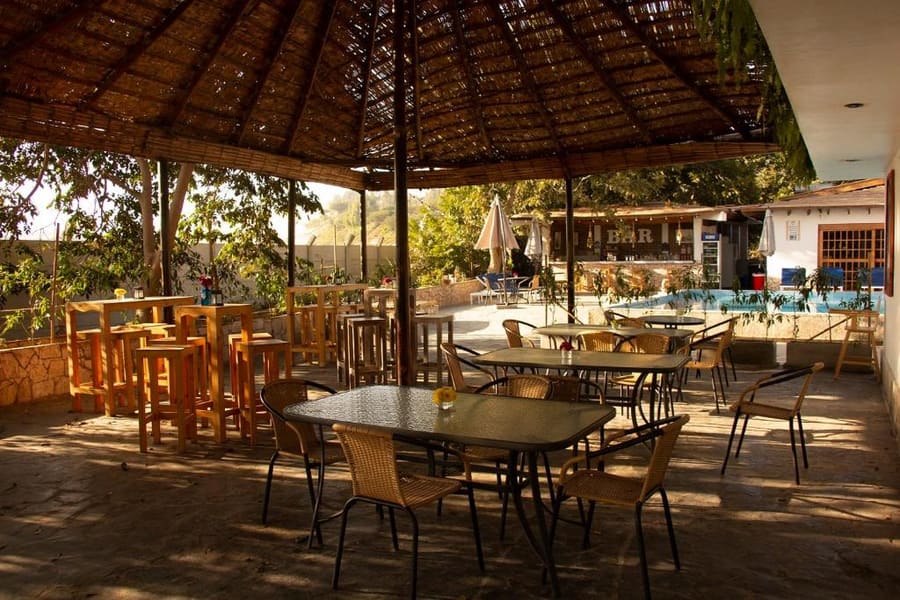
transport
Ica has no commercial passenger airport. Travellers arrive by intercity bus along the Pan-American Highway from Lima or Arequipa. Within the city, street taxis, rideshares, and mototaxis form the transit system.
Ab Ica Bus Terminals
Intercity buses from Lima (Cruz del Sur, Peru Hop) arrive at private terminals in Ica.
Street taxis connect bus terminals to Huacachina or La Angostura. Agree on fare before entering.
InDrive and Yango operate in Ica. Availability drops during late hours.
Three-wheel mototaxis suit short trips within downtown. Avoid taking them on highway stretches.
Taxi drivers do not accept card payments. Carry small Soles notes (S/10 and S/20) because drivers rarely carry change for S/100 notes.
Traffic around Avenida Grau and the central market slows significantly between 12:00 and 14:00.
Use registered buggy operators inside Huacachina that provide functioning seatbelts and safety helmets.
Minibuses run fixed routes between central Ica and outer districts like Subtanjalla for S/2–3 per passenger.
cost
Ica is less expensive than Lima, though prices rise inside the Huacachina oasis tourist zone. Local street foods and market meals cost under S/15, while hacienda dining sits at capital price levels.
Guided tour at Tacama or El Catador with samples of four to five spirits.
Direct ride across central downtown or from market to hotel.
Traditional lunch portion at a regional countryside restaurant.
Standard adult entry ticket to the Regional Museum of Ica.
seasonality
DEC – MAR
Peak summer weather with high temperatures over 30°C. Harvest season (Vendimia) brings large crowds in March.
APR – JUN
Clear sunny skies and moderate warmth. Clear desert conditions make this ideal for dune activities.
JUL – SEP
Mild winter daytime temperatures around 20°C. Desert nights turn cold; bring a jacket for late buggy tours.
OCT – NOV
Warming spring weather with low humidity. Moderate visitor numbers allow flexible winery bookings.
practicalities
The coastal desert receives intense sun year-round. Wear SPF 50 sunscreen and sunglasses even on overcast mornings.
Bodega Tacama requires online booking for English-language tours. Walk-in slots fill up early on weekends.
Fine sand blows constantly during afternoon buggy tours. Bring a neck gaiter or scarf to cover your mouth and nose.
Huacachina has very few reliable ATMs. Withdraw cash in central Ica before heading to the lagoon.
Dry desert air accelerates dehydration. Drink bottled water throughout the day, especially before sandboarding.