landmark
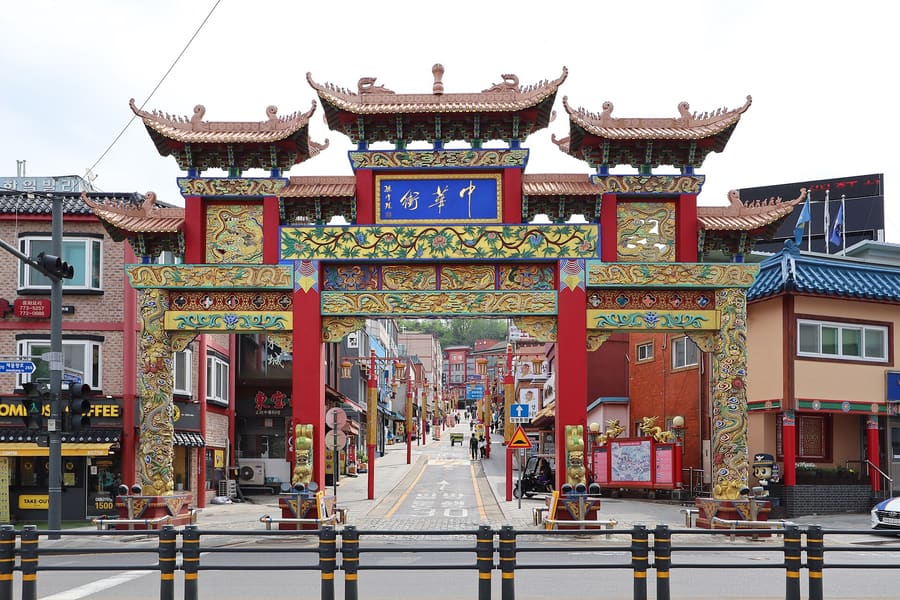
Incheon Chinatown
Korea's oldest Chinatown offers black bean noodles and brick architecture. Visit on weekdays to skip two-hour restaurant lines.
Parley fragenSüdkorea
Korea's historic gateway, from Chinatown to Songdo.
introduction
Incheon is far more than Seoul's airport runway. This coastal city contains Korea's oldest Chinatown, 19th-century open port ruins, and the reclaimed futuristic towers of Songdo. Moving between districts requires using Incheon's efficient subway lines or local buses across long sea bridges. Expect a working port atmosphere where historic food stalls sit minutes away from glass high-rises.
Airport to city subway link
Take the AREX all-stop train from Incheon Airport to Gyeyang station to switch to Incheon Subway Line 1. This avoids expensive airport taxi tariffs.
Birthplace of Korean jjajangmyeon
Incheon Open Port received Korea's first Chinese immigrants in 1884. They created jjajangmyeon at Gonghwachun restaurant, now a dedicated museum.
Incheon
메이 · CC BY-SA 1.0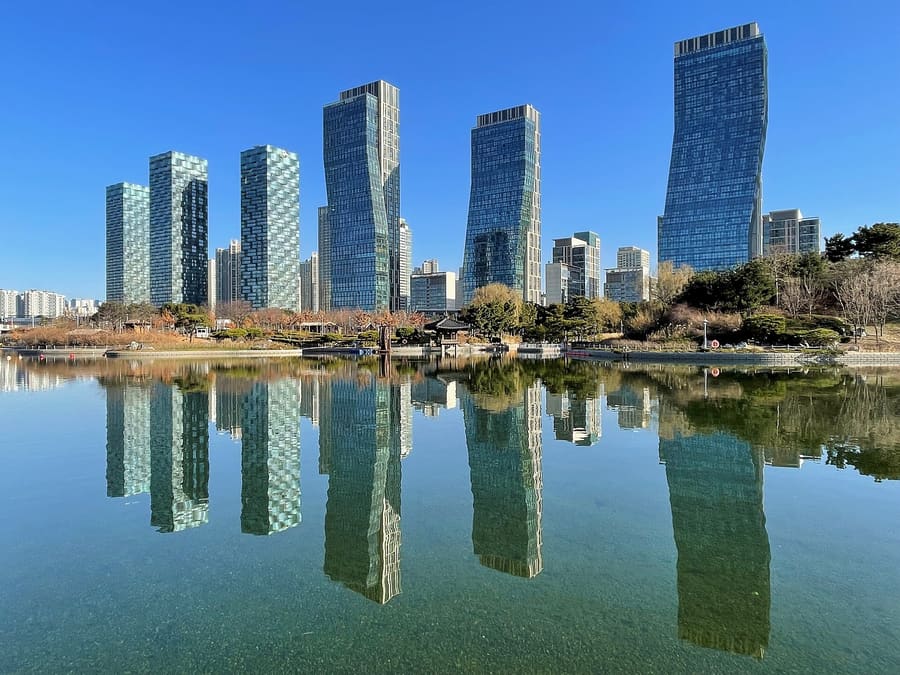
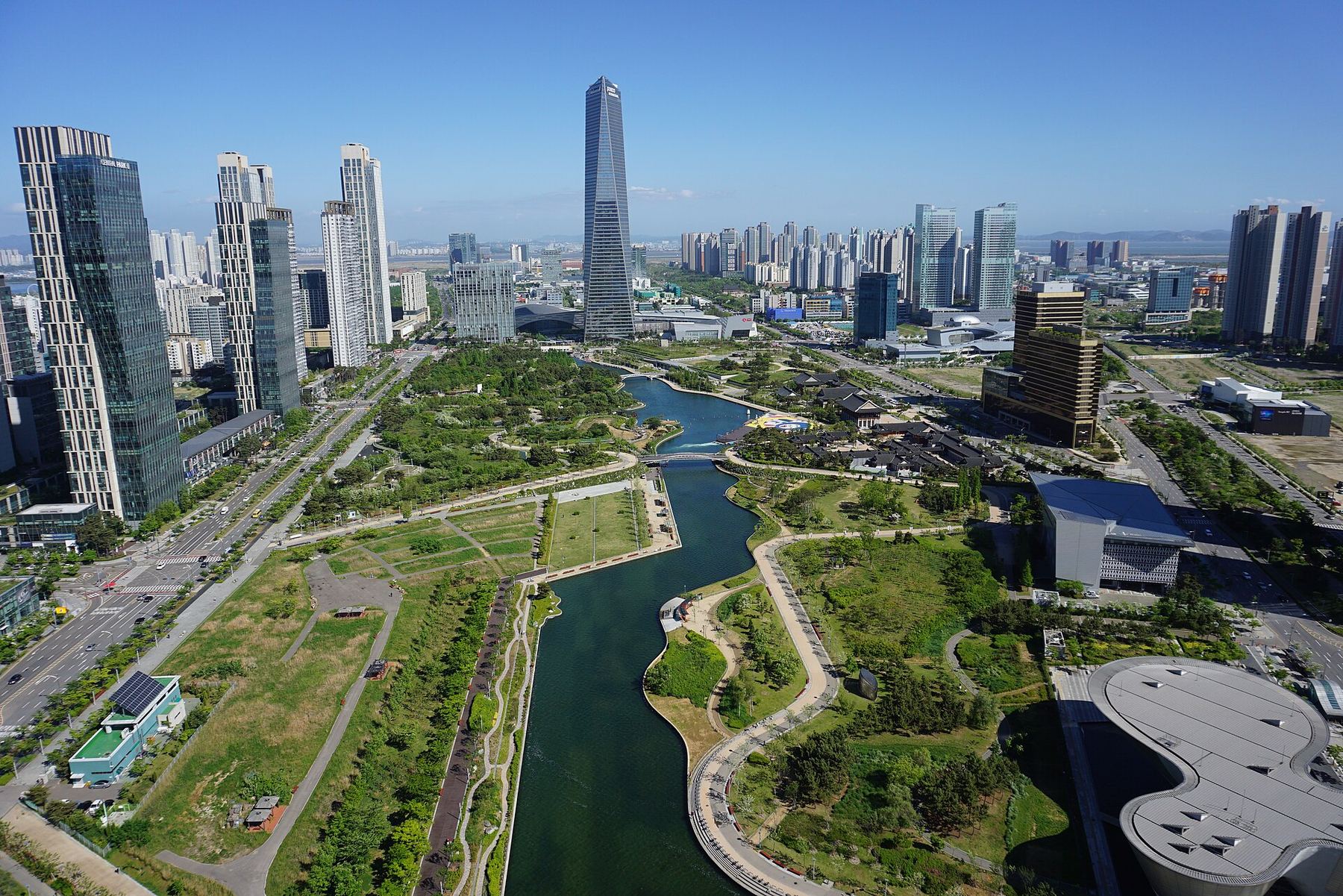
Songdo — High-tech residential district with wide avenues, manicured parks, and modern towers.
Vincent van Zeijst · CC BY-SA 4.0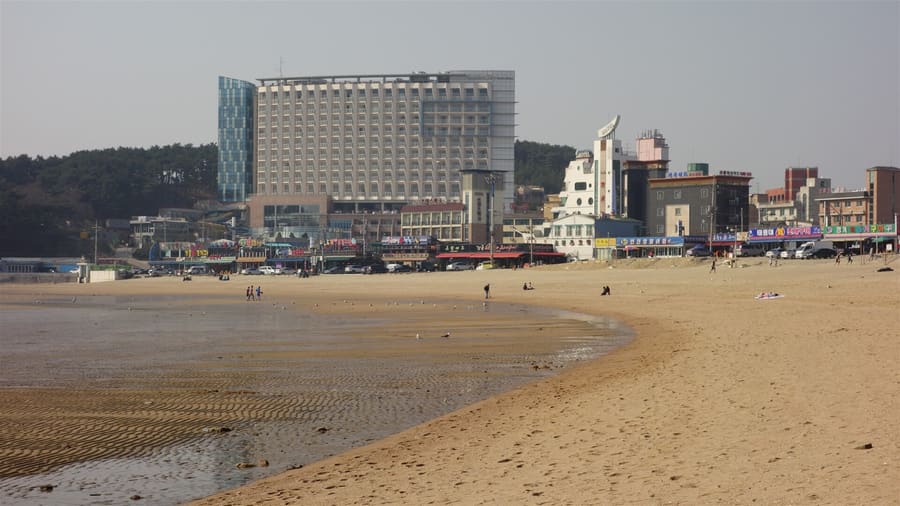
Yeongjong Island — Coastal island housing the airport, seaside resorts, and mudflat beaches.
Ken Eckert · CC BY-SA 4.0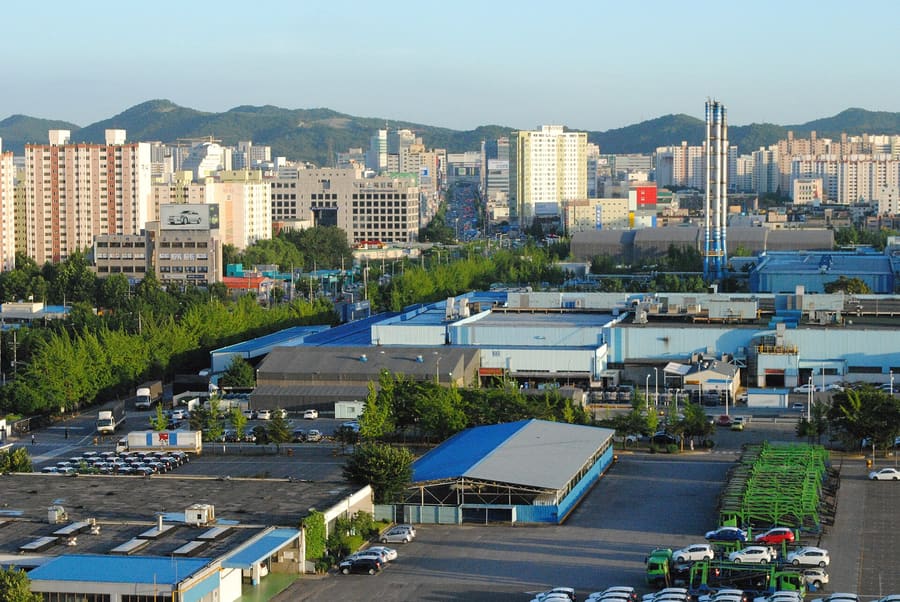
Bupyeong — Dense commercial hub centered around a massive underground shopping maze.
Jjw · CC BY-SA 3.0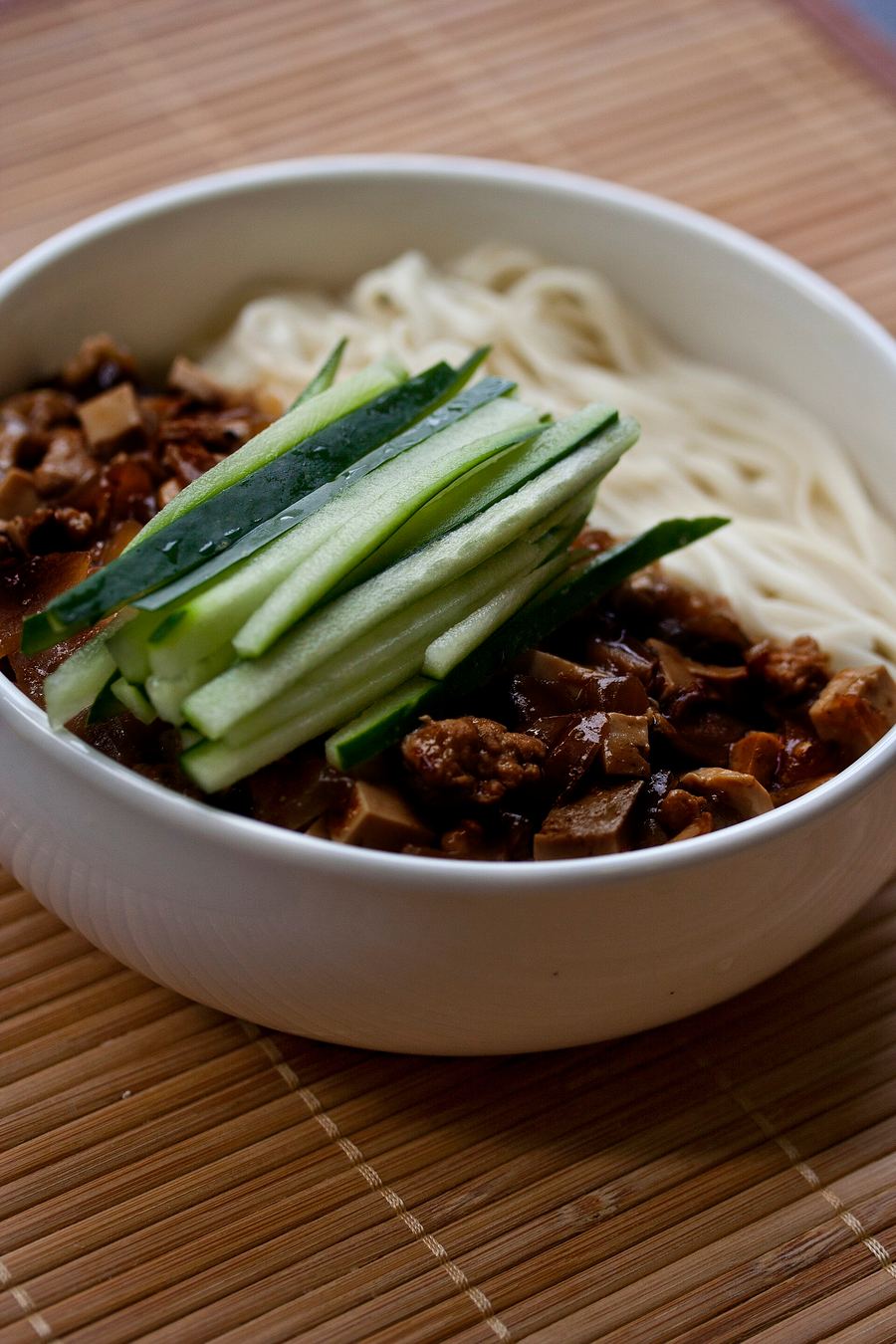
Gonghwachun, the former restaurant in Chinatown where jjajangmyeon was invented, now houses the Jajangmyeon Museum.
Archon6812 · CC BY-SA 3.0highlights
landmark
Korea's oldest Chinatown offers black bean noodles and brick architecture. Visit on weekdays to skip two-hour restaurant lines.
Parley fragen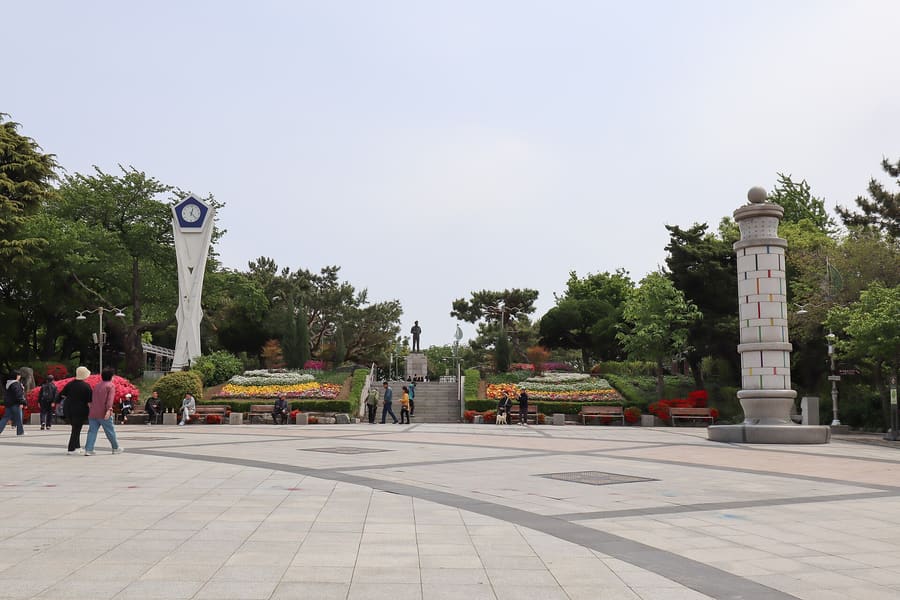
landmark
Korea's first Western-style park sits on a hill above the harbour. The summit statue marks General MacArthur's 1950 landing.
Parley fragen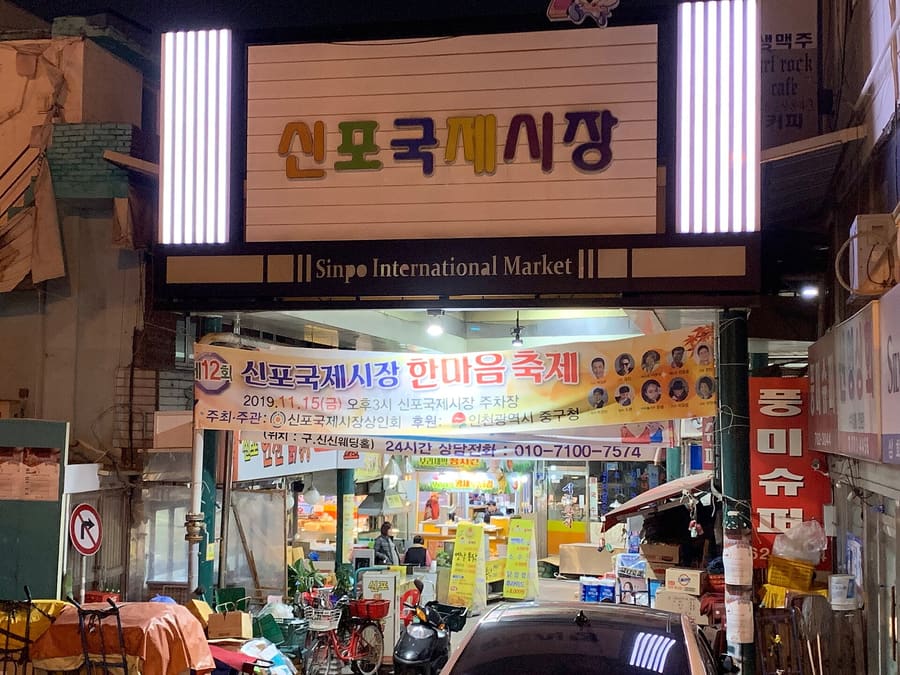
landmark
This 19th-century trading hub is famous for crunchy sweet fried chicken. Take a numbered ticket at Sinpo Dakgangjeong before browsing.
Parley fragen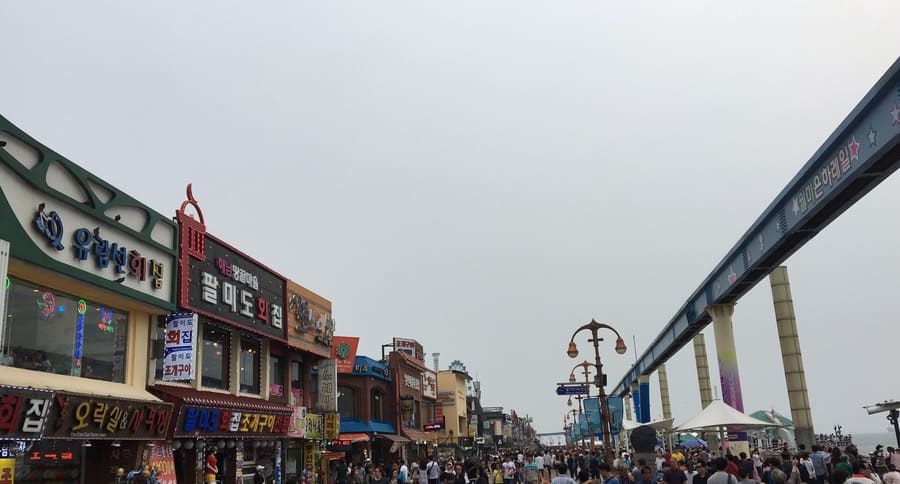
landmark
A noisy retro boardwalk packed with street performers and carnival rides. The Sea Train monorail loops the island perimeter.
Parley fragen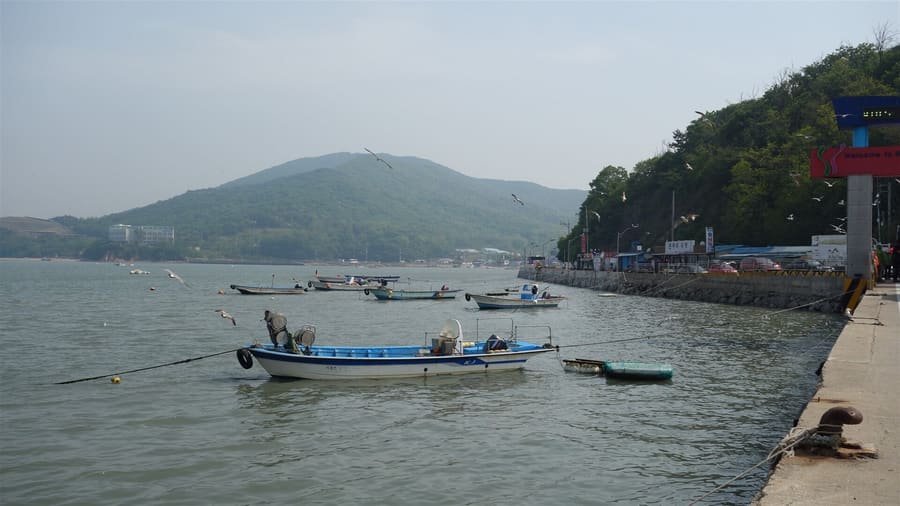
landmark
Drive across the sea bridge for wide mudflats and Hanagae Beach. Rent boots at the entrance if you intend to dig for clams.
Parley fragenattractions
areas
High-tech residential district with wide avenues, manicured parks, and modern towers.
In der NäheSongdo Central Park and Tri-Bowl arts center
Parley fragenCoastal island housing the airport, seaside resorts, and mudflat beaches.
In der NäheIncheon International Airport and Paradise City
Parley fragenDense commercial hub centered around a massive underground shopping maze.
In der NäheBupyeong Station and Cultural Street
Parley fragenHistoric district filled with 1880s brick warehouses, museums, and Chinatown eateries.
In der NäheIncheon Chinatown and Jayu Park
Parley fragenfood
Incheon's food scene reflects its history as Korea's primary Western trade port. Chinese dockworkers settled in Jung-gu during the 1880s and modified Shandong wheat noodles with dark roasted soybean paste. The resulting dish, jjajangmyeon, became a national comfort food born on these docks.Port workers needed cheap, fast calories, giving rise to Sinpo Market's distinctive sweet and spicy dakgangjeong. Further out on the coast, local fishing boats bring blue crabs and clams directly to coastal stalls in Sorae Pogu.
Gonghwachun, the former restaurant in Chinatown where jjajangmyeon was invented, now houses the Jajangmyeon Museum.
Archon6812 · CC BY-SA 3.0Order the original-style jjajangmyeon topped with a fried egg at this Chinatown institution. Arrive before 11:30 to avoid long lunchtime queues.
The fried chicken stalls at Sinpo Market fry fresh batches continuously. Expect a 30-minute wait during peak evening hours.
Visit Sorae Pogu Fish Market in spring for female crabs or autumn for male crabs. Pick your catch on the ground floor and eat upstairs.
history
Incheon transformed from a quiet fishing village into a major gateway when its port opened to foreign trade in 1883. Foreign concessions quickly established quarters for Chinese, Japanese, and Western merchants along the Jung-gu shoreline.In September 1950, General Douglas MacArthur led the amphibious Incheon Landing Operation here during the Korean War. The daring operation behind enemy lines shifted the course of the conflict. In the 2000s, Incheon reclaimed land to build Songdo, creating a global business hub.
Port Opens
Jemunpo Port opens to international trade, establishing foreign concessions and attracting overseas merchants.
First Jjajangmyeon
Gonghwachun restaurant opens in Chinatown, serving the adapted black bean noodle dish to port labourers.
Incheon Landing
UN forces execute Battle of Incheon, landing at Green Beach to turn the momentum of the Korean War.
Airport Opening
Incheon International Airport opens on reclaimed land between Yeongjong and Yongyu islands.
Songdo District
Songdo International Business District official opening marks Korea's largest private real estate development.
where to stay
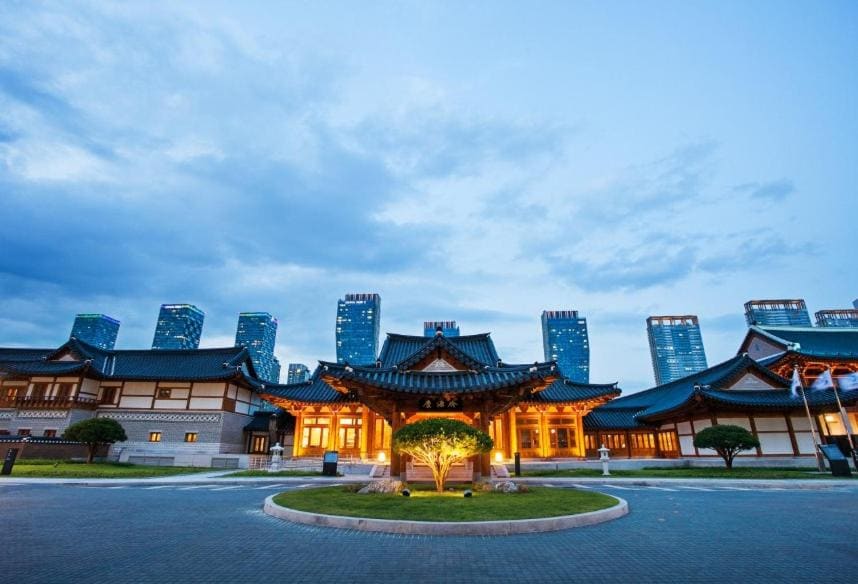
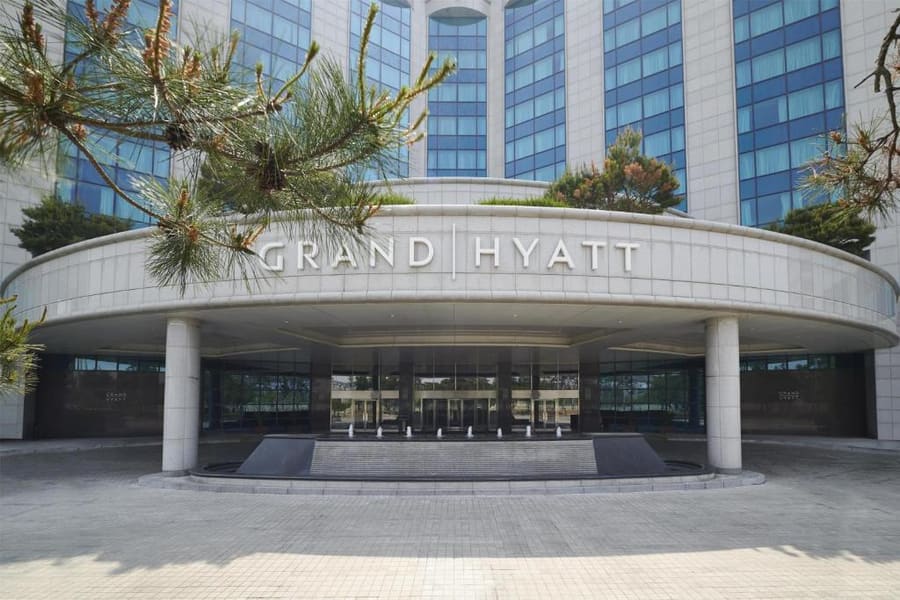
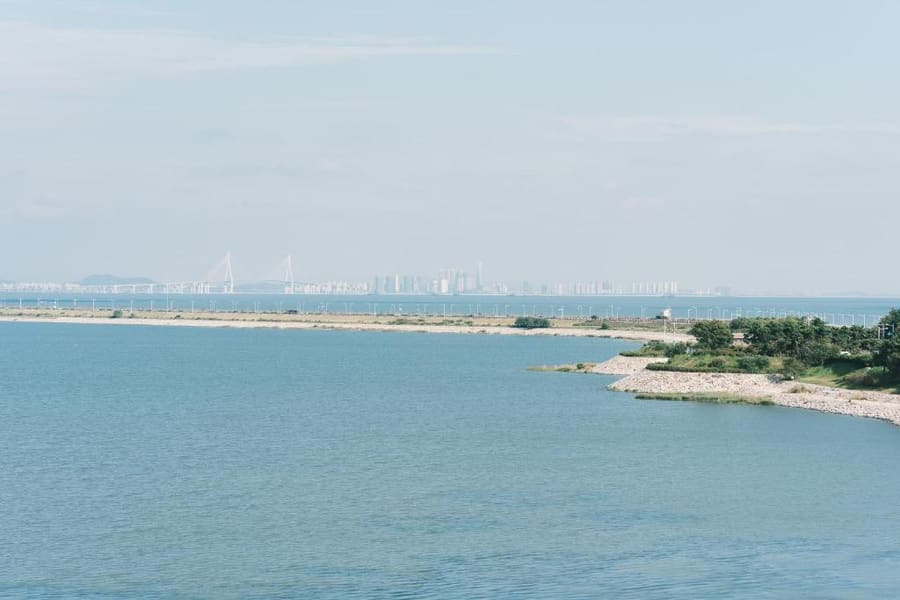
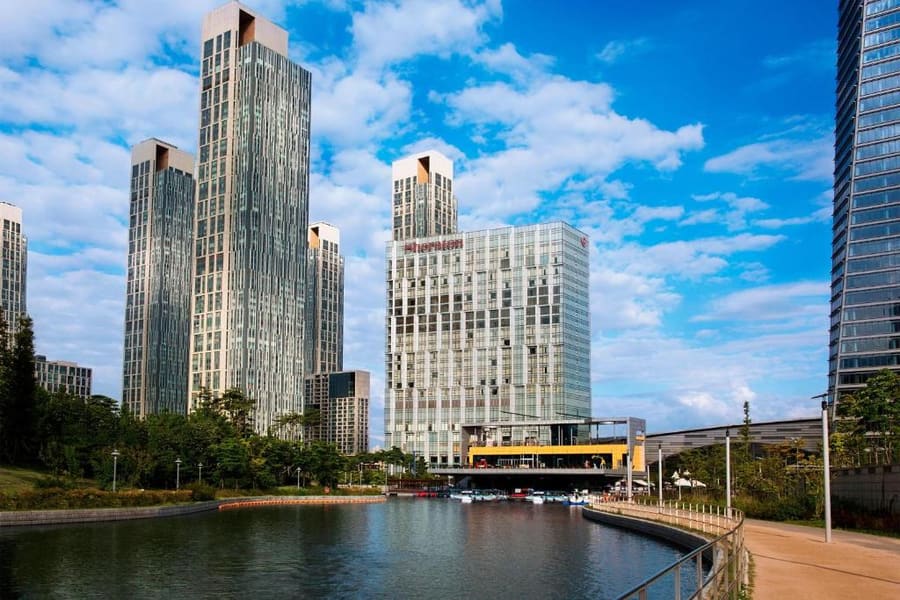
Choose your base based on transit priorities. Stay in Yeongjong Island for early flights or airport luxury resorts. Pick Jung-gu for walkable historic streets and Chinatown dining. Choose Songdo for international hotel chains, sleek parks, and modern convention space.
Live rates, matched to the areas above.
/d191b9527237.jpg)
transport
Incheon features two distinct rail networks: the Seoul Subway system and its own Incheon Subway lines. Transfers between Line 1 and local buses are seamless using standard transportation cards. Taxis are plentiful, but traffic around the port locks up during afternoon freight movements.
Ab ICN
City bus routes run directly from Airport Terminals 1 and 2 to central Incheon.
Tolls for Incheon Bridge are added directly to the taximeter fare.
Incheon Line 1 connects Gyeyang in the north to Songdo in the south. It interchanges with Seoul Subway Line 1 at Bupyeong.
This tourist monorail loops around Wolmido and Incheon Port. Reserve tickets online in advance on weekends to avoid sold-out slots.
Incheon buses and subways run on standard Korean transit cards. Tapping out when exiting buses preserves your transfer discount.
Ferries from coastal docks like Yeongjong Pier adjust departure times based on daily tide heights.
cost
Incheon is generally cheaper than central Seoul for food and lodging, though resort enclaves in Songdo and Yeongjong carry premium rates. Expect low transit expenses and affordable street food across traditional markets.
Standard price in Chinatown for classic black bean noodles.
Generous takeout portion of sweet and spicy fried chicken.
Covers distances up to 10 kilometers on local subway lines.
seasonality
MAR – MAY
Mild spring weather with cherry blossoms in Jayu Park. Pack layers for cool ocean breezes off the bay.
JUN – AUG
Hot and humid with heavy monsoon rains in July. Coastal spots like Wolmido fill up with summer weekenders.
SEP – NOV
Clear skies and comfortable temperatures make autumn ideal for walking tour routes through Jung-gu.
DEC – FEB
Freezing temperatures and sharp yellow sea winds. Hotel rates drop sharply outside of the Lunar New Year holiday.
practicalities
Most dining kitchens in Chinatown wrap up orders by 20:30. Plan early dinners if you visit during the week.
Google Maps lacks walking directions in South Korea. Naver Map provides accurate Incheon bus routing and exit guides.
Tides along Hanagae and Dongmak beaches recede fast. Walkers can get stranded if they ignore warning horns.
While shops take credit cards, small stall vendors in Sinpo and Sorae Pogu prefer cash or local bank transfer.
Boating services adjust operating hours based on ice conditions in winter and ocean wind speed.