landmark
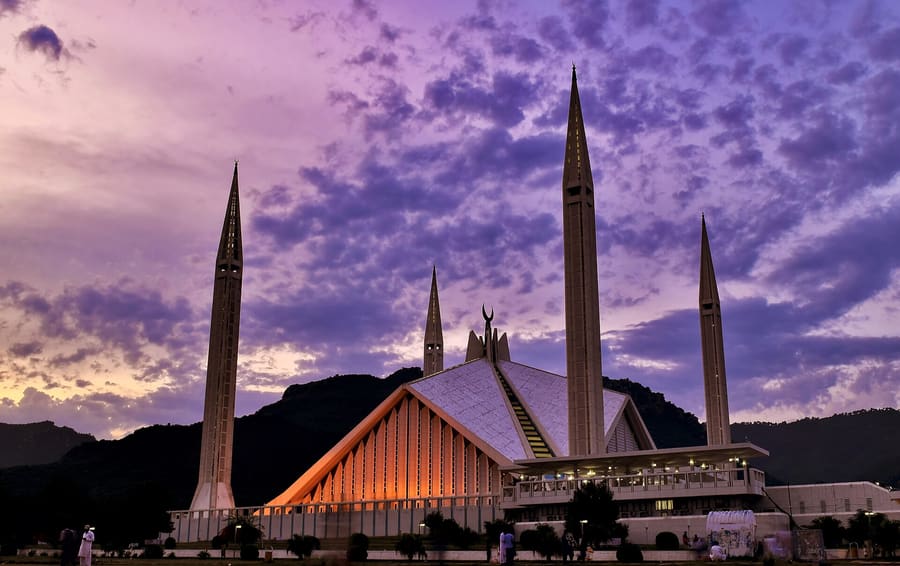
Faisal Mosque
A massive Turkish-designed mosque seating 100,000 worshippers. Remove shoes at the entrance and cover shoulders before entering.
Parley fragenPakistan
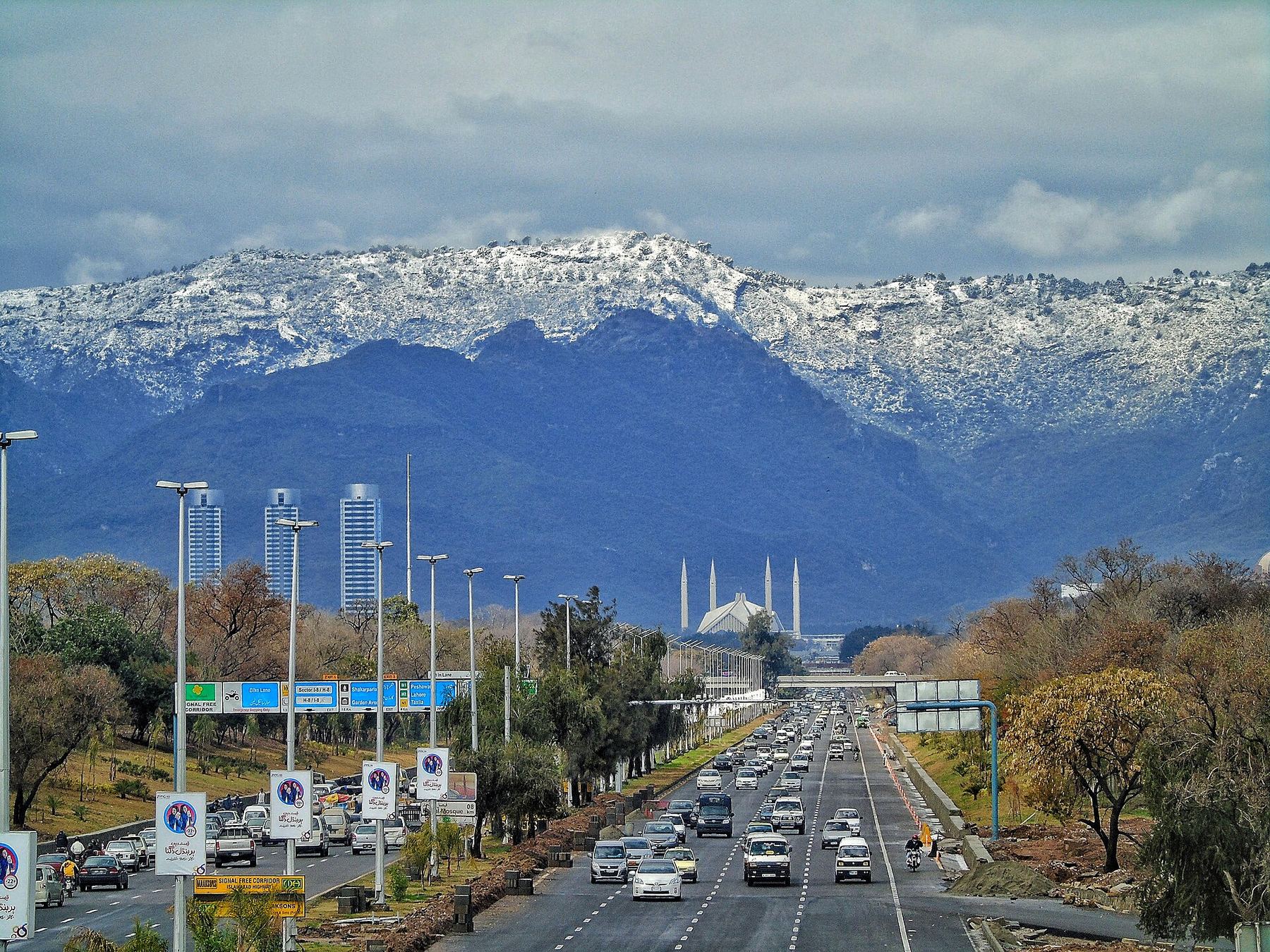
A planned grid of wide avenues below the Margalla Hills.
introduction
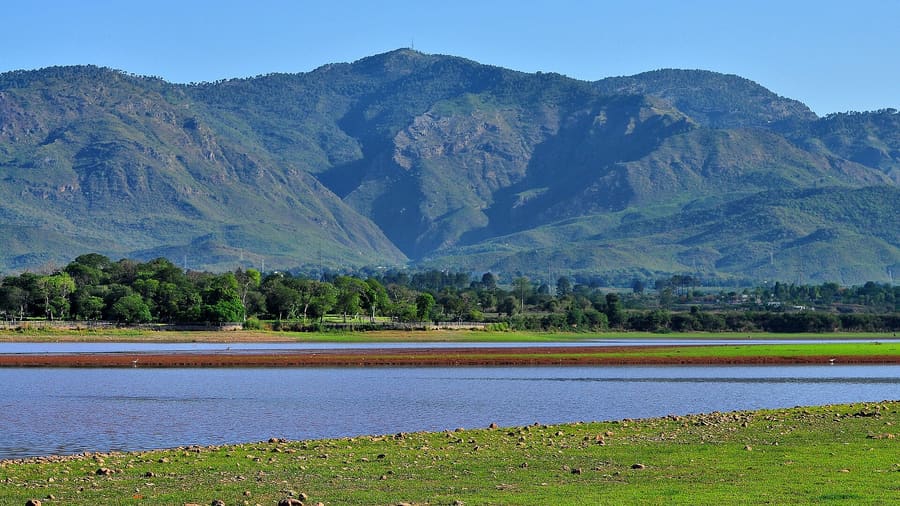
Islamabad is a custom-built capital laid out in a strict alphanumeric grid. You move through defined sectors where residential blocks, commercial markets, and green belts repeat in predictable patterns. The Margalla Ridge bounds the city to the north, offering immediate access to forest trails minutes from major avenues. Expect orderly traffic, regulated security checkpoints, and a calm pace distinct from neighboring Rawalpindi.
Airport transport trick
Metrobus Connectors link New Islamabad Airport to the central grid cheaply. Skip private taxi touts inside the terminal and head directly to the official bus stop.
Modernist landmark
Faisal Mosque was designed by Turkish architect Vedat Dalokay without traditional domes. Its eight-sided concrete shell resembles a Bedouin tent.
Islamabad
ZILL NIAZI · CC BY-SA 4.0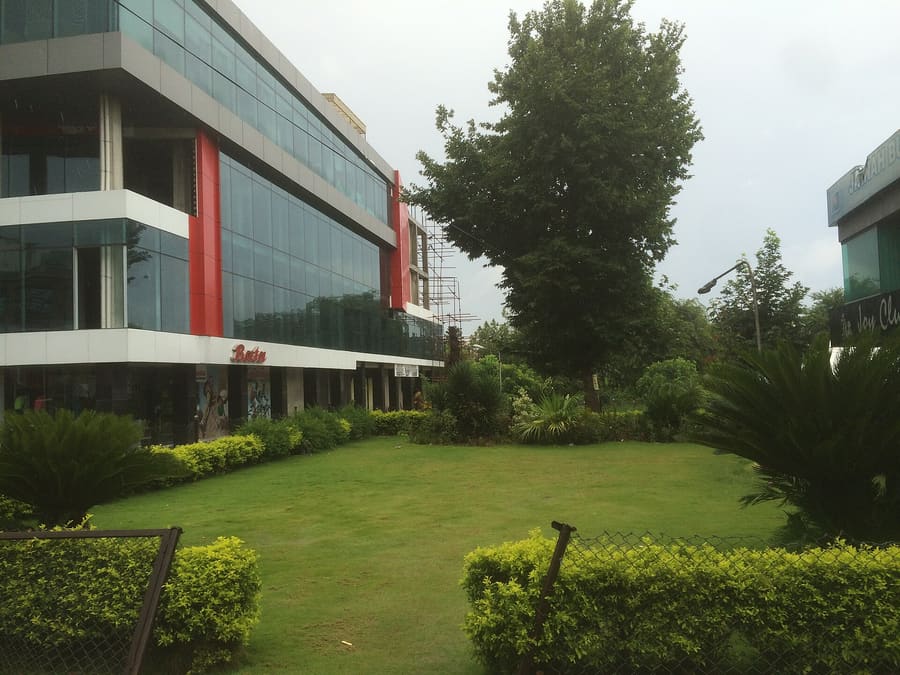
Sector F-7 — Centered around Jinnah Super Market with bookshops, boutiques, street food stalls, and active cafes.
shahbaz shah · CC BY-SA 4.0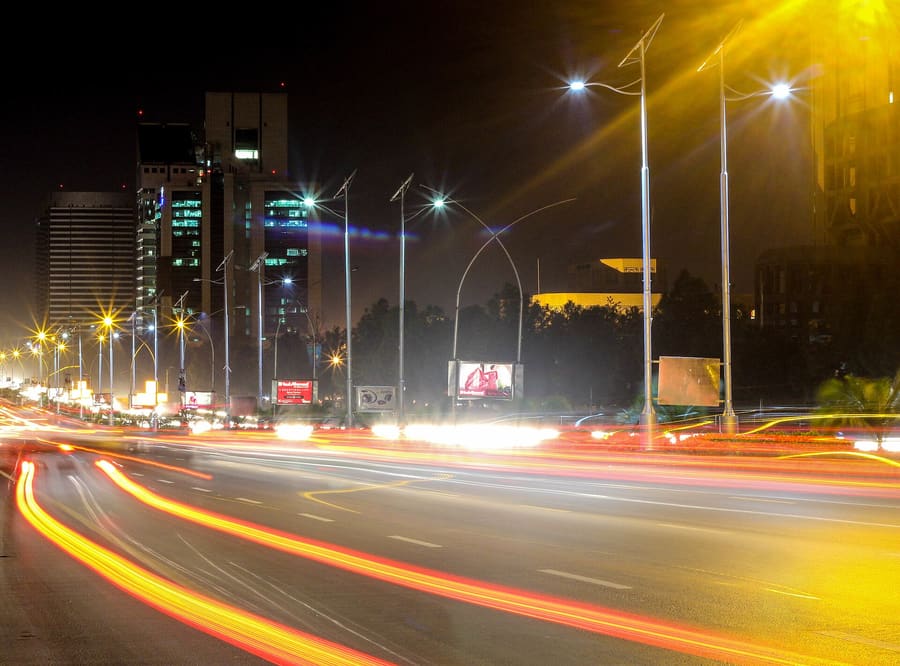
Blue Area — The commercial spine along Jinnah Avenue with high-rises, banks, hardware hubs, and Metrobus stops.
Ghezwanshamshad · CC BY-SA 4.0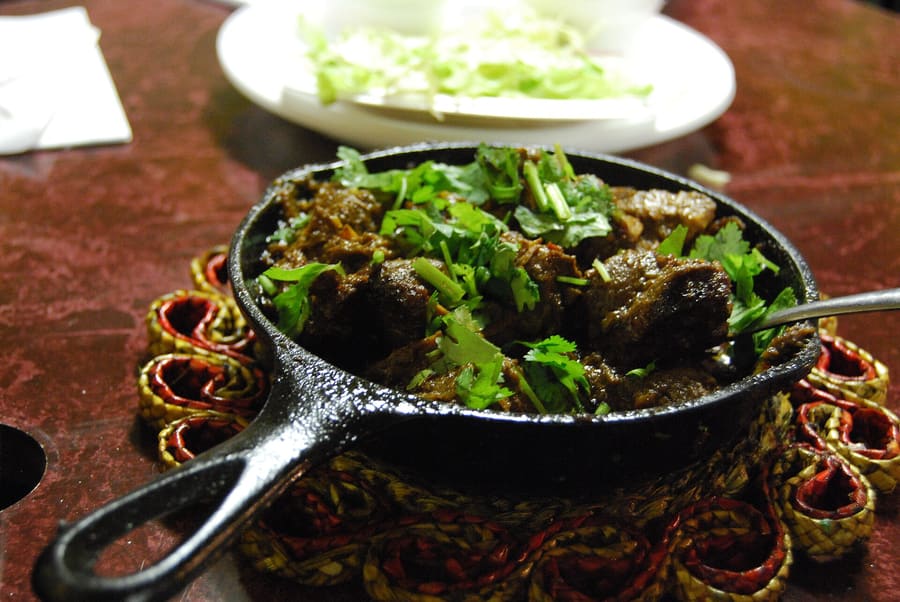
Mutton cooked with salt, tomatoes, and green chillies in a heavy iron wok.
Jess Lander from Culver City, CA, USA · CC BY 2.0highlights
landmark
A massive Turkish-designed mosque seating 100,000 worshippers. Remove shoes at the entrance and cover shoulders before entering.
Parley fragen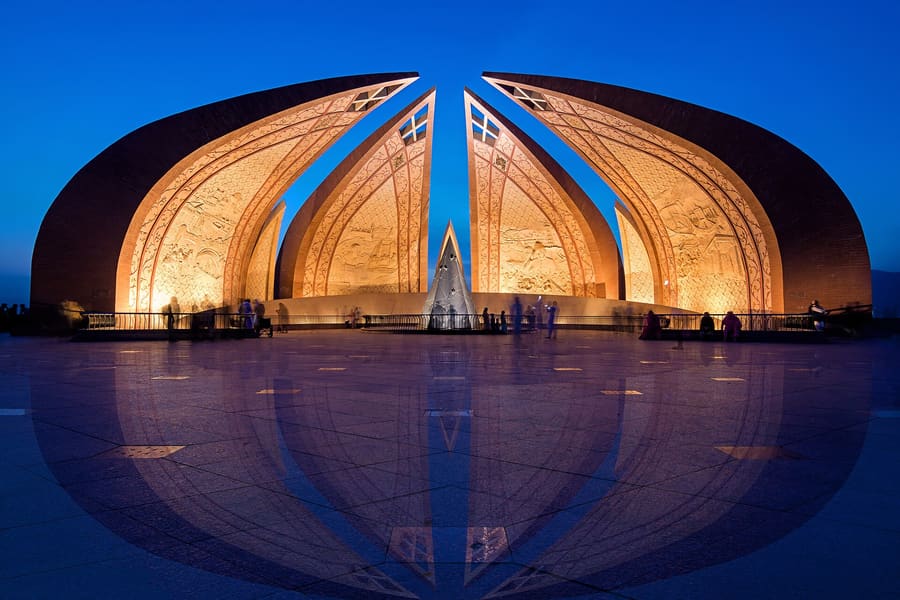
landmark
Granite petals represent Pakistan's provinces on Shakarparian Hill. Visit at dusk when the structure lights up against the skyline.
Parley fragen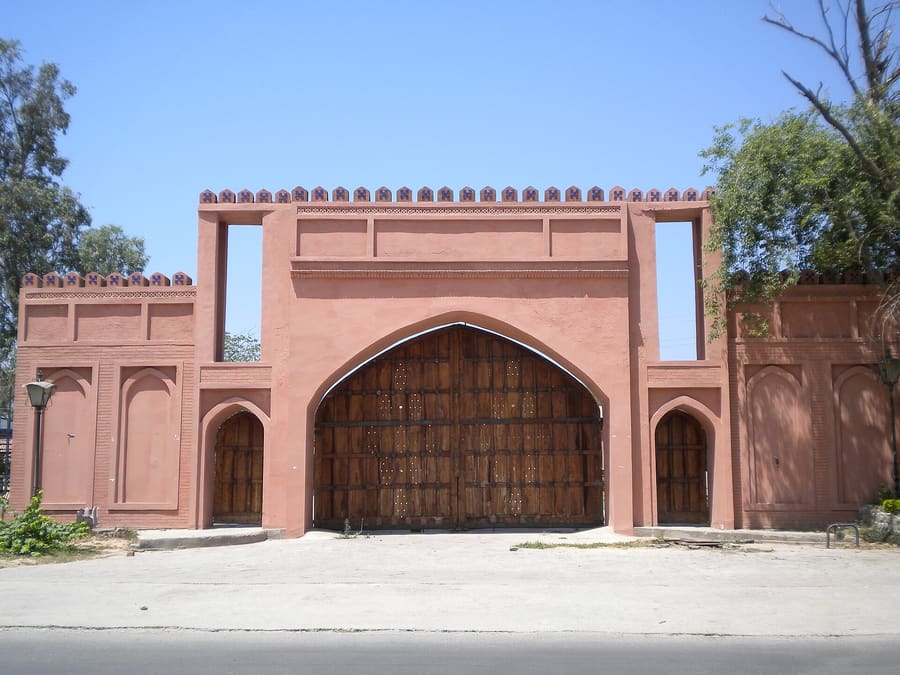
landmark
Displays traditional crafts, music instruments, and regional attire. The outdoor artisan court hosts craftspeople on weekends.
Parley fragen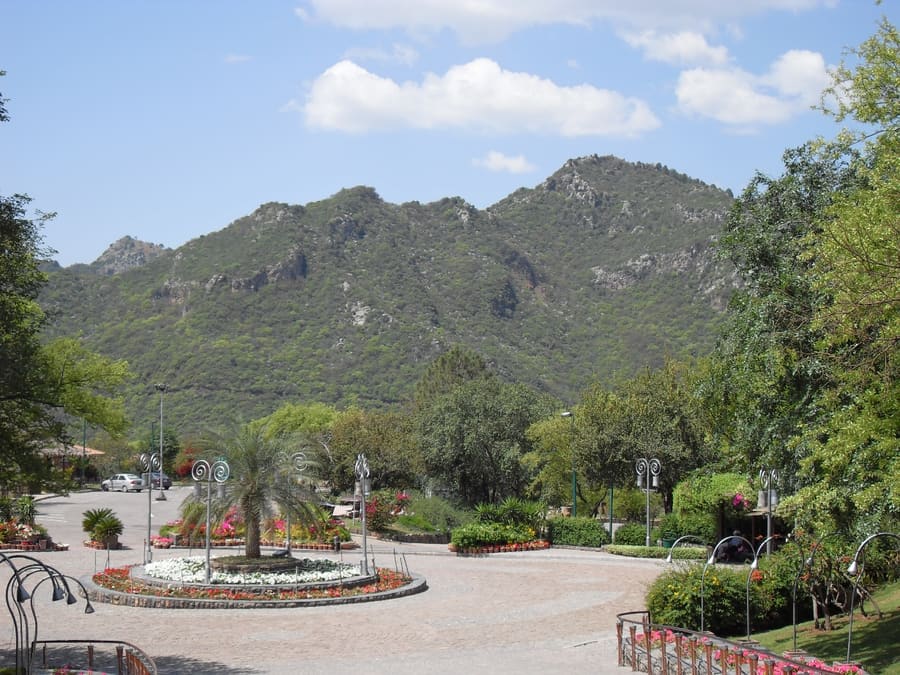
landmark
A hilltop garden lookout midpoint up the Margalla Hills. Monkeys frequent the walking paths, so keep food bags concealed.
Parley fragen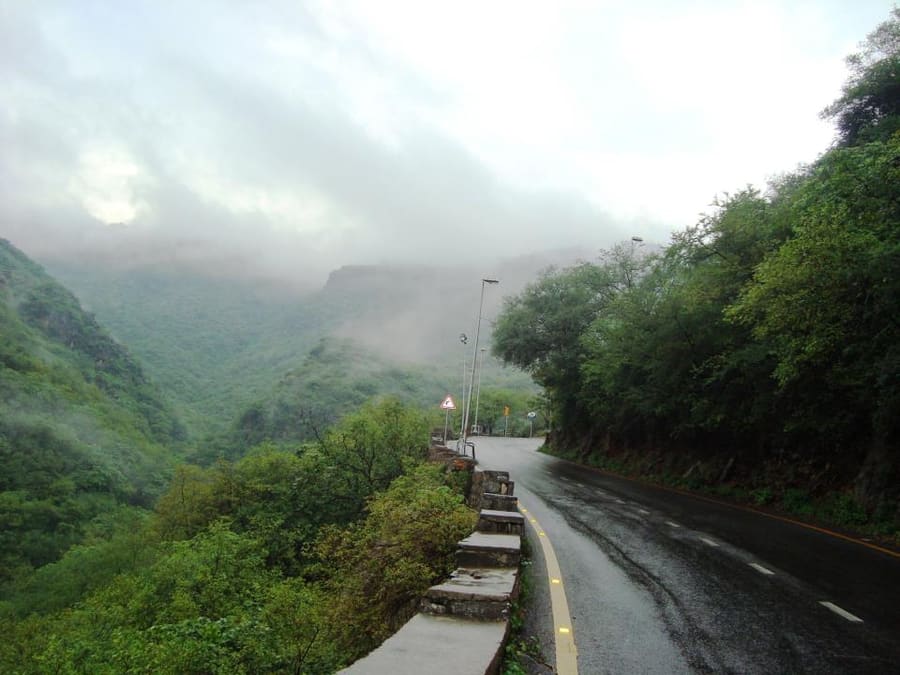
landmark
The steepest popular hiking path leading up to Monal peak. Start before 7:00 AM in summer to beat midday mountain heat.
Parley fragen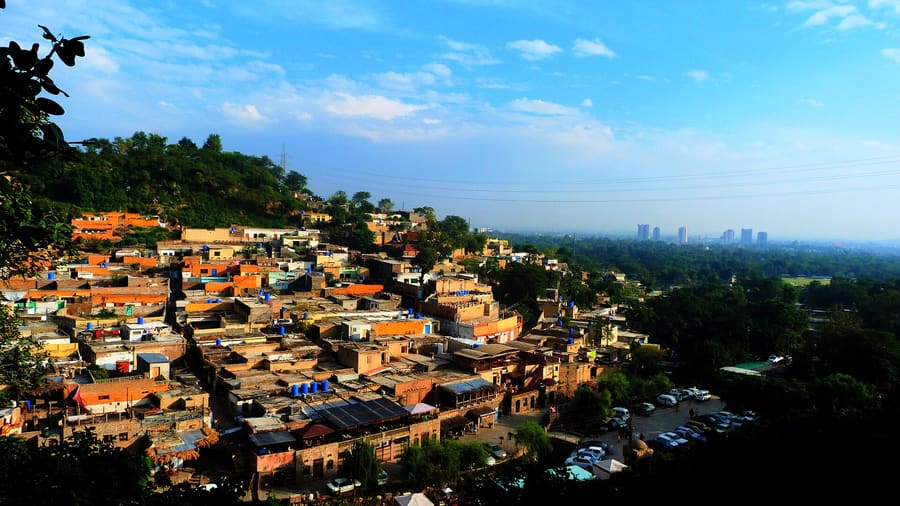
landmark
A restored Mughal-era village with a Hindu temple and Sikh gurdwara. Dine at outdoor courtyard restaurants overlooking the ravine.
Parley fragenattractions
areas
Centered around Jinnah Super Market with bookshops, boutiques, street food stalls, and active cafes.
In der NäheCentaurus Mall and Sector F-6.
Parley fragenThe commercial spine along Jinnah Avenue with high-rises, banks, hardware hubs, and Metrobus stops.
In der NäheSector F-7 and Centaurus Mall.
Parley fragenTree-lined avenues housing international embassies, bakeries, and the active Super Market plaza.
In der NäheFaisal Mosque and Margalla hill routes.
Parley fragenUpscale residential enclave right against the Margalla foothills with quiet green lanes.
In der NäheTrail 3 trailhead and Saidpur.
Parley fragenfood
Islamabad's dining landscape draws heavily from Khyber Pakhtunkhwa and Hazara regional traditions alongside Afghan diaspora cooking. Diners order mutton cooked in fresh tomatoes and green chillies without complex spicing, relying on high-heat wok searing. Sector markets host distinct regional specialists where food is priced by raw meat weight before cooking.
Mutton cooked with salt, tomatoes, and green chillies in a heavy iron wok.
Jess Lander from Culver City, CA, USA · CC BY 2.0Restaurants like Khyber Shinwari in Markaz sectors weigh fresh lamb or mutton chops at the counter before stir-frying over charcoal flame.
Afghan eateries serve Kabuli Pulao topped with caramelized carrots and raisins alongside slow-cooked lamb shanks.
Savour Foods on Jinnah Avenue serves seasoned rice with chicken and shami kabab. Expect long lunch queues.
Every sector has a central commercial plaza called a Markaz. F-6 Super Market and F-7 Jinnah Super host late-night tea stalls.
history
Designed in 1960 by Greek architect Constantinos Apostolos Doxiadis, Islamabad was built to replace Karachi as Pakistan's capital. The grid masterplan separated function into self-contained residential, commercial, industrial, and diplomatic sectors.
Masterplan commissioned
Greek urban planner Doxiadis designs the grid layout and sector system for the new federal capital.
Government relocates
Official administrative functions transfer from Rawalpindi to newly built Islamabad sectors.
Faisal Mosque completion
The massive modern mosque opens at the foot of the Margalla Hills, funded by Saudi Arabia.
Metrobus launch
The rapid transit bus line opens, connecting Islamabad's Blue Area directly with Rawalpindi.
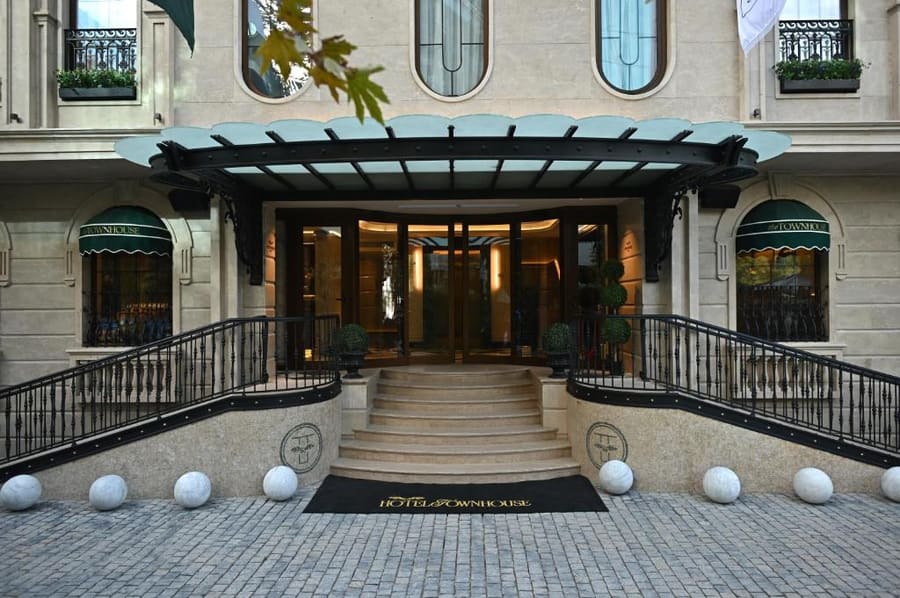
where to stay
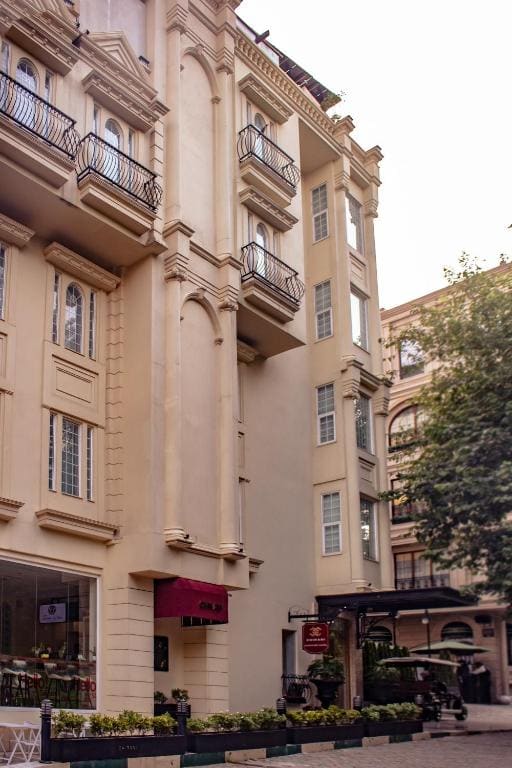
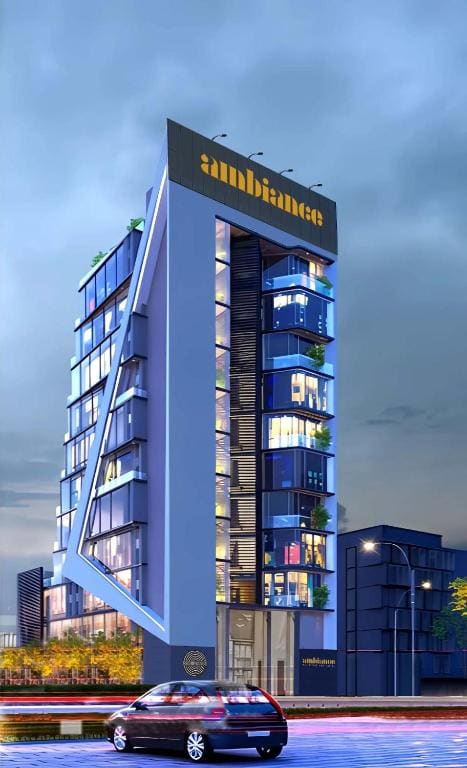
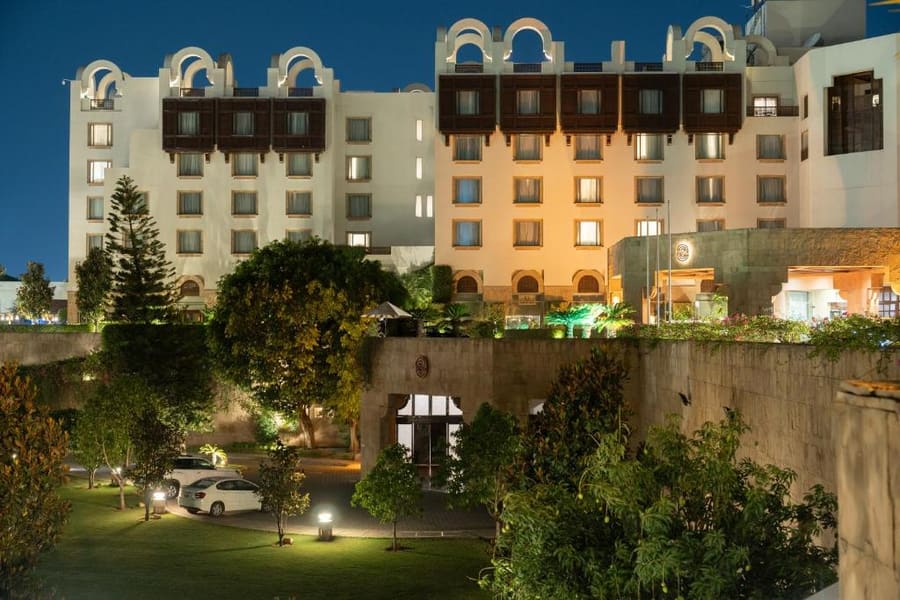
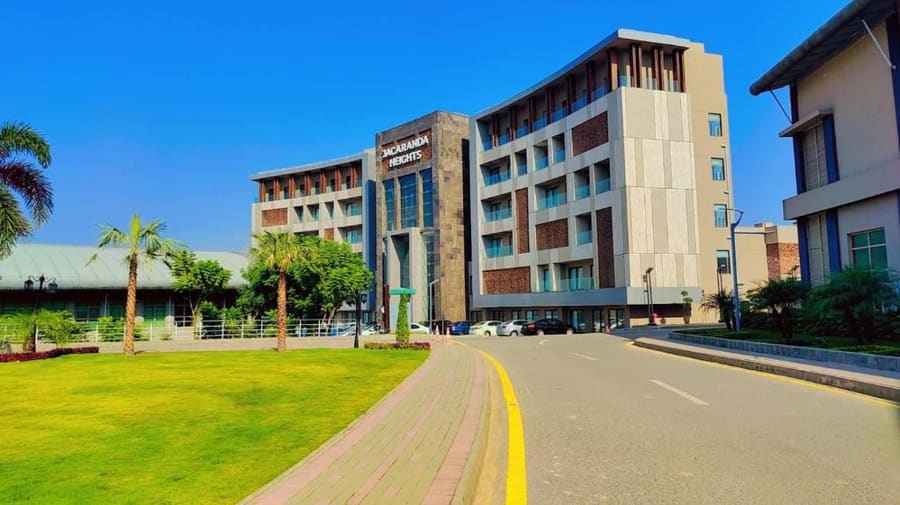
Choose your sector based on your mobility needs. Diplomatic and F-sectors offer walkable dining, mature trees, and proximity to Margalla trails, while Blue Area provides central transit connections.
Live rates, matched to the areas above.
transport
Islamabad's layout favors vehicular transport. Grid sectors mean walking between sectors involves crossing wide green belts, making ride-hailing apps or the Metrobus network essential.
Ab Islamabad International Airport (ISB)
Metrobus Airport Line runs directly from the terminal to Peshawar Morr hub.
Book via Indrive or Yango at designated airport pick-up zones.
Prepaid yellow cabs inside arrivals charge fixed premium rates.
The Red Line runs along Jinnah Avenue through Blue Area into Rawalpindi for PKR 50 flat fare.
Indrive and Yango dominate ride requests in Islamabad; negotiate fare before accepting driver bids.
Official cab stands sit near every Sector Markaz. Agree on the total price before stepping inside non-metered cabs.
Sector roads near major schools congest heavily between 07:30–08:30 and 13:30–14:30 on weekdays.
cost
Islamabad carries higher dining and accommodation costs than Rawalpindi, but public transit and mountain access remain extremely cheap.
Feeds two to three people at local Shinwari restaurants in Markaz sectors.
Includes chicken pulao rice, kabab, salad, and raita sauce on Jinnah Avenue.
Flat cash or token fare covering any distance along the central bus rapid transit corridor.
All hiking trails including Trail 2, 3, and 5 have no entry fees or permits.
seasonality
NOV – FEB
Cool, crisp winter days with clear mountain views. Temperatures hover around 10–18°C. Pack warm layers for night outdoor dining.
MAR – APR
Spring blossoms bloom across green belts. Wildflowers cover Margalla hiking trails before afternoon heat sets in.
MAY – JUN
Daytime heat exceeds 40°C. Outdoor activities stall until sunset. Mountain trails are uncomfortable during daylight.
JUL – AUG
Monsoon rains bring green foliage to Margallas but cause sudden trail flash floods and high humidity.
SEP – OCT
Monsoon clears into sunny dry weather. Mild evening breezes make outdoor sector markets pleasant for walking.
practicalities
Security checkpoints operate on major sector boundary roads. Always keep your physical passport and visa on hand.
While major sector cafes accept credit cards, smaller vendors and taxis strictly require Pakistan Rupees.
Shops and market stalls close on Friday afternoons between 12:30 and 14:30 for congregational prayers.
Cover shoulders and knees when visiting public spaces; women need a headscarf inside Faisal Mosque.
Monkeys and wild boars roam the lower Margalla slopes along Daman-e-Koh road after dusk.