landmark
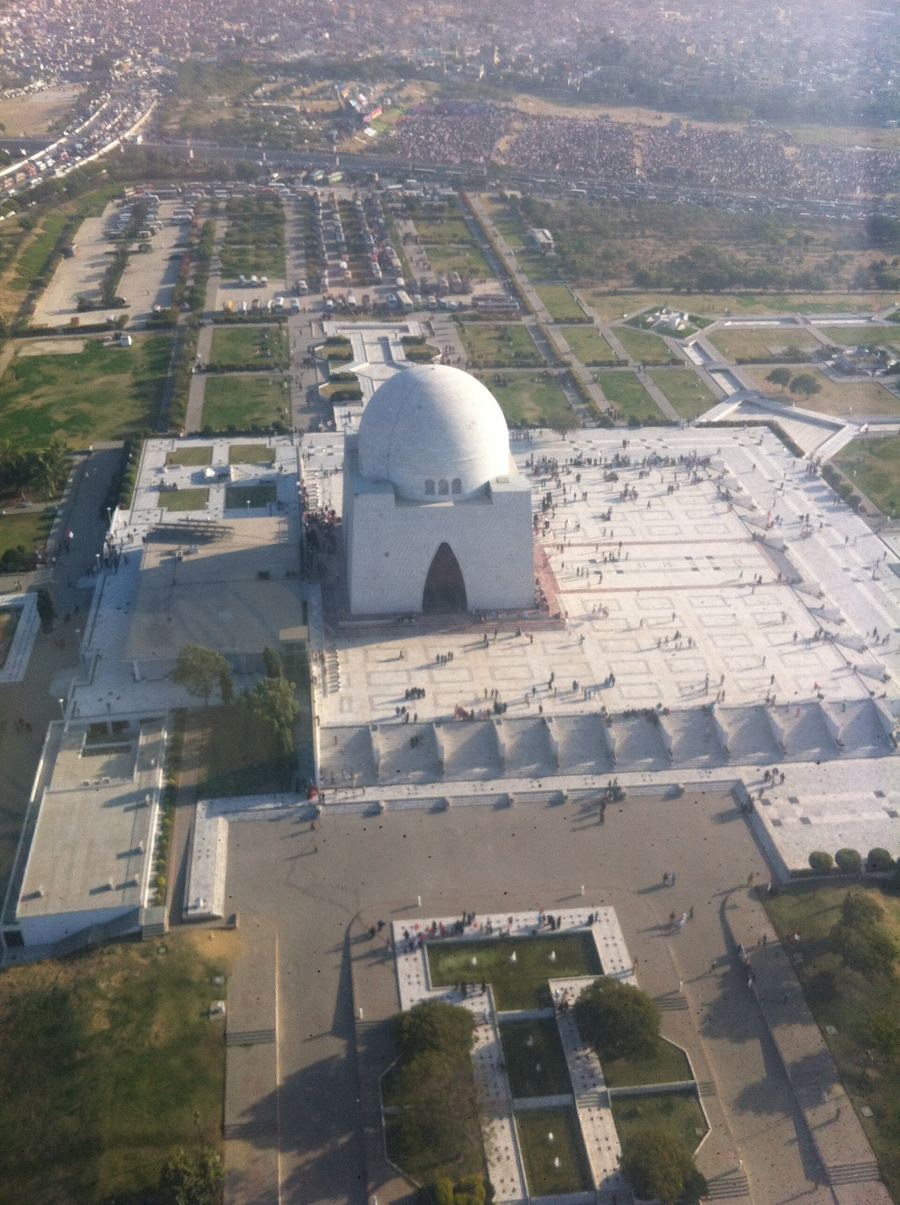
Mazar-e-Quaid
The stark white marble tomb of Pakistan's founder sits in a elevated garden park. Visit late afternoon to avoid hot pavement surfaces.
Parley fragenPakistan
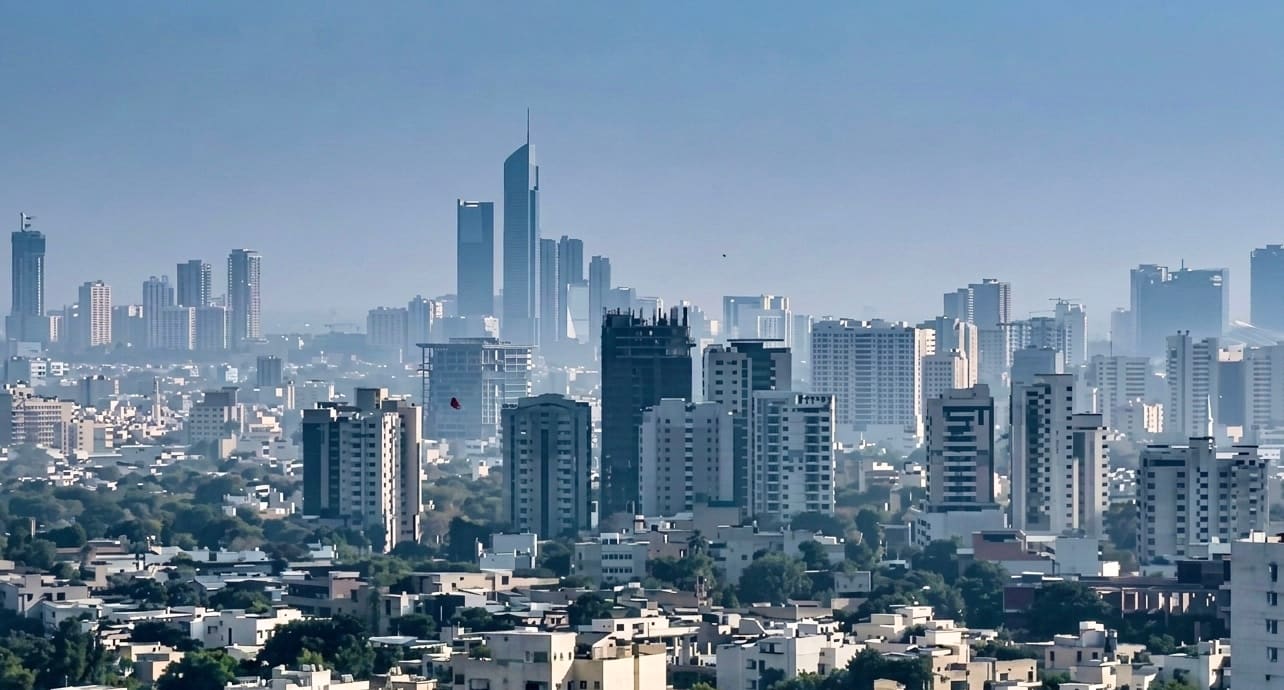
The coastal megacity defined by ambition and rapid momentum.
introduction
Karachi moves at an intense pace that rewards fast decisions and patience. Navigation relies heavily on app-based rides, as walking long distances across megacity avenues is rarely practical. You come here for distinct regional street food, British-era stone architecture, and late-night sea breezes along the Arabian Sea.
Airport transport secret
Book your ride on Careem or Yango inside the airport terminal using local Wi-Fi. It costs a fraction of the unregulated counters outside arrivals.
Heritage status
Frere Hall and Empress Market anchor one of South Asia's densest concentrations of 19th-century British Raj stone civic architecture.
Karachi
Obaid747 · CC BY-SA 3.0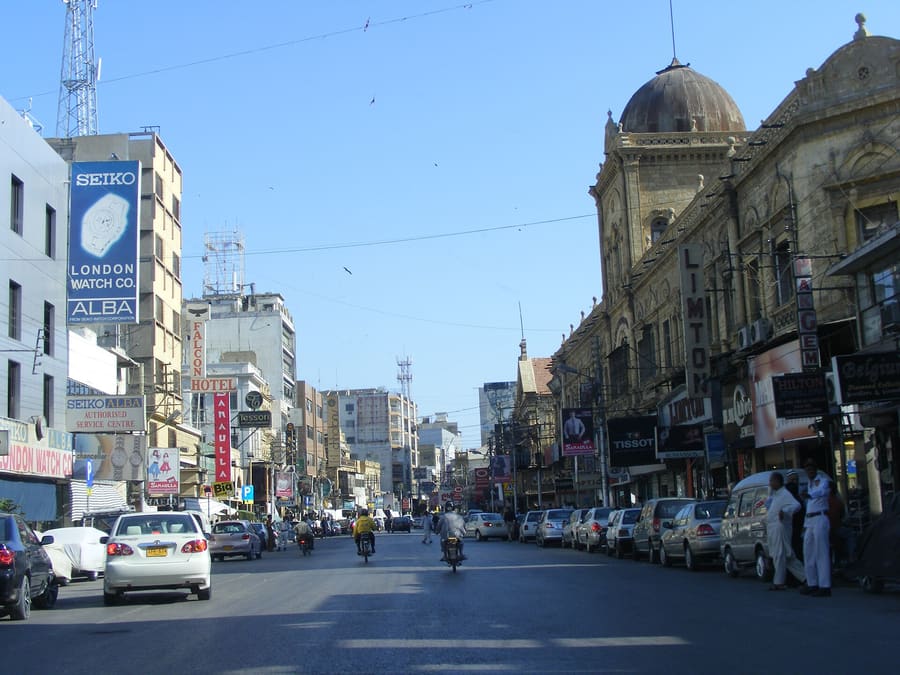
Saddar — High-density commercial core with British colonial architecture, wholesale markets, and heavy traffic.
khadim-un-nabi Rao · CC BY-SA 3.0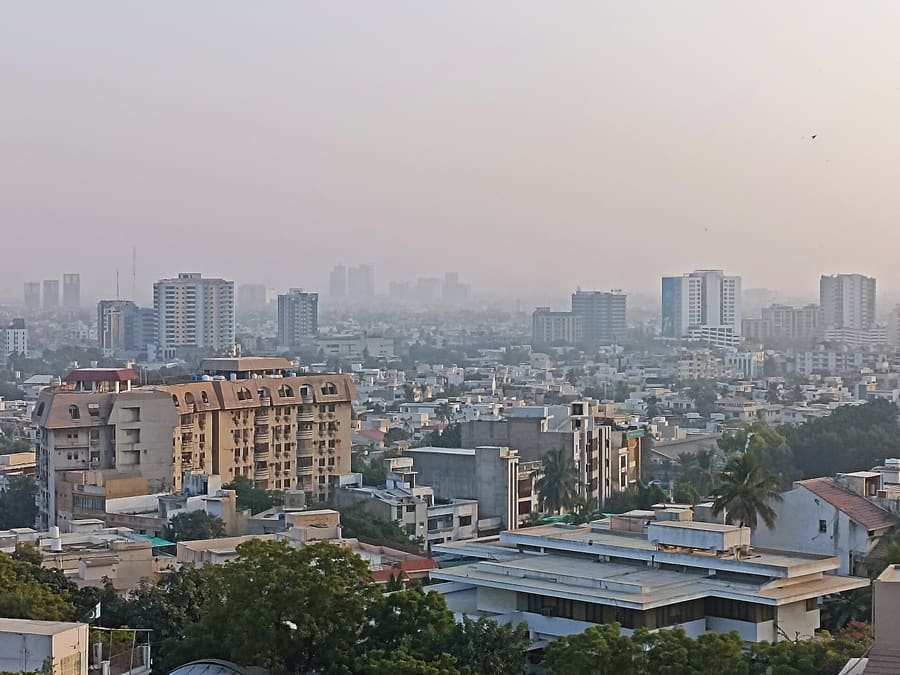
PECHS — Central residential and commercial district famous for traditional food streets and easy geographic access.
King Eliot · CC BY-SA 4.0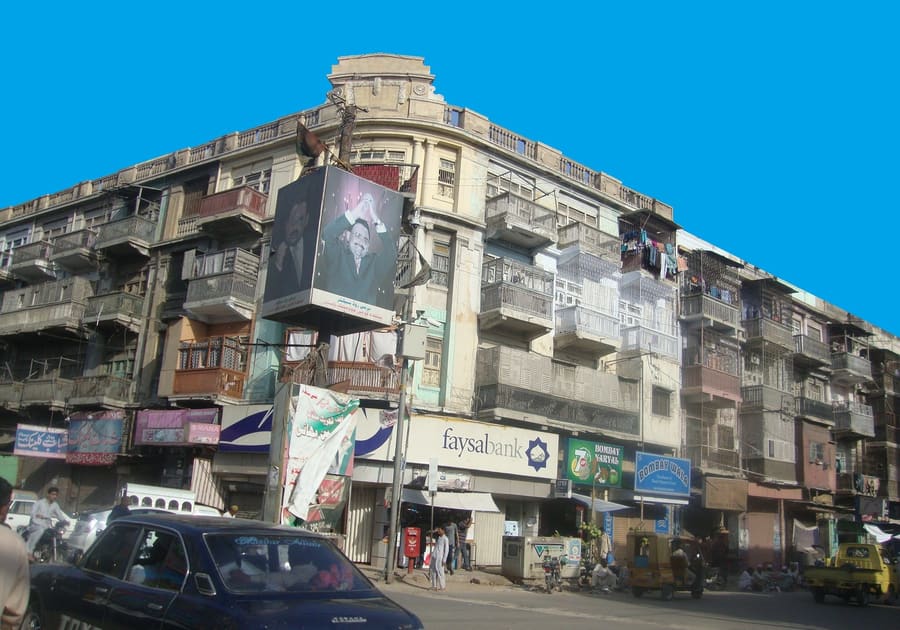
Night grills line the streets of Burns Road, Karachi's oldest food quarter.
khadim-un-nabi Rao · CC BY-SA 3.0highlights
landmark
The stark white marble tomb of Pakistan's founder sits in a elevated garden park. Visit late afternoon to avoid hot pavement surfaces.
Parley fragen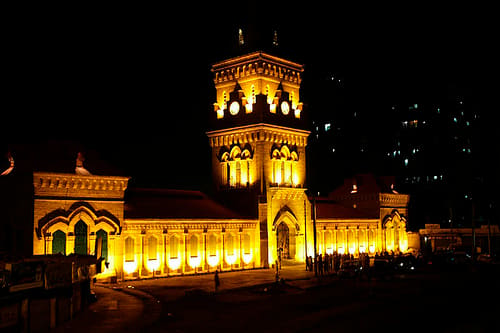
landmark
A Victorian stone hall that serves as Saddar's dense trade engine. Keep cash ready in small denominations for spices and tea buying.
Parley fragen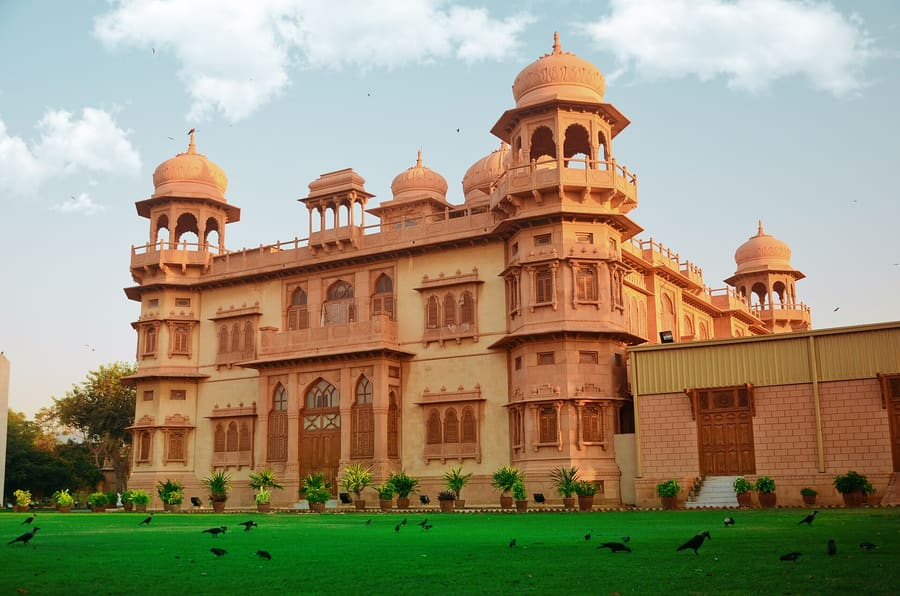
landmark
A 1927 Rajasthani mansion turned art gallery. The manicured grounds offer rare silent space away from coastal traffic.
Parley fragen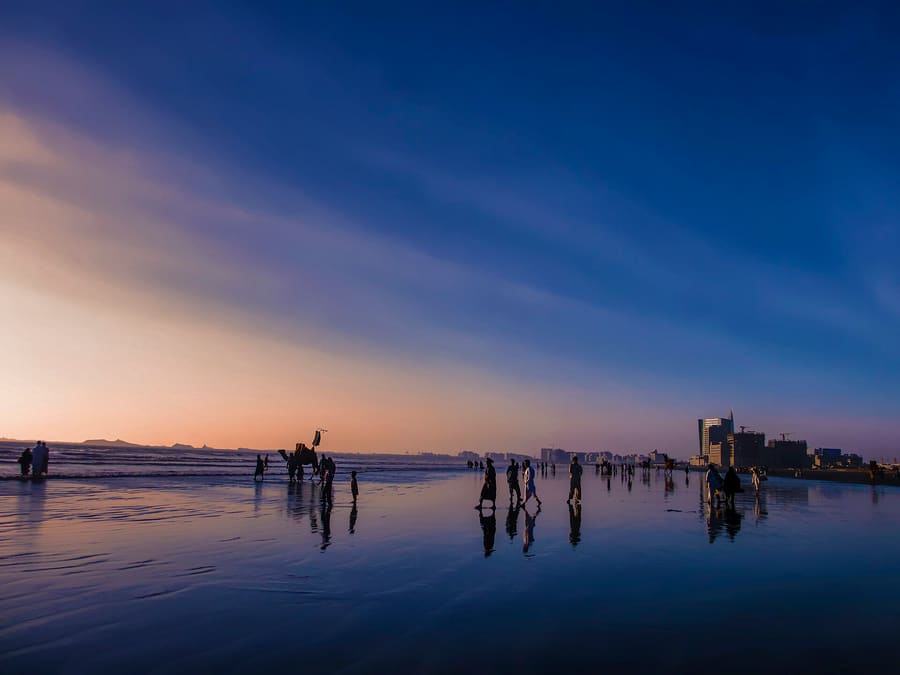
landmark
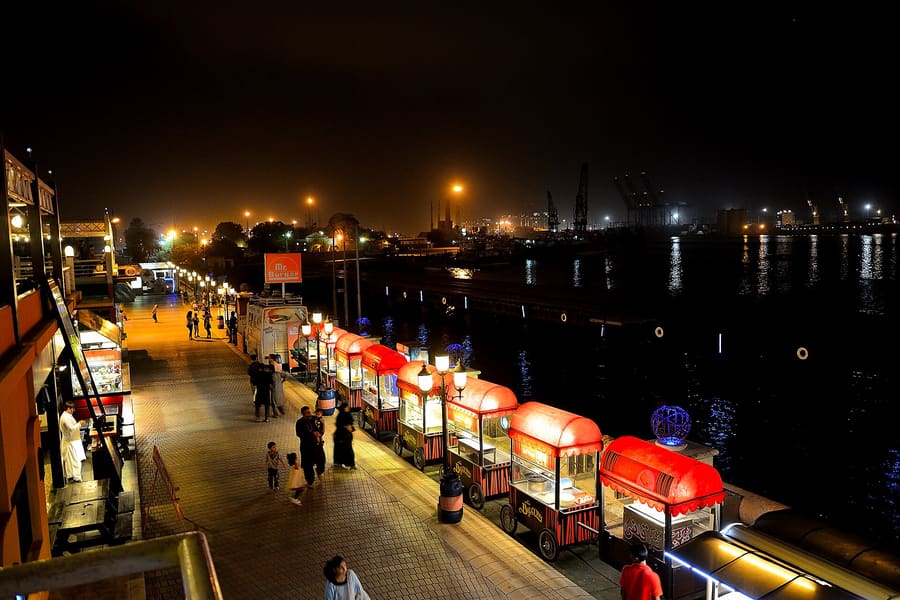
Karachi's main urban shoreline on the Arabian Sea. Go at sunset when food vendors set up along the Sea View promenade.
Parley fragen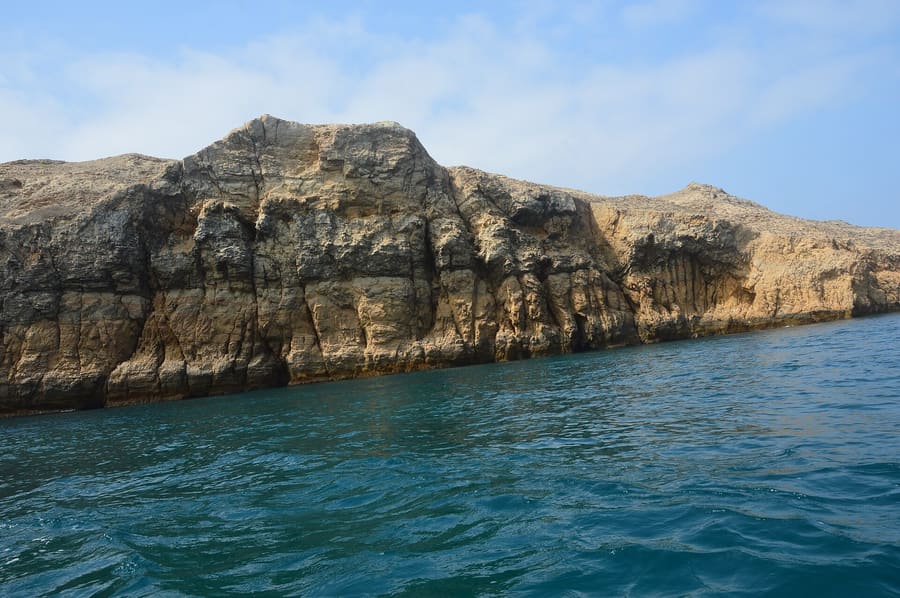
landmark
An uninhabited island reef an hour west of the city center. Local dive operators run boat trips for snorkeling between October and April.
Parley fragen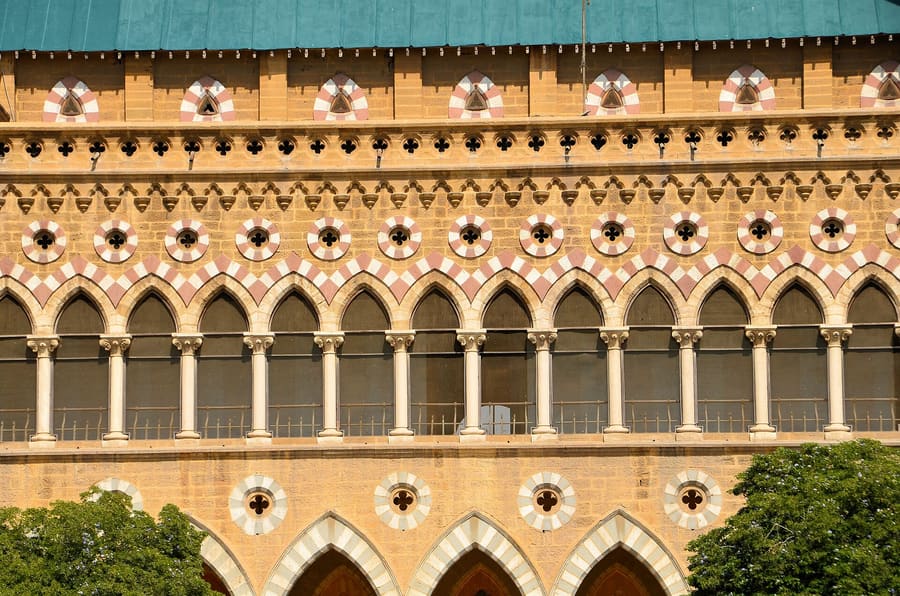
landmark
A Gothic hall featuring ceiling murals painted by artist Sadequain. A Sunday book fair fills the surrounding garden lawns.
Parley fragenattractions
areas
High-density commercial core with British colonial architecture, wholesale markets, and heavy traffic.
In der NäheEmpress Market, Frere Hall, Burns Road
Parley fragen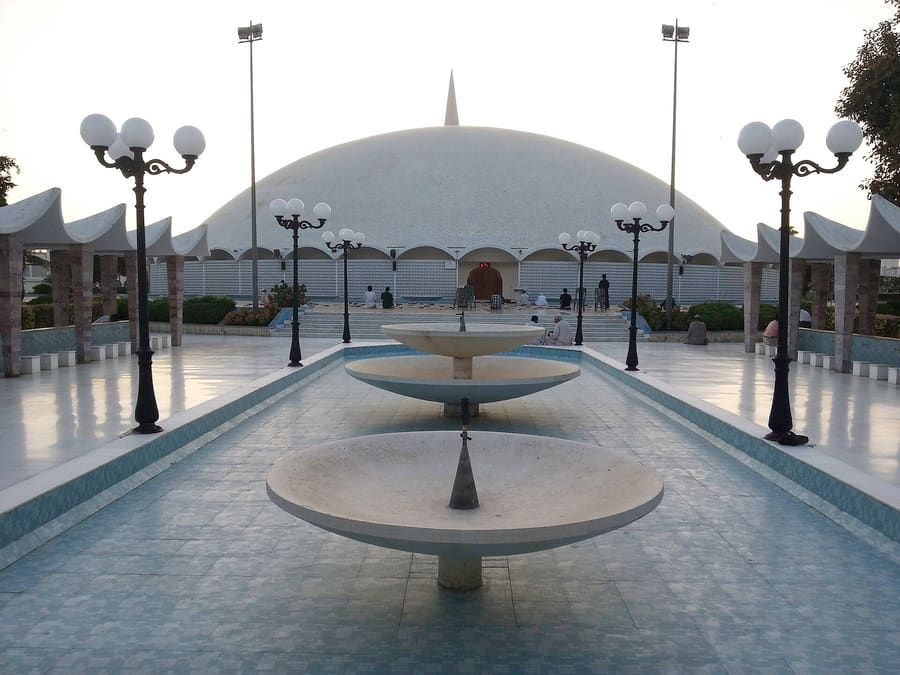
Sprawling, structured suburban sector filled with modern restaurant strips, specialty coffee, and boutiques.
In der NäheDo Darya waterfront dining, Khayaban-e-Seher
Parley fragenCentral residential and commercial district famous for traditional food streets and easy geographic access.
In der NäheTariq Road, Sindhi Muslim Society food street
Parley fragenfood
Karachi's culinary identity centers on beef biryani flavoured with dried plums and aromatic spices, distinct from the lighter Lahore style. Burns Road serves as the traditional street food engine, where open-flame grills produce spicy waheed fry kabab and dhaga kabab into the early morning hours.For fresh seafood, open-air platforms along the ocean at Do Darya serve grilled prawns and karahi fish directly above the water. High-end dining in Clifton and DHA blends coastal ingredients with contemporary South Asian methods.
Night grills line the streets of Burns Road, Karachi's oldest food quarter.
khadim-un-nabi Rao · CC BY-SA 3.0Burns Road food stalls reach peak quality between 22:00 and 01:00 when meat turns over fastest.
At places like Kolachi or Cafe Piyala, you order karahi meat by weight in kilograms rather than individual portions.
Historic street spots take cash exclusively. Modern restaurants in DHA accept Visa and Mastercard.
history
Karachi evolved from a small 18th-century fishing village named Kolachi into British India's primary western port. Its strategic harbor transformed it into a critical shipping hub for wheat and cotton by the late 19th century.The 1947 partition of India reframed the city overnight as the initial national capital, absorbing hundreds of thousands of Urdu-speaking migrants. Rapid industrialization drew labor from across Pakistan, generating the complex megacity operating today.
British occupation
The British East India Company took control of the port town, initiating modern civic grid development.
Empress Market built
Construction completed on the central Indo-Gothic market building, marking commercial expansion.
Capital of Pakistan
Karachi became the initial capital of the newly independent nation, prompting sudden population growth.
Capital relocation
The national capital shifted temporarily to Rawalpindi before Islamabad was built, leaving Karachi as the financial center.
where to stay
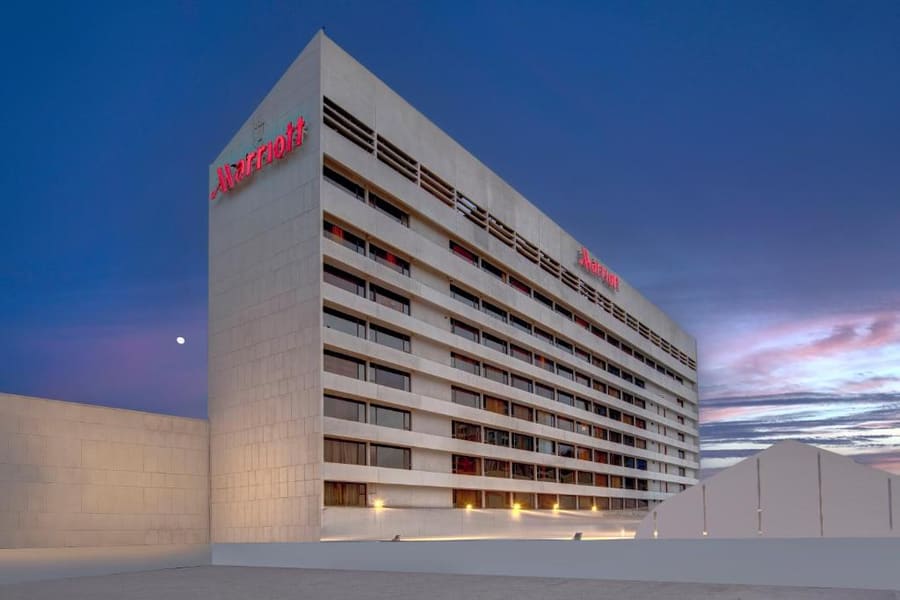
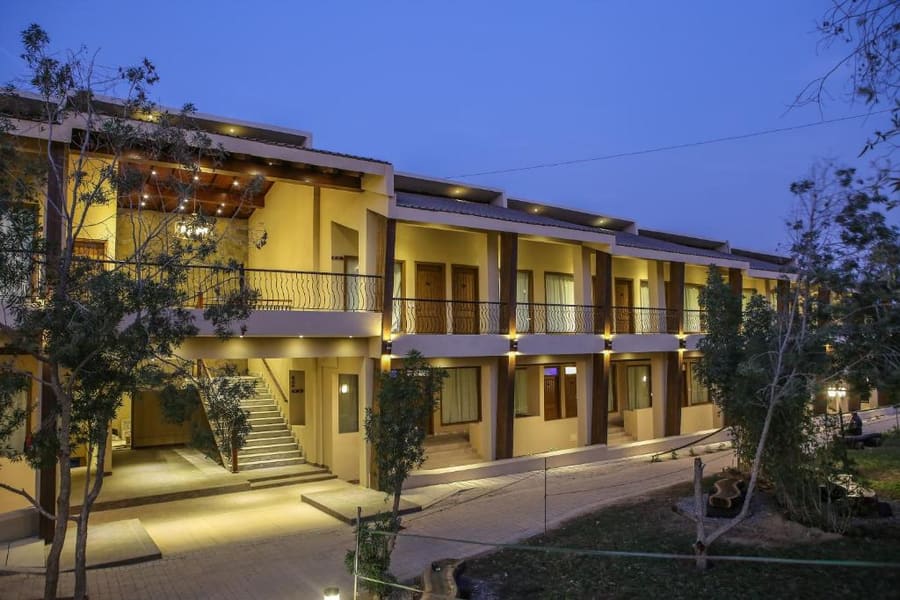
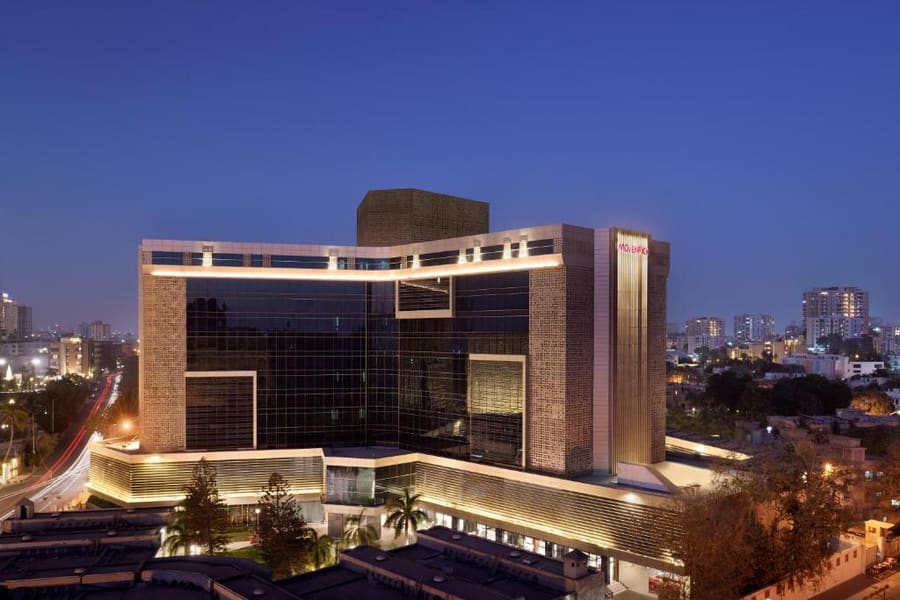
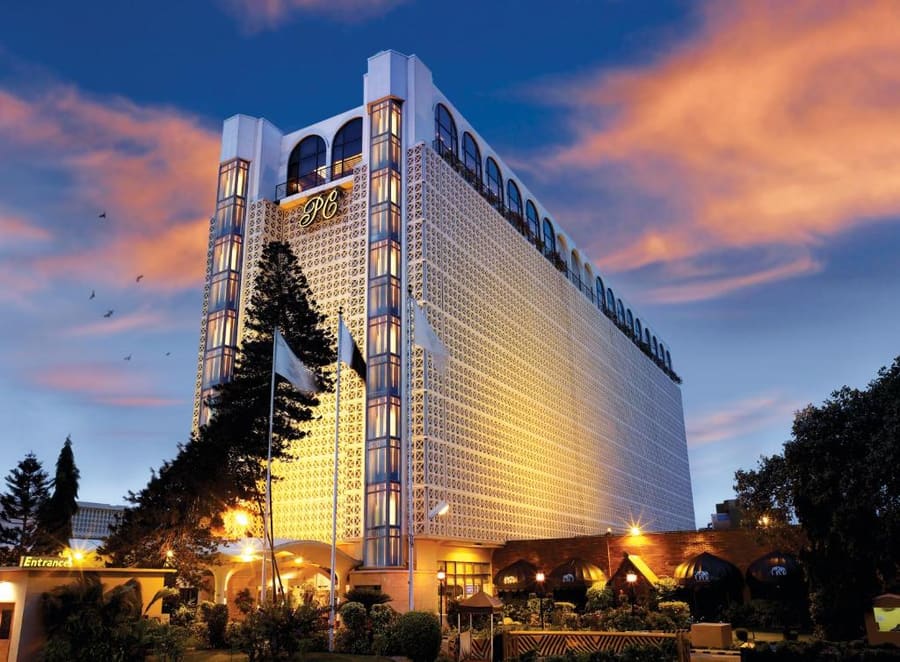
Choose your base based on your daily schedule and desire for sea access. District traffic can add 45 minutes to cross-city trips during morning and evening rush periods.
Live rates, matched to the areas above.
transport
Karachi lacks an integrated mass rapid transit train network. Moving efficiently requires ride-hailing applications like Careem, Yango, or InDrive, which eliminate street bargaining and ensure air-conditioned travel.
Ab Jinnah International Airport (KHI)
Careem or Yango rides pick up outside the main terminal exit doors.
Prepaid airport yellow cabs charge higher fixed rates than ride apps.
Hotel chauffeurs meet you inside arrivals holding a named greeting board.
Download Careem or Yango before arriving and select cash payment if international credit cards fail in app.
The Green Line BRT corridor offers fast transit north-south between Surjani Town and Numaish, avoiding surface gridlock.
Avoid Shahrah-e-Faisal between 08:30–10:30 and 17:30–20:00 when airport transit routes stall.
Three-wheeled rickshaws suit short neighbourhood journeys under 3 kilometers. Agree on the fare before stepping inside.
cost
Karachi remains an affordable destination for international visitors. Street food dining costs very little, while high-end international restaurants in DHA charge prices closer to regional capital standards.
Generous beef or chicken portion at traditional spots like Student Biryani or Ghousia.
Covers a 2 to 4 kilometer hop within neighbourhoods like Saddar or Clifton.
Full meal with kebabs, karahi, and bread at established sit-down establishments.
Flat white or pour-over coffee in Defence Phase 6 cafes.
seasonality
NOV – FEB
Mild dry winter days between 20°C and 28°C. Ideal season for outdoor walking tours and beach outings.
MAR – APR
Temperatures rise quickly toward 34°C. Morning sightseeing remains comfortable before midday heat.
MAY – JUN
Extreme humid heat frequently exceeds 40°C. Plan all activity strictly for air-conditioned spaces after dark.
JUL – SEP
Monsoon rains bring coastal humidity and occasional urban flooding that disrupts road traffic.
OCT
Post-monsoon transition period with clearing skies and manageable evening sea breezes.
practicalities
Standard Chartered and Habib Bank (HBL) ATMs reliably accept foreign Visa and Mastercard debit cards.
Drink sealed bottled water exclusively. Avoid crushed ice in street beverage stalls.
Cover shoulders and knees in public areas. Women should carry a light scarf for entering religious sites.
Shops and markets close between 12:30 and 14:30 on Fridays for afternoon prayers.
Avoid swimming deep at Clifton Beach due to strong Arabian Sea undertows, especially during monsoon months.