religious
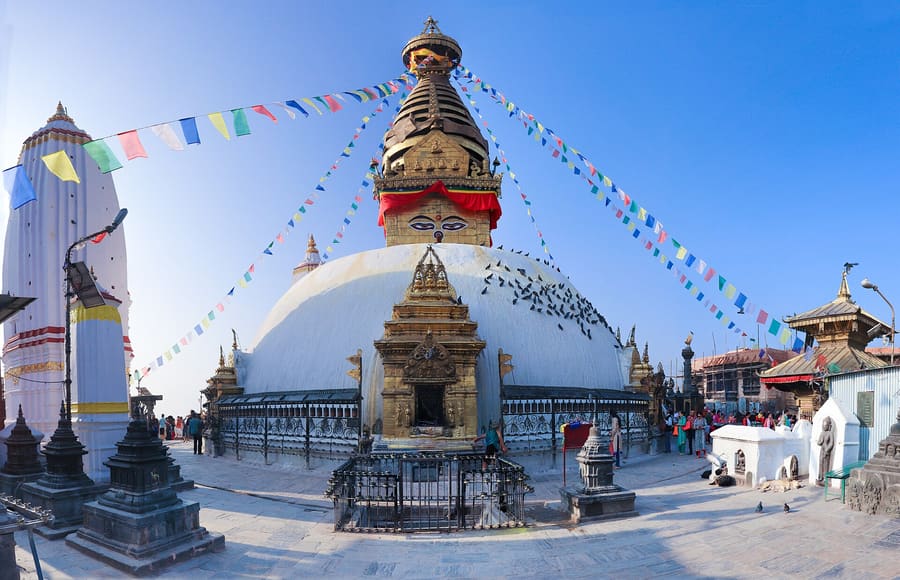
Swayambhunath
Climb 365 stone steps to reach this hilltop stupa. Go at sunrise before wild rhesus macaques become overly bold with food.
Parley fragenNepal
Brick alleys at around 1,400 meters elevation, stupas, and diesel dust.
introduction
Kathmandu is a high-density bowl in the Himalayas where medieval Malla brickwork sits beside modern urban sprawl. You navigate the city through narrow courtyards called bahals to avoid traffic jams on main arterial roads. Systemic power cuts ended in 2018, though thick street dust still demands patience and a good face mask. What you get in return is an intact living culture of Newar guthi rituals, daily worship, and quiet tea shops.
Airport transport secret
Prepaid taxis inside Tribhuvan International Airport charge NPR 800 to Thamel. Walk 200 metres outside the main gate to catch a local taxi for NPR 500.
UNESCO Durbar Square pass
Your entry ticket to Kathmandu Durbar Square is valid for multiple days if you convert it to a visitor pass at the site office using a passport photo.
Water safety rule
Tap water in Kathmandu carries waterborne pathogens even in upper-range hotels. Use filtered or bottled water for drinking and brushing teeth.
Kathmandu
Kamal Ratna Tuladhar · CC BY-SA 3.0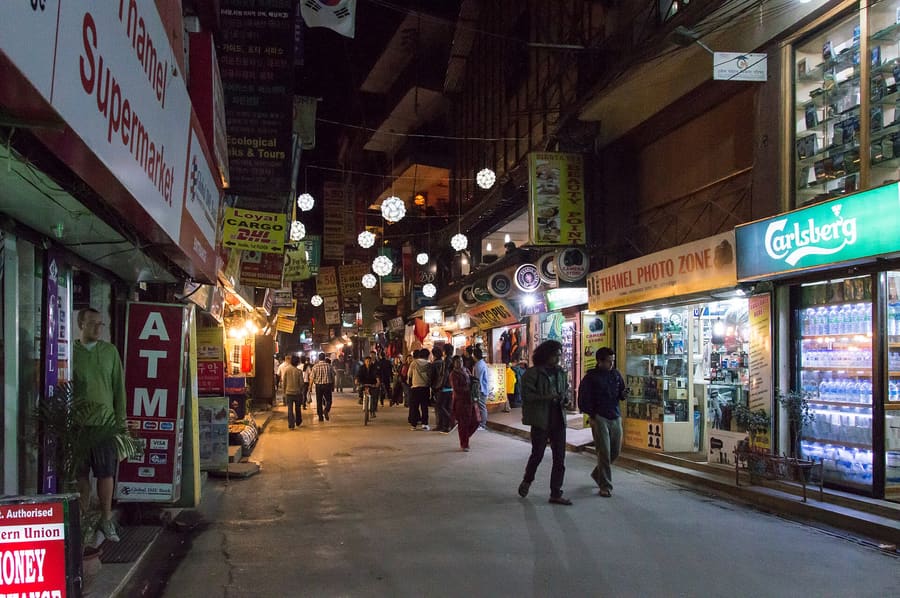
Thamel — High-density commercial hub packed with trekking gear, bakeries, and motorbikes.
Sergey Ashmarin · CC BY-SA 3.0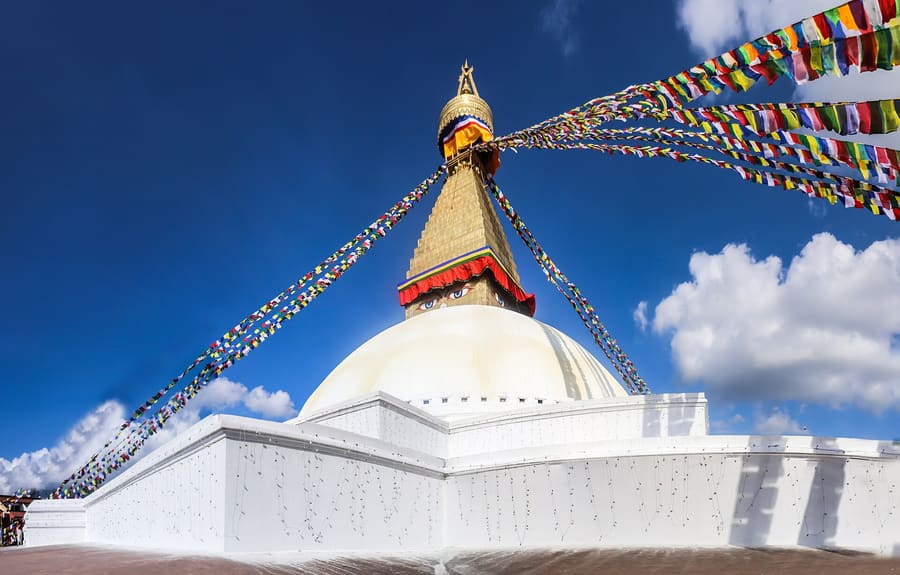
Boudha — Tibetan enclave revolving around the central white stupa dome.
Nabin K. Sapkota · CC BY-SA 4.0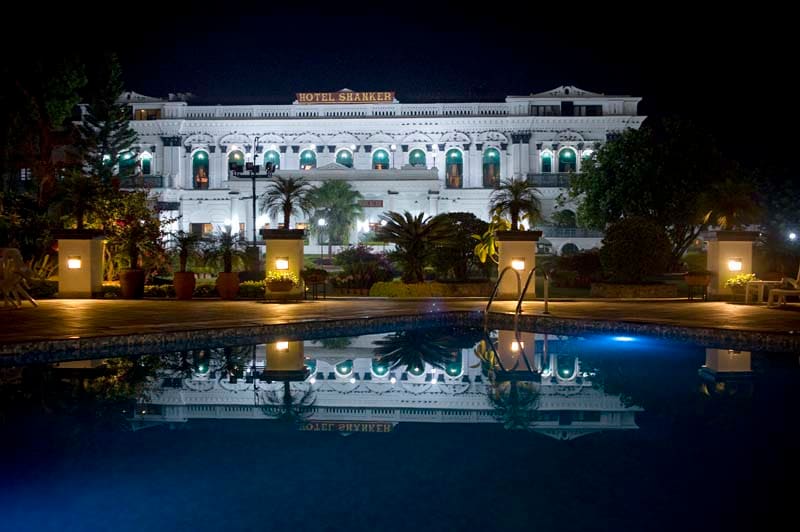
Lazimpat — Upscale avenue home to embassies and high-end hotels.
Super cool75 · CC BY 3.0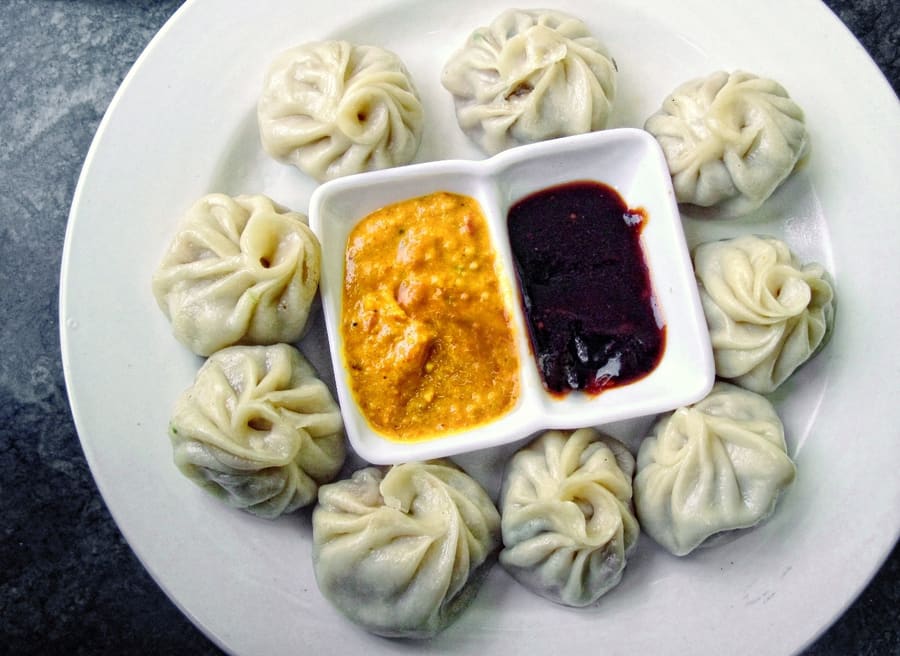
Buffalo momos served with sesame jhol sauce at an alley eatery.
Kushal Goyal · CC BY-SA 3.0highlights
religious
Climb 365 stone steps to reach this hilltop stupa. Go at sunrise before wild rhesus macaques become overly bold with food.
Parley fragen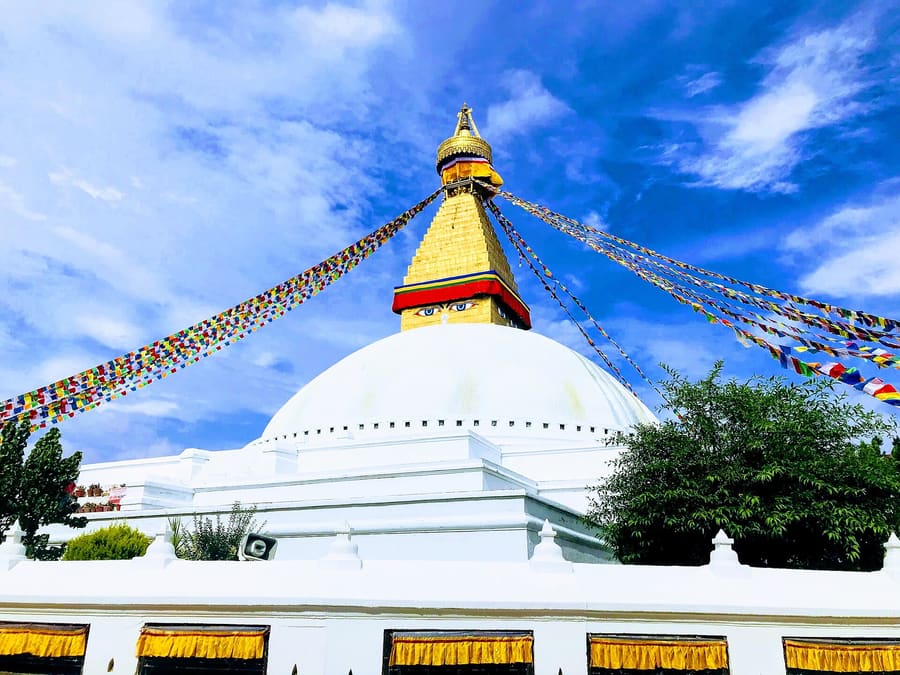
religious
One of the largest spherical stupas in Asia. Walk clockwise around the base with Tibetan pilgrims during evening prayers.
Parley fragen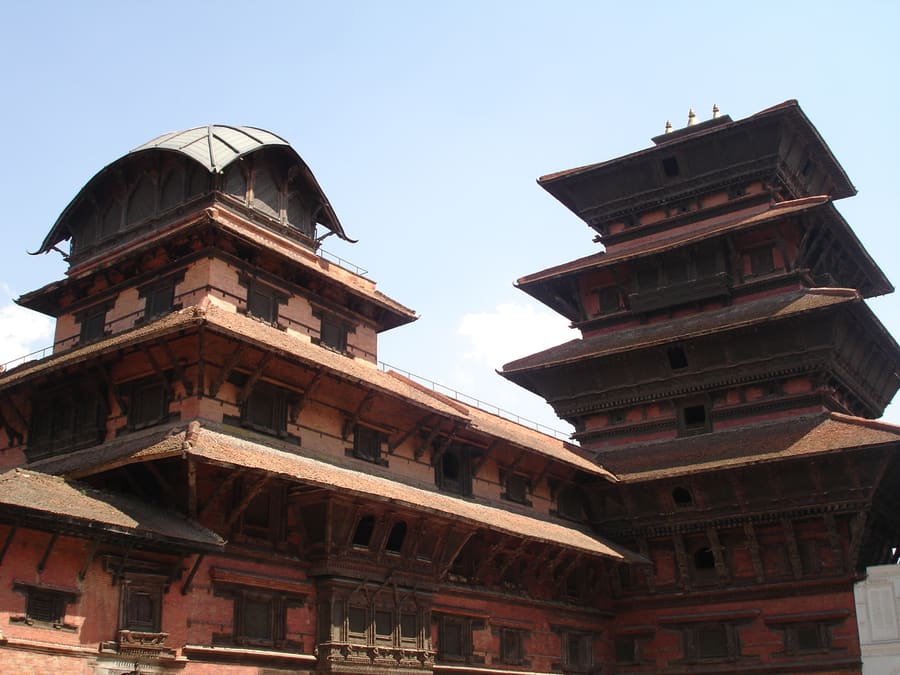
landmark
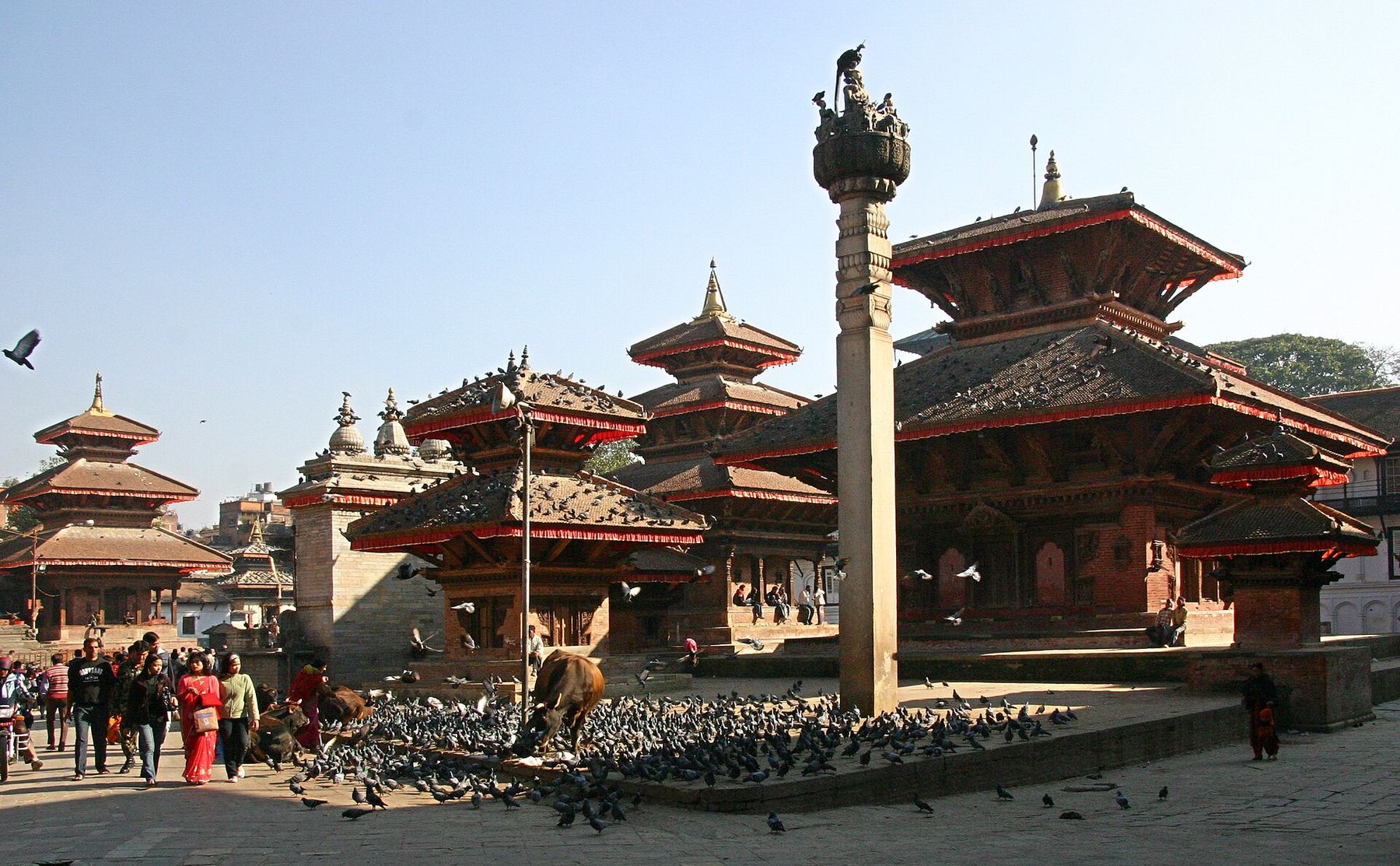
The former royal plaza showing traditional Newar woodcarving. Pay foreign entry fees at the gate before wandering freely.
Parley fragen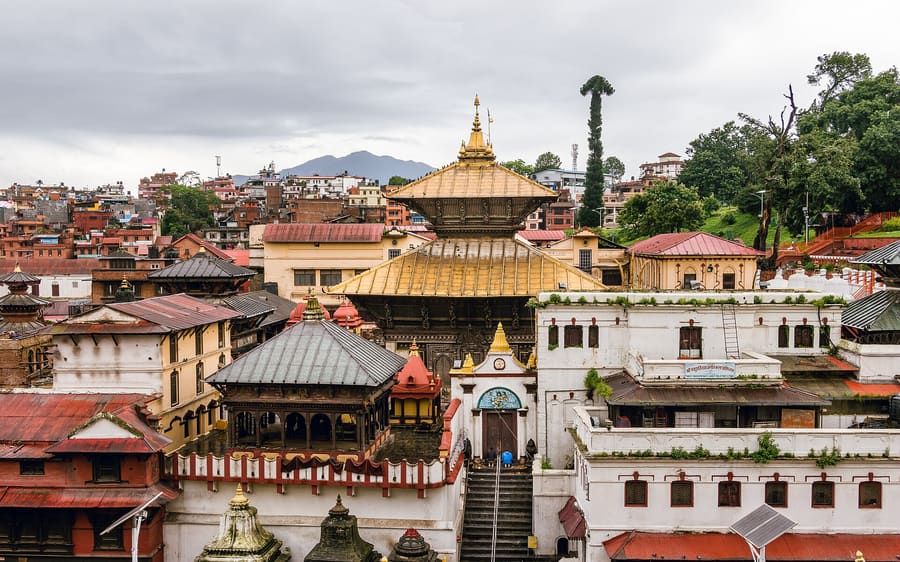
religious
Sacred Hindu temple complex along the Bagmati River. Non-Hindus cannot enter the main temple but view cremations from across the river.
Parley fragen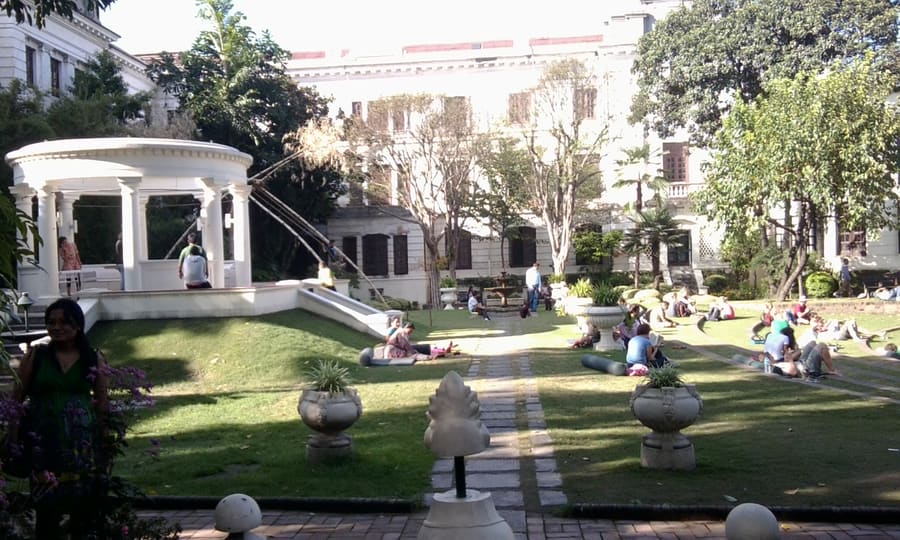
landmark
A restored 1920s neoclassical estate near Thamel. Pay NPR 400 for entry to escape urban street noise for an hour.
Parley fragen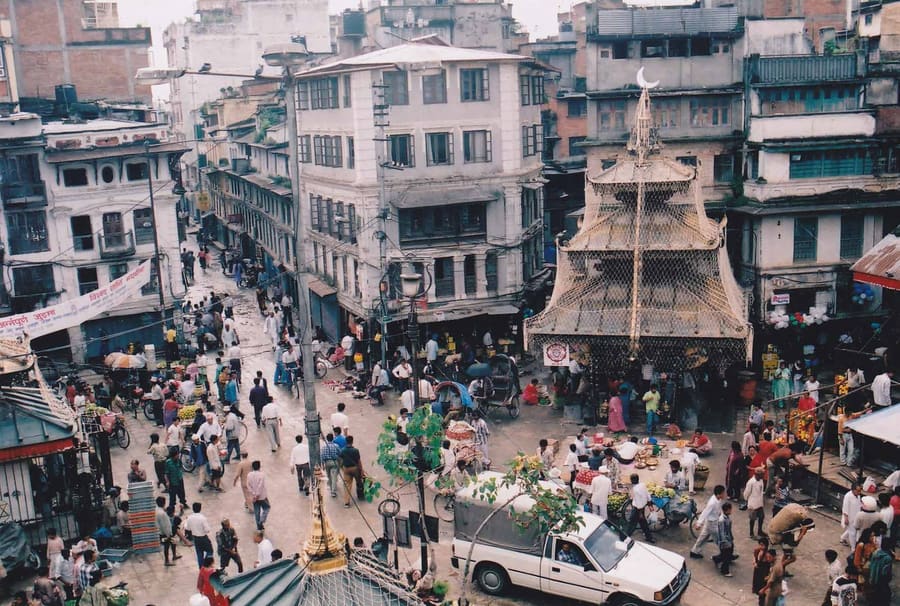
landmark
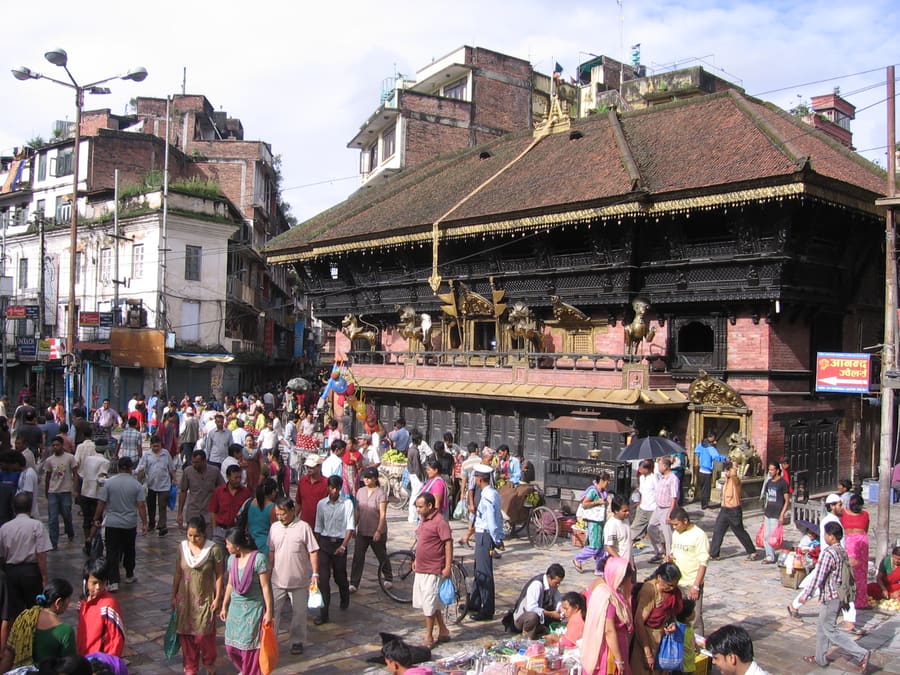
Historic market crossroads where six alleys meet. Shop for local brassware, dried chilies, and yak butter early in the morning.
Parley fragenattractions
areas
High-density commercial hub packed with trekking gear, bakeries, and motorbikes.
In der NäheAsan Tole market and Garden of Dreams
Parley fragenTibetan enclave revolving around the central white stupa dome.
In der NäheBoudhanath Stupa and Kopan Monastery
Parley fragenUpscale avenue home to embassies and high-end hotels.
In der NäheNarayanhiti Palace Museum
Parley fragenSuburban and quiet across the Bagmati River in Lalitpur district.
In der NähePatan Durbar Square and Patan Museum
Parley fragenfood
Kathmandu runs on dal bhat. Locals eat this dish twice daily. It consists of steamed rice, lentil soup, vegetable curry, and pickled mustard greens. Restaurants offer free second servings of rice and soup without asking.Newari cuisine forms the native culinary backbone of the valley. Traditional eateries in Indra Chowk serve choila, which is spiced grilled buffalo meat. Pair it with baji, which is beaten flattened rice.Street stalls cook momos in aluminum steamers along side alleys. You select steamed or fried dumplings filled with minced chicken or buffalo. You dip each piece into a cold tomato-sesame sauce.
Buffalo momos served with sesame jhol sauce at an alley eatery.
Kushal Goyal · CC BY-SA 3.0Locals clean their right hand before eating. Mixing curry into rice with fingertips is standard practice.
Choose stalls where steam pours continuously from metal tiers. High turnover keeps meat fillings safe.
Most city kitchens serve dal bhat between 09:30 and 11:30. Dinner service starts around 19:00.
history
Kathmandu valley was historically known as Nepal Mandala. Newar urban planners constructed three distinct royal kingdoms here: Kathmandu, Patan, and Bhaktapur. The Malla dynasty funded complex wood carving and brick pagoda structures that survive today.In 1768, Prithvi Narayan Shah invaded the valley from Gorkha. He unified regional states and established Kathmandu as the permanent national capital. Royal court politics eventually moved to the Narayanhiti Palace in the twentieth century.
Malla Era Begins
Arts and Newar brick architecture flourish across the valley under Malla kings.
Gorkha Conquest
Prithvi Narayan Shah captures Kathmandu and merges valley kingdoms into modern Nepal.
Rana Rule Ends
Nepal opens borders to international visitors after decades of self-imposed isolation.
Gorkha Earthquake
A 7.8 magnitude earthquake damages historic monuments; reconstruction efforts restore major stupas.
where to stay
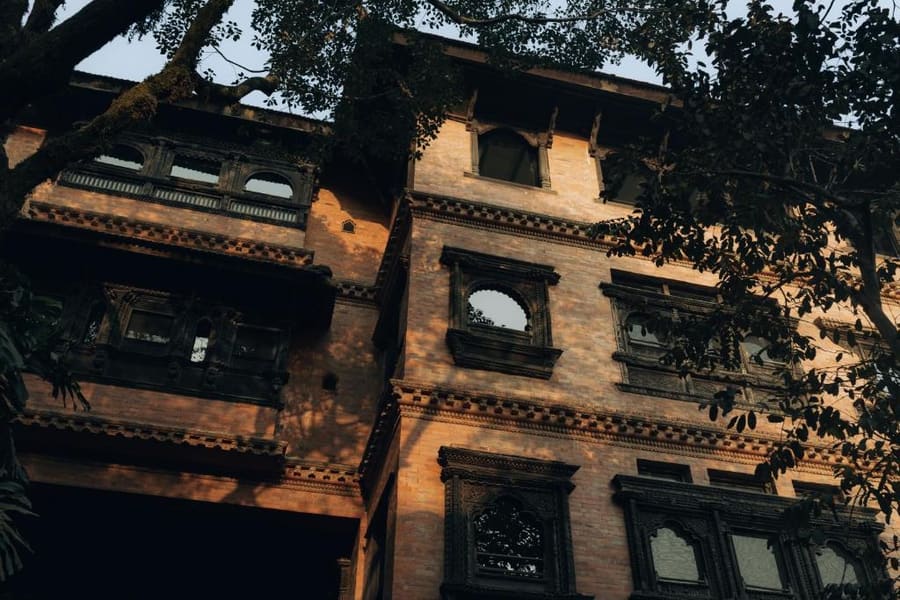
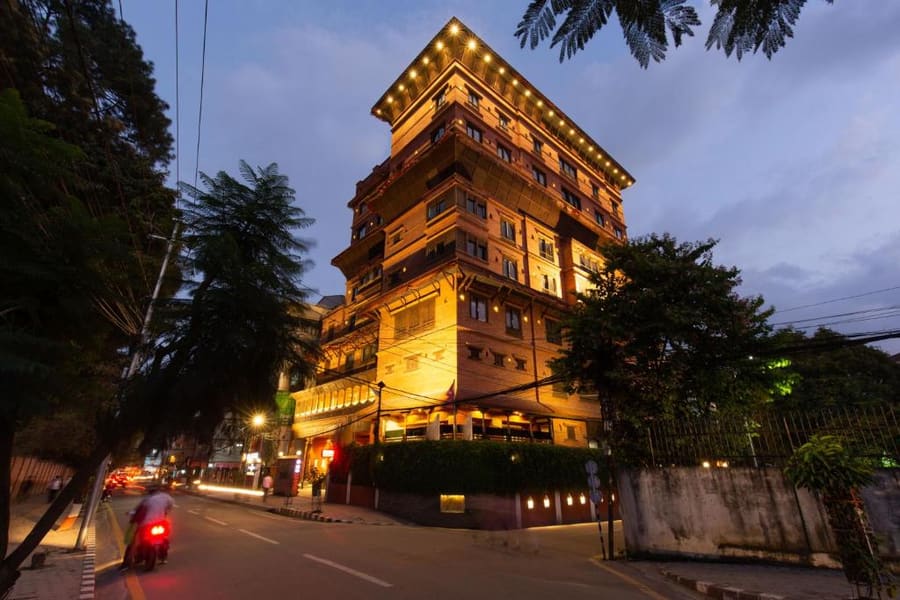
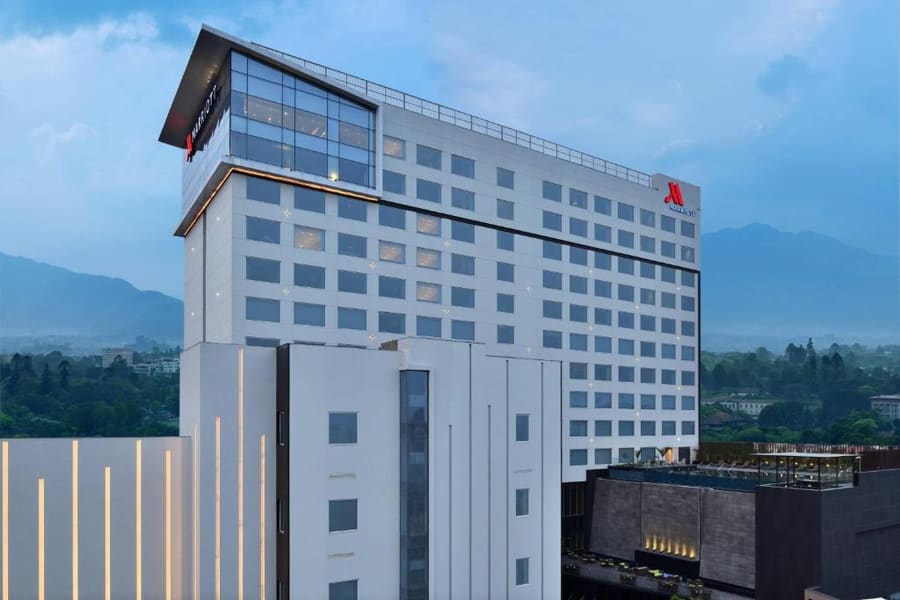
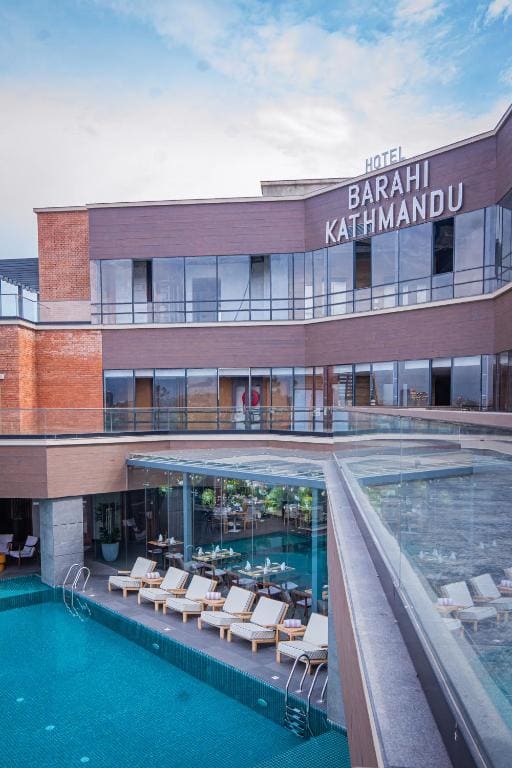
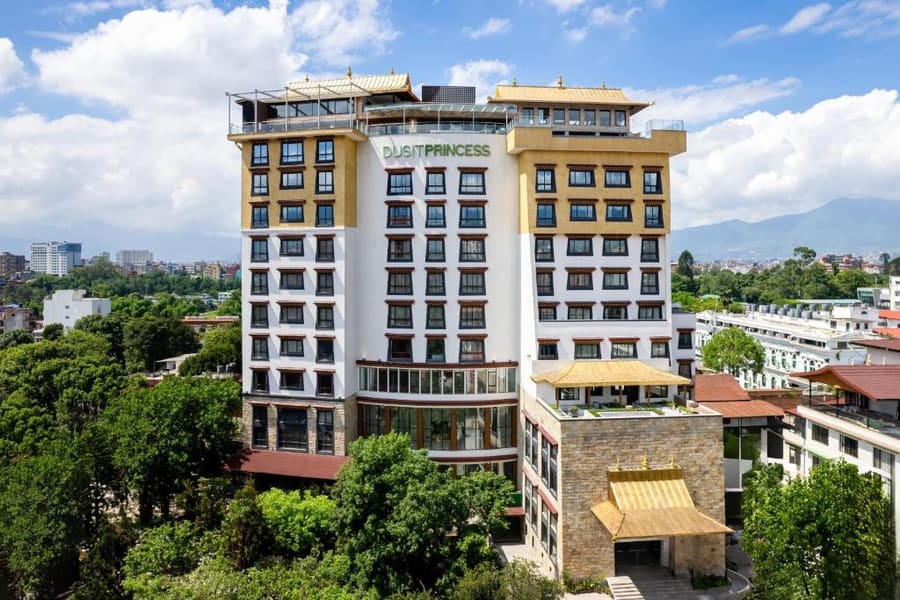
Choose your base by balancing proximity to sights against tolerance for road noise. Thamel suits short visits where you need quick access to gear rental shops and agency offices. Boudha provides quieter evenings around Buddhist monasteries. Jhamsikhel places you near residential cafes in Lalitpur.
Live rates, matched to the areas above.
transport
Street navigation in Kathmandu requires flexibility. Roads lack consistent signs, and traffic frequently stalls at unmetered intersections. Walking remains the fastest way to travel through medieval market quarters.
Ab Tribhuvan International Airport (KTM)
Prepaid airport counter charges NPR 800. Regular taxis outside gate meter or negotiate lower.
Use the Pathao or InDrive mobile applications to book motorbikes or cars.
Public green buses stop on the main road outside airport gates.
App-based motorbike taxis cut through stationary traffic quickly. You need a local SIM card to call drivers.
Street drivers rarely activate meters. Confirm the final price in NPR before placing bags in the boot.
Traffic halts from 08:30 to 10:00 and 17:00 to 18:30. Plan cross-valley trips for early afternoon.
Exhaust fumes and construction dust collect in narrow streets. Buy washable cloth masks at pharmacies.
cost
Nepal runs on cash. Outside major hotels and upper-end stores, credit card readers are unavailable or charge a 3.5% transaction fee. Automated teller machines in Thamel dispense NPR in maximum increments of NPR 10,000 to NPR 35,000 per transaction.
Local eateries charge around NPR 250. Tourist restaurants in Thamel charge NPR 500 or more.
Alley stalls charge NPR 120 for ten buffalo momos. Sit-down cafes charge up to NPR 250.
A short ride from Thamel to Boudha costs roughly NPR 500 under standard conditions.
Nepali banks add a flat service fee to foreign card withdrawals on top of home bank charges.
seasonality
SEP – NOV
Clear skies after monsoon rains. Peak autumn trekking season creates high demand for hotel rooms.
DEC – FEB
Cold mornings and heavy winter smog. Mountain visibility is good, but hotel rooms lack central heating.
MAR – MAY
Warm spring weather with blooming flowers in surrounding hills. Haze increases before pre-monsoon showers.
JUN – AUG
Monsoon brings downpours and landslides on highways. Flight delays at KTM airport are common.
practicalities
Ticket counters at major Durbar squares and temples rarely accept international debit cards.
Government offices, banks, and many shops close on Saturdays. Sunday is a standard working day.
Leave footwear outside Hindu shrines and Buddhist prayer halls. Remove leather belts at Pashupatinath.
Frequent local voltage drops mean you should keep portable batteries charged for your phone.