landmark
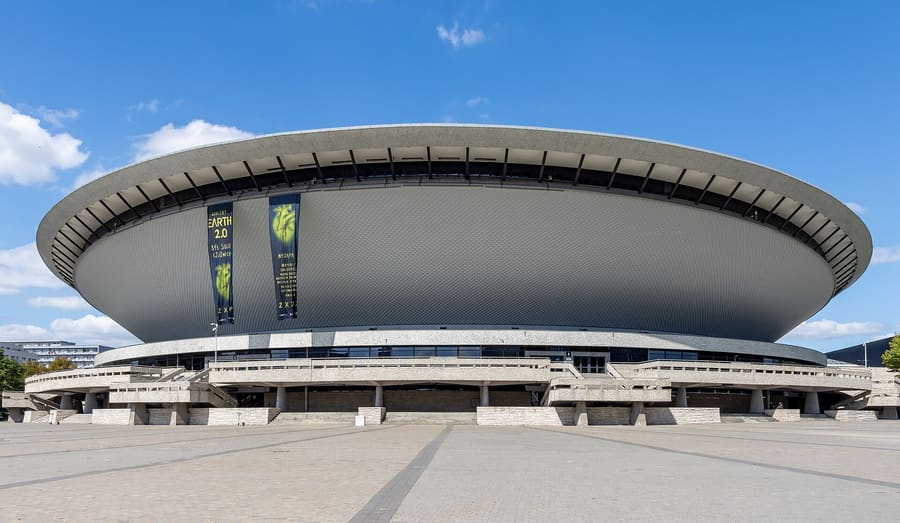
Spodek Arena
1971 saucer-shaped arena. Walk around its concrete apron at night when neon lights illuminate the outer ring.
Parley fragenPolen
Heavy industry rebuilt as Central Europe's sound check.
introduction
Katowice replaced coal mines with concert halls without erasing its industrial grid. You navigate a compact city centre on foot and reach outer worker estates by red-and-yellow tram. Expect heavy brick architecture, underground museum galleries, and an intense music scene.
UNESCO City of Music
Katowice earned UNESCO status in 2015 for its acoustic infrastructure, headlined by the NOSPR concert hall.
Katowice
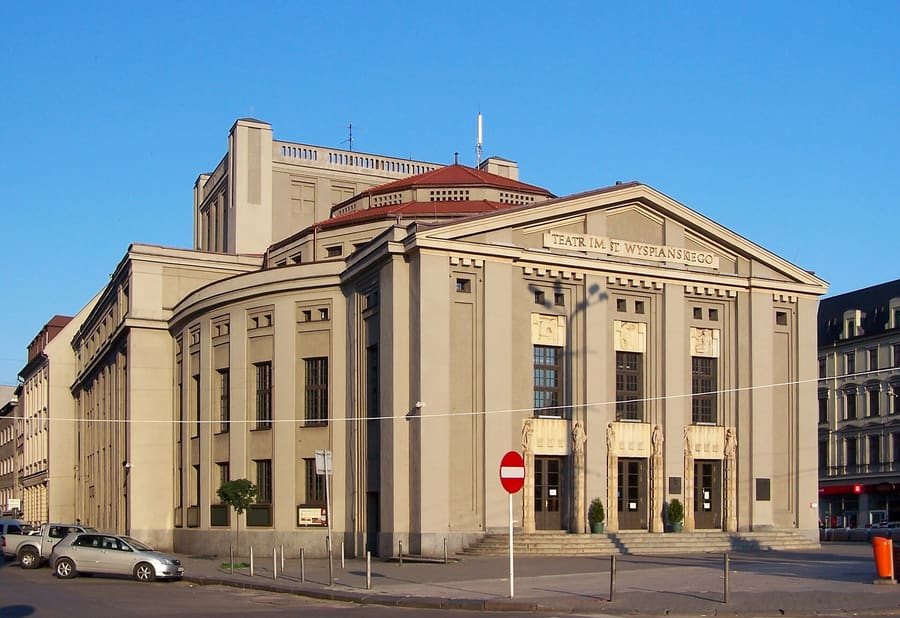
Lestat (Jan Mehlich) · CC BY-SA 3.0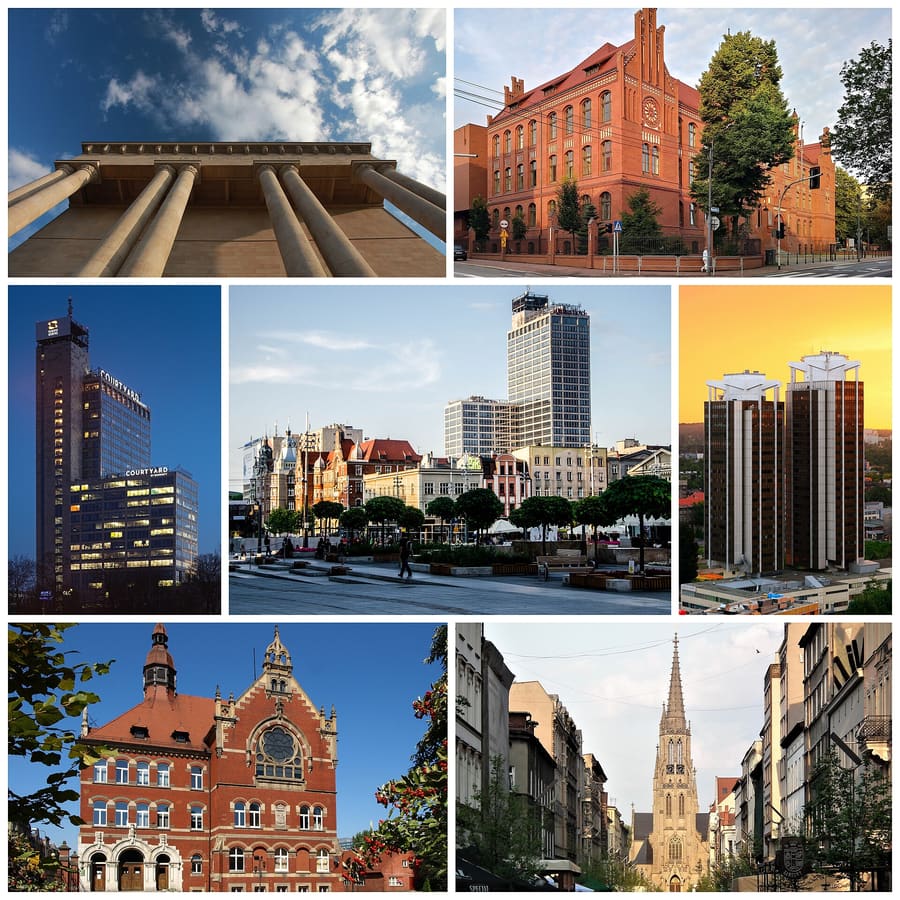
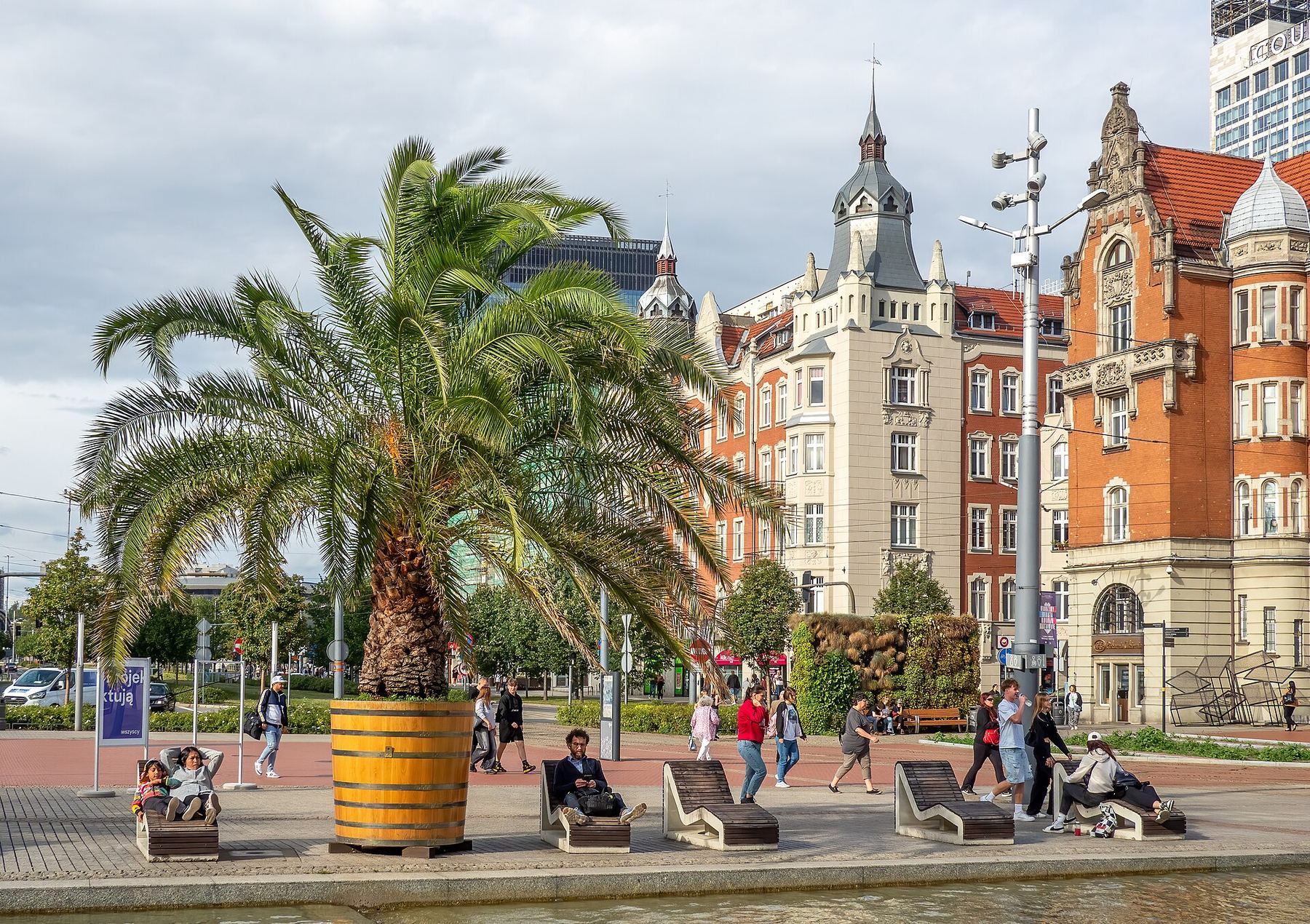
Śródmieście — Modernist street grids, pedestrian dining lanes, and quick transit links.
MOs810, Jakub Wadas, Thepoweroflight, Christophorus ex Silesia, Adrian Tync, Jan Mehlich · CC BY-SA 4.0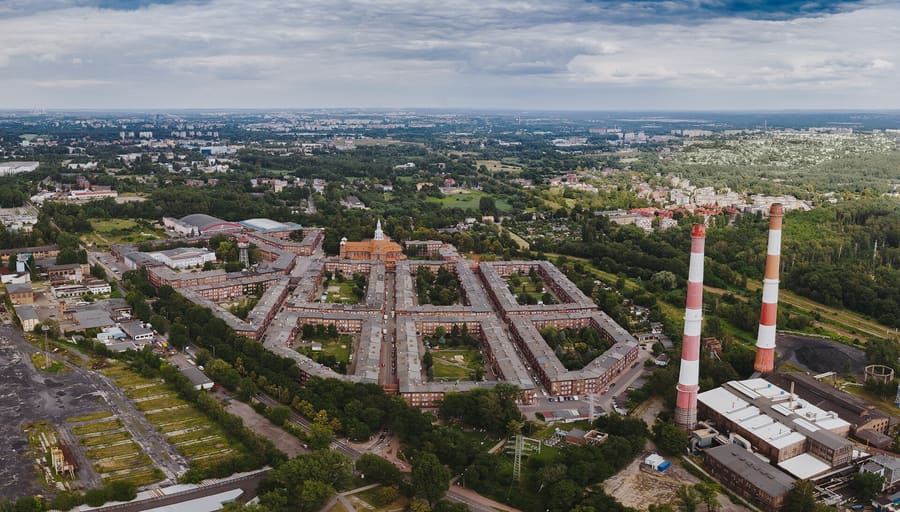
Nikiszowiec — Enclosed red-brick blocks, traditional bakery scents, and quiet cobblestone courtyards.
Robert Danieluk · CC BY-SA 4.0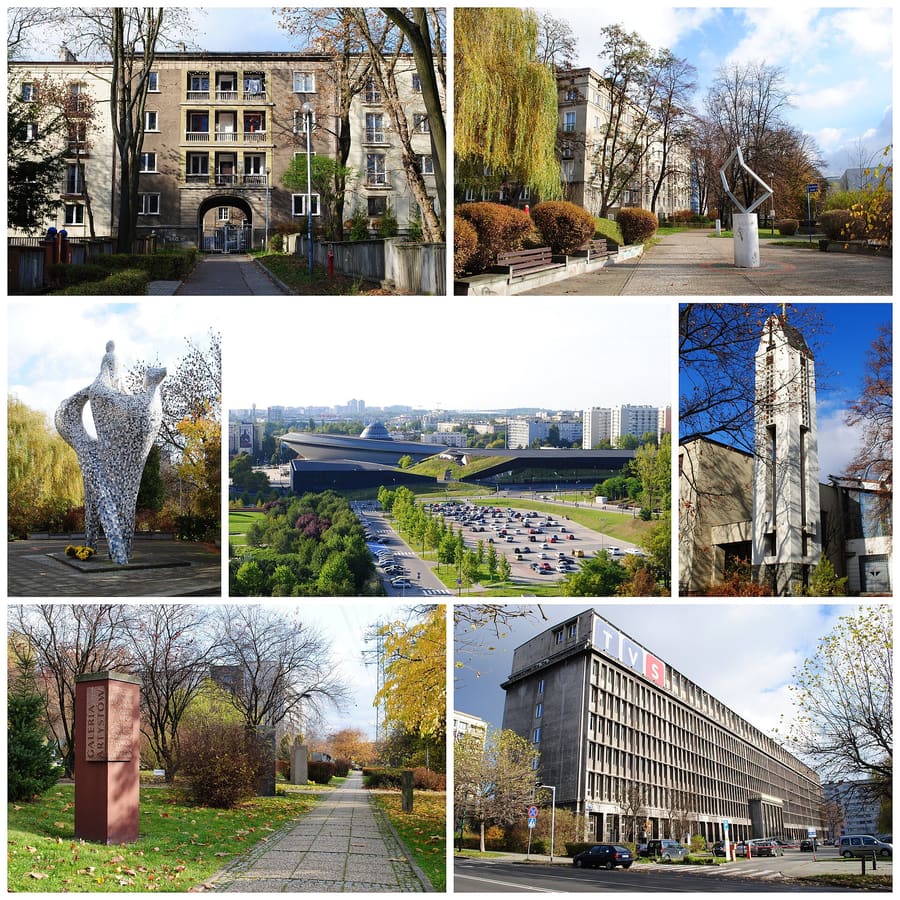
Koszutka — Mid-century residential blocks, shady green squares, and local espresso bars.
Marek Mróz · CC BY-SA 4.0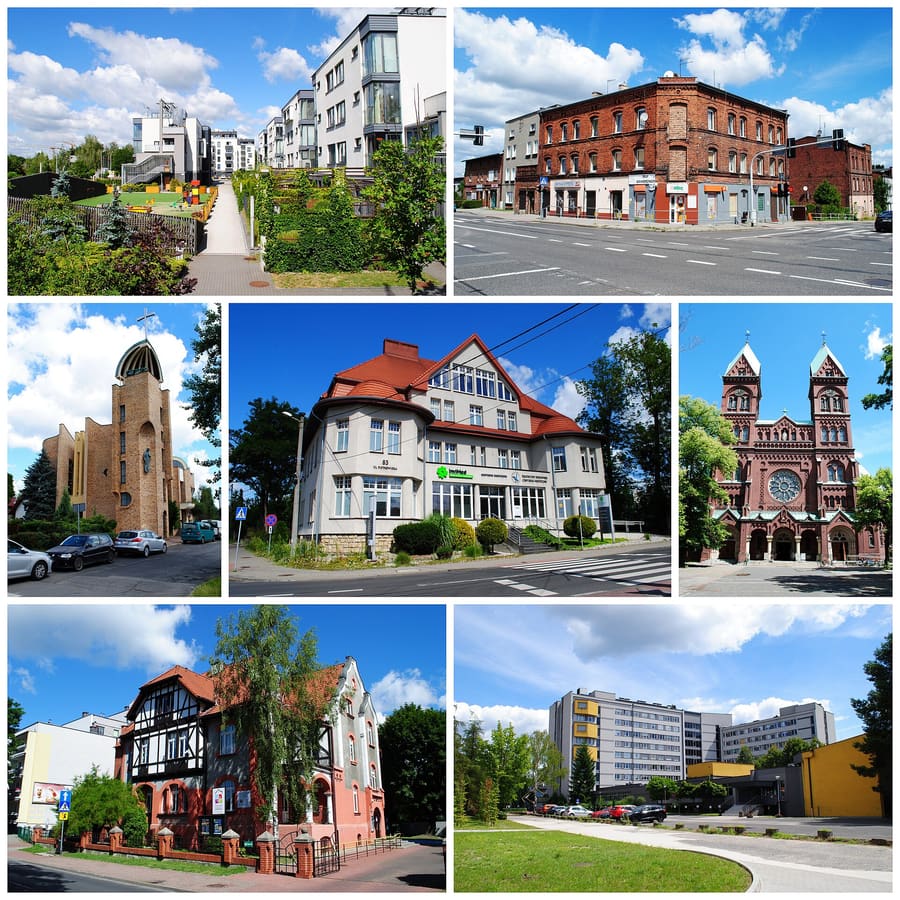
Ligota — Pine forests, university campuses, and low-rise residential quiet.
Marek Mróz · CC BY-SA 4.0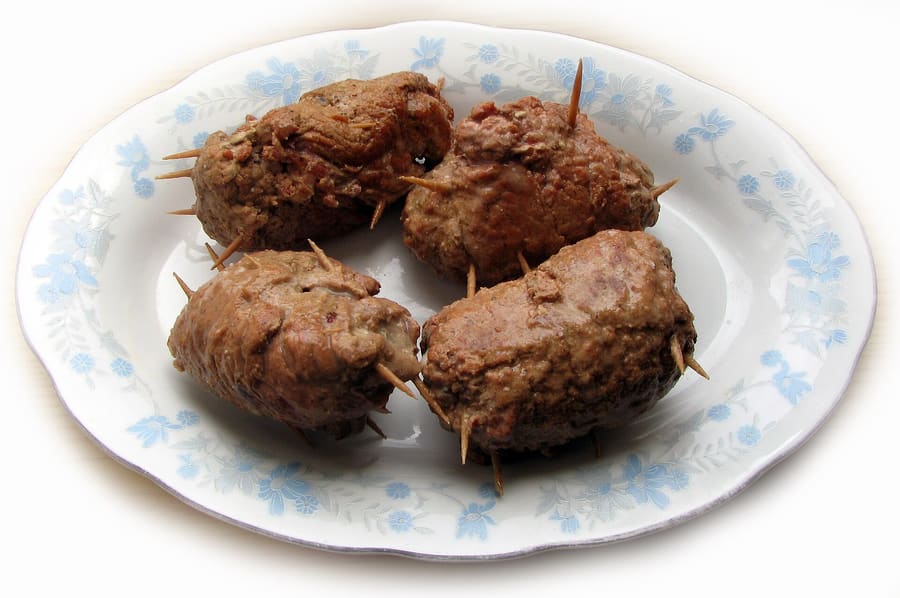
Rolada śląska served with kluski dumplings and braised red cabbage.
Mariuszjbie · CC BY-SA 3.0highlights
landmark
1971 saucer-shaped arena. Walk around its concrete apron at night when neon lights illuminate the outer ring.
Parley fragen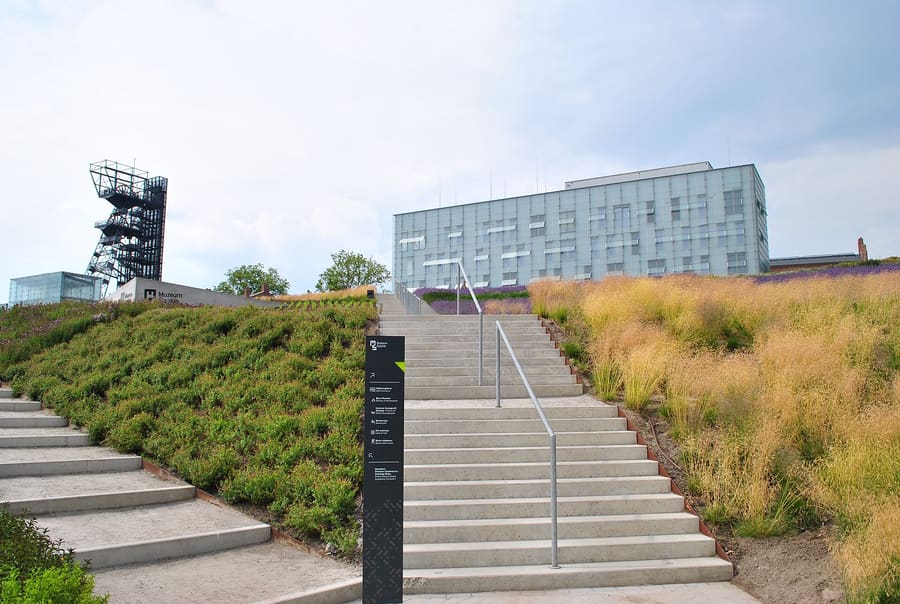
landmark
Art galleries set 14 metres underground inside a converted coal mine. Glass shafts above ground light the exhibits.
Parley fragen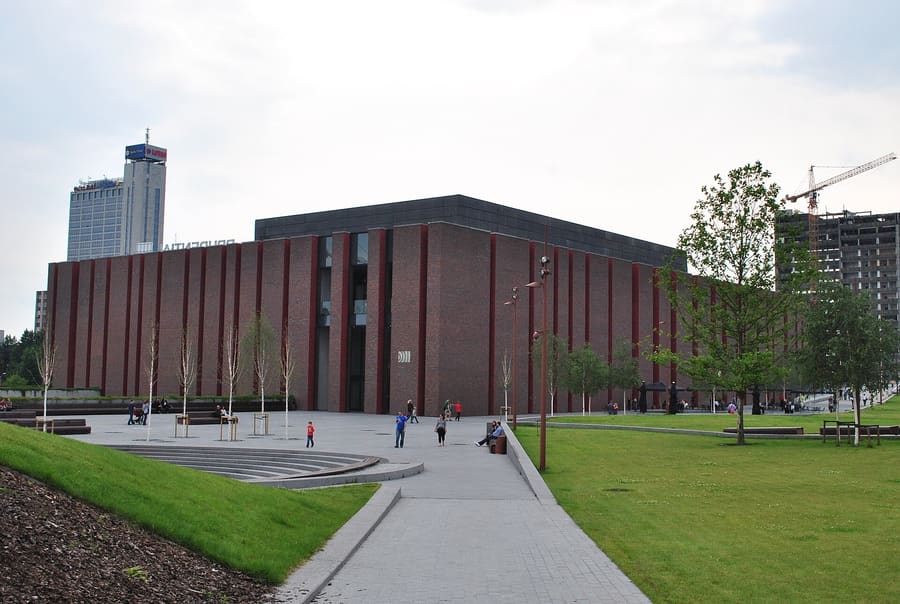
landmark
Acoustic concert hall built with 80,000 clinker bricks. Unsold seats drop in price 45 minutes before showtime.
Parley fragen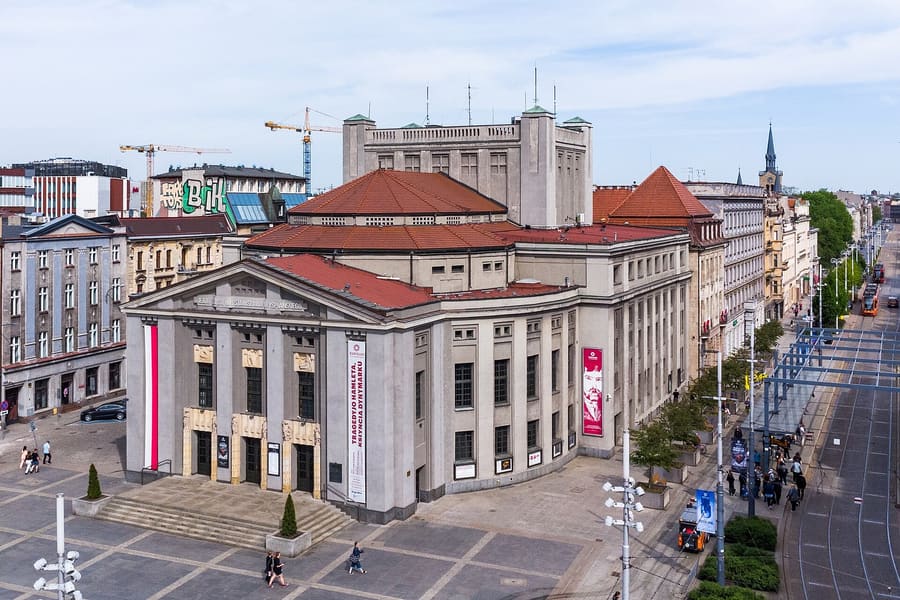
landmark
Neoclassical building anchoring Rynek square. Sit on the steps facing the artificial Rawa stream on warm days.
Parley fragen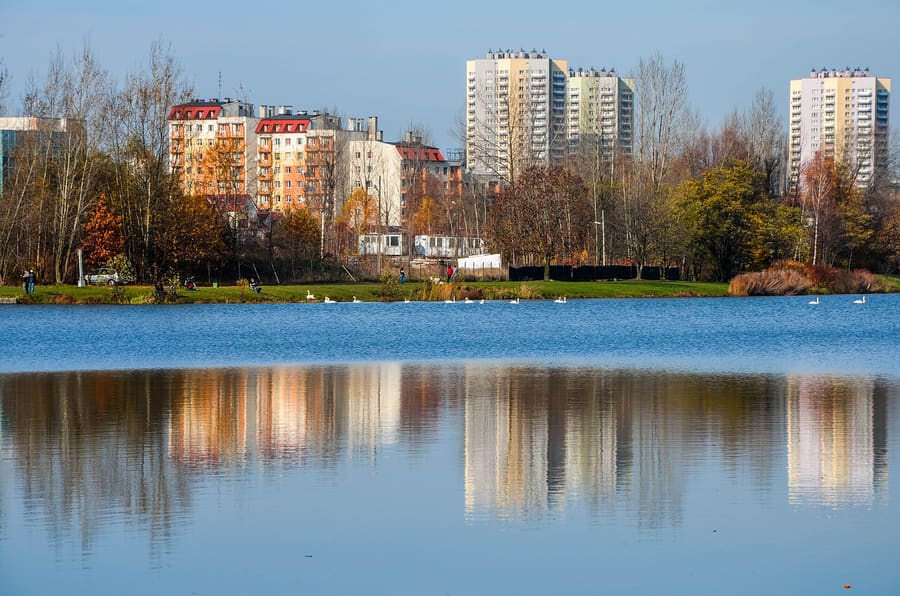
landmark
Three connected lakes with paved cycle paths south of downtown. Rent a city bike at Katowice Główny to ride here.
Parley fragenattractions
areas
Modernist street grids, pedestrian dining lanes, and quick transit links.
In der NäheCentral station, Silesian Theatre, Spodek
Parley fragenEnclosed red-brick blocks, traditional bakery scents, and quiet cobblestone courtyards.
In der NäheWilson Shaft Gallery, Silesian bakeries
Parley fragenMid-century residential blocks, shady green squares, and local espresso bars.
In der NäheSpodek, Culture Zone, Silesian Museum
Parley fragenPine forests, university campuses, and low-rise residential quiet.
In der NähePanewniki Monastery, Katowice Forest Park
Parley fragenfood
Silesian cuisine reflects hard physical mining labour. Plates rely on pork, beef, potatoes, and cabbage prepared with deliberate care. Modern Katowice kitchens refine these recipes while maintaining heavy portions.
Rolada śląska served with kluski dumplings and braised red cabbage.
Mariuszjbie · CC BY-SA 3.0Request rolada śląska (beef roll filled with bacon and pickle), kluski (potato dumplings with a center dimple), and modra kapusta (braised red cabbage).
Traditional milk bars serve hot Silesian lunch plates starting at 11:30. Popular items often sell out by 14:30.
Craft beer taprooms along Mariacka street accept card payments exclusively. Cash is rarely necessary.
history
Katowice expanded from a small village into an industrial power in the mid-19th century. Rich coal seams drew European industrial capital and heavy railway expansion. Late-20th-century pit closures forced a transition toward culture and technology.
City Charter
Katowice receives city rights following industrial expansion powered by the Upper Silesian Railway.
Silesian Autonomous Voivodeship
The city becomes the capital of the autonomous Silesian Voivodeship following the Silesian Uprisings.
Spodek Arena Opens
The saucer arena opens, establishing Katowice as a premier Polish venue for international events.
Culture Zone Built
Former Katowice Coal Mine lands open as a public zone housing NOSPR, Muzeum Śląskie, and a congress centre.
where to stay
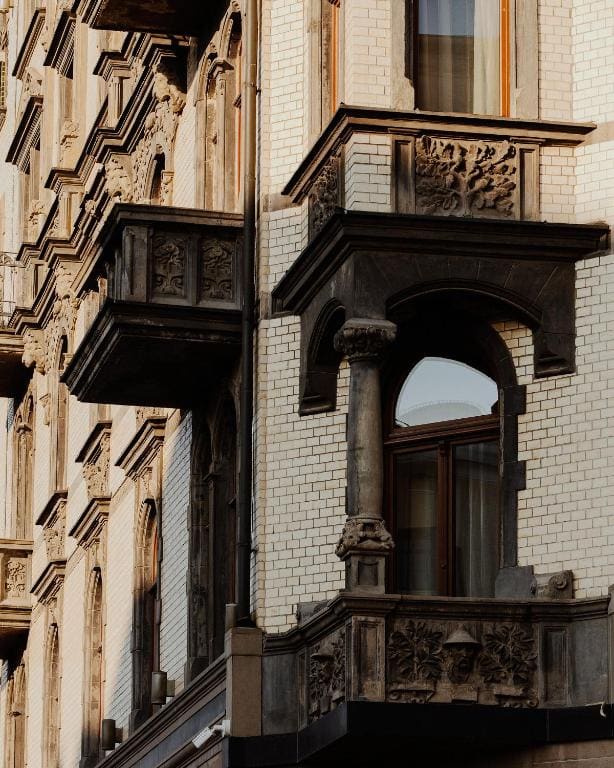
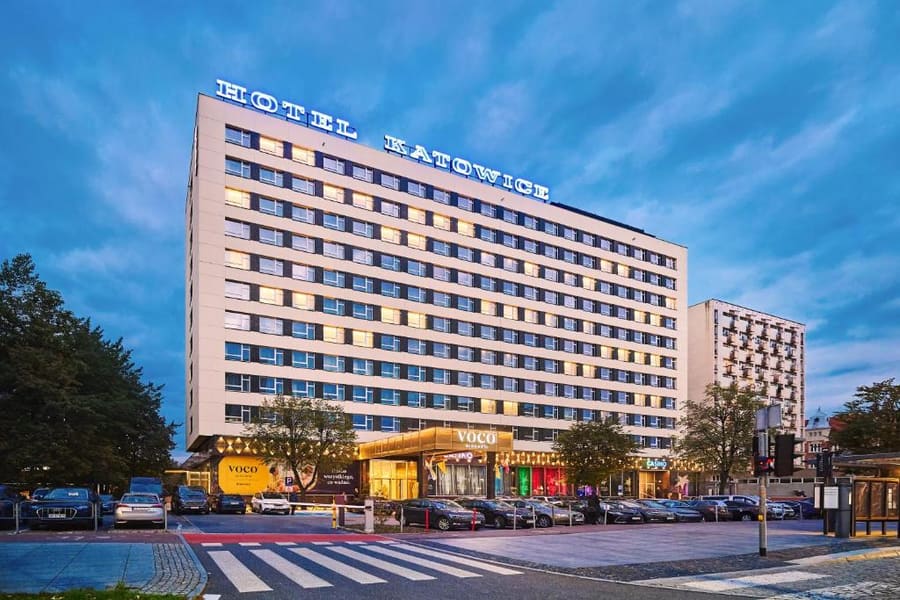
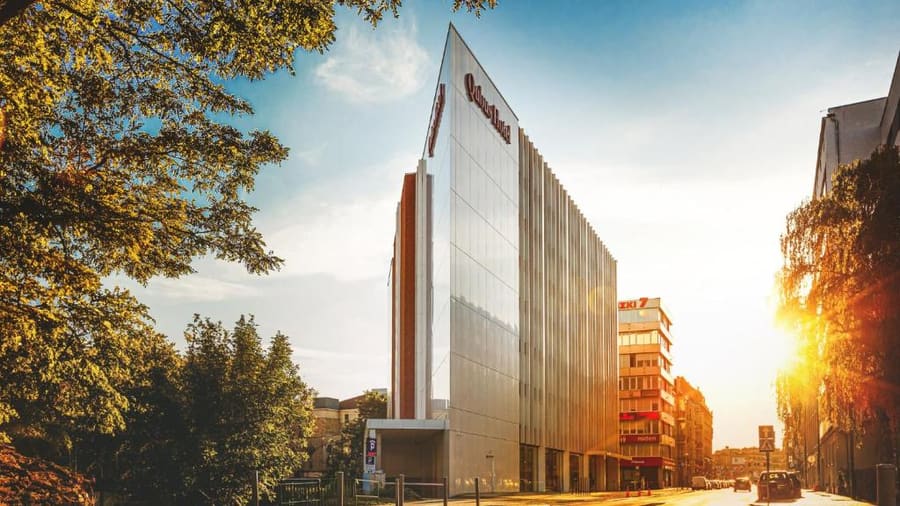
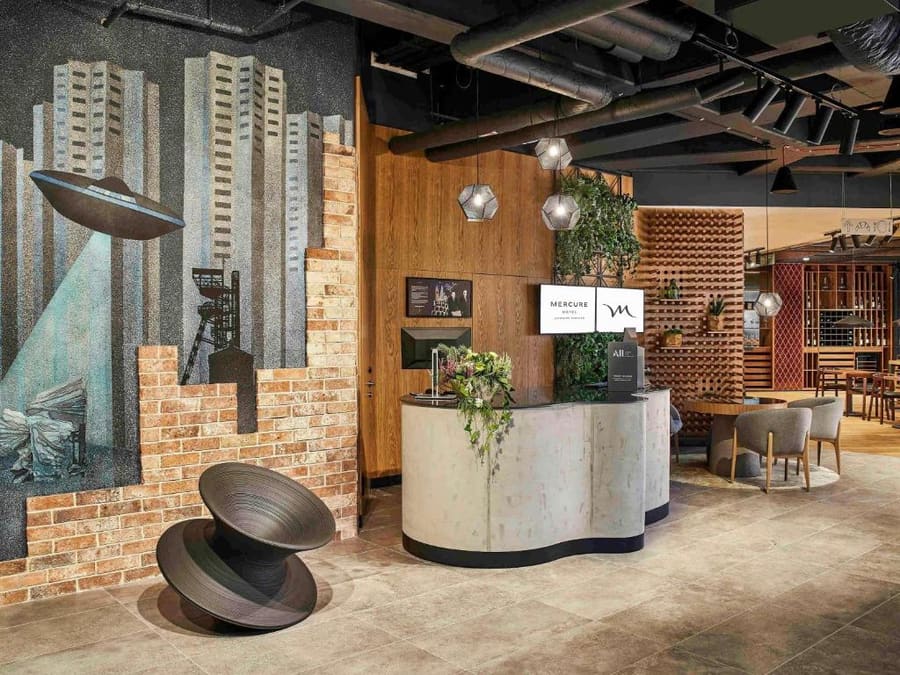
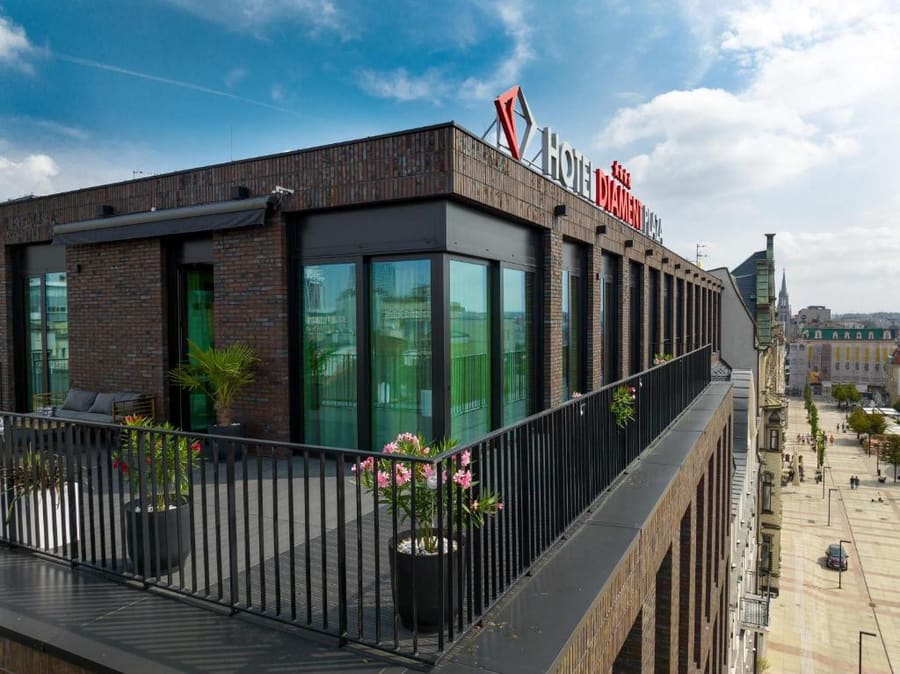
Choose your district by transit convenience. Śródmieście puts you within walking distance of the central train station and night dining. Koszutka offers quiet streets right next to the Spodek arena and NOSPR hall. Nikiszowiec delivers unique historic brick architecture five kilometres east of the core.
Live rates, matched to the areas above.
transport
Katowice possesses an extensive tram and bus network managed by ZTM Metropolis. The city centre is fully walkable, but reaching outer worker districts like Nikiszowiec requires public transit or urban rail.
Buy single-ride, 90-minute, or 24-hour network passes inside the Transport GZM mobile application.
Tap contactless credit cards on yellow validators mounted inside trams and buses to purchase single tickets.
Regional trains from Katowice Główny reach nearby cities like Gliwice, Zabrze, and Tychy in under 25 minutes.
Night buses and night trams display an 'N' prefix and depart hourly from the central station underground terminal.
cost
Katowice costs significantly less than Warsaw or Kraków. Dining out, transit, and museum entries offer strong value for international travellers.
Covers a main plate of Silesian beef roll with dumplings and red cabbage at mid-range dining spots.
Price for a 500ml pour of regional craft beer on Mariacka street taprooms.
Includes access to all permanent subterranean exhibits and the converted mine shaft tower view.
seasonality
MAR – MAY
Temperatures average 10°C to 18°C. Cool weather for street walking with low visitor numbers.
JUN – AUG
Warmest months average 24°C. Major music events fill the Culture Zone and local hotel capacity.
SEP – NOV
Crisp autumn weather averaging 12°C. Forest parks turn yellow and cultural season starts.
DEC – FEB
Cold weather drops below 0°C with snow. Christmas markets occupy Rynek square throughout December.
practicalities
Muzeum Śląskie offers free admission to its permanent exhibitions every Tuesday.
Katowice runs primarily on digital transactions; payment cards work at food stalls, kiosks, and public toilets.
Most large grocery stores close on Sundays due to Polish law. Small convenience shops like Żabka remain open.
Katowice anchors the regional Silesian industrial trail, connecting dozens of technical heritage sites.