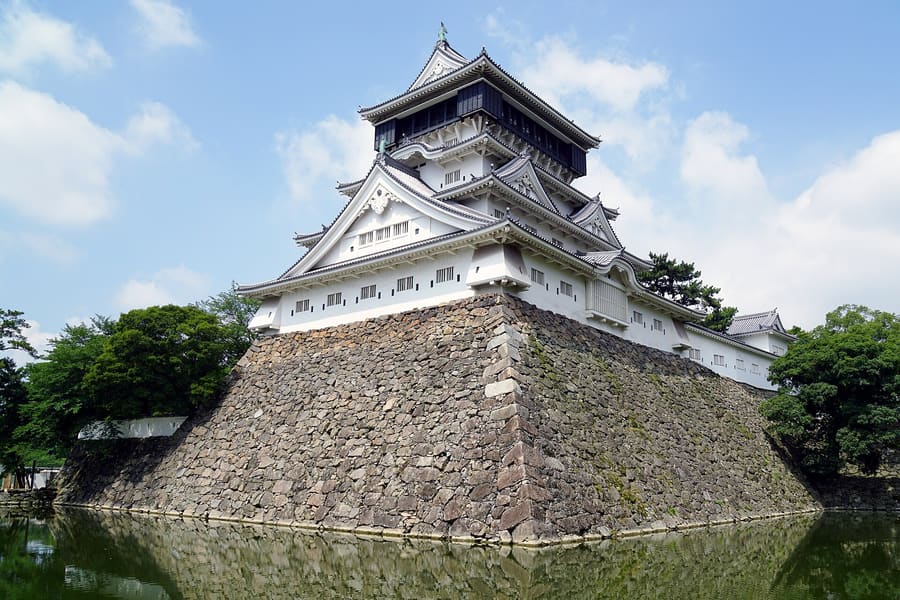
landmark
Kokura Castle
Rebuilt in 1959 with a distinctive top floor wider than the one below. Enter the rock garden for a quiet hour.
Parley fragen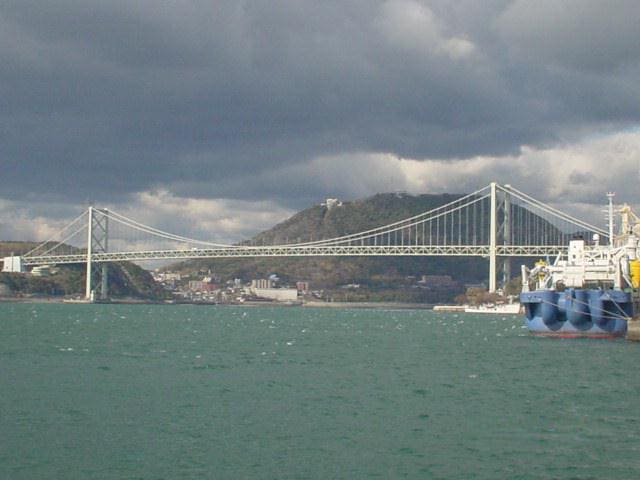
Japan
Industrial grit meets retro ports and night panoramas.
introduction
Kitakyushu formed in 1963 from five distinct industrial towns along the Kanmon Straits. Kokura serves as the high-speed rail junction, while Moji Port holds red-brick early-twentieth-century trade architecture. You move between districts primarily via JR local trains and the urban monorail. Expect working-class eating alleys, heavy industry alongside forested peaks, and fewer international crowds than neighboring Fukuoka.
Arrival trick
Sanyo Shinkansen trains stop at Kokura, bypassing Fukuoka's city traffic. The airport bus from Kitakyushu Airport takes 35 minutes to reach Kokura Station.
UNESCO recognition
The 1901 Imperial Steel Works in Yahata holds UNESCO World Heritage status as part of Japan's Meiji Industrial Revolution sites.
Planning trick
Kawachi Wisteria Garden requires timed advance tickets from convenience store kiosks during peak late-April blooms. Walk-in entry is refused.
Kitakyushu
Muyo · CC BY-SA 3.0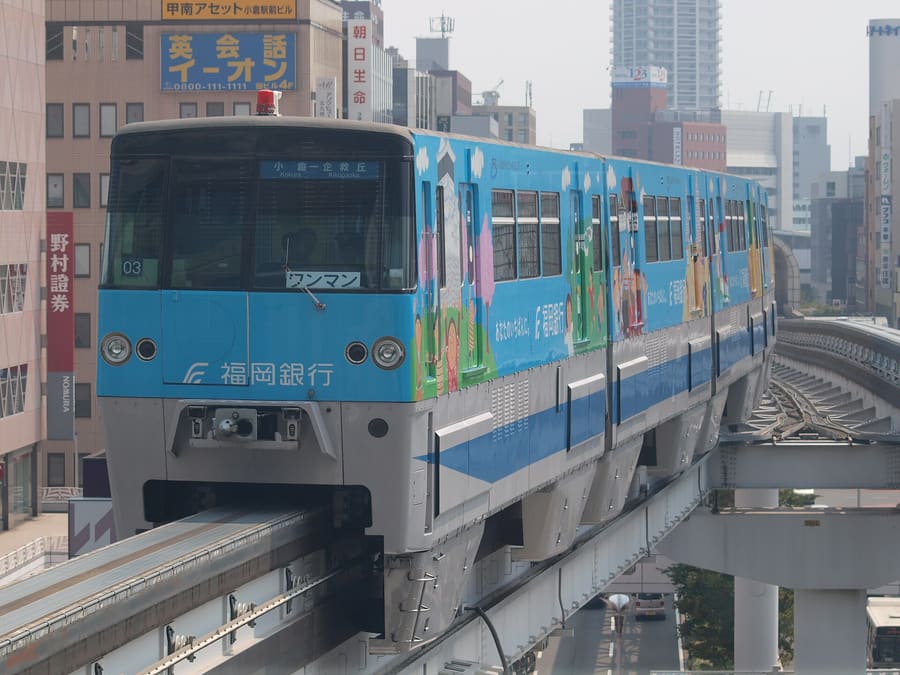
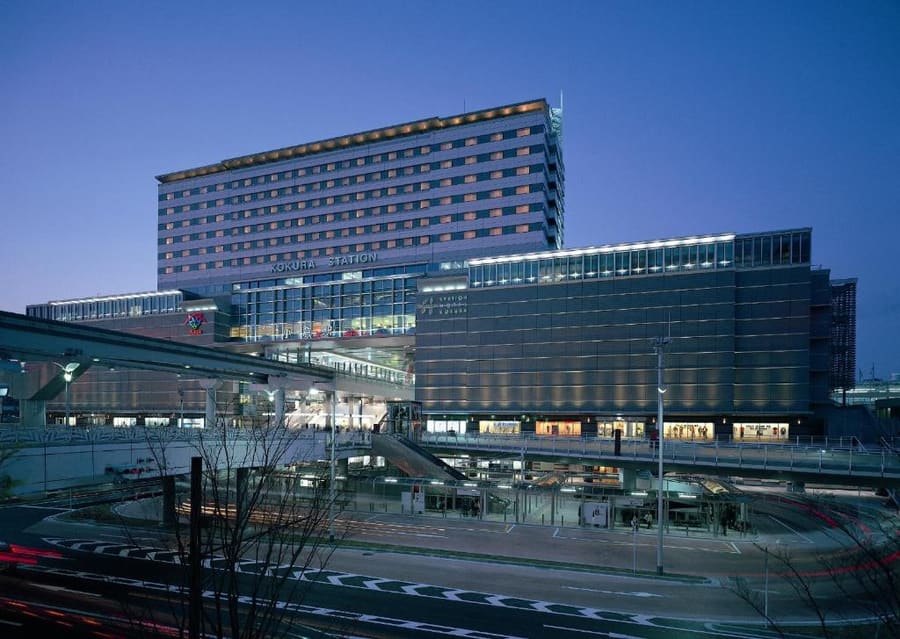
Kokura — Central transit hub with covered shopping arcades, izakayas, and high-speed rail access.
eitarov · CC BY 2.0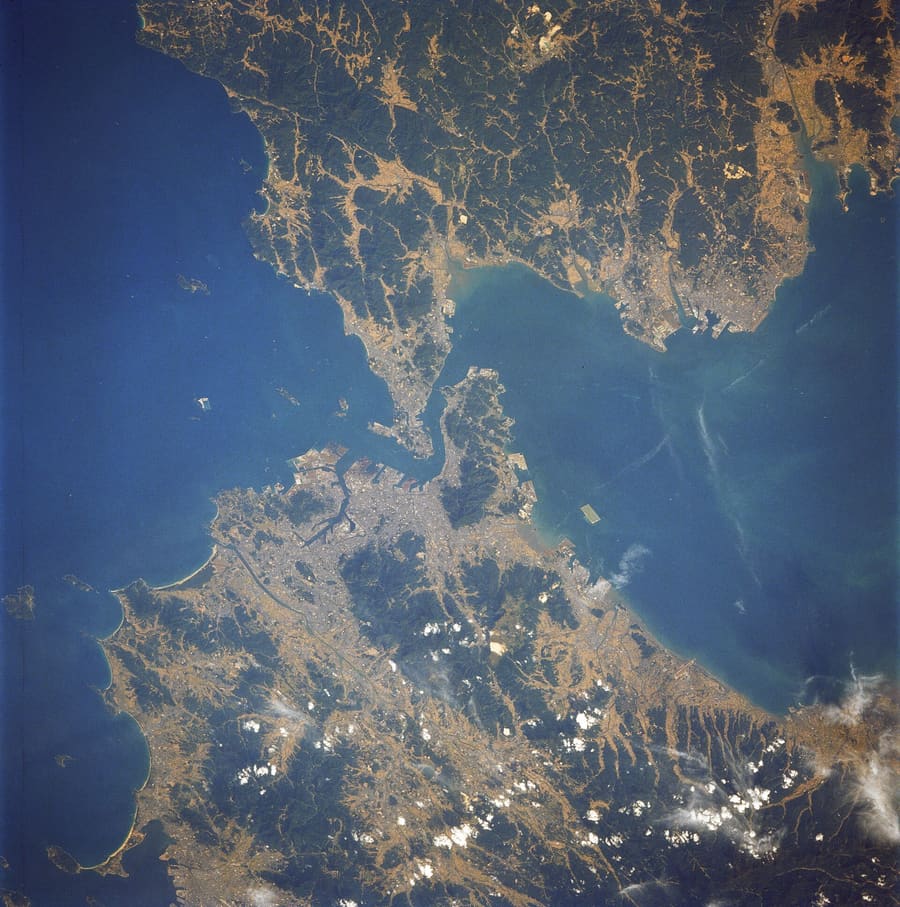
Moji — Quiet port district featuring early-twentieth-century Western architecture and waterfront walks.
Image Science and Analysis Laboratory, NASA-Johnson Space Center · Public domain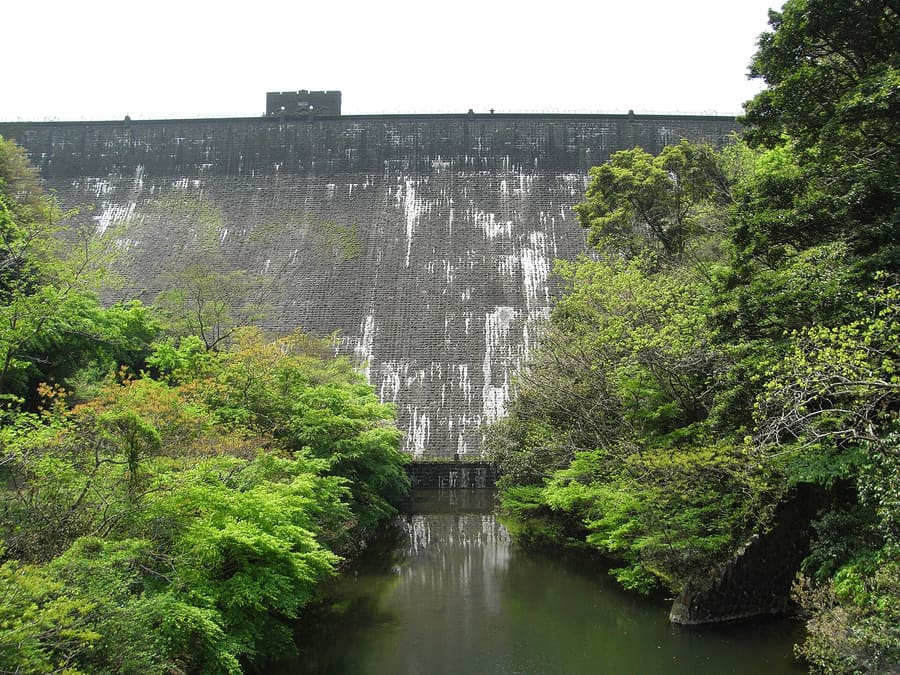
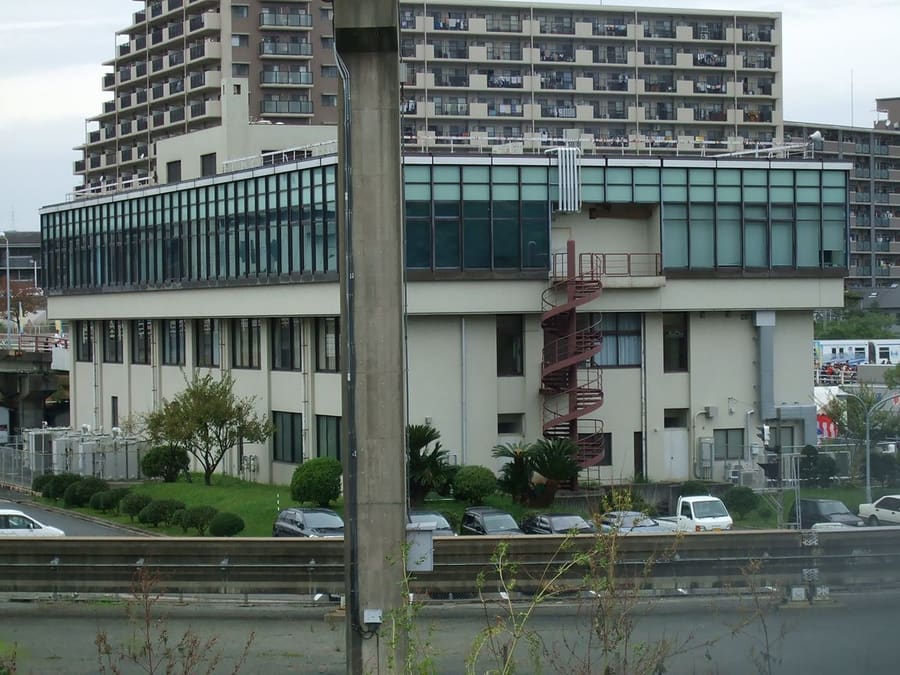
Yahata — Former steel mill town positioned at the base of Mount Sarakura.
河川一等兵 · Public domain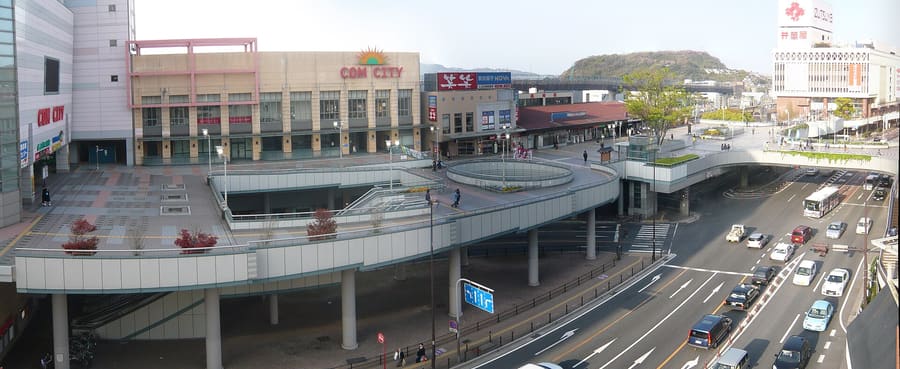
Kurosaki — Western commercial center known for dense izakaya alleys and local night venues.
Hide-sp stitched by Marku1988 This image was created with Hugin. · CC BY-SA 3.0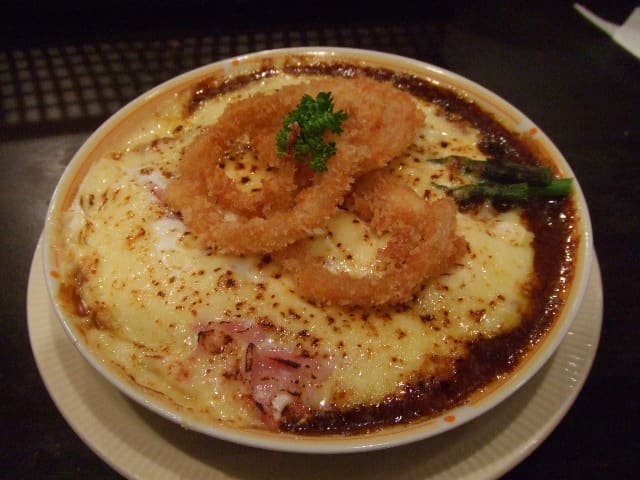
Mojiko Yaki Curry, baked with rice, curry sauce, cheese, and an egg.
投稿者 · CC BY-SA 3.0highlights
landmark
Rebuilt in 1959 with a distinctive top floor wider than the one below. Enter the rock garden for a quiet hour.
Parley fragen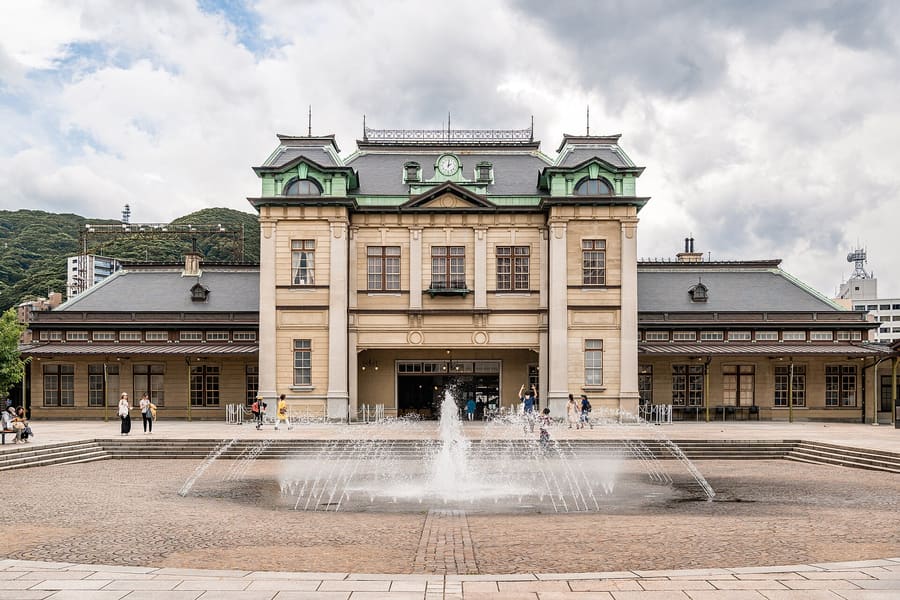
landmark
Preserved 1910s trading port buildings line the harbor. Walk the restored 1914 station concourse.
Parley fragen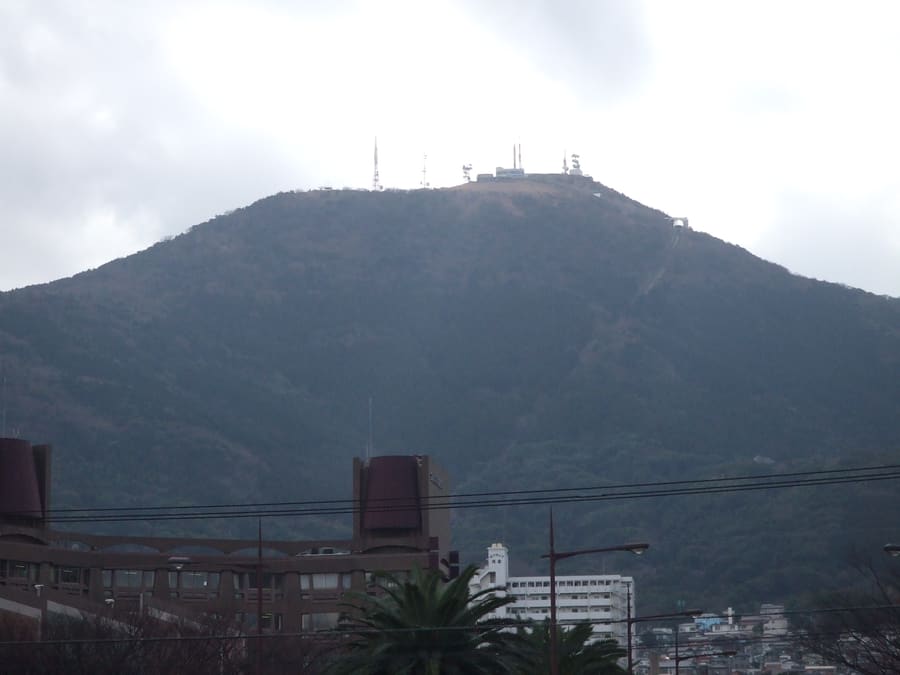
landmark
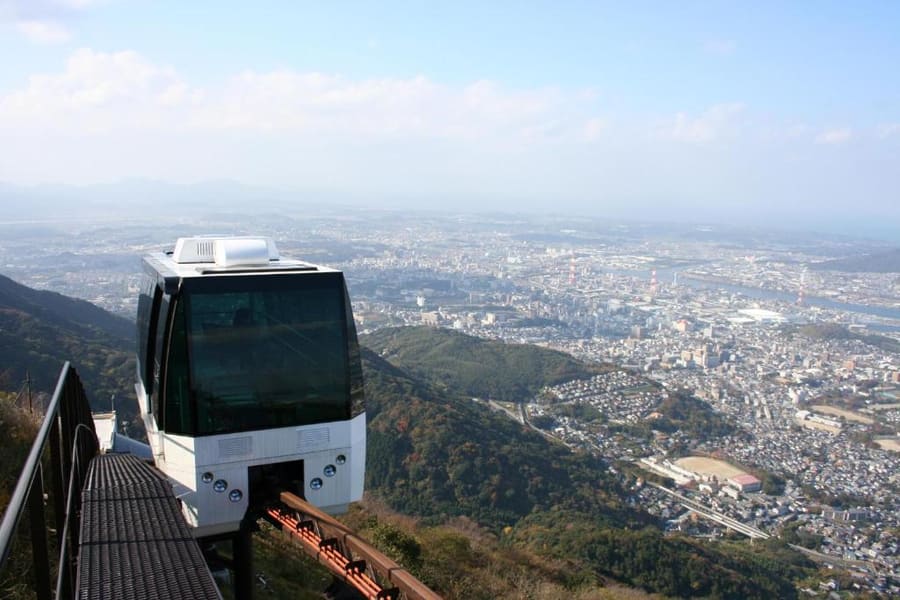
A slope car and cable car reach the 622-meter summit. Night views cover the entire industrial bay.
Parley fragen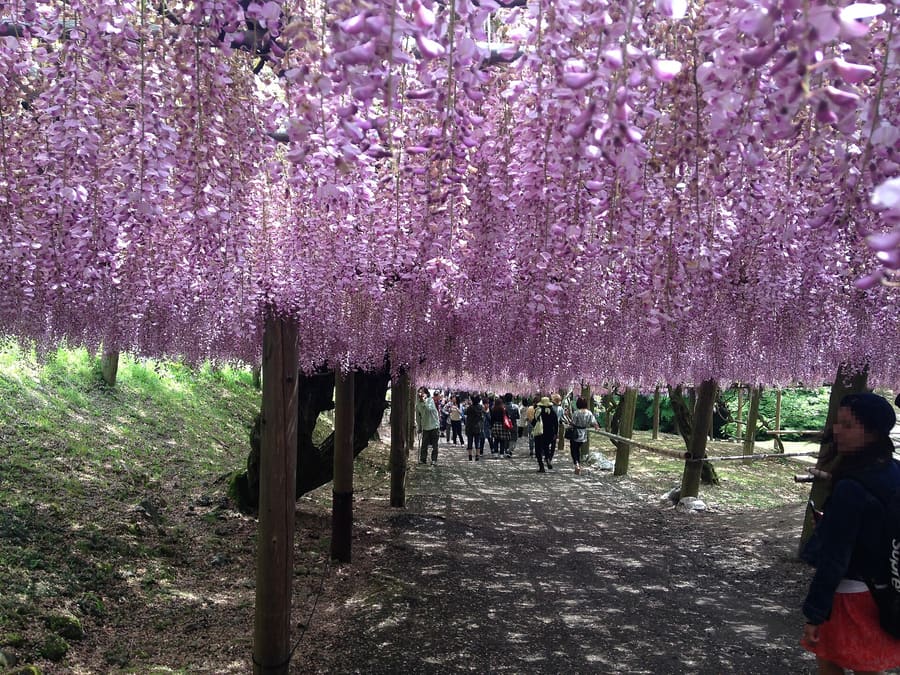
landmark
Private garden featuring two 100-meter wisteria tunnels. Open only during late spring bloom and autumn leaf season.
Parley fragen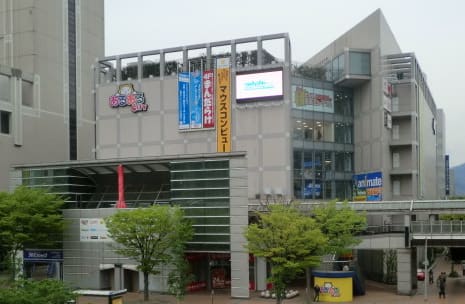
landmark
Located in Aruaru City next to Kokura Station. Features a reading zone with 70,000 cataloged manga volumes.
Parley fragen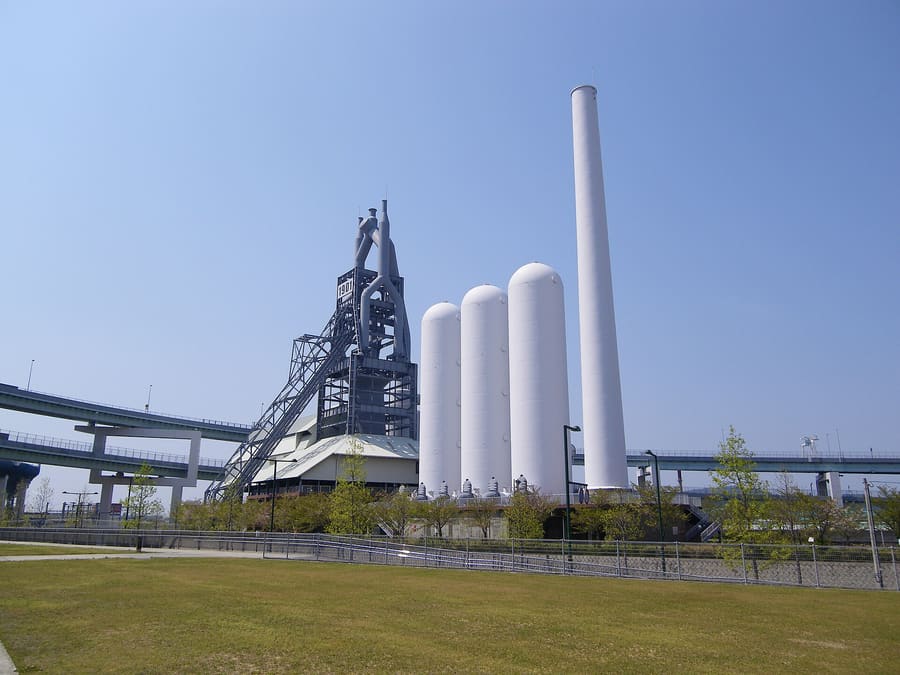
landmark
The founding site of modern Japanese steel manufacturing in 1901. Walkways surround the towering steel structure.
Parley fragenattractions
areas
Central transit hub with covered shopping arcades, izakayas, and high-speed rail access.
In der NäheKokura Castle and Tanga Market
Parley fragenQuiet port district featuring early-twentieth-century Western architecture and waterfront walks.
In der NäheKanmon Pedestrian Tunnel to Shimonoseki
Parley fragenFormer steel mill town positioned at the base of Mount Sarakura.
In der NäheHigashida Blast Furnace and Mount Sarakura
Parley fragenWestern commercial center known for dense izakaya alleys and local night venues.
In der NäheJR Kagoshima Main Line local connections
Parley fragenfood
Kitakyushu cuisine centers on port trade history and the surrounding marine currents. Mojiko introduced baked curry to Japan, layering rice, curry sauce, cheese, and a raw egg before broiling. At Tanga Market in Kokura, seafood stalls serve nukamiso-taki, fish simmered in fermented rice-bran paste. Local ramen shops specialize in thick pork-bone broths distinct from the lighter styles of central Fukuoka.
Mojiko Yaki Curry, baked with rice, curry sauce, cheese, and an egg.
投稿者 · CC BY-SA 3.0Curry specialty houses near Moji-ko Station fill by 12:00. Arrive at 11:30 to avoid waiting outdoors.
history
Kokura developed as a castle town controlling the northern entrance to Kyushu. The opening of Moji Port in 1889 established a international shipping node for coal from regional mines. In 1901, the imperial government opened the Yahata Steel Works, turning the area into Japan's heavy industrial core. Five adjacent municipalities merged in 1963 to form the unified city of Kitakyushu.
Castle Construction
Hosokawa Tadaoki builds Kokura Castle, establishing the town as a regional administrative stronghold.
Port Opening
Moji Port opens for international trade, exporting regional coal across East Asia.
Steel Industry Begins
Imperial Steel Works opens in Yahata, laying the foundation for modern Japanese manufacturing.
Five-City Merger
Kokura, Moji, Yahata, Tobata, and Wakamatsu unite to form the city of Kitakyushu.
where to stay
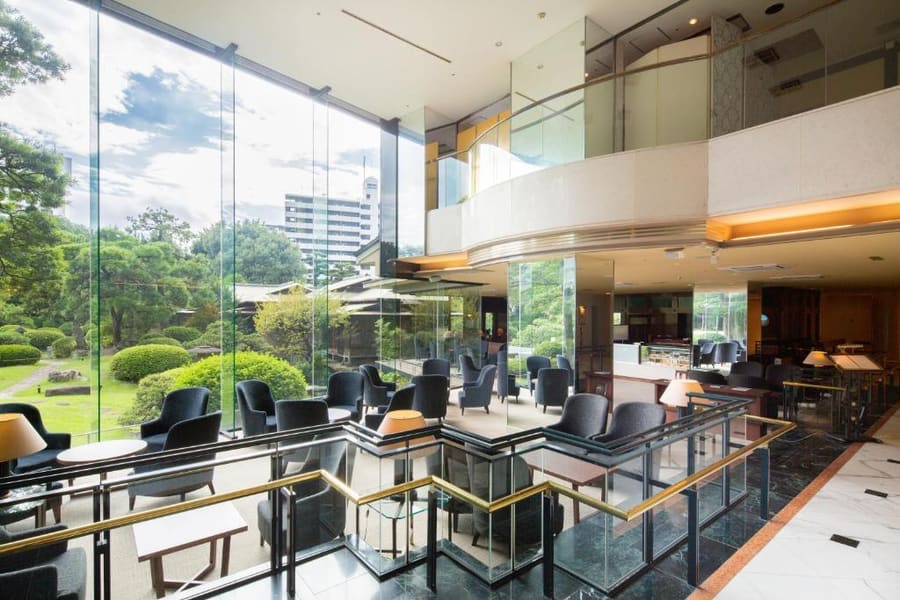
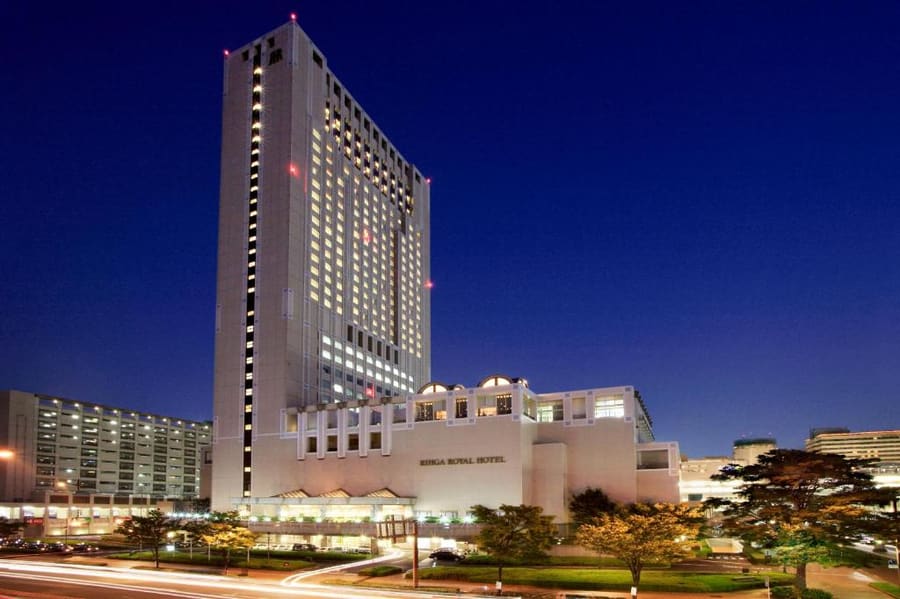
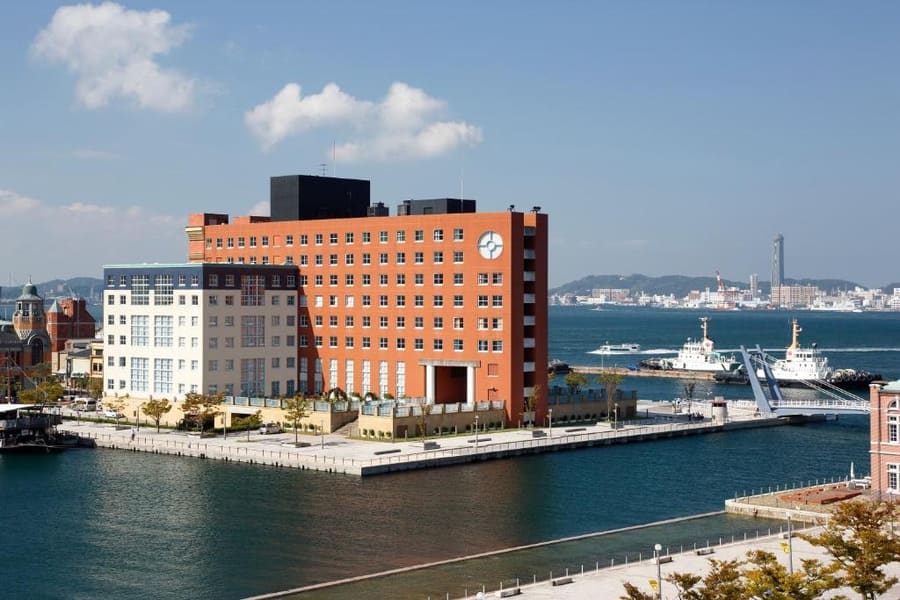
Choose your base based on transport needs and evening preferences. Staying near Kokura Station gives you direct Shinkansen access and late-night dining choices. Moji offers seaside character and quiet evenings, but requires a 15-minute train ride to reach main rail hubs.
Live rates, matched to the areas above.
transport
The JR Kagoshima Main Line connects all major coastal districts from Moji in the east to Kurosaki in the west. To travel south through Kokura, use the Kitakyushu Monorail, which runs directly from inside Kokura Station. IC transit cards work across all public rail and bus lines in the city.
Ab KKJ (Kitakyushu Airport) or Kokura Station
Non-stop bus runs from Kitakyushu Airport straight to Kokura Station Bus Terminal.
Useful from Kitakyushu Airport late at night after bus services finish.
The monorail platforms are located inside Kokura Station on the third floor concourse.
Suica, Pasmo, and Sugoca cards tap seamlessly on city buses, monorail gates, and JR lines.
Kanmon Way Line ferries run every 20 minutes between Mojiko and Shimonoseki.
Board at Kurosaki-Ekimae Station to travel inland toward Naokata.
cost
Daily expenses in Kitakyushu run roughly 20 percent lower than in Tokyo or Osaka. Local meals, entrance fees, and transit stay reasonable across all five urban hubs.
Standard dish price at portside lunch venues.
Ticket covers main keep exhibits and upper lookout.
Round-trip combination ticket for cable car and slope car.
Unlimited rides on the 8.8km line south from Kokura.
seasonality
MAR – MAY
Spring brings castle cherry blossoms and late-April wisteria blooms. Expect high visitor counts at Kawachi Garden.
JUN – AUG
Hot and humid conditions with summer fireworks along the Kanmon Strait in mid-August.
SEP – NOV
Clear autumn days with cooler temperatures. Ideal weather for Mount Sarakura night viewing.
DEC – FEB
Cold coastal winds from the sea. Lower hotel rates and minimal crowds across all museums.
practicalities
Kokura Station coin lockers fill early on weekend mornings near the Shinkansen gates.
The Kanmon Pedestrian Tunnel allows you to walk 780 meters under the ocean from Mojiko to Honshu.
Traditional stalls inside Tanga Market accept cash only. ATMs are inside 7-Eleven stores.
Free shuttle buses run between JR Yahata Station and the cable car station on weekends.
The Kanmon Strait currents reach up to 10 knots. Passenger ferries adjust routes based on tides.