landmark
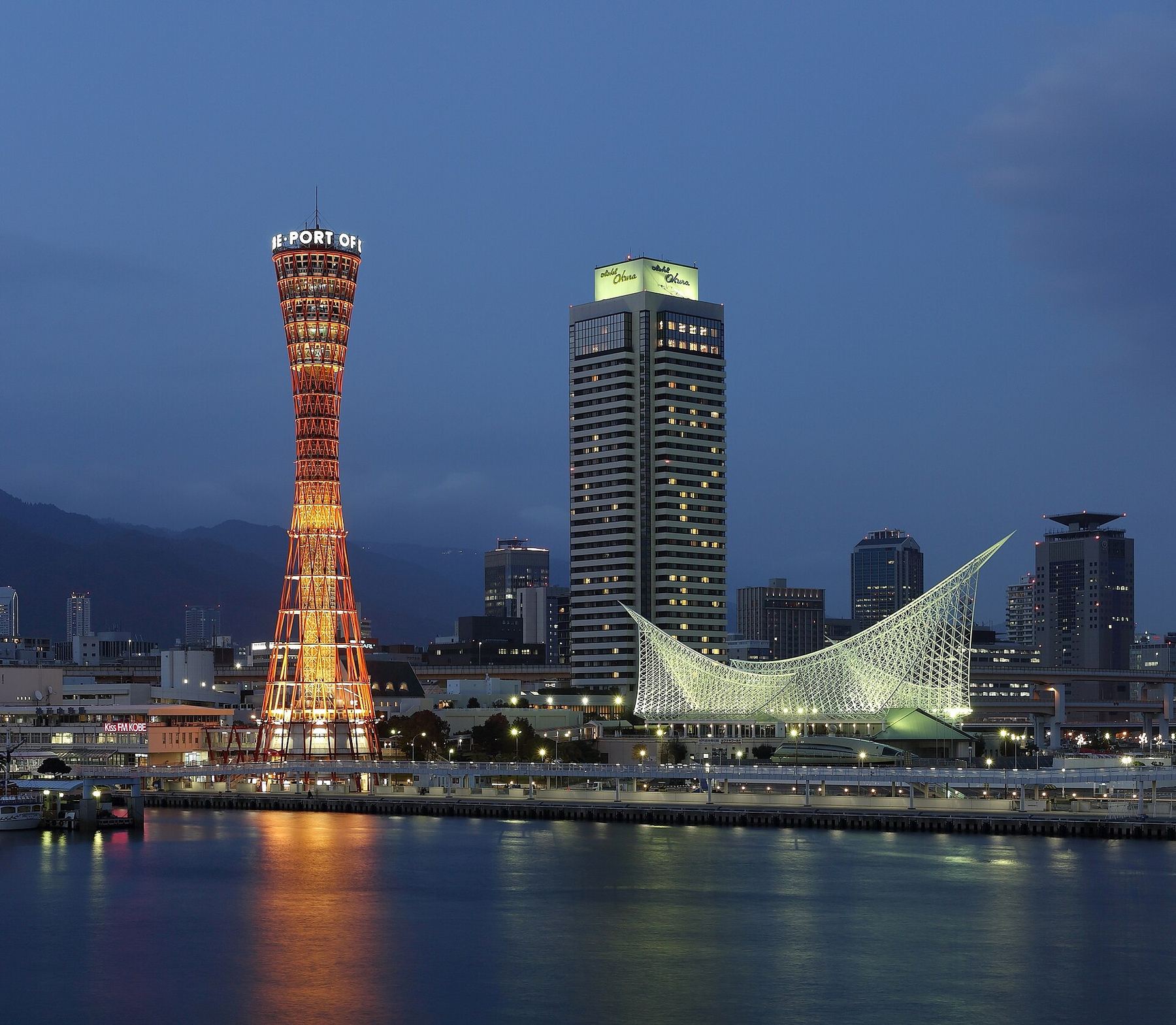
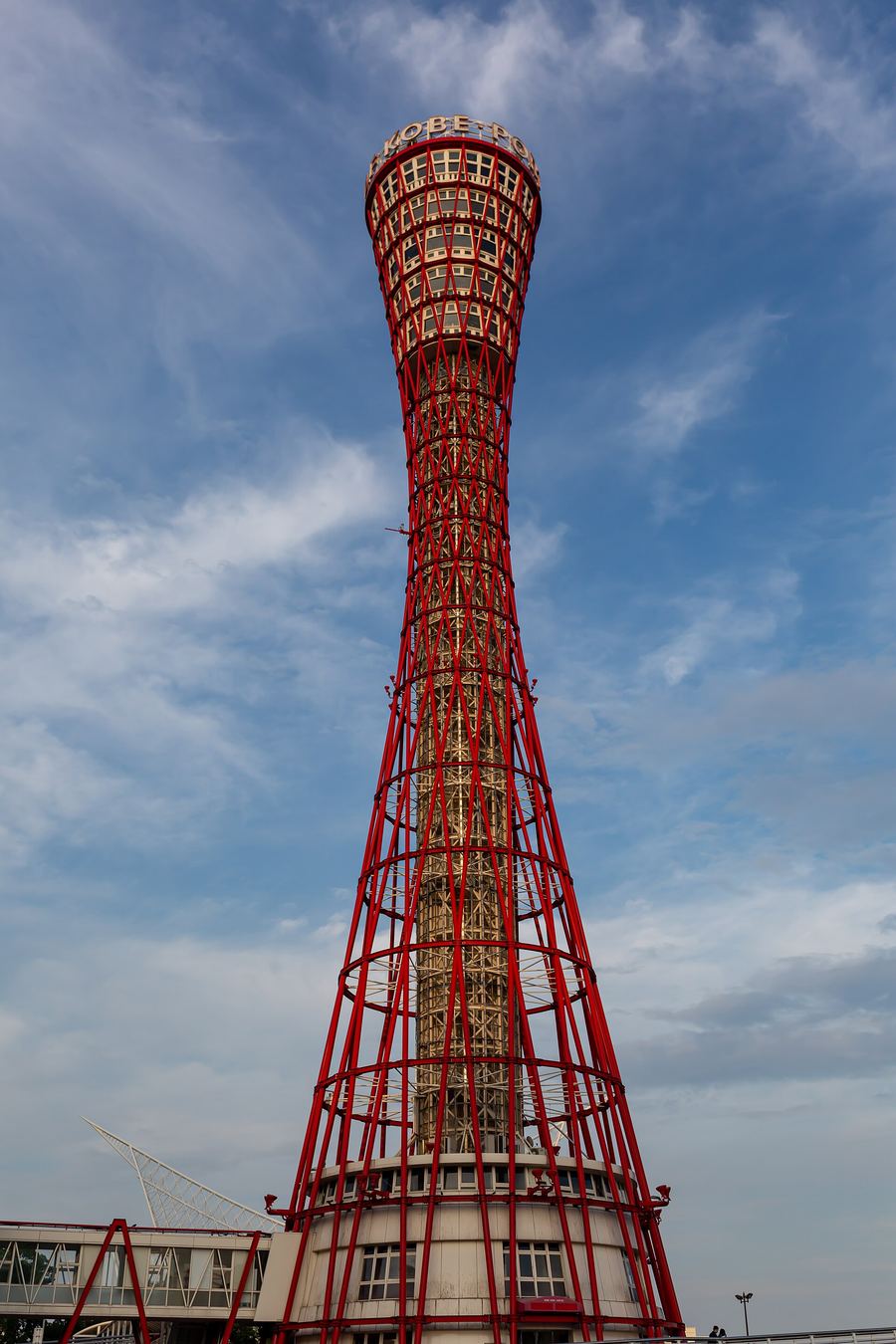
Kobe Port Tower
Red steel hyperboloid tower built in 1963. Visit at sunset for harbor views, but clear security checks early on weekend evenings.
Parley fragenJapan
Mountains behind, harbor ahead, and Japan's finest beef.
introduction
Kobe rests on a narrow coastal strip between Mount Rokko and Osaka Bay. Shin-Kobe lies directly north of Sannomiya, while Kobe's primary regional rail corridors run east-to-west along the coast through Sannomiya. High-speed rail brings you from Kyoto in under thirty minutes, but the mountain geography keeps local transit linear and easy to master. Expect a compact port city where Western merchant houses, historic shrines, and steakhouses exist within short walking distances.
Airport access trick
Take the Kobe-KIX Bay Shuttle ferry from Kansai Airport. The boat crosses the bay in 30 minutes and offers a discounted fare for foreign passport holders.
Designated Creative City
UNESCO named Kobe a City of Design in 2008. The title recognizes the city's post-earthquake urban planning and public design initiatives.
Transit pass tip
Buy the Kobe Loop Bus one-day pass if you visit Kitano and Harborland. It costs less than three individual bus fares and drops you at key sights.
Kobe
663highland · CC BY 2.5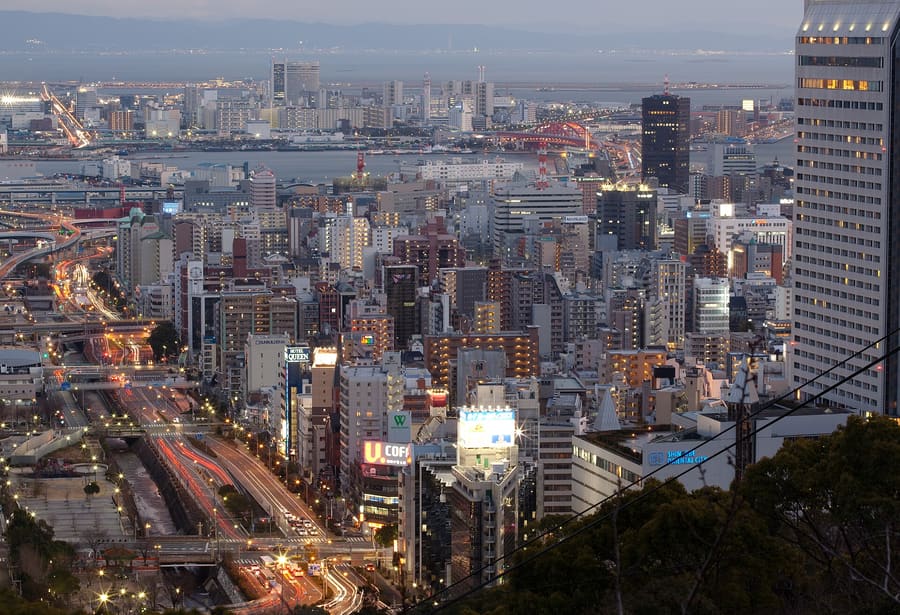
Sannomiya & Motomachi — The commercial heart packed with covered shopping arcades, railway arches, and late-night izakayas.
Laitr Keiows · CC BY-SA 3.0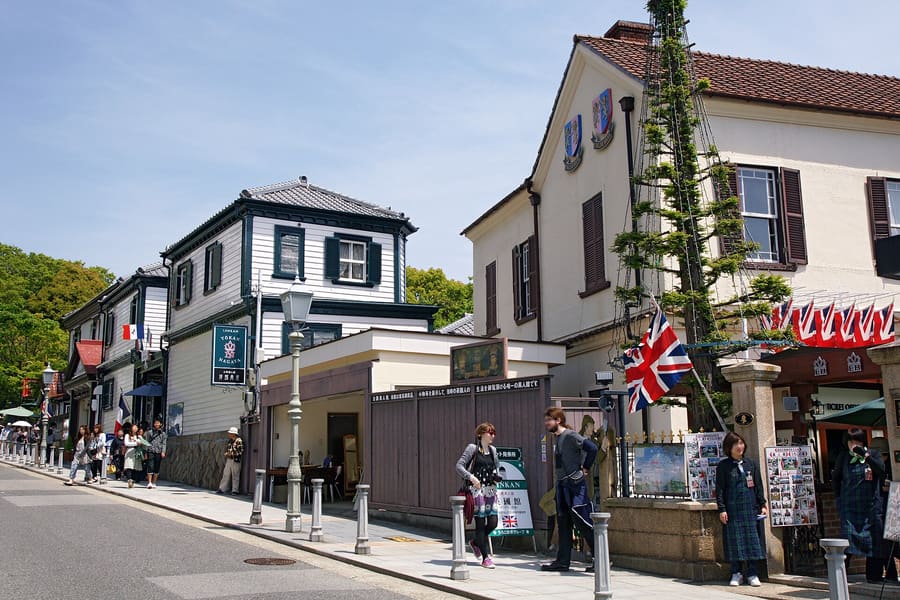
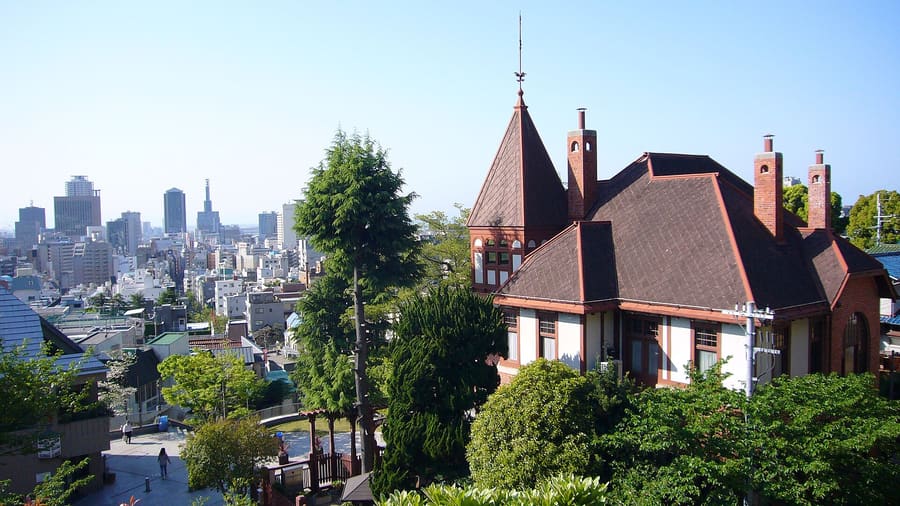
Kitano-cho — Quiet hillside district filled with preserved turn-of-the-century Western merchant residences.
663highland · CC BY 2.5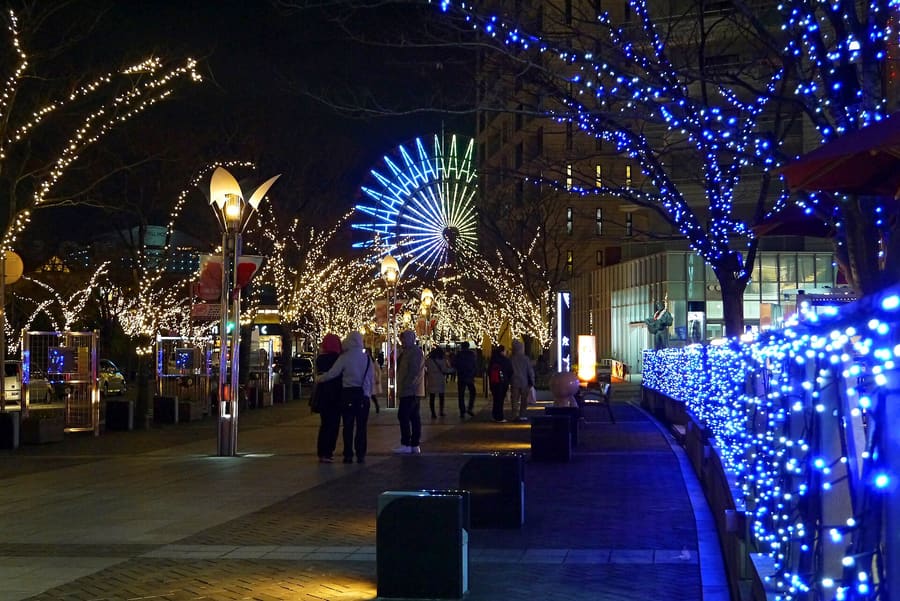
Harborland & Meriken Park — Open waterfront boardwalks, modern architecture, ocean views, and shopping malls.
Oilstreet · CC BY 2.5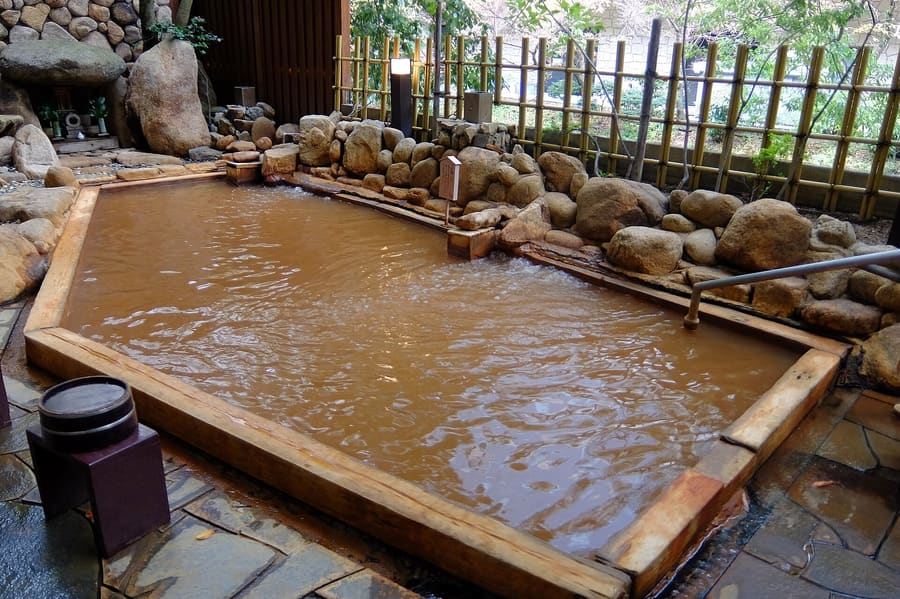
Arima Onsen — Historic mountain hot spring village featuring traditional ryokan and narrow alleys.
663highland · CC BY-SA 4.0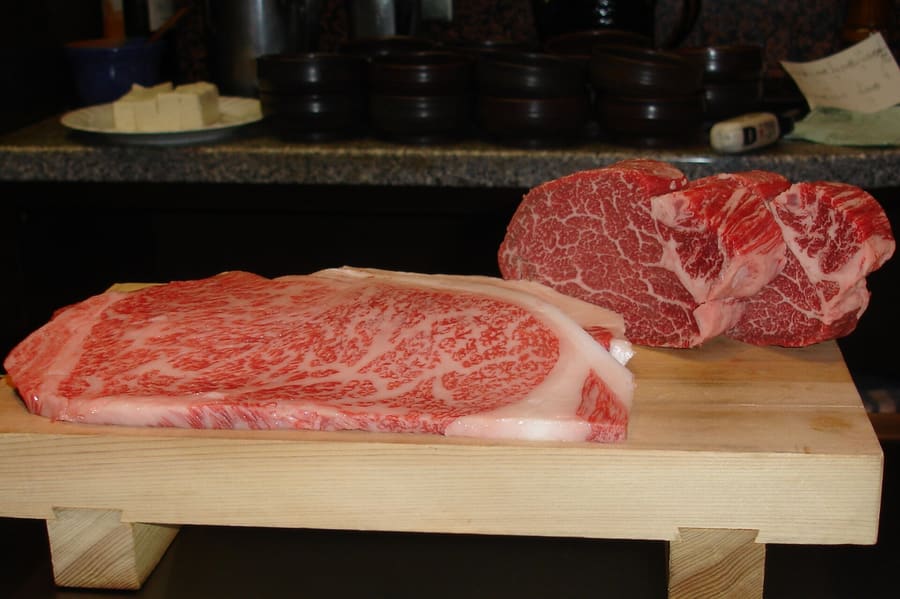
Teppanyaki chef preparing certified Kobe beef over high heat.
Orlando G. Calvo · CC BY-SA 3.0highlights
landmark
Red steel hyperboloid tower built in 1963. Visit at sunset for harbor views, but clear security checks early on weekend evenings.
Parley fragen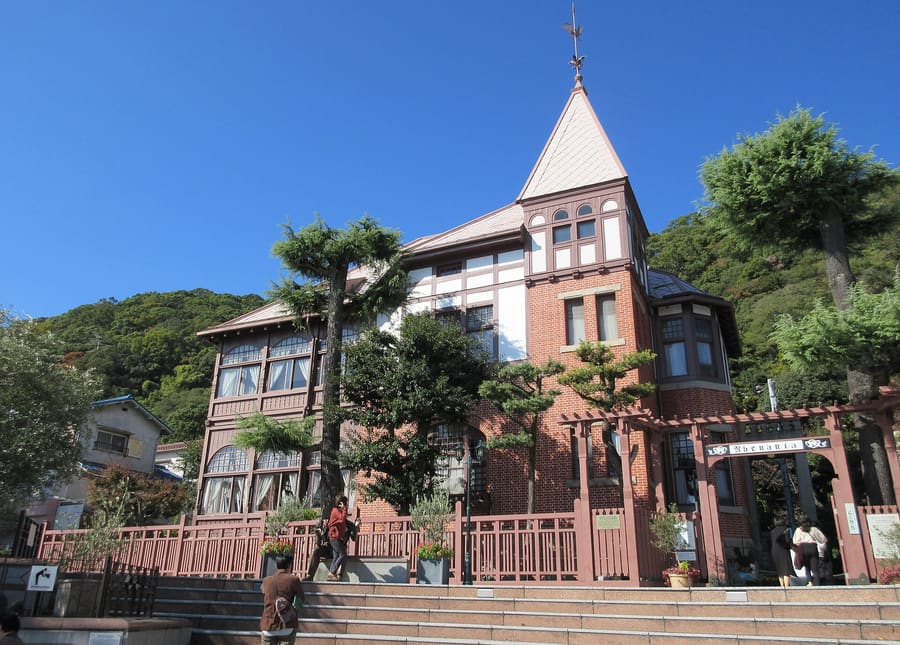
landmark
Former German merchant home from 1909 featuring a famous weathercock. Entry costs ¥500; pair it with a combined Kitano pass to save money.
Parley fragen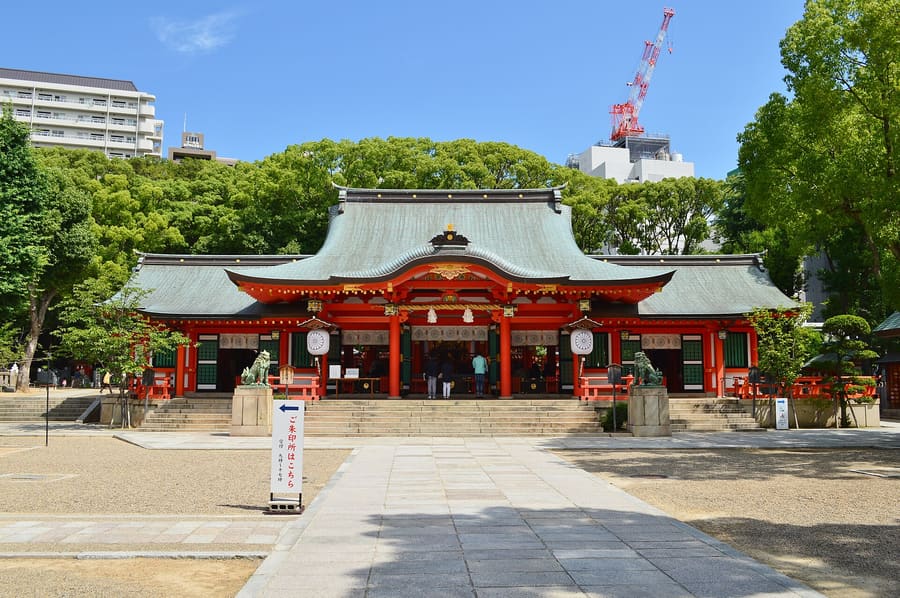
landmark
Shinto shrine dating back to 201 AD in the heart of downtown. Morning visits avoid crowds before nearby shopping arcades open at 10:00.
Parley fragen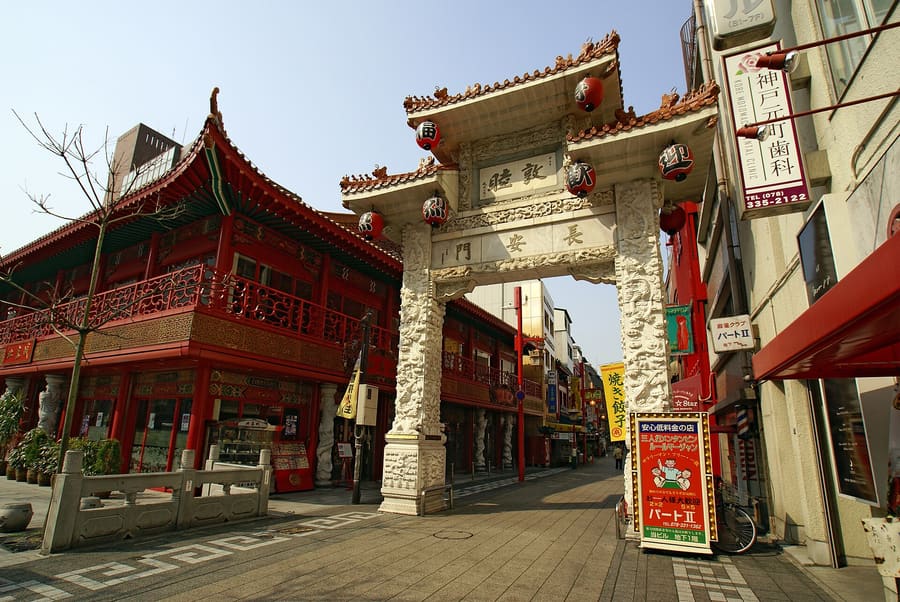
landmark
Kobe's Chinatown founded in 1868 with street food stalls. Queue early for pork buns at Roshoki or face 45-minute wait times.
Parley fragen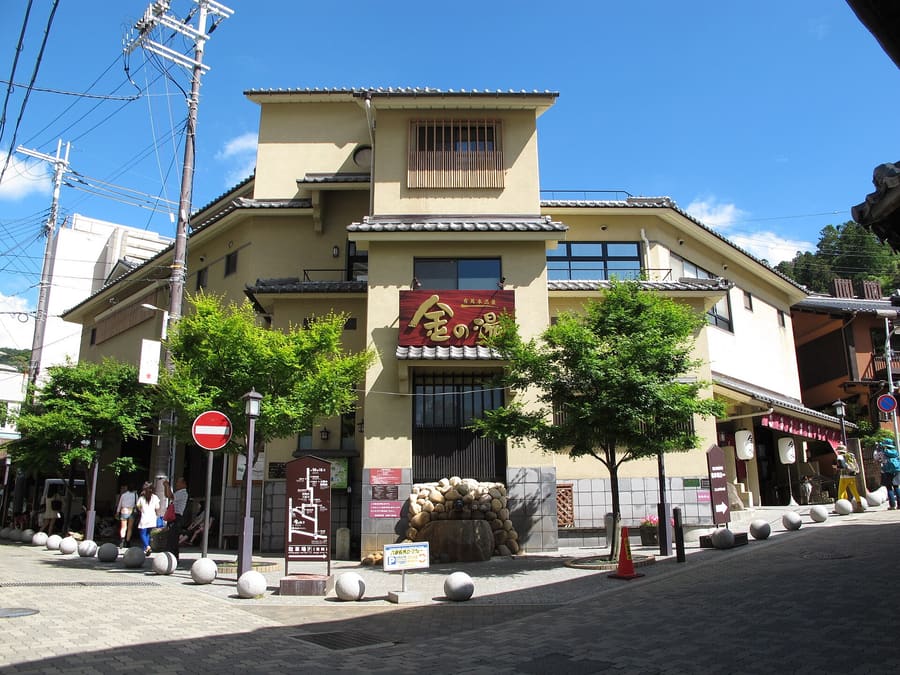
landmark
Public hot spring famous for iron-rich brown water. Bring your own towel or pay extra at the front counter.
Parley fragenattractions
areas
The commercial heart packed with covered shopping arcades, railway arches, and late-night izakayas.
In der NäheIkuta Shrine and Nankinmachi Chinatown.
Parley fragenQuiet hillside district filled with preserved turn-of-the-century Western merchant residences.
In der NäheNunobiki Ropeway and Shin-Kobe Station.
Parley fragenOpen waterfront boardwalks, modern architecture, ocean views, and shopping malls.
In der NäheKobe Port Tower and Kobe Maritime Museum.
Parley fragenHistoric mountain hot spring village featuring traditional ryokan and narrow alleys.
In der NäheMount Rokko Cable Car and Tsuzumi Falls.
Parley fragenfood
Kobe's culinary identity revolves around high-grade Tajima beef and coastal trade heritage. Local restaurants serve marbled A5 beef cooked on teppanyaki iron griddles before your eyes. You also benefit from Nada, Japan's top sake-producing region located on Kobe's eastern edge. Down along the harbor, Nankinmachi supplies steamed pork buns and street food perfected by Chinese traders since 1868.
Teppanyaki chef preparing certified Kobe beef over high heat.
Orlando G. Calvo · CC BY-SA 3.0Top steakhouses like Mouriya and Wakkoqu fill up early. Lunch menus offer the exact same meat grade as dinner for 30% less money.
Take the Hanshin Railway to Sumiyoshi Station. Breweries like Hakutsuru offer free tastings and museum tours.
Roshoki's pork bun line stretches across the square by noon. Cash is required at most market stalls.
history
Kobe transformed from a fishing village into a major international port when Japan reopened to foreign trade in 1868. Western traders built homes on the hillsides of Kitano while Chinese merchants established trading houses down by the port. In 1995, the Great Hanshin Earthquake struck the city, causing massive destruction. Kobe rebuilt its infrastructure within a decade, emerging as a model of modern earthquake-resistant urban planning.
Port opening
Kobe Port opens to foreign trade, bringing European and American merchants who settle in Kitano.
Incorporation of Nada
The historic sake districts merge into Kobe, formalizing the city's national leadership in sake production.
Great Hanshin Earthquake
A magnitude 6.9 earthquake strikes Kobe. The city reconstructs its port and infrastructure within ten years.
UNESCO Design designation
UNESCO names Kobe a City of Design, recognizing its creative rebuilding and modern architecture.
where to stay
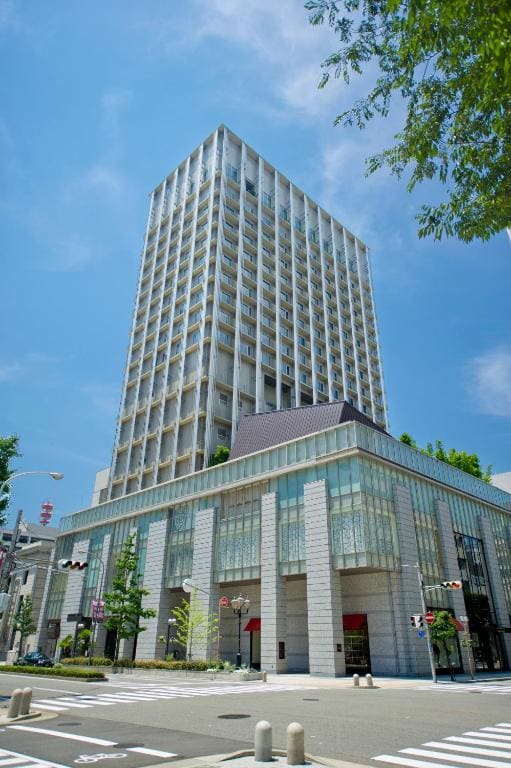
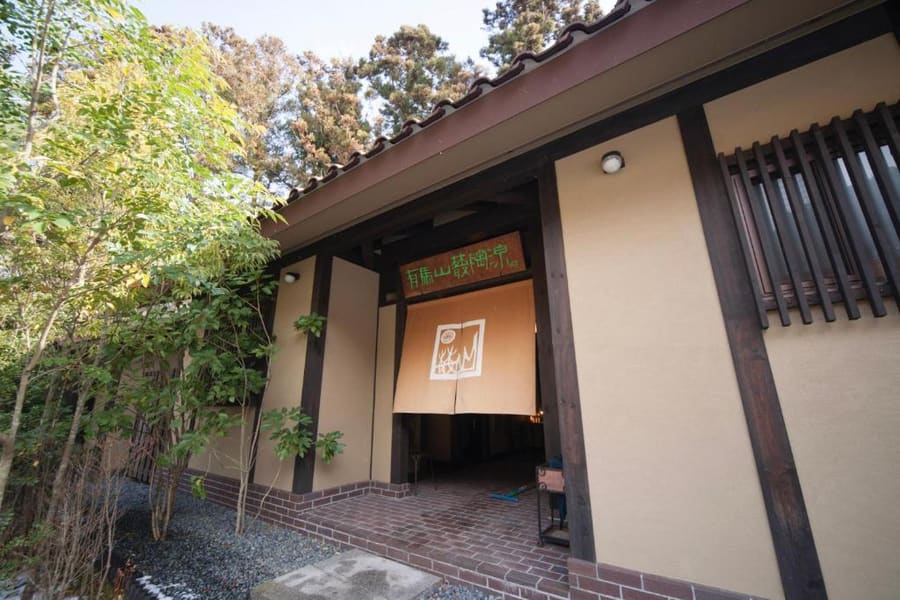
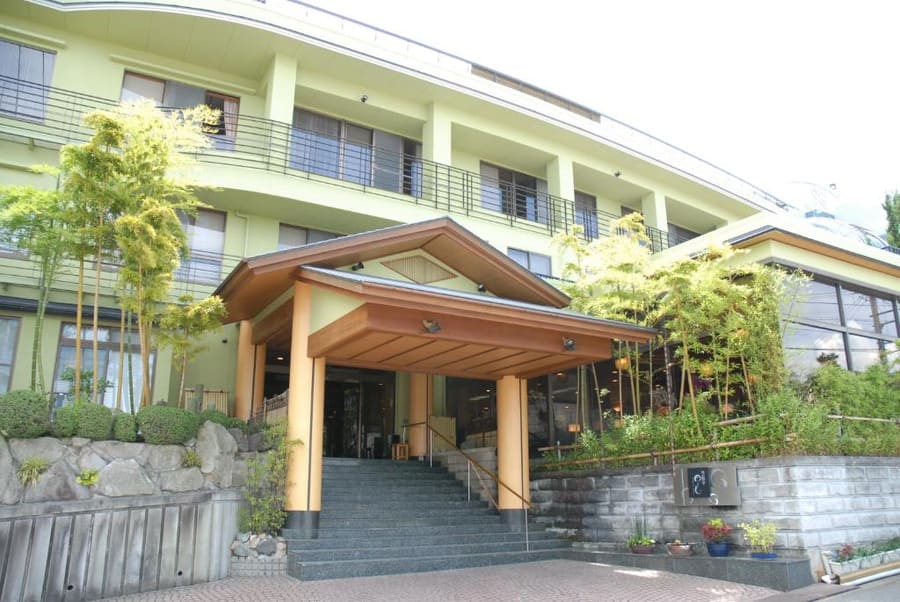
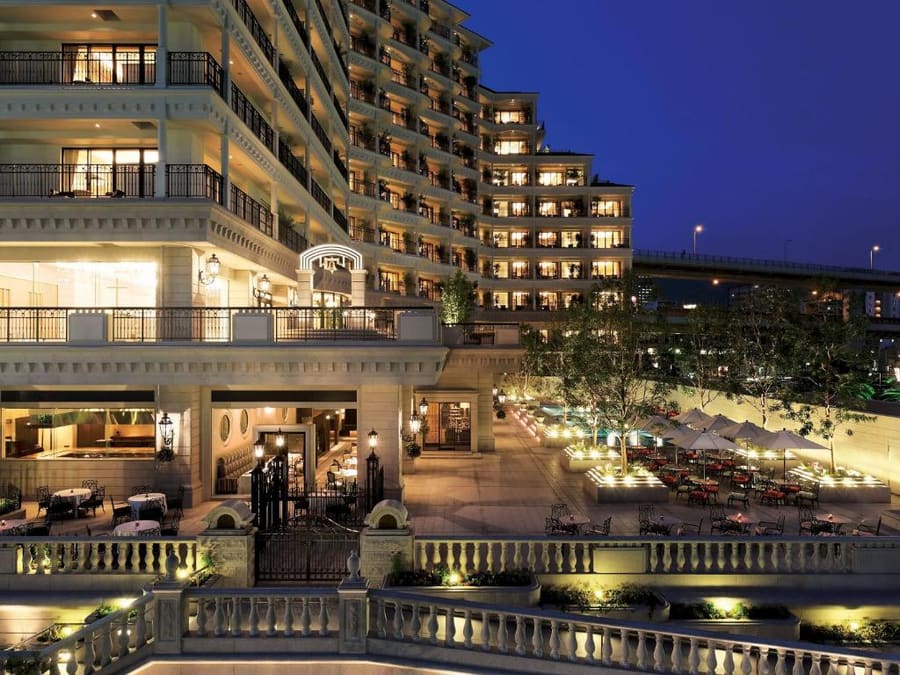
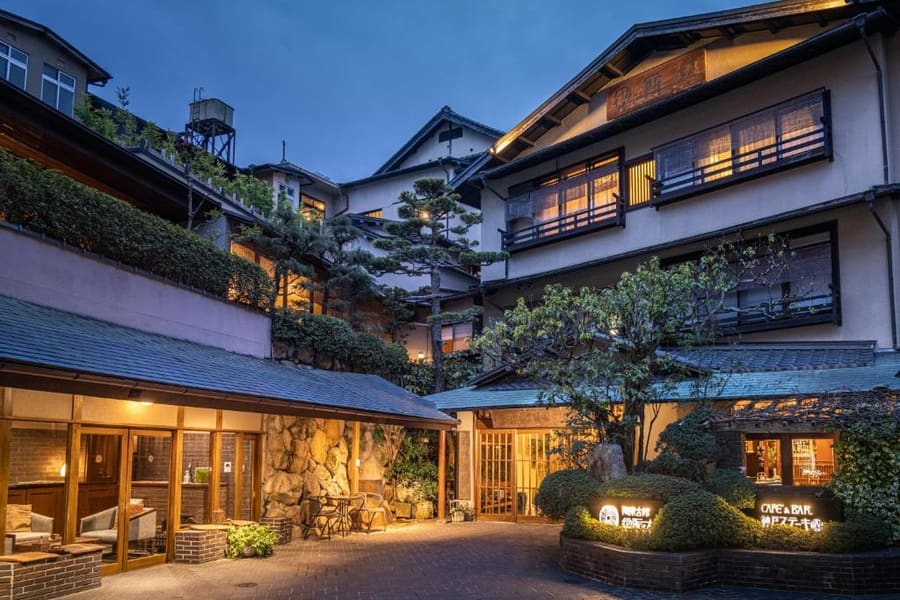
Choose your base based on transit needs and travel pace. Stay near Sannomiya for train connections across Kansai and active nightlife. Choose Kitano if you prefer quiet boutique hotels away from railway noise. Book Harborland for water views, or reserve a ryokan in Arima Onsen for hot spring relaxation.
Live rates, matched to the areas above.
transport
Kobe's transit runs along linear east-west channels squeezed between mountains and sea. Three separate railway companies connect Sannomiya to Osaka and Kyoto, while elevated trains and subways handle local routes.
Ab Kobe Airport (UKB) / Shin-Kobe Station (Shinkansen)
Port Liner elevated train connects Kobe Airport directly to Sannomiya Station.
Kobe Municipal Subway links Shin-Kobe Shinkansen station to central Sannomiya.
City Bus Line 7 connects Sannomiya with Motomachi and harbor sights.
JR, Hankyu, and Hanshin lines all run east-west through Sannomiya. JR is fastest for Osaka, while Hanshin is best for Nada sake breweries.
Suica, Pasmo, and Icoca cards work seamlessly on all Kobe subways, buses, and private train lines.
Green City Loop buses run a continuous circuit connecting Shin-Kobe, Kitano, Sannomiya, and Harborland.
The Shinkansen station sits higher up the mountain. Walk down through Nunobiki or take the subway to Sannomiya.
cost
Kobe matches Osaka and Kyoto pricing for transit and standard lodging. High-end dining centers on Kobe beef, where lunch sets offer significant savings over dinner service.
Mid-tier steakhouses offer 120g of high-grade beef with soup, salad, and rice at lunch.
Evening teppanyaki courses include higher beef cuts and full multi-course side dishes.
seasonality
MAR – MAY
Mild weather and cherry blossoms along the Ikuta River. Peak crowds gather around April flowering dates.
JUN – AUG
Hot and humid summer days. Harbor breeze offers slight relief, while Mount Rokko summit stays cooler.
SEP – NOV
Clear autumn skies and comfortable temperatures. Fall foliage colors Mount Rokko and Arima Onsen valleys.
DEC – FEB
Cold coastal winds with dry weather. Perfect season for hot springs in Arima and hot steak dinners.
practicalities
Shops in Motomachi and Sannomiya arcades open late in the morning. Plan morning walks at Ikuta Shrine or Nunobiki.
Major department stores accept credit cards, but Nankinmachi market stalls require cash payments.
Wash thoroughly at individual shower stations before stepping into communal thermal pools.
The Rokko Cable Car stops operations early in evening during winter months. Verify return times before heading up.
Mount Rokko lies north of the city center. Facing the mountain always points you due north.