landmark
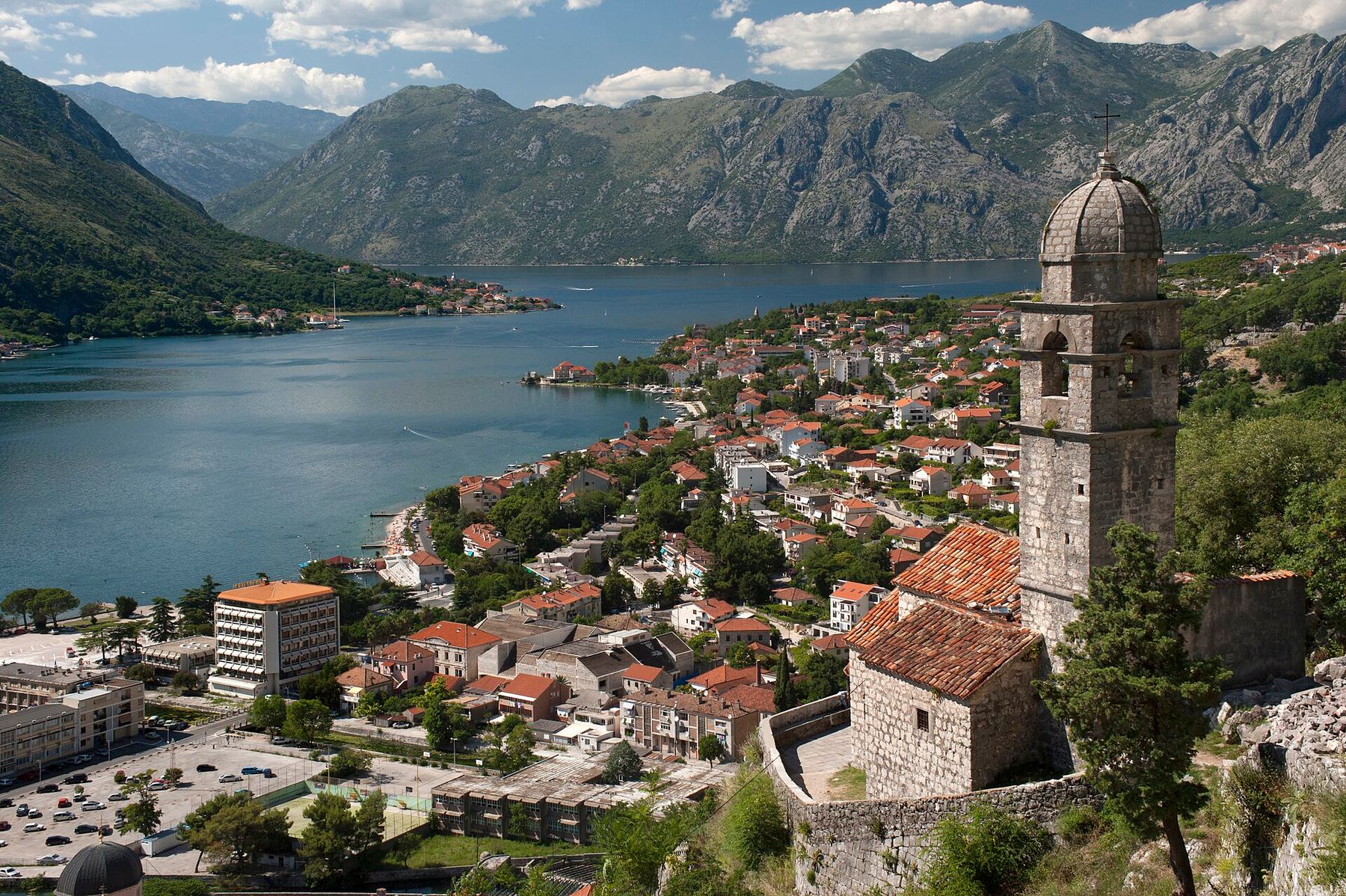
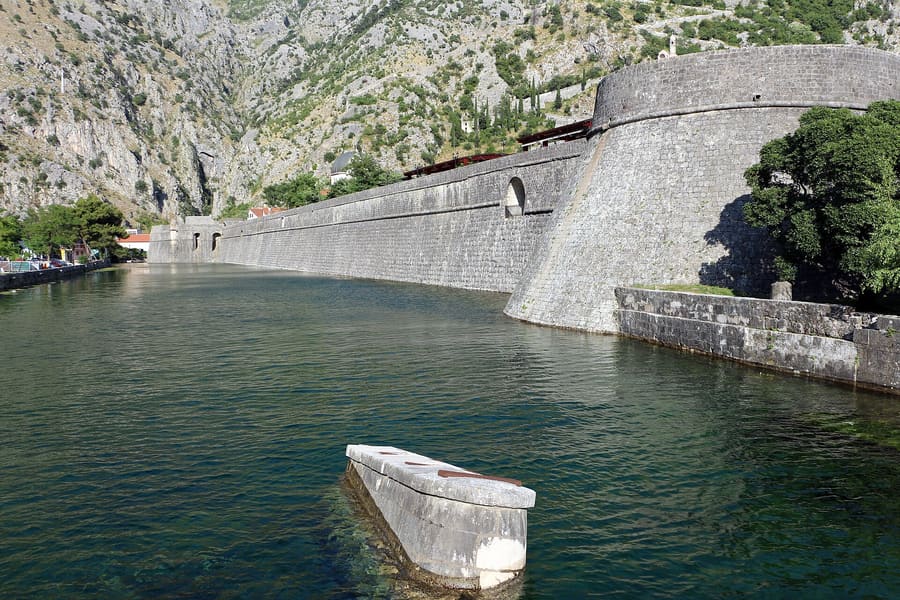
San Giovanni Fortress
Climb 1,350 stone steps along medieval ramparts for panoramic bay views. Wear shoes with grip on worn stone.
Parley fragenMontenegro
Granite walls, limestone bay, and deep Venetian shadow.
introduction
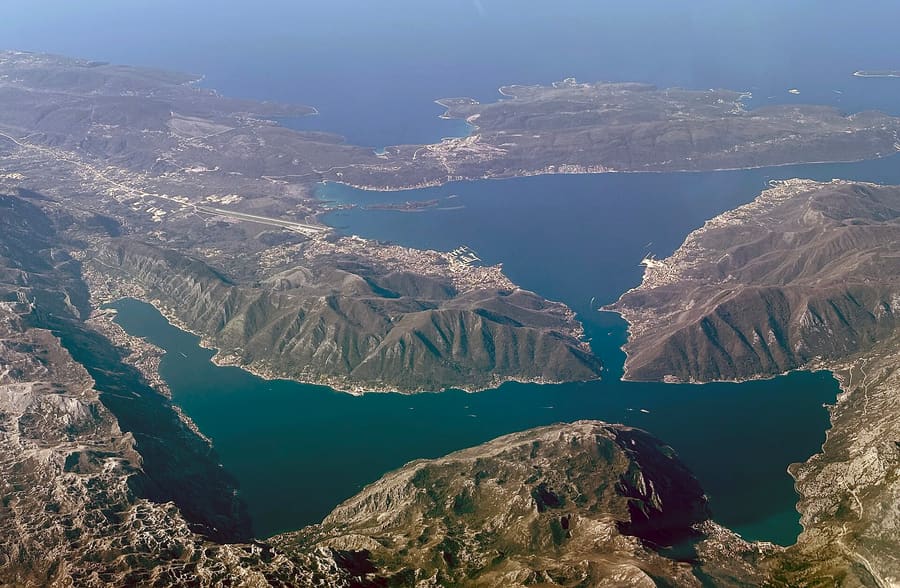
Kotor sits squeezed between vertical limestone cliffs and a deep Adriatic bay. You navigate the old town entirely on foot, dodging cruise passengers in open squares or escaping up narrow stone alleys. Sunsets vanish early behind Mount Lovćen, throwing the dark Venetian stonework into shadow long before nightfall. The bay acts as a highway, with water taxis connecting quiet coastal hamlets to the fortress walls.
Arrival timing
Cruise ships dock directly outside the city gates. Check the port schedule online to time your old town walks for early morning.
UNESCO status
The fortified town and its surrounding bay hold UNESCO status for Venetian defense architecture and coastal geography.
Stair climb prep
The 1,350 stone steps to San Giovanni fortress charge an entry fee. Start before 08:00 to beat direct heat and heavy foot traffic.
Kotor
kallerna · CC BY-SA 4.0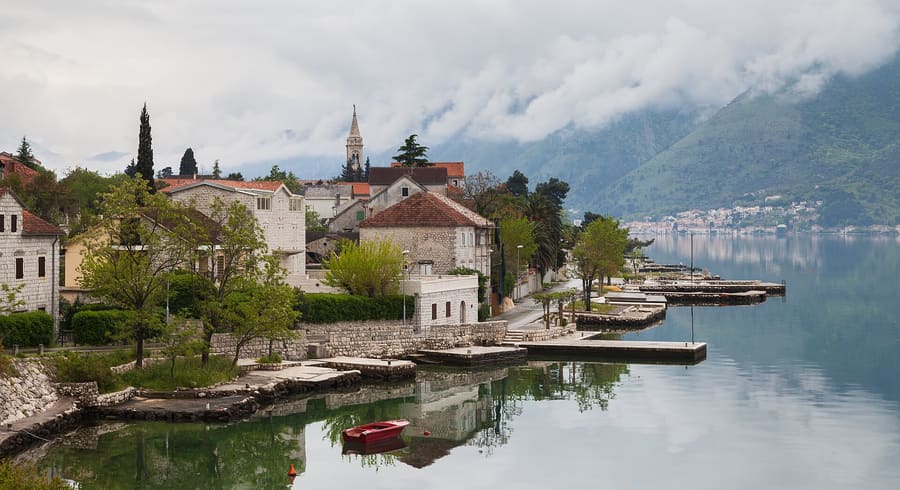
Dobrota — Long waterfront promenade lined with palazzos and stone piers.
Diego Delso · CC BY-SA 3.0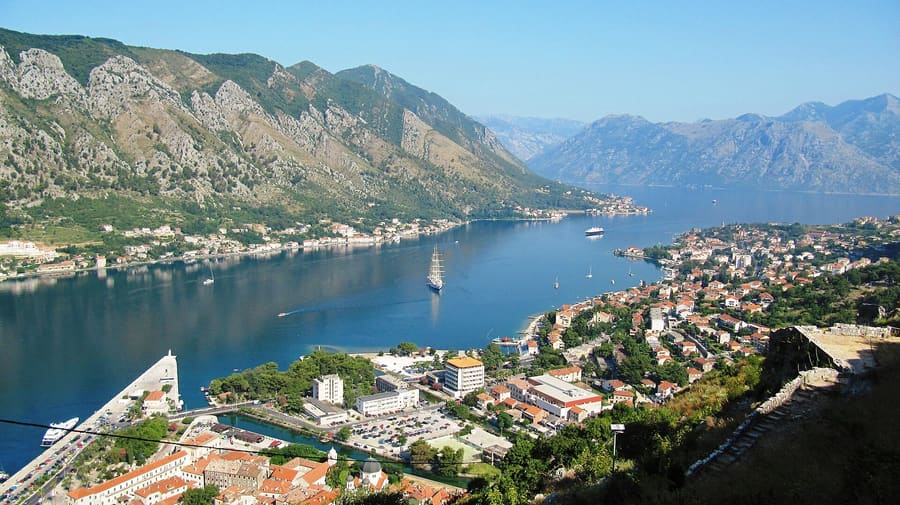
Muo — Former fishing village facing Kotor across the bay mouth.
goxy94 · CC BY-SA 3.0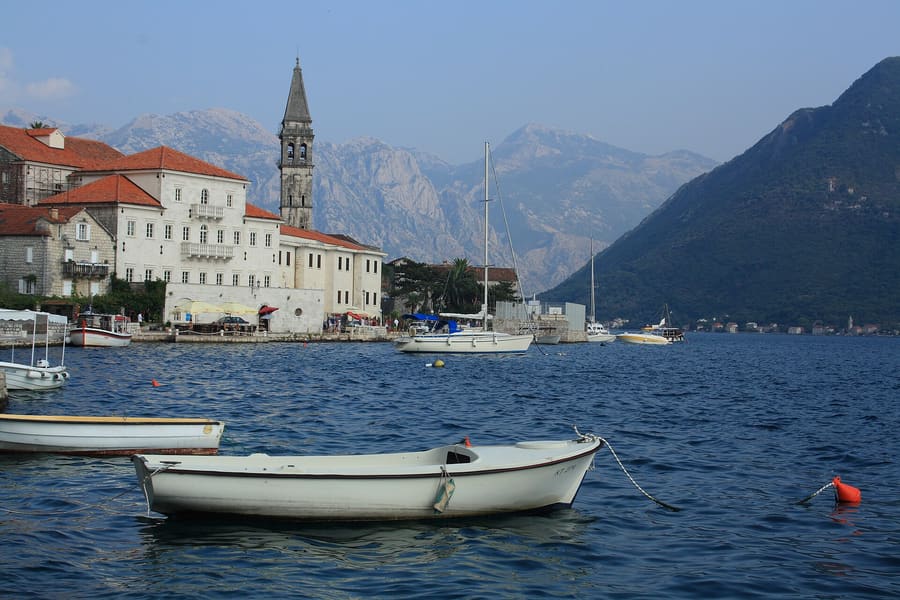
Perast — Quiet Venetian maritime town 12km up the bay coast.
FrDr · CC BY-SA 4.0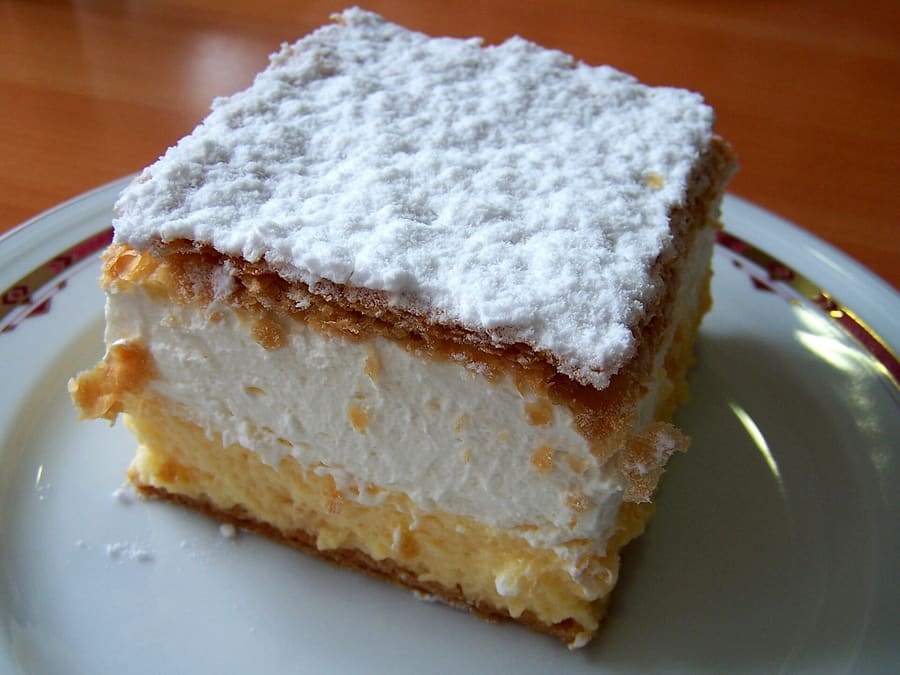
Kotorska krempita served with espresso in an old town square.
UkPaolo · CC BY-SA 3.0highlights
landmark
Climb 1,350 stone steps along medieval ramparts for panoramic bay views. Wear shoes with grip on worn stone.
Parley fragen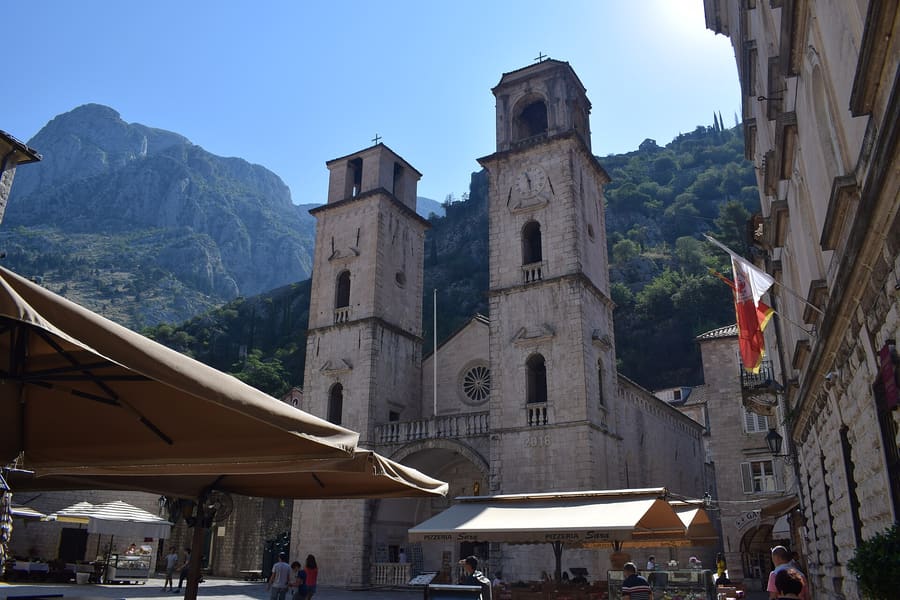
landmark
Built in 1166, this Romanesque cathedral houses detailed silver reliquaries. A small ticket grants upstairs balcony access.
Parley fragen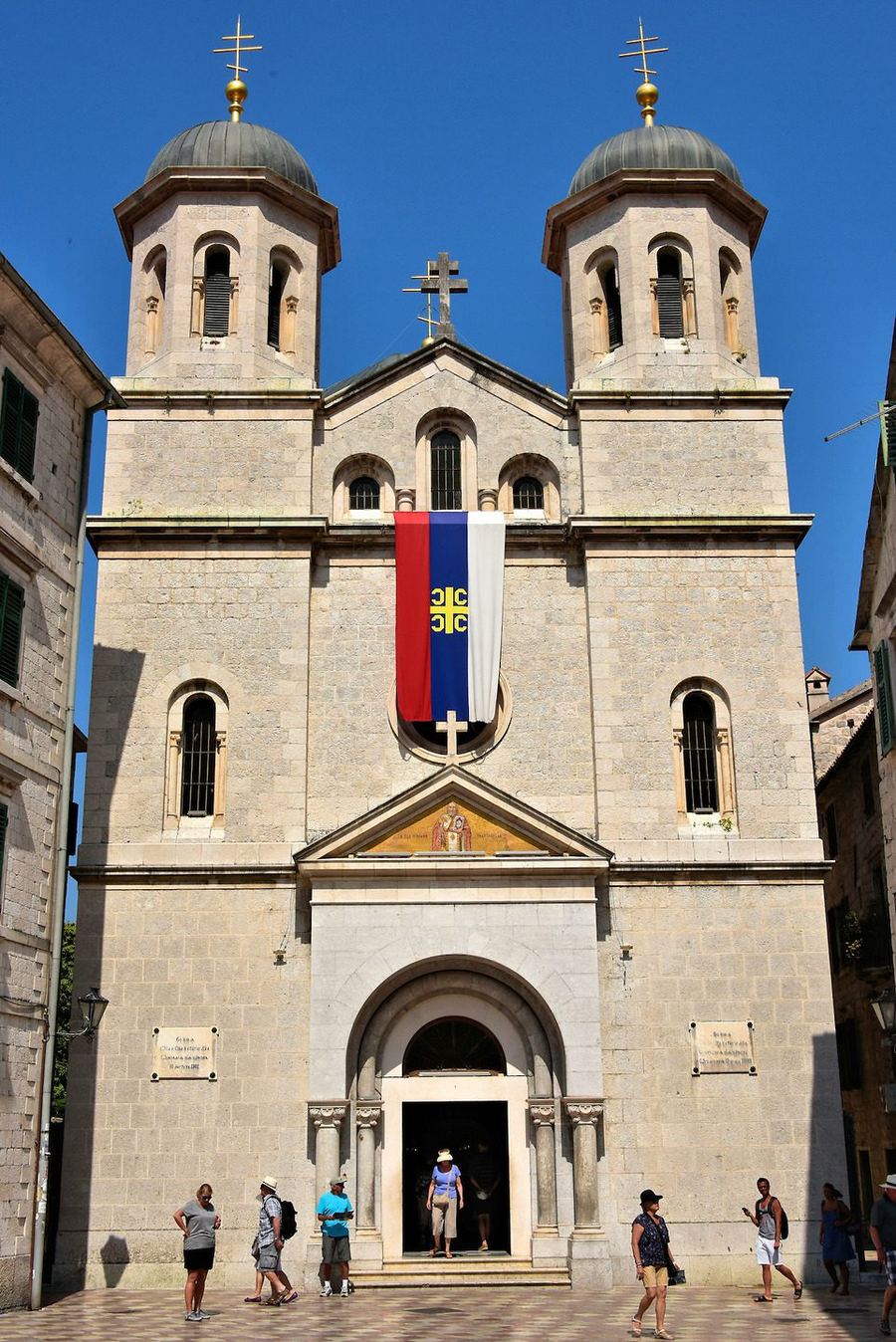
landmark
An Orthodox church built in 1909 featuring rich iconostasis and dark wood trim. Incense burns throughout daytime visiting hours.
Parley fragenattractions
areas
Long waterfront promenade lined with palazzos and stone piers.
In der NäheWaterfront pontas, seafood konobas
Parley fragenFormer fishing village facing Kotor across the bay mouth.
In der NähePrčanj, Kotor marina
Parley fragenQuiet Venetian maritime town 12km up the bay coast.
In der NäheOur Lady of the Rocks island, boat docks
Parley fragenfood
Dining in Kotor turns on two geographic forces: the Adriatic Sea and the surrounding Montenegrin mountains. Bay konobas serve black risotto stained with cuttlefish ink, grilled sea bass, and squid caught along the inlet. Mountain influence brings smoked Njeguši ham and hard cheese aged in olive oil down from high limestone plateaus. Desserts stay focused on Kotorska krempita, a local custard cream cake layered between crisp pastry sheets.
Kotorska krempita served with espresso in an old town square.
UkPaolo · CC BY-SA 3.0Look for rustic family taverns called konobas rather than tourist cafes on main squares. Order fish weighed by the kilogram before cooking.
Buy smoked prosciutto, olives, and fresh bread from the green market outside the Sea Gate. Eat on stone pontas along Dobrota.
Kotorska krempita features a lighter custard cream than Zagreb or Bled versions. Local bakeries and cafes serve fresh slices daily.
history
Kotor evolved as an isolated maritime fortress protected by vertical mountain cliffs and Venetian naval power. First fortified during Roman times, the city spent four centuries under the Republic of Venice as Cattaro. Venetian military architects built three kilometers of stone ramparts directly up Mount San Giovanni to fend off Ottoman sieges. French rule under Napoleon, Austrian imperial rule, and Yugoslav integration followed before Montenegro declared independence in 2006.
Venetian Rule Begins
Kotor voluntarily joins the Republic of Venice to secure naval protection against Ottoman expansion, initiating four centuries of Venetian architecture.
Barbarossa Siege
Ottoman admiral Hayreddin Barbarossa besieges Kotor with 200 ships. City defenses hold firm behind newly reinforced walls.
Great Earthquake
A severe earthquake destroys large portions of the Romanesque city, prompting widespread Baroque rebuilding of palazzos and towers.
UNESCO Listing
Another major earthquake strikes the bay. Reconstruction efforts lead to UNESCO naming Kotor a World Heritage site in danger, later removed.
where to stay
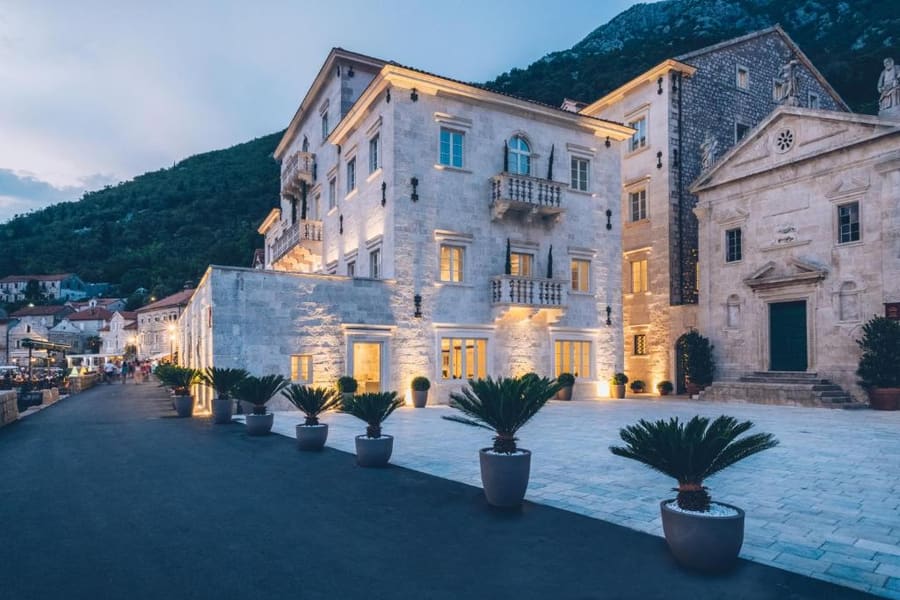
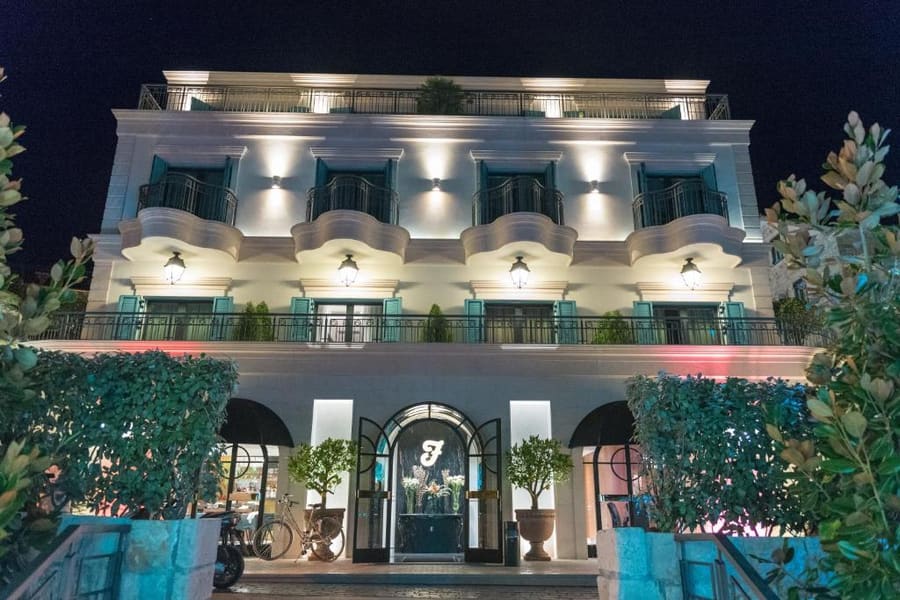
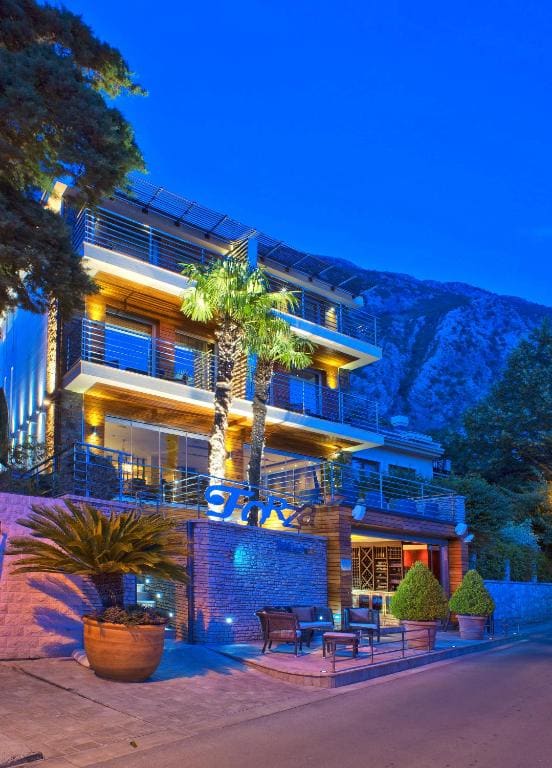
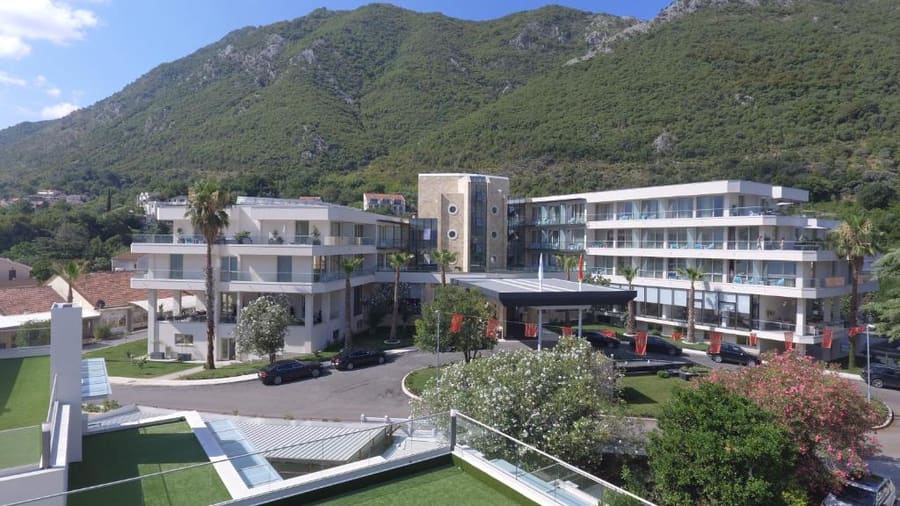
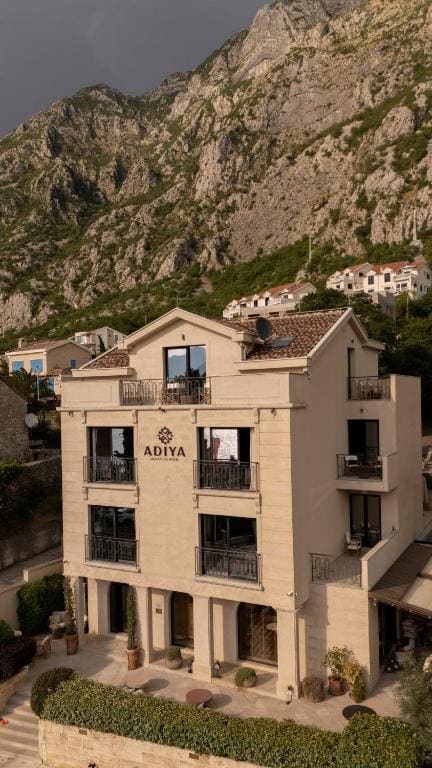
Choose your stay based on mobility, shade, and noise tolerance. Staying inside the Old Town places you within historic walls, but luggage must be carried over polished flagstones and night noise echoes off stone facades. Dobrota offers waterfront access and easier parking along flat ground, though you will walk further to historic sites. Perast suits travellers seeking a quieter coastal village feel far from cruise ships.
Live rates, matched to the areas above.
transport
The Old Town is entirely car-free and easily crossed on foot within ten minutes. Moving along the bay edge relies on local Blue Line buses, water taxis, or private cars along narrow coastal roads. Summer traffic bottlenecks severely along the single main road connecting Kotor, Tivat, and Perast.
Ab Tivat Airport (TIV)
Old Town is car-free; taxis drop at main gates. Summer traffic can double travel time.
Flag down intercity buses on the main highway outside terminal or walk 1.5km to Tivat station.
Driver meets you in arrivals. Best to pre-book during peak June–August travel season.
Local Blue Line buses run every 30 to 60 minutes along the coast between Kotor, Dobrota, and Perast. Pay the driver directly in cash when boarding.
Speedboats operate from the city marina outside the Sea Gate to Perast and the Blue Cave. Negotiate agreed fixed rates before stepping onto the boat.
Smooth limestone alleyways become slippery when wet or worn smooth. Wear flat rubber-soled shoes when navigating old town flagstones.
The single coastal highway backs up significantly during summer cruise dockings. Allow double expected travel times to Tivat Airport between June and August.
cost
Kotor uses the Euro despite Montenegro not being an official EU member state. Prices inside the old town walls reflect heavy tourist demand, whereas local markets and bakeries outside the walls offer standard Montenegrin value.
Standard ticket fee to access the San Giovanni rampart steps during daylight hours.
Fresh bay seafood or grilled meat plates at traditional old town restaurants.
Single one-way ticket on the Blue Line coastal route.
Coffee price at outdoor seated cafes in Square of the Arms.
seasonality
APR – MAY
Spring offers warm daylight without intense heat. Cruise ships are few and wild pomegranate blooms along stone walls.
JUN – AUG
Peak heat hits 35°C and large cruise ships dock daily. Old town streets fill rapidly between 10:00 and 16:00.
SEP – OCT
Sea temperatures stay warm for swimming. Cruise passenger numbers drop significantly while daytime sun remains mild.
NOV – MAR
Heavy rainfall hits the bay mountains. Many waterfront konobas and boat charter companies close down for winter.
practicalities
Look up the Port of Kotor ship arrival calendar online each morning. Plan city wall walks when ships are absent.
Montenegro requires visitors to pay a small daily tourist tax at local tourist offices unless registered automatically by your hotel.
Mount Lovćen blocks early morning sun over the old town. Morning light hits San Giovanni fortress top first before reaching town squares.
Kotor protects a large free-roaming cat population. Locals feed them in public squares and donation boxes support medical care.
The road climbing Mount Lovćen features 25 hairpin turns. Take slow curves carefully and watch for downhill tour minibuses.