landmark
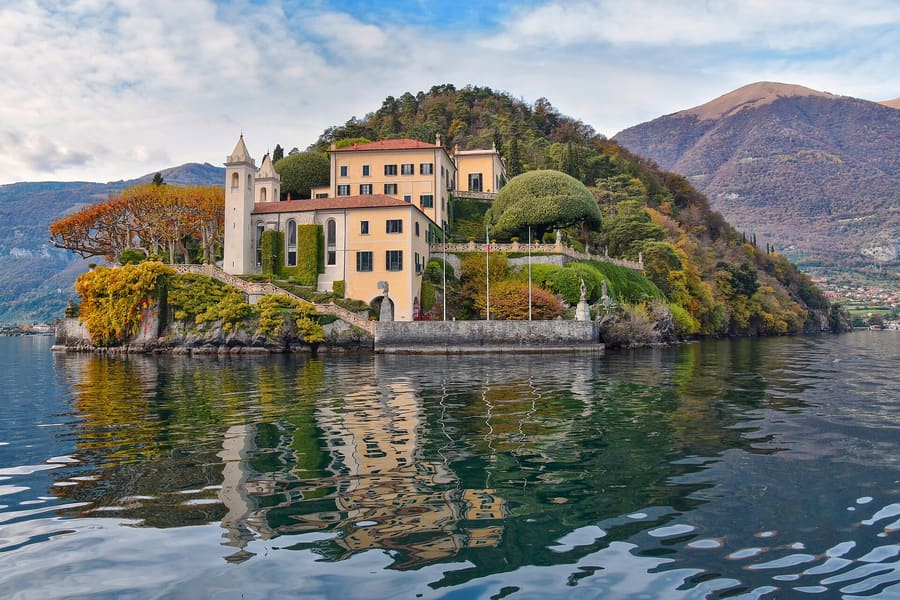
Villa del Balbianello
Lakeside villa on the Lavedo peninsula. Book timed garden tickets weeks ahead; walk the 1km forest track from Lenno landing.
Parley fragenItalien
Glacial waters, steep silk towns, and precise ferry hubs.
introduction
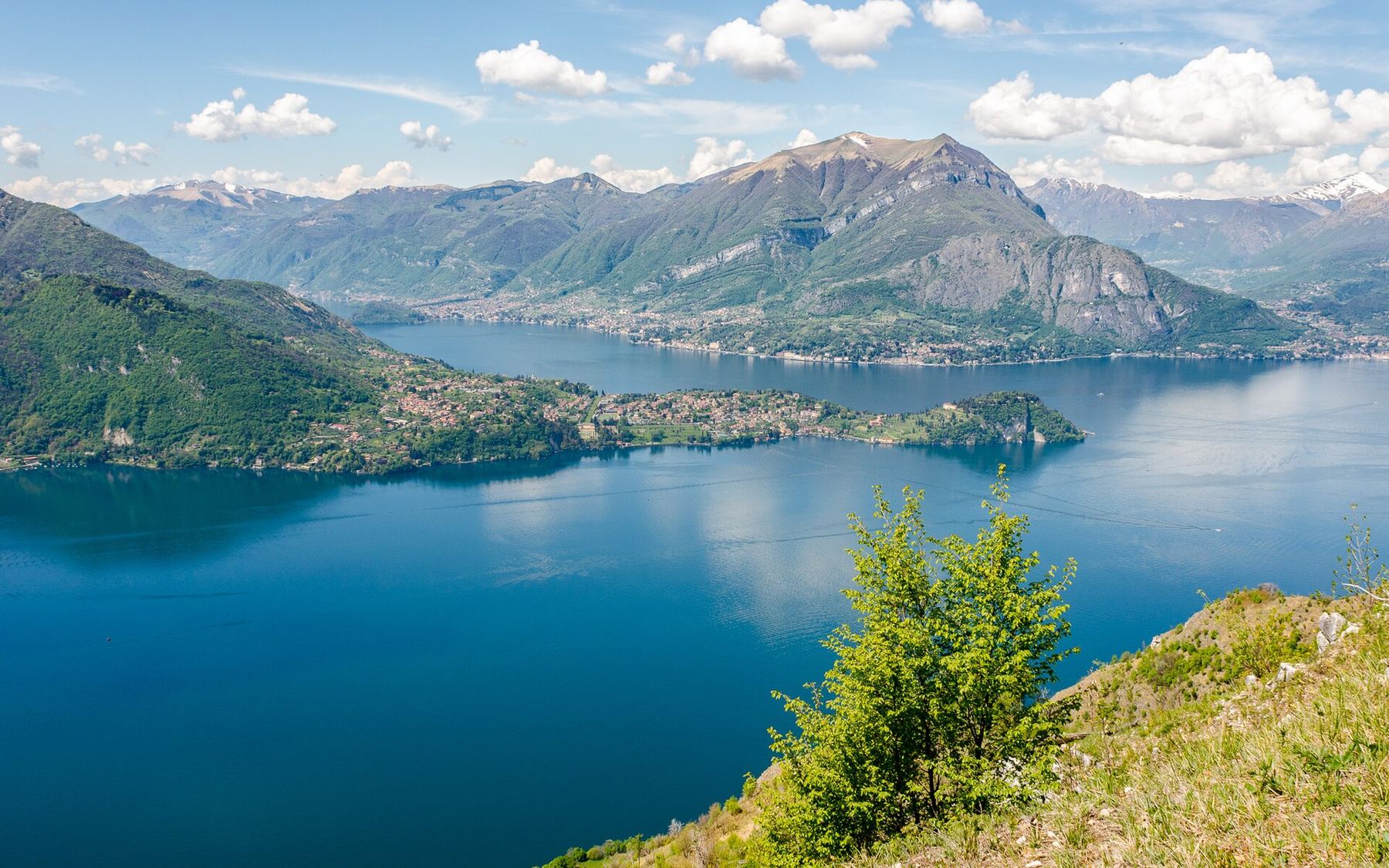
Lake Como functions as an inverted Y-shaped transit corridor bounded by steep pre-Alpine slopes. Transport revolves entirely around the Navigazione Laghi ferry network, which links shore villages faster than narrow coastal roads. You navigate by central lake hubs like Bellagio and Varenna or use southern rail anchors at Como and Lecco. Expect steep stone stairways, strict vessel schedules, and stark seasonal shifts between summer crowds and winter closures.
Arrival routing
Trenord trains from Milano Cadorna terminate at Como Lago station, 100 metres from the public ferry quay.
UNESCO site
The Sacro Monte di Ossuccio above Lenno contains 14 baroque chapels and holds UNESCO World Heritage status.
Lake Como
Zairon · CC BY-SA 4.0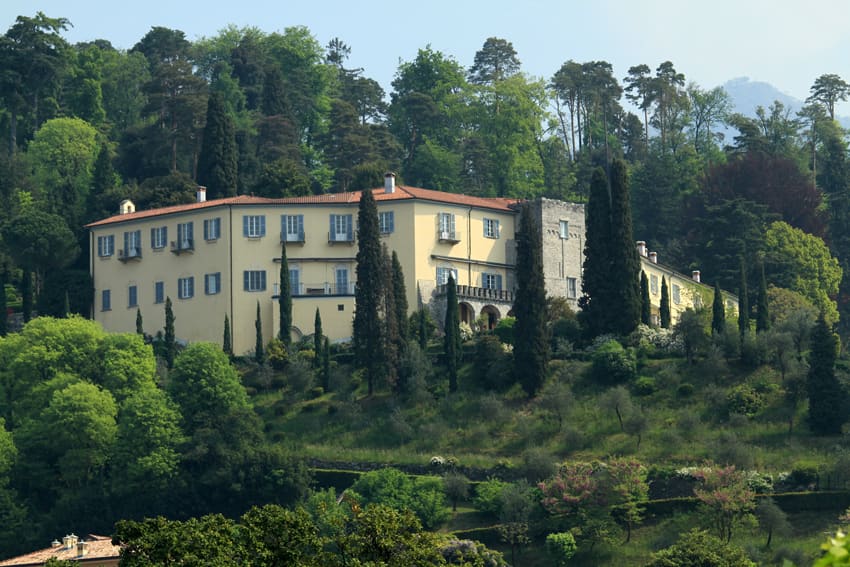
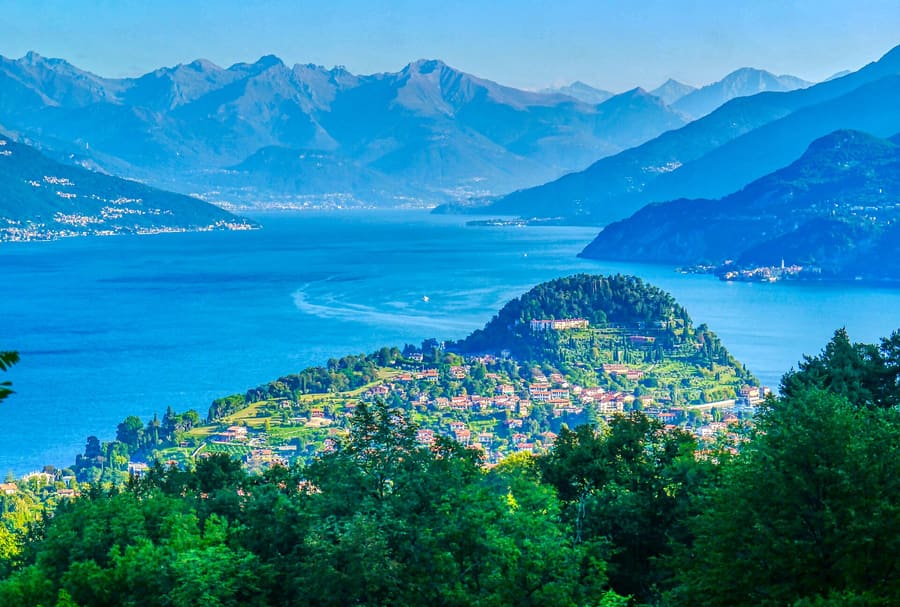
Bellagio — Central triangular point where the three lake branches converge; steep, polished, and tourist-dense.
trolvag · CC BY-SA 3.0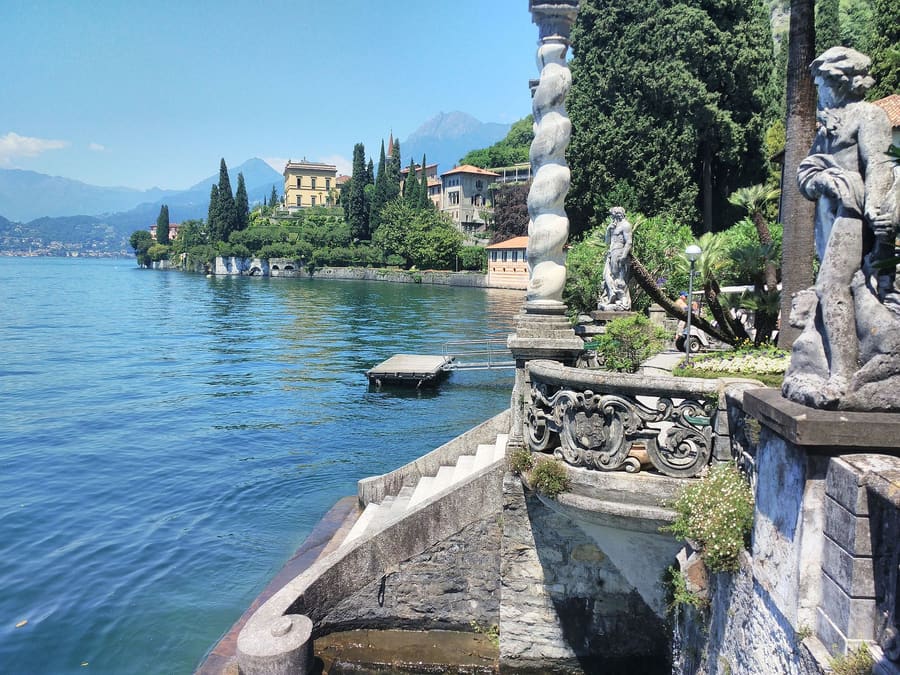
Varenna — Eastern shore village built on steep rock, linked directly to Milan by mainland rail.
Popo le Chien · CC BY-SA 3.0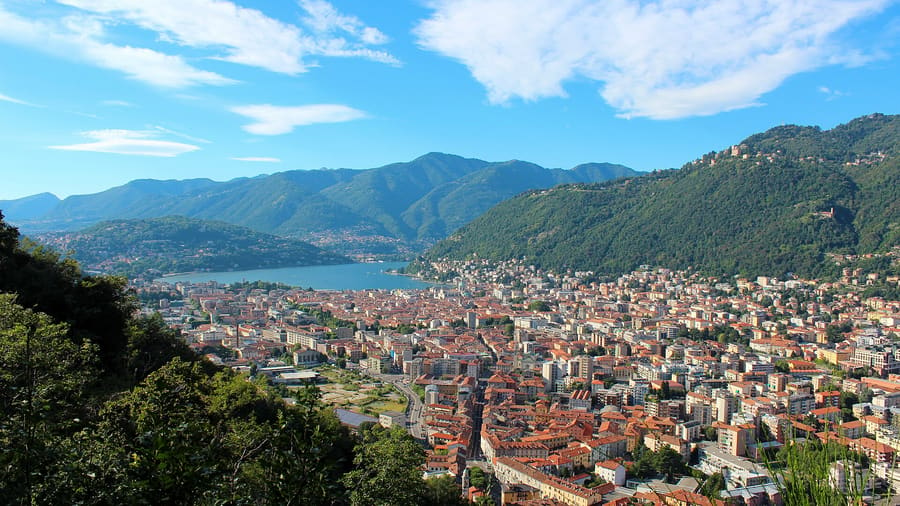
Como Town — Southern urban anchor with real year-round business life, silk markets, and flat walkable streets.
Pxhere · CC0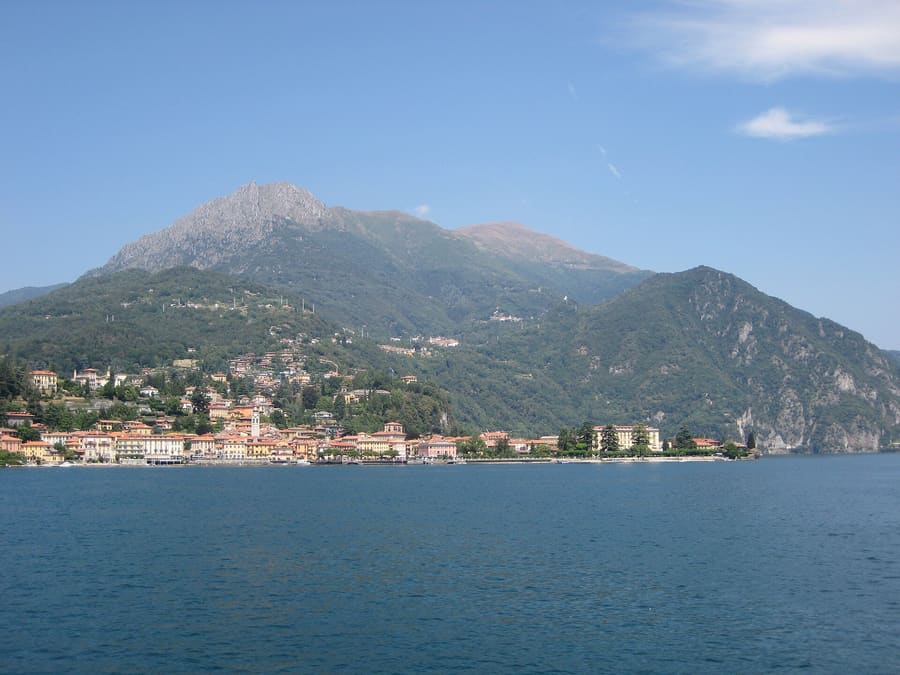
Menaggio — Western shore town featuring a wide open lakeside promenade and direct bus access to Lake Lugano.
Aconcagua · CC BY-SA 3.0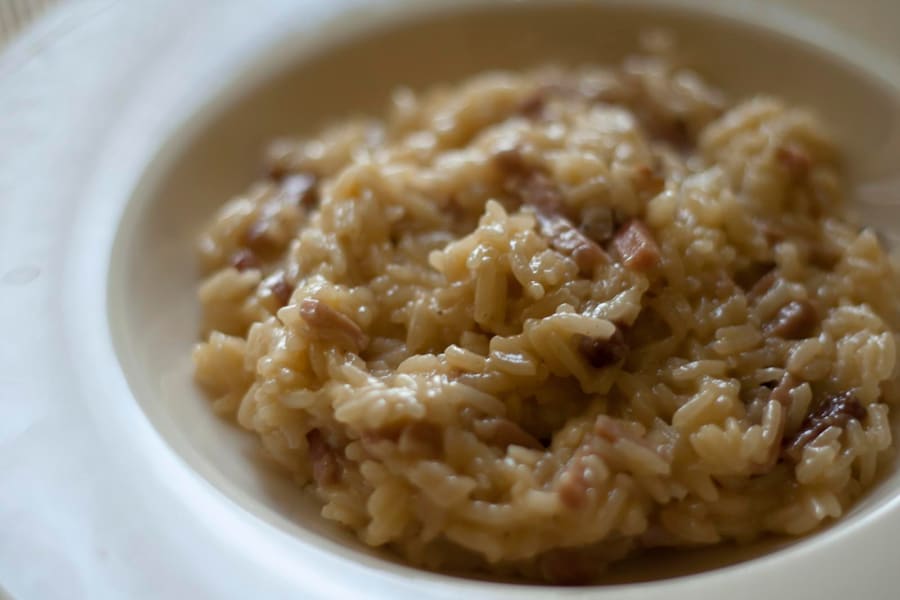
Risotto con pesce persico served with sage and pan-seared lake perch fillets.
Luca Nebuloni from Milan, Italy · CC BY 2.0highlights
landmark
Lakeside villa on the Lavedo peninsula. Book timed garden tickets weeks ahead; walk the 1km forest track from Lenno landing.
Parley fragen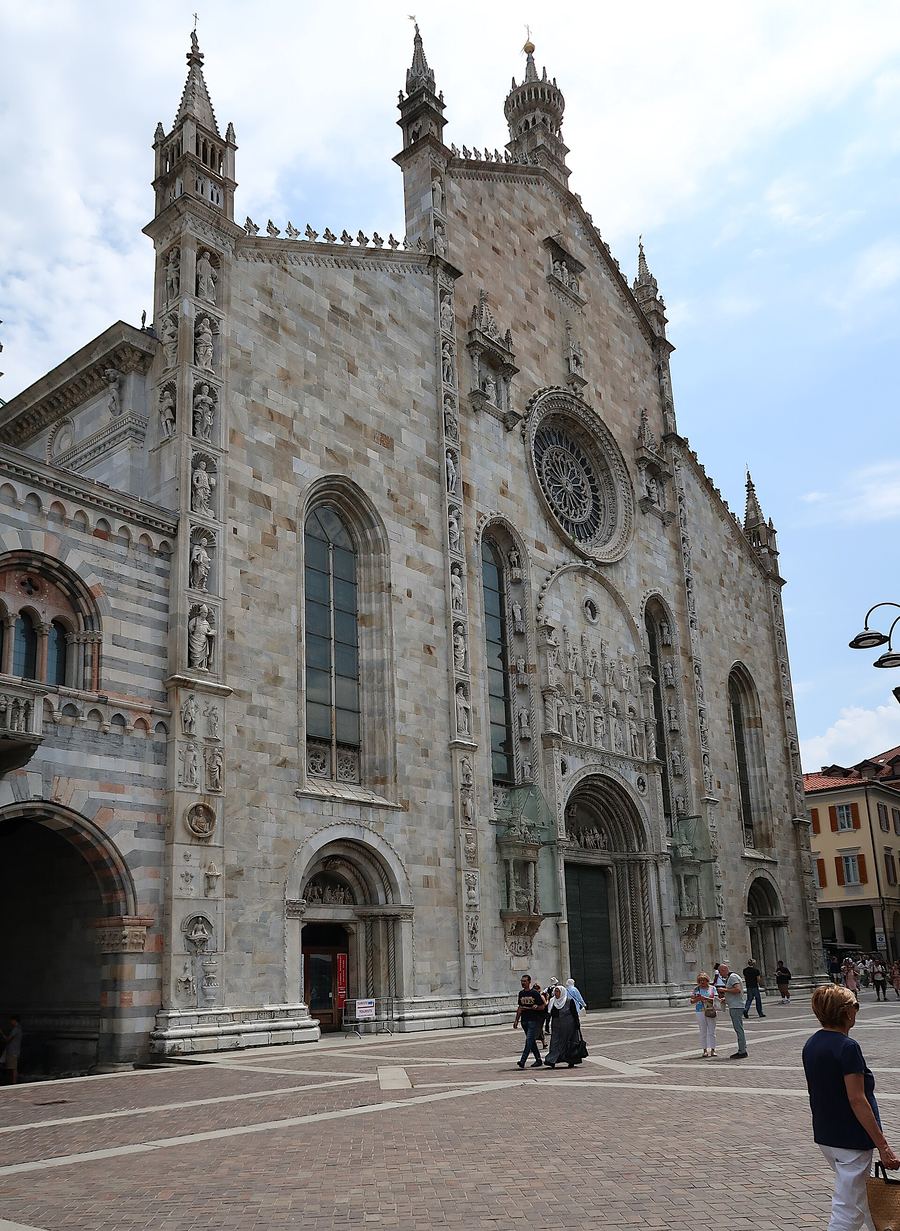
landmark
A marble cathedral combining Gothic and Renaissance styles built over 3 centuries. Free entry outside of religious services.
Parley fragen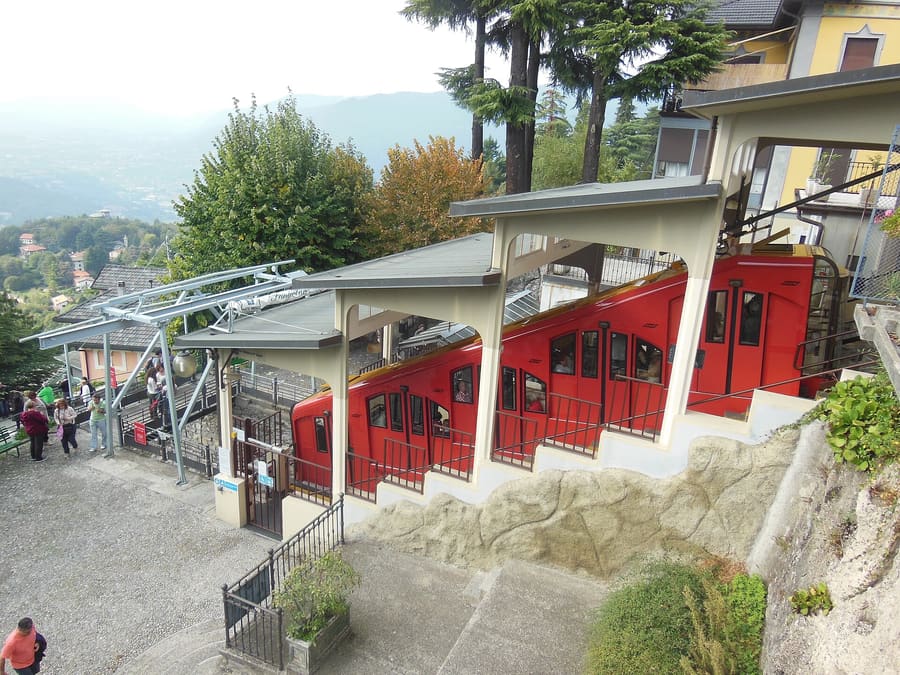
landmark
A 1894 cliffside cable railway ascending 500 metres to Brunate village. Board early in the morning to beat 1-hour queues.
Parley fragen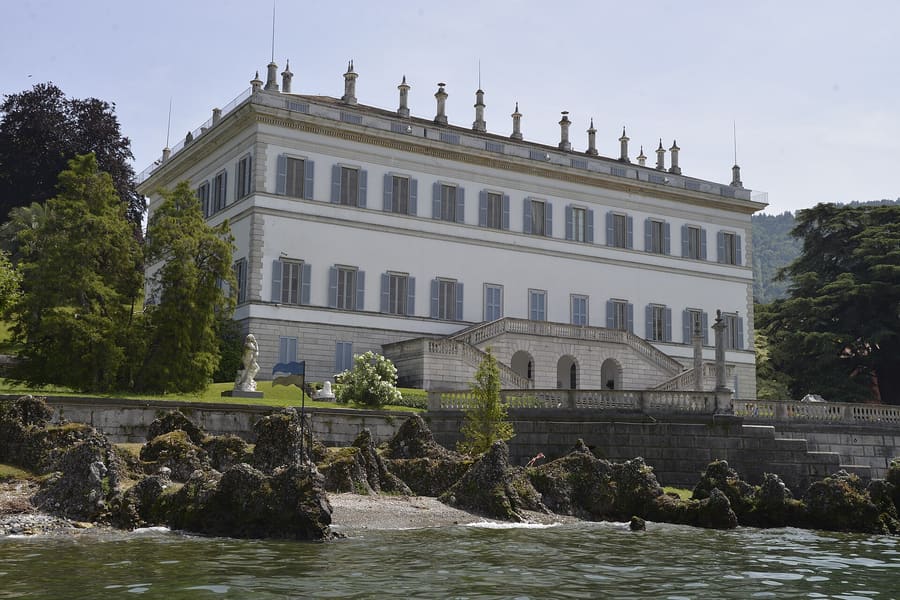
landmark
English-style lakeside gardens running 1km south of Bellagio town centre. The neo-classical villa interior stays private.
Parley fragen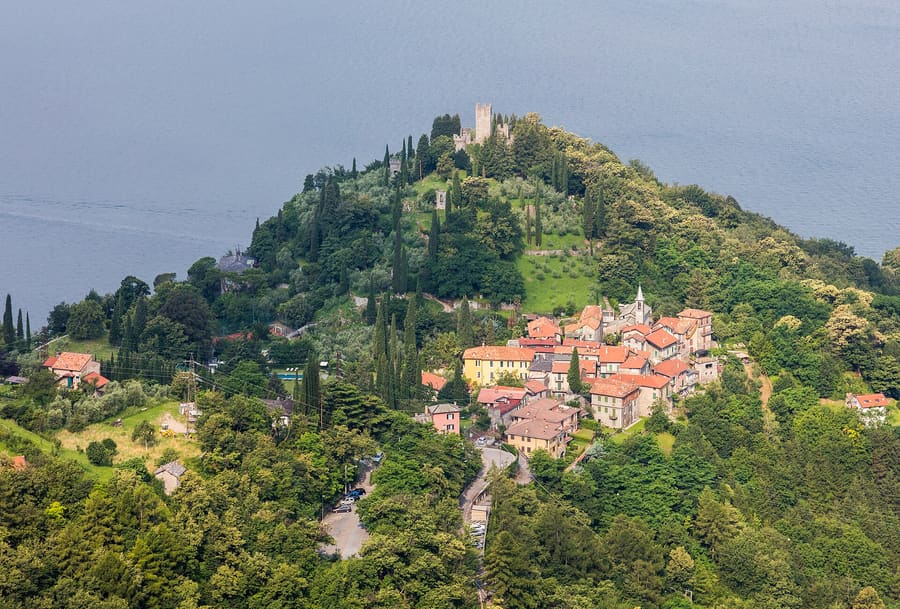
landmark
A medieval outpost above Varenna with falconry displays. Hike 30 minutes up the steep stony trail from Varenna-Esino station.
Parley fragenattractions
areas
Central triangular point where the three lake branches converge; steep, polished, and tourist-dense.
In der NäheVilla Melzi, Villa Serbelloni, central boat dock
Parley fragenEastern shore village built on steep rock, linked directly to Milan by mainland rail.
In der NäheCastello di Vezio, Villa Monastero, ferry pier
Parley fragenSouthern urban anchor with real year-round business life, silk markets, and flat walkable streets.
In der NäheDuomo di Como, Brunate funicular, Como Lago rail station
Parley fragenWestern shore town featuring a wide open lakeside promenade and direct bus access to Lake Lugano.
In der NäheVilla Carlotta (10 min bus), Menaggio-Lugano bus line, car ferry
Parley fragenfood
Lake Como's cuisine relies on freshwater fish species harvested by local boatmen and heavy mountain starches from the surrounding valleys. Risotto con filetto di pesce persico pairs local perch fillets, pan-fried in butter and sage, over a bed of creamy white wine risotto.Along the mid-lake shore, try missoltino (locally called missultīn), salt-cured shad (specifically agone, a landlocked freshwater shad) dried on wooden racks in the sun, grilled over embers, and served alongside thick slices of toasted yellow polenta. In traditional trattorias near Colico and Varenna, you will encounter pizzoccheri: buckwheat ribbon pasta tossed with cabbage, potatoes, garlic, and melted Bitto or Valtellina Casera cheese.
Risotto con pesce persico served with sage and pan-seared lake perch fillets.
Luca Nebuloni from Milan, Italy · CC BY 2.0Authentic missoltino comes specifically from Lake Como's native agone fish, cured outdoors in spring and autumn.
Village trattorias close kitchens between 14:30 and 19:00. Mid-lake dock kiosks offer simple rolls outside dining hours.
Northern lake menus feature heavy Valtellina red wines like Sforzato di Valtellina made from Nebbiolo grapes.
history
Lake Como served as a critical alpine crossing corridor long before modern tourism took hold. Julius Caesar refounded Como as a Roman colony, bringing 5,000 settlers to secure northern trade routes over the Alps. By the 16th century, the region established a dominant European silk manufacturing industry based on water-driven mills along local streams. European aristocrats subsequently converted working estates into grand holiday retreats during the 18th and 19th centuries.
Novum Comum
Julius Caesar orders the drainage of the southern marshlands and founds Novum Comum to secure mountain pass routes.
Silk Mills
Mulberry tree planting expands across Lombardy, launching Como's global silk weaving and printing industry.
Dongo Capture
Partisans intercept Benito Mussolini trying to flee to Switzerland at Dongo on the northwestern shore.
where to stay
Choose your base by transit convenience rather than map distance. If you travel by train from Milan without a car, pick Varenna or Como Town. If you want central boat access to visit grand villas every day, stay in the mid-lake triangle of Bellagio, Menaggio, or Tremezzo. Drivers should target northern towns like Colico where parking facilities exist.
transport
Public transport runs on two main systems: Navigazione Laghi watercraft and Trenord regional trains. Driving the SS340 shore road involves narrow single-lane chokepoints and scarce parking structure space. Ferries split into three speeds: battello (slow passenger ferry), traghetto (mid-lake car ferry), and aliscafo (express hydrofoil requiring a seat supplement).
Ab Milan Malpensa Airport (MXP)
Transfer at Saronno required. Connects Malpensa T1/T2 to Como Lago or Como San Giovanni.
Direct shuttle connects Malpensa T1/T2 with Como San Giovanni rail station.
Fixed rates apply to Como center. Surcharges apply for late-night trips and heavy luggage.
SS340 shore road involves narrow single-lane chokepoints and scarce parking structure space.
Express hydrofoils (aliscafo) fill up hours ahead. Buy tickets early; standard ferry passes do not cover them without a fee top-up.
The eastern shore line stops at Varenna-Esino, Bellano, and Colico. The western shore relies entirely on C10 buses and boats.
A day-pass for the central lake zone covers unlimited rides between Bellagio, Varenna, Menaggio, and Cadenabbia.
Ferry services drop off sharply after 19:00. A private water taxi after hours costs over €100 for short crossings.
cost
Mid-lake locations command high tourist premiums on food, lodging, and boat trips. Local rail transit and town-owned sights remain reasonably priced.
Standard one-way Trenord regional train fare from Milano Centrale.
One-day unlimited pass for the central triangle (Bellagio, Varenna, Menaggio).
Standard adult garden and museum ticket at the gate.
Main course pricing in traditional mid-lake restaurants.
seasonality
MAR – MAY
Gardens bloom at Villa Carlotta. Ferry lines remain manageable before summer peak.
JUN – AUG
Hot weather and packed ferry docks. Book villa slots and water taxis weeks in advance.
SEP – OCT
Warm lake water and foliage shifts. Many villa gardens stay open until late October.
NOV – FEB
Most mid-lake villas and seasonal hotels close down. Como town remains active.
practicalities
Towns feature steep stone steps (salite). Carry lightweight luggage rather than heavy rolling bags.
Villa del Balbianello last entrance is 16:30. Gates close completely on Mondays and Wednesdays.
Public beaches are pebbled. Public lidos in Menaggio and Bellagio offer pool decks and lake access.
The Sentiero del Viandante trail follows the eastern shore with clear red-and-white path markers.