landmark
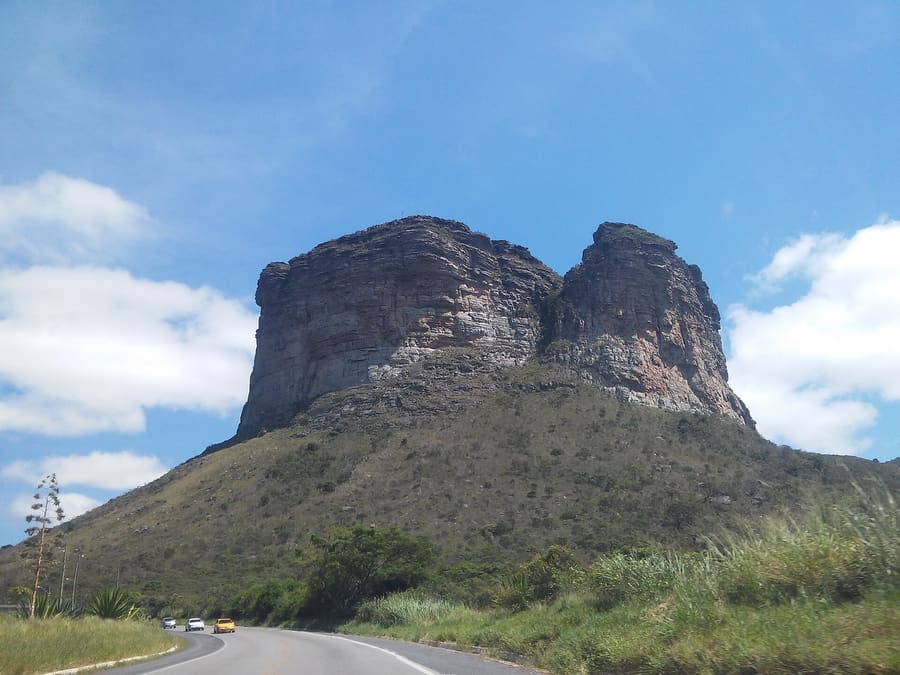
Morro do Pai Inácio
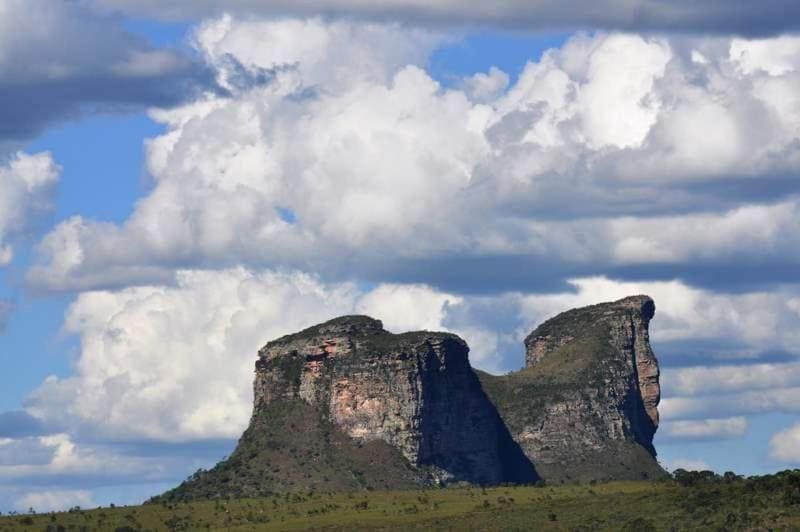
The classic table-top mountain lookout. Climb the short summit path before 17:00 to catch the late sun across the plateau.
Parley fragenBrasilien
Cobblestone grid serving as Bahia's wild canyon base.
introduction
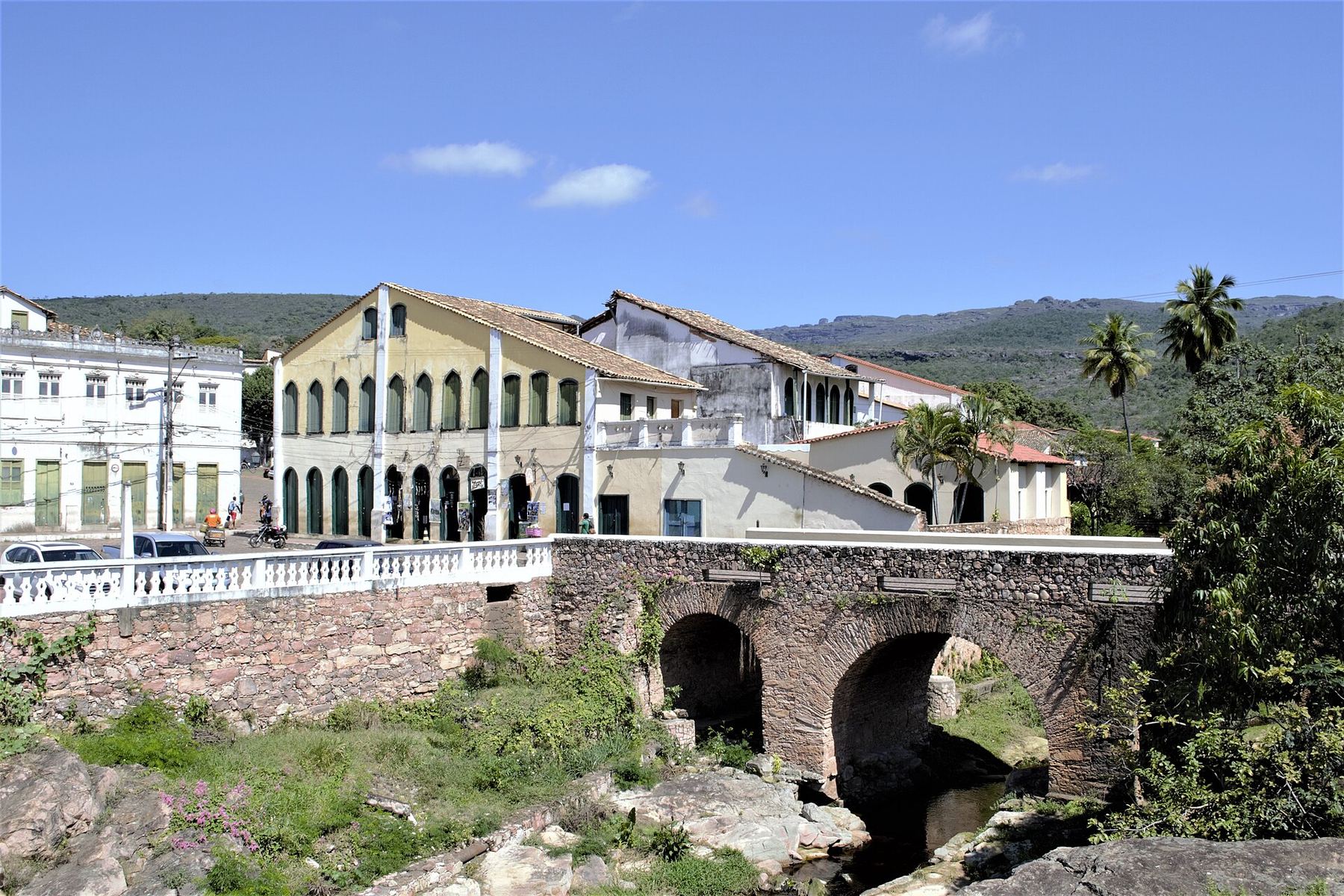
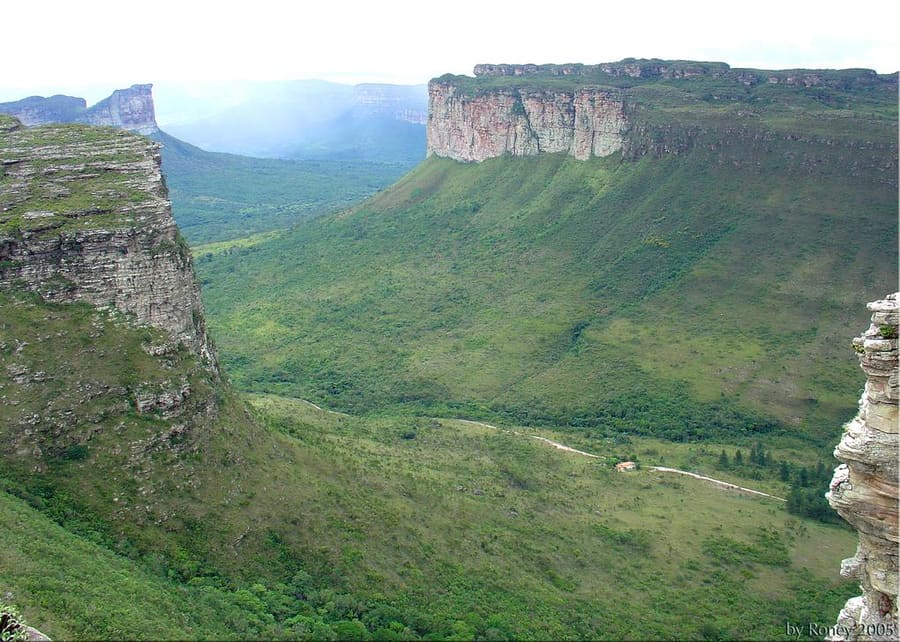
Lençóis is a former 19th-century diamond boomtown set against the red cliffs of Chapada Diamantina. You walk steep cobblestone streets flanked by pastel colonial houses and open-air food spots. The town runs on a double economy of wilderness trekking and slow evening dining. You come here to hike table-top mountains by day and rest in quiet pousadas by night.
Arrival by bus
Most visitors arrive on the seven-hour night bus from Salvador. Book seats in advance through Real Express or Rápido Federal.
National Park Gateway
Lençóis borders Chapada Diamantina National Park, created in 1985 to protect 1,520 square kilometres of tablelands and canyons.
Guide booking
Hire licensed guides directly through the local guide association ACVL on Rua das Pedras. Independent hiking is unsafe on remote trails.
Lençóis
roney · CC BY 2.0highlights
landmark
The classic table-top mountain lookout. Climb the short summit path before 17:00 to catch the late sun across the plateau.
Parley fragen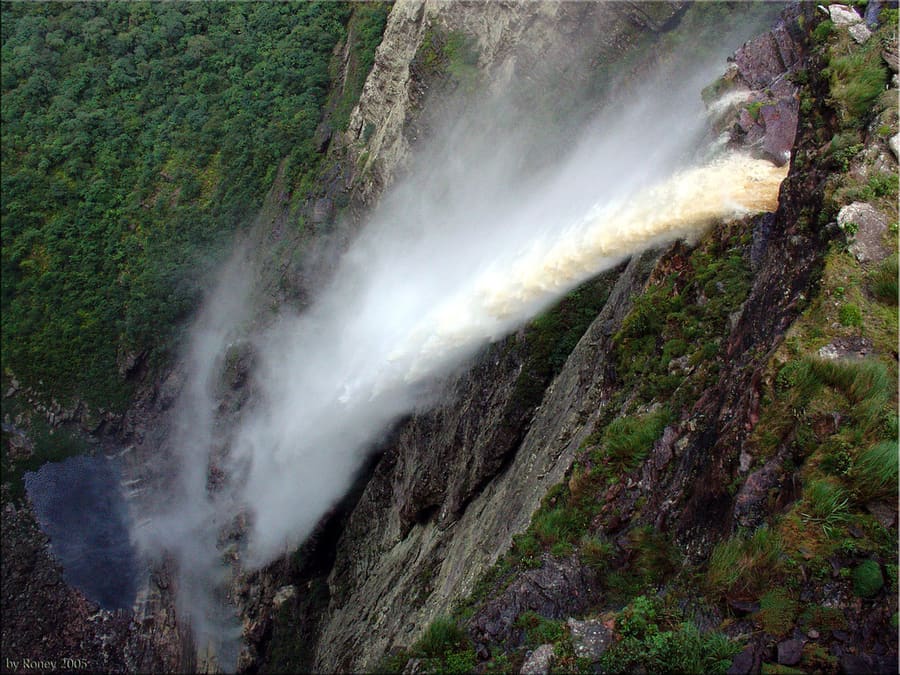
landmark
A 340-metre waterfall where water turns to mist before hitting the floor. Start early from Vale do Capão with a local guide.
Parley fragen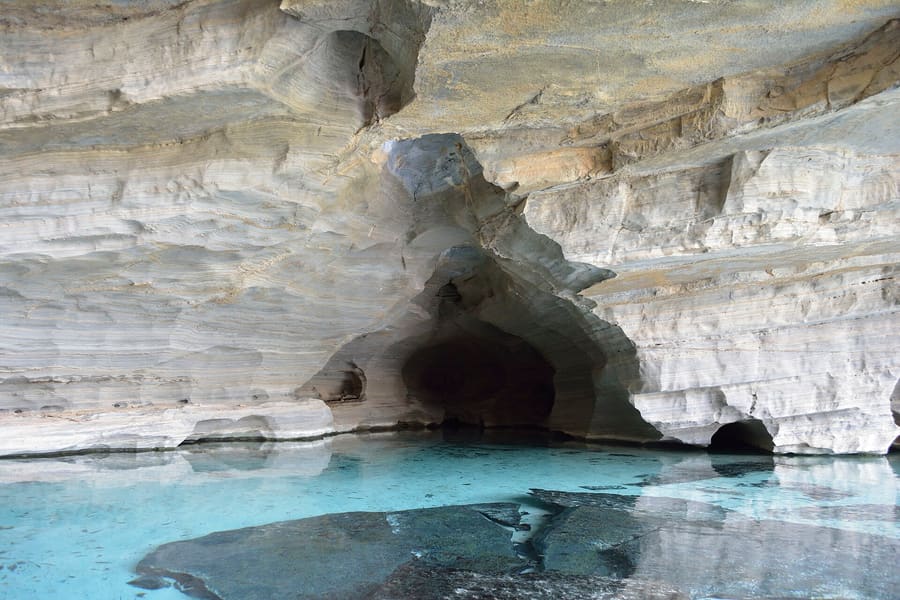
landmark
Underground river caves and blue lagoons. Pay the farm entry fee at the gate and rent a snorkel for cave swims.
Parley fragenattractions
areas
Colonial plaza life, stone staircases, and outdoor table seating.
In der NäheRua das Pedras, ACVL guide office, Praça Horácio de Matos
Parley fragenQuiet residential slope north of the river bridge.
In der NähePonte de Pedra, local bakeries, Lençóis River bridge
Parley fragenLeafy upper neighborhood closest to mountain trail exits.
In der NäheSerrano trailhead, trail to Cachoeira da Primavera
Parley fragenSouthern river fringe with garden guesthouses.
In der NäheRibeirão trail exit, municipal pool area
Parley fragenfood
Mining history shapes what you eat in Lençóis. Propectors needed high-calorie dishes that lasted long hours in the canyon. The signature town dish is godó de banana, a thick stew made from green bananas, dried meat, and garlic. You also find cortado de palma, cooked cactus pad served alongside river fish and cassava flour.
Order it at Restaurante Bodega or Lampião in Centro Histórico. Expect a rich, savory broth anchored by green plantain slices.
Kitchens open around 19:00. Hikers return from day treks, shower, and eat between 20:00 and 22:00.
Buy savory tapioca crepes or baked empadas near Praça Nagô before heading onto daytime trails.
Town restaurants accept cards, but trailhead juice stands require cash in Brazilian reais.
history
Lençóis sprang up overnight when prospectors discovered diamonds along the riverbed in 1844. Tents pitched by miners looked like drying sheets from a distance, giving the settlement its name. The French vice-consulate opened during the peak boom to manage direct diamond exports to Europe.
Diamond rush
Prospectors land along the Lençóis River, starting an era of rapid diamond extractions.
French consulate opens
Lençóis becomes the primary world exporter of industrial diamonds, establishing direct trade with Paris.
Mining decline
Synthetic abrasives and depleted mines end commercial extraction, leading decades of population loss.
National park created
Chapada Diamantina National Park is founded, transforming the historic town into a trekking destination.
where to stay
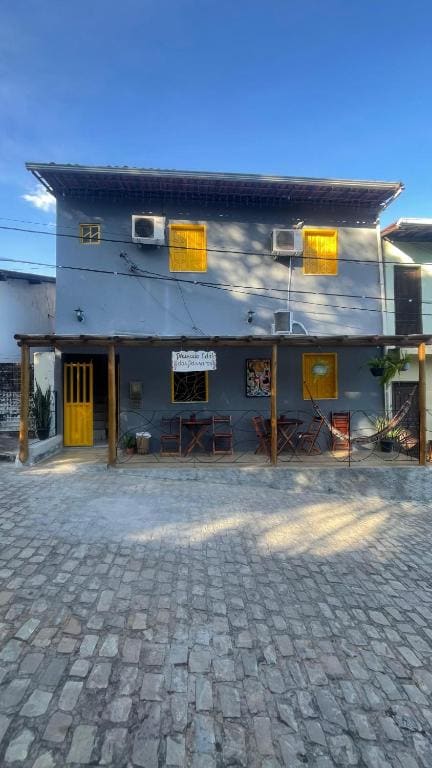
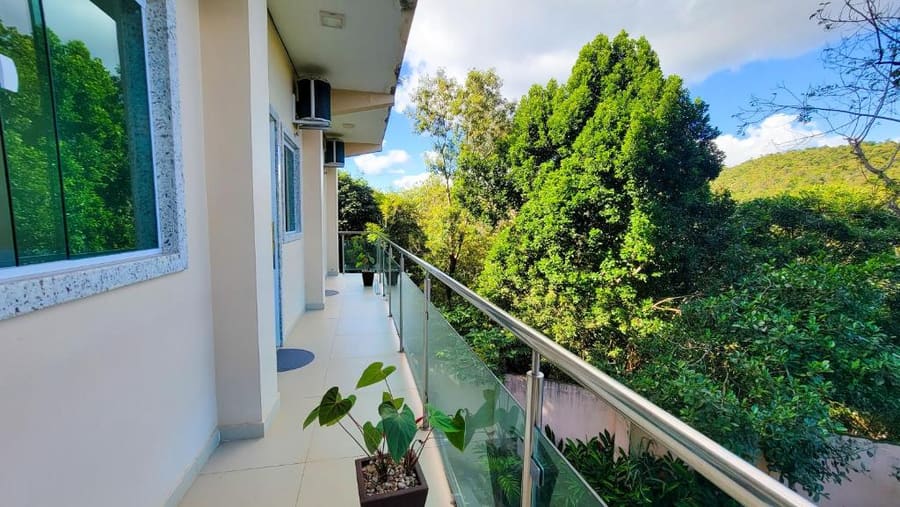
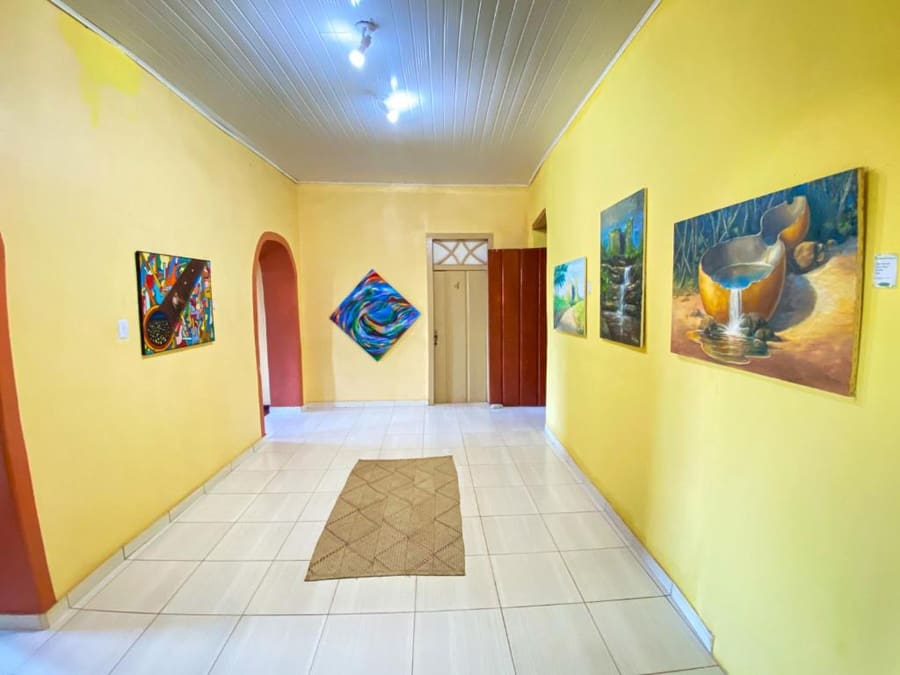
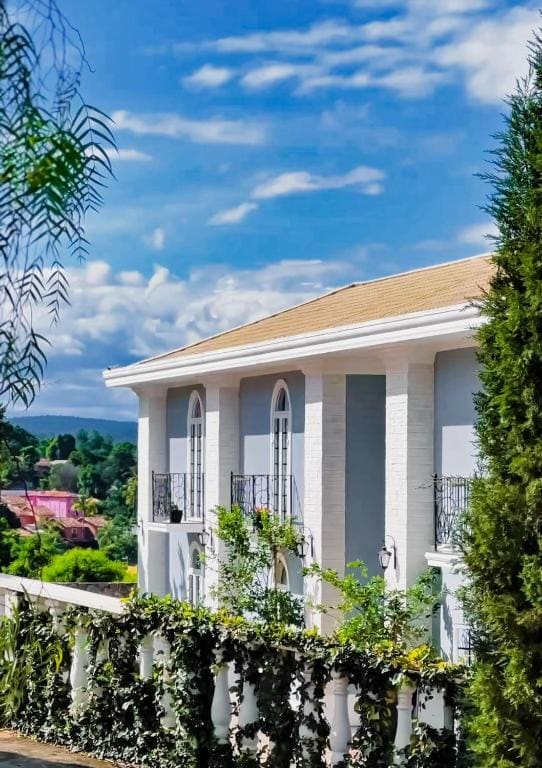
Choose your stay by proximity to the central square. Centro Histórico keeps you steps from tour departure points and evening restaurants. Higher slopes like Tomba Surrão or Alto do Capim offer cooler mountain breezes and quieter nights.
Live rates, matched to the areas above.
transport
Lençóis town center is completely walkable on foot. Motorized traffic is restricted on main cobblestone alleys. To reach distant park attractions like Morro do Pai Inácio or Poço Azul, you need hired 4x4 transfers or tour vans.
You do not need a vehicle inside Lençóis. Stone streets are narrow and built for walking.
Join shared agency vans on Rua das Pedras to split transport costs to distant park trailheads.
Weekend return buses to Salvador sell out. Reserve your ticket upon arrival in town.
Irregular 19th-century cobblestones quickly slick over when wet. Avoid smooth-soled footwear.
cost
Lençóis prices reflect its remote mountain location. Food and lodging cost slightly more than standard rural Bahia, but less than coastal resort towns. Cash is essential for park entry fees and rural guide payments.
Daily rate for a certified ACVL guide, split among your group.
Plate of godó de banana or moqueca at local central restaurants.
Per person admission at private nature sites like Pratinha or Pai Inácio.
Available at cafes surrounding Praça Horácio de Matos.
seasonality
NOV – MAR
Summer rains feed high waterfalls. Trails can turn muddy, but rivers are full.
APR – MAY
Moderate water levels and mild sunshine. Excellent conditions for day trekking.
JUN – AUG
Cooler dry weather. Best season for sunlight rays entering Poço Azul cave.
SEP – OCT
Dry heat and lower river levels. Some smaller waterfalls shrink significantly.
practicalities
Lençóis has limited ATM service and machines frequently run out of cash over long weekends.
Bring a headlamp, light raincoat, water bottle, and broken-in hiking boots.
Cave light effects at Poço Azul happen only during midday hours between April and September.
Verify your guide belongs to ACVL to ensure proper trail navigation and emergency preparedness.
Avoid dark river pools during heavy rain events due to risk of flash flooding.