landmark
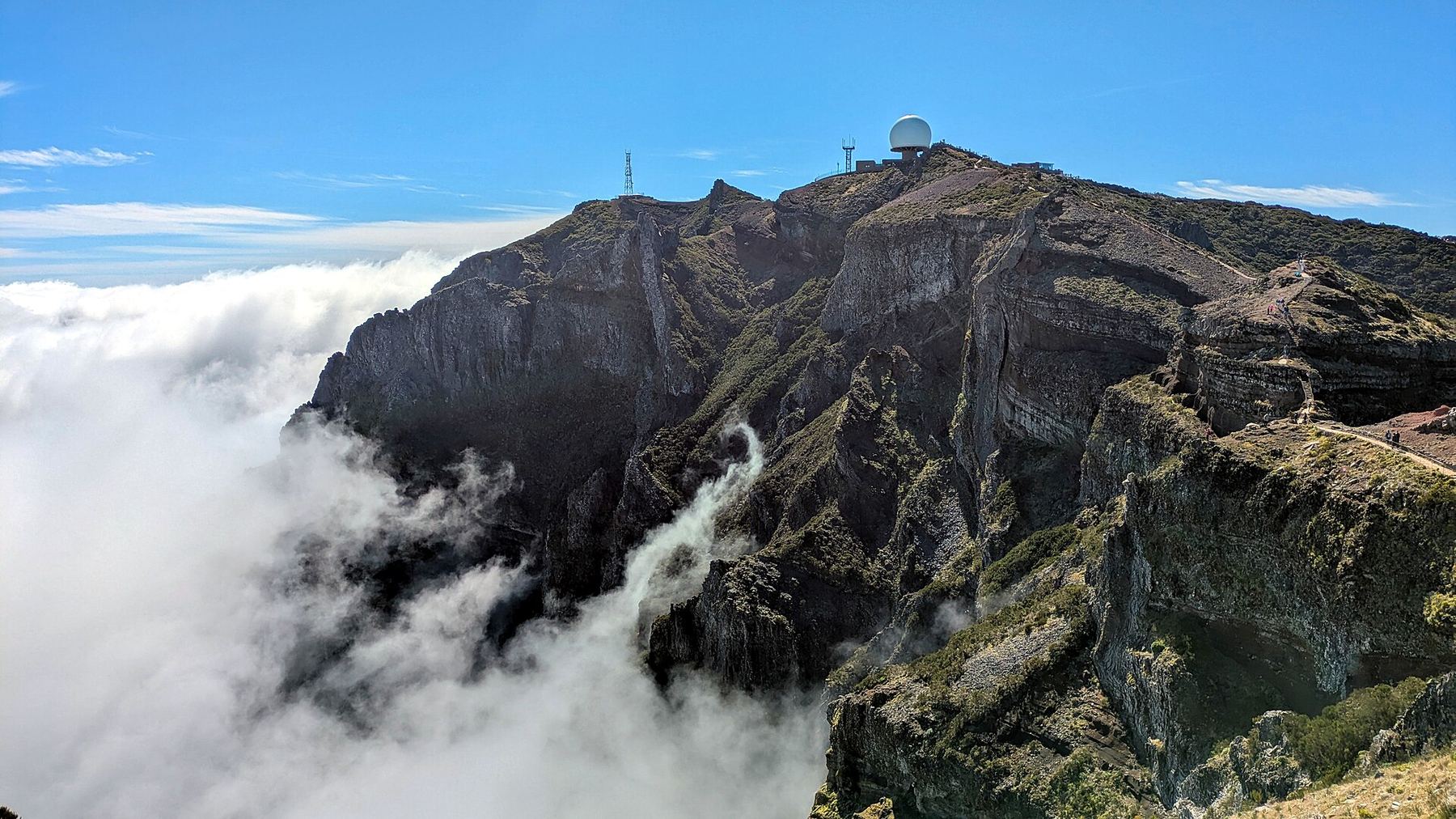
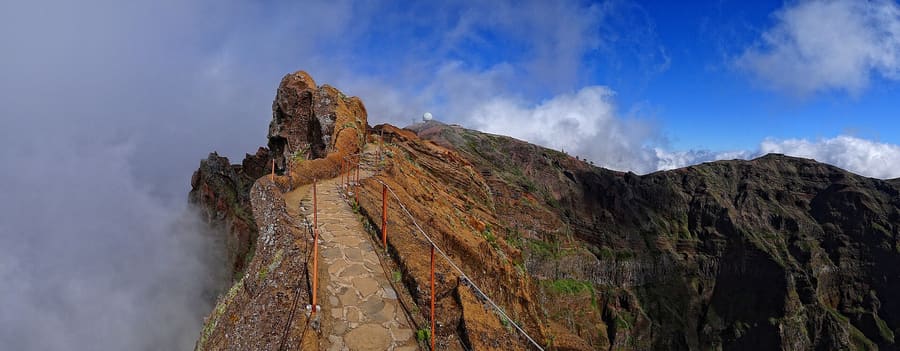
Pico do Arieiro
Madeira's third-highest peak links to Pico Ruivo via PR1. Arrive before dawn to beat mountain clouds and trail parking queues.
Parley fragenPortugal
A steep volcanic rock with microclimates and irrigation paths.
introduction
Madeira is a dramatic volcanic island where vertical terrain dictates daily life. Renting a car gives you freedom, but steep mountain roads require confident driving. Funchal offers urban comforts, while the north coast remains wild and rainy. Expect microclimates that change rapidly behind every mountain tunnel.
Airport landing and car rental
Madeira Airport experiences strong crosswinds. Choose a rental car with a strong engine to handle steep vertical inclines.
UNESCO Laurisilva forest
The island holds the largest surviving primary laurel forest in Europe. UNESCO recognized this ancient ecosystem in 1999.
Weather monitoring via webcams
Check the Netmadeira webcams before driving anywhere. Clouds often hover over one coast while the other stays dry and clear.
Madeira
Jongleur100 · Public domain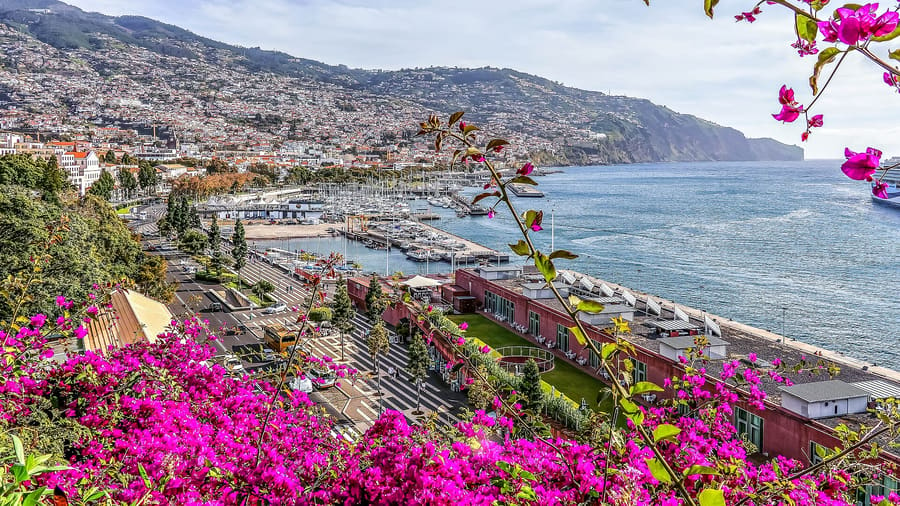
Funchal — The island's urban hub with coastal promenades, historic wine lodges, and steep residential alleys.
Dr. Thomas Liptak · CC BY-SA 4.0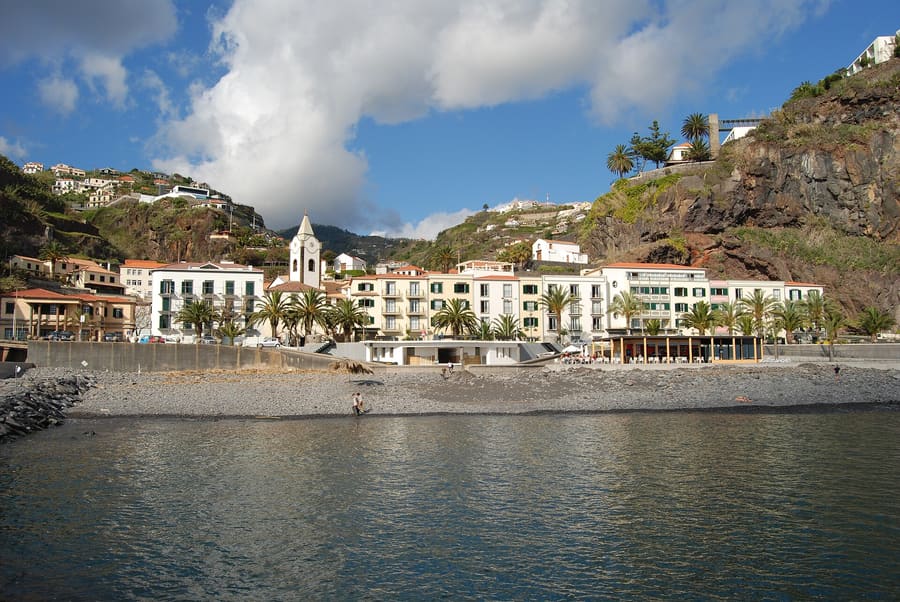
Ponta do Sol — A quiet south-coast village set between sheer sea cliffs, known for receiving the most daylight hours.
Paul Mannix · CC BY 2.0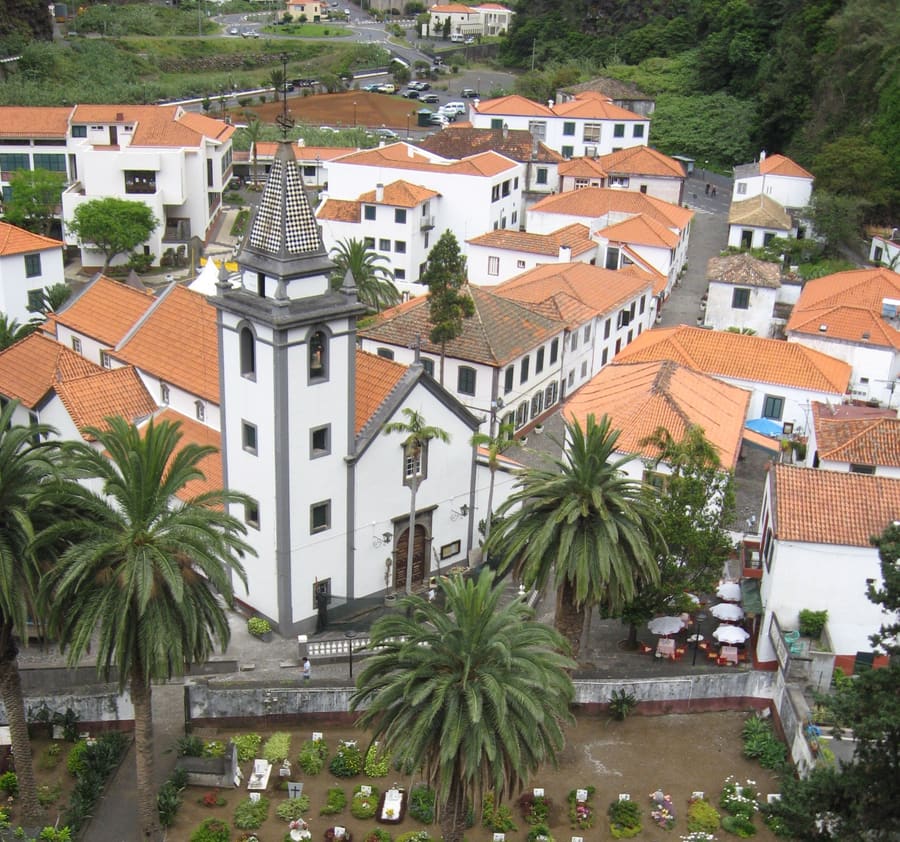
São Vicente — A green valley village where steep mountain ridges meet the crashing surf of the north coast.
Jongleur100 · Public domain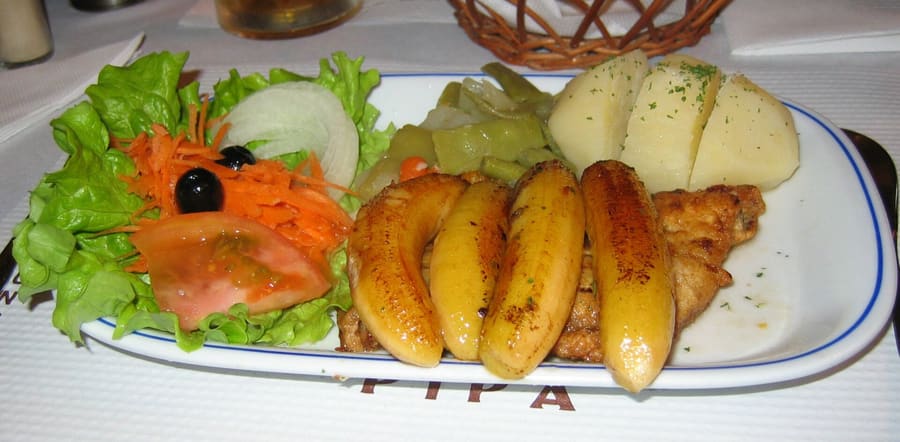
Traditional espada com banana served with boiled potatoes.
AngMoKio · CC BY-SA 3.0highlights
landmark
Madeira's third-highest peak links to Pico Ruivo via PR1. Arrive before dawn to beat mountain clouds and trail parking queues.
Parley fragen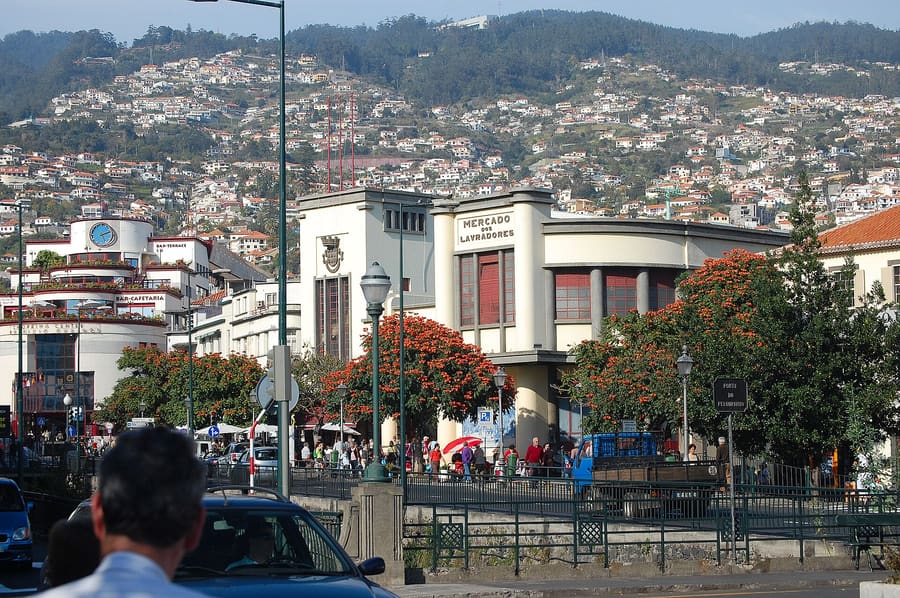
landmark
Historic Funchal market with fresh black scabbardfish stalls. Skip fruit vendors selling overpriced exotic passion fruit samples.
Parley fragen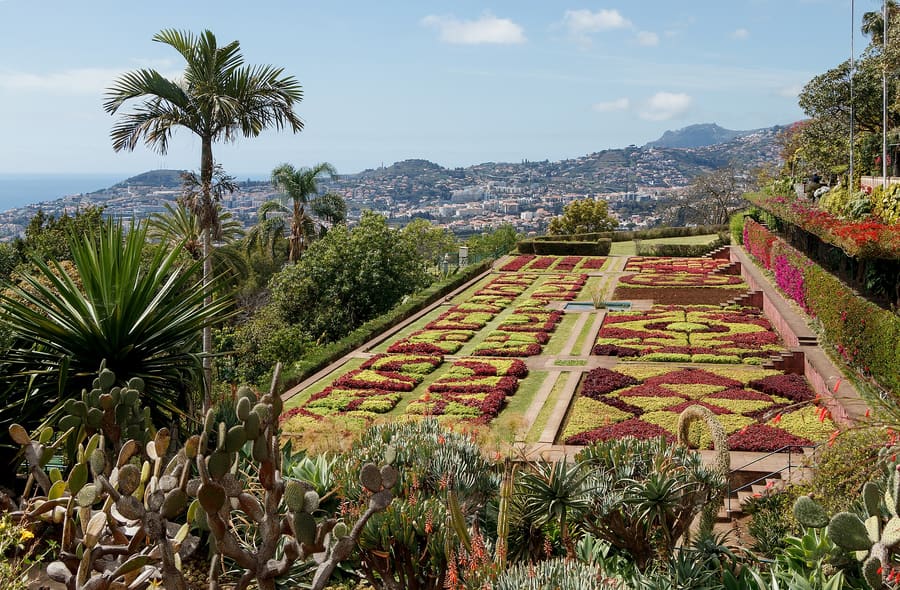
landmark
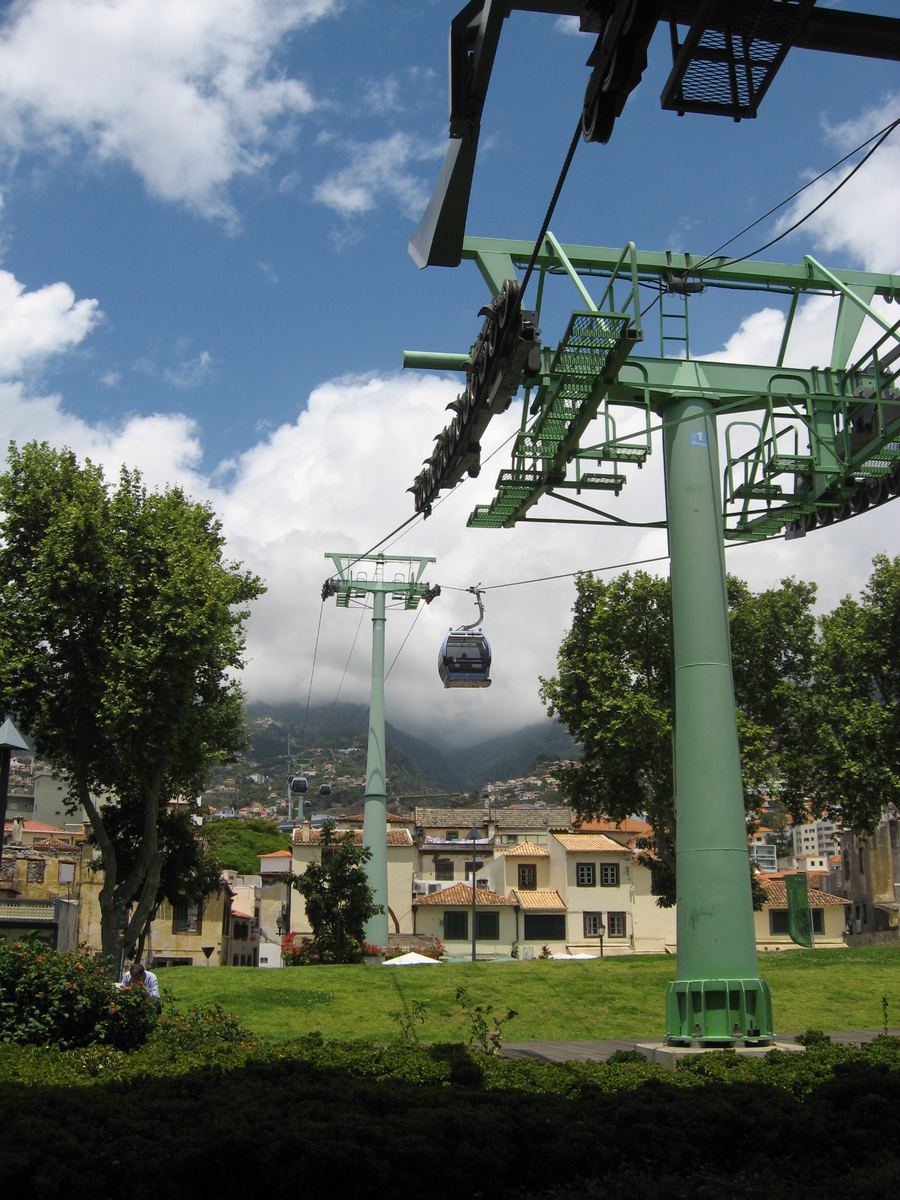
Terraced hillside gardens displaying over two thousand exotic plants. Take the cable car from Monte to reach the entrance.
Parley fragen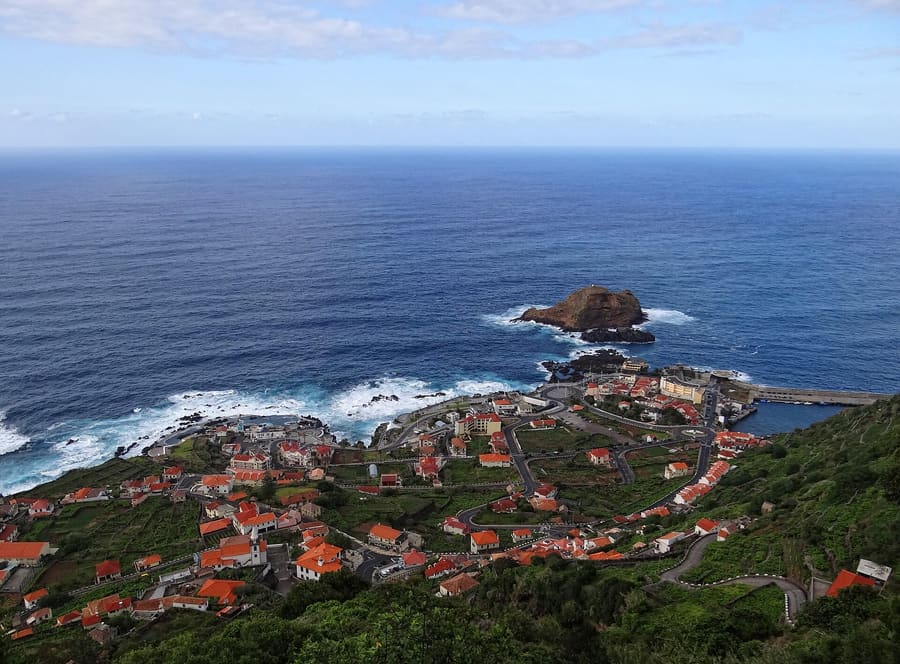
landmark
Volcanic lava basins filled continuously by ocean waves. Check swell warnings before swimming in the open outer pools.
Parley fragen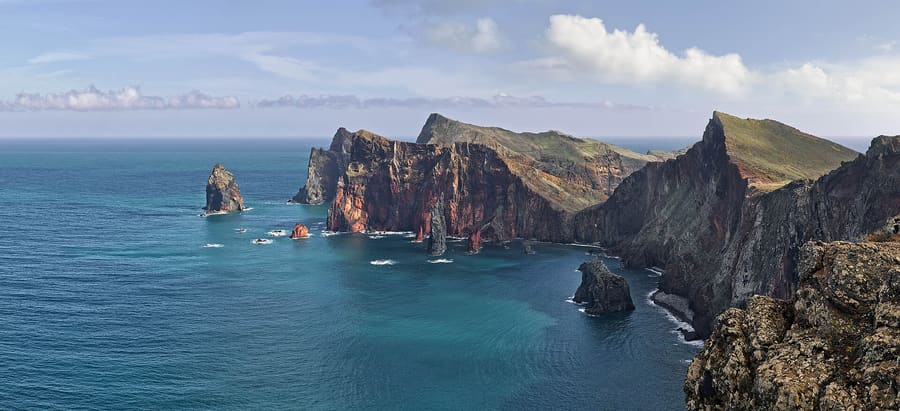
landmark
Arid eastern cape with treeless volcanic cliffs on PR8. Bring water and windproof gear because cover is non-existent.
Parley fragenattractions
areas
The island's urban hub with coastal promenades, historic wine lodges, and steep residential alleys.
In der NäheMercado dos Lavradores and Monte Cable Car
Parley fragenA quiet south-coast village set between sheer sea cliffs, known for receiving the most daylight hours.
In der NäheCascata dos Anjos and Madalena do Mar
Parley fragenA green valley village where steep mountain ridges meet the crashing surf of the north coast.
In der NäheEncumeada Pass and Laurel Forest trails
Parley fragenfood
Madeira relies on local sea catches and volcanic soil produce. Black scabbardfish (*espada*) looks menacing whole but delivers delicate white fillets, typically served cooked with fried banana. *Espetada*, tender beef seasoned with salt and garlic on laurel skewers, dominates traditional mountain steak houses.
Traditional espada com banana served with boiled potatoes.
AngMoKio · CC BY-SA 3.0Order traditional poncha made from sugar cane rum, honey, and fresh lemon juice mixed with a wooden stirrer at Taberna da Poncha in Serra de Água.
Order *lapas* (grilled limpets served sizzling with garlic butter and lemon) at coastal spots like Bar do Peixe in Jardim do Mar.
Eat garlic butter *bolo do caco* warm from street grills across Funchal instead of standard restaurant bread baskets.
history
Uninhabited until Portuguese captains claimed it in 1419, Madeira was carved into terraced farmland. Sugarcane production brought early wealth, followed by Madeira wine exports in the seventeenth century. The island later developed into a transatlantic maritime coaling station and a climate sanatorium for European aristocracy.
Portuguese settlement
Captains Zarco and Vaz Teixeira land on the uninhabited island, naming it Madeira for its dense timber covering.
Sugar trade boom
Madeira becomes Europe's main sugar exporter, driving early levada irrigation channel construction.
Wine export era
British merchants establish fortified wine trade houses after sugar production shifts to Brazil.
Aristocratic sanatorium
European royals visit Madeira for its mild climate, establishing Funchal as a winter resort.
where to stay
Choose your base by sun exposure and driving tolerance. Funchal gives you walkable restaurants and highway access. The south coast offers warmth, while the north coast suits travelers seeking quiet landscapes and cooler weather.
transport
Public buses cover Funchal well, but exploring the rest of the island efficiently requires a rental vehicle. Modern expressway tunnels bypass historical cliffside switchbacks and cut drive times in half.
Ab FNC
Runs between airport and main hotel zone. €10 round-trip available from driver.
20% surcharge applies on nights (21:00-06:00), weekends, and holidays. Luggage fee extra.
Book via app; pick-up point is located outside departures.
SAM intercity routes (e.g., Line 113). Cheaper than Aerobus but slower with many stops.
Rent a car with high torque or an automatic transmission to handle frequent steep inclines.
Horários do Funchal operates yellow buses. Buy a reusable Giro card at kiosks for discounted fares.
Rodoeste and SAM run rural buses across the island, but service drops off significantly on weekends.
cost
Madeira remains moderately priced compared to mainland Europe. Traditional mountain taverns and local bakeries deliver exceptional value, while tourist hubs in central Funchal charge mainland resort prices.
Garlic butter flatbread sandwiches stuffed with steak or octopus at local snack bars.
Freshly stirred sugarcane spirits served at mountain taverns across the island.
Mandatory access fee charged by regional authorities for popular trails like PR1 and PR8.
Daily rental rates vary based on seasonal demand and vehicle engine size.
seasonality
MAR – MAY
Spring flowers bloom across Funchal. Temperatures stay mild and trail rainfall decreases.
JUN – AUG
Warmest sea temperatures and dry weather. South coast beaches and north coast lava pools get busy.
SEP – NOV
Warm water lingers into autumn grape harvest season. Great conditions for walking levadas without peak crowds.
DEC – FEB
Winter sun draws northern Europeans. High peaks get rain while Funchal hosts major New Year fireworks.
practicalities
Pack rain jackets and warm layers regardless of coastal morning sunshine.
Carry a flash light or headlamp when hiking levadas with unlit irrigation tunnels.
Small grocery stores and family restaurants outside Funchal close early on Sundays.
Credit cards work in cities, but rural poncha bars require cash for small orders.
Atlantic ocean swells are powerful; swim only in designated pools or beaches with lifeguards.