landmark
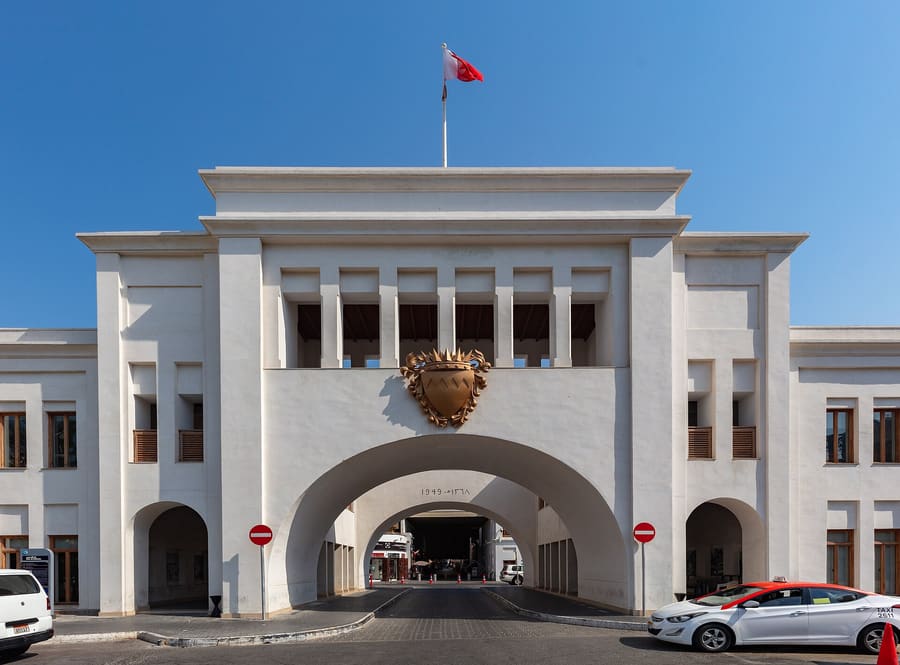
Bab Al Bahrain
The 1949 gateway marks the entrance to the souq. Walk behind it to find spice vendors and fabric stalls.
Parley fragenBahrain
Financial skyscrapers, traditional souqs, and island history.
introduction
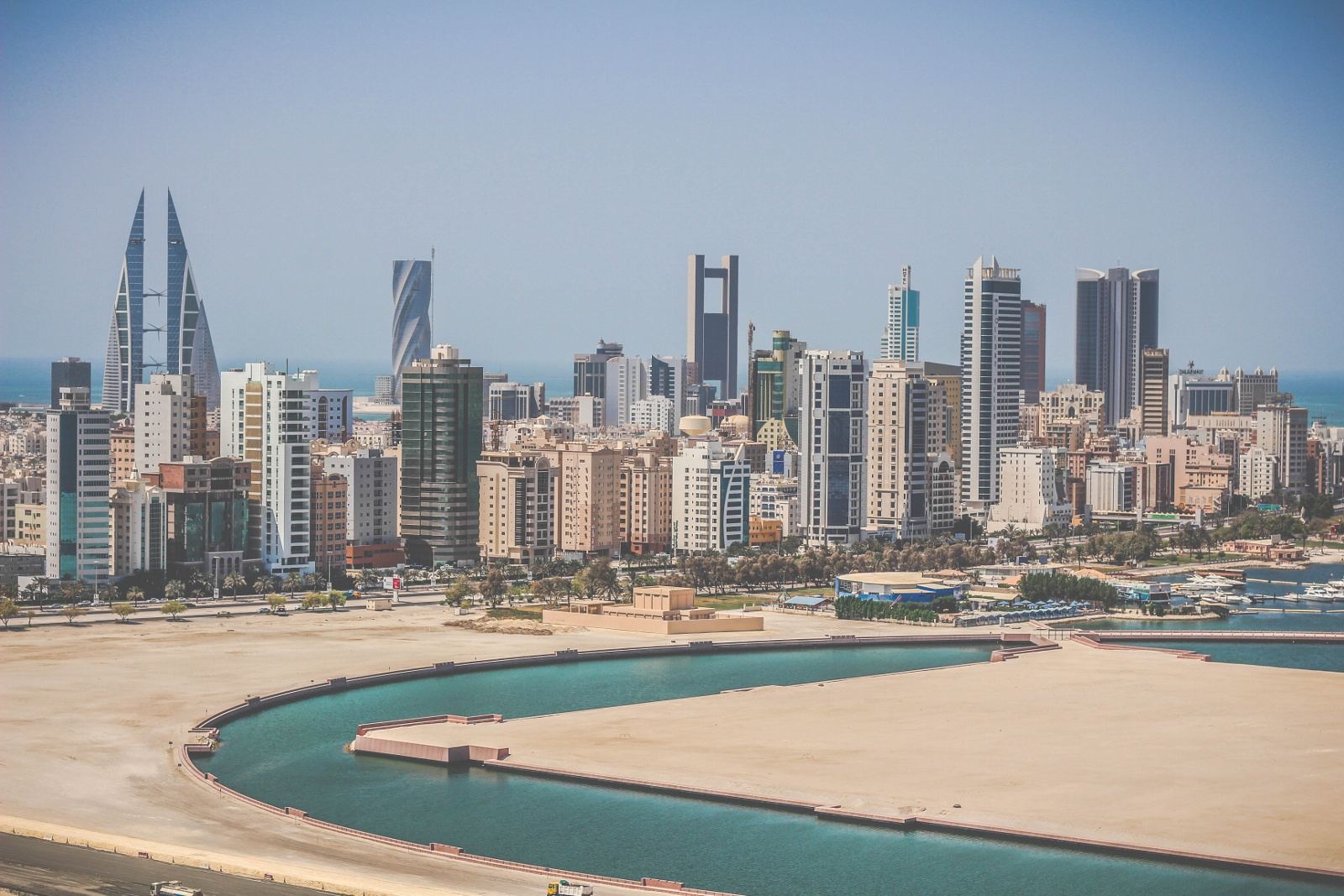
Manama is a compact island capital defined by financial towers and old trading quarters. You move between sprawling air-conditioned malls and narrow pedestrian alleys within minutes. Car rentals or ride-hailing apps are essential because pedestrian links between districts are rare. Expect high heat for half the year and a relaxed social atmosphere relative to its Gulf neighbours.
Airport transit
BPTC bus A1 connects Bahrain International Airport directly to Manama terminal for 300 fils. Taxis cost twenty times more.
Pearling Path UNESCO Site
The nearby Muharraq Pearling Path preserves the region's pre-oil pearl diving heritage. It sits five kilometres north of central Manama.
Weekend timing
Bahrain follows a Friday-Saturday weekend. Friday morning is quiet everywhere as businesses close for noon prayers.
Manama
Zairon · CC BY-SA 4.0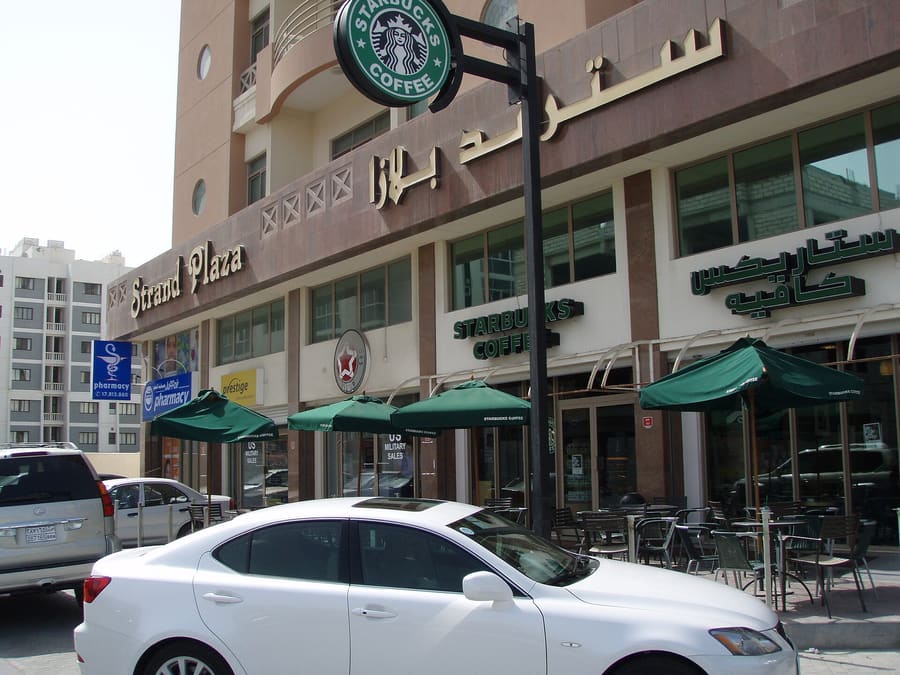
Juffair — High-rise residential district packed with western chain restaurants, hotels, and night spots.
Ahed Mustafa · CC BY-SA 3.0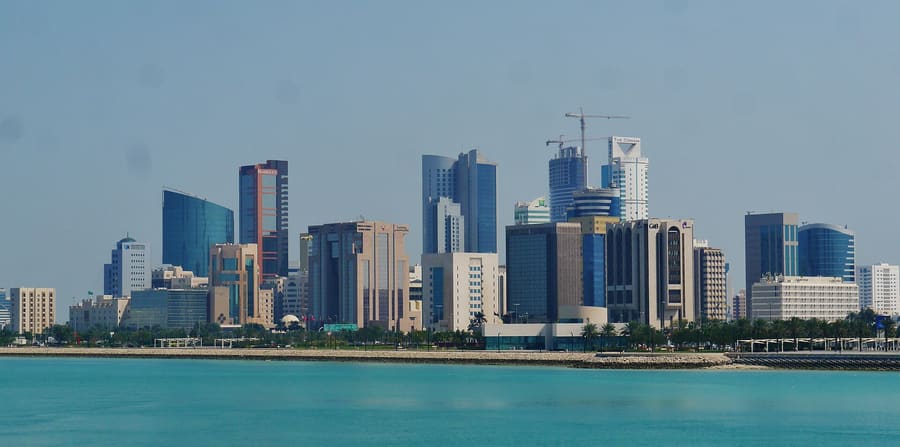
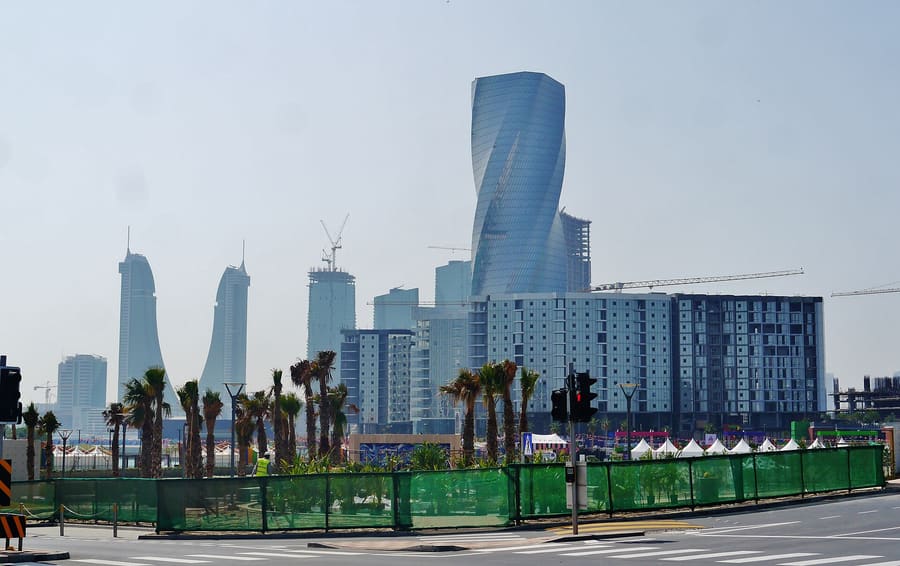
Diplomatic Area — Business district with high-end hotels, banks, and wide avenues quiet on weekends.
Zairon · CC BY-SA 4.0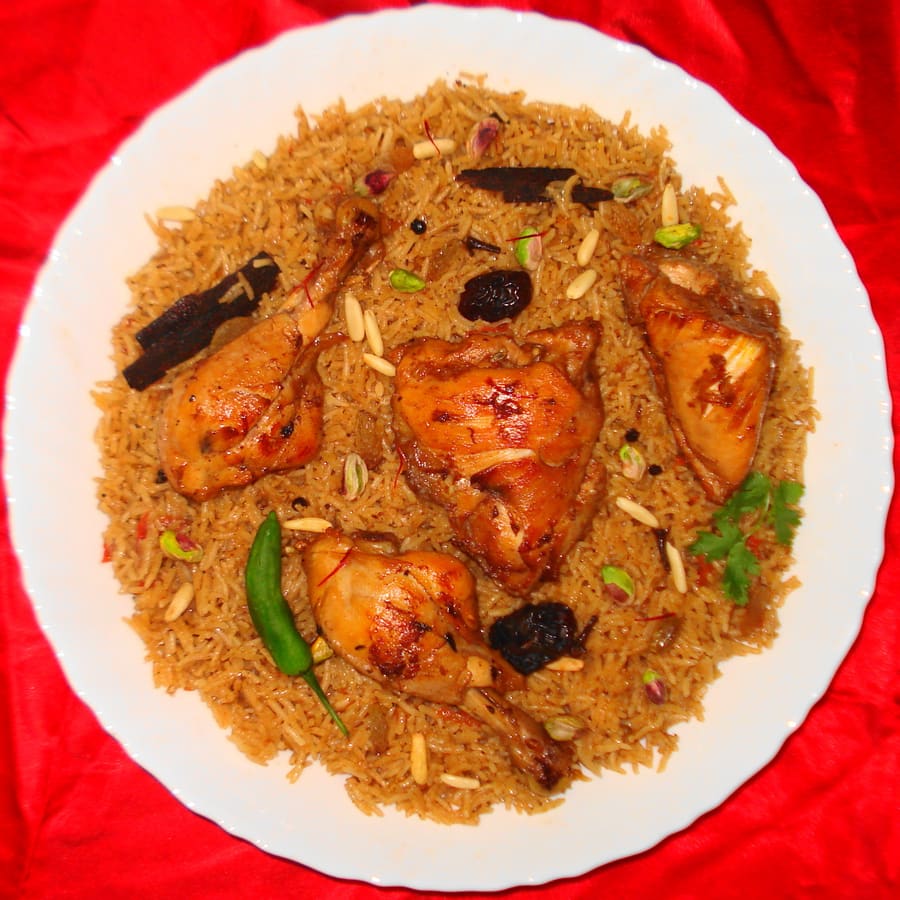
A plate of machboos, Bahrain's spiced rice dish served with slow-cooked meat or local fish.
Miansari66 · CC0highlights
landmark
The 1949 gateway marks the entrance to the souq. Walk behind it to find spice vendors and fabric stalls.
Parley fragen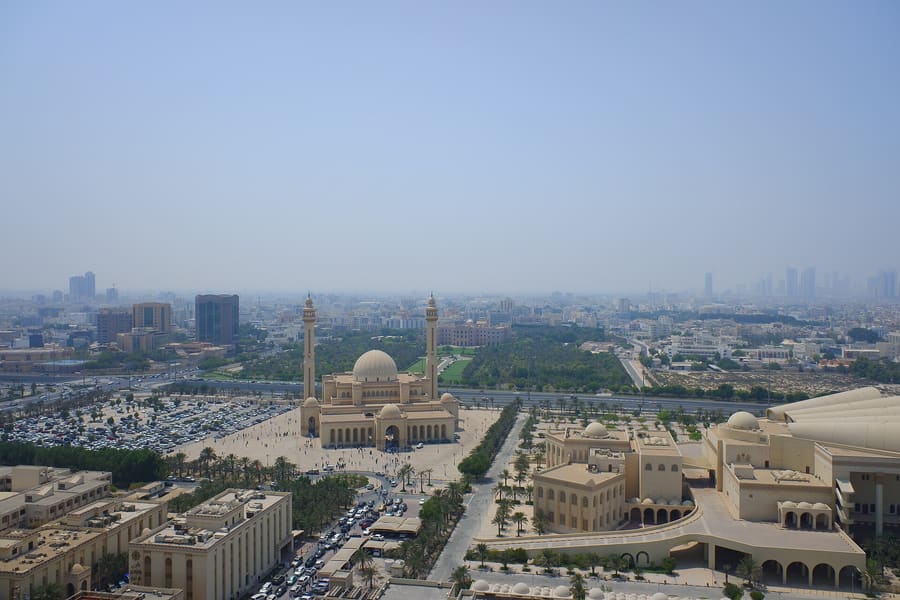
landmark
One of the world's largest mosques. Non-Muslim visitors get free guided tours except during prayer hours.
Parley fragen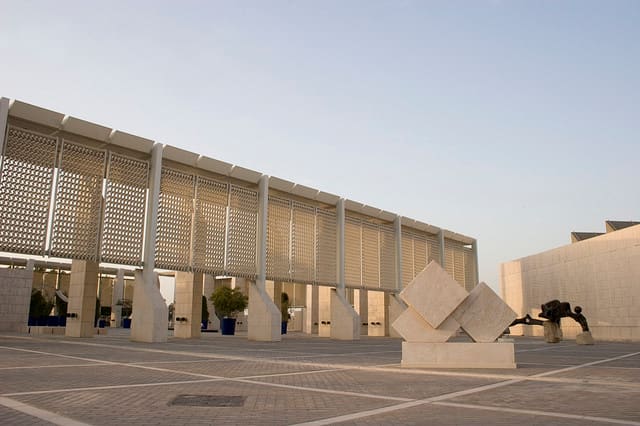
landmark
Covers 6,000 years of regional history including Dilmun burial mounds. Admission is BHD 1.
Parley fragen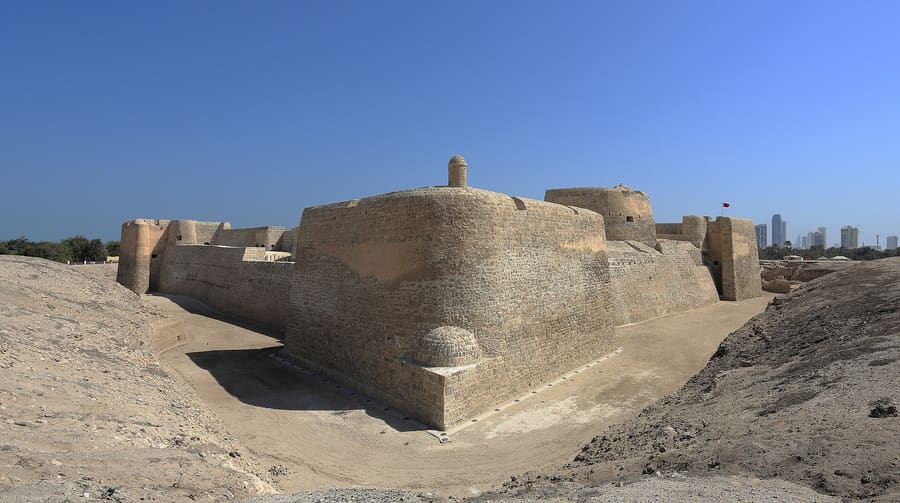
landmark
A 16th-century Portuguese fort built over ancient Dilmun settlements. Visit late afternoon to avoid direct heat.
Parley fragen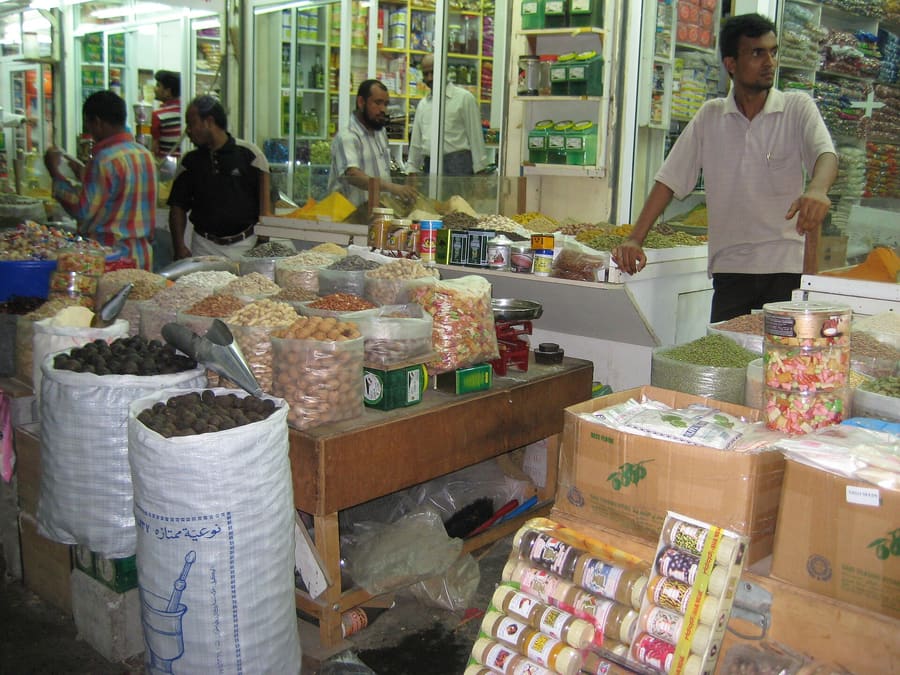
landmark
Dense street market selling spices, perfumes, and gold. Haggling is standard practice for unpriced goods.
Parley fragenattractions
areas
High-rise residential district packed with western chain restaurants, hotels, and night spots.
In der NäheBahrain National Museum and Adliya
Parley fragenBusiness district with high-end hotels, banks, and wide avenues quiet on weekends.
In der NäheManama Souq and Bahrain Bay
Parley fragenPedestrian dining quarter filled with independent restaurants, art galleries, and outdoor cafes.
In der NäheAl Fateh Mosque and Juffair
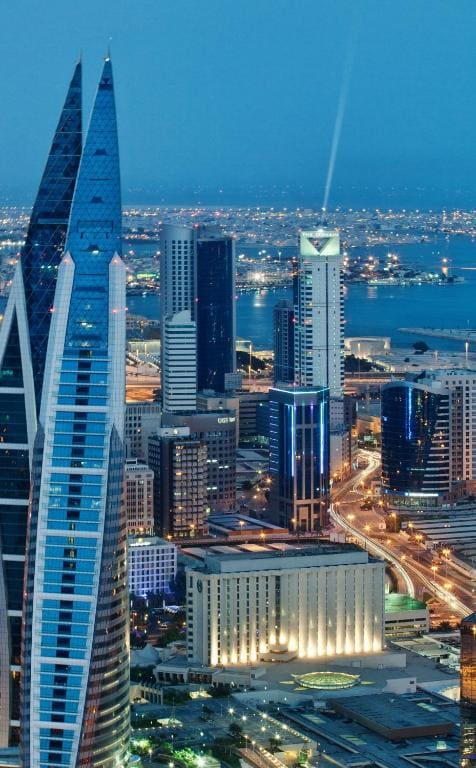
Parley fragenModern commercial strip dominated by shopping malls, office towers, and luxury hotel chains.
In der NäheBahrain Fort and Reef Island
Parley fragenfood
Manama's food culture reflects centuries of trade across the Persian Gulf. Local eateries serve spiced rice dishes alongside fresh fish caught daily off the coast. Iranian, Indian, and Arab culinary traditions blend seamlessly into daily dining habits across the city.
A plate of machboos, Bahrain's spiced rice dish served with slow-cooked meat or local fish.
Miansari66 · CC0Eat balaleet, sweet saffron noodles topped with an omelette, at traditional spots like Haji Cafe in the souq before 10:00.
Showaiter confectioneries sell traditional gelatinous sweet halwa made with saffron, nuts, and cardamom. Cash or cards are accepted.
history
Manama grew as a trading port along the Persian Gulf routes. Ancient Dilmun civilization used Bahrain as a commercial center thousands of years ago. Modern oil discovery in 1932 reshaped the economy, turning Manama into a regional financial hub.
Dilmun Empire
Bahrain emerges as a central trading port between Mesopotamia and the Indus Valley. Fortresses and burial sites mark the period.
Al Khalifa Rule
The Al Khalifa family establishes control over Bahrain. Manama becomes the principal commercial center of the island.
Oil Discovery
Oil is struck in Bahrain, the first discovery on the Arabian side of the Gulf. Rapid modernization begins in Manama.
Independence
Bahrain gains full independence from British protectorate status. Manama is declared the capital of the sovereign state.
where to stay
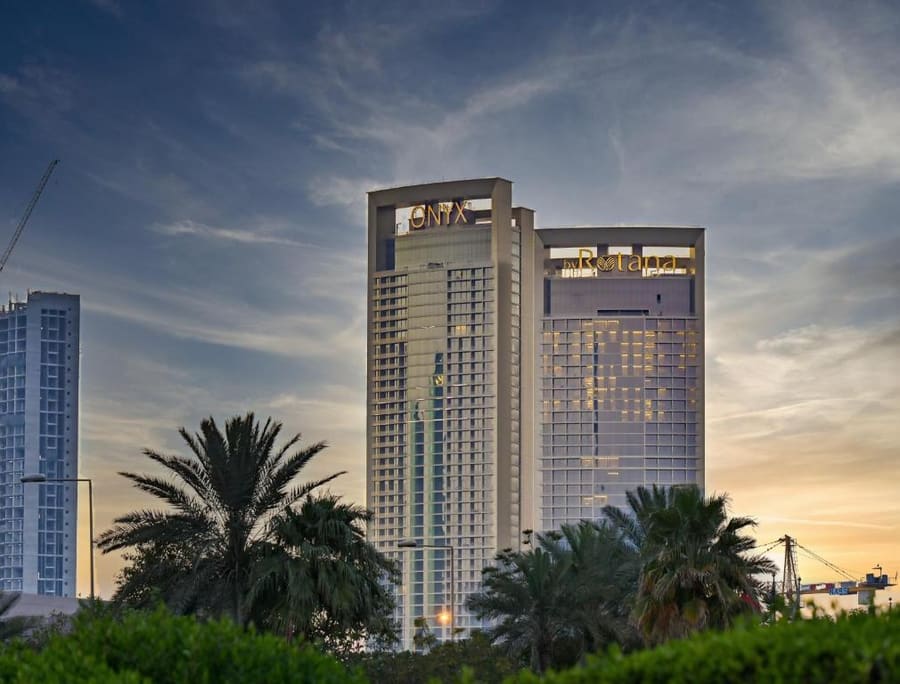
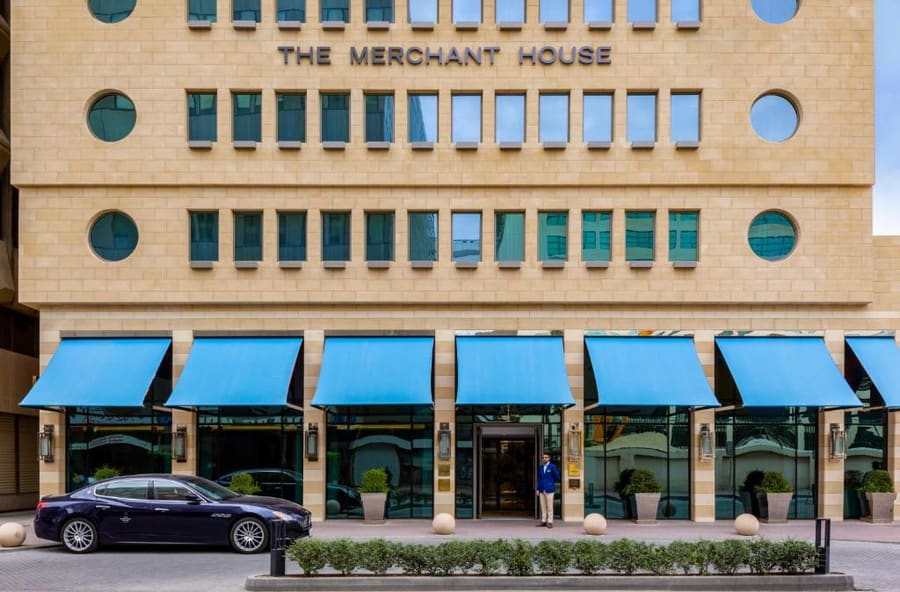
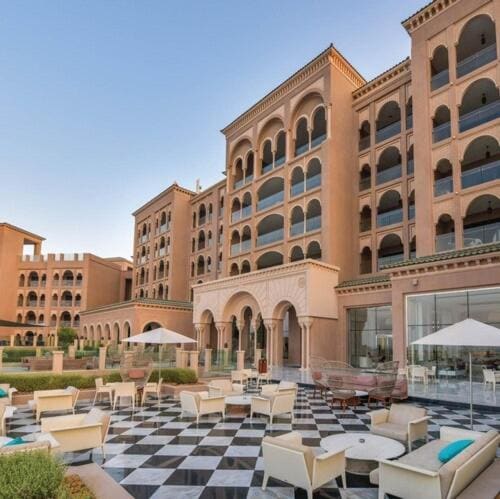
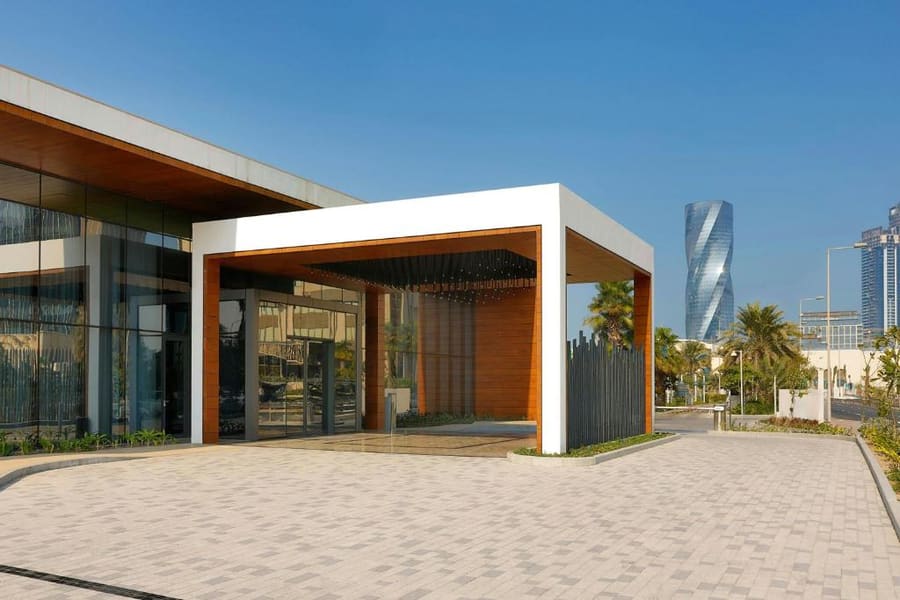
Choose your neighbourhood based on how you plan to travel around the city. Staying near Adliya suits diners and walkers, while Seef offers modern mall access and quiet high-rises. Business travelers often prefer the Diplomatic Area for proximity to offices.
Live rates, matched to the areas above.
transport
Public buses operated by Bahrain Public Transport Company run reliably between key districts. However, most visitors use ride-hailing services or hire a car to navigate the high-speed urban highways.
Ab Bahrain International Airport (BAH)
Route A1 runs every 20 minutes from BAH directly to Manama main bus station.
Official airport taxis use meters. A fixed airport surcharge applies automatically.
Uber and Careem pick up at designated rideshare zones outside the arrivals terminal.
App rides avoid price negotiations common with street taxis outside tourist zones.
Morning peak runs 07:00–09:00 and evening peak runs 16:00–18:30 on King Faisal Highway.
Wide highways divide districts without pedestrian crossings. Take short app rides between areas.
cost
Manama is moderately expensive compared to regional averages. Dining in local souqs is economical, while upscale dining in Block 338 or luxury hotels incurs higher costs.
Local shawarma, tikka, and falafel platters cost under three dinars at traditional eateries.
A main dish and drink in Block 338 cost around twelve dinars per person.
Specialty espresso drinks in Adliya or Seef run around two dinars.
Single ride cash fare on any BPTC bus route across the city network.
seasonality
NOV – MAR
Temperatures range from 18°C to 26°C with pleasant breezes. This is peak tourist season so book hotels early.
APR – MAY
Temperatures rise to 35°C with moderate humidity. Outdoor sightseeing is best done early in the morning.
JUN – SEP
Extreme heat exceeds 40°C with high humidity. Life moves indoors to climate-controlled malls and venues.
OCT
Transition month as heat moderates to 32°C. Evening outdoor dining becomes comfortable again.
practicalities
Shoulders and knees should be covered in public spaces and mosques. Swimwear is restricted to beach resorts.
Credit cards are accepted in almost all shops, taxis, and restaurants. Keep small cash dinars for souq stalls.
Shops in traditional quarters close briefly during five daily prayer calls. Malls stay open continuously.
Arabic is the official language, but English is universally spoken in commercial businesses and restaurants.
Tap water is desalinated and safe for brushing teeth, but most residents prefer bottled water for drinking.