landmark
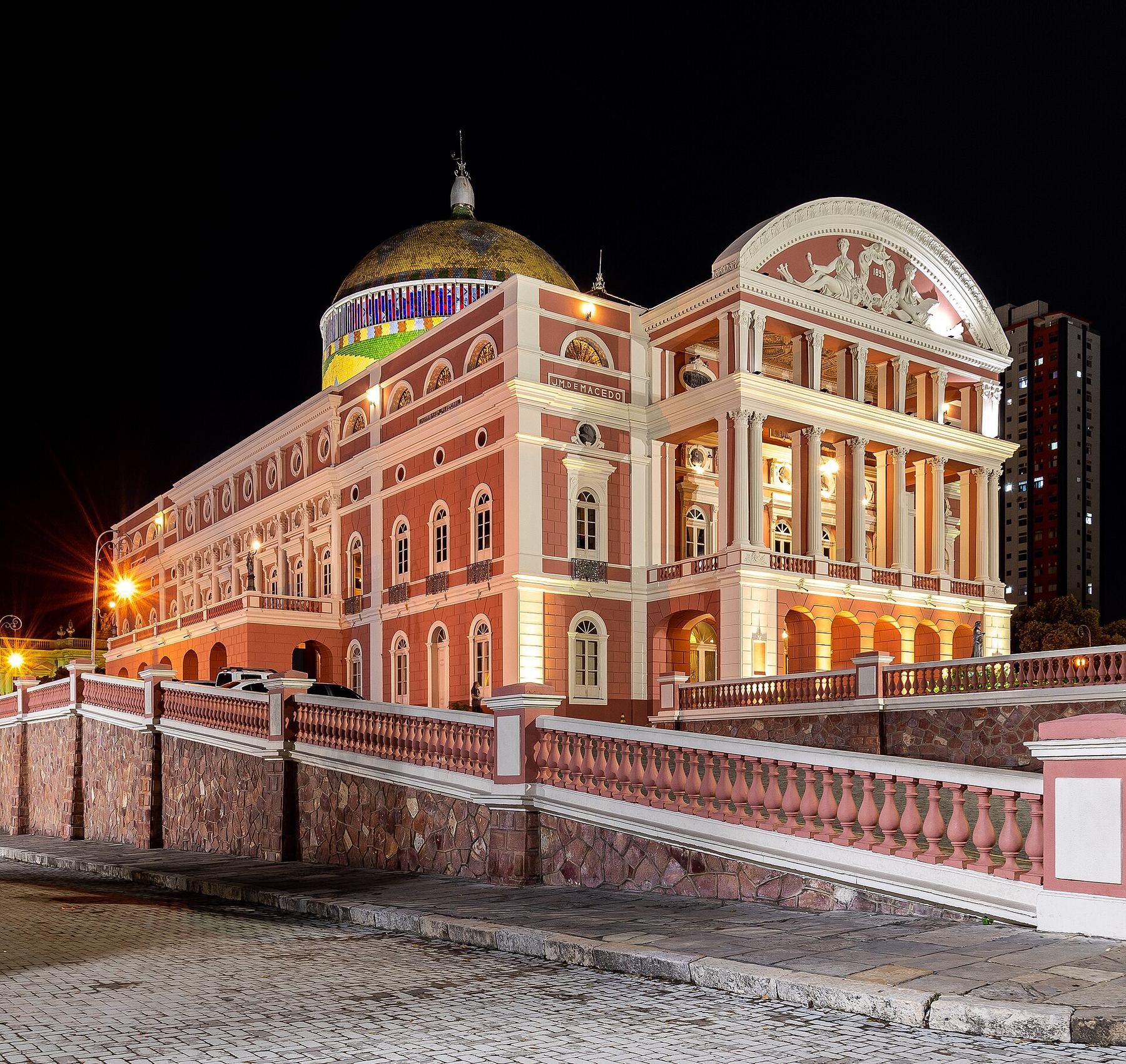
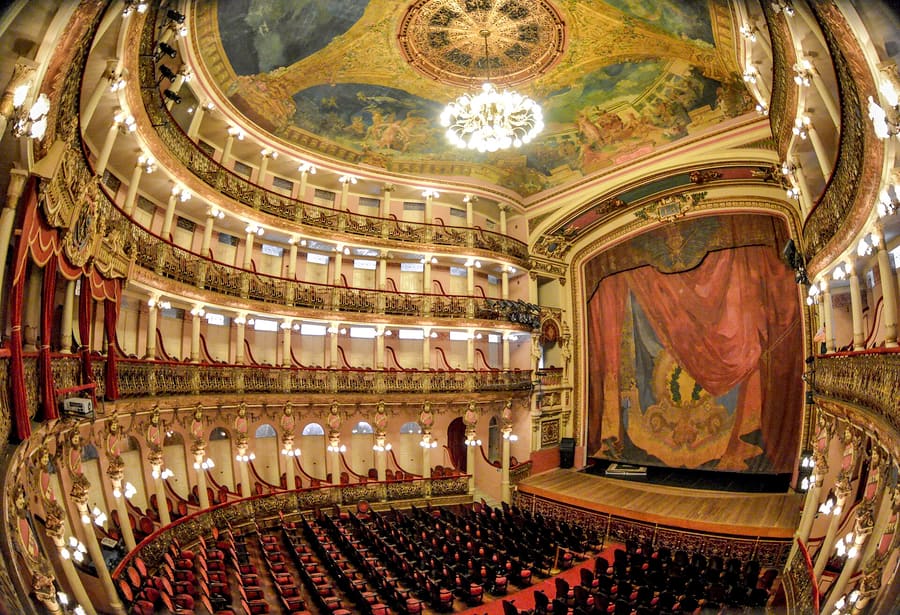
Teatro Amazonas
Built in 1896 with Italian marble and French tiles. Guided tours run hourly; book evening performance tickets online days in advance.
Parley fragenBrasilien
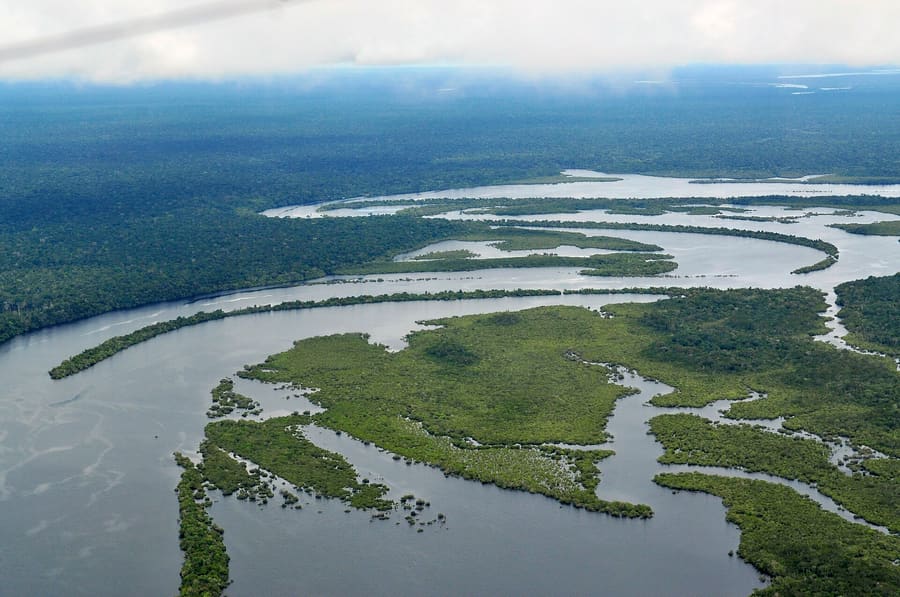
An industrial metropolis floating inside the Amazon basin.
introduction
Manaus is a city of two million people isolated by dense rainforest. It operates as an inland industrial free-trade zone and the primary launching pad for Amazon river travel. You navigate the city by rideshare or taxi, as public transit routes are inconsistent for visitors. Expect intense humidity, tropical downpours, and stark contrasts between rubber-era mansions and modern urban concrete.
Arrival trick
Official airport taxis operate on fixed rates set by zones. Confirm the zone price at the counter inside Eduardo Gomes Airport before stepping out.
Opera House distinction
Teatro Amazonas stands as a late 19th-century rubber-boom opera house built with imported European materials. It still holds free weekly concerts.
Rainy season planning
Water levels peak between May and July, making river navigation easier. Jungle trekking turns muddy and requires high-top rubber boots.
Manaus
CIAT · CC BY-SA 2.0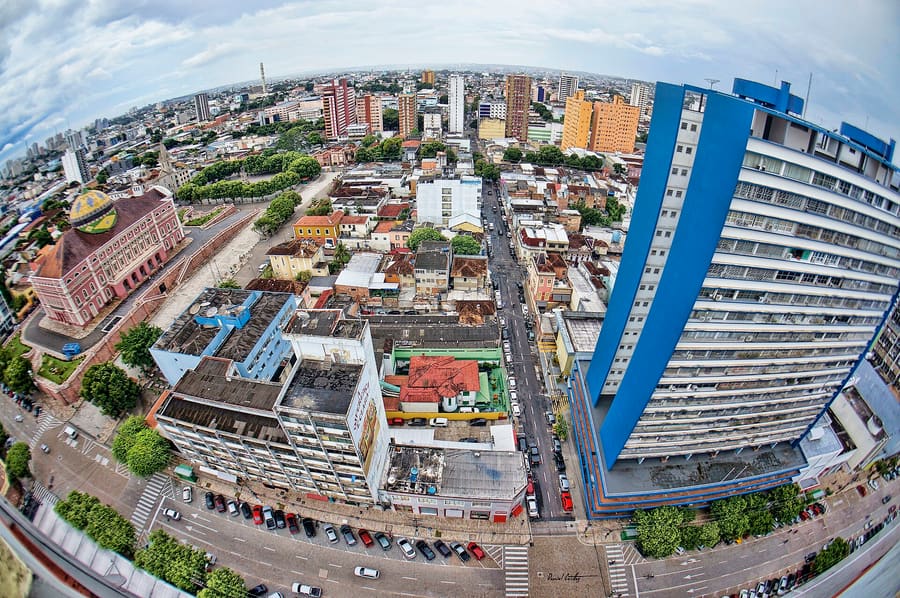
Centro Histórico — Walkable hub of rubber-era architecture, plazas, and historic river docks.
Daniel Corttez · CC BY-SA 4.0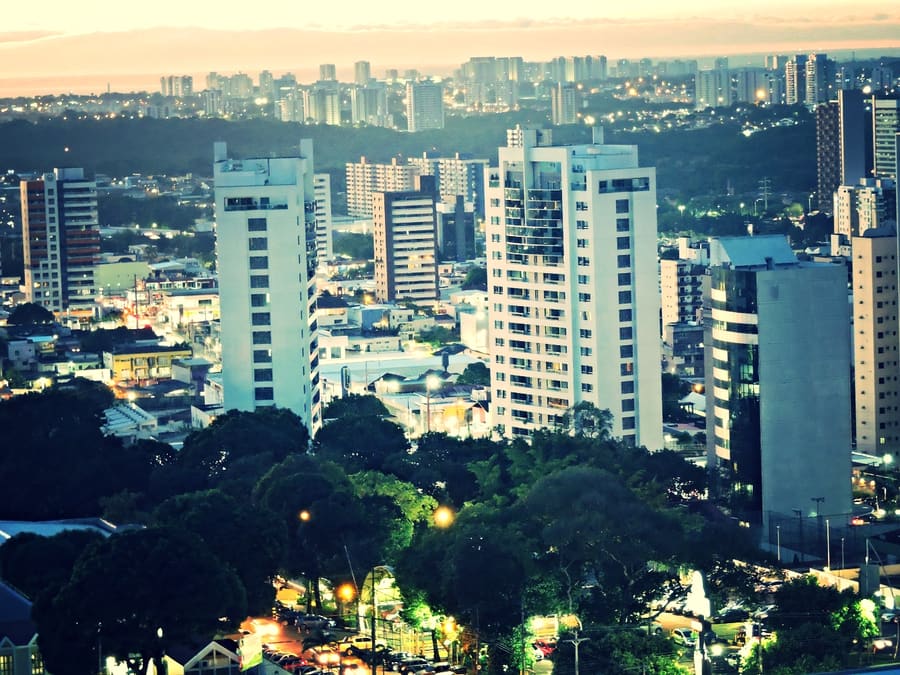
Adrianópolis — Upscale residential quarter with high-rise hotels, malls, and leafy streets.
Daniela de Oliveira Moraes · CC BY 2.0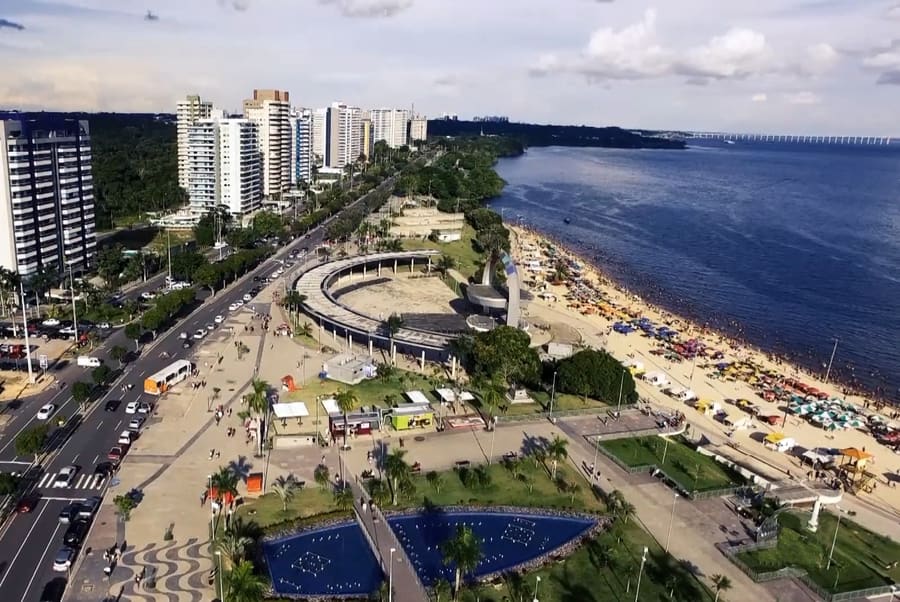
Ponta Negra — Riverfront neighborhood with high-rise condos, beach promenade, and sunsets.
TV Em Tempo Online · CC BY 3.0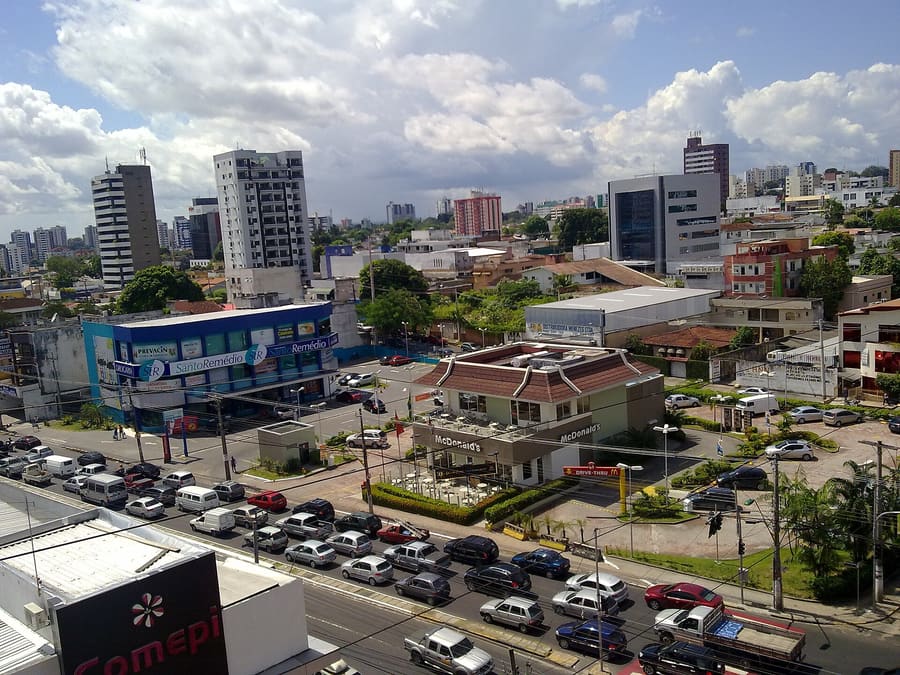
Vieiralves — Commercial district known for craft beer bars, cafes, and local night spots.
Madison · CC BY-SA 3.0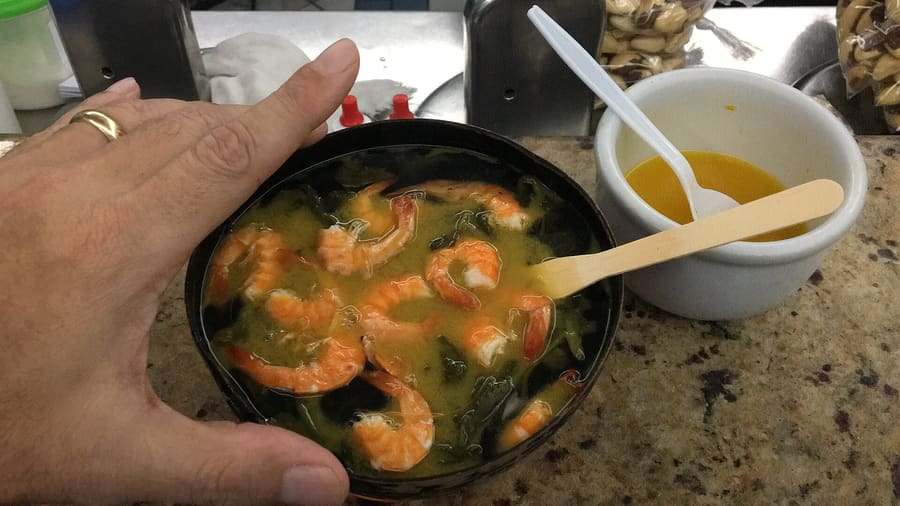
Tacacá served boiling hot in a traditional gourd (cuias) with jambu and dried shrimp.
Carlos-alberto-teixeira · CC BY-SA 4.0highlights
landmark
Built in 1896 with Italian marble and French tiles. Guided tours run hourly; book evening performance tickets online days in advance.
Parley fragen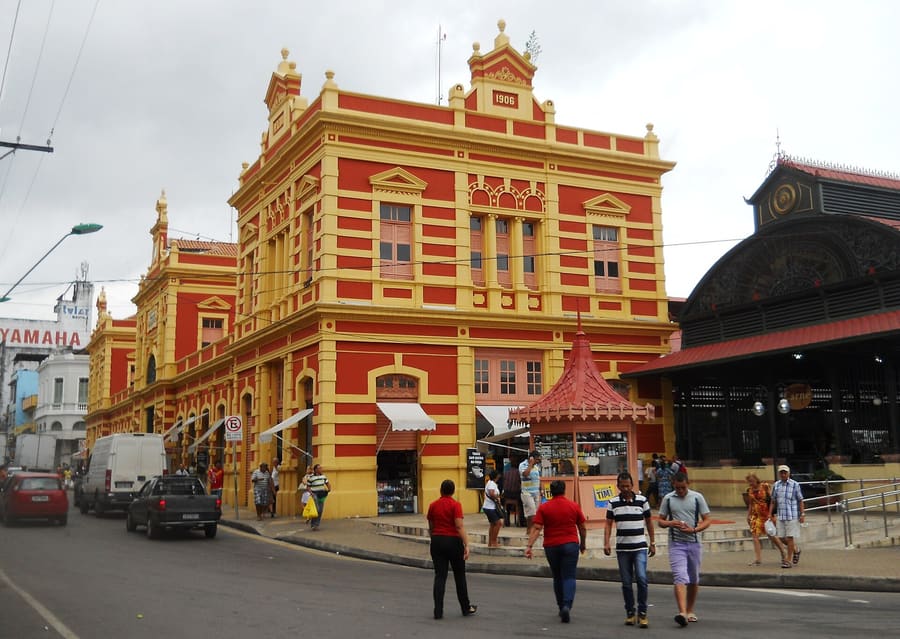
landmark
Modeled on Les Halles in Paris and opened in 1883. Visit at 07:00 for fresh river fish like tambaqui before daytime heat sets in.
Parley fragen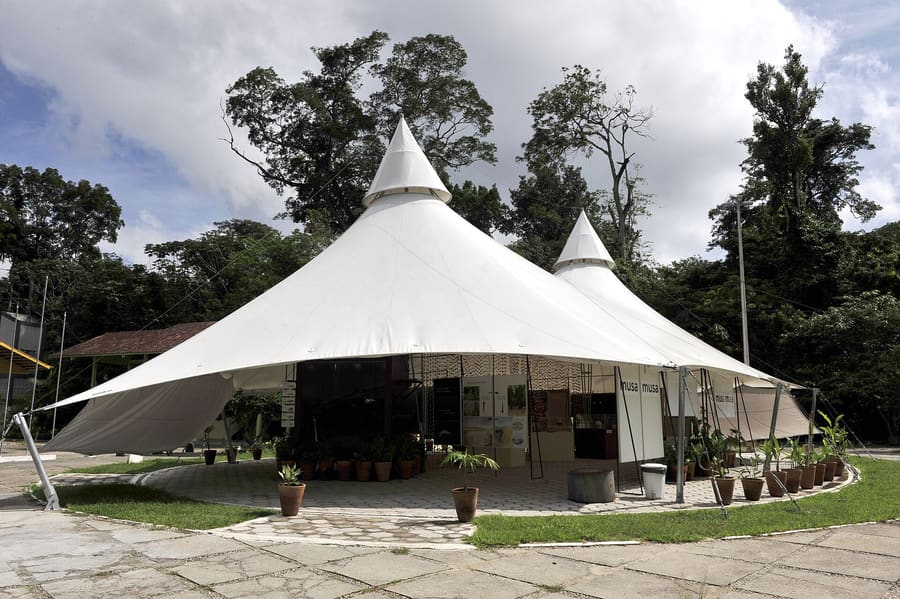
landmark
A 100-hectare reserve inside the Adolpho Ducke forest. Climb the 42-meter observation tower at dawn to view the forest canopy.
Parley fragen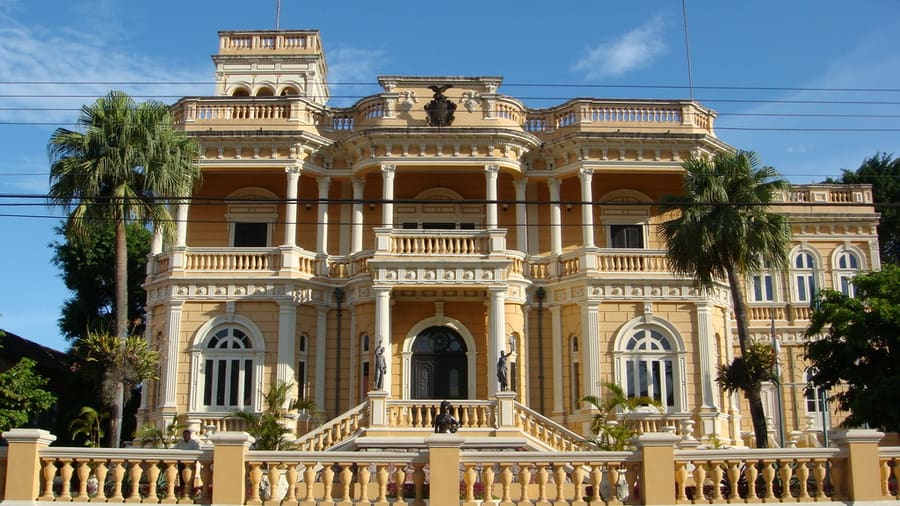
landmark
Former residence of a German rubber baron turned governor's seat. Entry is free; inspect the dark wood furniture and quiet gardens.
Parley fragenattractions
areas
Walkable hub of rubber-era architecture, plazas, and historic river docks.
In der NäheTeatro Amazonas, Mercado Adolpho Lisboa, Port of Manaus
Parley fragenUpscale residential quarter with high-rise hotels, malls, and leafy streets.
In der NäheManauara Shopping, high-end restaurants
Parley fragenRiverfront neighborhood with high-rise condos, beach promenade, and sunsets.
In der NähePonta Negra beach, waterfront dining
Parley fragenCommercial district known for craft beer bars, cafes, and local night spots.
In der NäheLocal gastro-pubs and boutique cafes
Parley fragenfood
Manaus cuisine depends heavily on giant freshwater fish and indigenous fruits. Local cooking uses jambu, a leaf that causes a slight numbing sensation on your tongue, alongside tucupi, a yellow sauce extracted from fermented cassava root. You buy street dishes like tacacá in the late afternoon directly from traditional female vendors known as tacacazeiras.
Tacacá served boiling hot in a traditional gourd (cuias) with jambu and dried shrimp.
Carlos-alberto-teixeira · CC BY-SA 4.0Tacacazeiras set up stalls around 16:00. Drink the broth straight from the gourd without a spoon.
Order tambaqui ribs (costela de tambaqui) grilled over charcoal at regional fish restaurants along the river.
Try x-caboquinho for breakfast. It is a sandwich packed with fried tucumã fruit, grilled cheese, and sweet plantains.
history
Manaus grew from a 17th-century Portuguese fort into the world center of wild rubber production in the late 19th century. Late-19th-century rubber wealth built grand monuments before the market crashed when seeds were smuggled to Asia. In 1967, the federal government created the Free Trade Zone, turning Manaus into an industrial manufacturing hub in the middle of the jungle.
Fort San José
Portuguese forces erect Fort San José da Barra do Rio Negro to secure river routes.
Rubber Boom
Manaus becomes one of South America's wealthiest cities through natural rubber export dominance.
Teatro Amazonas
The grand opera house opens, showcasing European luxury in the heart of the Amazon.
Rubber Crash
Asian plantation rubber lowers global prices, plunging the local economy into decades of decline.
Free Trade Zone
Brazil establishes Zona Franca de Manaus, transforming the city into a major manufacturing center.
where to stay
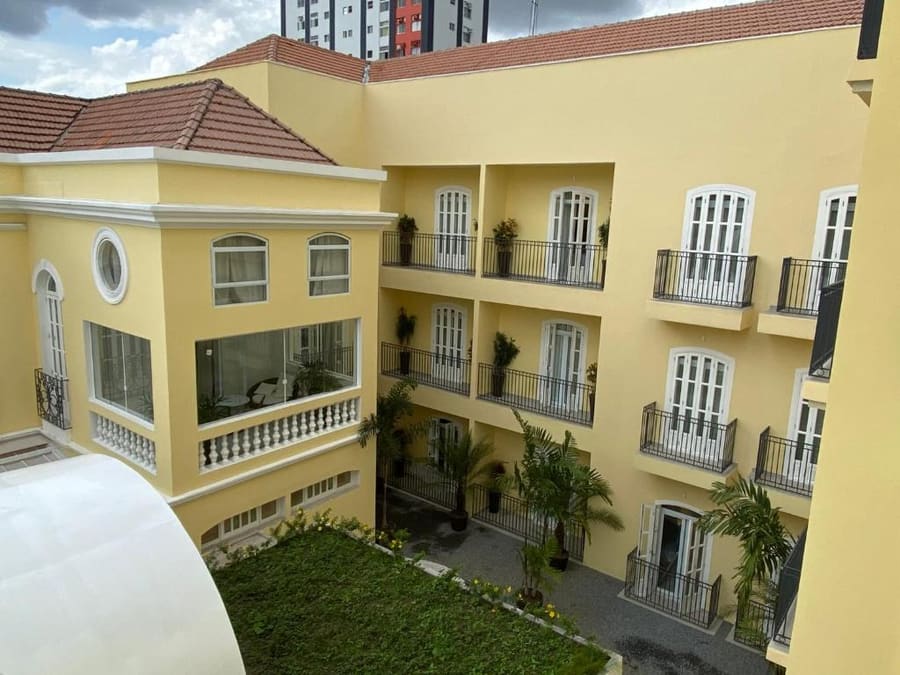
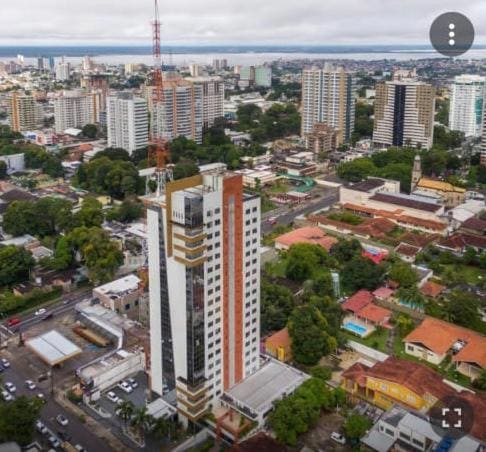
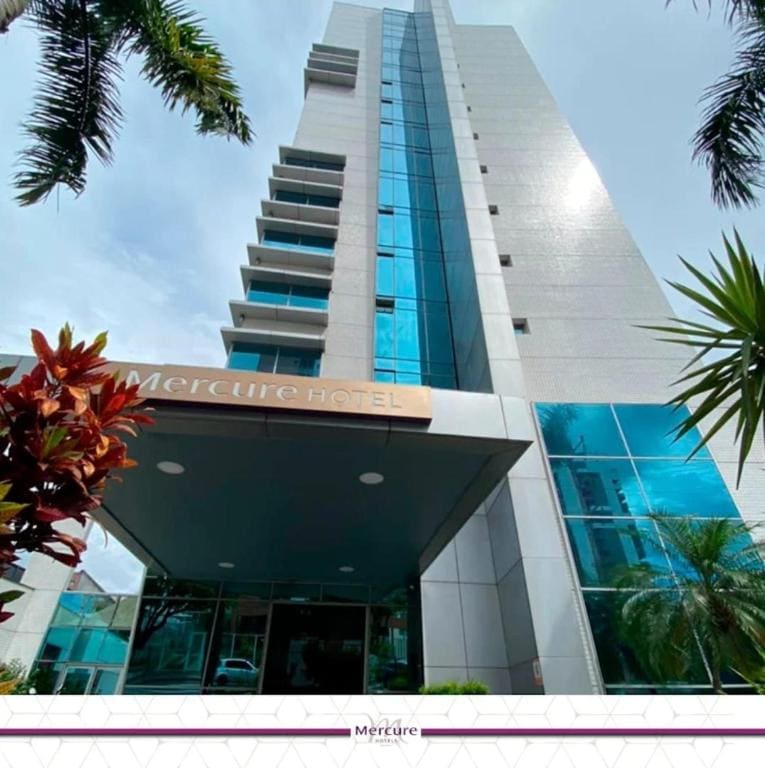
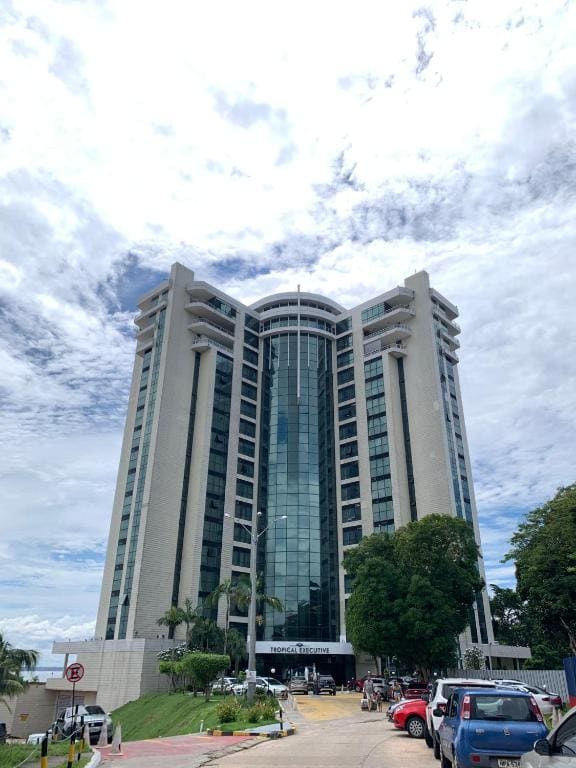
Choose your base by your priority: Centro puts you steps from historical landmarks and riverboat docks. Adrianópolis and Vieiralves offer modern hotel infrastructure, quiet streets, and high-end dining. Ponta Negra delivers resort-style accommodations on the river, suitable for longer relaxing stays before or after jungle river cruises.
Live rates, matched to the areas above.
transport
Manaus relies heavily on road travel within its urban limits and river vessels for regional access. Municipal buses can be overcrowded and confusing for short stays. Rideshare apps function reliably and represent the safest, most predictable way to travel between neighborhoods.
Ab Eduardo Gomes International Airport (MAO)
Best balance of price and safety from MAO to Centro.
Fixed rates available at airport counters inside the terminal.
Line 306 runs to Centro; slow and uncomfortable with luggage.
Use Uber or 99 apps for urban transport. They avoid price haggling and provide clear GPS routing.
Boats depart from Porto de Manaus or Roadway terminal. Buy tickets directly at official pier kiosks.
Avoid cross-city trips between 07:00–08:30 and 17:00–18:30 when main arteries gridlock.
Walk attentively in Centro during the day. Keep phones concealed when standing near busy roadways.
cost
Prices in Manaus reflect its isolated position. Imported goods and upscale meals carry a premium, while local river fish, tropical fruit, and municipal transport remain affordable.
A traditional bowl filled with jambu, tucupi broth, and dried shrimp.
Grilled fish rib portion served with rice, farofa, and fried banana.
Typical short fare between Centro and Vieiralves.
Guided walking tour through the auditorium and upper balconies.
seasonality
JUN – AUG
High river levels allow boat navigation through flooded forests (igapós). Mildest heat of the year.
SEP – NOV
Dry season with lowest water levels. River beaches expand, but temperatures reach 38°C.
DEC – FEB
Rains begin, raising river basins. Humid conditions with sudden heavy afternoon downpours.
MAR – MAY
Heavy rainfall window. Water levels peak by May; jungle trails turn extremely muddy.
practicalities
Humidity hovers above 80% year-round. Carry water and wear breathable lightweight fabrics.
Manaus operates on Amazon Time (UTC-4), which is one hour behind official Brasília time.
Credit cards are widely accepted, but keep cash (BRL) for street food stalls and small boats.
Use DEET-based repellent, especially during early morning and late afternoon river excursions.
Yellow fever vaccination is recommended before visiting the Amazon region.