landmark
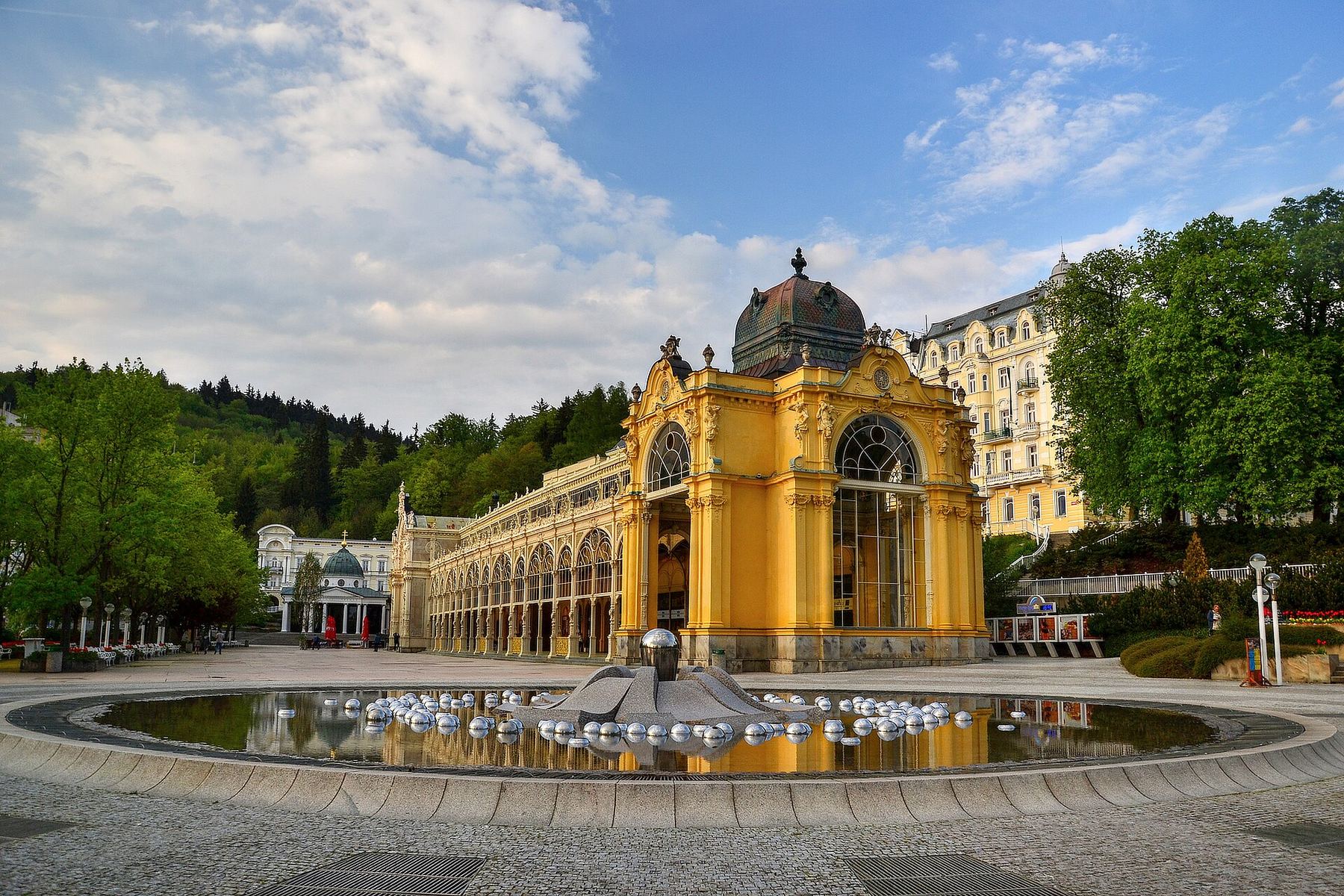
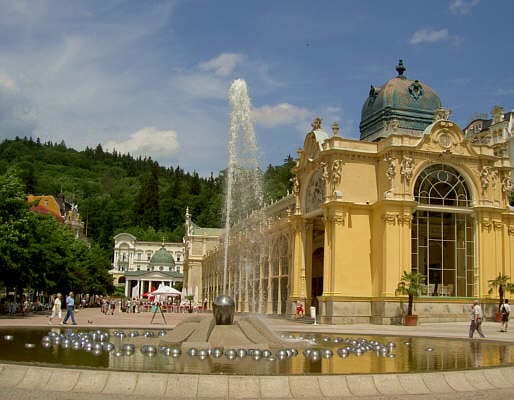
Singing Fountain
Plays music every odd hour from 07:00 to 22:00. The 21:00 performance includes a projection light show.
Parley fragenTschechien
Cold mineral springs and grand Neo-Baroque colonnades.
introduction
Mariánské Lázně is a 19th-century spa town planned entirely around cold mineral springs and public parks. You navigate the town on foot along manicured garden paths or by electric trolleybus. Expect slow days structured around spring water tastings, classic spa treatments, and forest hikes.
Arrival by train
Trolleybus lines 3 and 5 connect the main railway station to the spa colonnade in 10 minutes. Buy tickets from the driver or tap a contactless card.
UNESCO World Heritage site
Mariánské Lázně is part of the Great Spa Towns of Europe UNESCO site. The designation protects eleven historic European spa towns.
Spring water tasting tip
Bring a porcelain spa cup with a straw spout to drink from cold mineral springs. High mineral content can discolor teeth if consumed daily from glasses.
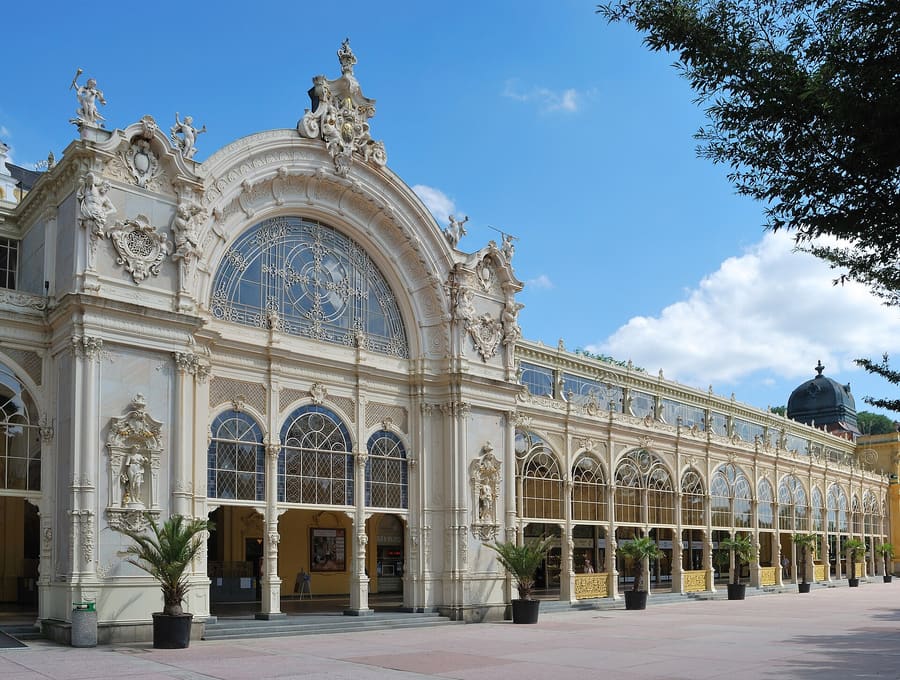
Mariánské Lázně
Harke · CC BY-SA 3.0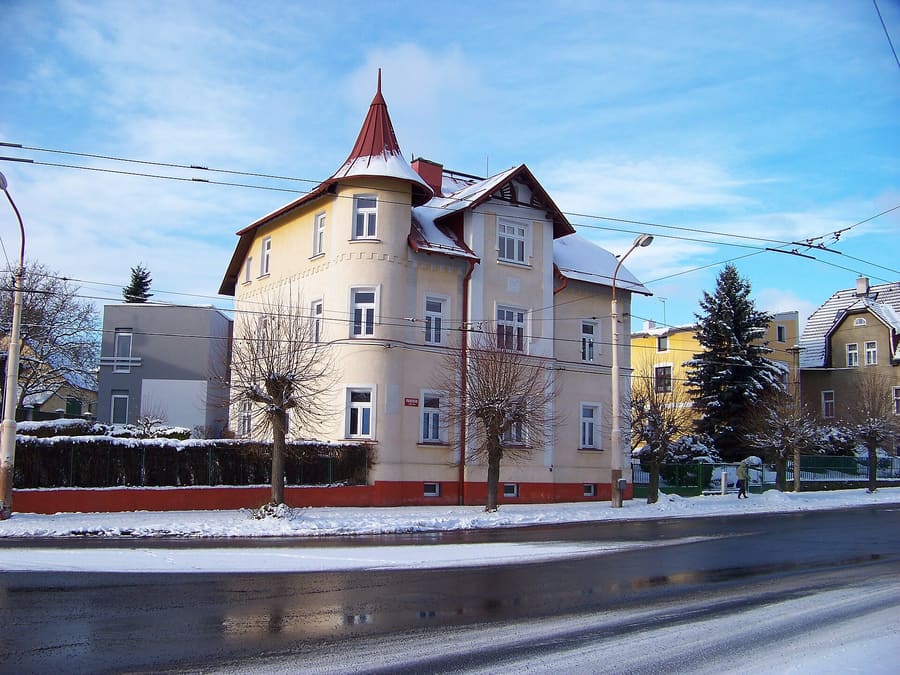
Úšovice — Quiet residential avenues with modern housing and Antonín Spring.
ŠJů (cs:ŠJů) · CC BY-SA 3.0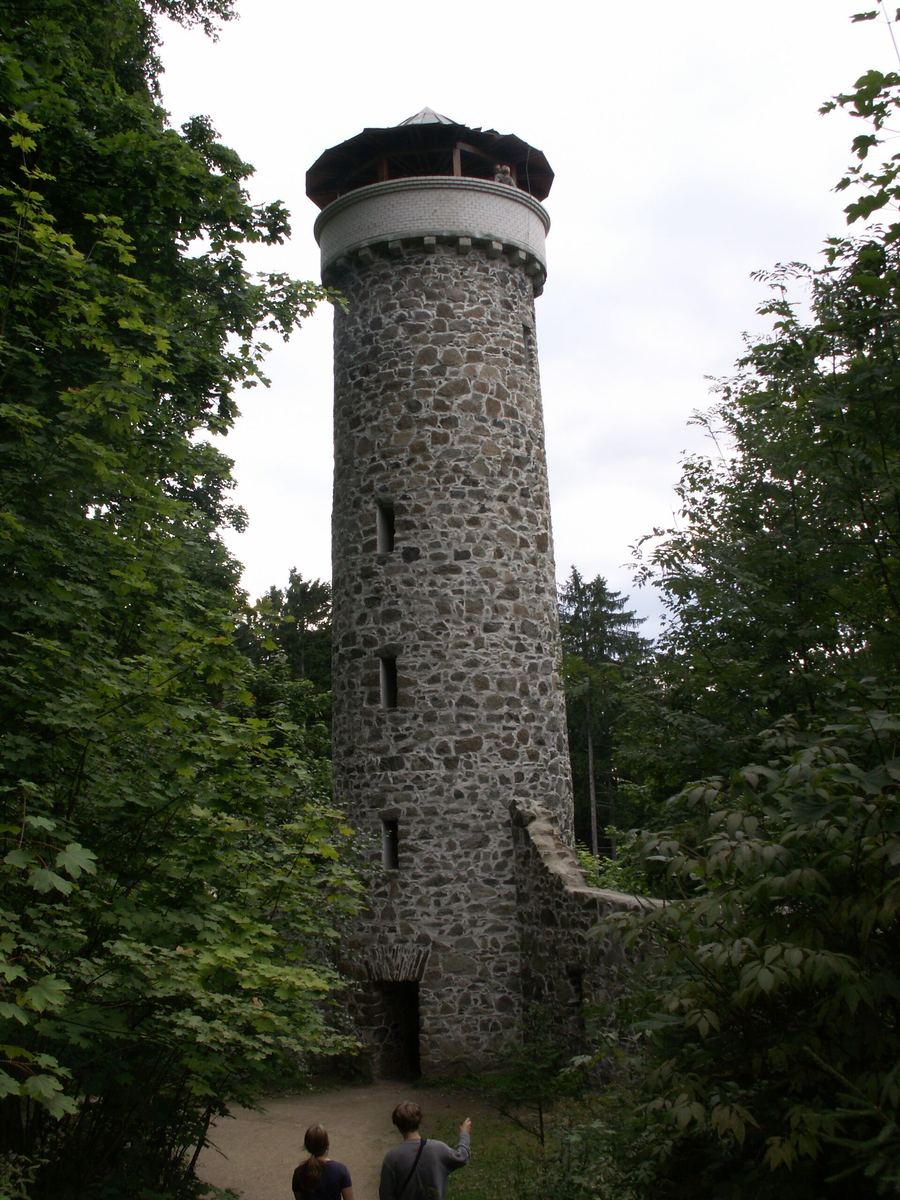
West Hill — Tree-lined villas, historic sanatoriums, and peaceful forest border paths.
BíláVrána · Public domain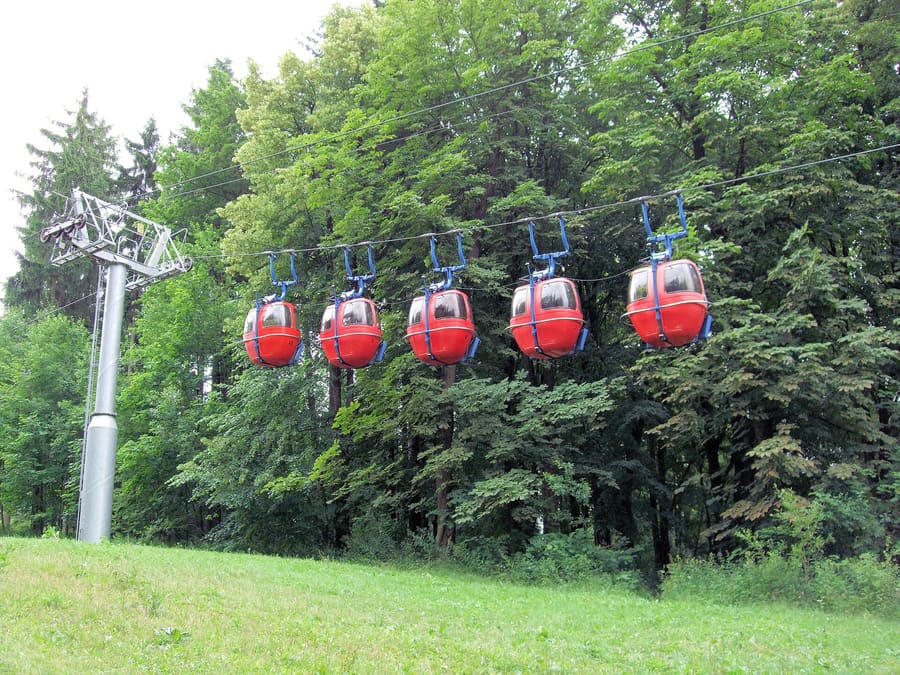
Krakonoš — Highland pine woods, miniature park attractions, and panoramic valley viewpoints.
Jim Linwood · CC BY 2.0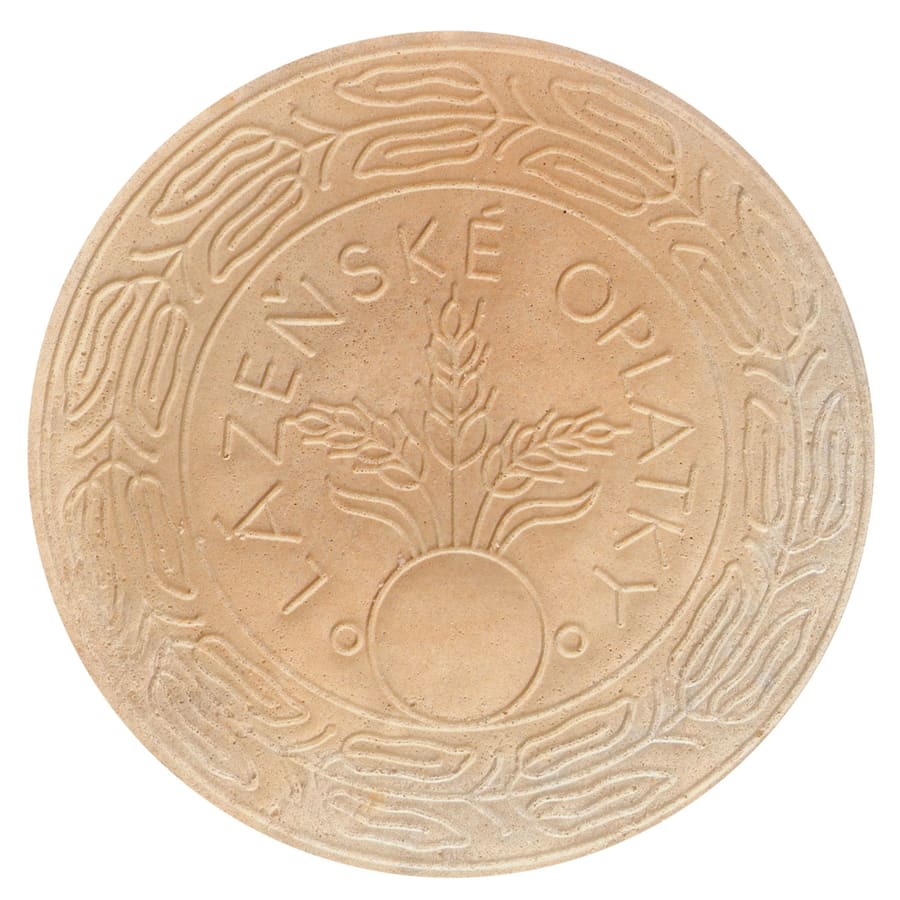
Warm hazelnut spa wafers (lázeňské oplatky) baked directly at street kiosks.
Alice Wiegand, (Lyzzy) · CC BY-SA 3.0highlights
landmark
Plays music every odd hour from 07:00 to 22:00. The 21:00 performance includes a projection light show.
Parley fragen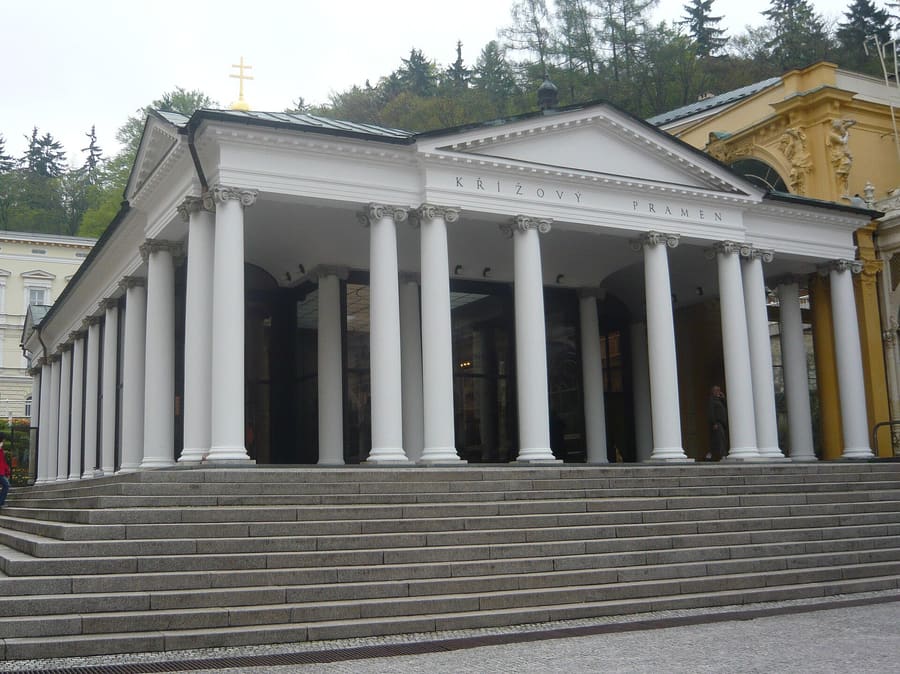
landmark
The oldest preserved spring pavilion from 1818. Cold, highly mineralised water flows free from public taps inside.
Parley fragen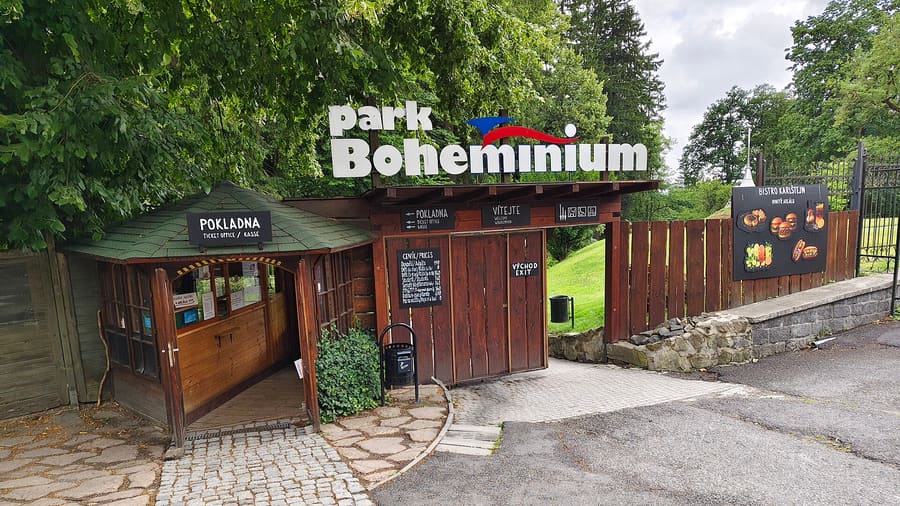
landmark
Displays 1:25 scale models of Czech monuments in an open-air forest setting. Accessible via cable car from the spa zone.
Parley fragenattractions
areas
Quiet residential avenues with modern housing and Antonín Spring.
In der NäheAntonín Spring, local supermarket, and trolleybus terminal.
Parley fragenTree-lined villas, historic sanatoriums, and peaceful forest border paths.
In der NäheForest hiking trails, Russian Church, and Goethe Square.
Parley fragenHighland pine woods, miniature park attractions, and panoramic valley viewpoints.
In der NähePark Boheminium, deer park, and cable car station.
Parley fragenManicured gardens, Neo-Baroque arcades, and slow-walking spa guests.
In der NäheColonnade, main springs, and spa parks.
Parley fragenfood
Dining in Mariánské Lázně reflects its dual identity as a West Bohemian town and an international spa resort. Traditional restaurants serve slow-cooked Czech game, wild mushroom soups, and dumplings. Street stalls around the colonnade serve fresh spa wafers straight from heated irons.
Warm hazelnut spa wafers (lázeňské oplatky) baked directly at street kiosks.
Alice Wiegand, (Lyzzy) · CC BY-SA 3.0Buy wafers (lázeňské oplatky) hot from street stands along Hlavní třída for 15 CZK per piece. Chocolate and hazelnut are traditional fillings.
Drink spring water 30 minutes before meals as recommended by local spa tradition. Cross Spring water is high in sodium and sulfate.
Order roasted venison or wild boar stew with Czech bread dumplings at restaurants along Ruská street.
history
Mariánské Lázně grew rapidly in the early 19th century under the guidance of Teplá Monastery doctor Josef Nehr. The town was designed around manicured parks and Neoclassical drinking pavilions. By 1900, European royalty, writers, and composers frequented its cold mineral springs.
First public spa season
Doctor Josef Nehr opens the first public bathing house at Marienbad.
Official spa town status
Mariánské Lázně receives official status as a spa town from government authorities.
UNESCO listing
Inscribed as part of the Great Spa Towns of Europe World Heritage entry.
where to stay
Choose your location based on elevation and mobility needs. Hotels near the colonnade offer direct access to spring pavilions but command higher nightly rates. Stays on West Hill or in Úšovice offer quiet forest surroundings and lower prices, but require uphill walking or trolleybus rides.
transport
The central spa zone is pedestrianised and best explored on foot. For trips between the main train station and uphill hotels, electric trolleybuses provide frequent and clean transit.
Buy single trolleybus tickets for 20 CZK directly on board using a contactless credit card.
Fast Západní expres trains run directly from Prague Main Station every two hours, taking 2 hours and 30 minutes.
Motor vehicles require a special municipal permit to enter the central spa colonnade area.
Cable car operates daily every 15 minutes from spring to autumn, connecting the town center to Krakonoš hill.
cost
Mariánské Lázně is affordable compared to Western European spa destinations, though prices in the central spa zone carry a markup over neighbouring West Bohemian towns.
Freshly baked at kiosks along the main street.
Sold at souvenir shops throughout the spa colonnade.
Valid for single journey within municipal boundaries.
Mineral or peat bath at a hotel medical spa.
seasonality
MAY – JUN
Park flowers bloom and spring opening ceremonies take place in mid-May.
JUL – AUG
Warmest weather and outdoor concerts. Colonnade promenades reach peak crowds.
SEP – OCT
Crisp autumn air, colorful foliage in surrounding forests, and fewer tour groups.
NOV – APR
Cold, quiet season. Singing fountain stops running, but winter thermal baths open.
practicalities
Most spring pavilions close their indoor taps at 18:00 daily.
The Singing Fountain operates strictly from 30 April to 31 October.
Contactless cards are accepted almost everywhere, but bring cash for small wafer kiosks.
Prescription spa treatments require an on-site doctor consultation at larger spa hotels.
Yellow and red marked trail networks begin immediately behind the main spa hotels.