landmark
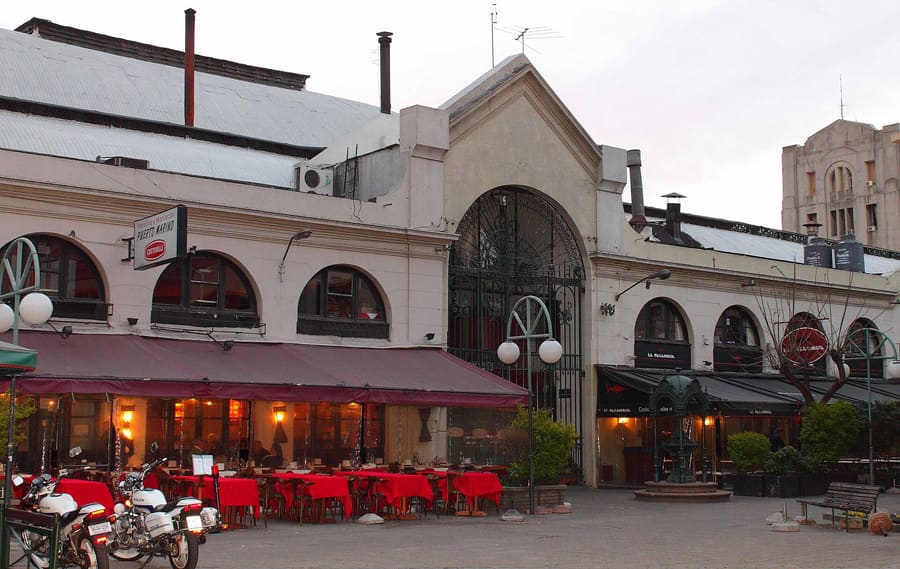
Mercado del Puerto
A nineteenth-century wrought-iron structure housing sizzling beef counter stalls. Sit at a counter, order sweetbreads, and skip sit-down tables.
Parley fragenUruguay
Rambla walks, open grill smoke, and quiet coastal tempo.
introduction
Montevideo curves along a wide river estuary that feels like an ocean. Life moves at a measured pace, anchored by daily walks along the coastal embankment. You trade the intense nightlife of Buenos Aires for safety, manageable scales, and open seaside space. Navigating the city requires little effort, as the urban layout stretches directly east along the coast.
Airport transport trick
Taxis from Carrasco Airport charge fixed inflated rates to the centre. Taking the COT or CONSA bus outside the terminal saves you over 80 percent on the fare.
UNESCO recognition
Candombe drumming traditions and the tango of the Rio de la Plata are recognized by UNESCO as Intangible Cultural Heritage.
Foreign card tax discount
Foreign visitors paying for hotels and restaurants with a non-Uruguayan debit or credit card receive an automatic VAT refund at checkout.
Montevideo
Hoverfish · CC BY 3.0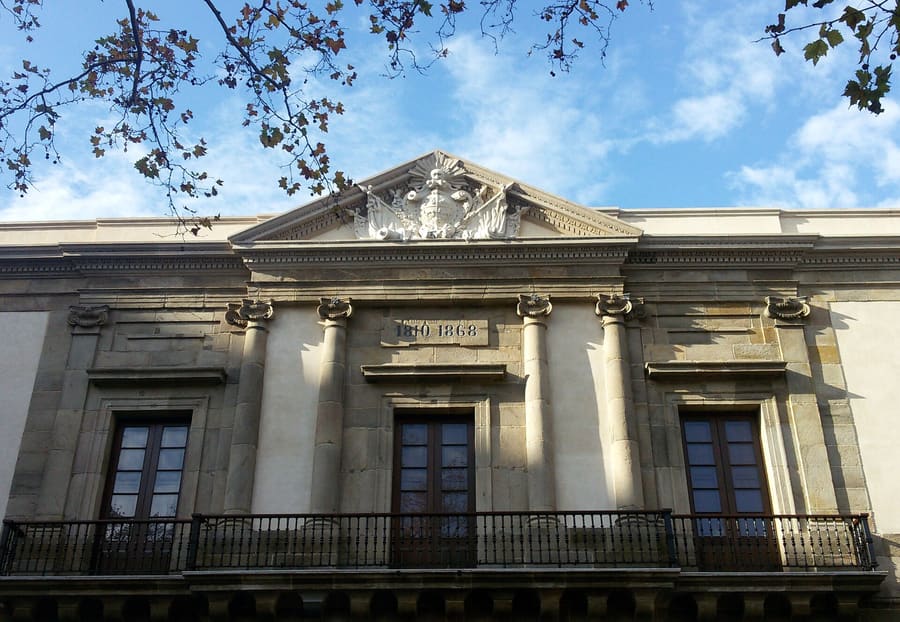
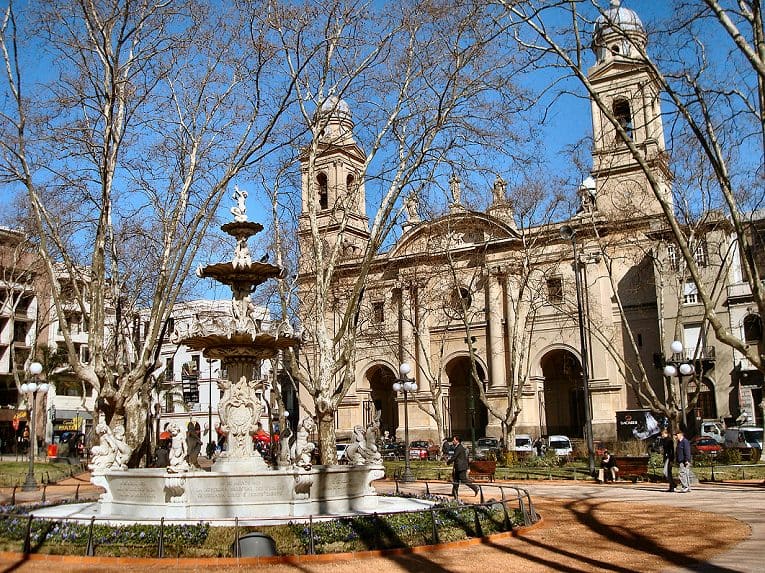
Ciudad Vieja — Colonial grid, art deco facades, street markets, and quiet weekend quietness.
Área multimedia del Museo Hisórico Cabildo · CC BY-SA 4.0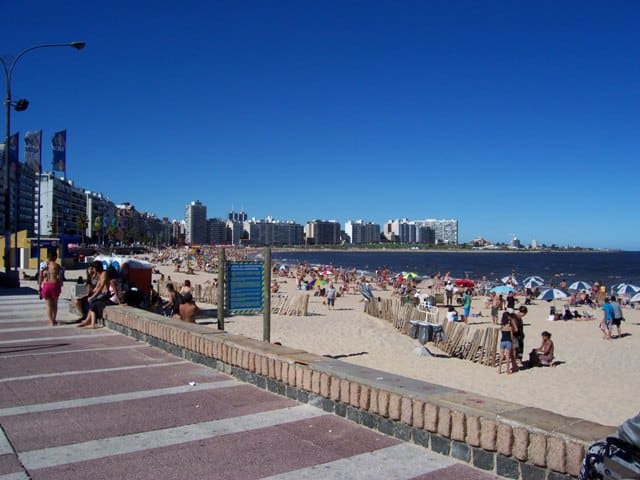
Pocitos — High-rise modern living along a popular urban sandy crescent.
No machine-readable author provided. Shant~commonswiki assumed (based on copyright claims). · CC BY-SA 2.5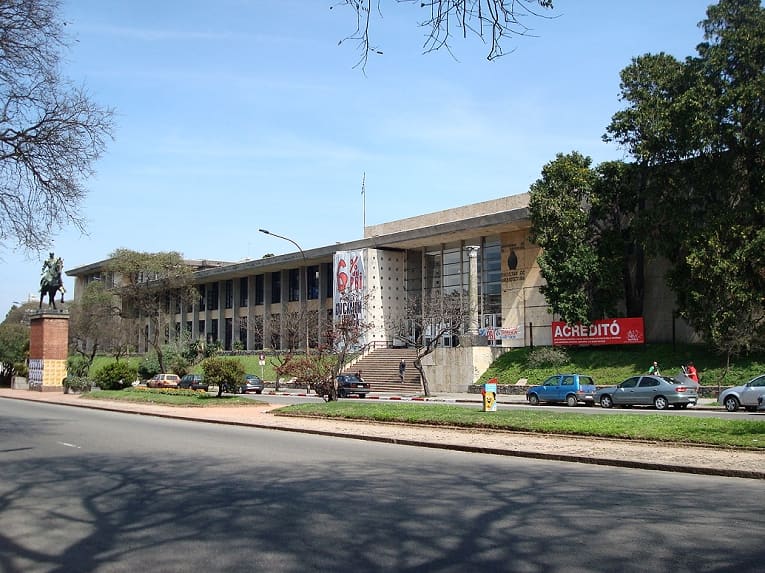
Parque Rodó — Student energy, park greenery, late-night bars, and Sunday art stalls.
Hoverfish · CC BY-SA 3.0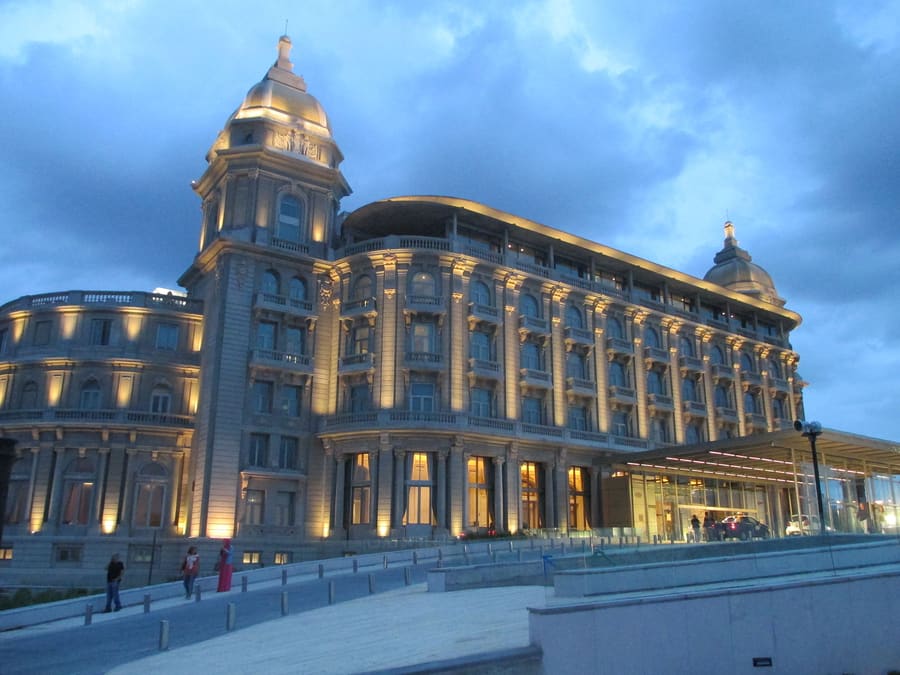
Carrasco — Quiet coastal suburb featuring mansions, boutique shops, and calm avenues.
MaxiCiccone · CC BY-SA 3.0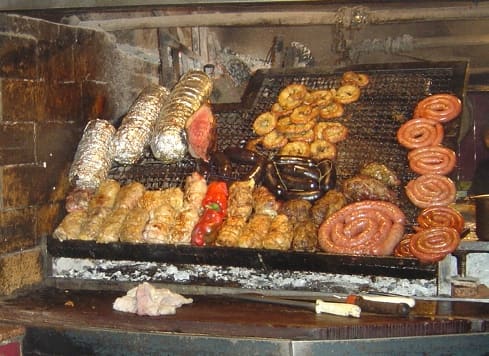
Parrilla grills rely on smouldering hardwood coals rather than charcoal.
Gonzalo Velasco · CC BY 3.0highlights
landmark
A nineteenth-century wrought-iron structure housing sizzling beef counter stalls. Sit at a counter, order sweetbreads, and skip sit-down tables.
Parley fragen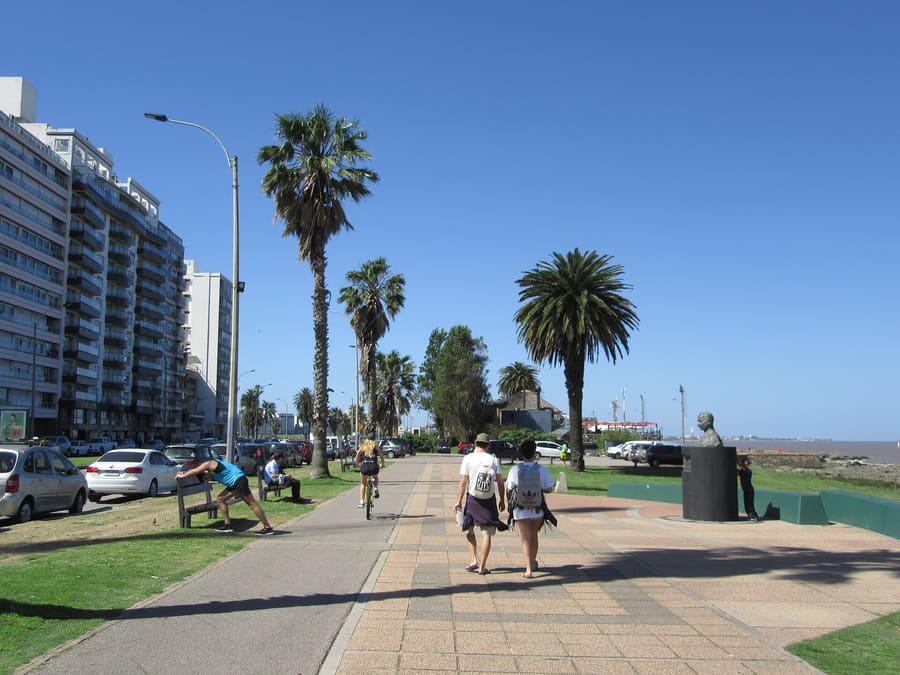
landmark
A continuous 22-kilometre waterfront walkway. Walk the Pocitos section late afternoon when locals gather with hot water flasks and mate.
Parley fragen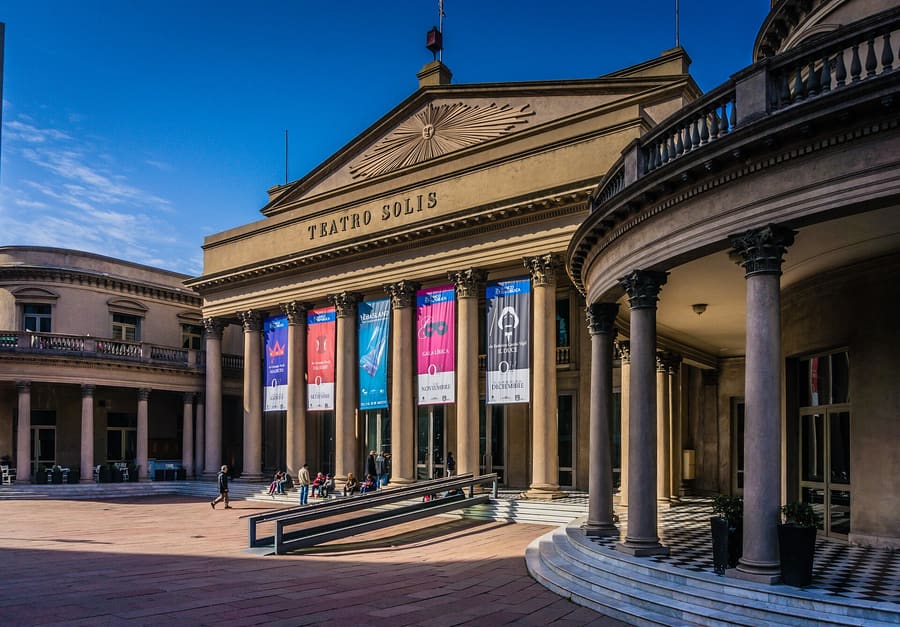
landmark
Uruguay's oldest theatre, opened in 1856. Midday guided tours cost under $U 150 and reveal the opulent interior auditorium.
Parley fragen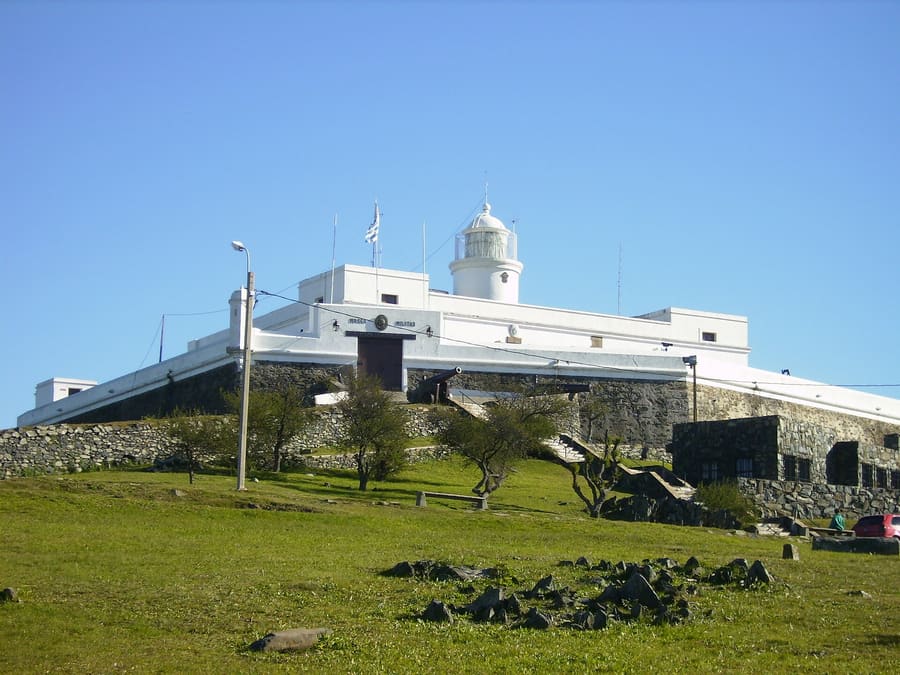
landmark
A hilltop stone fort marking the entrance to the bay. Take a official taxi up and down; avoid walking the hillside access roads alone.
Parley fragen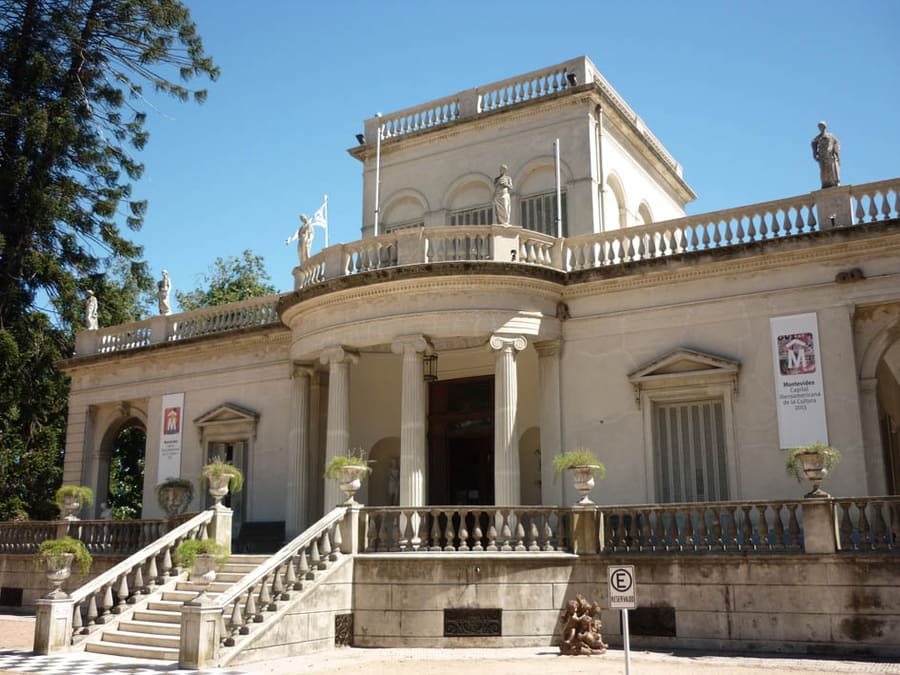
landmark
A grand villa housing works by Pedro Figari and Juan Manuel Blanes. The peaceful back gardens include a restored Japanese yard.
Parley fragenattractions
areas
Colonial grid, art deco facades, street markets, and quiet weekend quietness.
In der NähePlaza Independencia and the ferry port.
Parley fragenHigh-rise modern living along a popular urban sandy crescent.
In der NäheThe Rambla and Punta Carretas Mall.
Parley fragenStudent energy, park greenery, late-night bars, and Sunday art stalls.
In der NäheNational Museum of Visual Arts and the bay beach.
Parley fragenQuiet coastal suburb featuring mansions, boutique shops, and calm avenues.
In der NäheCarrasco International Airport.
Parley fragenfood
Dining in Montevideo centers around wood smoke and slow-cooked cuts of beef. Open-fire grills use ember hearths rather than charcoal, imparting a mild hardwood flavor to steak and sausages. You order meat by weight or cut, accompanied by simple salads or grilled provolone cheese. The chivito sandwich packs steak, ham, cheese, egg, and mayonnaise into a toasted roll. Local drinking revolves around yerba mate consumed in thermal flasks on bench seats.
Parrilla grills rely on smouldering hardwood coals rather than charcoal.
Gonzalo Velasco · CC BY 3.0In market halls like Mercado del Puerto, counter seats give fast service and direct access to the pitmaster.
Restaurants rarely open for dinner before 20:00, and dining rooms fill after 21:30.
Roldós inside Mercado del Puerto brews this mix of sparkling and dry white wine, poured cold at noon.
history
Montevideo originated as a Spanish military outpost built in 1726 to block Portuguese expansion from Brazil. The fortress town developed into a major trade port competing directly with Buenos Aires. Independence in 1828 established Uruguay as a buffer state, followed by waves of Italian and Spanish immigration that shaped local cuisine and speech.
Spanish foundation
Bruno Mauricio de Zabala establishes the military settlement on the bay to deter Portuguese advances.
Treaty of Montevideo
Uruguay gains official independence following British mediation between Argentina and Brazil.
First World Cup
Estadio Centenario is constructed in 9 months to host and win the inaugural FIFA World Cup.
Democratic return
Civic rule resumes after twelve years of military dictatorship, starting decades of social stability.
where to stay
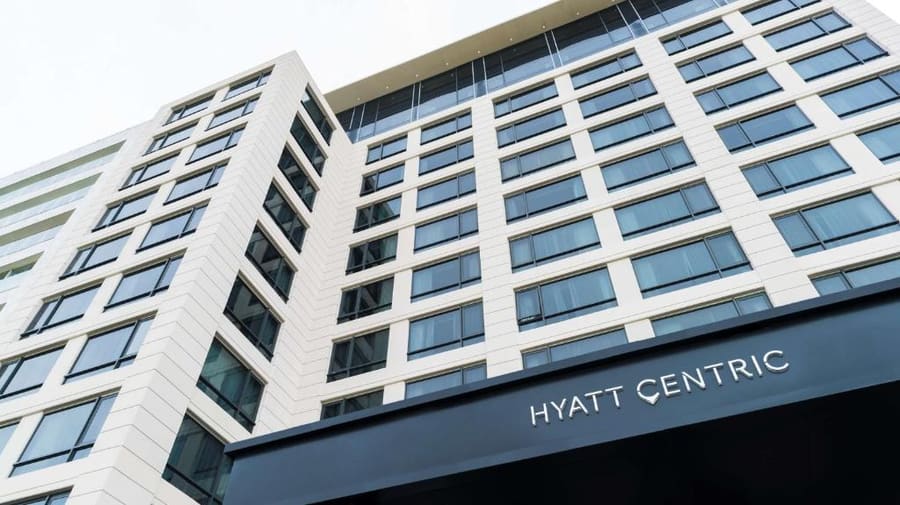
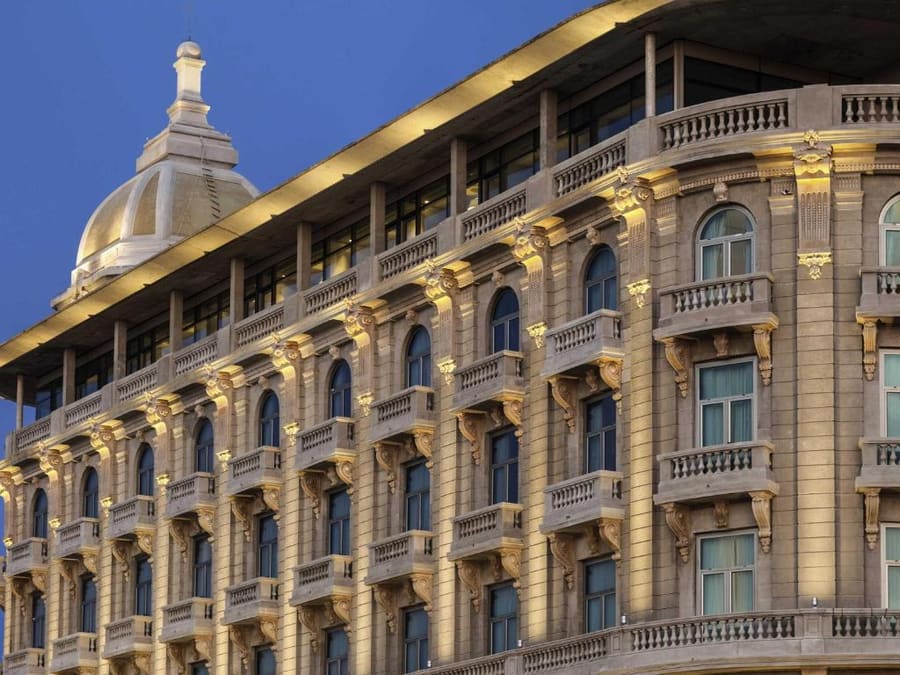
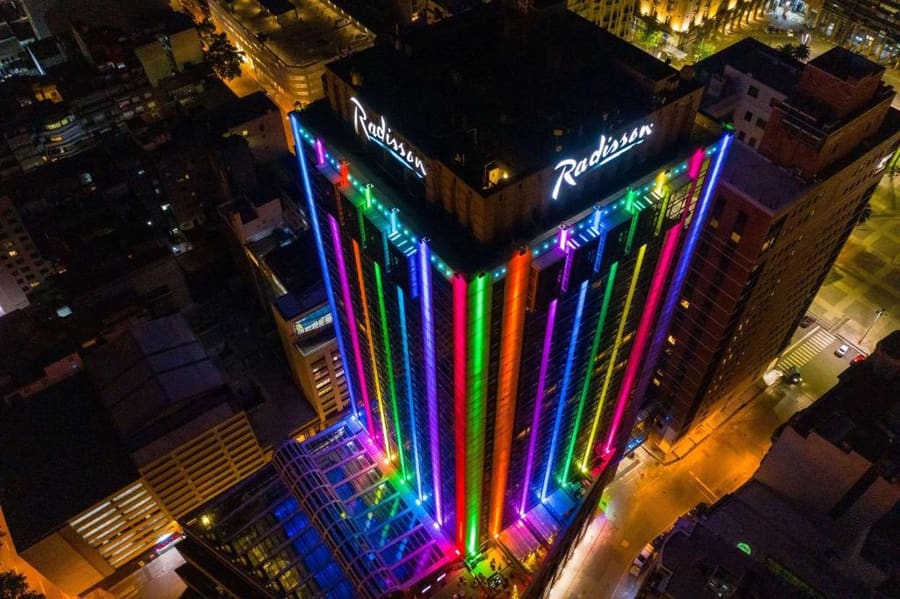
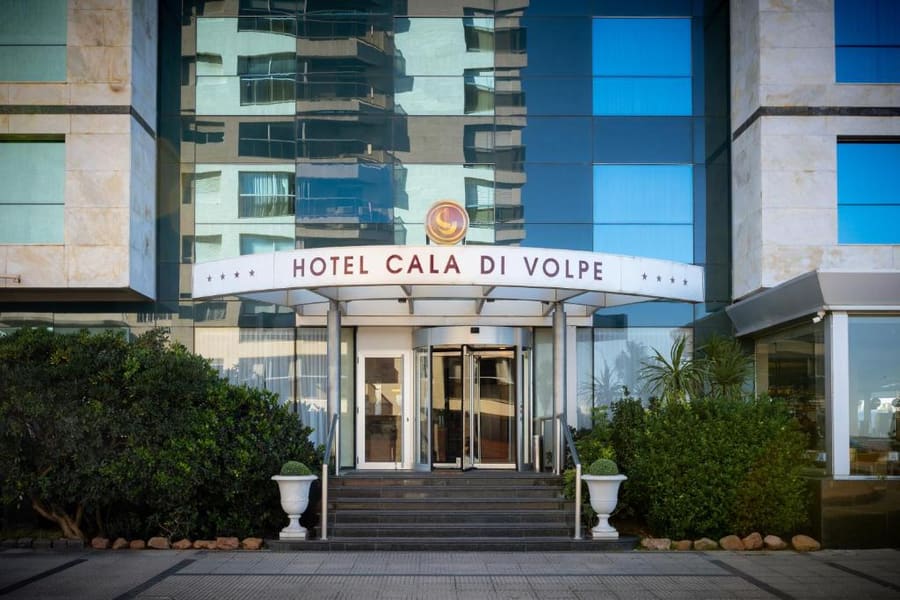
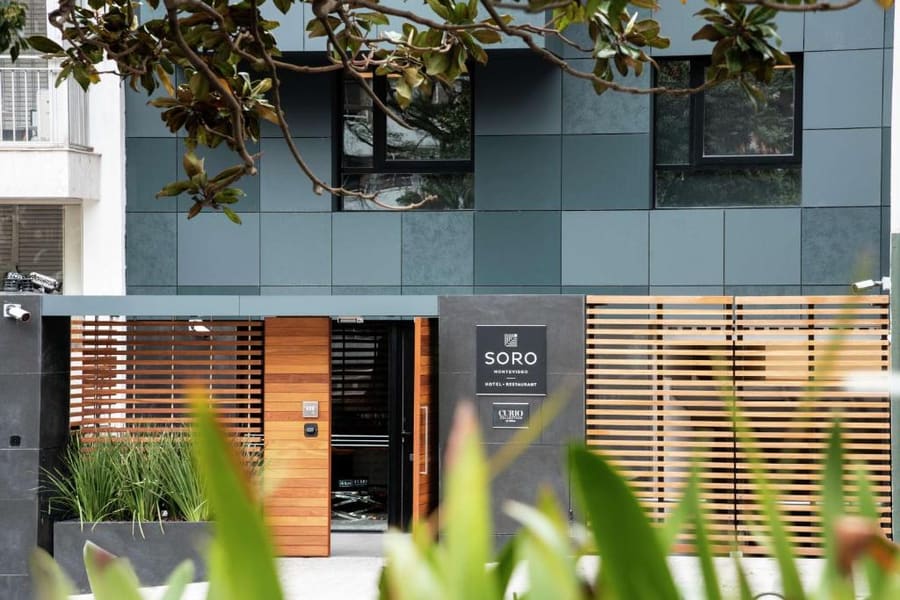
Choose your location based on walkability versus beach access. Staying in Ciudad Vieja puts you steps from museums and historic squares, but the district grows quiet after dark. Pocitos offers seaside strolls, active cafes, and reliable night safety, though you will take buses or taxis to sightsee.
Live rates, matched to the areas above.
transport
Montevideo has no subway system. Urban transit relies entirely on an extensive bus network and ride-hailing services. Buses operate efficiently along main east-west corridors like Avenida 18 de Julio and Rivera.
Ab Carrasco International Airport (MVD)
Board COT or CONSA intercity buses right outside the terminal exit.
Uber pick-up occurs outside arrivals level; rates surge during peak arrivals.
Official airport cabs charge fixed high prices payable at the terminal counter.
Buying an STM transit card at a red Abitab kiosk reduces city bus fares from $U 56 cash to $U 46.
Ride-hailing apps operate legally, providing clear prices and route tracking across all sectors.
Bus frequencies drop significantly on Sunday mornings; plan extra waiting time.
cost
Montevideo stands out as one of South America's pricier capitals. Importing goods incurs high tariffs, which raises prices for dining out and store purchases compared to neighbouring Argentina.
Specialty cafes in Pocitos charge near European prices for espresso drinks.
A complete steak chivito with fries serves as a full lunch.
Hourly rentals allow simple cycling along the continuous beachfront.
Paying cash costs $U 56 while using an STM card drops the fare to $U 46.
seasonality
DEC – FEB
Warm beach weather paired with long daylight hours. The city clears out in January as residents head to East Coast resorts.
MAR – MAY
Mild autumn temperates ideal for walking. Cultural programming opens across city theatres.
JUN – AUG
Cold coastal winds and frequent damp grey skies. Indoor parrilla lunches offer comfort against the chill.
SEP – NOV
Spring blooms across city parks with moderate breeze. Good season for exploring without summer humidity.
practicalities
Paying restaurant bills with foreign cards triggers an automatic VAT deduction of 9 to 18 percent.
The river water at Montevideo beaches is brown and mixed with sea water, unlike ocean resorts further east.
Never stir the straw (bombilla) when someone hands you a hot gourd of yerba mate.
Most stores in Ciudad Vieja shut down by 14:00 on Saturdays and stay closed on Sundays.
Southerly pampero winds can drop local temperatures by fifteen degrees within an hour.