landmark
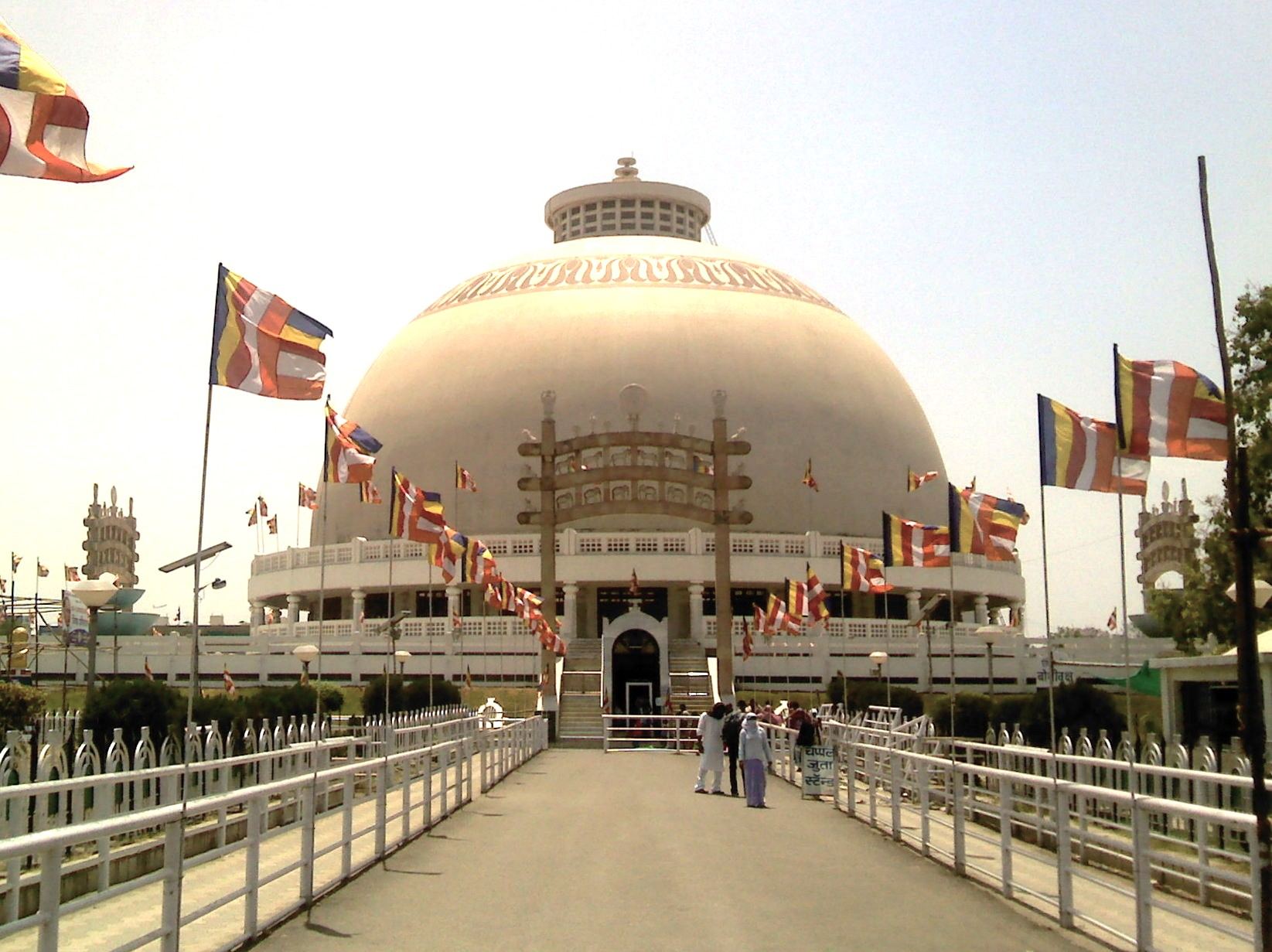
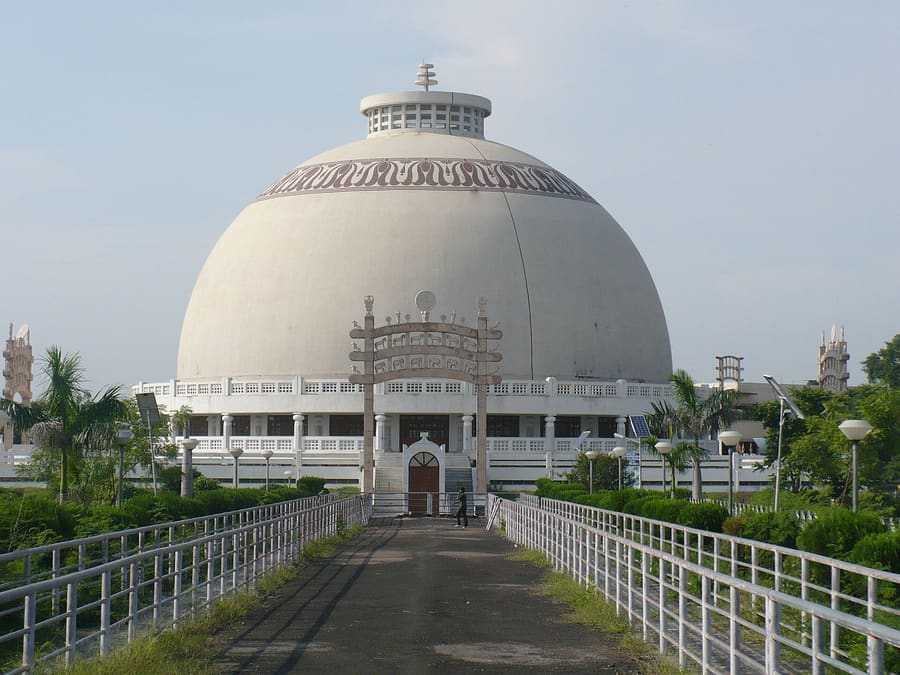
Deekshabhoomi
Dr. B.R. Ambedkar led a mass Buddhist conversion here in 1956. Visit early in the morning to avoid heavy crowd lines.
Parley fragenIndien
Central transit hub famous for oranges and Saoji spice.
introduction
Nagpur marks the geographic center of India and functions as Maharashtra's winter capital. Broad tree-lined streets in the administrative quarter contrast with dense market grids near the railway station. The metro system links major commercial corridors efficiently, making navigation straightforward. You come here for distinctively fiery local food, historic monuments, and direct road links to central tiger reserves.
Rail transit shortcut
Nagpur Junction links major east-west and north-south rail routes. Pre-booked autos at the main exit save negotiation hassles.
Geographic center
The Zero Mile Stone marks the exact geographic center of undivided British India. It stands near the RBI building in central Nagpur.
Metro navigation
Maha Metro runs Aqua and Orange lines through key commercial hubs. Buy a contact smart card at any station for quick turnstile access.
Nagpur
Wiknowme · CC BY-SA 3.0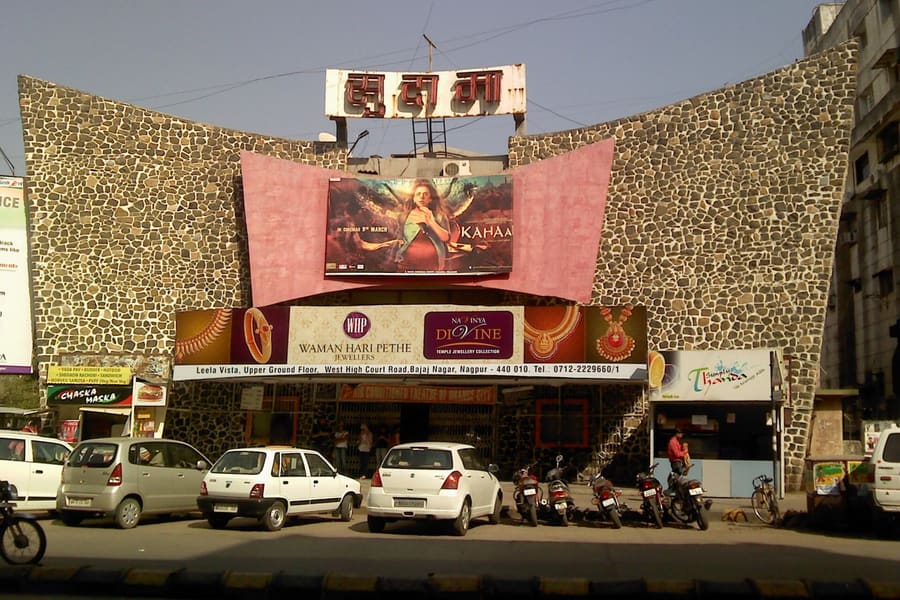
Dharampeth — A leafy commercial hub filled with cafes, boutiques, and sweet shops.
Ganesh Dhamodkar · CC BY 3.0highlights
landmark
Dr. B.R. Ambedkar led a mass Buddhist conversion here in 1956. Visit early in the morning to avoid heavy crowd lines.
Parley fragen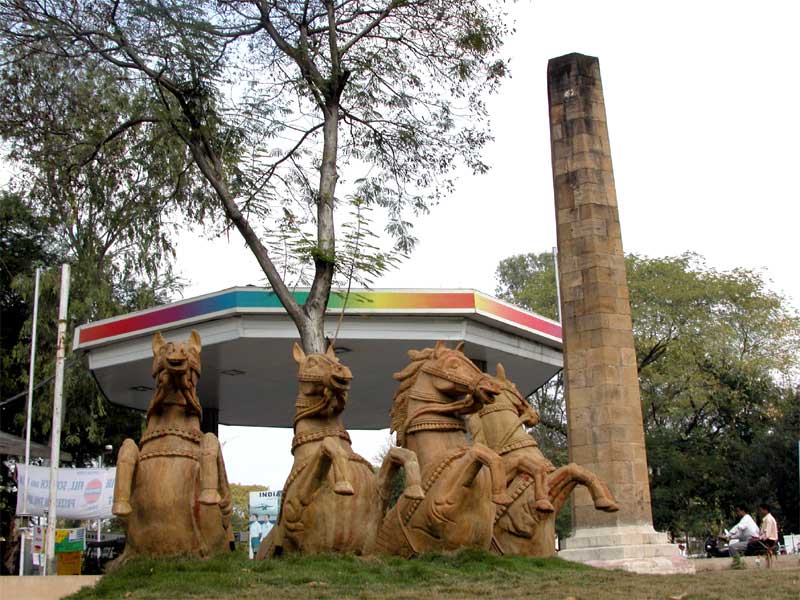
landmark
British surveyors measured all nationwide distances from this sandstone pillar. It sits adjacent to the Sitabuldi Metro Station.
Parley fragen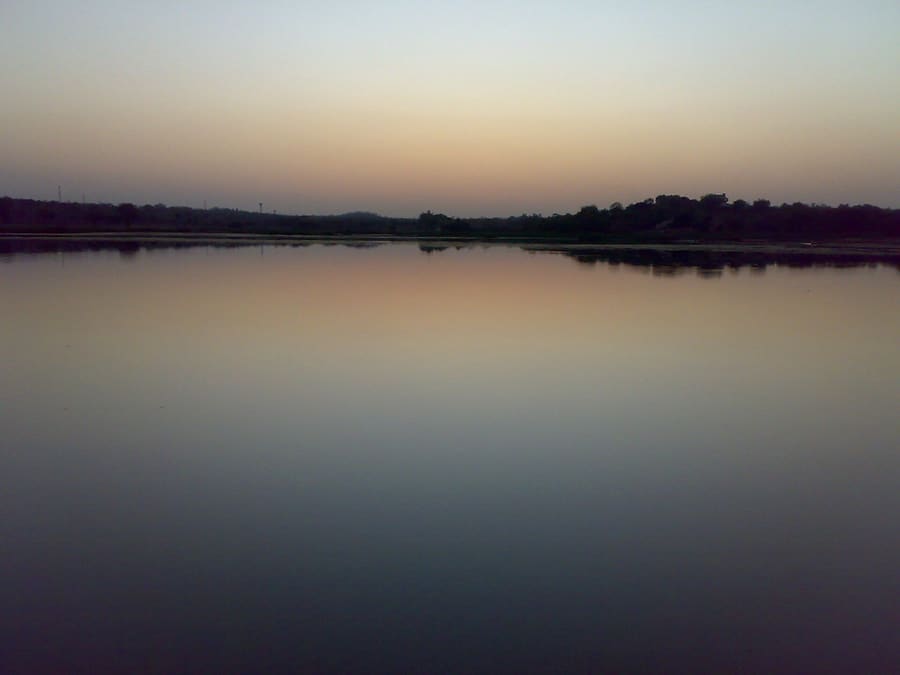
landmark
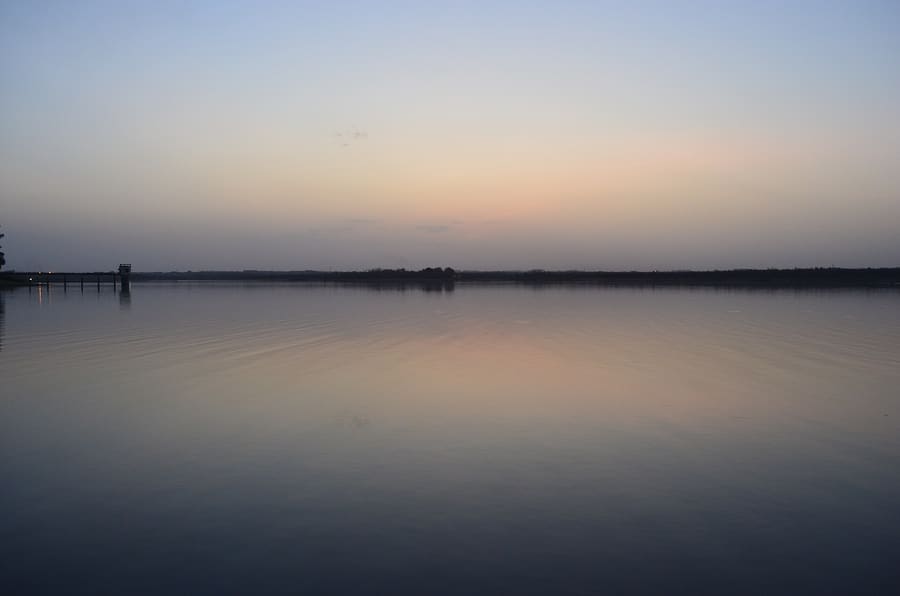
Built by Gond rulers, this suburban lake draws evening crowds. Street food stalls line the promenade; visit after sunset.
Parley fragen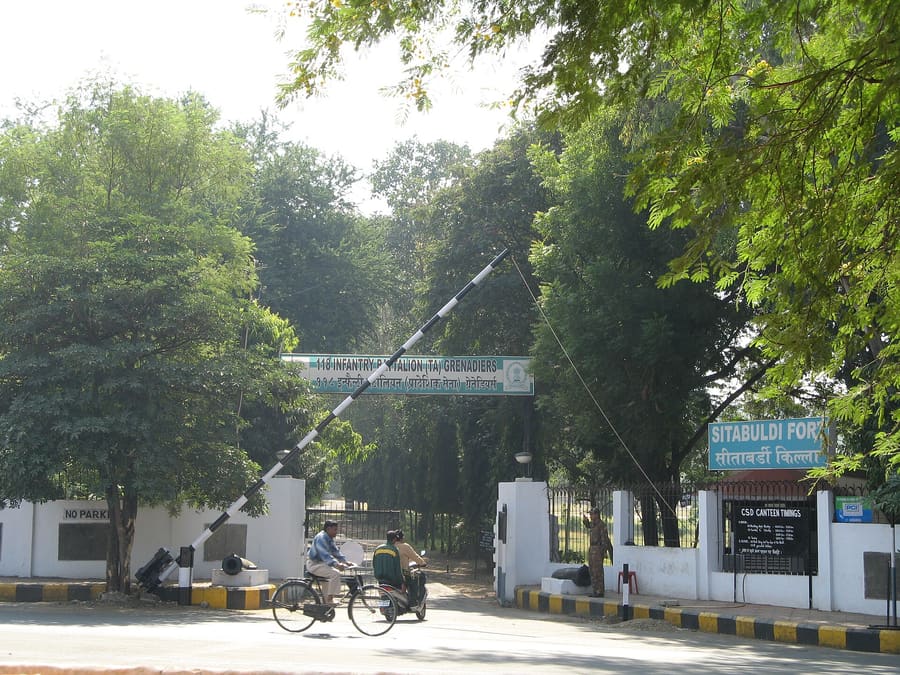
landmark
Site of an 1817 Battle between Marathas and British forces. Public access is limited primarily to national holidays.
Parley fragen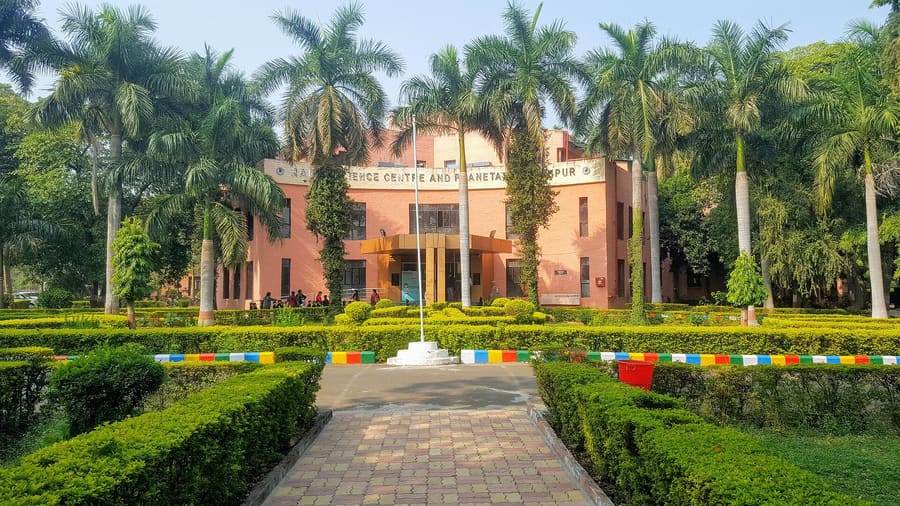
landmark
Interactive science exhibits and a planetarium sit near Gandhi Sagar Lake. Ticket counters close one hour before dusk.
Parley fragen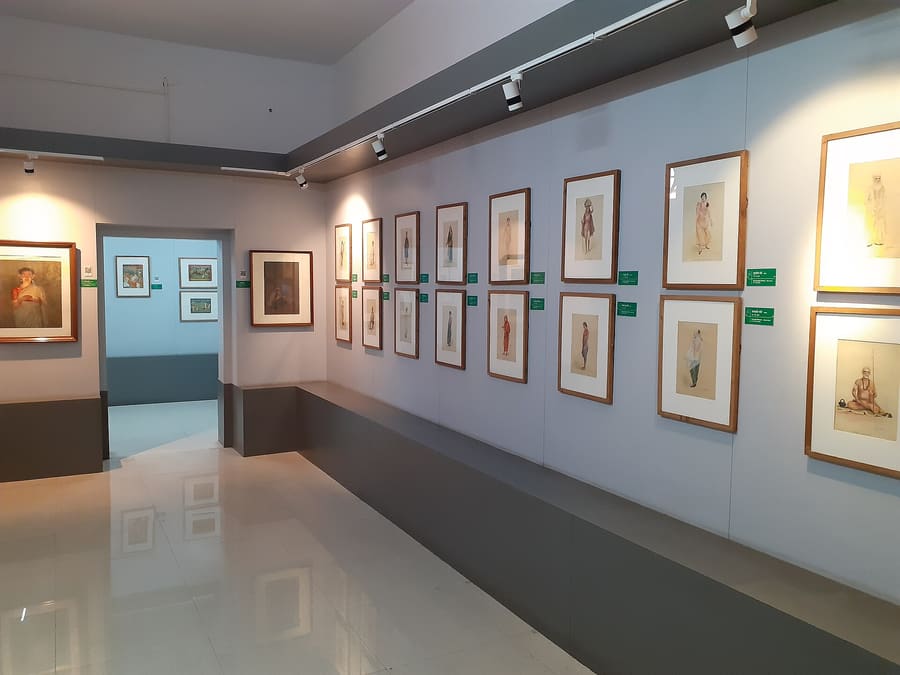
landmark
Established in 1863, it houses Maratha armor and local fossils. Closed on Mondays and national public holidays.
Parley fragenattractions
areas
A leafy commercial hub filled with cafes, boutiques, and sweet shops.
In der NäheDeekshabhoomi and Ambazari Lake.
Parley fragenCommercial grid packed with multi-cuisine restaurants, bakeries, and retail markets.
In der NäheCivil Lines and Nagpur Junction Railway Station.
Parley fragenDense market district surrounding the main railway station and historic fort.
In der NäheSitabuldi Fort and Zero Mile Stone.
Parley fragenSpacious administrative quarter with wide tree-lined avenues and heritage bungalows.
In der NäheCentral Museum and High Court.
Parley fragenfood
Nagpur culinary identity centers on two distinct traditions: Saoji meat curries and spiced Tarri Poha. Saoji cooking comes from the local Halba Koshti weaving community. It relies on a specific blend of whole dry spices, oil, and wet masalas that create exceptional heat levels.For breakfast, street stalls across the city serve flat rice topped with black chickpea gravy, called tarri. Fresh oranges appear during the winter harvest from November to March, sold raw or processed into orange barfi at local sweet shops.
Tarri Poha carts open by 06:30 and sell out near major transit hubs by 11:00.
Traditional Saoji curries use high oil and chili content. Order mild options if sensitive to heavy spice.
Street food vendors rely heavily on UPI digital payments or exact cash change.
history
Prince Bakht Buland Shah of the Gond kingdom founded Nagpur in 1702. The region came under Maratha rule under the Bhonsle dynasty in 1743, transforming the settlement into a regional capital. British forces expanded influence after the Battle of Sitabuldi in 1817, eventually annexing the territory in 1853.Under British rule, Nagpur served as the capital of the Central Provinces and became a major cotton trading hub. In 1956, social reformer Dr. B.R. Ambedkar led thousands of followers to embrace Buddhism at Deekshabhoomi, permanently shaping the city's modern cultural identity.
Gond foundation
Bakht Buland Shah establishes Nagpur, fortifying the riverbank settlement.
Bhonsle dynasty
Maratha ruler Raghuji Bhonsle takes control, establishing Nagpur as a regional administrative seat.
Battle of Sitabuldi
British East India Company forces defeat Bhonsle troops, securing political dominance.
Mass Conversion
Dr. B.R. Ambedkar initiates the Navayana Buddhist movement at Deekshabhoomi.
Maha Metro opens
Commercial rapid transit operations begin, linking north-south and east-west transit corridors.
where to stay
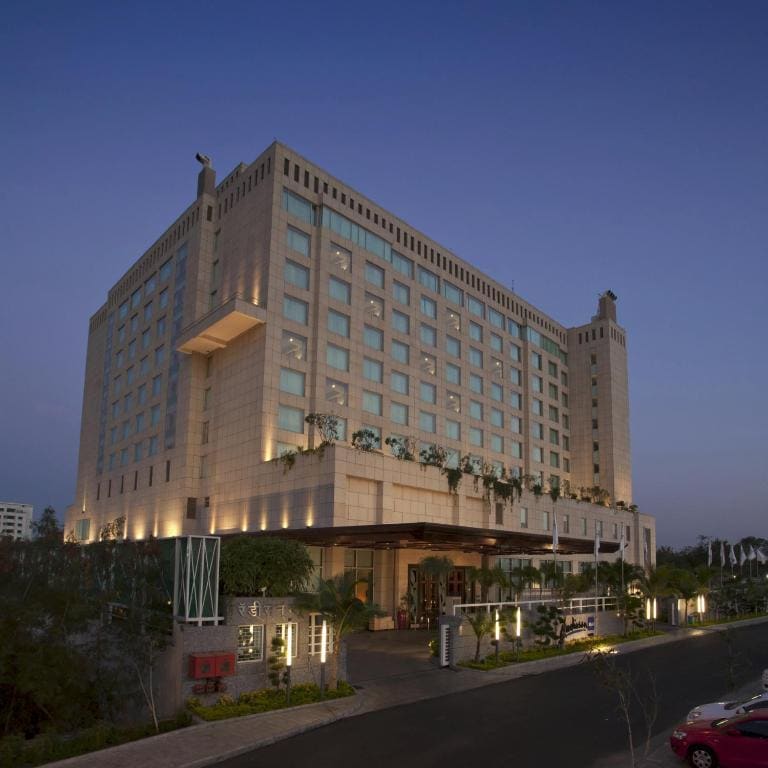
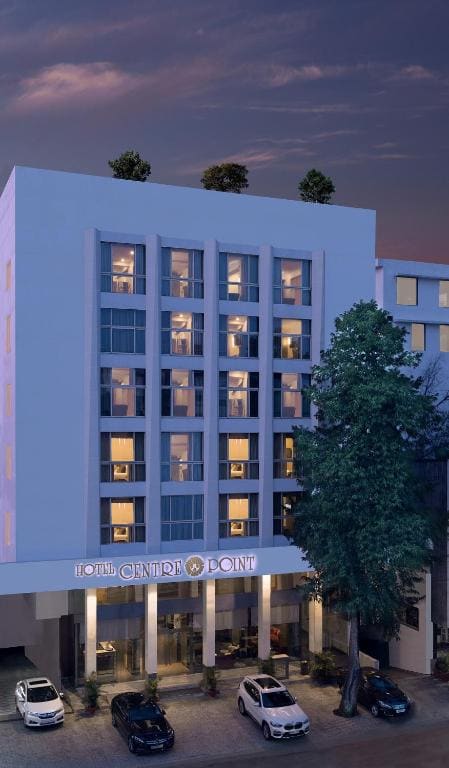
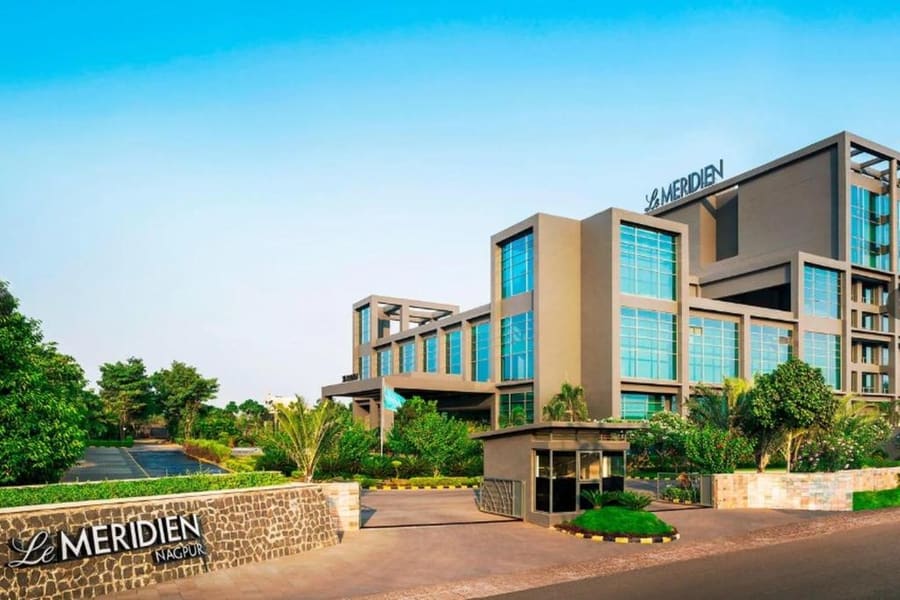
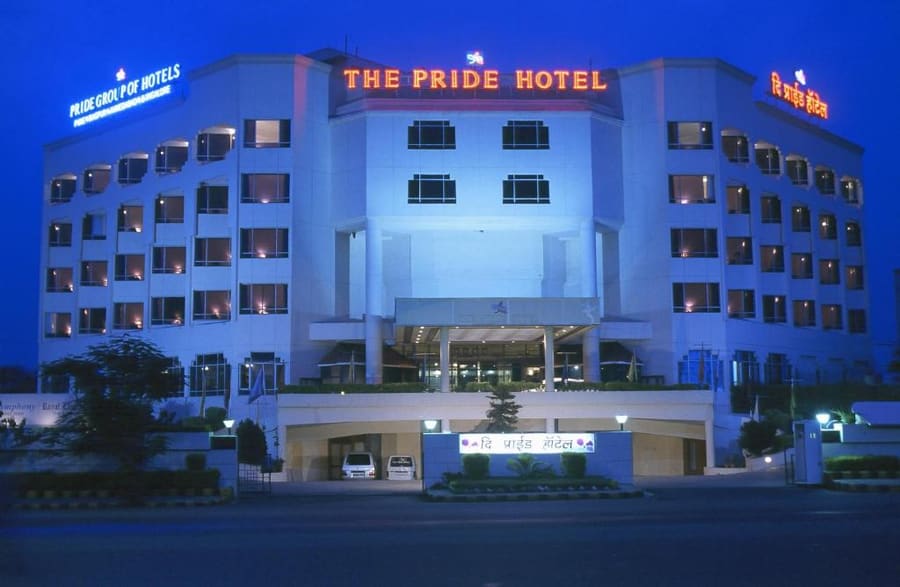
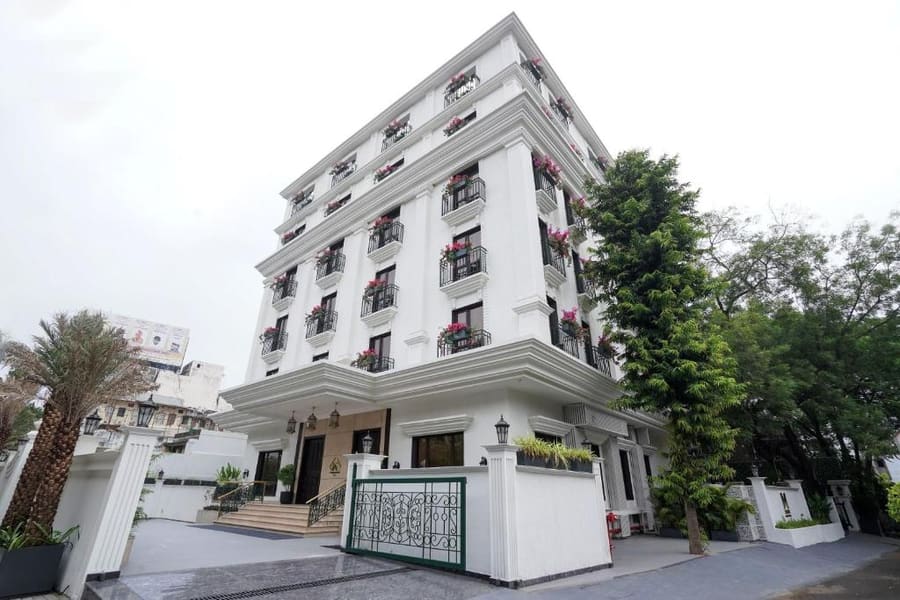
Choose your base based on transport priorities versus evening noise tolerance. Sadar and Civil Lines offer spacious hotels with reliable taxi access. Sitabuldi suits travellers relying on early rail departures, though streets remain loud through the night.
Live rates, matched to the areas above.
transport
Nagpur Metro runs two main elevated corridors that cross at Sitabuldi station. Auto-rickshaws handle short intra-city journeys where metro coverage ends. App-based rideshare vehicles run reliably throughout the urban core and airport corridor.
Ab Dr. Babasaheb Ambedkar International Airport (NAG)
Prepaid counters operate outside the terminal arrival hall.
App pickups collect passengers at designated parking lanes.
Buy single-journey paper QR tickets or use contact smart cards at station gates.
Drivers rarely use meters; agree on the total price before stepping into the vehicle.
Trains run from 06:00 to 22:00 at regular 10 to 15 minute frequency intervals.
Metro counters accept UPI and cards, but street autos require cash or local UPI apps.
cost
Nagpur remains significantly more affordable than Mumbai or Pune. Dining and transit costs are modest, though hotel prices rise during winter political sessions and national holidays.
Standard portion at street stalls, often served with a cup of tea.
Includes chicken or mutton curry, flatbreads, and rice at traditional eateries.
Fare depends on distance traveled across Orange or Aqua lines.
Standard double room with breakfast in central neighborhoods like Sadar.
seasonality
OCT – FEB
Pleasant daytime temperatures around 28°C. Best window for sightseeing and orange harvest.
MAR – MAY
Extreme heat exceeding 42°C. Outdoor exploration becomes hazardous during midday.
JUN – SEP
Monsoon rains cool the air. Nearby forests turn lush, but heavy downpours disrupt walking.
practicalities
Carry water bottles and avoid prolonged sun exposure between March and June.
Sitabuldi and retail markets operate daily, but individual shops close on Sundays.
Remove footwear and cover shoulders before stepping into active religious premises.
Cash machines are widespread in central zones, though carrying spare cash is wise.
Pench and Tadoba reserves require advance online safari bookings months ahead.