landmark
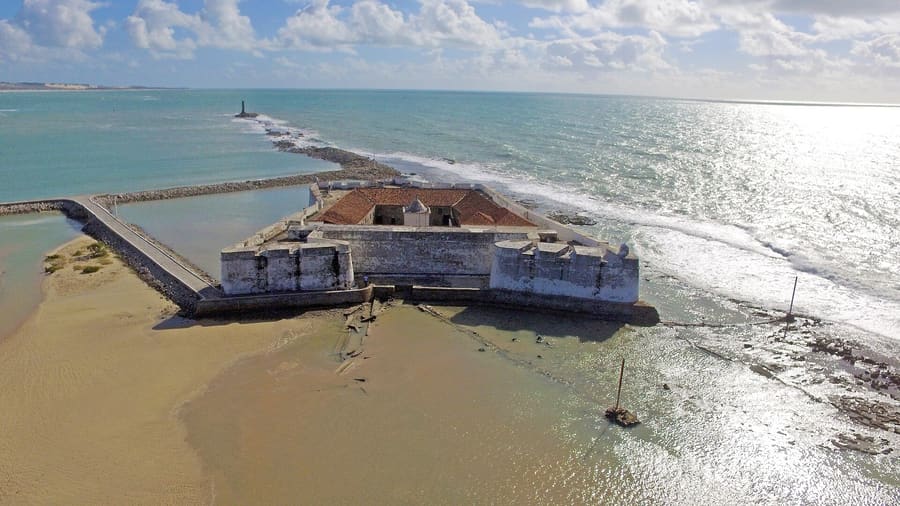
Forte dos Reis Magos
Star-shaped 1598 stone fort marking the river mouth. Arrive early to avoid mid-day heat on the exposed footbridge.
Parley fragenBrasilien
Sunlit dunes, Atlantic winds, and coastal speed.
introduction
Natal spreads along Brazil's easternmost bulge, where Atlantic trade winds clear the air and shape urban sand dunes. The city balances resort infrastructure in Ponta Negra with a quieter historical core to the north. Rideshare cars and buggy drivers handle most transit across the steep coastal terrain.
Airport transit strategy
São Gonçalo do Amarante Airport sits 33 km northwest of Ponta Negra. Rideshare drivers accept trips from the terminal curb, saving roughly 40 percent compared to official taxis.
Protected urban canopy
Parque das Dunas forms the second-largest urban Atlantic Forest reserve in Brazil. Marked trails guide walkers through coastal vegetation without disrupting dune stability.
Tide calendar timing
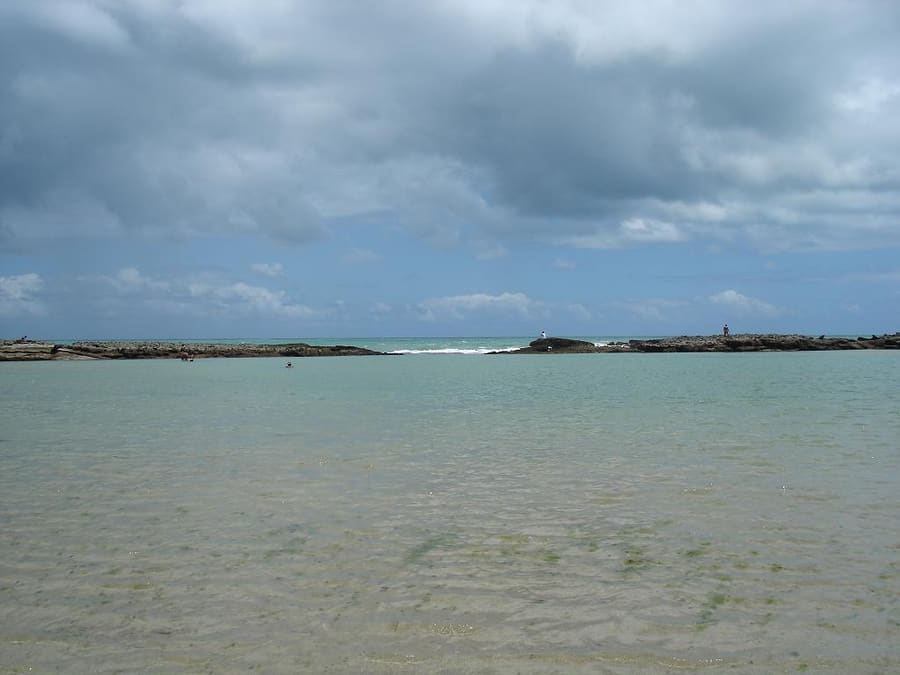
Low tide dictates visits to natural ocean pools in nearby Maracajaú. Check navy tide tables before booking water transfers to ensure maximum water clarity.
Natal
Onlyice · CC BY 2.0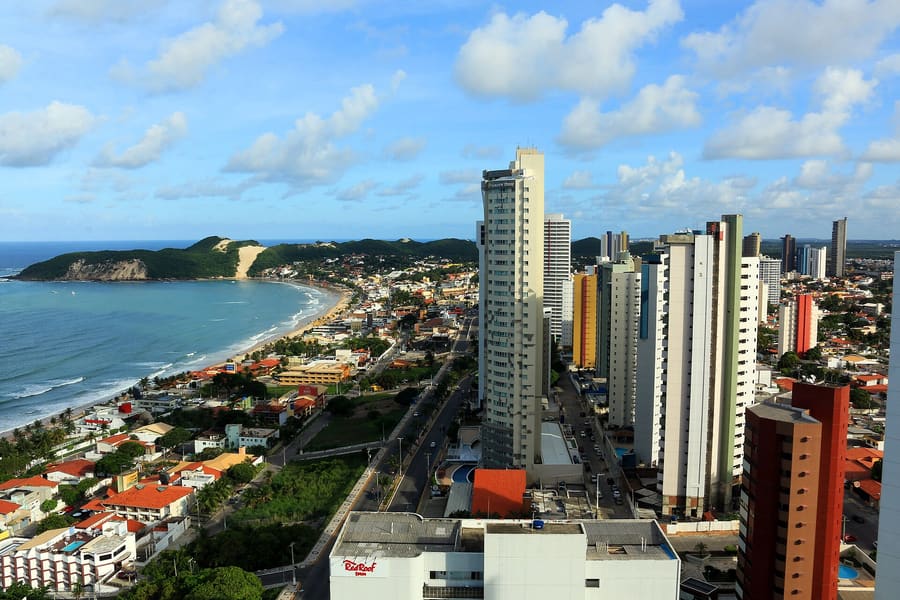
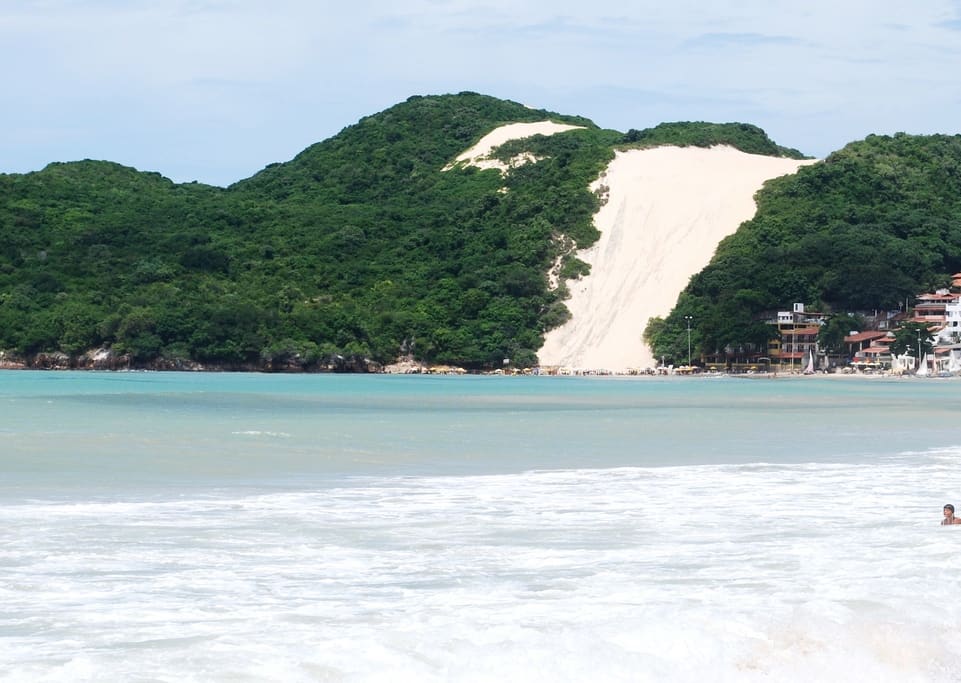
Ponta Negra — High-density beach district packed with restaurants, pousadas, and night venues.
MTur Destinos · Public domain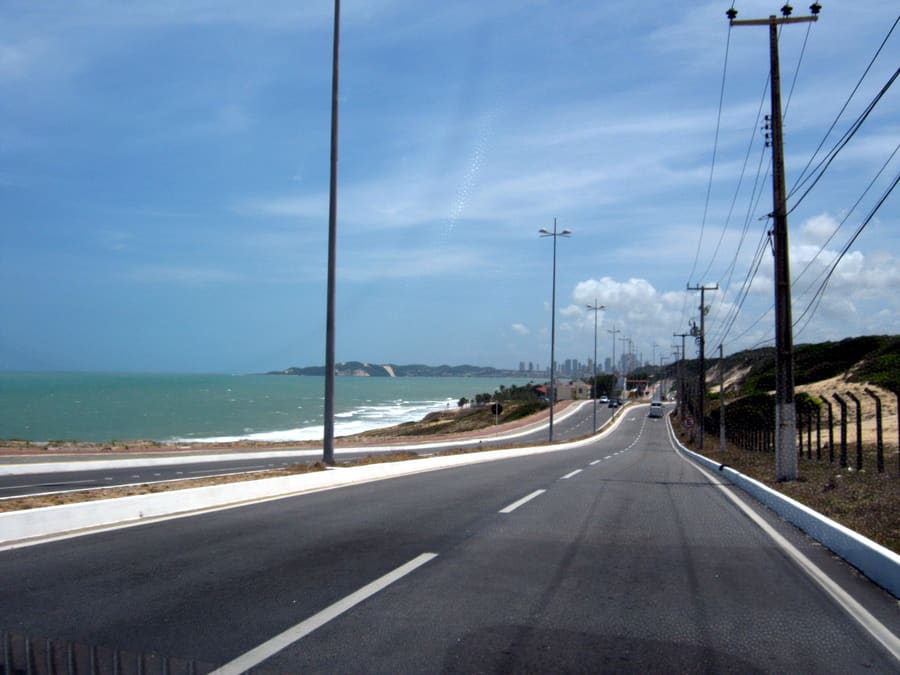
Via Costeira — Coastal highway lined with large beachfront resort properties and open views.
Jorge Andrade · CC BY 2.0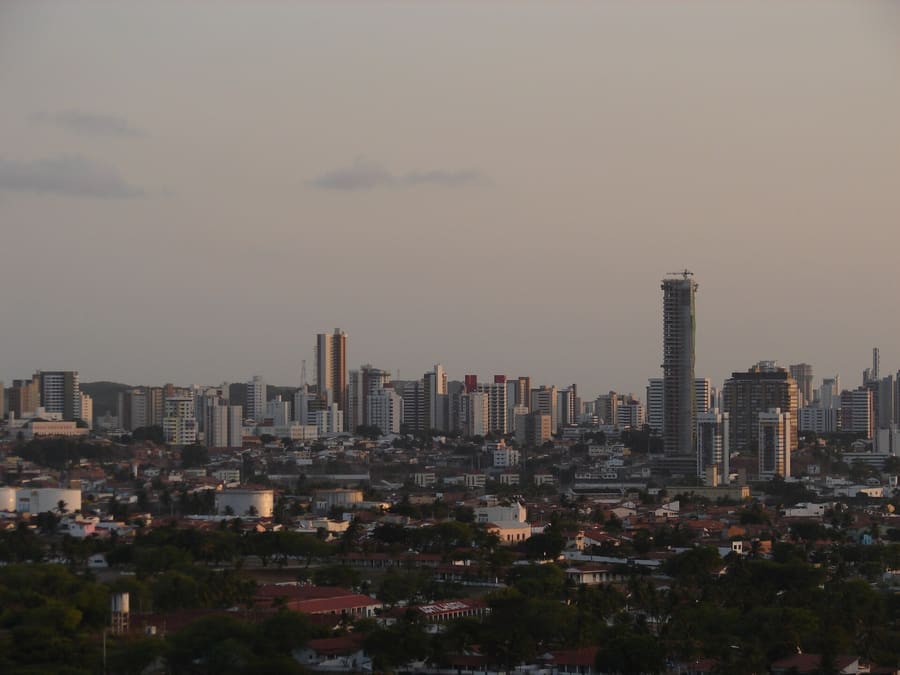
Petrópolis — Upscale residential neighbourhood with tree-lined streets and independent dining.
Beraldo Leal · CC BY 2.0highlights
landmark
Star-shaped 1598 stone fort marking the river mouth. Arrive early to avoid mid-day heat on the exposed footbridge.
Parley fragen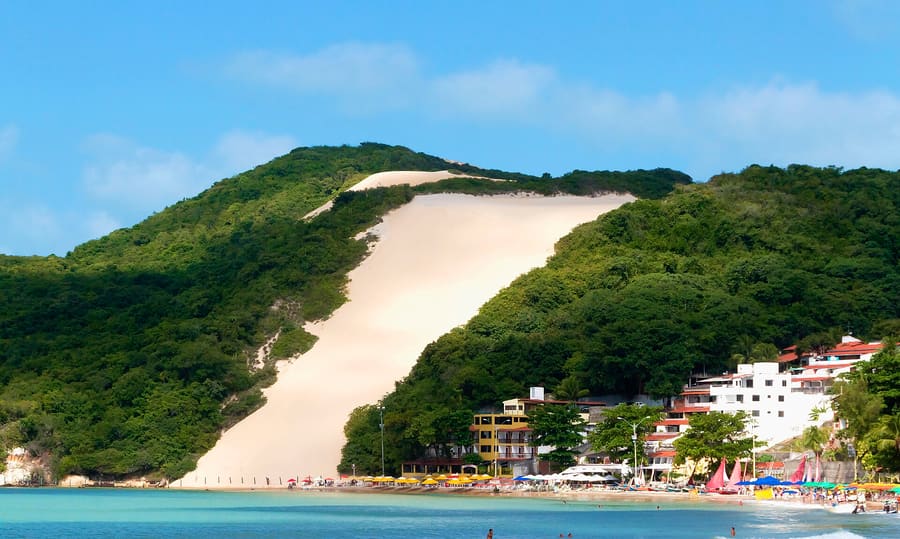
landmark
A 120-meter dune anchoring the southern end of Ponta Negra. Climbing is illegal to stop erosion, so enjoy it from the surf.
Parley fragen
landmark
Preserved Atlantic forest dunes in the middle of the city. Guided hikes run Tuesday through Sunday for R$ 1 per visitor.
Parley fragen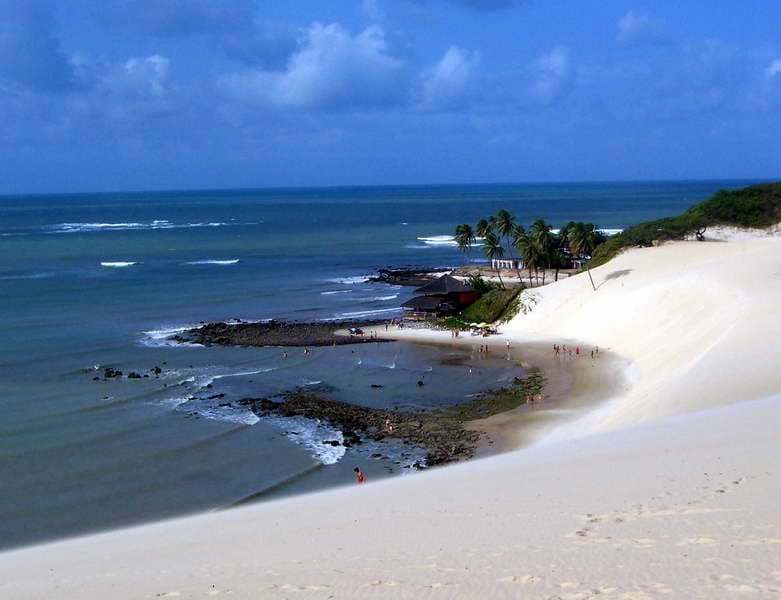
landmark
Rolling sand dunes north of the river for buggy excursions. Choose calm or thrilling driving styles before setting off.
Parley fragen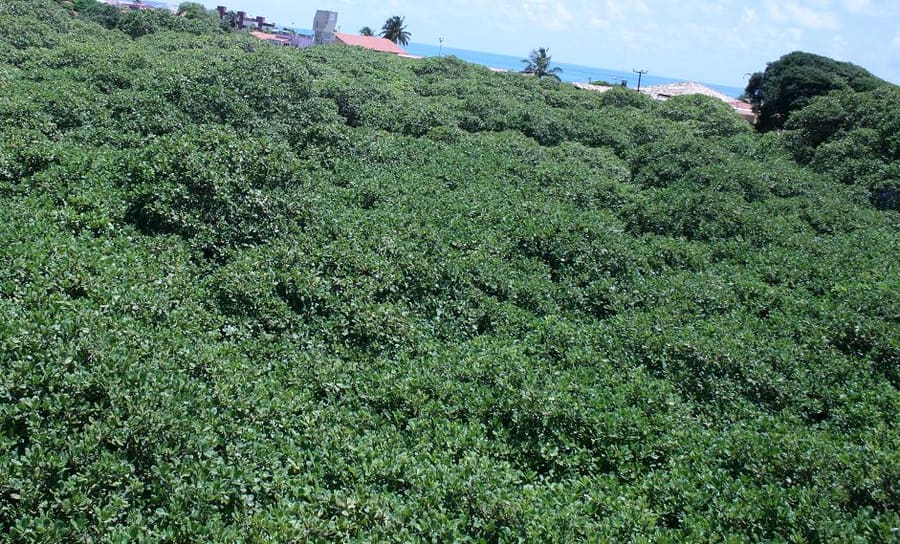
landmark
A single cashew tree covering over 8,500 square meters. Visit between November and January to sample fresh cashew fruit.
Parley fragen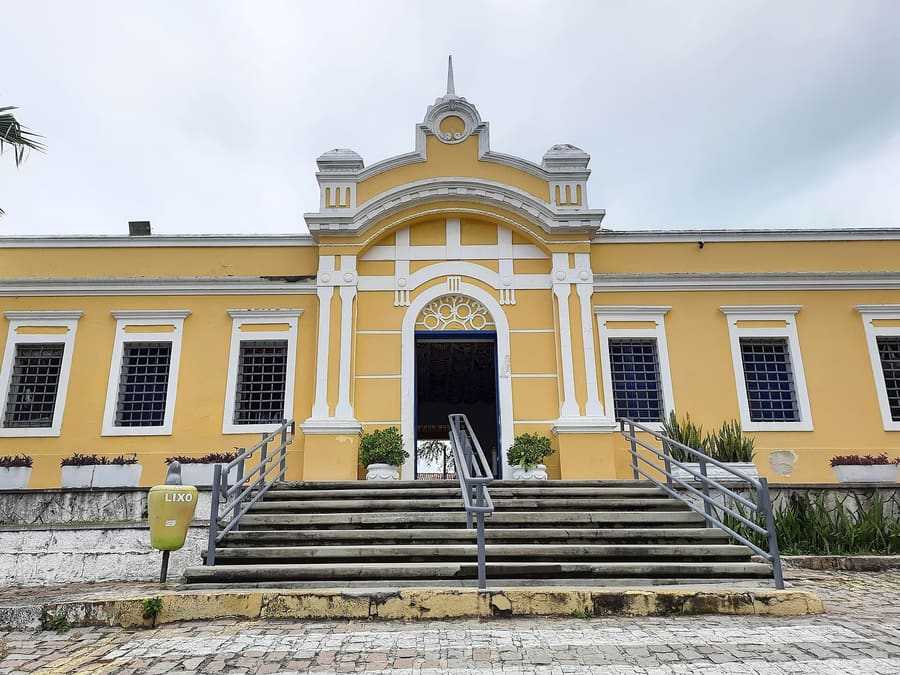
landmark
A former 19th-century prison turned handicraft market. Wooden cells now host lace workers and regional art vendors.
Parley fragenattractions
areas
High-density beach district packed with restaurants, pousadas, and night venues.
In der NäheMorro do Careca, craft markets, coastal bars.
Parley fragenCoastal highway lined with large beachfront resort properties and open views.
In der NäheParque das Dunas, central beaches.
Parley fragenUpscale residential neighbourhood with tree-lined streets and independent dining.
In der NäheCentro de Turismo, Potengi riverfront.
Parley fragenTraditional urban beachfront near the historic core, favored by local families.
In der NäheForte dos Reis Magos, Newton Navarro Bridge.
Parley fragenfood
Natal dining relies heavily on regional staples from the Rio Grande do Norte interior paired with fresh Atlantic catches. Carne de sol served with melted butter and cassava flour anchors traditional meals. The city claims *ginga com tapioca* — deep-fried local fish wrapped in warm tapioca crepe — as its signature street dish, born on Redinha beach.
Order *ginga com tapioca* directly at Mercado da Redinha. Vendors fry the small fish whole in oil and wrap them to order.
Try *carne de sol* at long-standing regional restaurants in Petrópolis. Plates arrive sized for two or three people to share.
Ponta Negra dining starts around 19:30. Booking is rarely needed except for weekend nights at popular seafood spots.
history
Founded on Christmas Day 1599, Natal spent centuries as a modest coastal outpost guarding the Potengi estuary. Its strategic location at the eastern apex of South America changed its trajectory during World War II, when the US military built a major airbase here. That wartime presence modernized local infrastructure and established the city as a strategic aviation hub.
City foundation
Portuguese colonizers establish Natal near the mouth of the Potengi River on December 25.
Dutch occupation
Dutch forces capture the stone fortress, renaming it Fort Keulen before Portuguese control returns in 1654.
Trampoline of victory
Parnamirim airfield becomes the largest US military base outside American territory during WWII.
Tourism expansion
Construction of Via Costeira highway opens Ponta Negra to national resort development.
where to stay
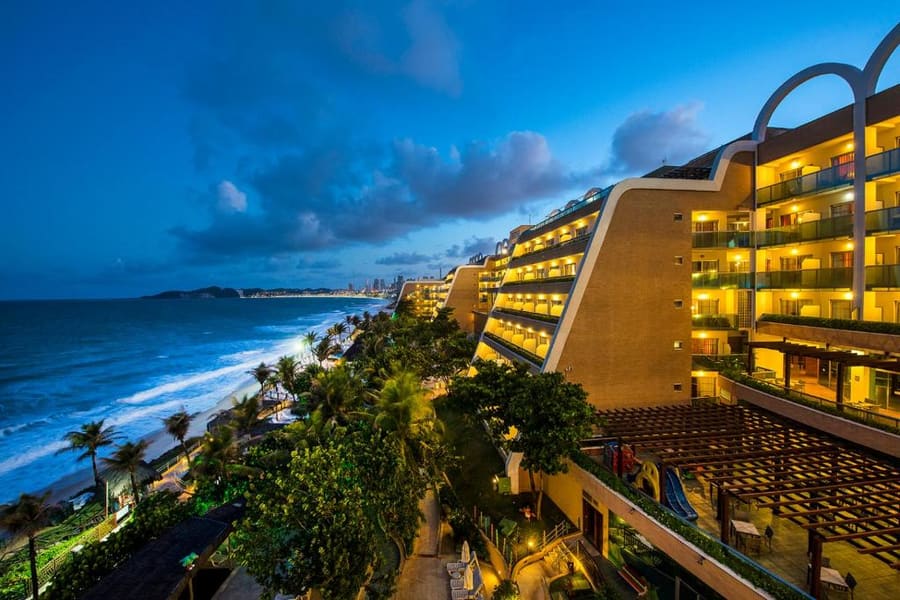
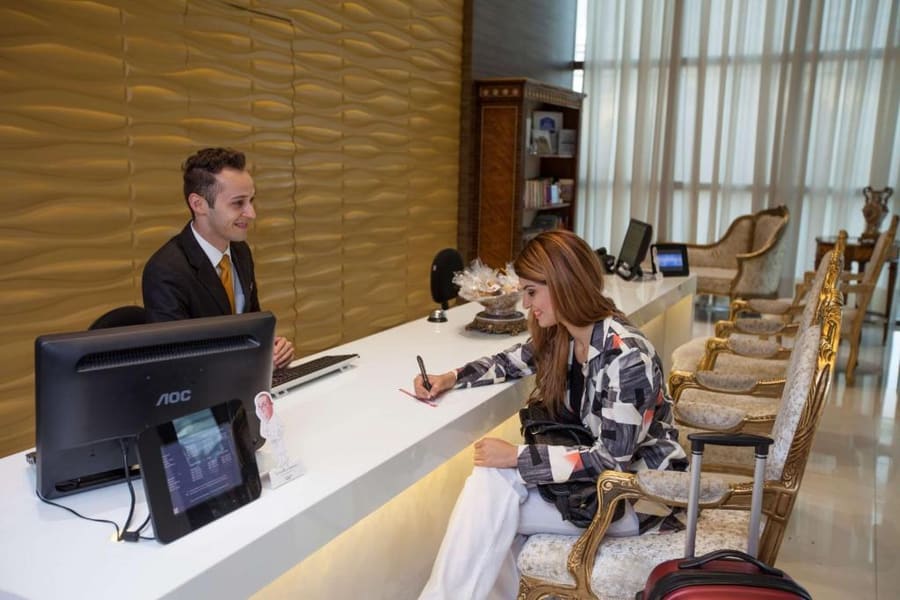
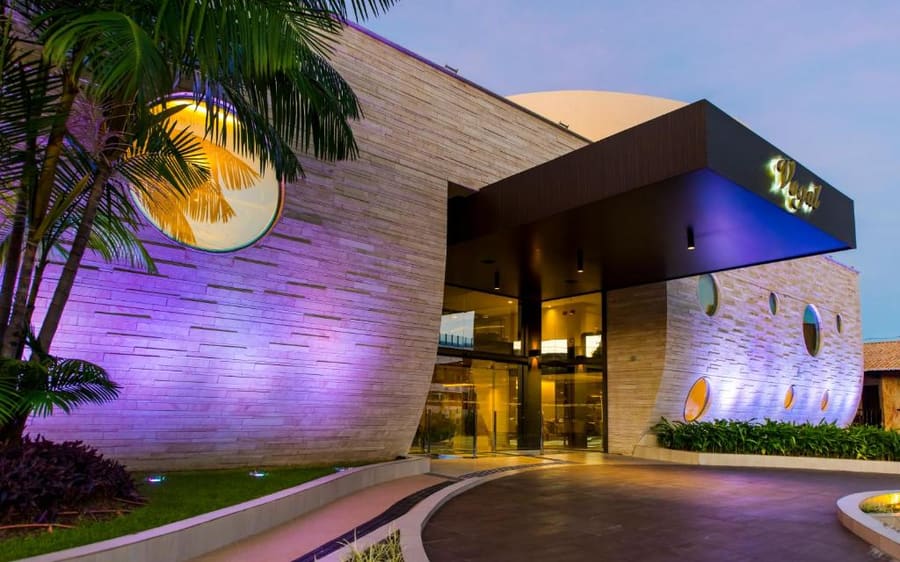
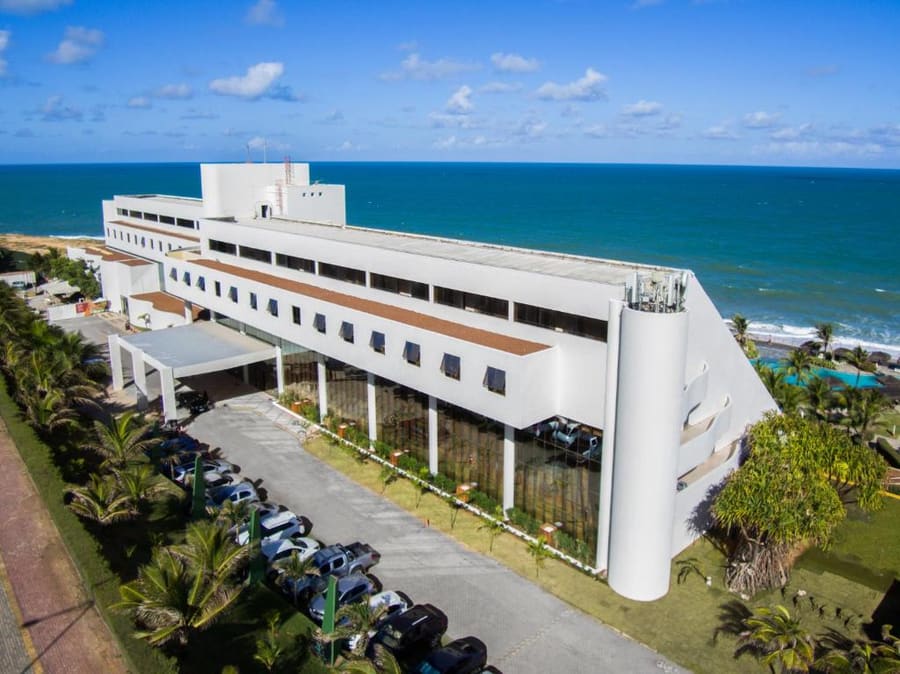
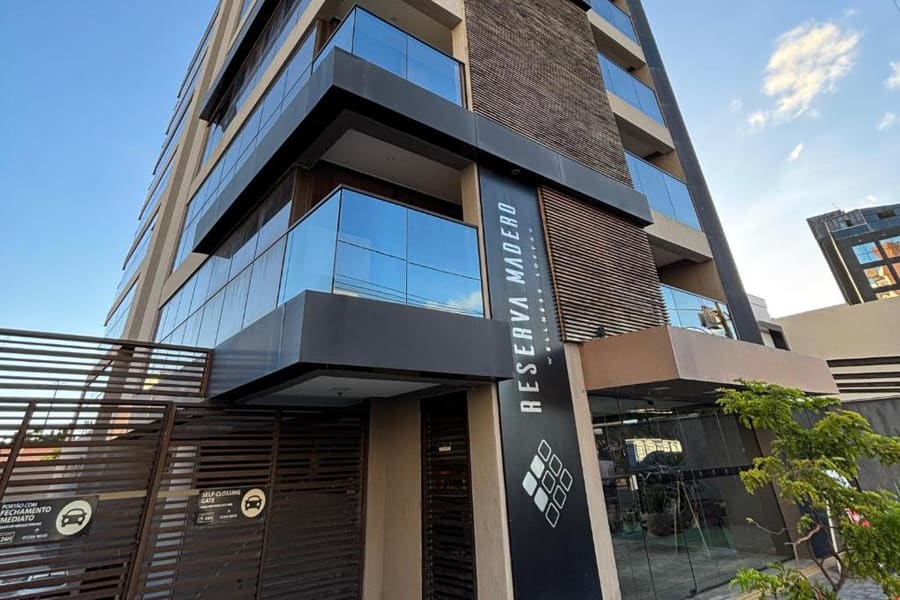
Choose your base based on how you prefer to move around. Ponta Negra gives you walkable access to beach bars and dinner options. Via Costeira isolates you in self-contained oceanfront resorts midway between downtown and the south.
Live rates, matched to the areas above.
transport
Natal is spread out across uneven coastal topography. Public buses cover main corridors, but visitors rely primarily on rideshare services or rental buggies and cars for daily travel.
Ab Natal International Airport (NAT)
Picks up right outside arrival gates; cheapest and easiest option to Ponta Negra.
Fixed-rate counters sit inside the terminal; good if arriving late at night.
Shared van service dropping off at major Ponta Negra hotels.
Uber operates reliably across Natal. Cars arrive within five minutes in Ponta Negra and Petrópolis.
Local city buses charge around R$ 4.50. You need exact cash or a local transit card to pay the conductor.
Book accredited drivers through official tourist agencies to ensure vehicle safety compliance.
cost
Natal offers lower everyday costs than Rio de Janeiro or São Paulo. Eating local dishes and taking rideshares keeps daily spending moderate.
Fresh chilled green coconuts sold by vendors along Ponta Negra boardwalk.
Full-day Genipabu buggy ride seating up to four passengers, excluding ferry and park entry fees.
Generous platter with sides at traditional regional restaurants.
Standard trip between Ponta Negra and Petrópolis or downtown.
seasonality
SEP – JAN
Dry season with constant sun and low rainfall. Peak summer crowds arrive around Christmas and January.
FEB – APR
Warm ocean temperatures with occasional afternoon showers. Carnival brings high domestic hotel rates.
MAY – JUL
Rainiest period of the year with overcast skies. Hotel rates hit their annual low.
AUG
Strong trade winds ideal for kitesurfing. Clear weather returns as precipitation drops.
practicalities
Natal sits 5 degrees south of the equator. UV radiation remains intense year-round even on cloudy days.
Ponta Negra beach has strong undertows near Morro do Careca. Swim in designated areas guarded by lifesavers.
Almost all restaurants and beach kiosks accept debit and credit cards via contactless terminals.
Due to Natal's eastern location, daylight starts around 05:00 and sunset occurs before 17:30 all year.
Natural reef pools near Maracajaú and Peroba are only accessible during low tides below 0.5 meters.