landmark
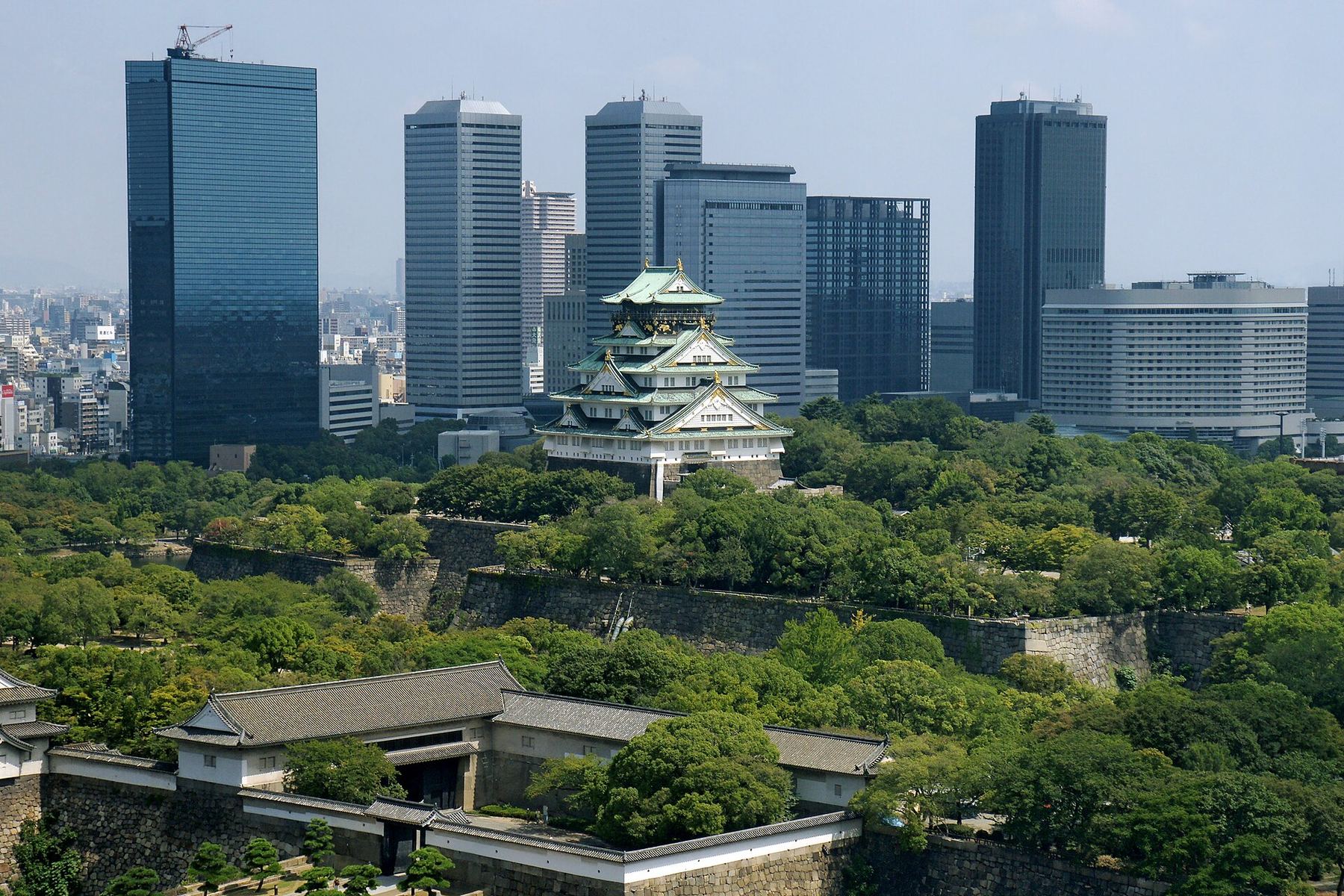
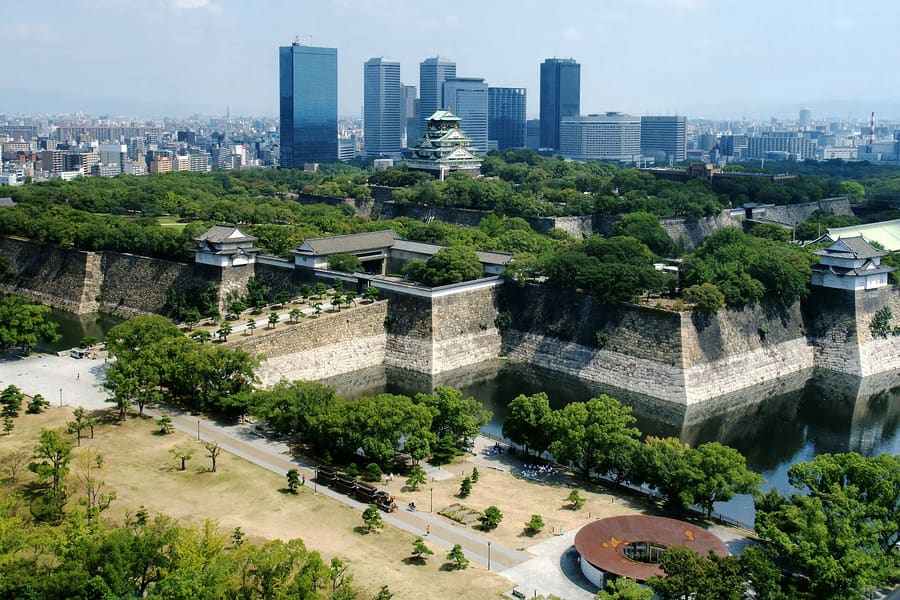
Osaka Castle
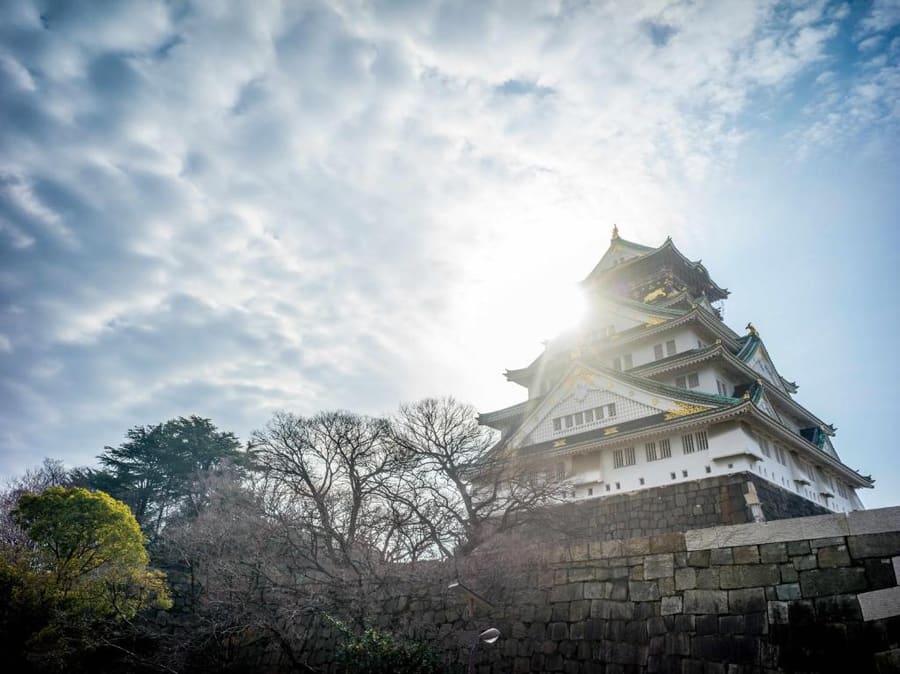
Reconstructed concrete keep housing a historical museum. Elevator queues stretch long; take the stairs up to level 8.
Parley fragenJapan
Dashi-rich griddles, canal neon, and pragmatic rail hubs.
introduction
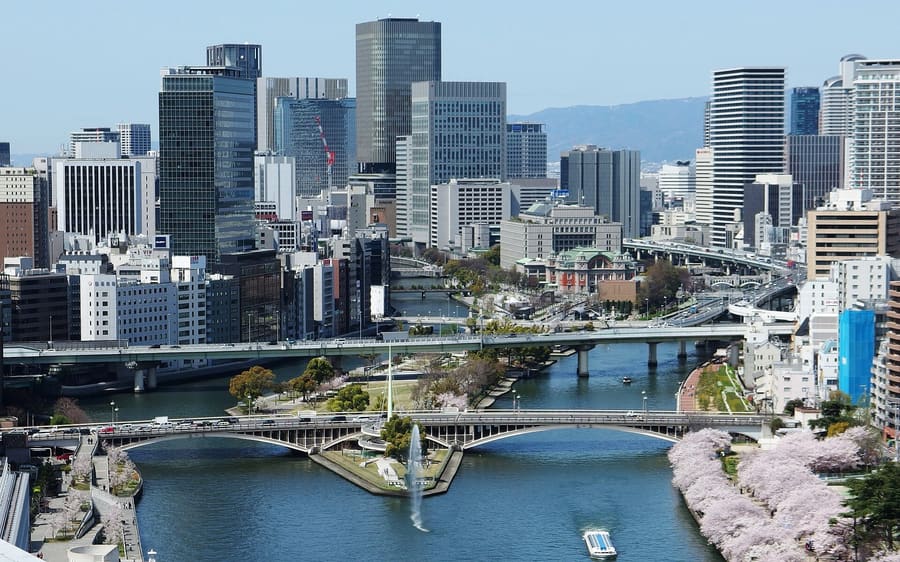
Osaka is Japan's main commercial hub in Kansai, defined by high-density dining and efficient rail connections. The subway system cuts north-south along the Midosuji Line, linking sleek business districts to neon-lit entertainment canals. Expect unpretentious service, direct talk, and street food cooked over open griddles.
Kansai Airport express choice
The Nankai Rapi:t train reaches Namba in 34 minutes for ¥1,490. The JR Haruka costs ¥2,270 to Tennoji and takes 35 minutes.
Escalator etiquette divergence
Unlike Tokyo where commuters stand on the left, Osaka stands on the right. Keep left only if you intend to walk up the moving stairs.
Subway pass threshold
The Osaka Metro Day Pass costs ¥820 on weekdays and ¥620 on weekends. You break even on your third subway ride of the day.
Osaka
Mc681 · CC BY-SA 4.0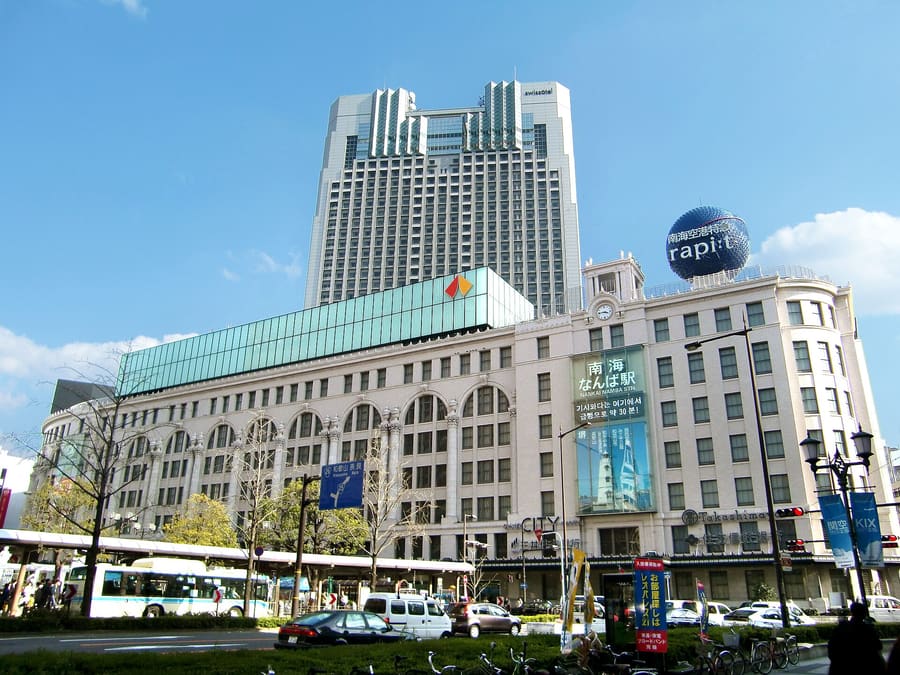
Namba — High-density nightlife, street stalls, and endless shopping arcades around Namba Station.
Own work · CC BY-SA 3.0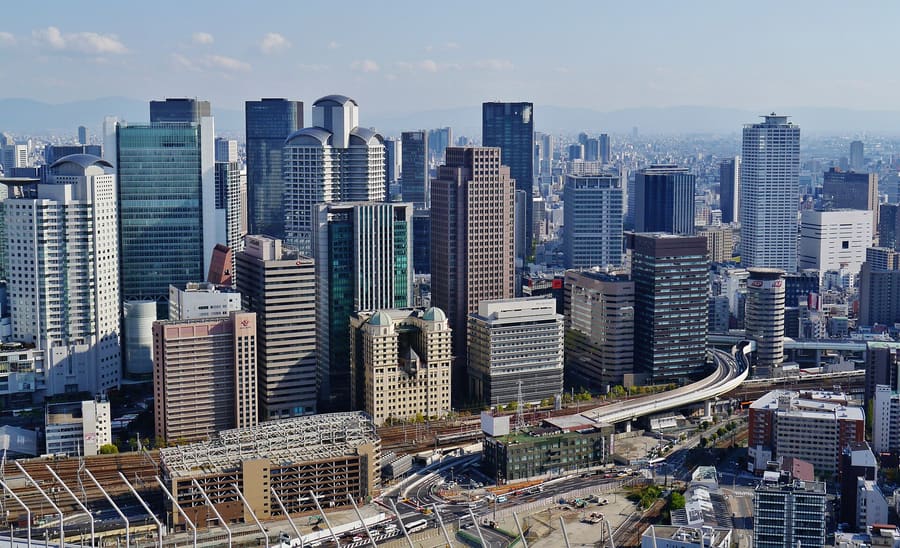
Umeda — Modern transit hub with vast subterranean malls and high-rise department stores.
Zairon · CC BY-SA 4.0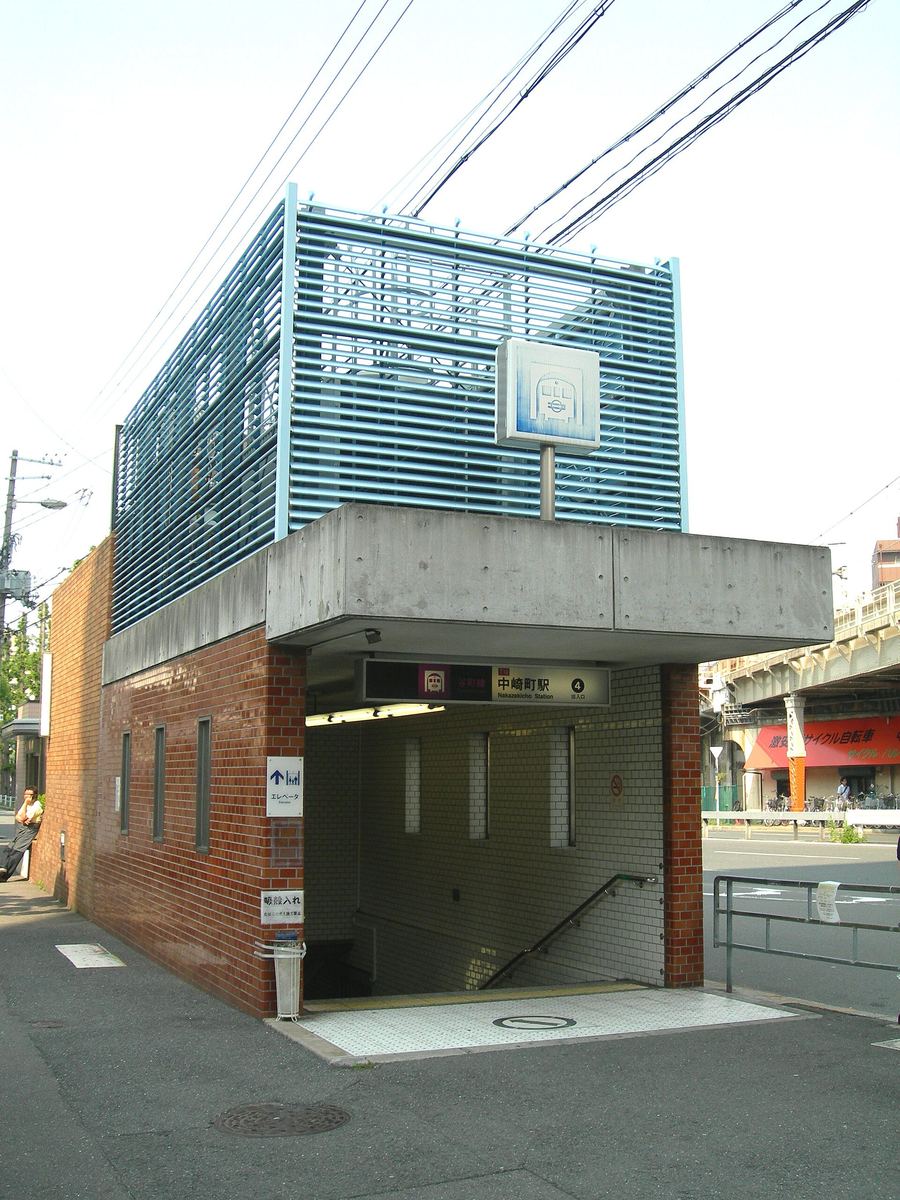
Nakazakicho — Low-rise pre-war neighborhood filled with independent coffee roasters and vintage clothing shops.
Rsa · CC BY-SA 3.0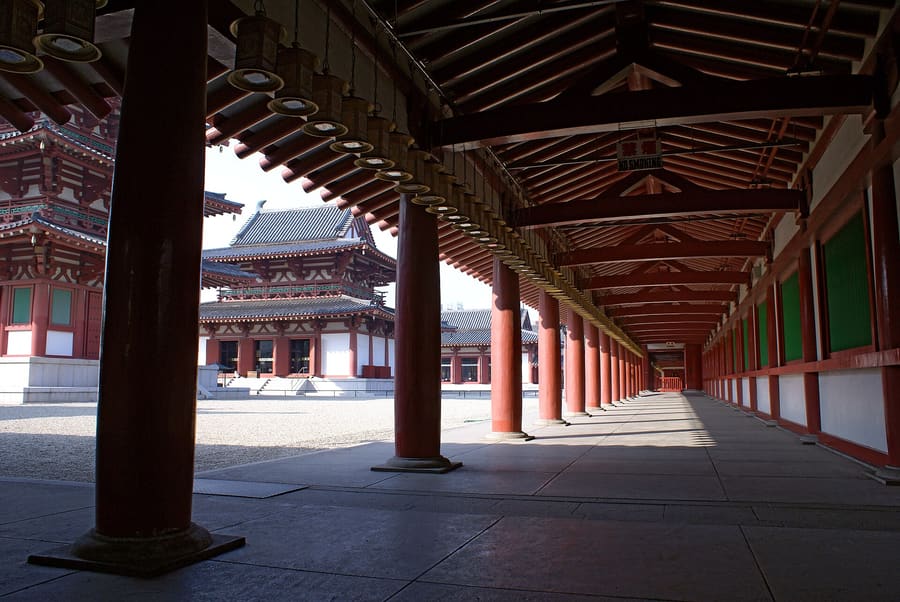
Tennoji — Traditional south-side district anchored by urban parks, historic temples, and tall towers.
663highland · CC BY 2.5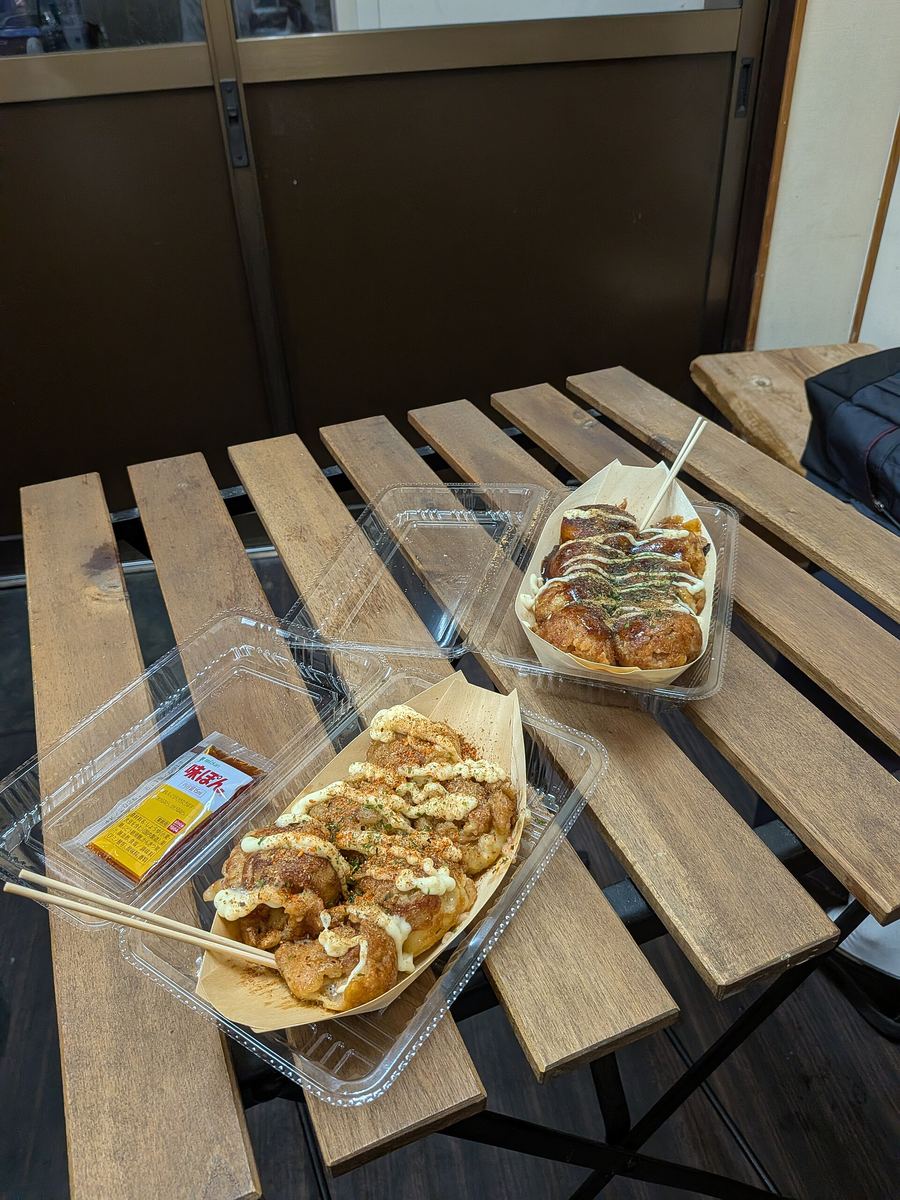
Takoyaki iron plates shape dashi batter and octopus into scalding snacks across Namba.
加茂川の民 · CC0highlights
landmark
Reconstructed concrete keep housing a historical museum. Elevator queues stretch long; take the stairs up to level 8.
Parley fragen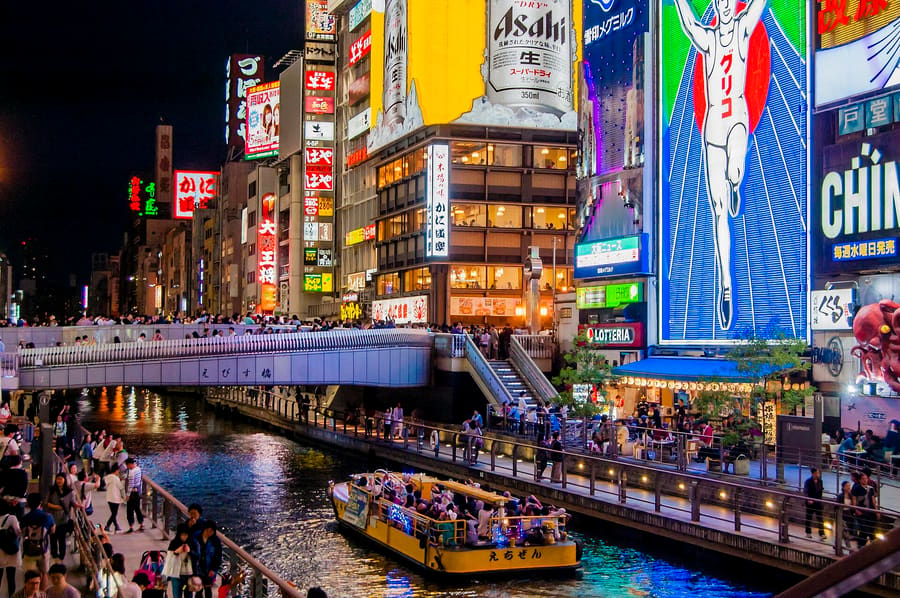
landmark
Central canal strip defining late-night dining. Visit after 20:00 when illuminated signs reflect off the water.
Parley fragen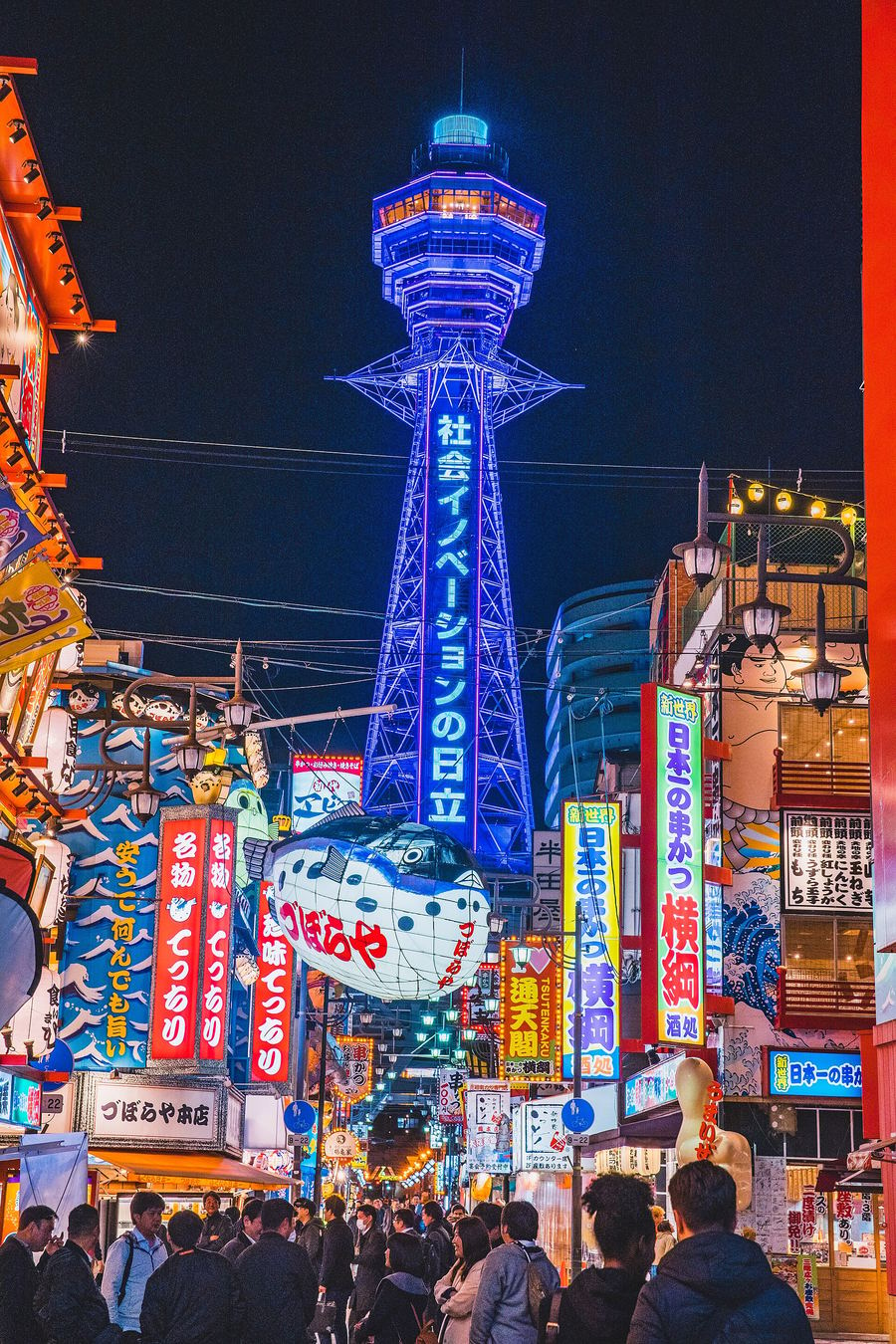
landmark
A 1912 entertainment quarter around Tsutenkaku Tower. Kushikatsu eateries here strictly enforce single-dip sauce rules.
Parley fragen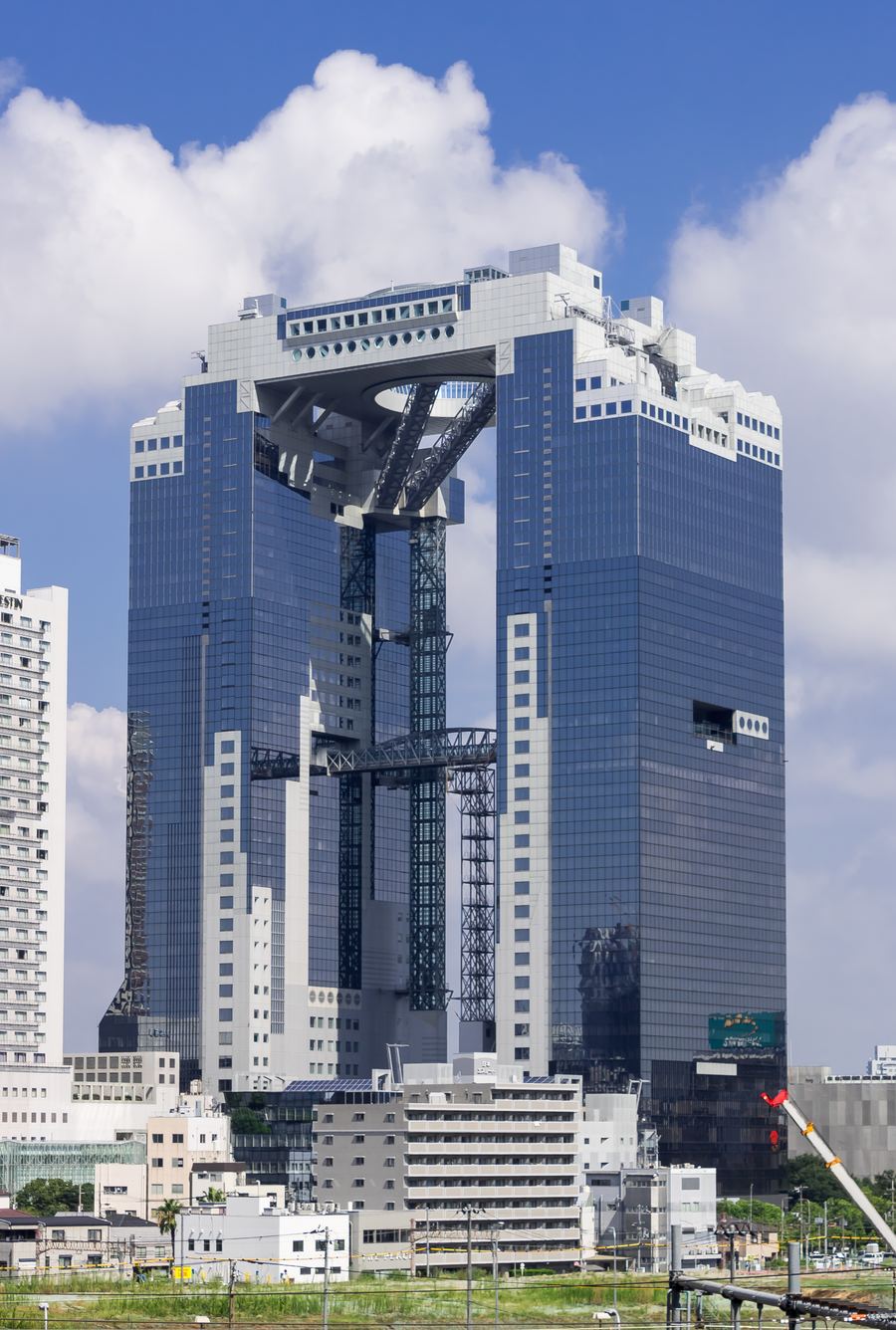
landmark
Twin 40-story towers linked by an open-air ring deck. Arrive 30 minutes before sunset to clear security ahead of tour groups.
Parley fragen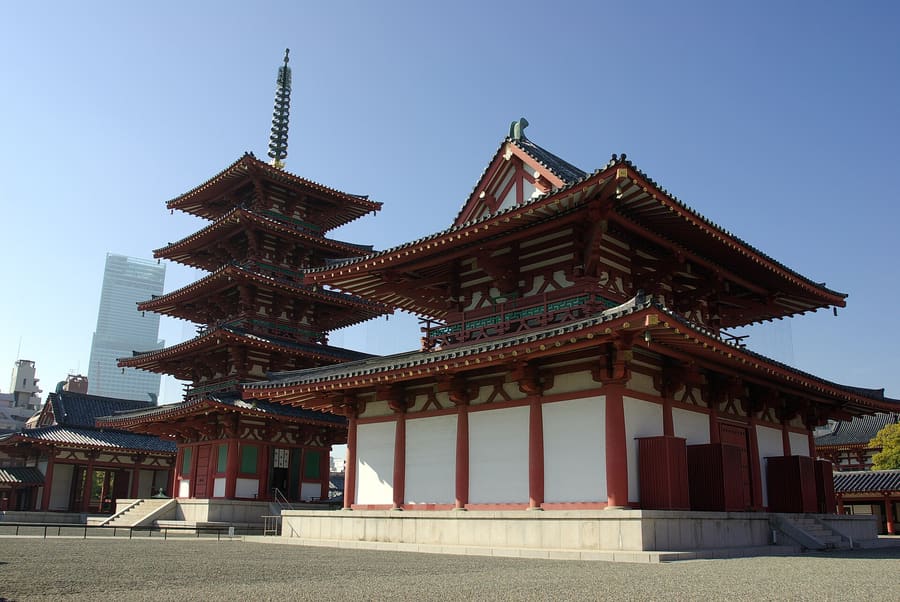
landmark
State Buddhist temple founded in 593 AD. Outer temple grounds are open free; pagoda entry costs ¥300.
Parley fragen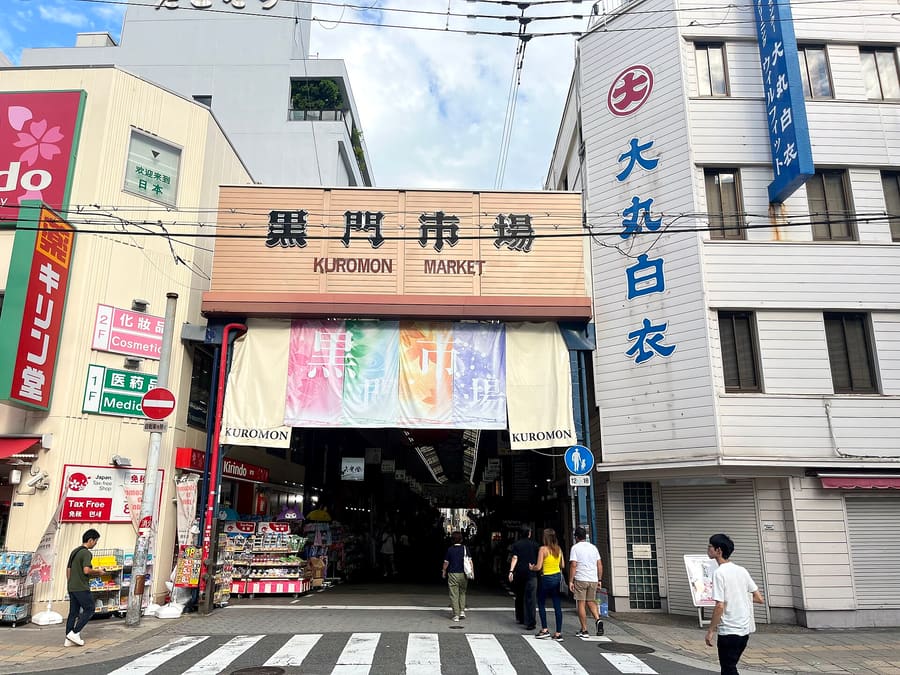
landmark
Covered 600-meter corridor selling fresh seafood and skewers. Morning visits avoid heavy tour bus crowds.
Parley fragenattractions
areas
High-density nightlife, street stalls, and endless shopping arcades around Namba Station.
In der NäheDotonbori canal, Kuromon Market, and Amerikamura.
Parley fragenModern transit hub with vast subterranean malls and high-rise department stores.
In der NäheOsaka Station, Umeda Sky Building, and Nakazakicho.
Parley fragenLow-rise pre-war neighborhood filled with independent coffee roasters and vintage clothing shops.
In der NäheUmeda rail complex and Tenjinbashisuji arcade.
Parley fragenTraditional south-side district anchored by urban parks, historic temples, and tall towers.
In der NäheShitenno-ji, Shinsekai, and Abeno Harukas.
Parley fragenfood
Osaka's food culture centers on flour, dashi broth, and high-heat iron griddles. Local dining skips formal Kyoto ceremony to focus on speed, crunch, and rich savory glazes. You order at counter seats or outdoor street stalls, eating snacks straight off the grill.
Takoyaki iron plates shape dashi batter and octopus into scalding snacks across Namba.
加茂川の民 · CC0Eat right next to the stall where you purchase your octopus balls. Walking down crowded footpaths while holding toothpicks is disliked by shopkeepers.
Dip fried skewers into shared sauce containers exactly once before taking a bite. Use raw cabbage leaves to scoop extra sauce onto your plate.
Prominent locations like Mizuno draw long 60-minute lunch lines. Griddles located two blocks off Dotonbori offer identical cabbage pancakes with no wait.
history
Osaka grew as the commercial engine of Japan, earning the title 'the nation's kitchen' during the Edo period. Local merchant guilds traded rice along an extensive canal network, cultivating a practical, business-minded culture distinct from Kyoto's court aristocracy.
Shitenno-ji Founded
Prince Shotoku builds Japan's first state Buddhist temple, making Osaka a religious and maritime hub.
Osaka Castle Construction
Toyotomi Hideyoshi selects Osaka as his seat of power, building a massive fortress and market town.
The Nation's Kitchen
Canals carry rice across Japan. Merchant exchanges at Dojima set early global commodity trade practices.
Expo '70 Hosted
Osaka hosts Asia's first World's Fair, expanding metro lines and establishing modern regional infrastructure.
where to stay
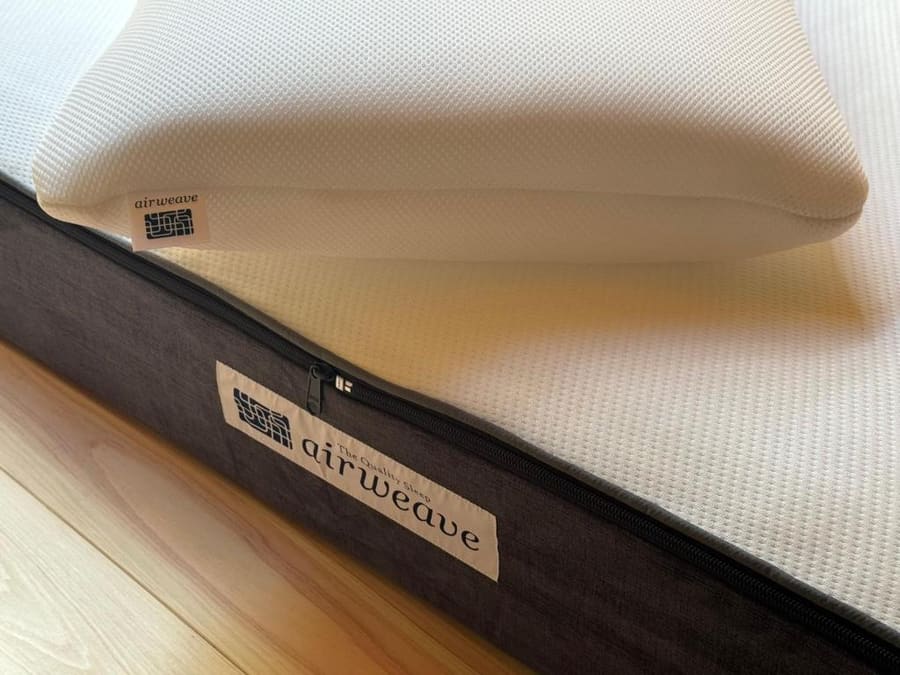
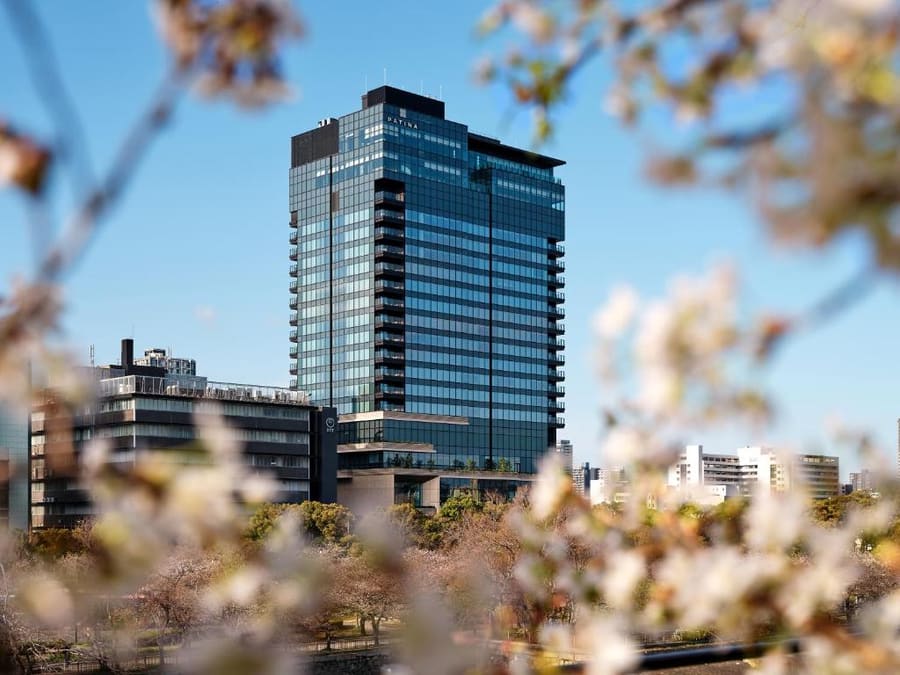
Select your accommodation based on rail connections. Kita (Umeda) in the north provides fast connections to Kyoto and Kobe alongside major retail hubs. Minami (Namba) in the south offers direct access to late-night street food and Kansai Airport express trains.
Live rates, matched to the areas above.
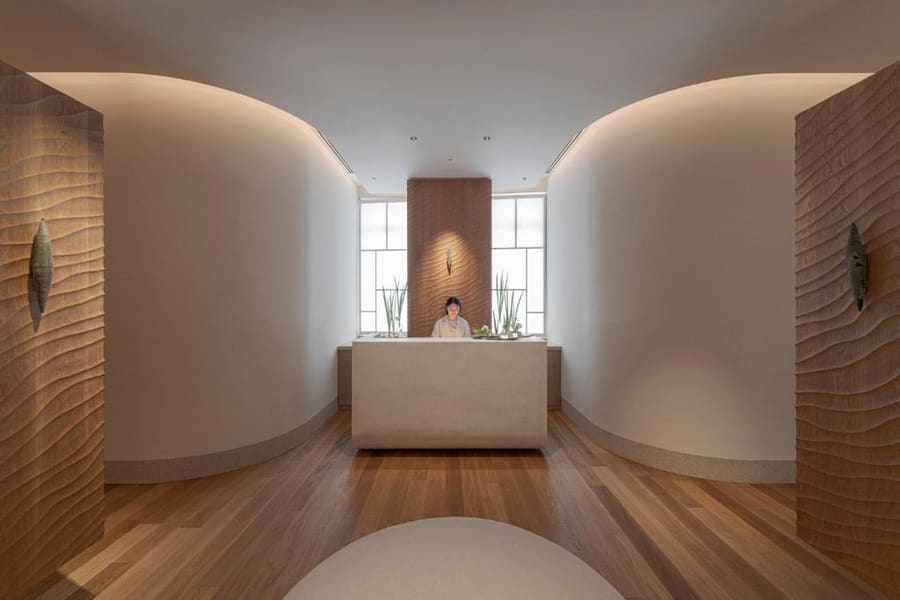
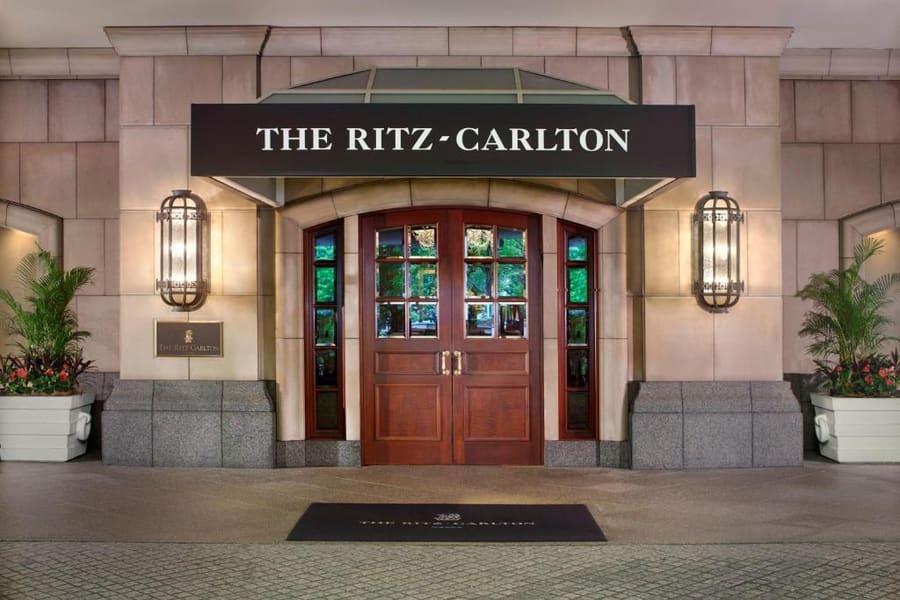
transport
Osaka relies on the Osaka Metro network and the circular JR Osaka Loop Line. Navigation stays clear when you match rail operator names directly to their dedicated terminal stations.
Ab Kansai International Airport (KIX)
Nankai Rapi:t Limited Express runs directly to Namba Station twice every hour.
JR Haruka Express connects KIX to Tennoji and Shin-Osaka with reserved seating.
Limousine buses serve Umeda and major hotels; ideal if traveling with heavy luggage.
Fixed-rate highway taxis run 24 hours but cost far more than express trains.
Tap an ICOCA, Suica, or Pasmo card at ticket gates across all Osaka subway, bus, and private train lines.
The red Midosuji Line runs straight north-south, connecting Shin-Osaka, Umeda, Shinsaibashi, Namba, and Tennoji.
Osaka's last surviving streetcar line runs from Tsutenkaku down to historic Sakai for a flat ¥230 fare.
Osaka Metro trains stop service around midnight. Taxis charge a 20% fare surcharge between 22:00 and 05:00.
cost
Osaka provides lower daily dining costs than Tokyo. Casual street stalls and neighborhood izakayas keep meal budgets flexible, while metro day passes capped transport expenses.
Freshly cooked octopus balls from street vendors in Namba or Shinsekai.
Assorted fried skewers served with cabbage, dashi soup, and steamed rice.
Fares scale strictly by distance across Osaka Metro's underground network.
Standard pint price for domestic lager at izakayas in Umeda or Dotonbori.
seasonality
MAR – MAY
Mild spring weather with cherry blossoms in early April. Room rates hit peak prices; book months ahead.
JUN – AUG
High humidity and rain. Outdoor walking gets tiring by midday; retreat into underground mall networks.
SEP – NOV
Crisp autumn air and fall foliage. Comfortable walking weather around castle grounds with moderate crowds.
DEC – FEB
Cold, clear winter days with rare snowfall inside the city. Lower accommodation rates outside New Year dates.
practicalities
Metro stations offer coin lockers priced ¥400–800 daily. Paying with an ICOCA card secures the door without paper codes.
Subway ticket machines and small street vendors require physical yen. Chain stores and hotels accept major credit cards.
Subway signs show English names and letter-number codes (such as M16 for Umeda on the Midosuji Line).
Tap water across Osaka is safe to drink. Public parks and train station corridors supply clean drinking fountains.