landmark
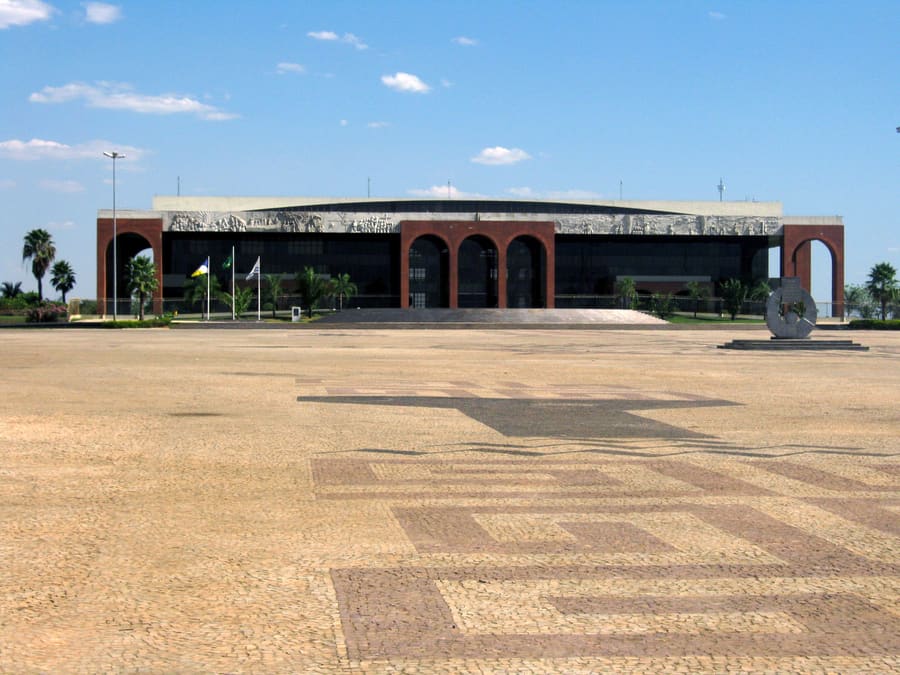
Praça dos Girassóis
Explore one of the world's largest public squares. Visit before 9:00 to walk the perimeter monument path without harsh sun.
Parley fragenBrasilien
Modern grid plan meets Cerrado heat on the Tocantins
introduction
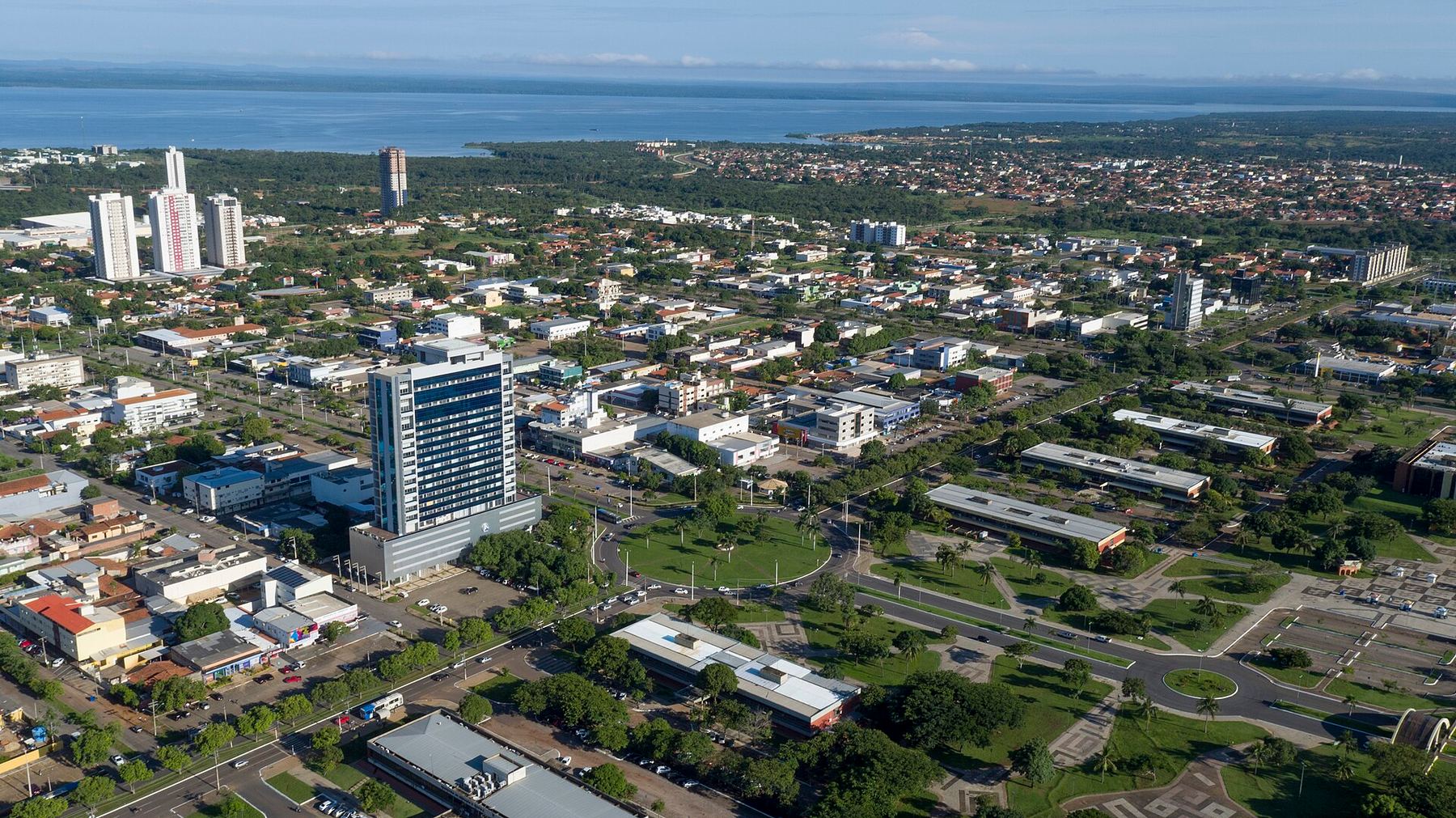
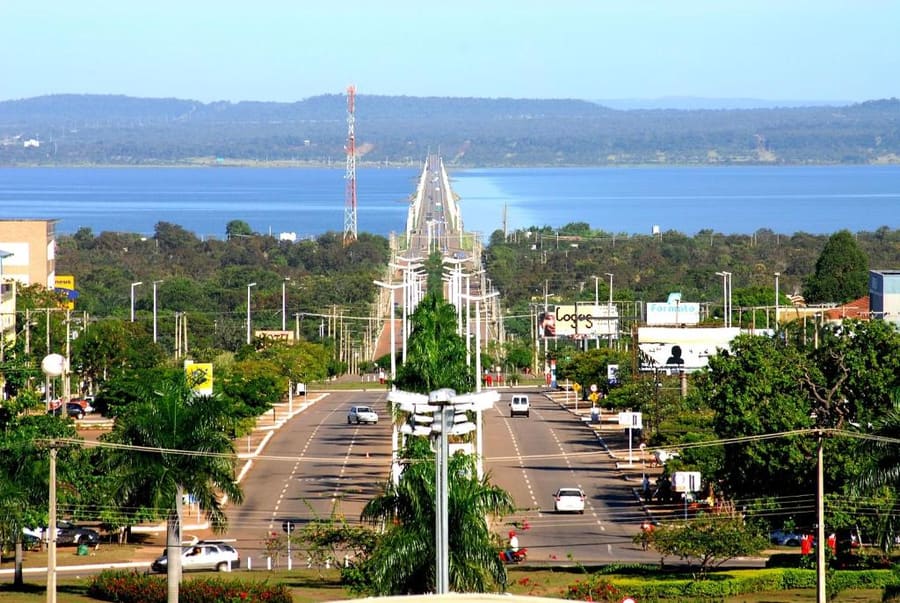
Palmas is Brazil's youngest state capital, carved out of the Cerrado savanna in 1989. The city follows a strict grid of superblocks and massive roundabouts designed around car transit. Shade is scarce and daytime temperatures frequently pass 35°C, so civic life shifts to air-conditioned halls by day and breezy riverfronts after sunset.
Airport transport choice
Lysias Rodrigues Airport sits 18 kilometers south of downtown. Rideshare drivers accept trips reliably, costing half the fixed taxi tariff.
Largest civic square in Latin America
Praça dos Girassóis spans nearly 571,000 square meters. It concentrates all three state government branches within a single peripheral loop.
Hydration strategy
Carry water constantly between July and October. Relative humidity regularly drops below 20 percent during peak afternoon heat.
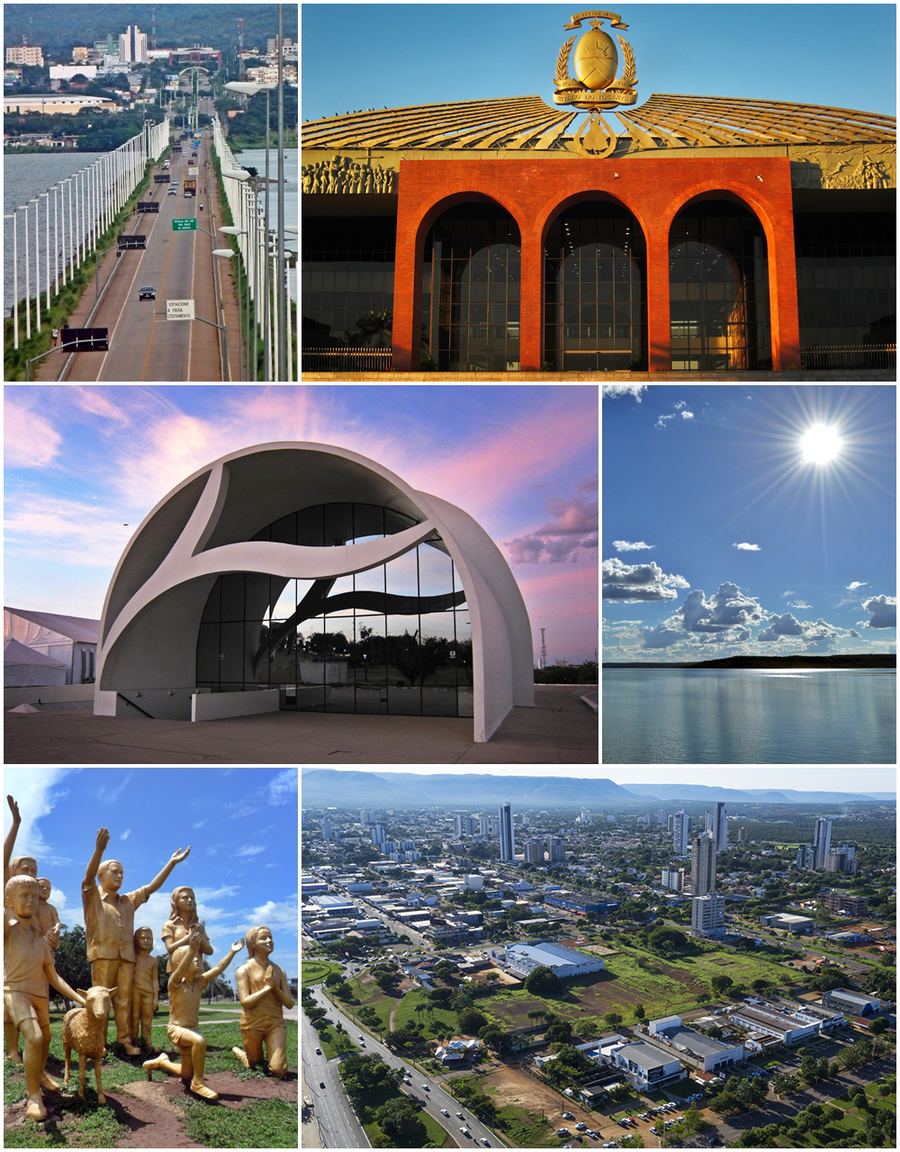
Palmas
Compiled by Heitor Carvalho Jorge · CC BY-SA 4.0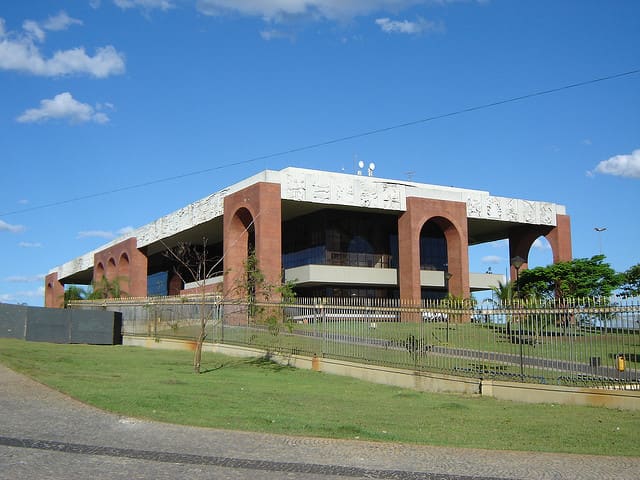
Plano Diretor Sul — Commercial heart centered around Avenida JK, packed with banks, restaurants, and business hotels.
Renato A. Costa ( Renato Alves da Costa ) · CC BY 2.0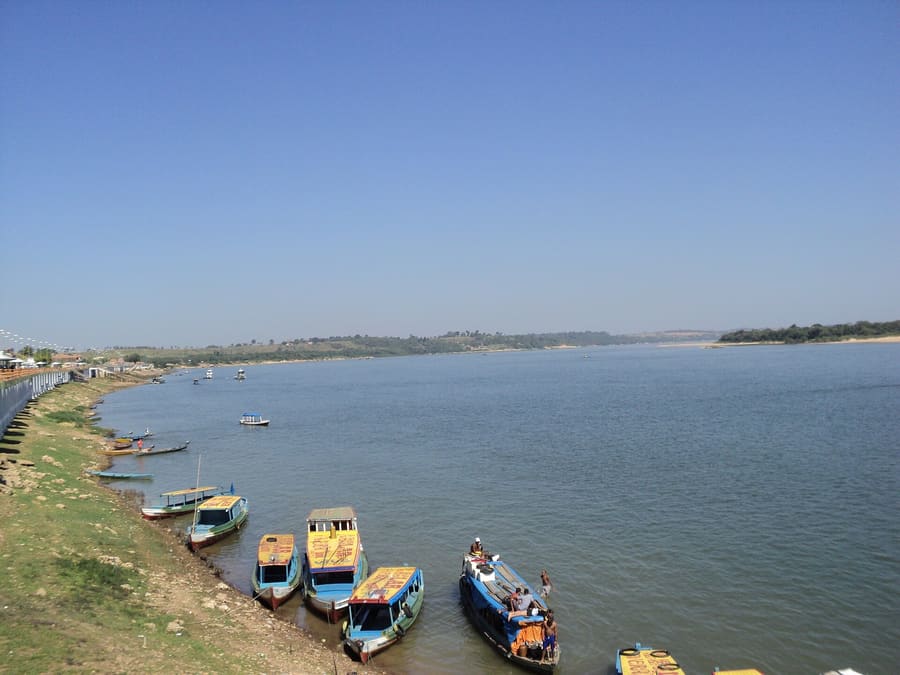
Orla da Graciosa — Waterfront boardwalk district oriented around sunset dining, beach bars, and lake views.
Hallel · CC BY-SA 3.0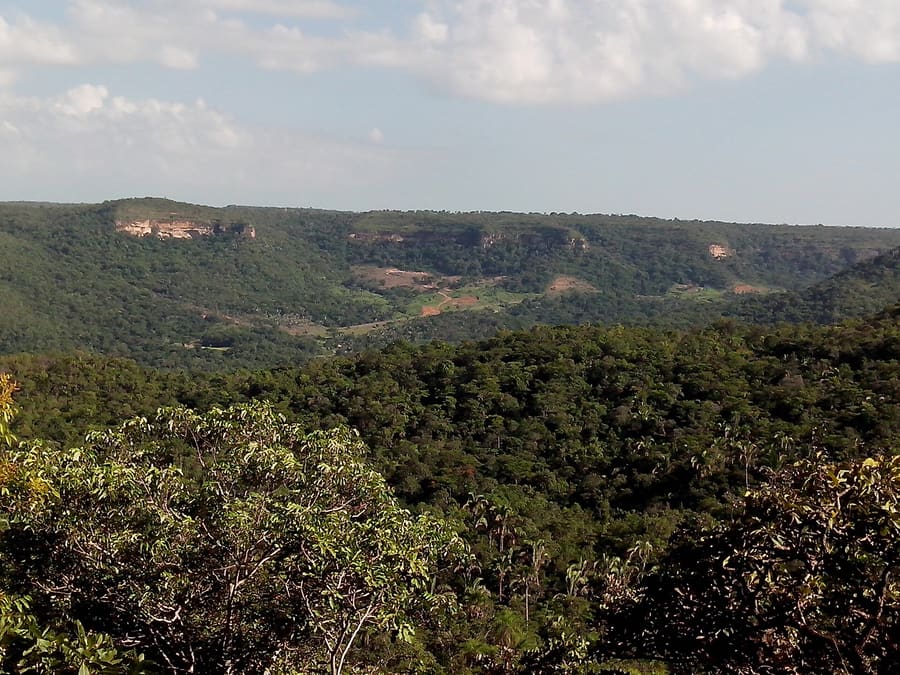
Taquaruçu — Rural mountain village set in a valley, offering cooler night air, guesthouses, and waterfall access.
Genézio Júnior · CC BY 3.0highlights
landmark
Explore one of the world's largest public squares. Visit before 9:00 to walk the perimeter monument path without harsh sun.
Parley fragen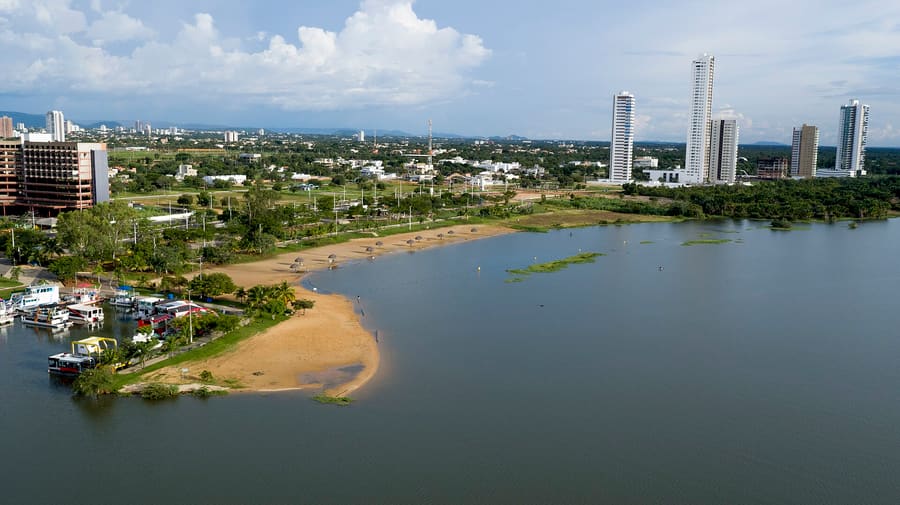
landmark
The city's main reservoir beach. Floating bars and sunset views draw crowds around 17:30.
Parley fragen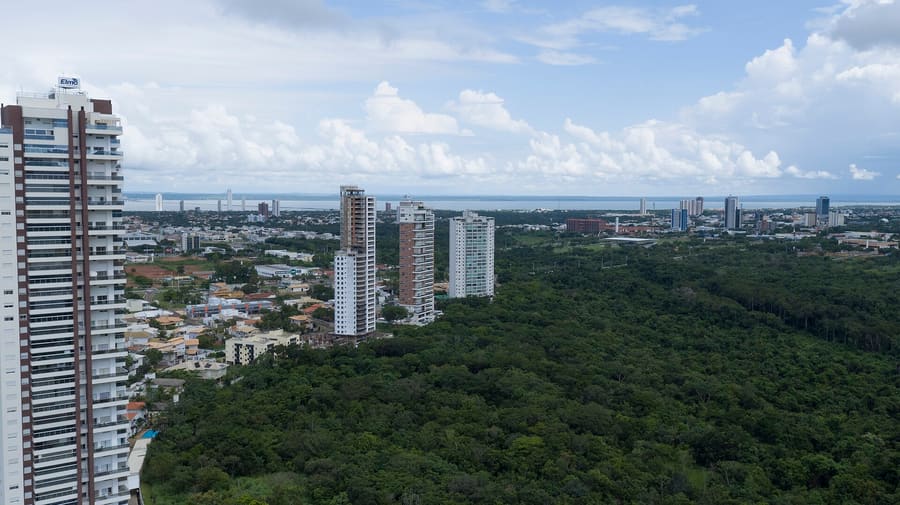
landmark
Central green space with capybaras and a paved running trail. Best for late afternoon walks around the central lake.
Parley fragenattractions
areas
Commercial heart centered around Avenida JK, packed with banks, restaurants, and business hotels.
In der NäheParque Cesamar and Feira do Bosque.
Parley fragenWaterfront boardwalk district oriented around sunset dining, beach bars, and lake views.
In der NähePraia da Graciosa and boat launch piers.
Parley fragenRural mountain village set in a valley, offering cooler night air, guesthouses, and waterfall access.
In der NäheCachoeira Roncadeira and Cachoeira Escorregrega.
Parley fragenQuiet residential superblocks with wide tree-lined avenues and casual neighborhood eateries.
In der NähePraça dos Girassóis and northern government offices.
Parley fragenfood
Palmas food blends northeastern Brazilian tradition with native Cerrado ingredients. The definitive local dish is chambari, slow-braised beef ossobuco seasoned with garlic, pepper, and cilantro. Locals routinely eat it for breakfast alongside cassava meal or farinha.Freshwater fish from the Tocantins basin dominate formal dinner menus. Species like tucunaré and surubim are grilled whole or baked in clay roof tiles, a presentation known as peixe na telha. Native fruits like pequi and baru nut appear in rice dishes and artisanal ice cream across the city.
Specialty kiosks in 103 Sul serve chambari from 06:00 to 10:00. Popular stalls sell out before noon.
When eating galinhada com pequi, scrape the oily yellow pulp with your teeth. Never bite down on the spiky inner seed.
Feira da 304 Sul operates on Tuesday and Friday evenings. It offers regional fruit jams, tapioca crepes, and grilled skewers.
history
Palmas was created out of necessity following the 1988 Brazilian Constitution, which carved the state of Tocantins from northern Goiás. Architects Luís Fernando Cruvinel Paranhos and Walfredo Antunes de Oliveira Filho laid out the urban master plan on empty Cerrado land in 1989.Construction progressed rapidly using a strict geometric grid of large blocks called quadras. The damming of the Tocantins River in 2001 created the Lajeado hydroelectric reservoir, transforming the western edge of the city into a vast freshwater lake that reshaped local climate and tourism.
Statehood created
The 1988 Federal Constitution establishes Tocantins state to develop the central interior region.
Foundation stone laid
Palmas is officially founded on May 20 at Praça dos Girassóis as the new planned state capital.
Government moves
State administration officially transfers from temporary quarters in Miracema do Tocantins to Palmas.
Lajeado Dam completed
Flooding of the Tocantins River creates the 80-kilometer reservoir and city beaches like Praia da Graciosa.
where to stay
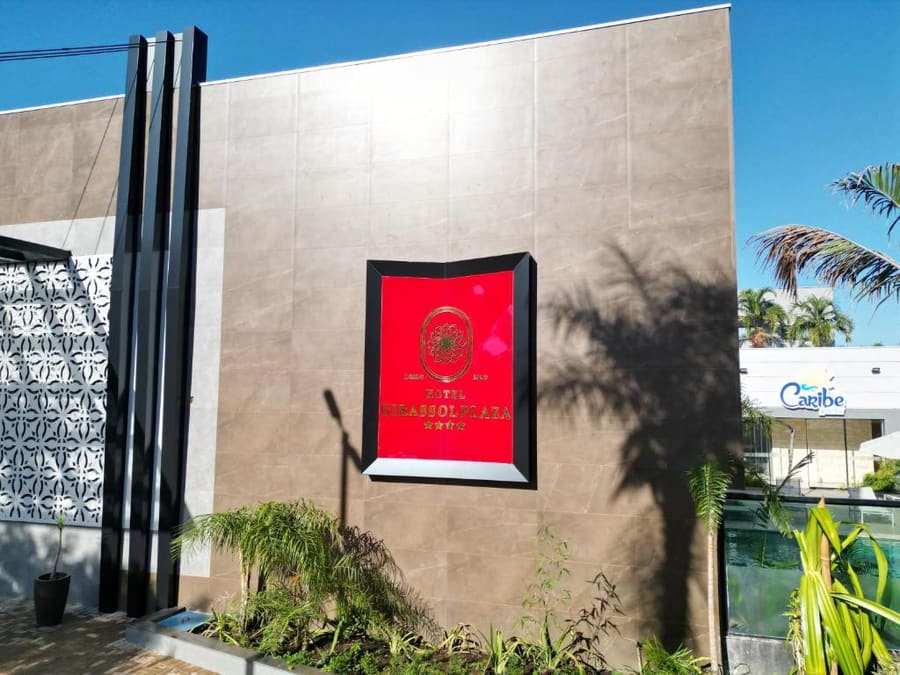
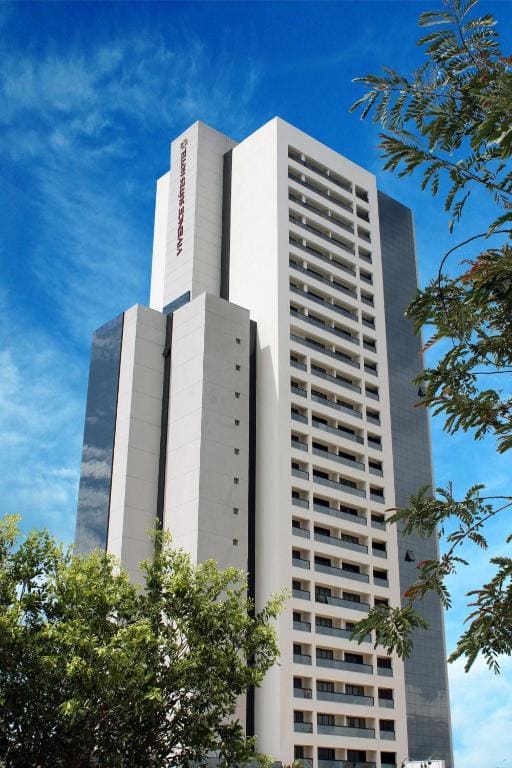
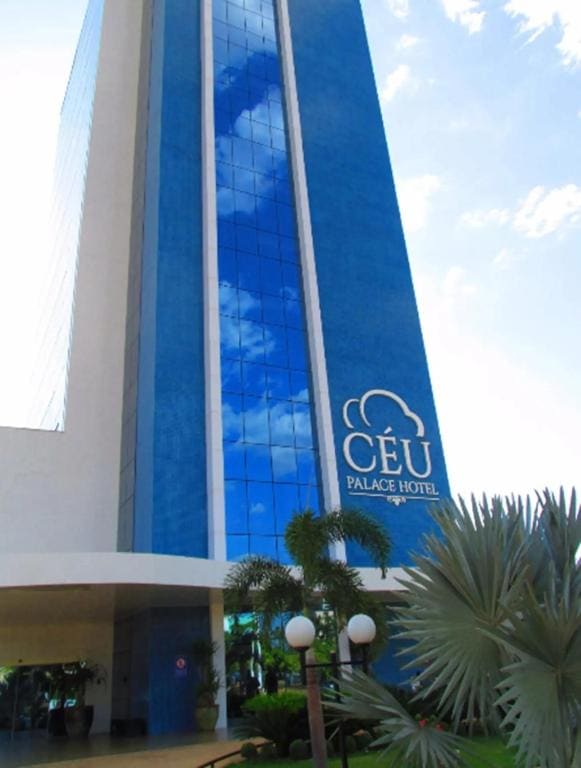
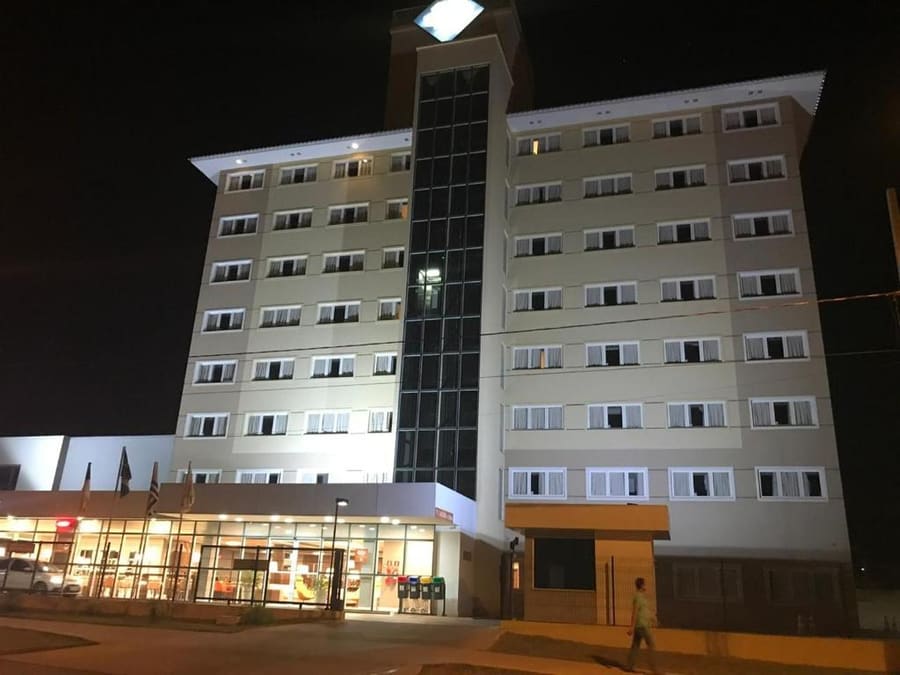
Choose your area based on transport access and evening plans. Because Palmas lacks a compact walkable downtown, staying along major transit arteries saves considerable travel time.Plano Diretor Sul suits travellers who want immediate access to restaurants, services, and central banks along Avenida JK. Plano Diretor Norte offers quieter, leafy streets. Orla da Graciosa provides water views but requires rideshares for daily errands. Taquaruçu is best saved for weekends dedicated strictly to hiking.
Live rates, matched to the areas above.
transport
Palmas was designed around motor vehicles. Pedestrian distances between superblocks are vast, and shade is minimal along main avenues. Walking long distances during midday heat is unfeasible.Rideshare apps like Uber and 99 operate reliably throughout the central urban grid. Municipal buses operate on dedicated express lanes along Avenida Teotônio Segurado, connecting northern and southern transit terminals.
Ab Palmas Airport (PMW)
Picks up directly outside the passenger arrival curb.
Fixed meter rates available from taxis stationed outside baggage claim.
Line 010 links airport to Estação Javaé; requires a transfer for downtown quadras.
Buses on Avenida Teotônio Segurado use closed stations. Pay at turnstiles using local transport cards or cash.
Rideshares respond within minutes in Plano Diretor, but drivers rarely accept trips out to Taquaruçu.
Between 11:30 and 15:30, unshaded sidewalk temperatures make walking more than three blocks uncomfortable.
cost
Palmas is affordable compared to Rio de Janeiro or São Paulo, but prices rise during peak dry season when Jalapão tour groups pass through. Card payments are accepted almost everywhere, from formal restaurants to beach kiosks.Budgeting for short rideshares and air-conditioned accommodation is essential due to high ambient temperatures.
Includes a generous cut of braised beef, cassava porridge, and farinha.
Whole tucunaré platter serving two people with rice and farofa.
Flat rate across all municipal bus lines and station transfers.
Per-person access fee charged at private land entrances like Roncadeira.
seasonality
MAY – JUL
Clear skies and moderate humidity. The best window for urban exploring and clear waterfall rivers.
AUG – OCT
Extreme heat often exceeding 38°C with drop in humidity. High season for Jalapão expeditions.
NOV – JAN
Heavy tropical rains begin. Waterfalls surge in volume, but backcountry roads become muddy.
FEB – APR
Peak wet season. Lower hotel prices, but daily downpours limit outdoor sightseeing.
practicalities
Palmas sits near the 10th parallel south. Wear high-SPF sunscreen even during cloudy morning hours.
Smaller shops close between 12:00 and 14:00 to avoid working in extreme heat.
Lake beaches like Graciosa feature protective nets against piranhas and stingrays. Swim strictly within designated areas.
Waterfall trailheads and rural kiosks often lack reliable mobile internet for card machines.
Drink bottled water continuously throughout the day. Dehydration happens fast in Cerrado low humidity.