landmark
La Mano
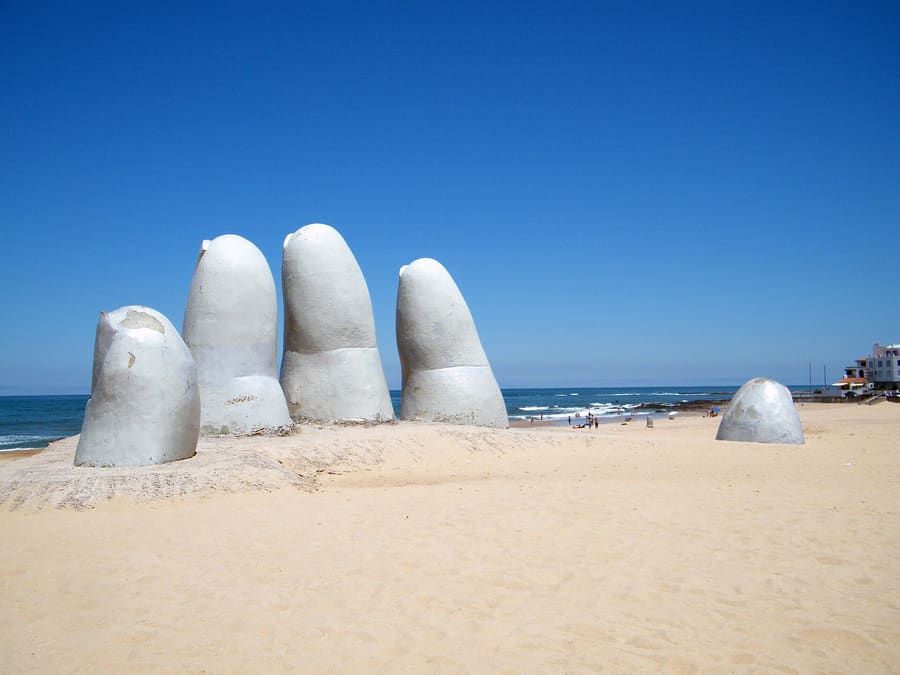
Mario Irarrázabal built this concrete hand in 1982. Visit before 08:00 to photograph it without crowds.
Parley fragenUruguay
South America's Atlantic sandspit of concrete and sea.
introduction
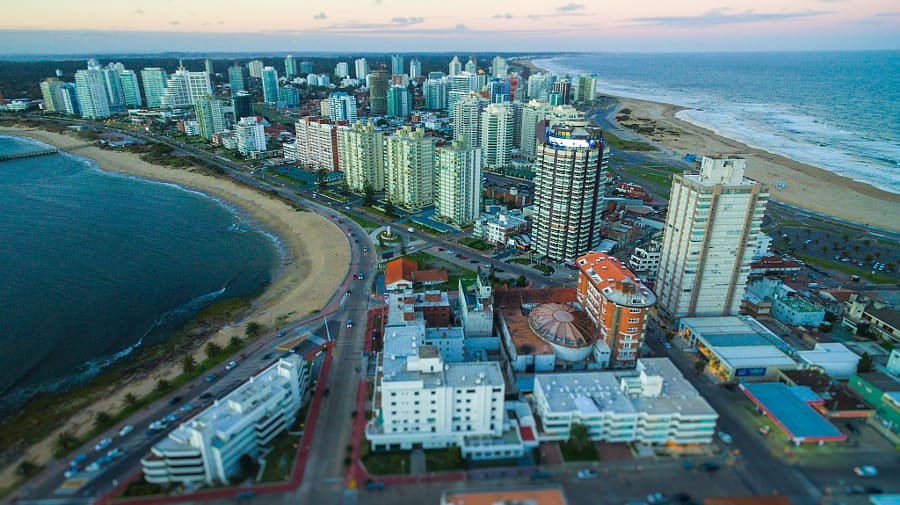
Punta del Este occupies a narrow peninsula where the Rio de la Plata meets the Atlantic Ocean. High-rise apartment towers line wide avenues, flanked by calm bay water on one side and heavy ocean surf on the other. Life here follows the sun, shifting from quiet morning bakeries to crowded beach bars after 17:00. You need a car or rideshare to reach the art parks and fishing enclaves along the coast.
Arrival shortcut
Fly into Montevideo (MVD) for lower fares and frequent direct coaches. The bus to Punta del Este takes two hours and drops you at the central terminal.
Coastal geography
Playa Mansa faces west with calm river water. Playa Brava faces east toward open ocean breakers. You can walk between them in five minutes.
Seasonal collapse
January brings peak crowds and inflated prices. By April, half the restaurants close and room rates fall by up to seventy percent.
Punta del Este
Babels · CC BY-SA 4.0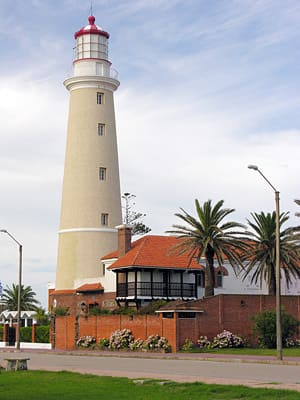
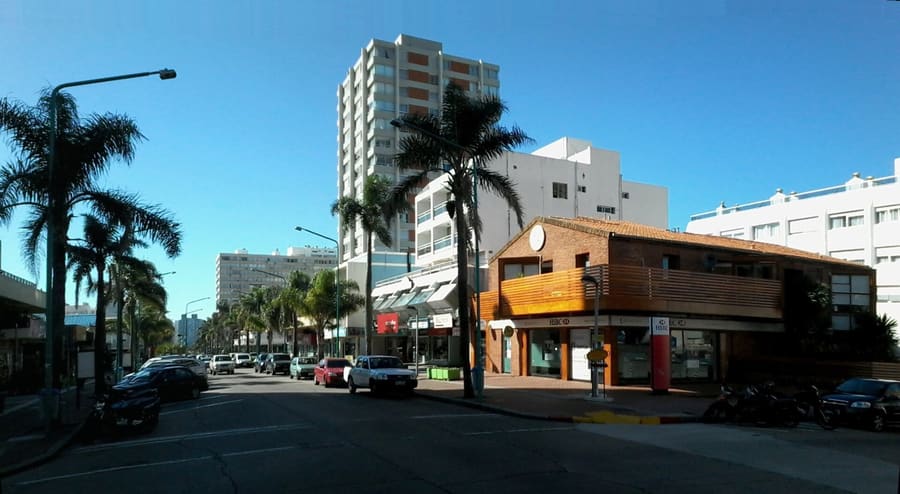
Peninsula — High-density grid of apartment towers, seafood counters, banks, and calm bay waters.
Daniel Stonek · CC BY 3.0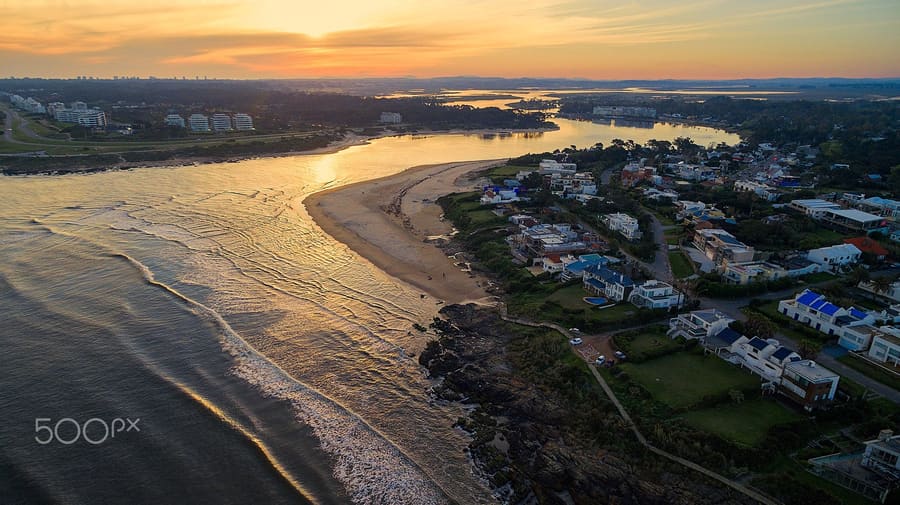
La Barra — Low-slung coastal village with surf shops, art galleries, and late-night cocktail bars.
Marcelo Campi · CC BY-SA 3.0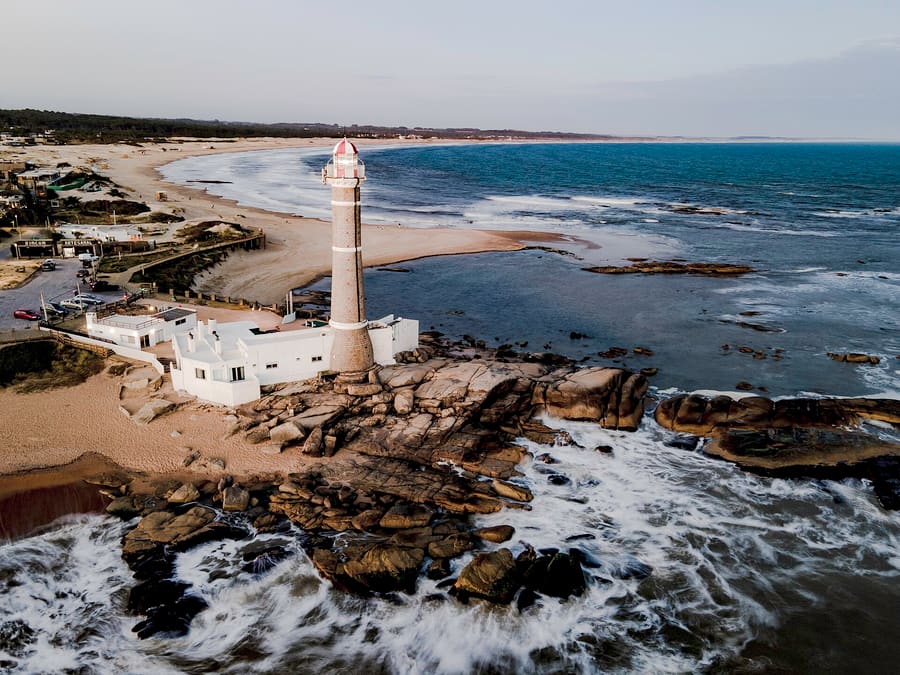
José Ignacio — Exclusive fishing village turned high-end retreat thirty kilometres east of the core.
Jimmy Baikovicius · CC BY-SA 2.0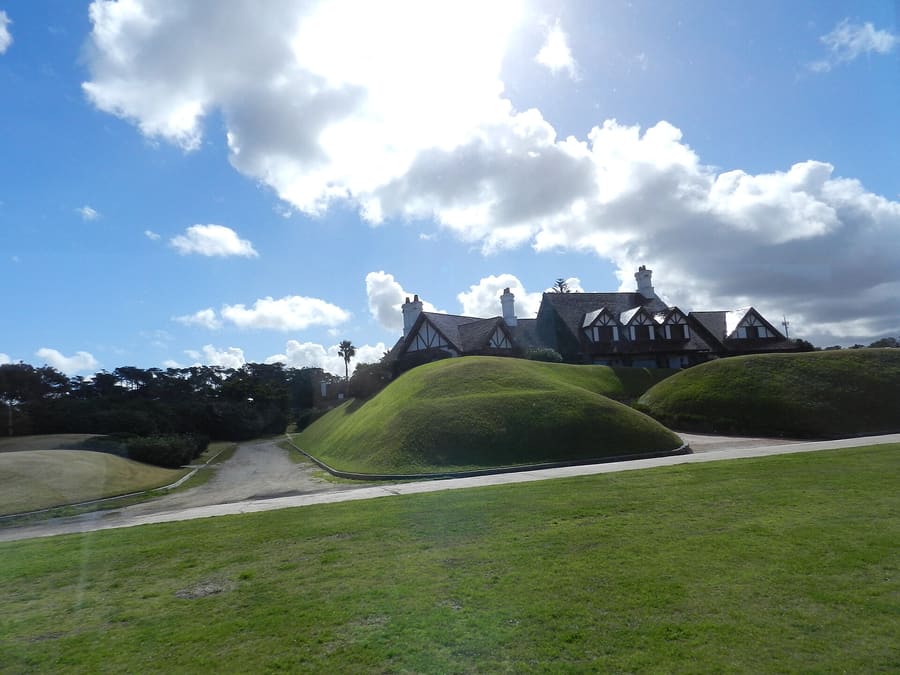
San Rafael — Quiet residential district set under thick pine canopy, filled with sprawling mid-century villas.
Ricardo Freitas · CC BY-SA 3.0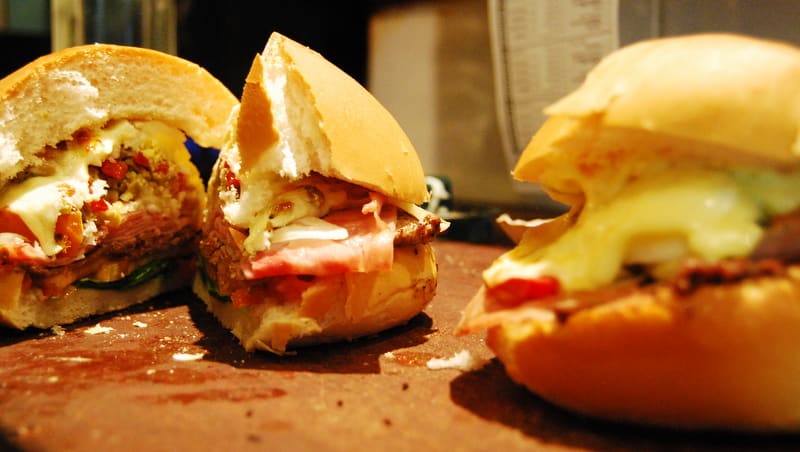
A classic chivito al plato served with beef fillet, melted cheese, and fried eggs.
Carlinosin at English Wikipedia · CC BY-SA 3.0highlights
landmark
Mario Irarrázabal built this concrete hand in 1982. Visit before 08:00 to photograph it without crowds.
Parley fragen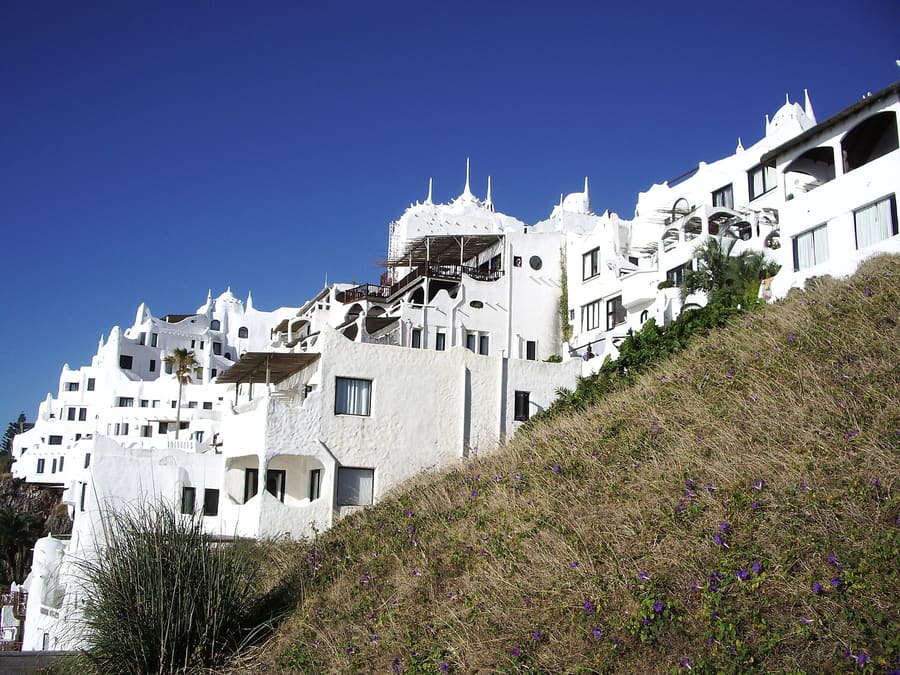
landmark
Carlos Páez Vilaró designed this sprawling cliffside whitewashed structure without right angles. Entry includes his art gallery.
Parley fragen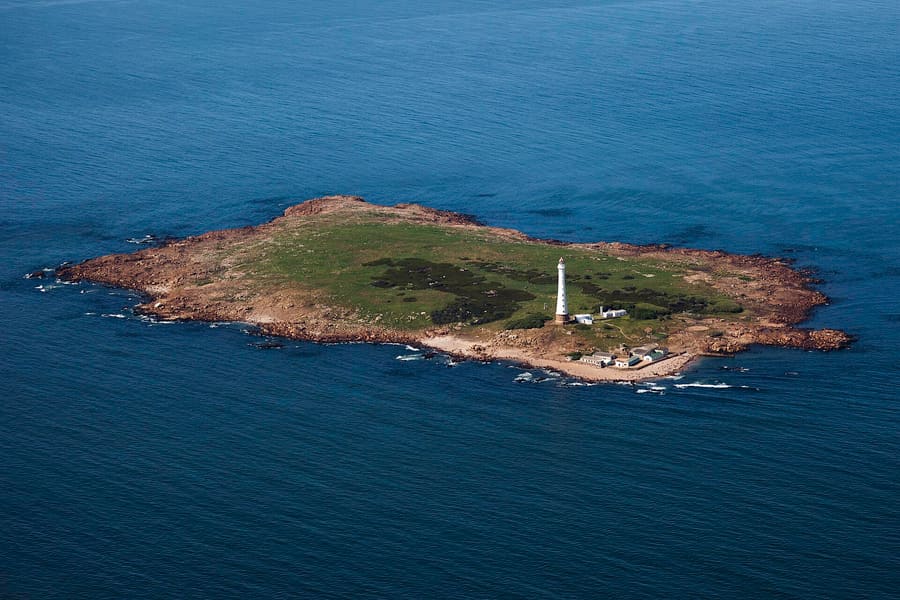
landmark
Home to South America's largest sea lion colony. Boats leave from the harbour when ocean swells permit.
Parley fragen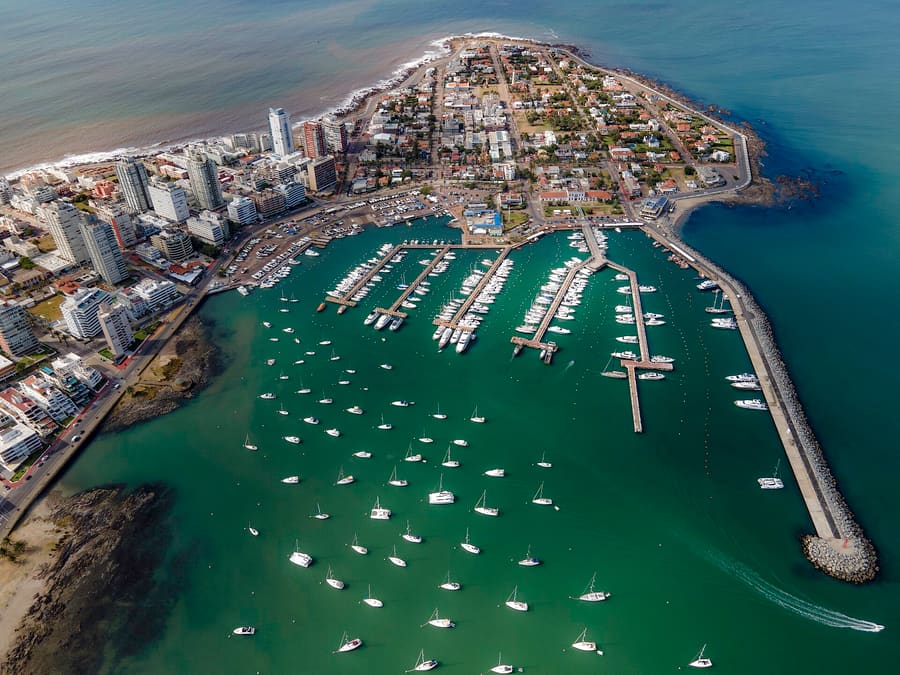
landmark
Fishermen sell fresh fillets at the wooden stalls here. Wild sea lions linger by the docks waiting for offal.
Parley fragen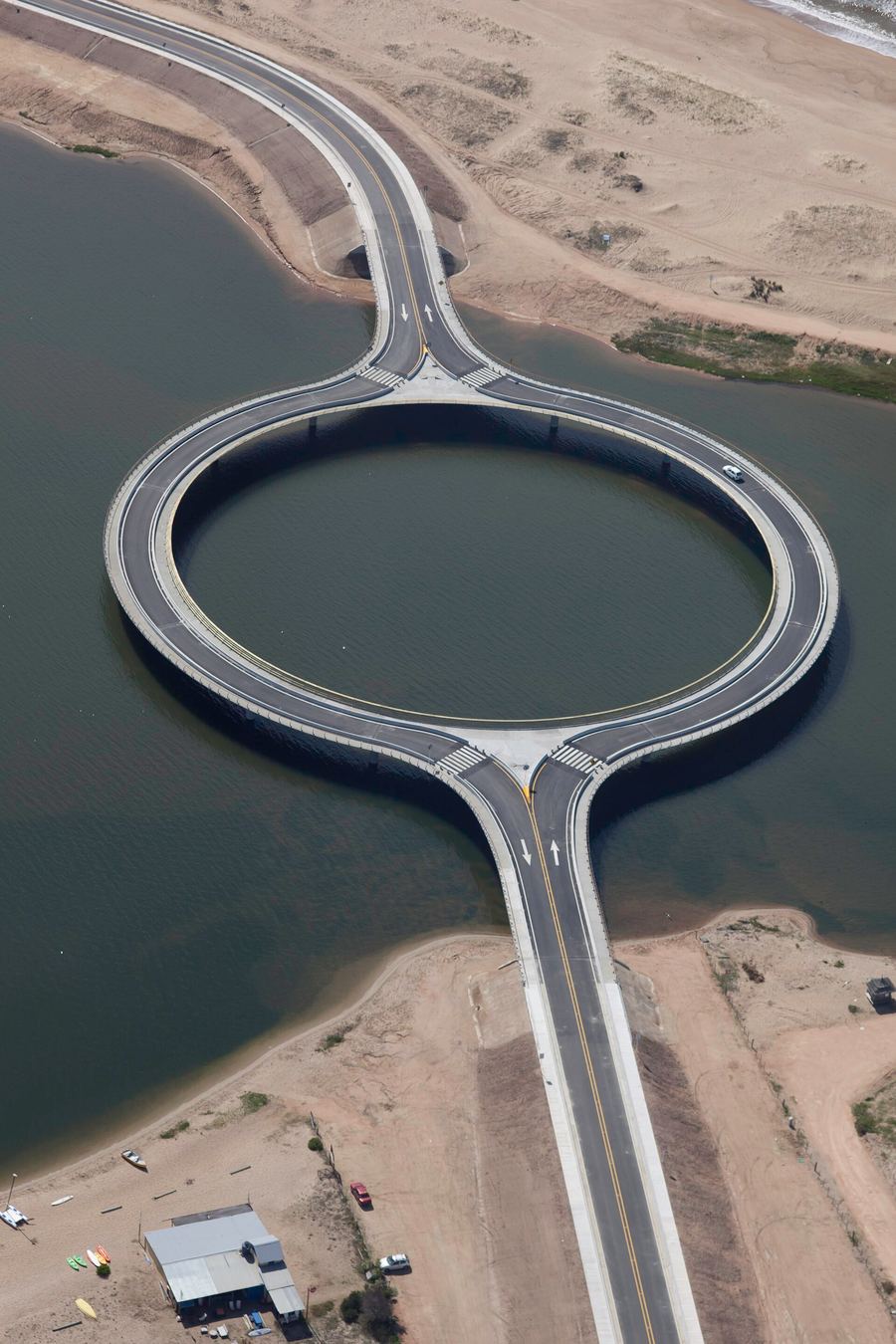
landmark
Rafael Viñoly designed this circular bridge to slow down drivers and allow lagoon navigation.
Parley fragenattractions
areas
High-density grid of apartment towers, seafood counters, banks, and calm bay waters.
In der NähePuerto, Playa Mansa, La Mano
Parley fragenLow-slung coastal village with surf shops, art galleries, and late-night cocktail bars.
In der NähePlaya Montoya, MACA
Parley fragenExclusive fishing village turned high-end retreat thirty kilometres east of the core.
In der NäheLaguna Garzón, Playa Vik
Parley fragenQuiet residential district set under thick pine canopy, filled with sprawling mid-century villas.
In der NähePlaya Brava, Golf Club
Parley fragenfood
Dining in Punta del Este centers around coastal seafood and traditional Uruguayan wood-fired grills. Local kitchens rely heavily on merluza negra (Patagonian toothfish) and wild caught croaker from the estuary. Coastal dining clubs line the beaches from La Barra to José Ignacio, serving grilled fish directly over hot eucalyptus embers.The local sandwich baseline is the chivito. It layers thinly sliced beef, mozzarella, ham, bacon, hard-boiled egg, and mayonnaise inside a soft roll. You find it at casual counters across the Peninsula, served beside stacks of thick french fries.Timing dictates the meal calendar. Lunch at beach clubs rarely starts before 15:00 and stretches past sunset. Dinner kitchens open at 20:00, but local tables remain empty until 22:30.
A classic chivito al plato served with beef fillet, melted cheese, and fried eggs.
Carlinosin at English Wikipedia · CC BY-SA 3.0Do not show up for dinner at 20:00 expecting atmosphere. Mid-summer dining peaks around 23:00.
Paying with a non-Uruguayan debit or credit card automatically deducts nine percentage points of VAT at restaurant checkouts.
Buy fresh sea bass or croaker directly from the wooden sheds at Puerto de Punta del Este to cook at home.
history
Town founded
Francisco Aguilar establishes the initial settlement on the peninsula to exploit natural salt and seal resources.
Resort rename
The village becomes Punta del Este as the first grand resort hotel opens for regional ocean bathers.
Battle of the River Plate
Naval forces engage off the coast, leaving citizens to watch the World War II battle from peninsula shores.
La Mano built
Chilean artist Mario Irarrázabal constructs the giant sand sculpture during an international outdoor art contest.
where to stay
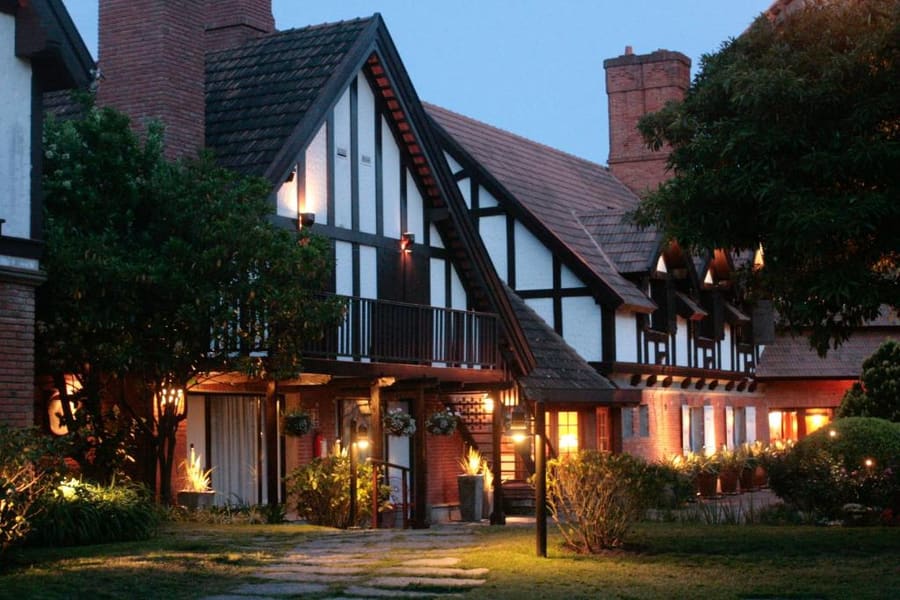
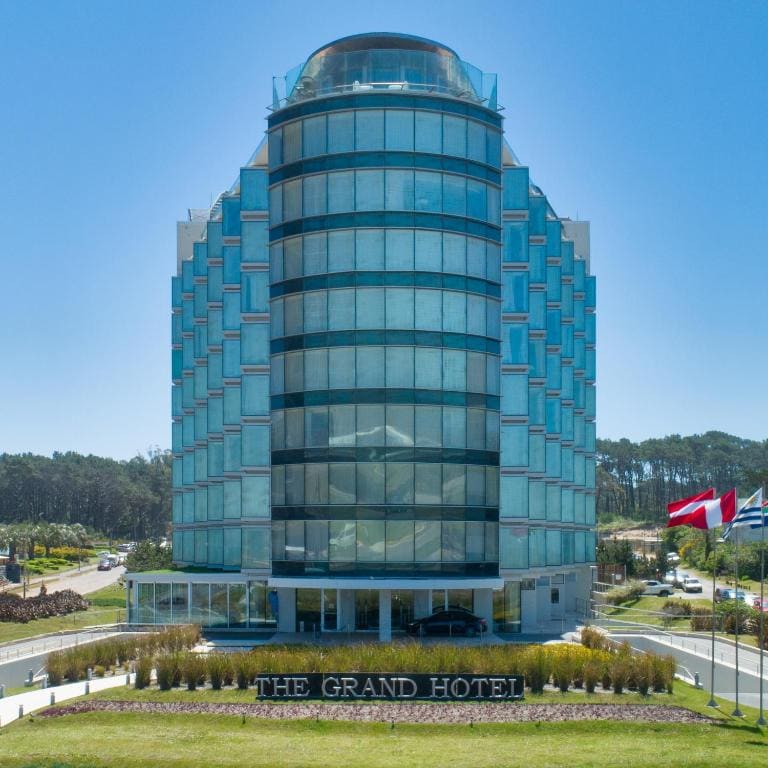
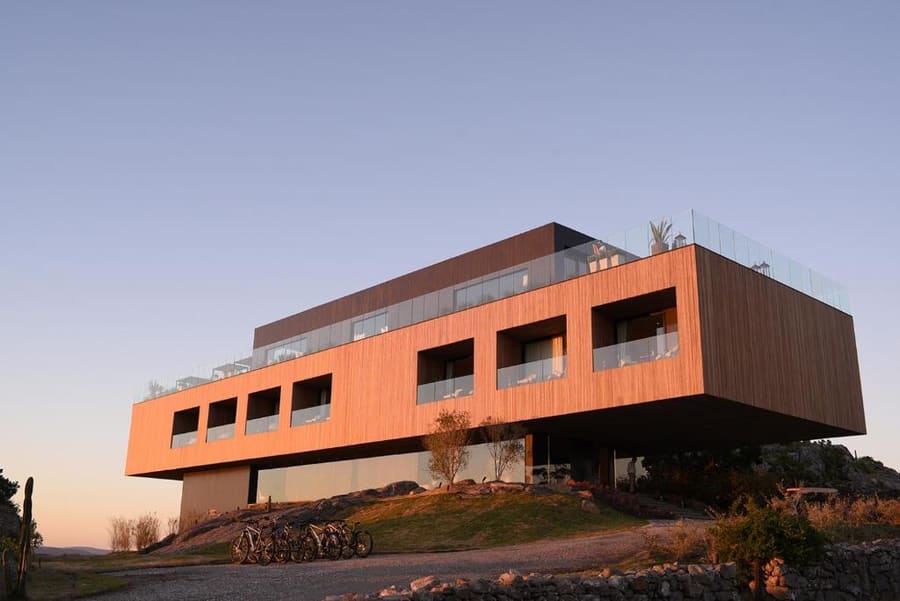
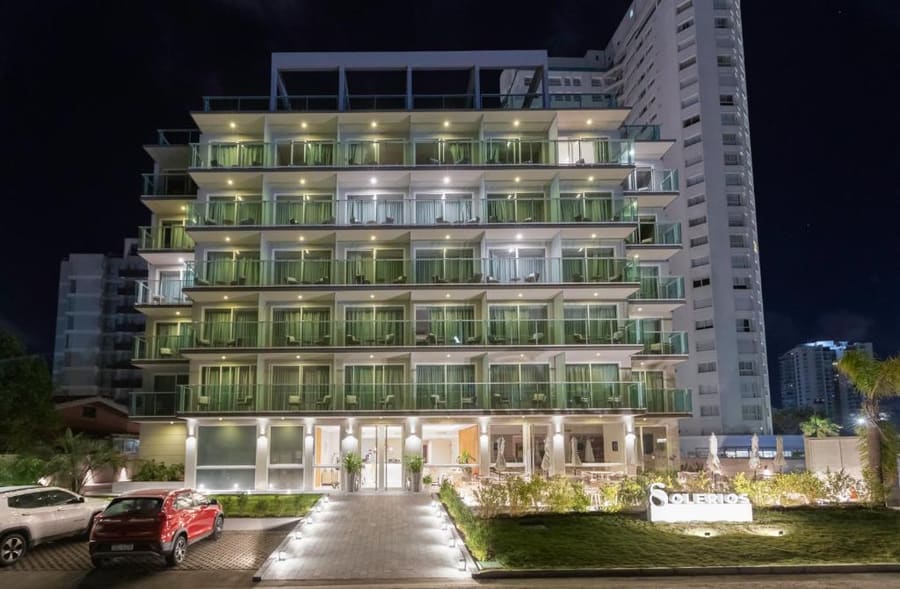
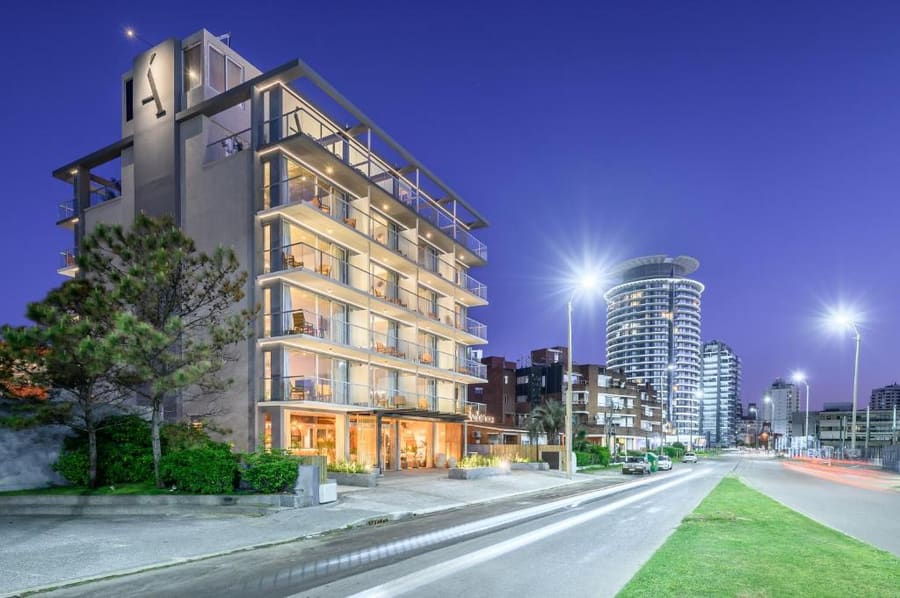
Base your hotel choice on mobility and noise tolerance. Stay on the Peninsula if you want to walk to shops, dinner, and intercity buses without renting a car. Choose José Ignacio for quiet nights enforced by strict municipal noise limits, or La Barra if you want lively nightlife and late-night energy, alongside modern architecture and direct proximity to high-end beach clubs.
Live rates, matched to the areas above.
transport
The Peninsula itself is compact and easily walked. Traveling further east toward La Barra, Manantiales, or José Ignacio requires wheels. Rental cars sell out months in advance for January, making early booking mandatory if you plan to explore the coast independently.
Ab Capitan de Corbeta Carlos A. Curbelo Airport (PDP)
Official airport cabs take cash or credit cards at the terminal desk.
Uber operates reliably across the resort zone during high season.
Local lines run from the main road outside the airport gate to the downtown terminal.
Uruguayan highway tolls use automated license plate readers. Rental cars automatically charge your account.
Codesa and Maldonado Turismo buses connect the Peninsula to La Barra and San Carlos. Pay the driver in Uruguayan pesos.
Route 10 drops to a single lane each way at the undulating bridge. Expect 45-minute delays between 18:00 and 21:00 in January.
cost
Punta del Este ranks as the most expensive destination in Uruguay. Prices spike sharply during the peak summer window from Christmas through late January. Both Uruguayan Pesos ($U) and US Dollars ($USD) circulate freely, with high-end real estate and luxury hotels quoting directly in USD.
A full sandwich with french fries at a casual peninsula counter.
Minimum spend requirement for lounge chairs at high-end spots in José Ignacio.
One-way ticket across municipal zones between Maldonado and La Barra.
Single shot at a specialty coffee bar in La Barra.
seasonality
DEC – JAN
Peak summer warmth and full nightlife calendar. Traffic peaks and lodging rates reach maximum highs.
FEB – MAR
Warm sea temperatures remain while crowds thin out significantly after mid-February.
APR – MAY
Crisp autumn weather sets in. Many seasonal coastal restaurants shut down until December.
JUN – NOV
Cold ocean winds and quiet streets. Only permanent peninsula businesses stay open.
practicalities
Coastal winds cool the air, masking severe UV rays. Wear high-factor sunscreen even on breezy days.
Outside the summer peak, local shops close between 12:30 and 15:30.
Playa Brava features strong undertows. Swim strictly between the lifeguard flags.
Spanish is standard. English is widely spoken in luxury hotels but rare at inland petrol stations.