landmark
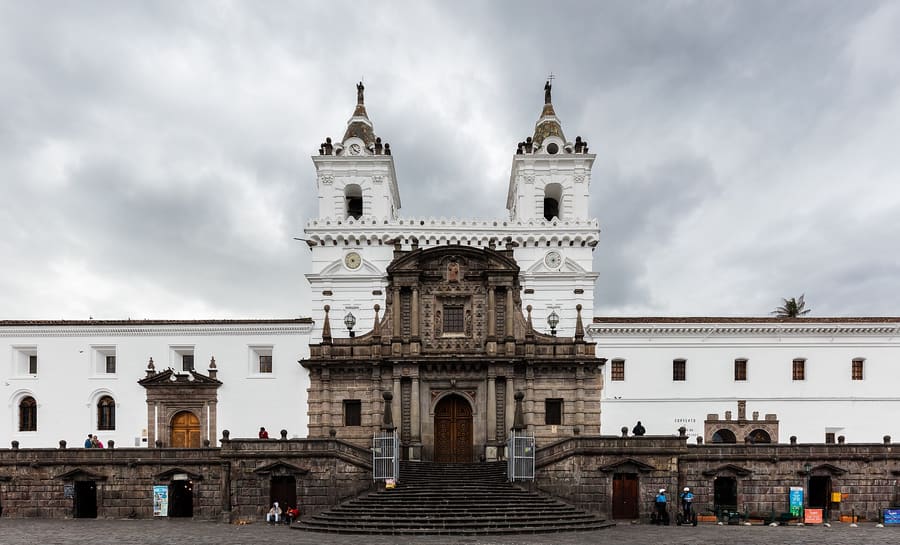
Plaza de San Francisco
Massive stone plaza backed by a 16th-century church complex. Visit early before crowds and street sellers arrive.
Parley fragenEcuador
High-altitude history squeezed between Andean peaks.
introduction
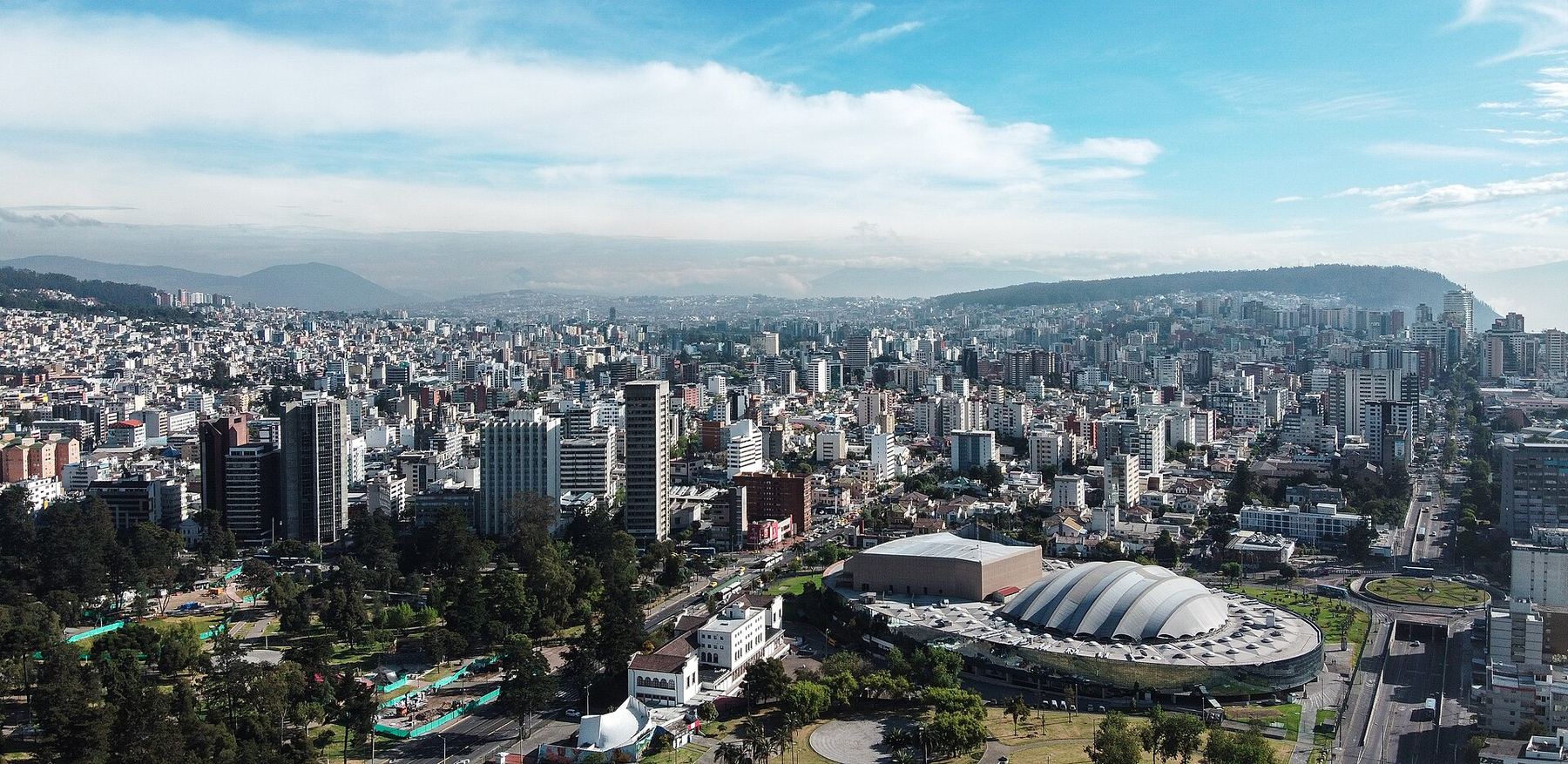
Quito sits at 2,850 metres above sea level along a narrow Andean valley. The city stretches over 40 kilometres from north to south, making cross-town drives tedious during rush hours. The underground metro line cuts through traffic, with the end-to-end journey taking about 34 to 35 minutes. You will feel the altitude immediately on your first uphill walk.
Arrival trick
Official taxis from Mariscal Sucre Airport cost a flat $25 rate to the city centre. Ignore unmetered drivers inside the terminal.
UNESCO status
Quito became one of the first UNESCO World Heritage cities in 1978. Its colonial centre remains among the largest and best preserved in South America.
Altitude strategy
Drink water and walk slowly during your first full day. Climbing steep cobblestone streets at high altitude drains stamina faster than expected.
Quito
H3kt0r · CC BY-SA 4.0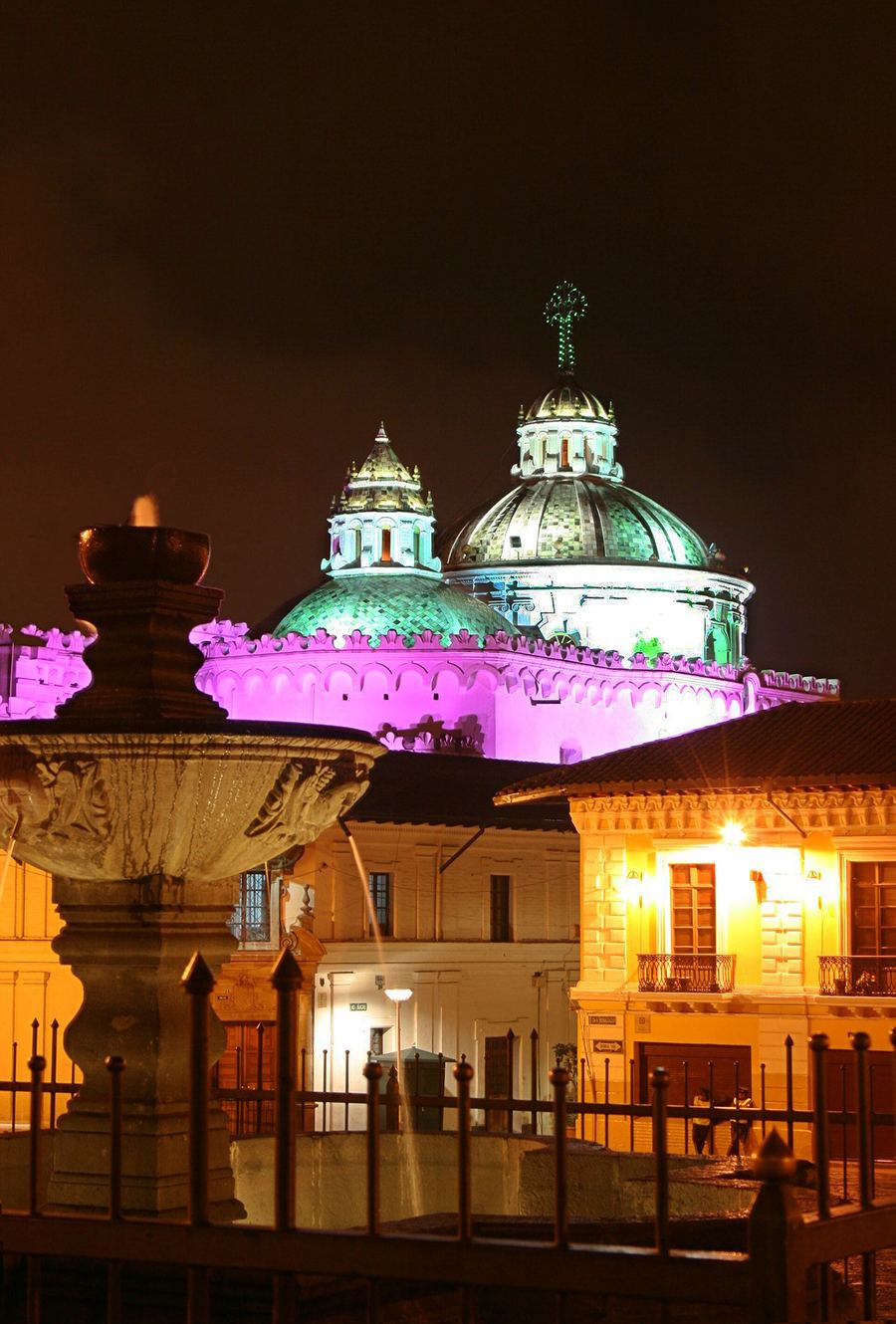
Centro Histórico — Colonial architecture, grand plazas, and heavy police presence. Streets empty out rapidly after dusk.
Dr. Carlos Costales Terán / · CC BY-SA 4.0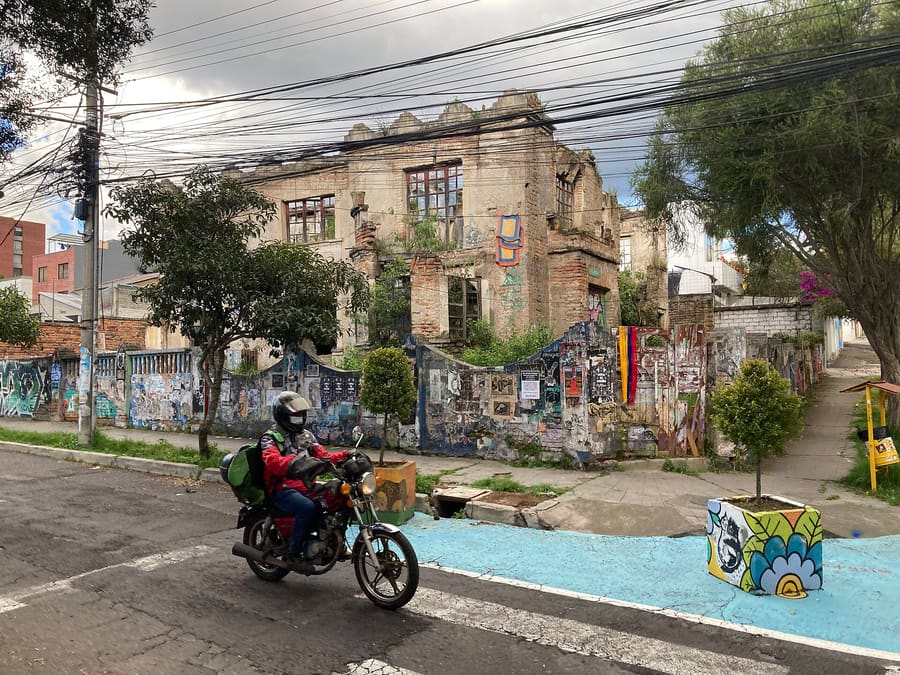
La Floresta — Residential craft hub with independent coffee shops, art spaces, and street food vendors.
Theodore.shouse · CC BY 4.0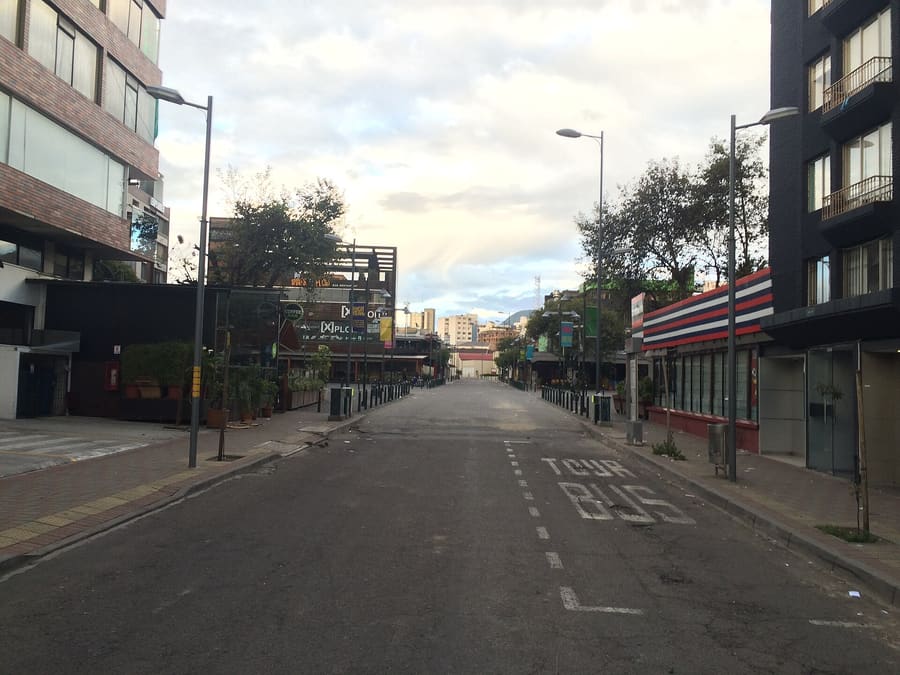
La Mariscal — Budget travel district centered around Plaza Foch. High noise levels on Friday and Saturday nights.
Paulo JC Nogueira · CC BY-SA 3.0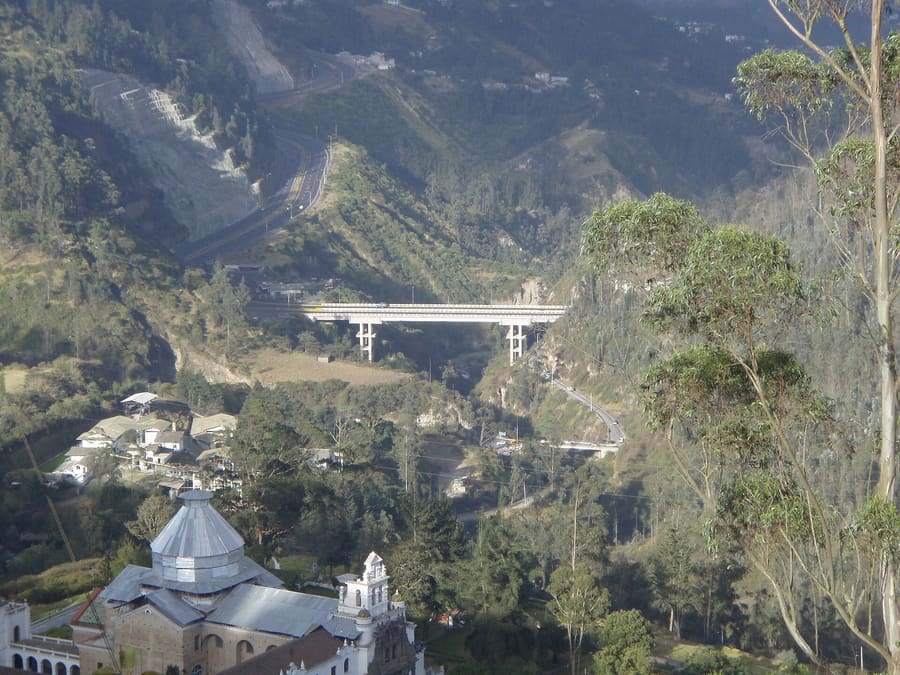
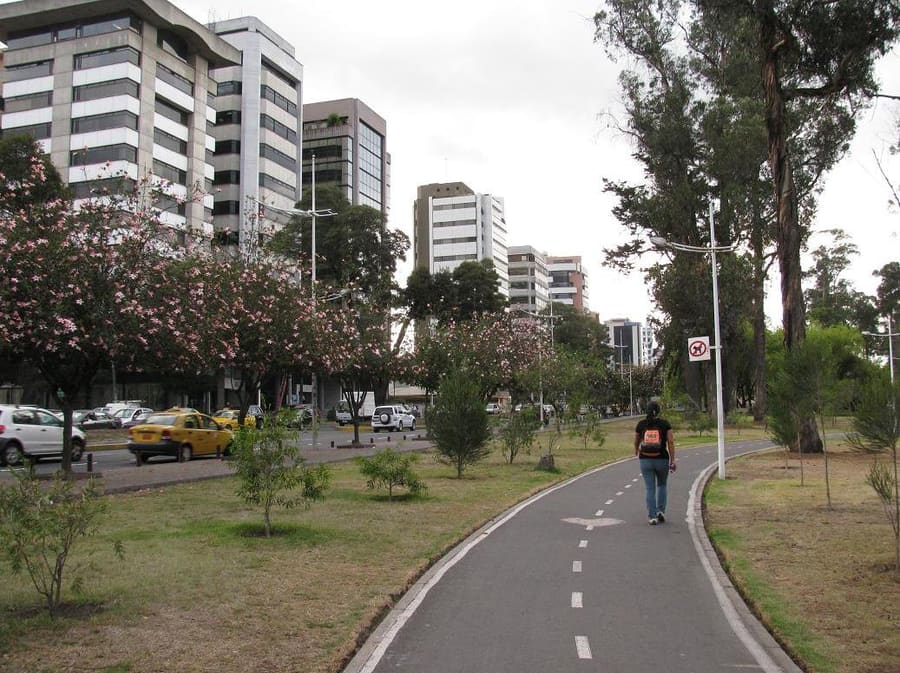
González Suárez — Upscale residential ridge with views over the valley, cocktail bars, and modern high-rises.
EcuadorCiencia.org · CC BY-SA 3.0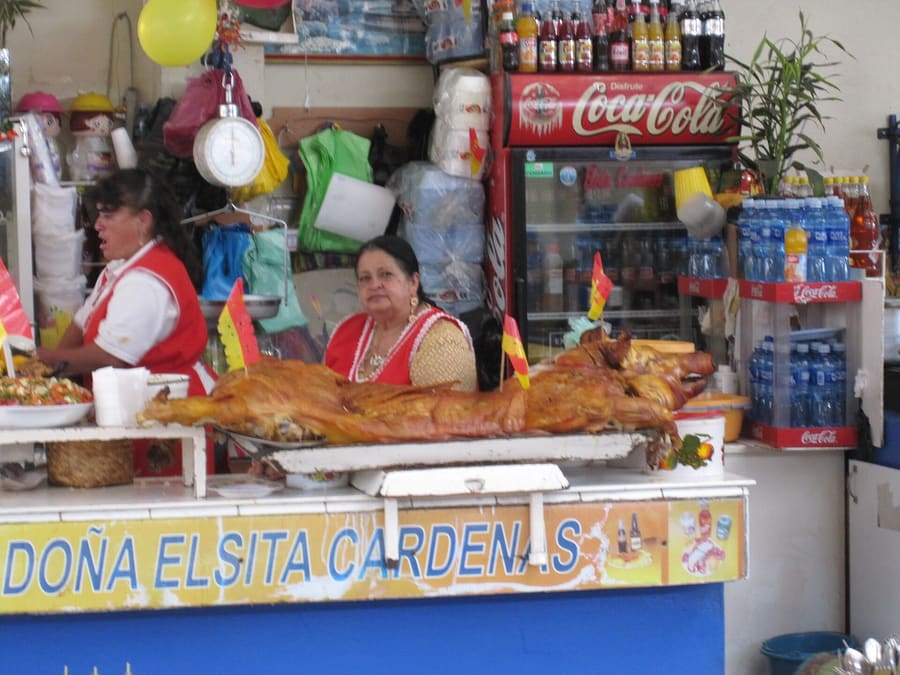
Hornado served with potato cakes (llapingachos) and toasted corn (tostado) at a local market stall.
calliopejen · CC BY-SA 2.0highlights
landmark
Massive stone plaza backed by a 16th-century church complex. Visit early before crowds and street sellers arrive.
Parley fragen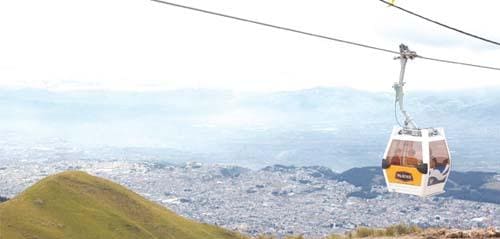
landmark
Gondola climbing to 3,940 metres on Pichincha volcano. Ride early in the morning before afternoon clouds obscure the valley.
Parley fragen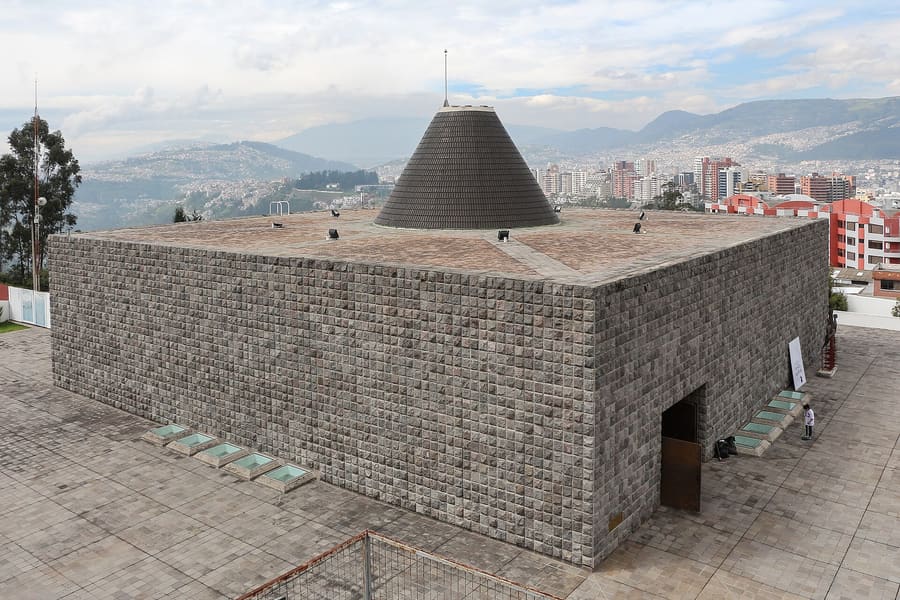
landmark
Oswaldo Guayasamín's purpose-built art gallery. High-impact paintings depict Latin American human struggles.
Parley fragen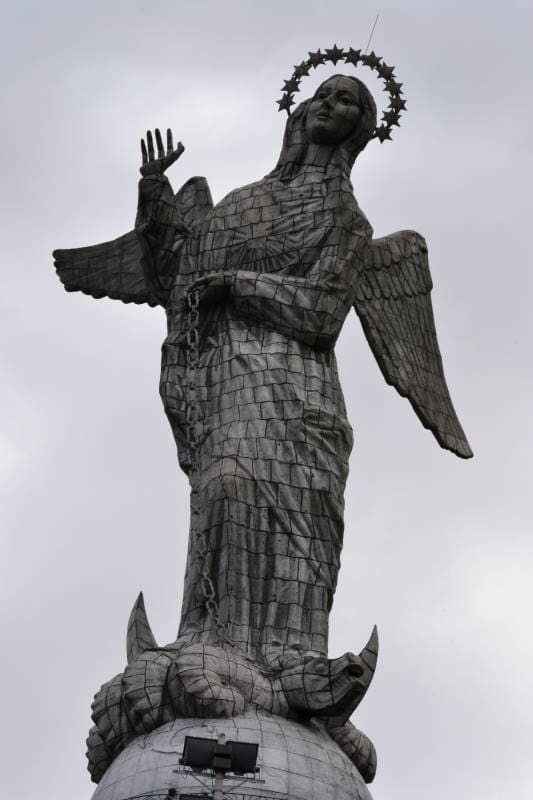
landmark
Volcanic hill crowned by an aluminum statue of the Virgin. Take a taxi directly to the top rather than walking the stairs.
Parley fragenattractions
areas
Colonial architecture, grand plazas, and heavy police presence. Streets empty out rapidly after dusk.
In der NähePlaza Grande, San Francisco, Basílica
Parley fragenResidential craft hub with independent coffee shops, art spaces, and street food vendors.
In der NäheOcho y Medio cinema, street food park
Parley fragenBudget travel district centered around Plaza Foch. High noise levels on Friday and Saturday nights.
In der NähePlaza Foch, San Francisco Metro station
Parley fragenUpscale residential ridge with views over the valley, cocktail bars, and modern high-rises.
In der NäheGuápulo view point, Parque Metropolitano
Parley fragenfood
Quito's cuisine reflects its high-altitude Andean agricultural surroundings. Lunch is the central meal of the day, structured around a hot soup and a substantial main plate. Market stalls offer the most direct access to traditional dishes at modest prices.
Hornado served with potato cakes (llapingachos) and toasted corn (tostado) at a local market stall.
calliopejen · CC BY-SA 2.0Set menus called 'almuerzo ejecutivo' cost between $3.00 and $5.00. They include soup, a main dish, juice, and a light dessert.
Order this thick potato soup seasoned with achiote and cooked with local cheese. It comes topped with avocado slices.
history
Quito was an important northern hub of the Inca Empire before Spanish arrival in 1534. The Spanish rebuilt the settlement into a major religious capital, constructing massive stone churches using native Indigenous labor.
Spanish Foundation
Conquistador Sebastián de Belalcázar established San Francisco de Quito on the ruins of the northern Inca city.
Battle of Pichincha
Patriot forces defeated the Spanish royalist army on the slopes of Pichincha volcano, securing independence.
UNESCO Inscription
Quito was designated one of the first UNESCO World Heritage cultural sites due to its historic centre.
Metro Opening
The city launched its first underground transit line, cutting transit times across the long valley.
where to stay
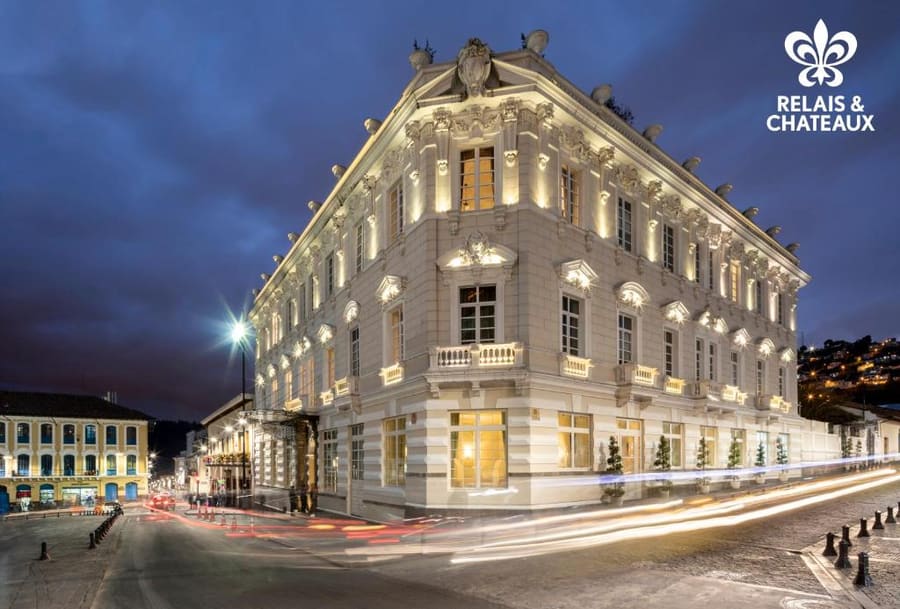
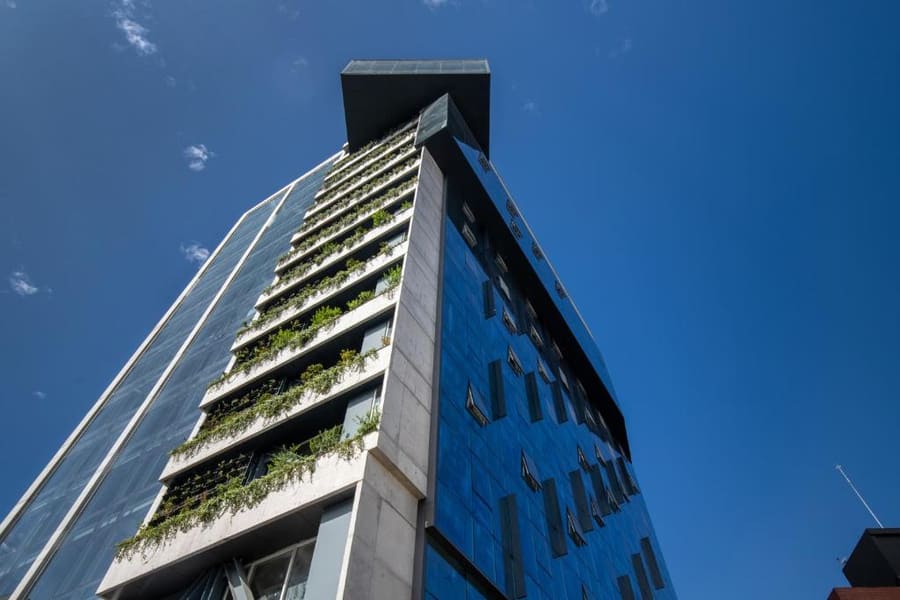
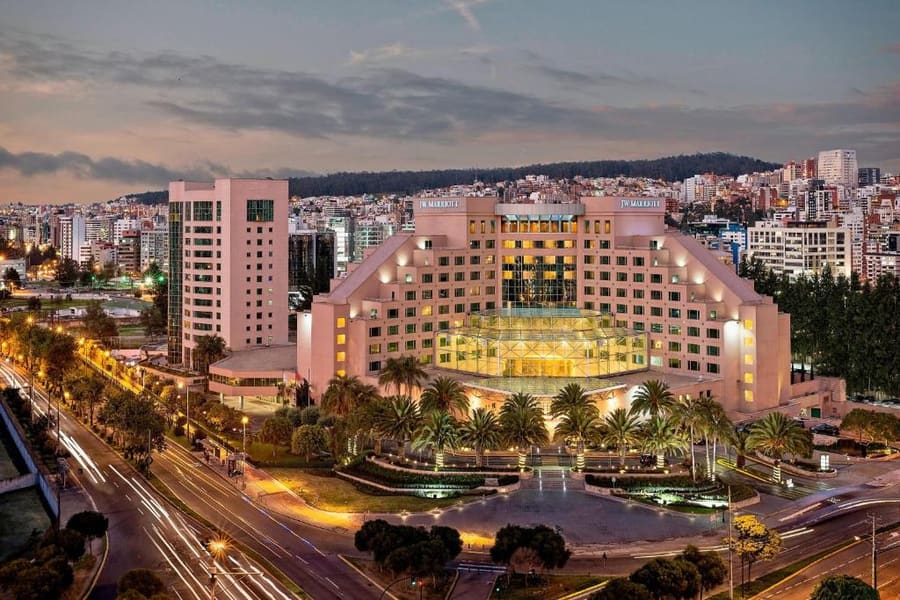
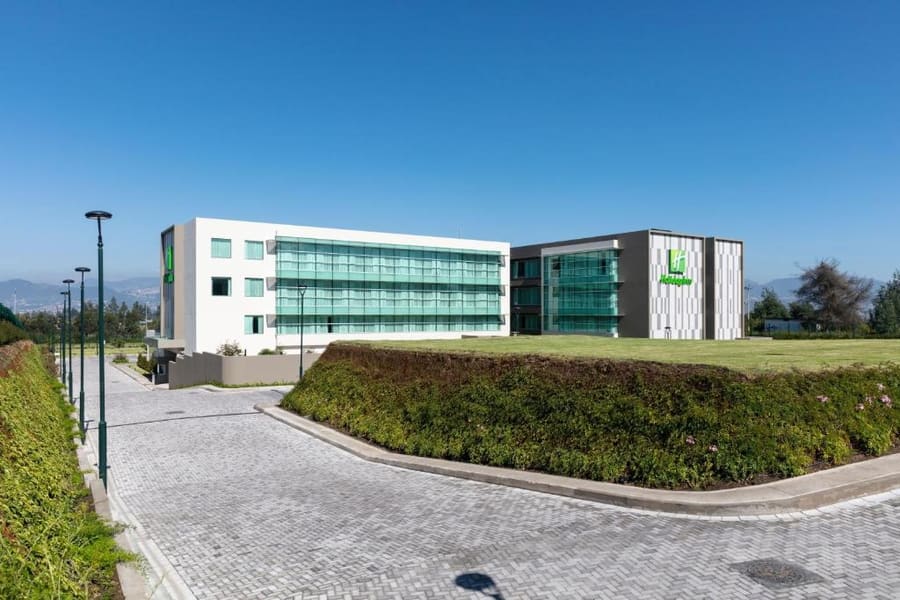
Choose your location based on evening preferences. Staying in Centro Histórico puts you steps from churches, but streets grow quiet after 19:00. Staying north in La Floresta or González Suárez offers open restaurants and active street life after dark.
Live rates, matched to the areas above.
transport
The valley's geography forces transit into north-south corridors. Surface traffic frequently grinds to a halt during morning and evening rush hours. Use the underground metro line to travel long distances, and rely on short taxi rides for steep east-west climbs.
Ab Mariscal Sucre International Airport (UIO)
Flat rates operate from inside the arrivals counter. Ignore informal drivers outside.
Public green buses run to the Rio Coca terminal in northern Quito.
Uber pick-ups usually require meeting the driver outside the main departure curb.
The single underground line costs $0.45 per ride. Purchase a QR ticket at station counter machines with exact change.
Taxi drivers and bus conductors rarely have change for $20 notes. Keep $1, $5, and quarter coins handy.
Ensure the driver turns on the taximeter (taxímetro) upon entering. Rates rise slightly after 22:00.
Surface traffic spikes from 07:00 to 09:00 and 17:00 to 19:30. Take the metro during these rush windows.
cost
Ecuador uses the US dollar as its official currency. Overall travel expenses remain lower than in neighbouring capitals, provided you eat at local markets and use public transit.
Includes soup, main plate with rice and meat, plus fresh juice.
Flat fare across all 15 stations along the valley line.
Standard ticket price for adult foreign visitors.
seasonality
MAR – MAY
Frequent rain showers clear by afternoon. Pack a rain shell and plan mountain view trips for early mornings.
JUN – SEP
Dry season brings clear morning skies and strong Andean winds. Sun protection is essential.
OCT – NOV
Transitional weather with short afternoon downpours. Morning trail hiking conditions remain reliable.
DEC – FEB
Fiestas de Quito celebrations in early December bring street concerts. Hotel prices spike over holidays.
practicalities
Due to the high altitude and equatorial position, intense sun burn occurs within 15 minutes. Wear a hat daily.
The sun rises and sets at roughly 06:00 and 18:00 year-round. Plan daytime outdoor activities early.
Keep backpacks on your front inside crowded buses and market aisles to prevent opportunistic pickpocketing.
Merchants often refuse dollar bills with tears, heavy creases, or writing on them. Keep clean paper cash.
Drink bottled or filtered water during your stay to avoid stomach discomfort.