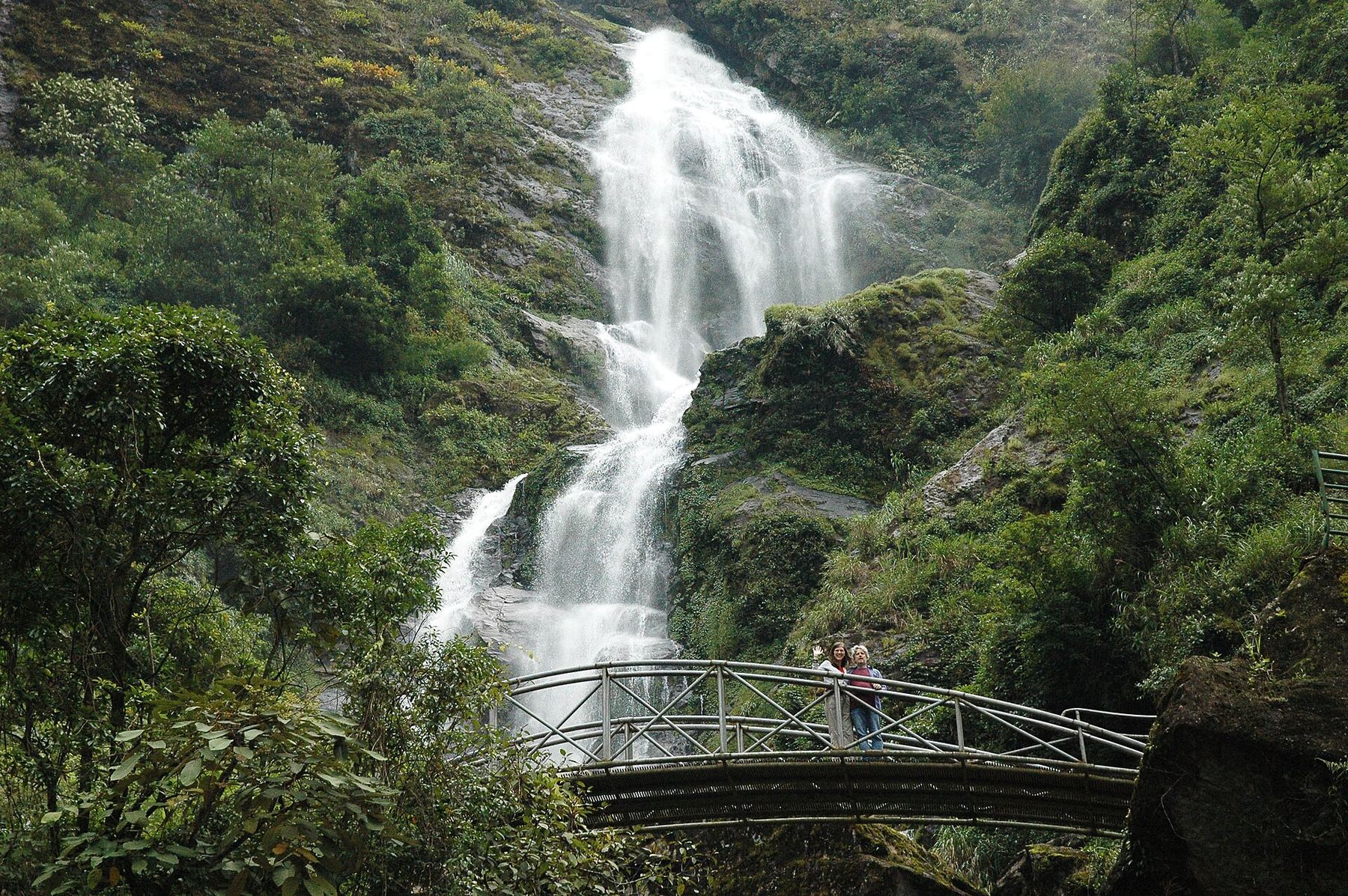
landmark
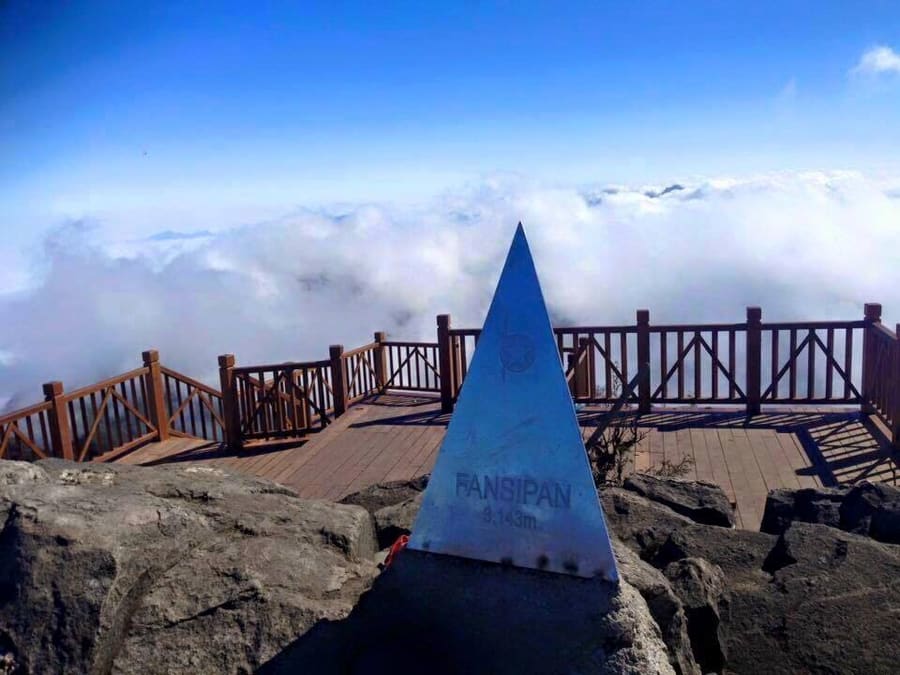
Fansipan Summit
The highest peak in Indochina at 3,147 metres. Take the cable car from Sun World terminal or hire a guide for a two-day hike.
Parley fragenVietnam
Terraced rice slopes, mountain fog, and Hmong culture.
introduction
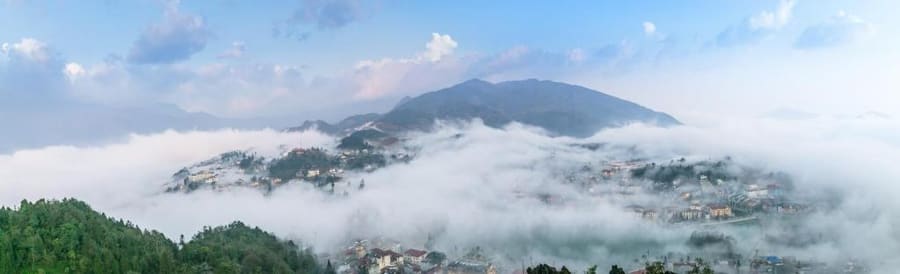
Sa Pa sits at 1,500 metres in the Hoang Lien Son range near the Chinese border. You navigate the town via steep roads around a central lake, but the real activity happens in the surrounding valleys. Fog can conceal the views for days at a time. Plan your walking around morning breaks in the mist.
Arrival from Hanoi
Overnight trains run to Lào Cai station. From there, take a local public minibus up the 35-kilometre mountain road to Sa Pa.
Peak elevation
Mount Fansipan stands at 3,147 metres above sea level. It is the highest peak in Indochina.
Trekking entry fees
The local authority charges fixed entry permits for entering the Muong Hoa Valley villages. Buy these at ticket booths on the road out of town.
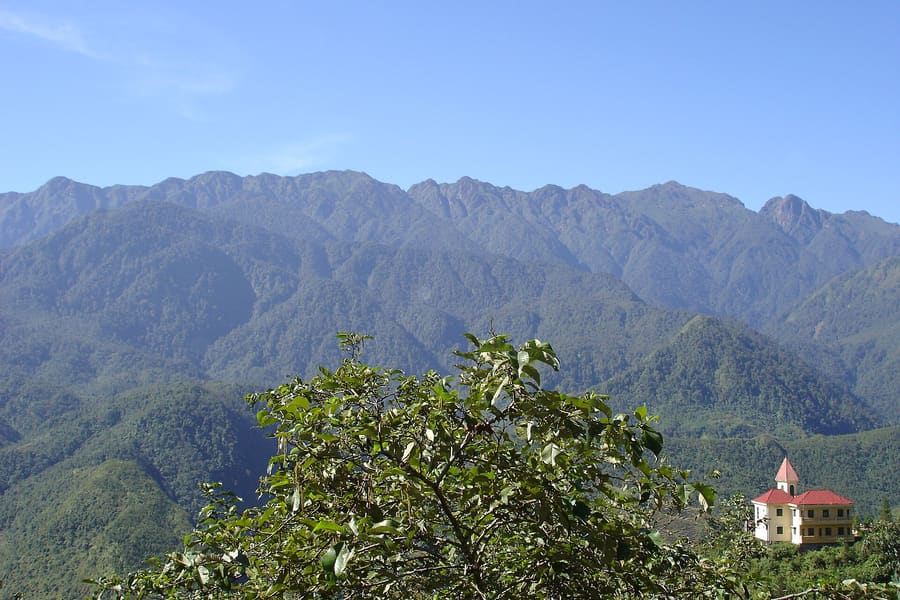
Sa Pa
Ondřej Žváček · CC BY 2.5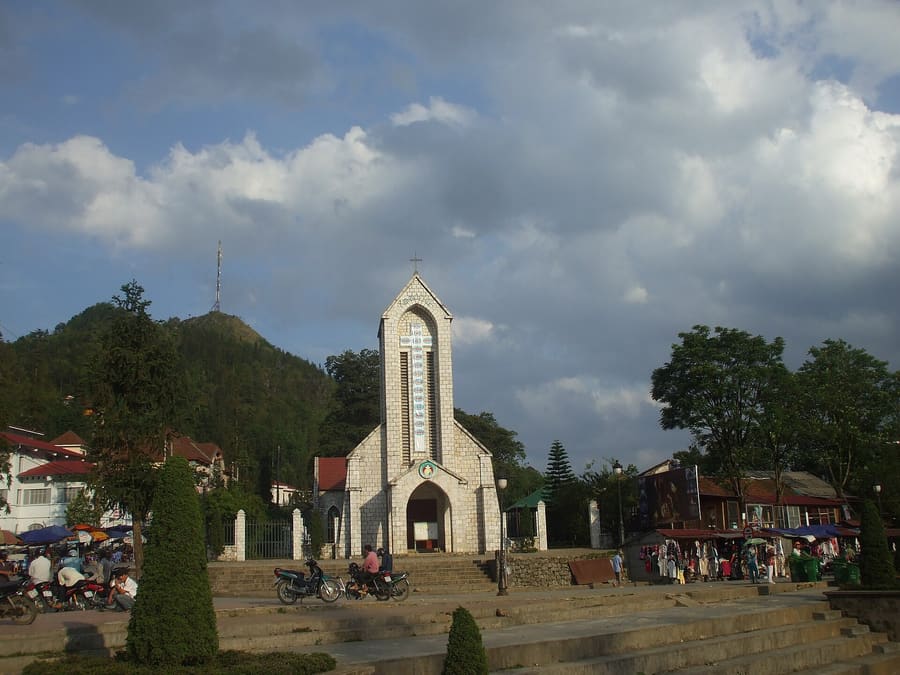
Sapa Town Centre — Urban grid around a stone church, filled with restaurants, hotels, gear shops, and motorbikes.
Bùi Thụy Đào Nguyên · CC BY-SA 3.0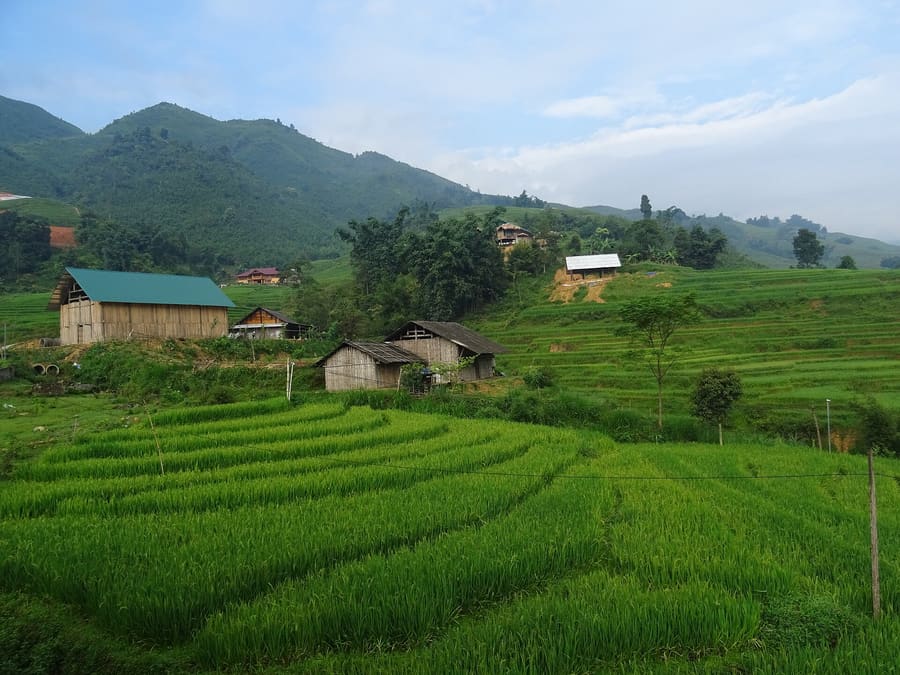
Ta Van & Muong Hoa — Rural valley floor ten kilometres south, dominated by family-run timber homestays.
Christophe95 · CC BY-SA 4.0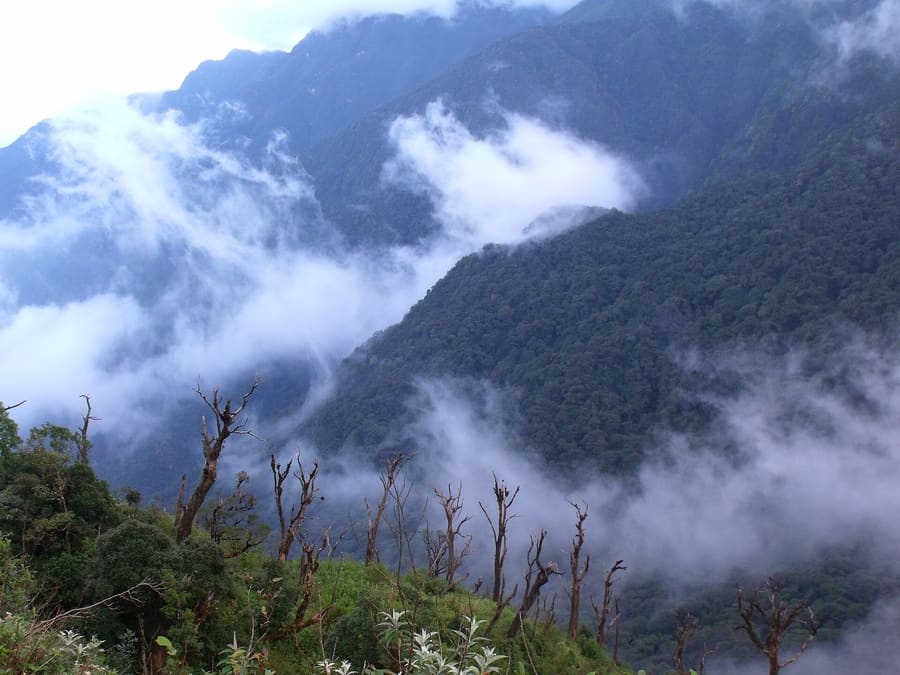
Cat Cat & San Sa Ho — Steep valley side immediately west of town with carved walking paths.
Viethavvh at vi.wikipedia · Public domain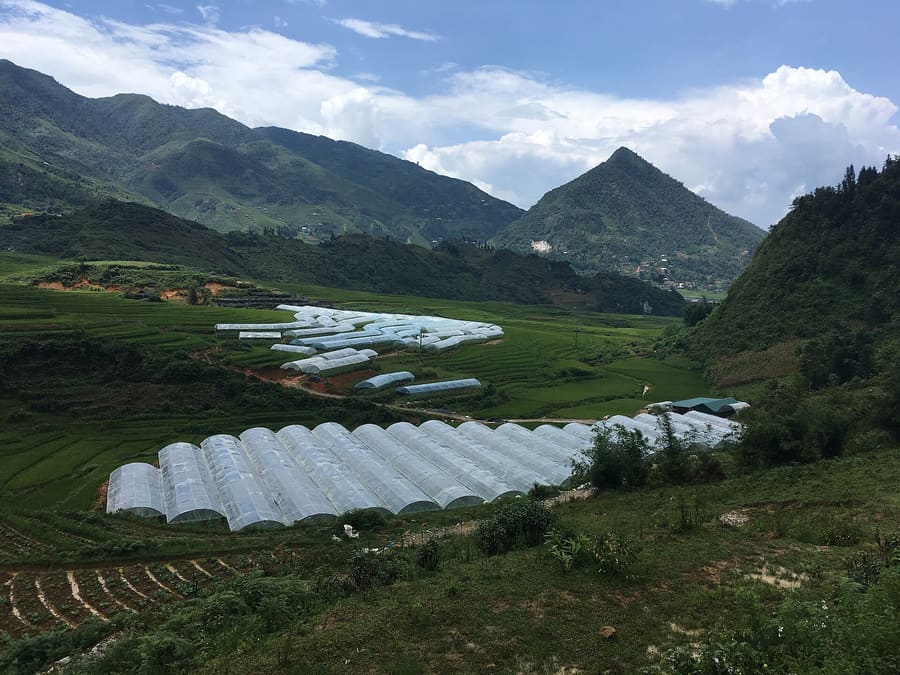
Ta Phin Village — Quiet valley twelve kilometres north, home to Red Dao herbal bath traditions.
Christophe95 · CC BY-SA 4.0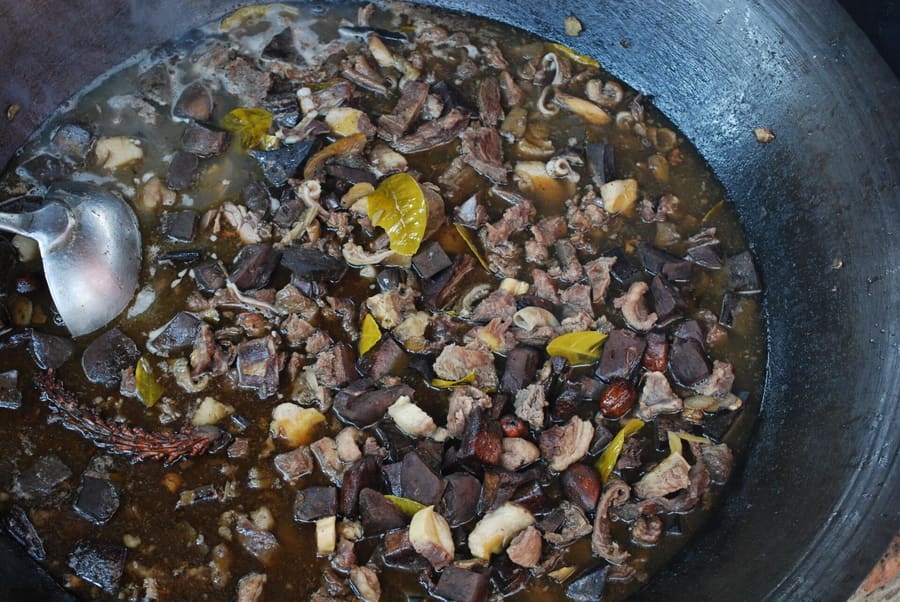
Thắng cố, a traditional horse meat and offal stew cooked in a broad iron pan.
Alpha · CC BY-SA 2.0highlights
landmark
The highest peak in Indochina at 3,147 metres. Take the cable car from Sun World terminal or hire a guide for a two-day hike.
Parley fragen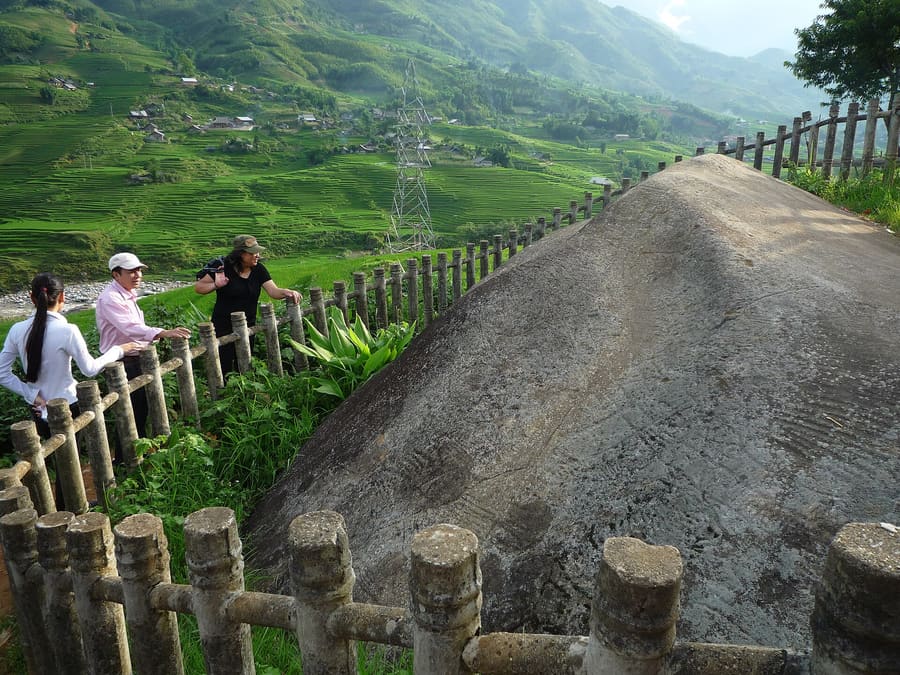
landmark
The main valley for multi-hour treks through terraced rice fields. The road from town descends steeply down paved turns.
Parley fragen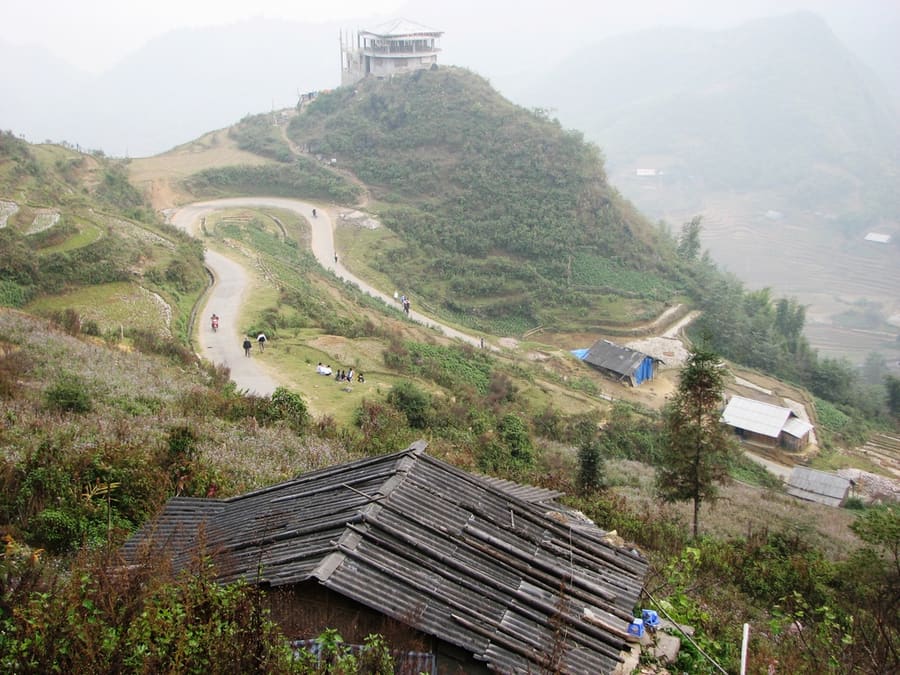
landmark
A heavily commercialised Hmong village two kilometres downhill from town. Expect ticket booths and concrete pathways.
Parley fragen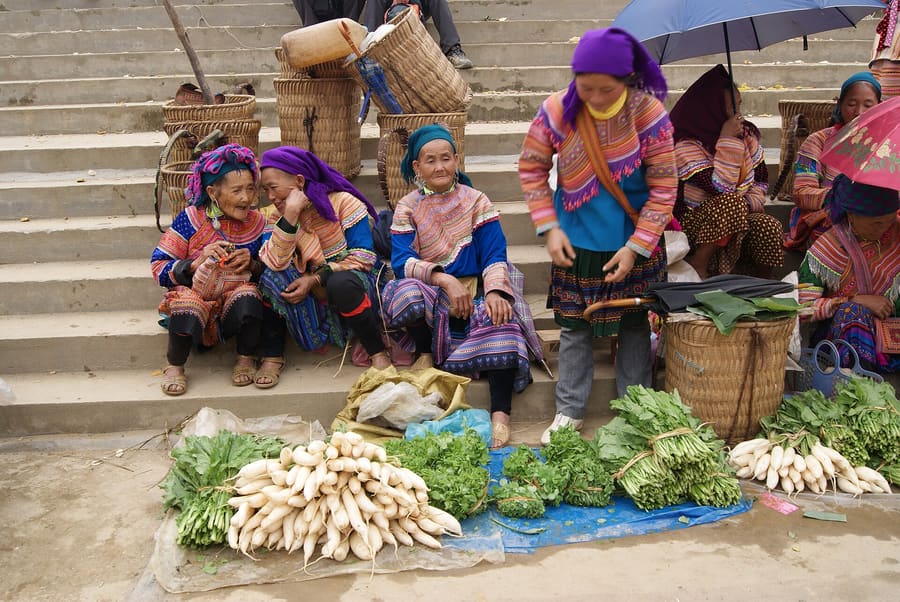
landmark
A two-storey indoor market selling fresh produce, medicinal herbs, and hand-woven indigo textiles near the bus terminal.
Parley fragen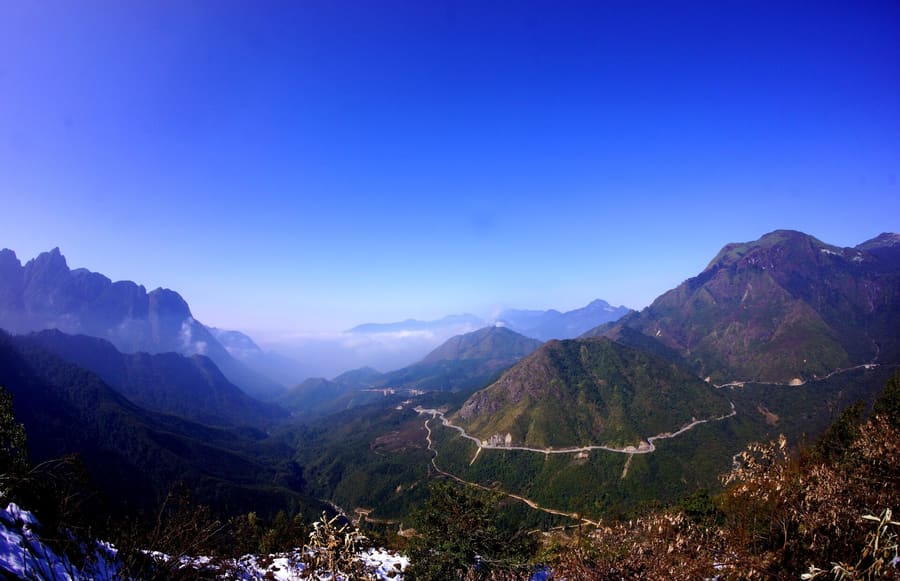
landmark
A high mountain pass 18 kilometres west of town. Cold wind blows off the Lai Chau side even when Sa Pa town is warm.
Parley fragenattractions
areas
Urban grid around a stone church, filled with restaurants, hotels, gear shops, and motorbikes.
In der NäheStone Church, Sun Plaza, Chợ Sa Pa market.
Parley fragenRural valley floor ten kilometres south, dominated by family-run timber homestays.
In der NäheMuong Hoa River, Giang Ta Chai village.
Parley fragenSteep valley side immediately west of town with carved walking paths.
In der NäheTien Sa waterfall, Fansipan cable car station.
Parley fragenQuiet valley twelve kilometres north, home to Red Dao herbal bath traditions.
In der NäheTa Phin cave, French monastery ruins.
Parley fragenfood
Sa Pa's mountain climate shapes a cuisine completely different from low-land Vietnam. Cold mist makes hot pot the default evening meal across town.Local farms raise cold-water salmon and sturgeon in water piped down from Fansipan. Restaurants along Fan Si Pan Street slice the fish thin and serve it alongside wild mountain herbs.Street stalls around the central church light charcoal grills after dark. They roast skewers of pork wrapped in mustard leaves alongside sweet potatoes and corn.
Thắng cố, a traditional horse meat and offal stew cooked in a broad iron pan.
Alpha · CC BY-SA 2.0Order this traditional Hmong dish of simmered horse meat and cardamom at A Phu Restaurant on Fan Si Pan Street.
Pick live sturgeon from tanks at Little Sapa on Cau May Street for a clean broth made with local sour bamboo shoots.
Eat grilled pork wrapped in local cải mèo (bitter greens) from street charcoal braziers around the church after 18:00.
history
For centuries, the Hoang Lien Son mountains were inhabited by Hmong, Red Dao, Tay, and Giay agricultural communities. They constructed agricultural terraces into steep slopes to cultivate wet rice.French military expeditions surveyed the region in 1891. Colonial administrators designated Sa Pa as a high-altitude hill station in 1903 to escape the summer heat of Hanoi.The town was largely destroyed during conflict in the mid-twentieth century. Rebuilding began in the 1990s as domestic and international travel opened up across northern Vietnam.
Hill station founded
French topographers establish a sanatorium and hill station to take advantage of the cool climate.
Stone Church completed
French authorities complete the Roman Catholic Church using local stone cut from nearby quarries.
Tourism reopens
The district reopens to international travel, leading to the construction of the first private guesthouses.
Cable car opens
The three-rope cable car system to Mount Fansipan opens, reducing a two-day trek to a 15-minute ride.
where to stay
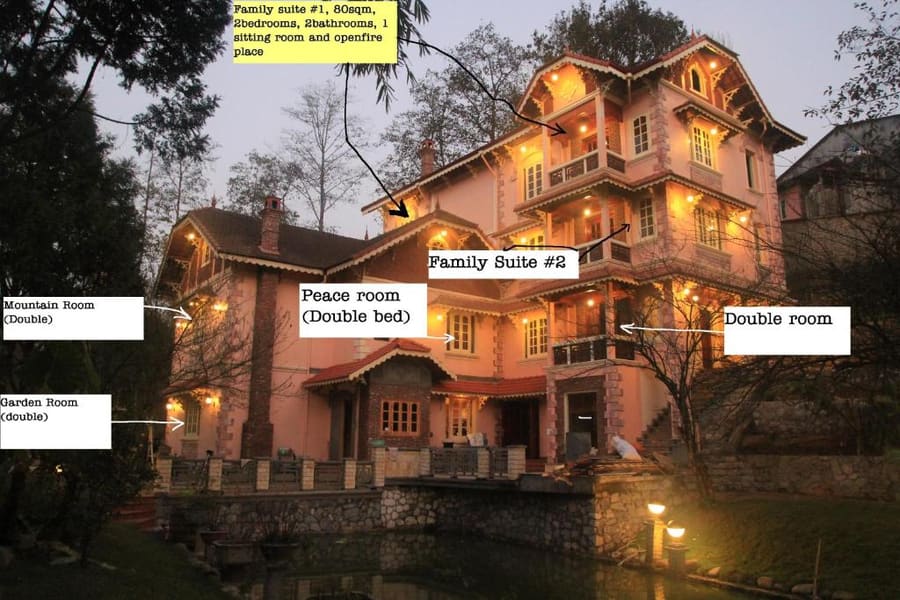
Choose your base by deciding between town convenience and valley views. Staying in town gives you paved streets, immediate access to taxis, and dozens of dinner spots within walking distance.Staying in the Muong Hoa Valley puts you directly among the rice terraces, but you rely on local transport to reach ATMs or pharmacy services. Expect dirt roads for the final leg to most valley homestays.
Live rates, matched to the areas above.
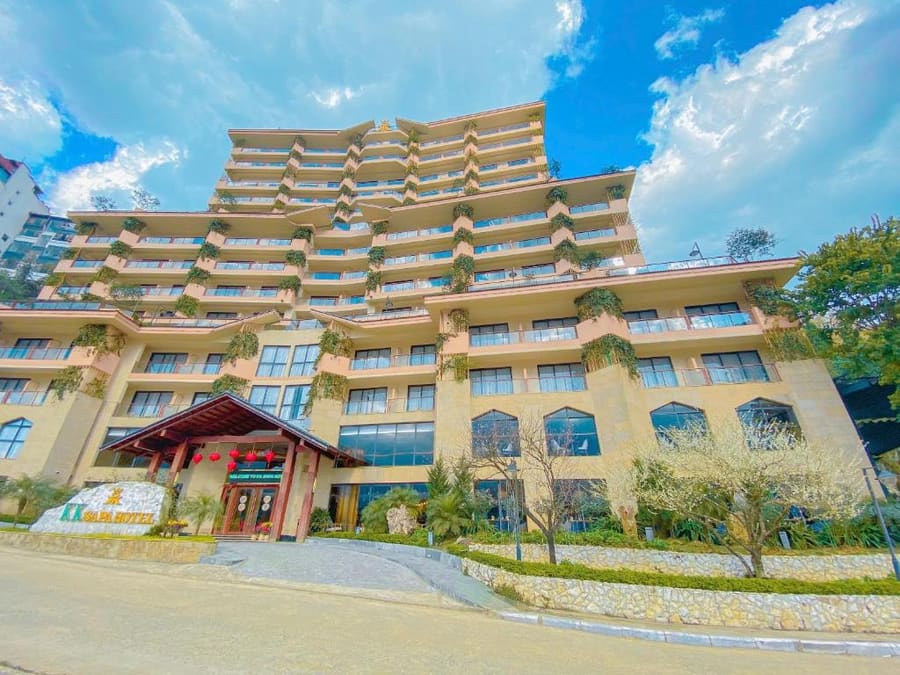
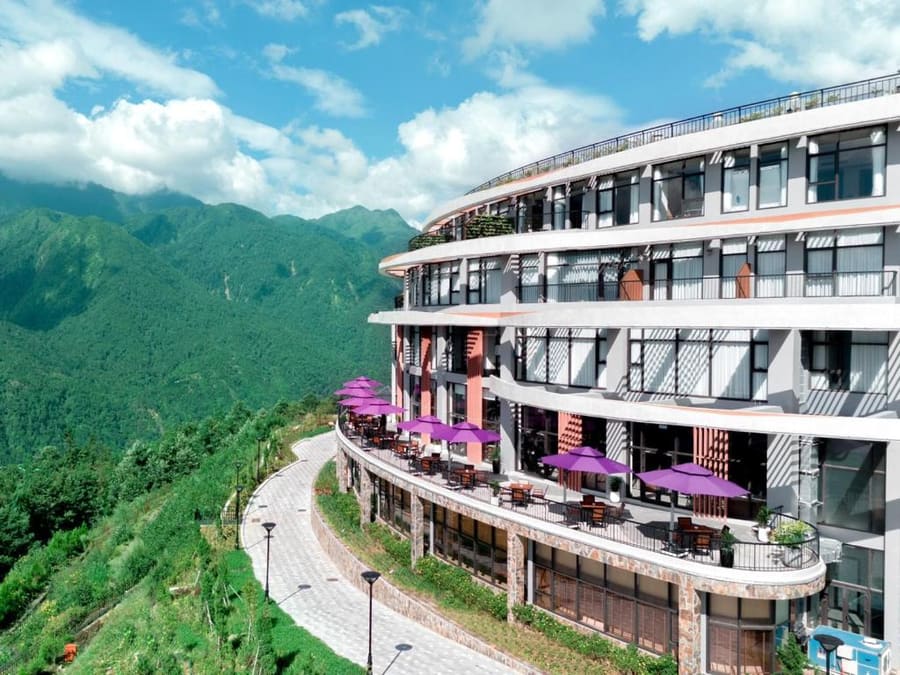
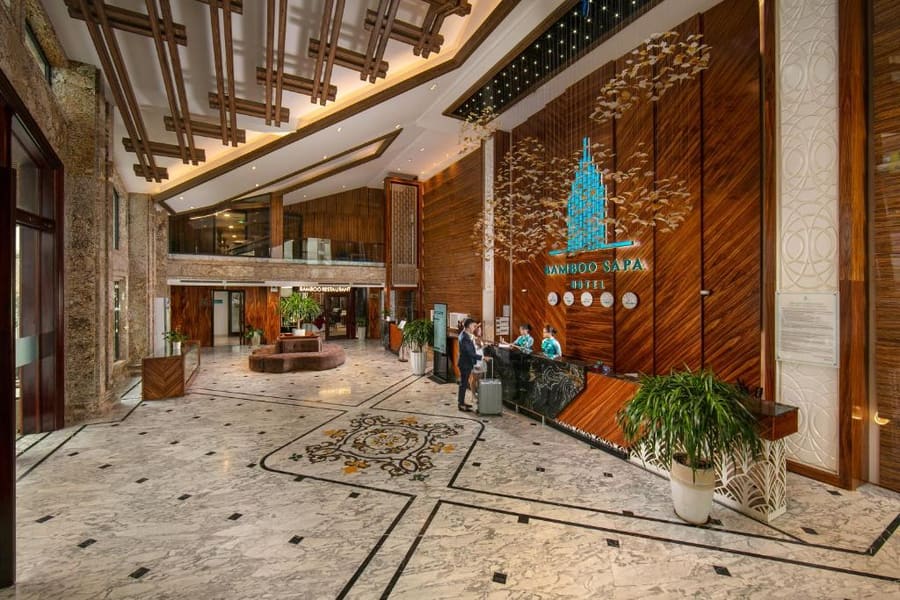
transport
Sa Pa has no commercial airport. Travellers arrive from Hanoi via overnight train to Lào Cai or direct sleeper bus along the express highway.Inside the town, you can walk most places on foot, though roads are steep. Reaching the lower valleys requires hiring a motorbike taxi (xe ôm), renting a scooter, or booking a private green electric car.
Ab Lào Cai Railway Station (35 km)
Public red-and-yellow buses wait right outside the station exit.
Negotiate the total fare before putting your luggage in the trunk.
Pre-booked cars send drivers to hold name signs at the platform exit.
Ride the funicular train from Sun Plaza in town straight to the Fansipan cable car station in six minutes.
Drivers wait at town corners in green vests. Agree on the fare before mounting the bike.
Ride-hailing apps do not operate reliably in Sa Pa. Rely on local metered taxis or local drivers instead.
Town streets carry steep inclines. Wear footwear with tread even if you remain on paved sidewalks.
cost
Sa Pa accepts Vietnamese Dong for almost all day-to-day transactions. ATMs from major banks cluster around the town lake and central square.Valley homestays and local trekking guides expect cash payment. Cards are accepted only at modern hotels, high-end restaurants, and the Fansipan cable car terminal.
Required ticket price to enter Muong Hoa Valley villages.
Standard adult ticket for the cable car ascent.
Rate for a local Hmong or Dao guide booked directly.
Price per person for a wooden tub soak in Ta Phin.
seasonality
MAR – MAY
Clear skies and moderate temperatures. Farmers fill terraces with water for spring planting.
JUN – AUG
Warmest weather with frequent heavy rain. Terraces show bright green rice stalks.
SEP – OCT
Harvest season. Terraces turn golden yellow before cutting begins in late October.
NOV – FEB
Cold mist and occasional frost. Bring thermal layers as unheated rooms get very chilly.
practicalities
Pack waterproof layers year-round. Rain clouds develop suddenly on mountain sides.
Withdraw cash in town before heading into Ta Van or Ta Phin. Valleys have no cash machines.
Street sellers will follow walking groups. A polite but firm 'No, thank you' works best.
Clay soil turns slick quickly. Wear boots with firm rubber grip rather than smooth sneakers.
Fansipan summit sits above 3,000 metres. Take slow steps on stairs if you feel lightheaded.