landmark
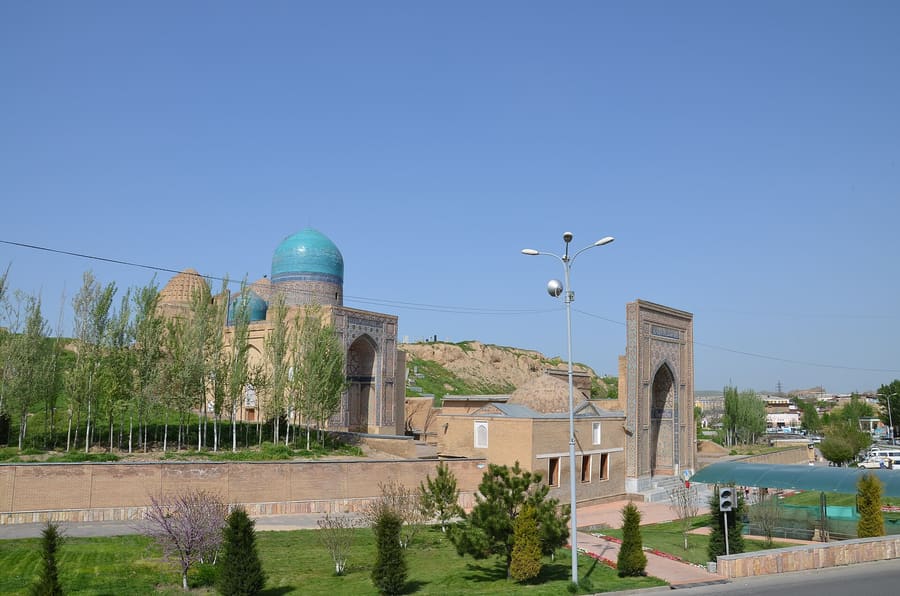
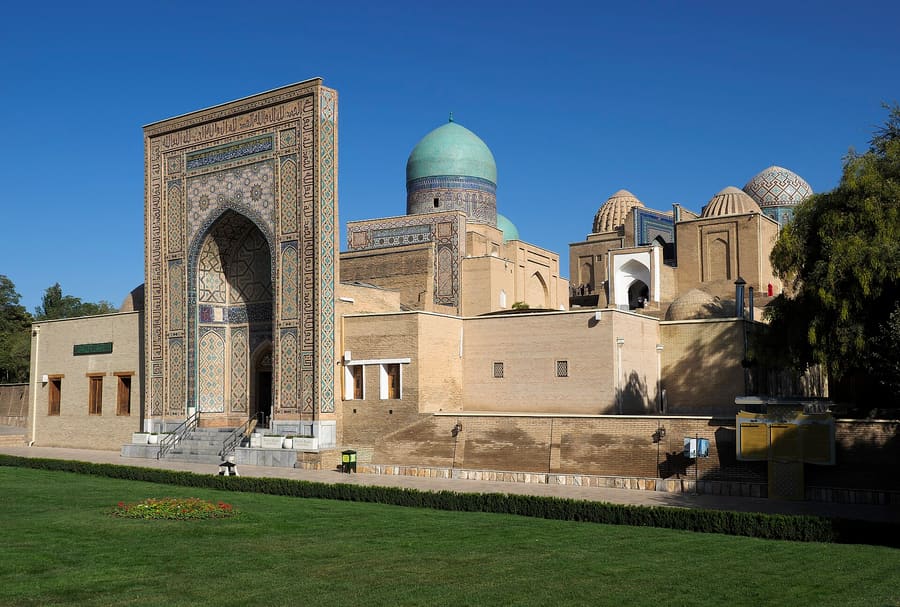
Shah-i-Zinda Necropolis
An avenue of tombs covered in cobalt and turquoise majolica tilework. Visit before 09:00 to avoid crowding on the narrow steps.
Parley fragen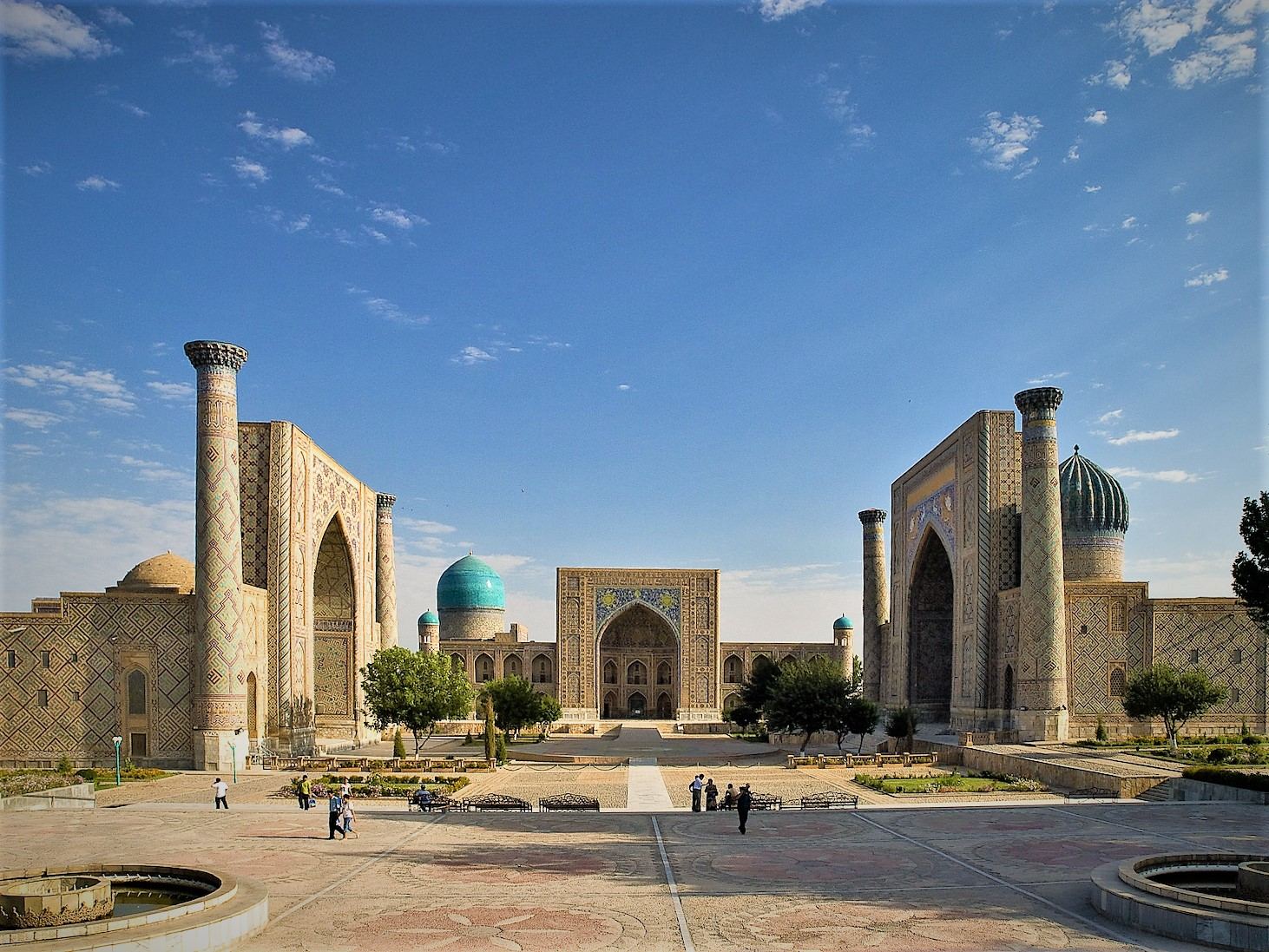
Usbekistan
Monumental Timurid tilework, dense mahallas, and heavy plov.
introduction
Samarkand is a city of distinct spatial layers. The Timurid monuments stand as massive tiled islands, while quiet brick mahallas wind behind them. The 19th-century Tsarist sector spreads along wide tree-lined avenues to the west. You move between these eras via cheap Yandex taxis or on foot along paved central pedestrian links.
Airport taximeter trap
Ignore arrival terminal drivers pitching overpriced rides. Book via the Yandex Go app using free airport Wi-Fi to pay standard fare.
UNESCO World Heritage designation
UNESCO inscribed Samarkand in 2001 under the title Crossroads of Cultures. The listing covers the historical core and Timurid monuments.
Afrosiyob train tickets
High-speed Afrosiyob trains sell out weeks ahead. Buy tickets on the official Uzbek Railways website 45 days before travel.
Samarkand
Petar Milošević · CC BY-SA 4.0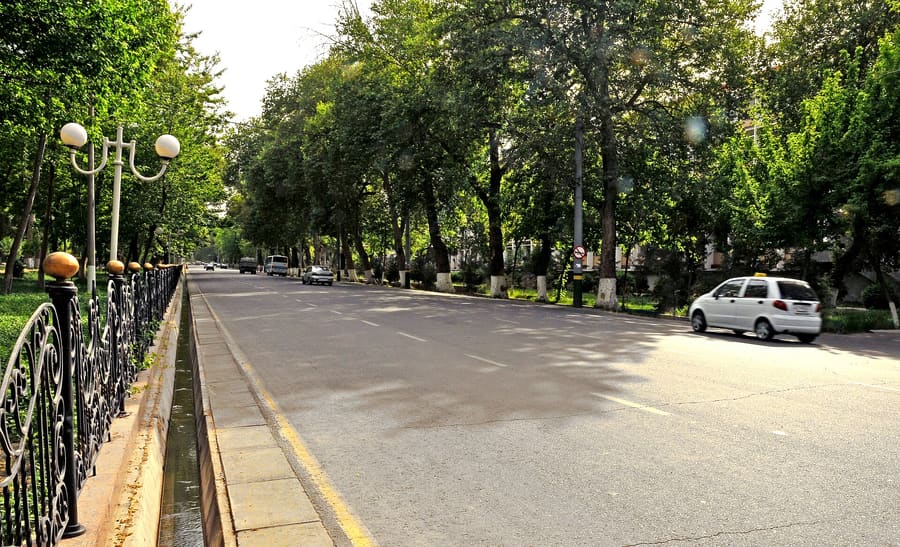
Russian Quarter — Shady park boulevards lined with late 19th-century brick architecture and modern cafes.
LBM1948 · CC BY-SA 4.0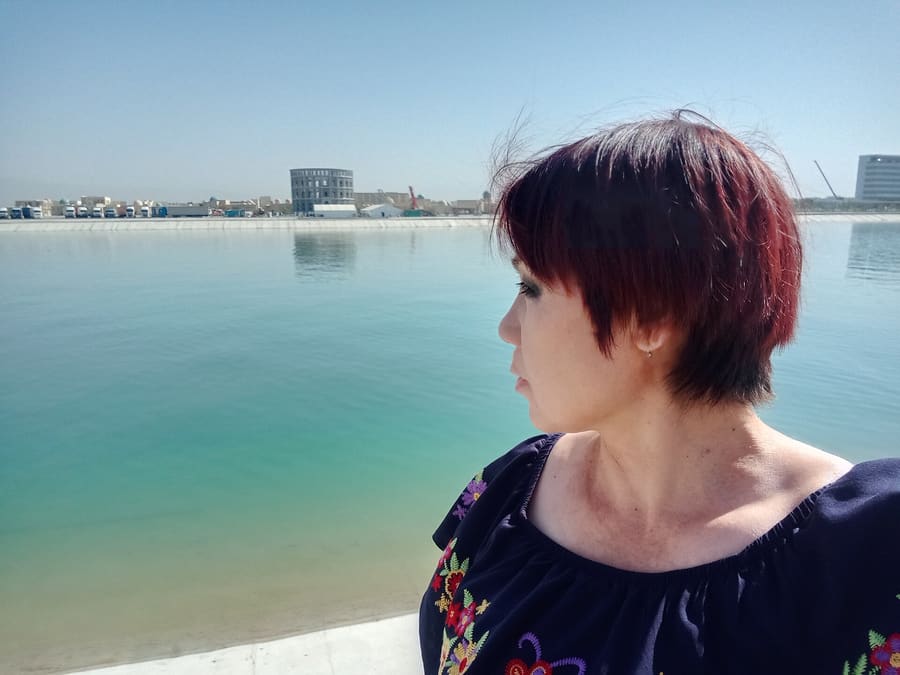
Silk Road Tourist Center — A modern resort complex with artificial canals, international hotel brands, and curated shopping.
Ташова Ширин · CC BY-SA 4.0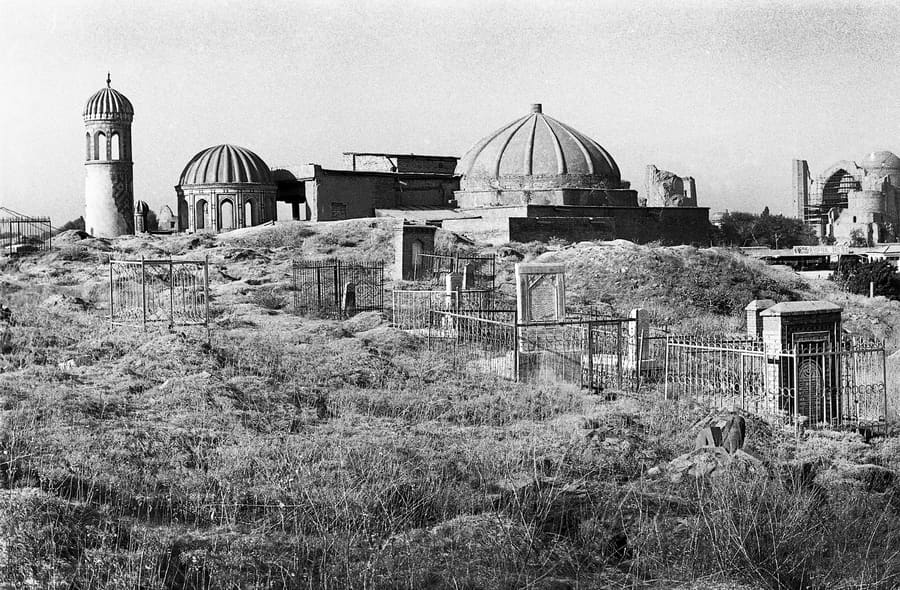
Siab Quarter — Workaday neighbourhood around the market and northern tombs, full of bakeries and teahouses.
Jaan Künnap · CC BY-SA 4.0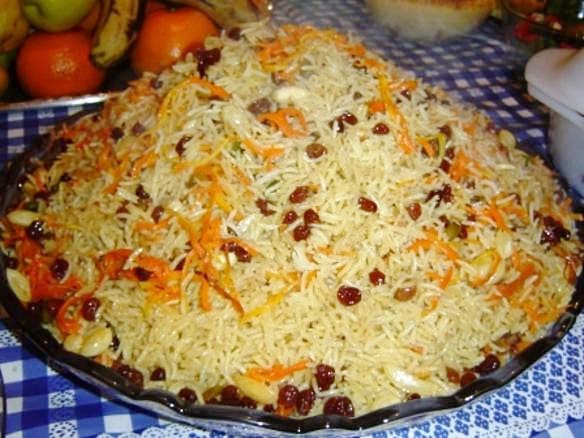
A platter of Samarkand plov served with sliced beef, yellow carrots, and quail eggs.
Jost Wagner · CC BY-SA 1.0highlights
landmark
An avenue of tombs covered in cobalt and turquoise majolica tilework. Visit before 09:00 to avoid crowding on the narrow steps.
Parley fragen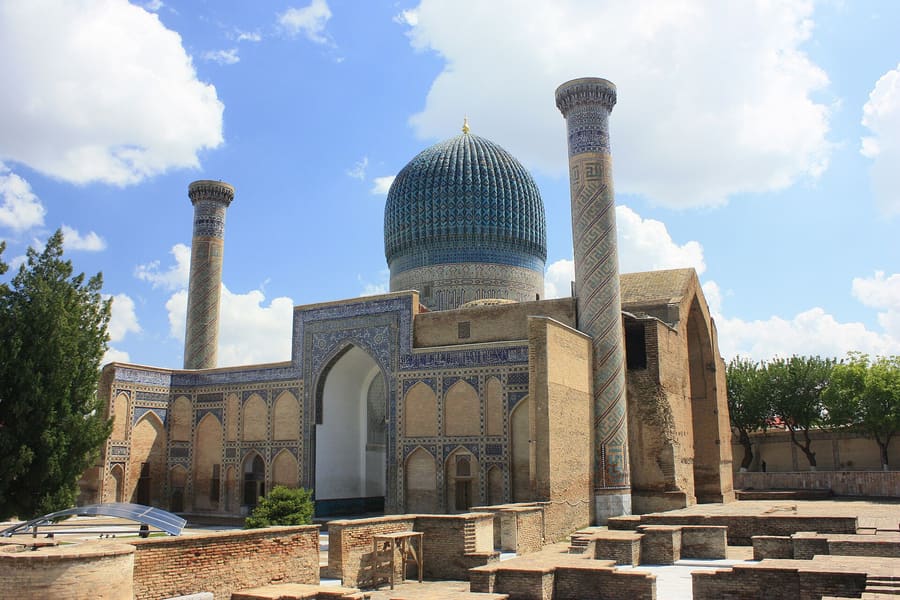
landmark
The tomb of Timur featuring a fluted dome and jade tombstone. The interior vault is carved in gold leaf and blue paper-mâché.
Parley fragen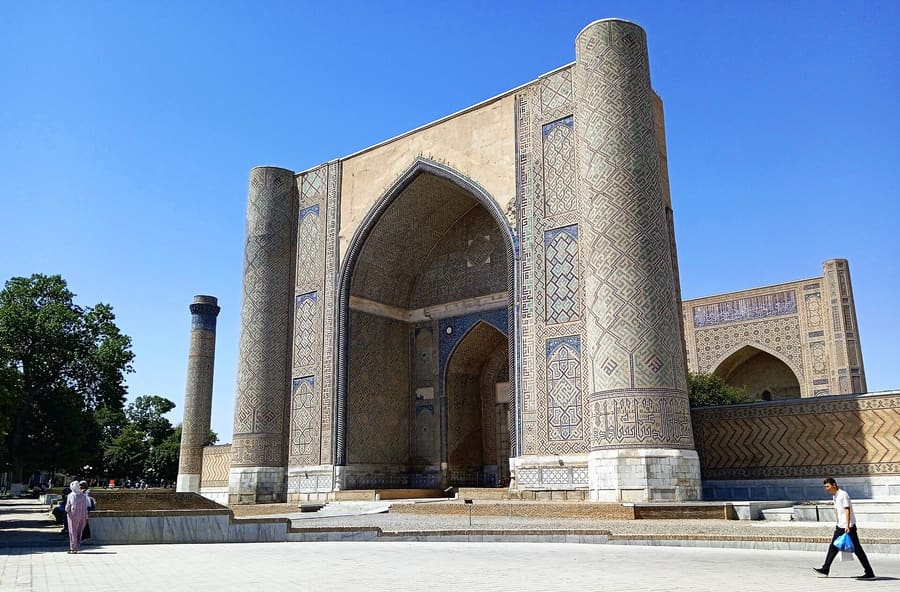
landmark
A massive 15th-century congregational mosque commissioned by Timur. The giant stone Quran stand sits in the middle of the courtyard.
Parley fragen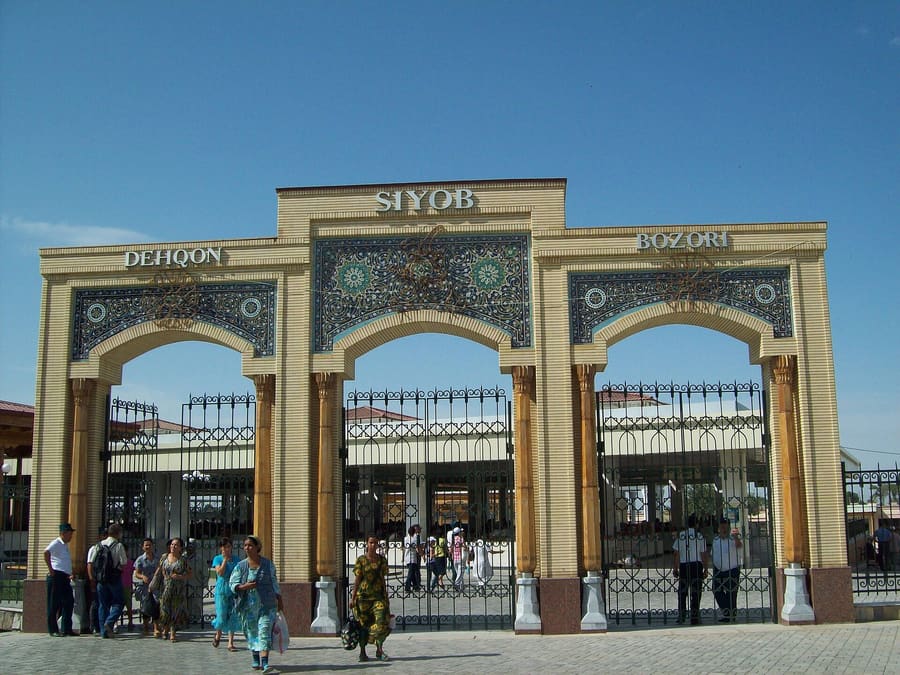
landmark
Samarkand's largest domed produce market located beside Bibi-Khanym Mosque. Buy round Samarkand bread and dried fruit directly from vendors.
Parley fragen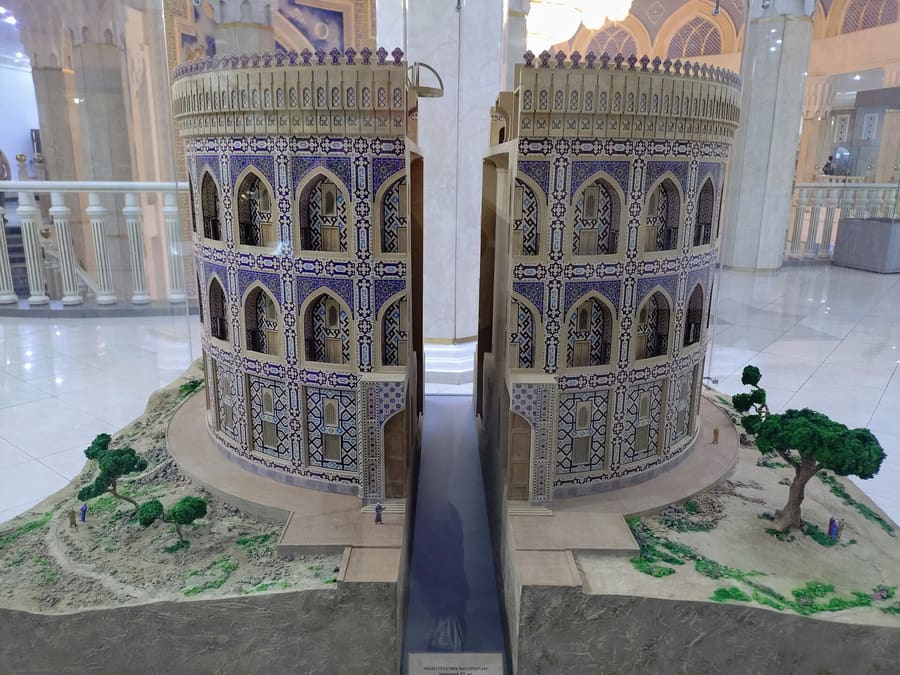
landmark
Remnants of a 15th-century sextant used to chart 1,018 stars. The on-site museum explains Timurid astronomical calculations.
Parley fragenattractions
areas
Shady park boulevards lined with late 19th-century brick architecture and modern cafes.
In der NäheUniversity Boulevard and Central Park
Parley fragenA modern resort complex with artificial canals, international hotel brands, and curated shopping.
In der NäheRowing Canal and Eternal City complex
Parley fragenWorkaday neighbourhood around the market and northern tombs, full of bakeries and teahouses.
In der NäheSiab Bazaar and Shah-i-Zinda
Parley fragenPedestrian avenues around grand monuments leading into quiet residential mudbrick corridors.
In der NäheRegistan Square and Gur-e-Amir
Parley fragenfood
Samarkand plov differs fundamentally from Tashkent or Fergana varieties. Local chefs layer ingredients without mixing them during cooking, using yellow carrots, beef, and chickpeas over white rice varieties such as Lazer or Alanga. You eat it exclusively at lunch; by 14:00, the cauldrons are empty.Teahouses (chaykhanas) serve hot green tea (kok-chay) in small bowls called piala. You pour a small amount back into the pot three times before drinking to mix the brew. Bread is ceremonial; Samarkand non is dense, glossy, and stamped with intricate patterns.
A platter of Samarkand plov served with sliced beef, yellow carrots, and quail eggs.
Jost Wagner · CC BY-SA 1.0Arrive at Osh Markazi or Samarqand Osh Markazi between 11:30 and 13:00. Plov sells out daily.
Never cut Samarkand non with a knife. Tear it by hand and place it right-side up on the table.
When plov centers close at night, visit Ikrom Choyxonasi for minced beef and lamb lyulya kebabs.
history
Samarkand emerged as an oasis trade center on the Silk Road under Sogdian rule. Alexander the Great captured the city in 329 BCE, recording its defensive walls and wealth. Devastated by Genghis Khan in 1220 CE, the older settlement on the northern hills of Afrasiab was permanently abandoned.The city entered its golden age in 1370 when Timur made it the capital of his empire. Artisans from across Asia built monumental mosques and mausoleums. Timur's grandson Ulugh Beg transformed it into a scientific hub before Russian annexation in 1868 brought western urban planning.
Alexander captures Maracanda
Macedonian forces secure the Sogdian stronghold after a prolonged siege.
Mongol destruction
Genghis Khan's troops destroy the ancient citadel at Afrasiab, forcing residents south.
Timurid capital
Timur chooses Samarkand as imperial capital and imports master craftsmen.
Ulugh Beg Observatory
Timur's scientist grandson completes a massive Meridian Arc to measure the star catalogue.
Russian conquest
Tsarist forces integrate Samarkand into Russian Turkestan, building a modern grid city.
where to stay
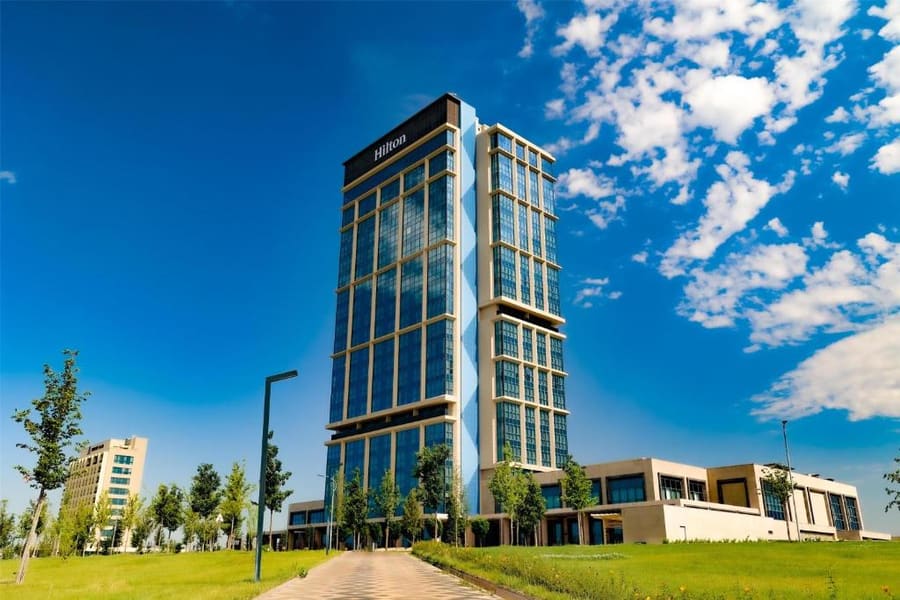
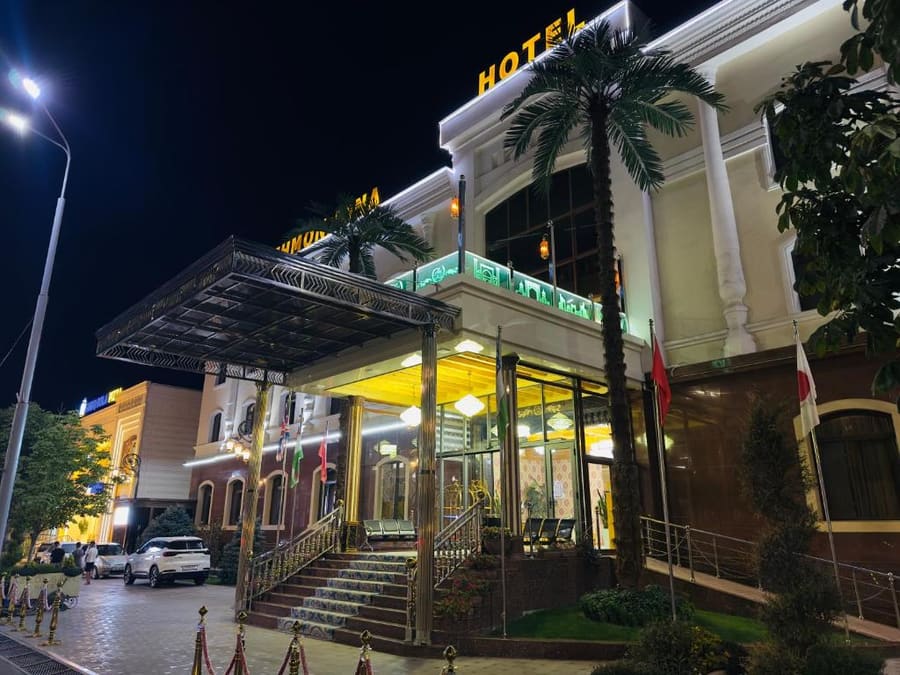
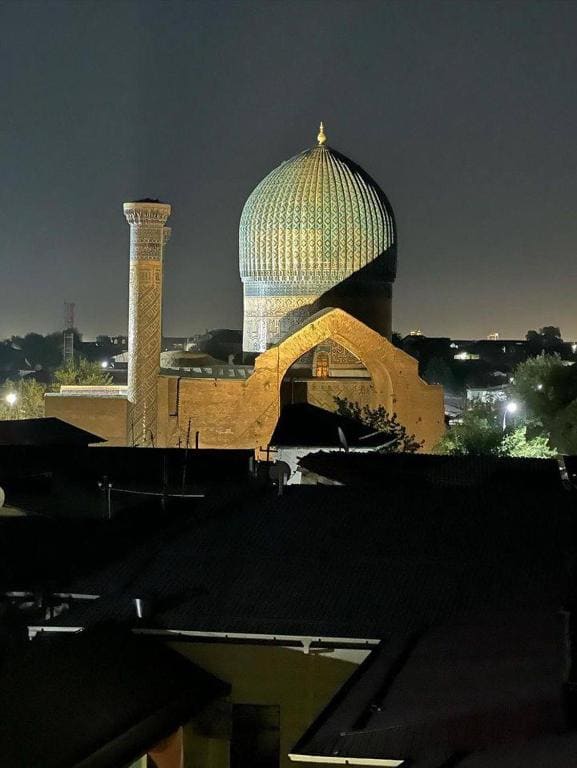
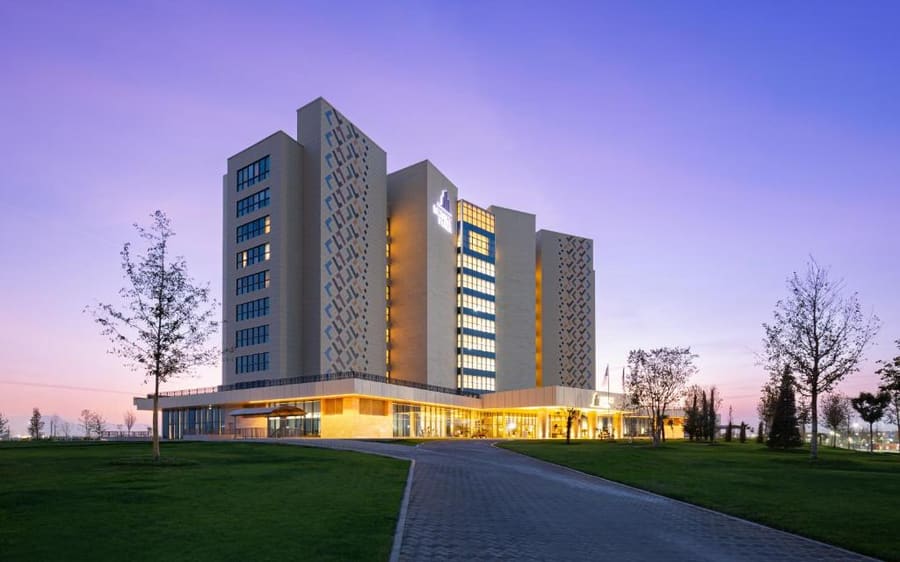
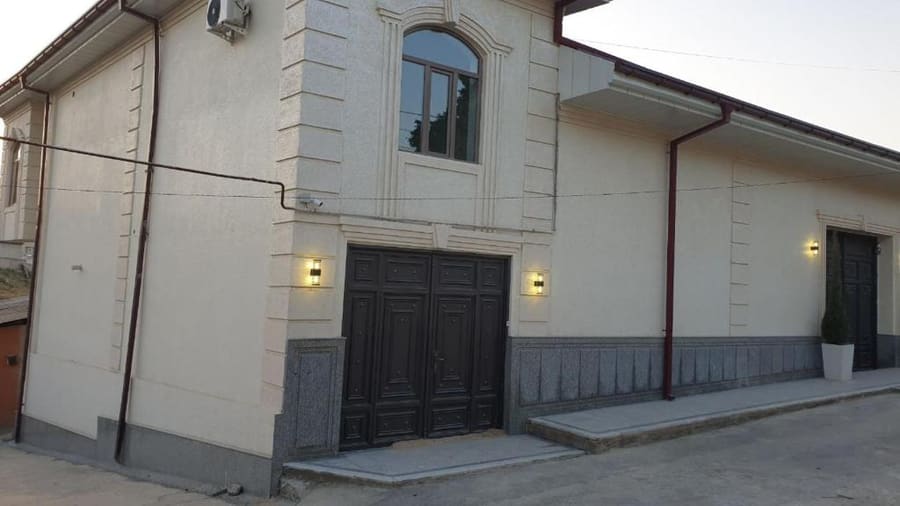
Choose your base based on your transit style and schedule. The Old Town places you within walking distance of medieval tilework, while the Russian Quarter offers leafy streets and local restaurants.
Live rates, matched to the areas above.
transport
Samarkand is too spread out to cover entirely on foot, but individual districts are compact. Standard metered taxis do not exist; everyone uses ride-hailing apps or negotiates street hails before getting in.
Ab Samarkand International Airport (SKD)
Book via Yandex Go app on arrival to avoid inflated airport curb pricing.
Negotiate price with curb drivers before placing luggage in the trunk.
Bus line 37 connects the airport terminal to the central train station.
Two modern tram lines connect the railway station to Siob Bazaar and Voenny Gorodok.
Download Yandex Go before arriving. It provides fixed digital fares and eliminates price bargaining.
Shared cars depart from the Ulugbek bus station as soon as all four seats fill up.
Islam Karimov Street is a paved pedestrian zone linking Registan directly to Bibi-Khanym.
cost
Samarkand remains affordable for international travellers. Cash is essential for markets and small eateries, while high-end hotels and modern restaurants accept Visa and Mastercard.
Includes beef, yellow carrots, and tea at local Osh Markazi teahouses.
Standard fare for rides between the Russian Quarter and Registan.
Fresh heavy non purchased inside Siab Bazaar.
seasonality
MAR – MAY
Daytime temperatures range from 15°C to 25°C. Spring flowers bloom, but rail and hotel bookings fill fast.
JUN – AUG
Midday heat exceeds 40°C. Sightseeing must occur early in the morning or after sunset.
SEP – NOV
Crisp autumn air and clear skies. Fresh fruit harvest fills Siab Bazaar with grapes and melons.
DEC – FEB
Freezing temperatures and occasional snow. Monuments are quiet, but daylight hours are brief.
practicalities
ATMs at major hotels dispense USD and UZS, but machines frequently run out of cash on weekends.
Keep the paper registration slips provided by hotels at check-out. Border officials may request them upon departure.
Cover shoulders and knees when entering active mausoleums like Shah-i-Zinda and Gur-e-Amir.
Active religious sites pause tourist entry during Friday congregational prayers.
Drink bottled or filtered water. Tap water in Samarkand has high mineral content that disturbs foreign stomachs.