landmark
Cañón del Atuel
A 45-kilometre gorge carved by the Atuel River with colorful rock formations. Drive RP173 early morning to avoid oncoming tourist buses.
Parley fragenArgentinien
River canyons, Malbec estates, and desert reservoirs.
introduction
San Rafael sits 235 kilometres south of Mendoza city in an oasis carved by the Atuel and Diamante rivers. You come here for dramatic river canyons, low-key wineries, and expansive water reservoirs rather than high-density urban nightlife. Public buses serve the central grid, but reaching the canyon roads and remote vineyards requires a car or organized transport. Expect dry sunshine, hot summer afternoons, and cool desert nights year-round.
Arrival by air
San Rafael Airport (AFA) sits 8 kilometres west of downtown. Taxis meet the daily flights from Buenos Aires, or you can pick up a rental car directly at the terminal.
DOC Chenin Blanc capital
San Rafael is Argentina's primary producer of Chenin Blanc alongside classic Malbec. Wineries here specialize in crisp whites and aged sparkling wines.
Navigating Provincial Route 173
The 45-kilometre gravel stretch through the Atuel Canyon has no mobile signal or fuel stations. Fill your tank in town before entering the canyon.
San Rafael
Pablo Bruno D'Amico (PabloBD) from Argentina · CC BY-SA 2.0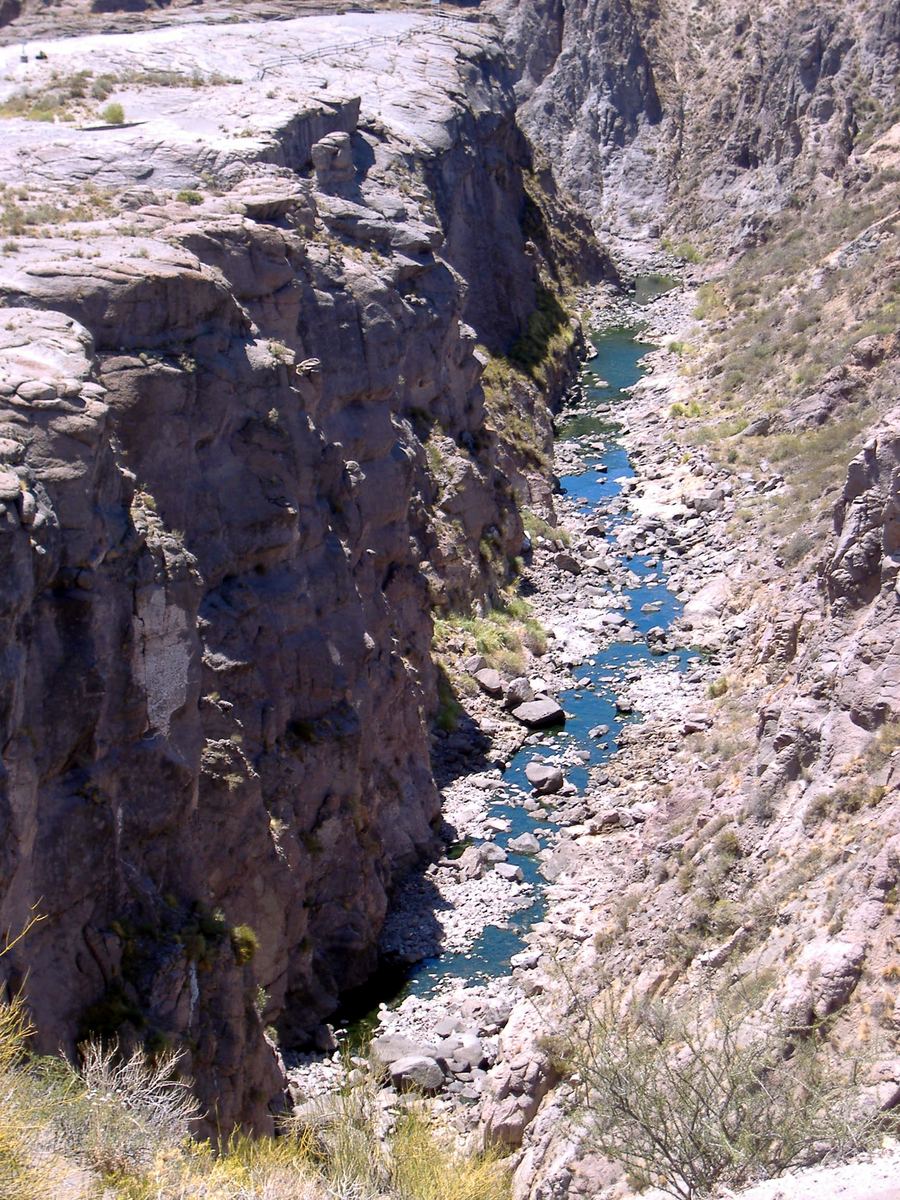
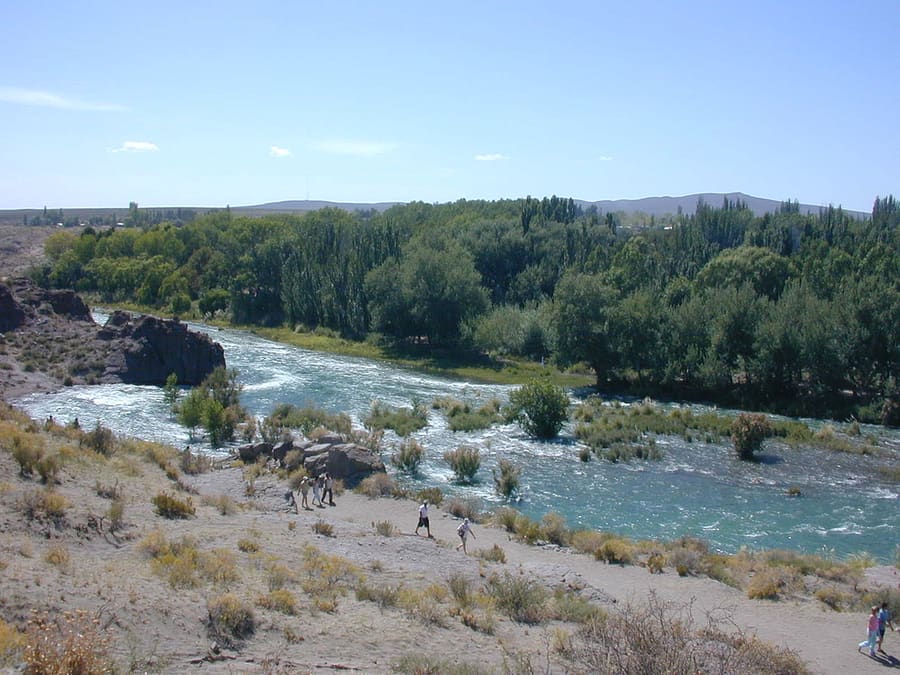
Valle Grande — Riverside corridor lined with log cabins, rafting bases, and canyon vistas.
Pablo D. Flores · CC BY-SA 2.5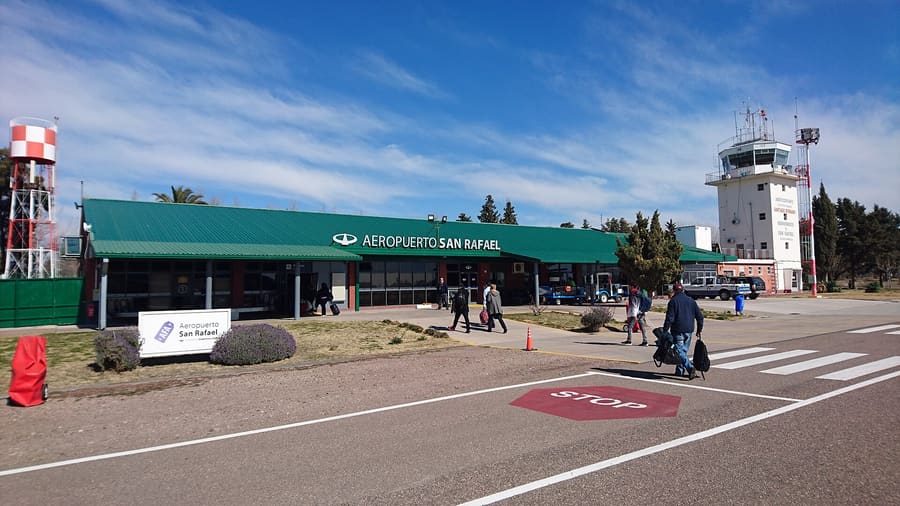
Las Paredes — Suburban wine district home to historic bodegas and quiet guesthouses.
Maximilian Reininghaus · CC BY-SA 4.0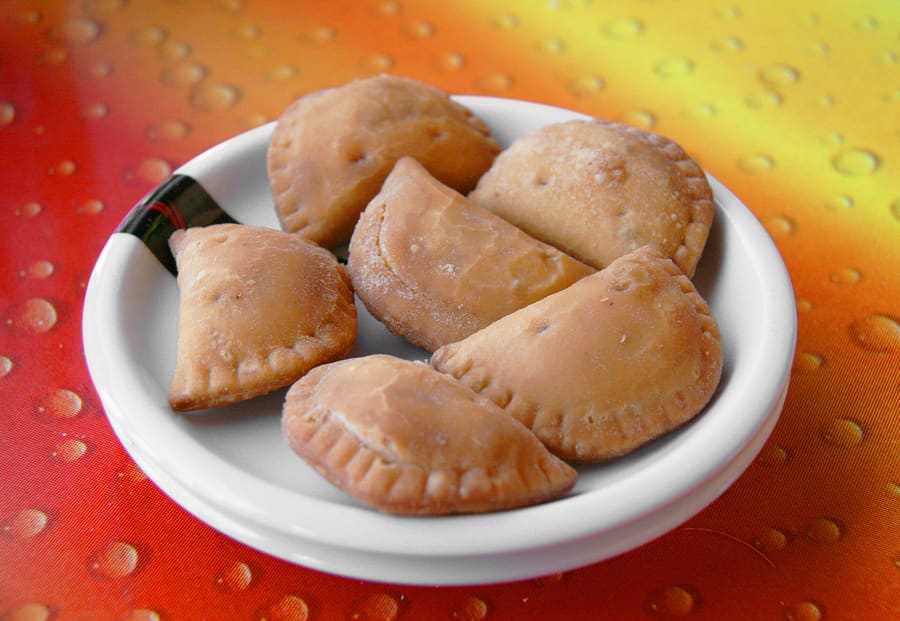
Carne a la masa, San Rafael's slow-baked beef dish served with local wine.
Tamorlan · CC BY 3.0highlights
landmark
A 45-kilometre gorge carved by the Atuel River with colorful rock formations. Drive RP173 early morning to avoid oncoming tourist buses.
Parley fragen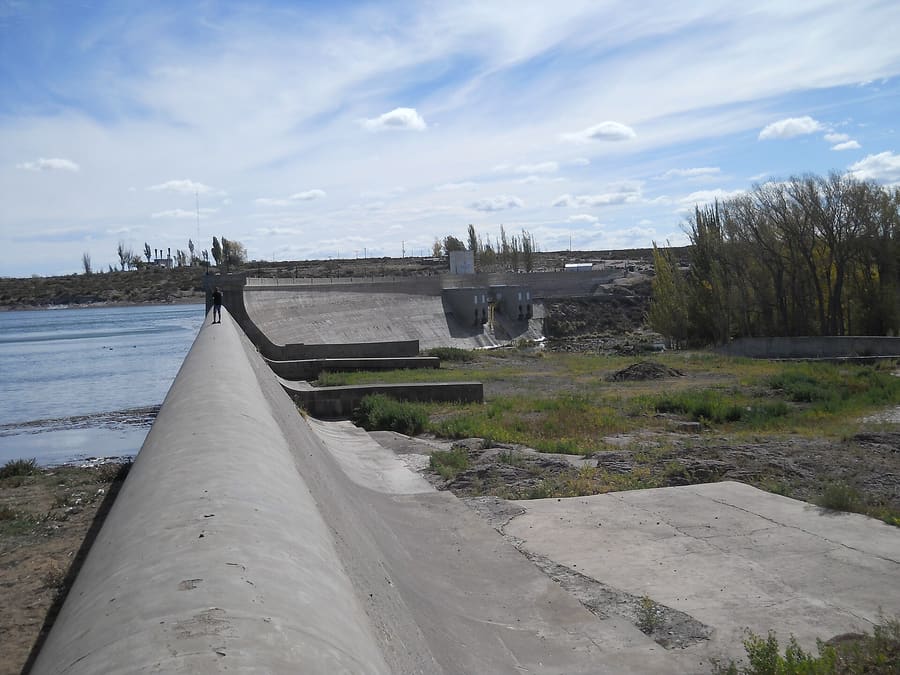
landmark
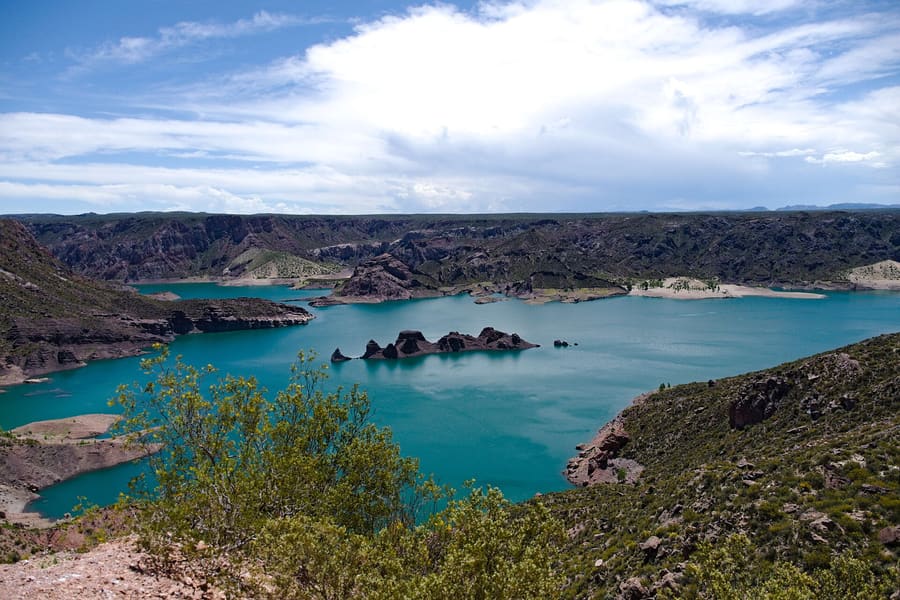
A massive lake marking the top of the canyon, popular for windsurfing and fishing. Thermal winds pick up sharply after 14:00.
Parley fragen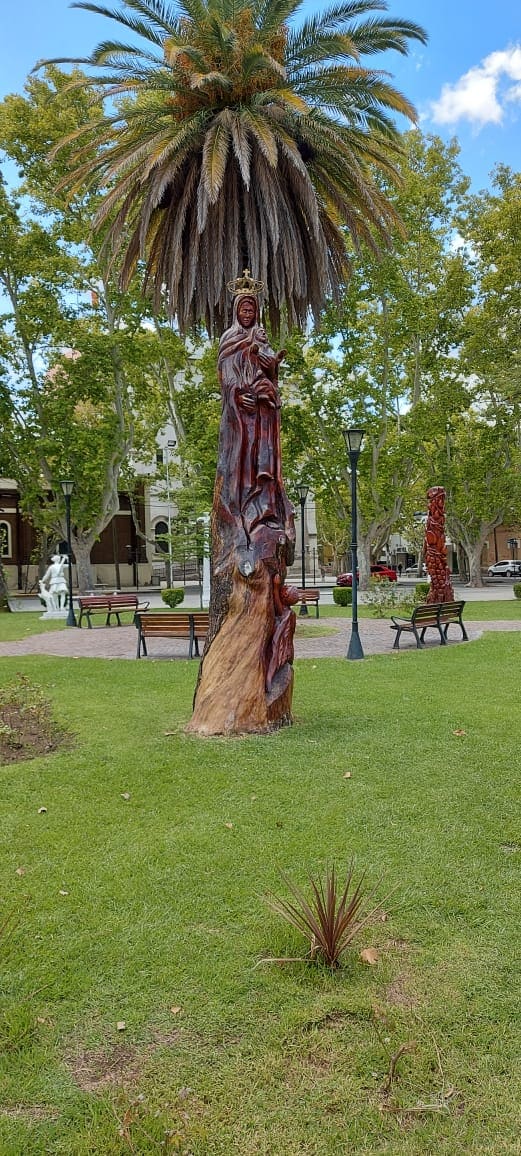
landmark
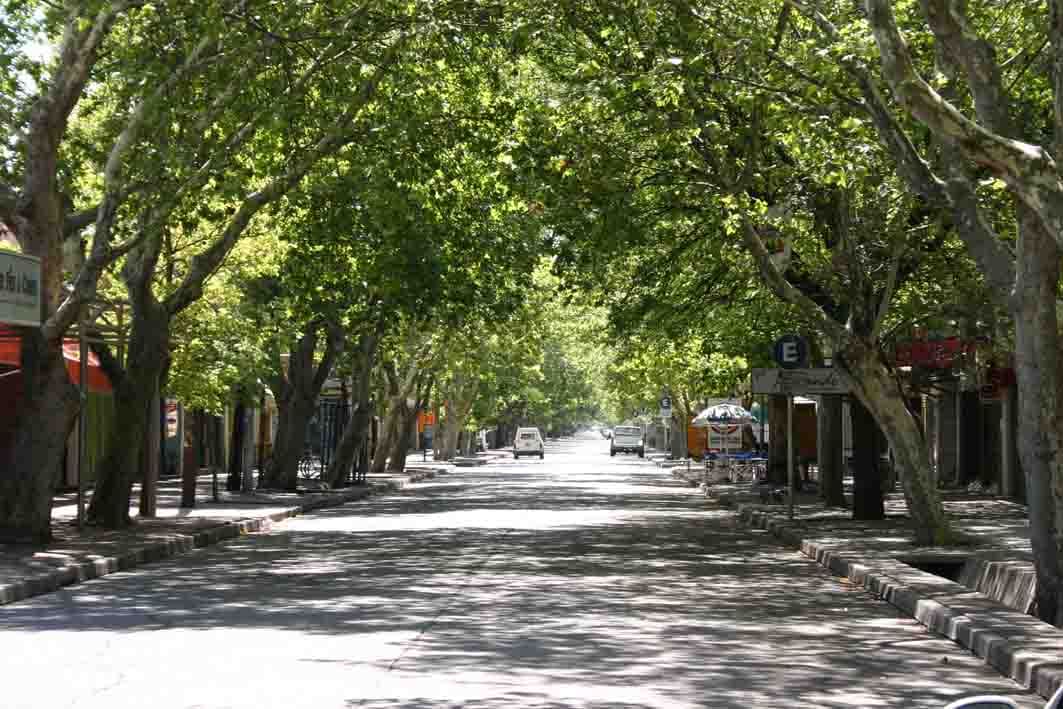
The main downtown square lined with palm trees and water channels. Local craft stalls set up around the perimeter on weekend evenings.
Parley fragenattractions
areas
Riverside corridor lined with log cabins, rafting bases, and canyon vistas.
In der NäheAtuel River and Valle Grande Lake
Parley fragenSuburban wine district home to historic bodegas and quiet guesthouses.
In der NäheSan Rafael Airport and Bodega Bianchi
Parley fragenWalkable grid with banks, ice cream parlors, and tree-lined avenues.
In der NähePlaza San Martín and San Rafael Bus Terminal
Parley fragenAgricultural countryside filled with plum orchards, olive groves, and estates.
In der NäheLaberinto de Borges and Route 173 to the canyon
Parley fragenfood
San Rafael’s signature dish is carne a la masa, beef seasoned with garlic, cumin, and sweet pepper, baked inside a sealed dough shell until tender. You will find it served in traditional rotiserías along Avenida Hipólito Yrigoyen and country restaurants in Rama Caída. Pair it with a local Chenin Blanc, a white grape variety that thrives in San Rafael’s high-altitude clay soil.
Carne a la masa, San Rafael's slow-baked beef dish served with local wine.
Tamorlan · CC BY 3.0Ask for it at La Casserole or Club San Martín in downtown San Rafael, where portions easily feed two people.
Bakeries and lunch spots in San Rafael close strictly between 13:30 and 17:00. Plan your meals before 13:00 or wait until late evening dinner service at 21:00.
Winery restaurants accept credit cards, but roadside dried-fruit and olive stalls along Route 143 take cash only.
history
San Rafael began in 1805 as Fortín San Rafael del Diamante, a military outpost built near the Diamante River to secure trade routes across the southern Pampa. French immigrant Rodolfo Iselín arrived in the late 19th century and introduced canal irrigation, European grape varieties, and commercial agriculture. Italian and French families settled the surrounding valleys, transforming dry desert scrub into Argentina's primary southern wine and fruit hub.
Fortress established
Fortín San Rafael del Diamante is constructed near present-day Villa 25 de Mayo to guard southern frontiers.
French settlement
Rodolfo Iselín founds the agricultural colony that develops into modern San Rafael.
Railway connection
The rail connection to Buenos Aires opens international export routes for San Rafael wine and dried fruit.
where to stay
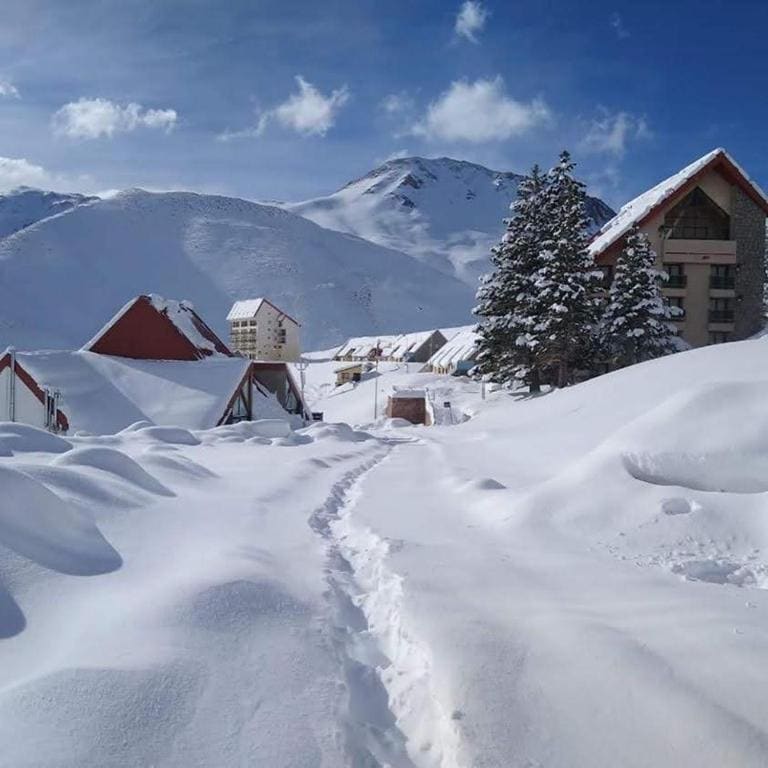
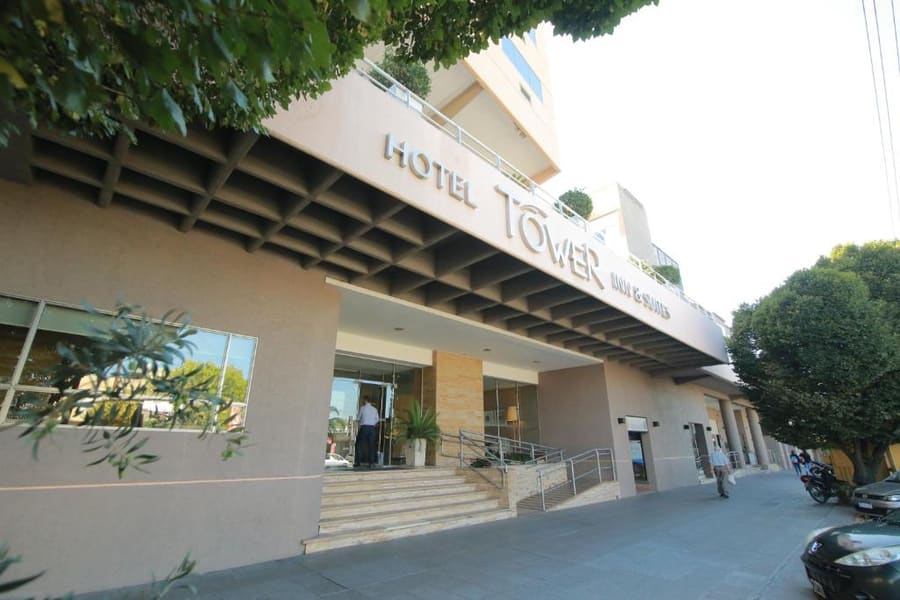
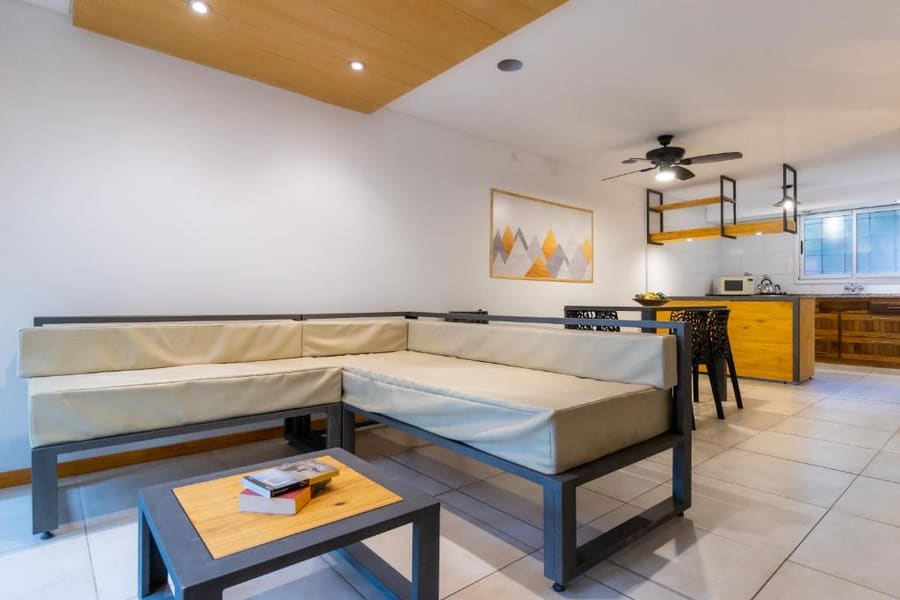
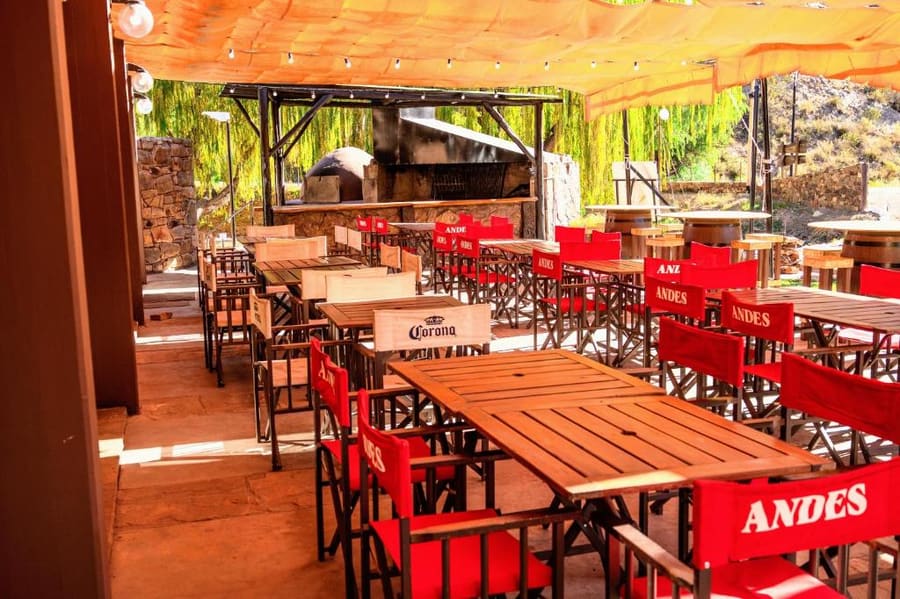
Choose your base by your primary transport and activity level. Stay in Microcentro if you rely on public buses and want casual evening dining on foot. Book a cabin in Valle Grande or a country estate in Rama Caída if you rent a car and prefer mountain views and river access.
Live rates, matched to the areas above.
transport
Downtown San Rafael is flat and navigable on foot, but scenic spots like Valle Grande and Cañón del Atuel lie 30 to 70 kilometres away. Local buses operated by Iselín and Buttini connect town with nearby rural districts, though frequencies drop significantly on weekends.
Ab San Rafael Airport (AFA) / Bus Terminal
Official taxis wait outside the single terminal building upon flight arrivals.
Local buses run along Av. Hipólito Yrigoyen; requires a SUBE transit card.
Availability varies; driver pickup at airport exit gate.
San Rafael uses the national SUBE card system for city and suburban buses. Buy and top up cards at kiosks near Plaza San Martín.
Iselín operates regular bus runs from San Rafael Terminal to Valle Grande Dam along Route 173. Check printed schedules at the terminal counter.
Car rental agencies operate at the airport and along Av. Yrigoyen. Reserve vehicles weeks ahead during January and July holidays.
The last petrol stations before heading into the canyon roads are located on Av. Balloffet near the southern edge of town.
cost
San Rafael is generally less expensive than Mendoza city or Uco Valley. Wine tastings and outdoor activities offer solid value, though prices adjust with local inflation.
Includes equipment and guide for a 1-hour Class II/III river descent in Valle Grande.
Standard portfolio tastings at wineries in Las Paredes or Rama Caída.
Generous single portion served with bread at traditional local restaurants.
Admission ticket including access to the hedge maze and observation tower.
seasonality
DEC – FEB
Hot days reaching 33°C. High season for rafting and canyon swimming, but accommodation prices peak.
MAR – MAY
Grape harvest season (Vendimia). Pleasant autumn weather, golden vineyard colors, and moderate prices.
JUN – AUG
Cold desert winters with clear skies. Rafting pauses, but winery visits and canyon sightseeing remain open.
SEP – NOV
Spring blossoms across orchards. Ideal temperatures for outdoor excursions before summer crowds arrive.
practicalities
The semi-arid climate means sun protection and hydration are essential during afternoon outdoor excursions.
Shops and pharmacies outside Microcentro close completely between 13:00 and 17:00.
Mobile coverage drops inside Cañón del Atuel. Bring cash for souvenir stalls, snacks, and entry fees.
Concrete water canals (acequias) run parallel to town streets. Watch your step when exiting vehicles at night.
Route 173 through the canyon is narrow gravel. Drive slowly to prevent windshield damage from loose stones.