landmark
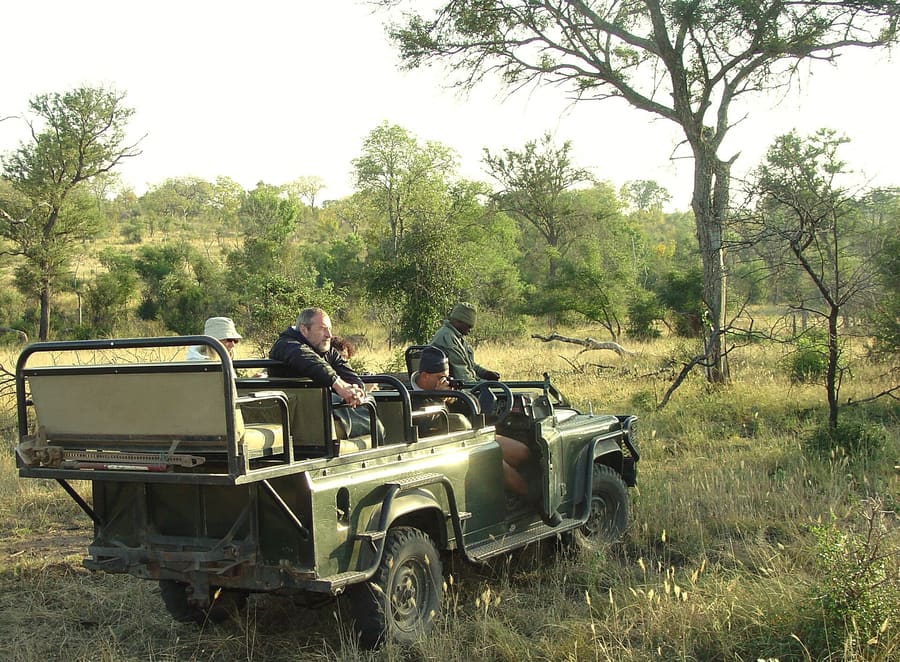
Chitwan Full-Day Jeep Safari
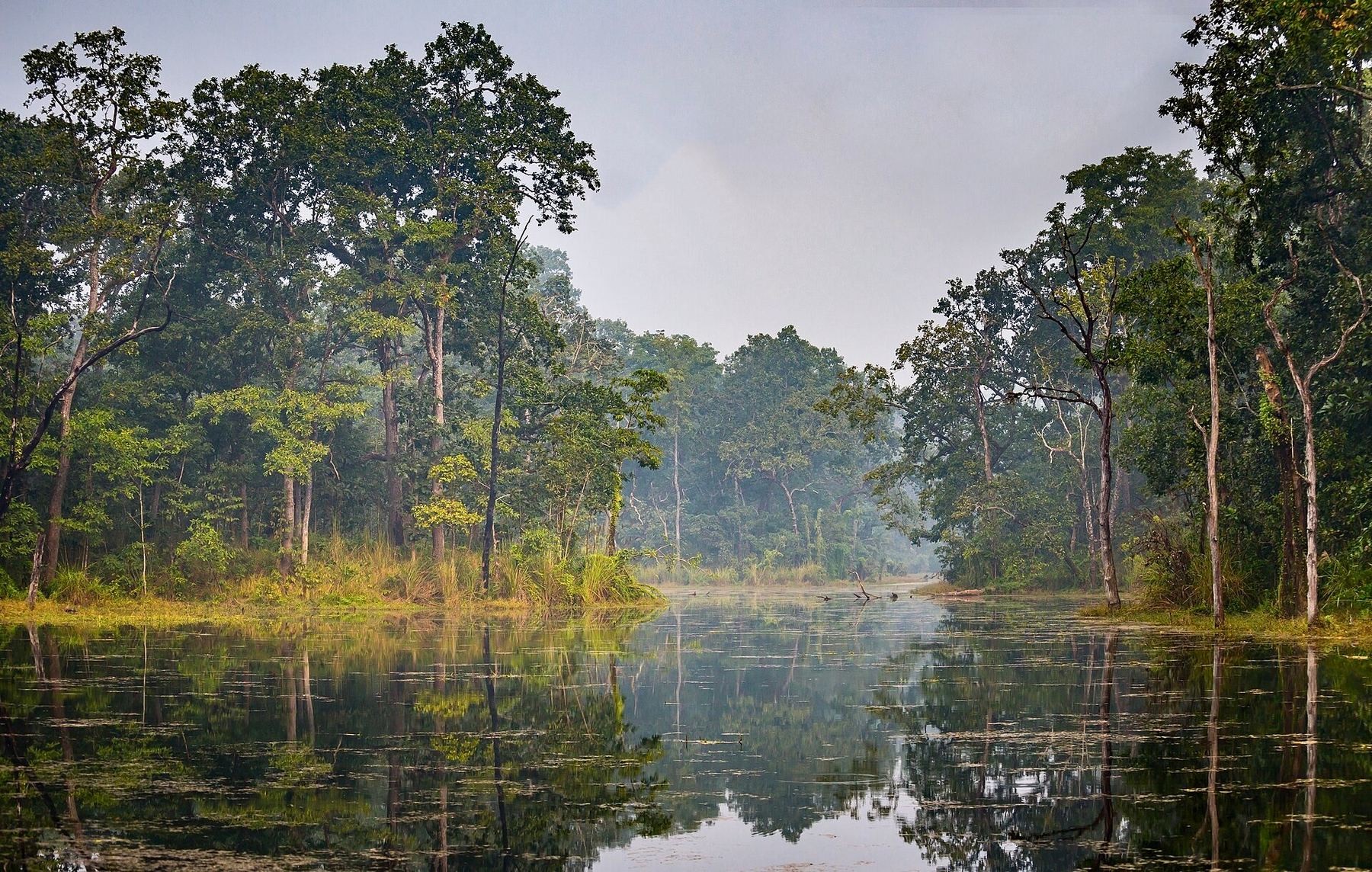
Deep penetration into core park sectors gives the best chance of spotting rhino and sloth bear. Book full-day over half-day tours.
Parley fragenNepal
The doorstep to Chitwan's subtropical jungles.
introduction
Sauraha sits on the northern bank of the Rapti River, built entirely around access to Chitwan National Park. You move through its flat grid on foot, by bicycle, or in open-top open-sided jeeps bound for the jungle. Expect unpaved tracks, riverside sunset spots, and early morning departures timed to animal feeding hours.
Arrival trick
Fly into Bharatpur Airport rather than taking the six-hour bus from Kathmandu. A private taxi from Bharatpur reaches Sauraha in 35 minutes.
UNESCO recognition
Chitwan National Park became a UNESCO World Heritage site in 1984. Sauraha functions as its primary northern access hub.
National park permit rule
Park entry permits expire at midnight on the day of issue. If you enter for an evening canoe ride, you must buy another permit for a morning jeep safari.
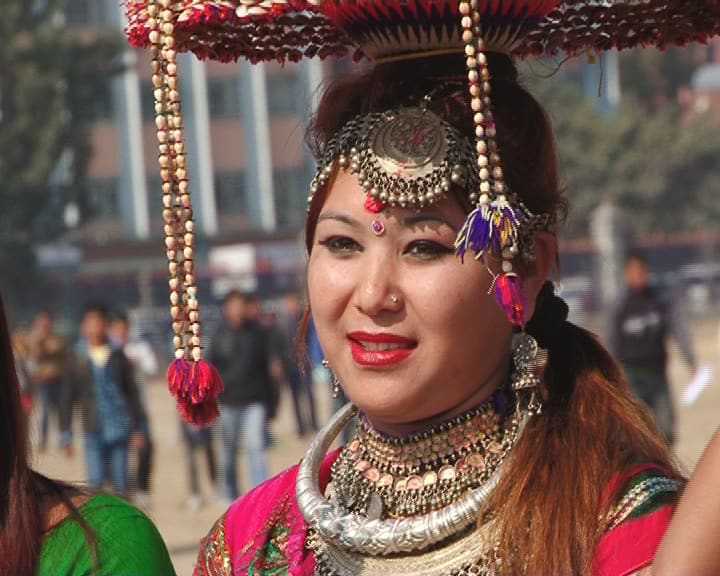
Sauraha
Punya · CC BY-SA 3.0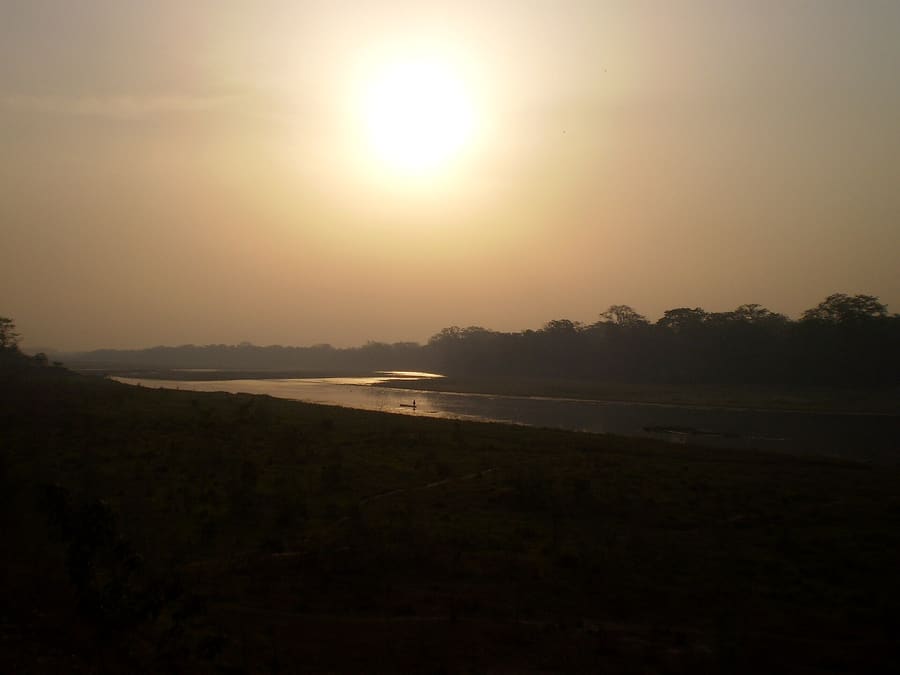
Rapti Riverfront — Open air cafes facing the national park bank across the wide water.
Bandhuanupam · CC BY-SA 3.0
Khorsor Buffer Zone — Secluded forest edge west of the town center near conservation zones.
Mildeep · CC BY-SA 4.0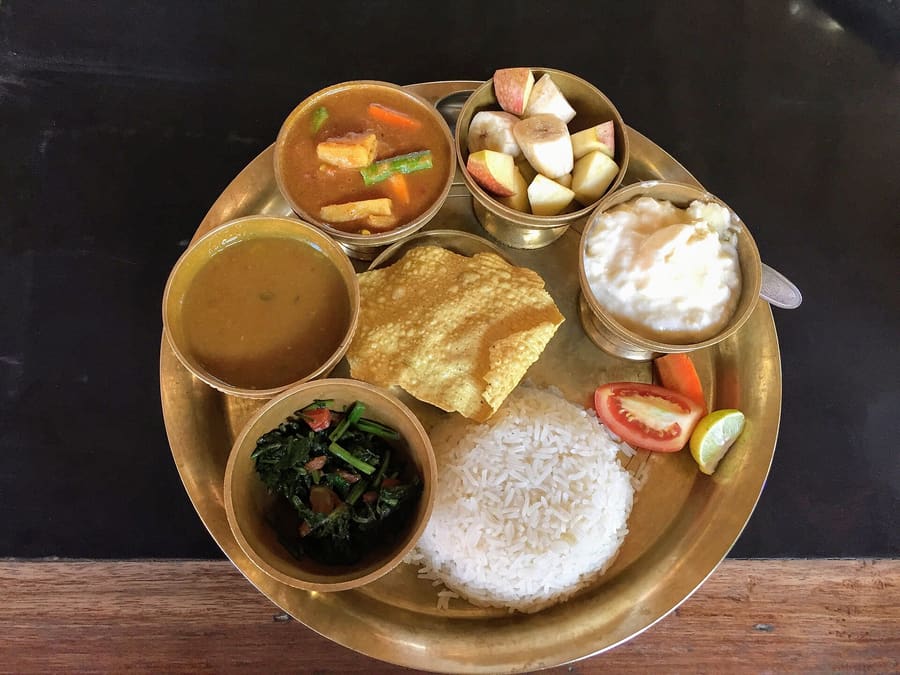
Traditional Tharu dish of ghonghi snails served with spicy gravy.
Subhashish Panigrahi · CC BY-SA 4.0highlights
landmark
Deep penetration into core park sectors gives the best chance of spotting rhino and sloth bear. Book full-day over half-day tours.
Parley fragen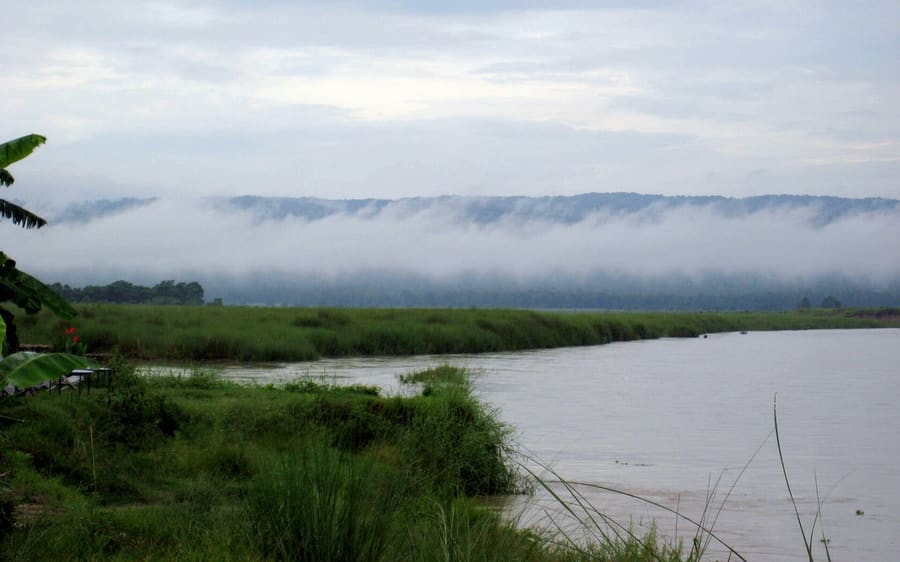
landmark
45-minute float in a hand-carved trunk boat to spot gharial crocodiles. Depart before 08:30 for glass-smooth water and active birds.
Parley fragen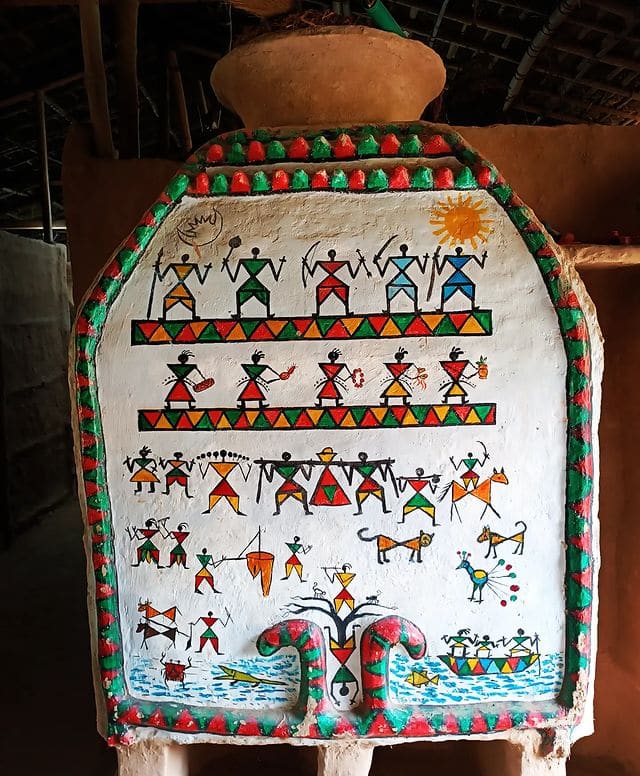
landmark
Exhibits on indigenous farming, net fishing, and mud architecture. Located 1.5 km north of the main riverfront in Bachhauli.
Parley fragen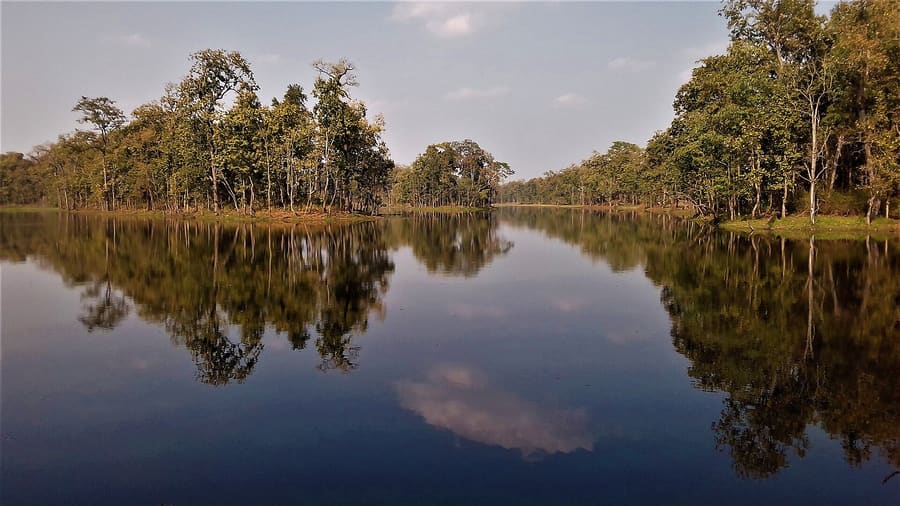
landmark
Oxbow lake wetland system inside the buffer zone. Rent a mountain bike to reach it early morning before tourist jeeps arrive.
Parley fragenattractions
areas
Open air cafes facing the national park bank across the wide water.
In der NäheCanoe ghat and ticket check posts
Parley fragenSecluded forest edge west of the town center near conservation zones.
In der NäheElephant Breeding Centre and forest trails
Parley fragenDusty central drag lined with safari agencies, bakeries, and craft shops.
In der NäheTourist bus park and main travel agencies
Parley fragenRural Tharu settlement with traditional clay homes and rice fields.
In der NäheTharu Cultural Museum
Parley fragenfood
Sauraha offers a clear split between international tourist cafes on the main street and authentic Tharu cooking in neighbouring hamlets. Local indigenous cuisine revolves around freshwater species from the Rapti River and locally harvested rice varieties.The signature local dish is ghonghi, mud snails gathered from nearby paddy fields, cooked in a thick gravy of garlic, chili, and cumin. You suck the meat straight from the shell. Pair it with dhikri, a steamed rice flour cake specific to the Terai plain.For standard meals, local eateries serve traditional Nepali dal bhat (lentil soup, rice, and vegetable curry) with free refills included as standard practice.
Traditional Tharu dish of ghonghi snails served with spicy gravy.
Subhashish Panigrahi · CC BY-SA 4.0Tourist restaurants rarely prepare fresh mud snails correctly. Order them in advance at a Tharu homestay in Bachhauli.
Establishments directly on the Rapti river terrace charge up to 20 percent more for food than identical spots one block inland.
Kitchens across Sauraha close by 21:00 because safari operators start early at dawn.
history
Before the 1950s, the Chitwan valley was heavily forested and endemic with malaria. The indigenous Tharu people possessed natural resistance and lived in small isolated agricultural villages across the lowland plain.In the late 1950s, a USAID-backed malaria eradication campaign cleared large swathes of forest for hill migrants. To protect declining wildlife, Chitwan National Park was officially established in 1973 under King Mahendra's successor, King Birendra. Sauraha grew from a quiet river crossing into the main tourism service hub.
National park created
Chitwan National Park is established as Nepal's first national park, restricting local hunting and timber collection.
UNESCO designation
The park gains UNESCO World Heritage status, accelerating international tourism development in Sauraha.
Inside-park resort ban
The government closes seven luxury safari lodges inside park boundaries to protect wildlife corridors, shifting all accommodation to Sauraha and buffer zones.
Rhino population recovery
National census confirms Chitwan rhino count reached 694 animals, proving recovery efforts around Sauraha buffer zones effective.
where to stay
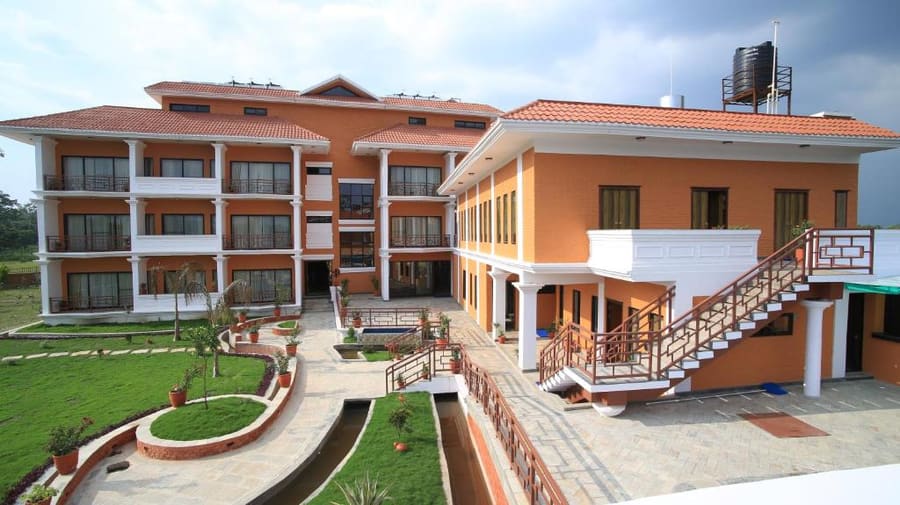
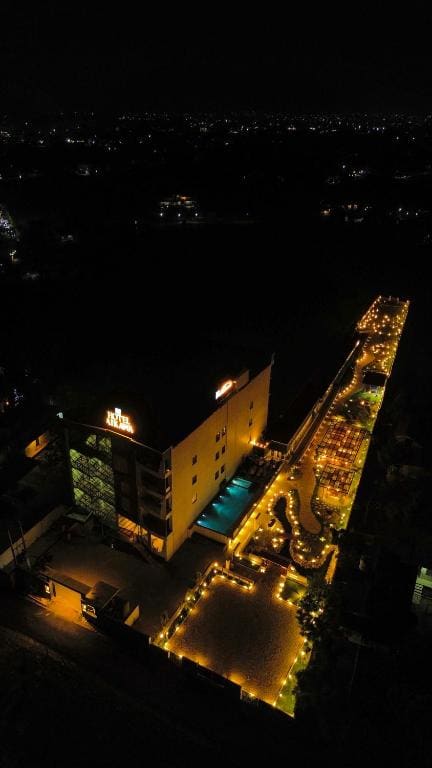
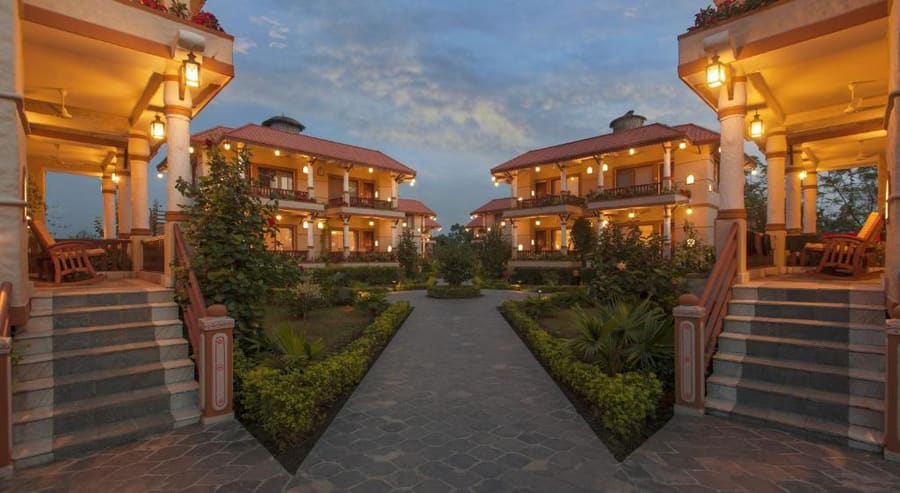
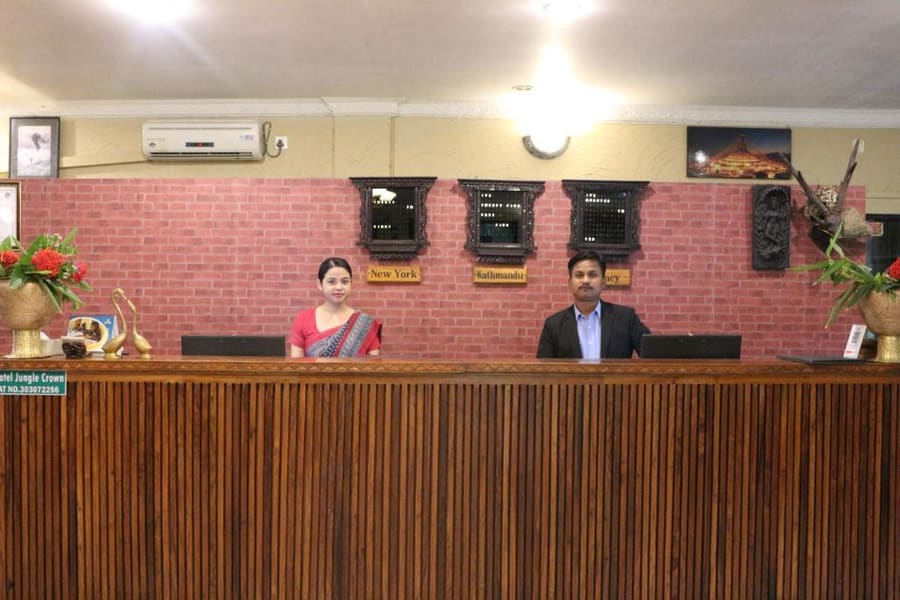
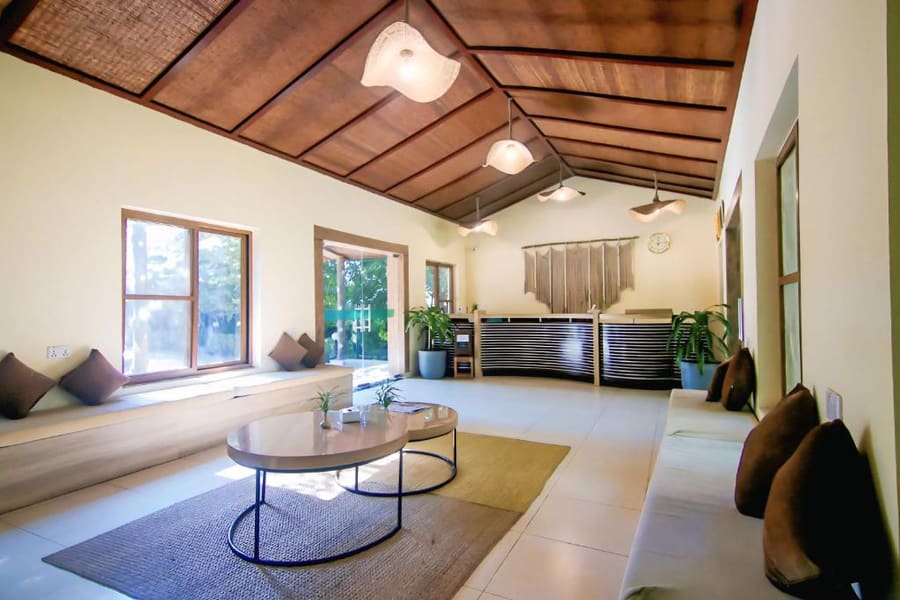
Choose your location based on proximity to nature versus access to restaurants. Staying on the Rapti Riverfront gives immediate views of the park entry, but music carrying across the water can disrupt sleep. Bachhauli offer quiet nights surrounded by fields, while Khorsor lodges focus entirely on jungle immersion.
Live rates, matched to the areas above.
transport
Sauraha is flat and compact. You can walk across the central town in 15 minutes. For moving between Bachhauli and the riverfront, bicycles are the default option. Safari jeeps are used strictly for trips inside the national park or buffer reserve lakes.
Ab Bharatpur Airport (BHR)
Pre-negotiate price inside the terminal exit before loading bags.
Take local bus from Bharatpur Chowk to Tandi (Ratnanagar), then transfer to an electric auto-rickshaw to Sauraha.
Arranged through your resort with driver holding name card at arrivals.
Standard single-speed bicycles rent for NPR 300–400 per day from shops along Main Street.
E-rickshaws cover local trips between Sauraha bazaar and Bachhauli for NPR 100–200 per ride.
Busses leave Kathmandu around 07:00 and arrive at the Sauraha bus park by 14:00.
Avoid walking near the park perimeter riverbank after sunset without a flashlight due to wildlife movement.
cost
Sauraha is noticeably cheaper than Pokhara or Kathmandu for food and lodging, but government park permit fees make safari activities a fixed daily expense. Cash is mandatory for park permits and small eateries.
Per foreign visitor per day, plus 13 percent VAT (total NPR 2,260). Valid for one calendar day.
Cost is per jeep split among up to 7 passengers, excluding individual park entry permits.
Includes guide fee for a 45-minute river float session.
Standard price for main course and drink in a riverfront restaurant.
seasonality
OCT – NOV
Clear skies after monsoon rains. Grass is tall, making animal spotting slightly harder but weather comfortable.
DEC – JAN
Morning heavy fog coats the river until midday. Cold nights, but pleasant afternoon safaris.
FEB – APR
Villagers cut tall elephant grass in late January. Best wildlife visibility as animals gather around water holes.
MAY – JUN
Extremely hot weather exceeding 38°C. Wildlife concentrates at water holes, but intense humidity.
JUL – SEP
Monsoon rains flood river tracks. Jeep safaris inside core park sectors are completely suspended.
practicalities
Park permit counters do not accept credit cards. Withdraw Nepalese Rupees from ATMs in Sauraha Bazaar before booking.
You cannot walk inside the national park without two licensed nature guides accompanying you.
Wear green, brown, or khaki clothing on safari. Bright colors like red and white agitate rhinos and wild elephants.
Bring DEET insect repellent for evening riverside hours and early morning jungle walks.
If walking near marshy tracks from May to September, wear knee-high leech socks treated with salt.