landmark
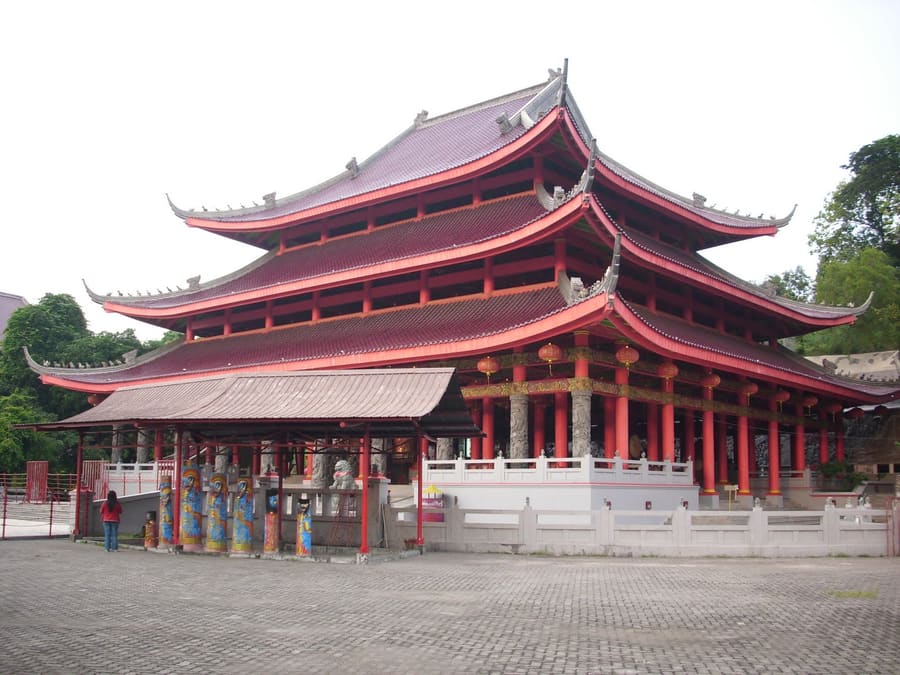
Sam Poo Kong
Historic temple complex built to honor Admiral Zheng He. Visit before 09:00 to avoid tour buses and ground heat.
Parley fragenIndonesien
Colonial Dutch logistics meet Central Java trade.
introduction
Semarang splits sharply into coastal flatlands and green southern hills. The lower city mixes Dutch administrative quarters with centuries-old Chinese shophouses along canal banks. Ride-hailing cars move you cheaply between the flat port districts and the cooler elevation of Candi. Expect intense humidity near the coast, dense culinary night markets, and deep Javanese-Chinese trade traditions.
Arrival from Tawang station
Tawang railway station sits inside Kota Lama. Walk straight out to reach Old Town hotels without taking a taxi.
Birthplace of Indonesian rail
Semarang hosted the first commercial railway in Indonesia in 1867. The original line connected the port to Tanggung.
Beating coastal heat
Schedule morning walking tours before 09:30. Midday temperatures in lower Semarang regularly exceed 32°C with heavy humidity.
highlights
landmark
Historic temple complex built to honor Admiral Zheng He. Visit before 09:00 to avoid tour buses and ground heat.
Parley fragen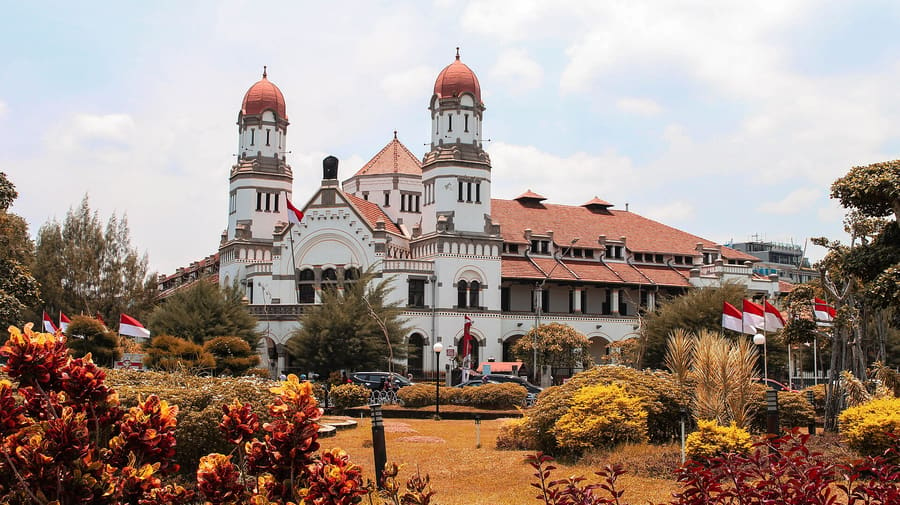
landmark
Former Dutch railway headquarters famous for its thousands of doors. Pay IDR 20,000 for standard grounds access.
Parley fragen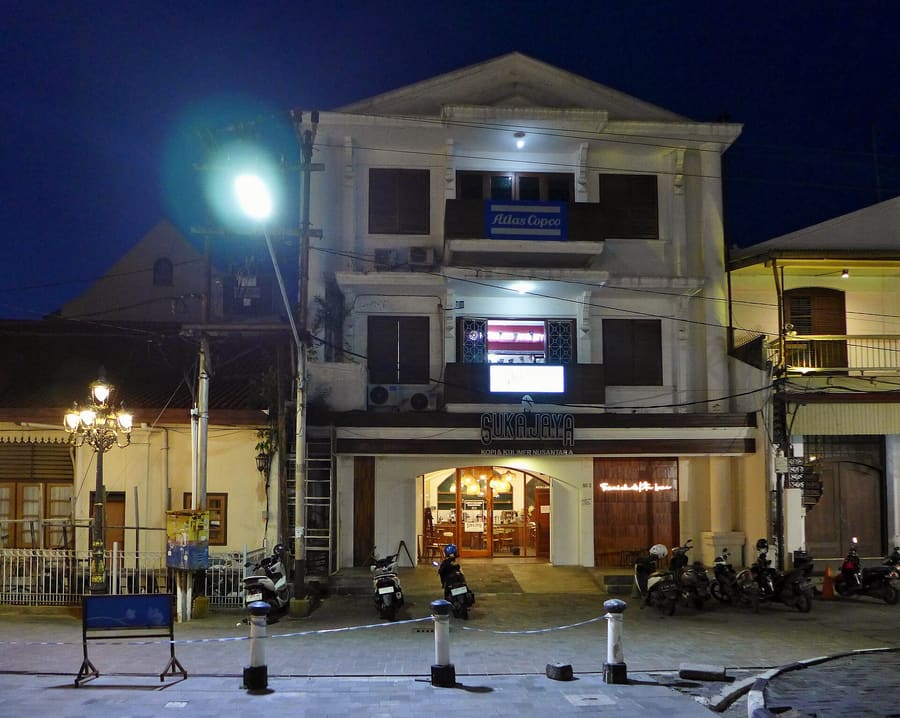
landmark
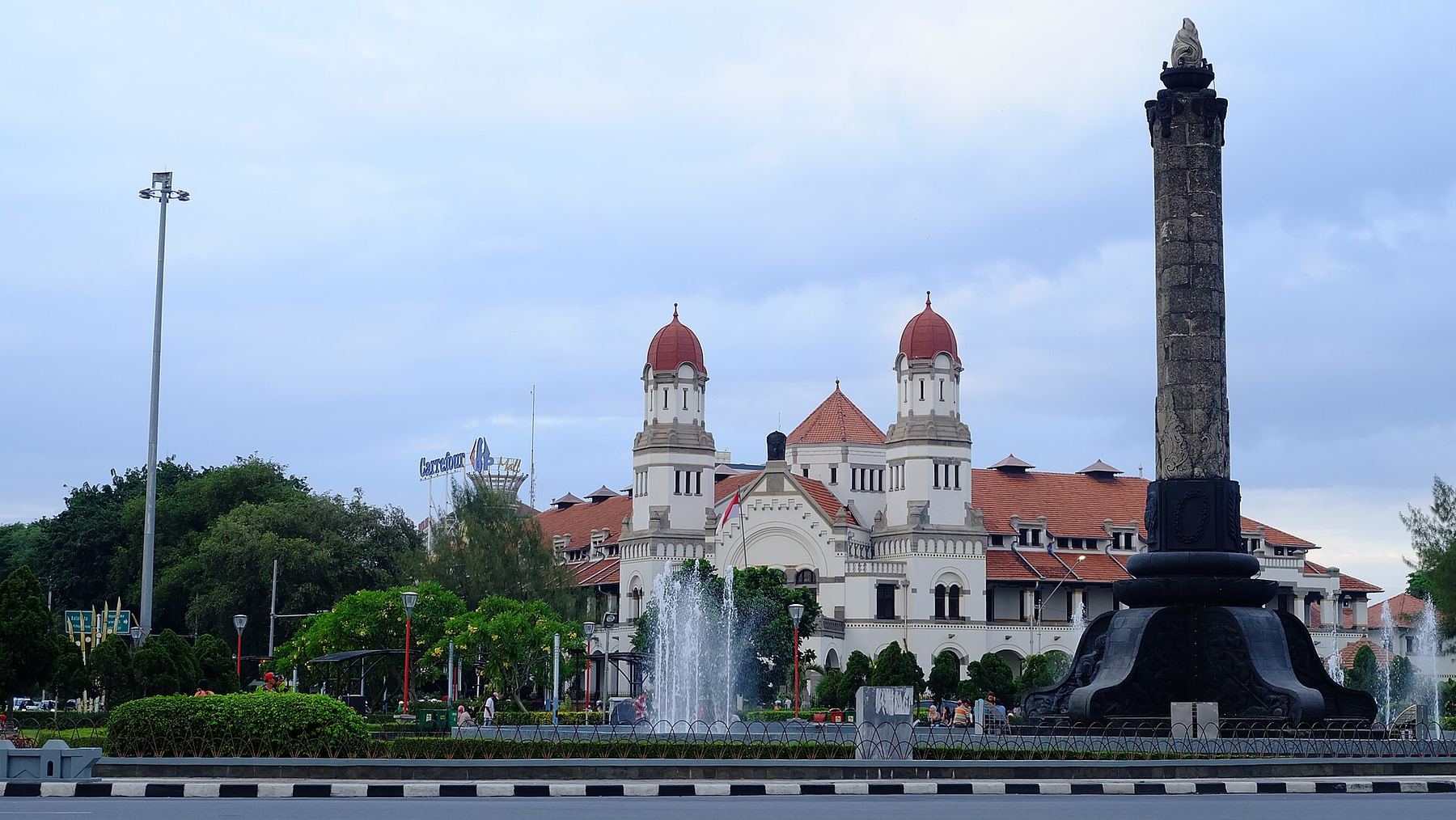
Restored 19th-century Dutch trade district. Fully pedestrianized central streets make morning walks easy.
Parley fragen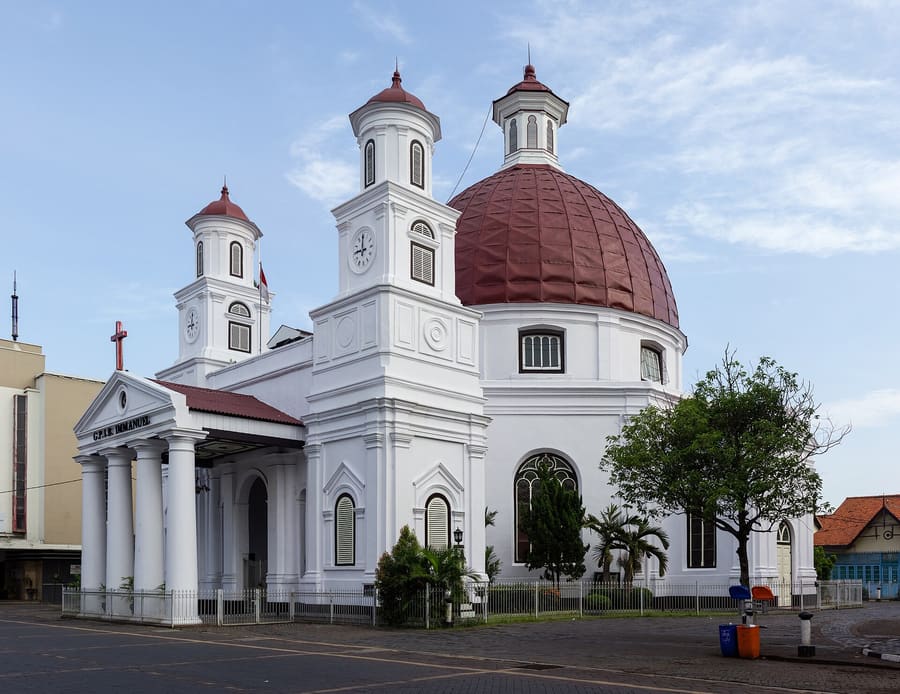
landmark
Central Java's oldest Protestant church, built in 1753. Its copper dome anchors the central plaza of Kota Lama.
Parley fragenattractions
areas
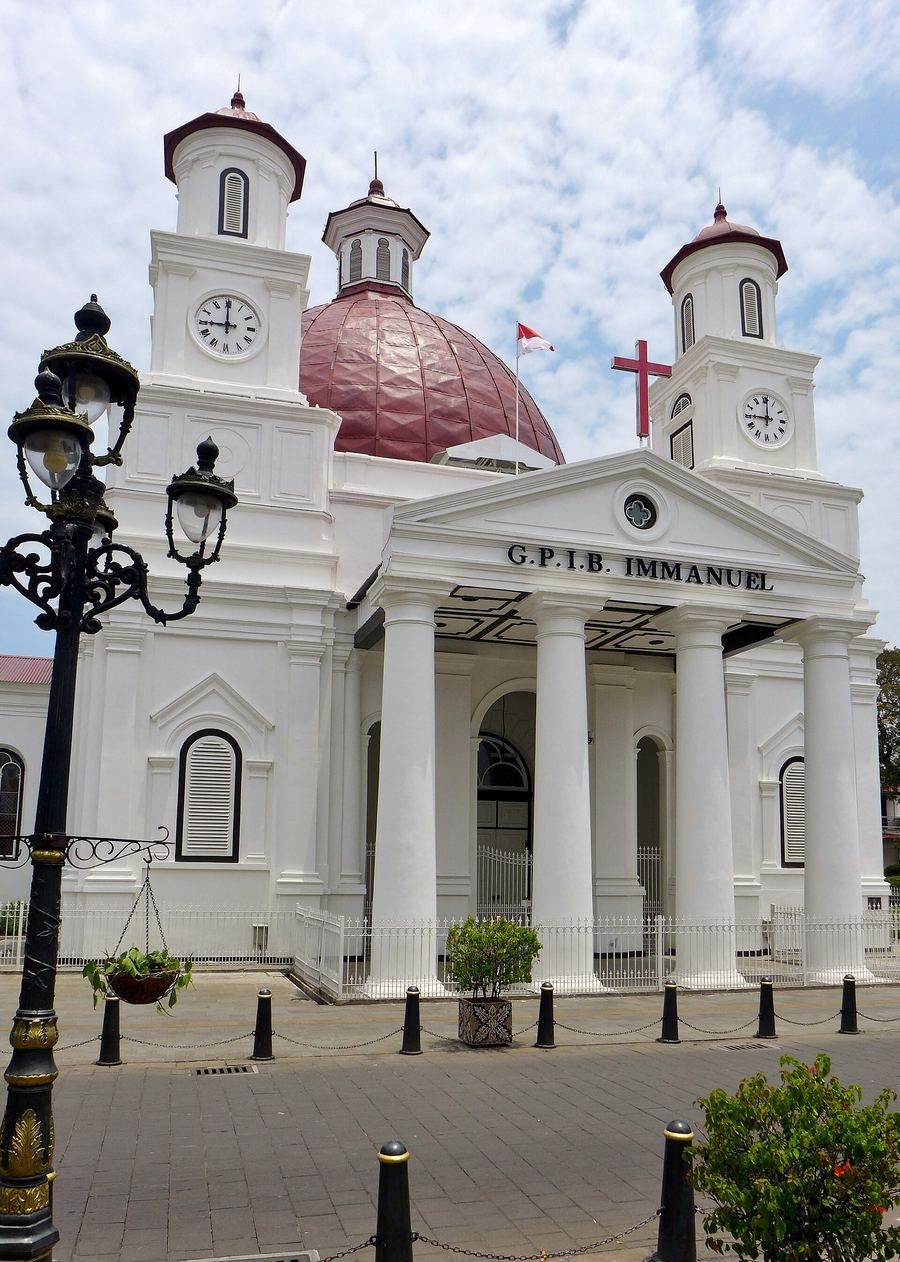
Restored Dutch colonial district filled with coffee houses, brick warehouses, and pedestrian zones.
In der NäheTawang Railway Station and Pasar Johar
Parley fragen
Modern commercial center anchored by a massive green square, malls, and neon night pedal cars.
In der NäheLawang Sewu and Ciputra Mall
Parley fragenDense grid of trade alleys, clan temples, spring roll workshops, and weekend food stalls.
In der NäheGang Warung and Pasar Semawis
Parley fragenElevated residential district with cooler air, upscale hotels, and views over the port city below.
In der NäheGolf courses and hill view restaurants
Parley fragenfood
Semarang cuisine turns on bamboo shoots, fermentation, and sweet soy sauce. The city's definitive dish is lunpia: bamboo shoot spring rolls wrapped with egg and shrimp, served fried or fresh alongside raw scallions and sweet brown starch sauce. Tahu gimbal offers another local signature, combining fried tofu, cabbage, bean sprouts, and a crisp prawn fritter under thick peanut petis sauce.Breakfast centers on soto Semarang, a light poultry broth served in small bowls with rice and glass noodles. Side dishes sit on the table on skewers: cockles cooked in sweet soy, quail eggs, and fried bovine lungs. You pay per skewer consumed at the end of the meal.
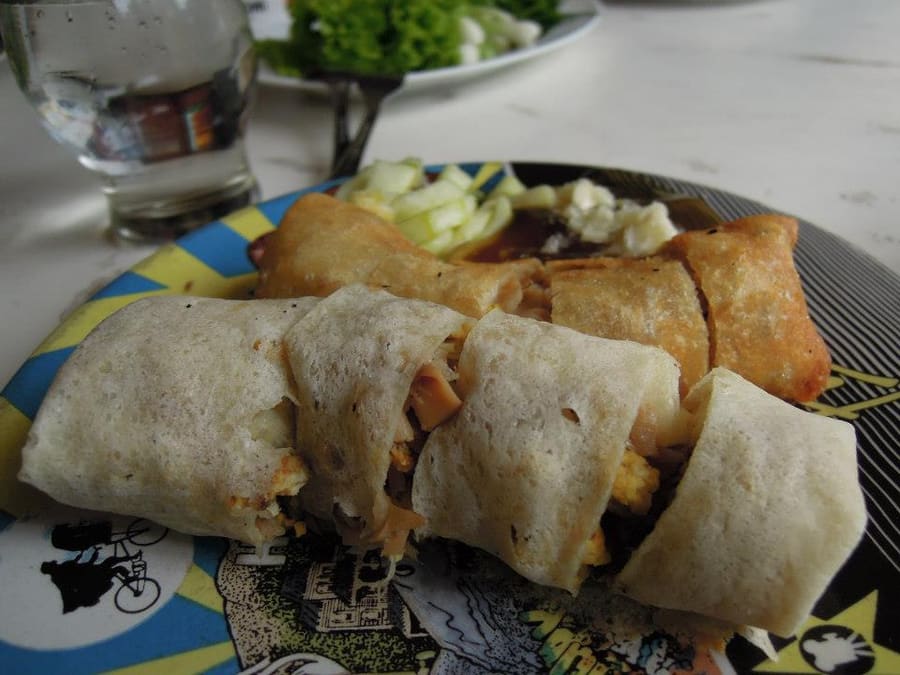
Lunpia Semarang served fresh or deep-fried with sweet garlic gravy, fresh scallions, and green chilies.
Suseno · CC0Order 'basah' for soft steamed wrappers or 'goreng' for deep-fried crunch. Mbak Lien on Gang Pemuda remains a reliable benchmark.
The Chinatown night market runs only Friday through Sunday from 18:00 to 23:00. Arrive by 18:30 to secure seating.
Soto vendors count your empty skewer sticks at payment. Leave every wooden stick intact on your plate.
history
Semarang grew as a port town at the mouth of the Garang River. Ming Dynasty admiral Zheng He landed here in the early 15th century, founding a maritime presence that anchored the city's Chinese community. In 1705, the Dutch East India Company took control of Semarang from the Mataram Sultanate, converting it into Central Java's primary trade hub.The city became a laboratory for colonial infrastructure in the 19th century. The Dutch built Indonesia's first railway line here in 1867 to move export crops from Javanese plantations to the port. During World War II, Japanese forces occupied the city, culminating in the violent Five-Day Battle of Semarang against Indonesian youth fighters in October 1945.
Zheng He arrives
Admiral Zheng He anchors at Simongan, establishing the site that eventually becomes the Sam Poo Kong temple complex.
Dutch VOC control
Mataram cedes Semarang to the Dutch East India Company. Construction of fortified colonial walls begins soon after.
First railway opens
The Nederlandsch-Indische Spoorweg Maatschappij opens the colony's first railway connecting Semarang to Tanggung.
Five-Day Battle
Indonesian nationalist youths fight Japanese forces across central Semarang weeks after independence is declared.
where to stay
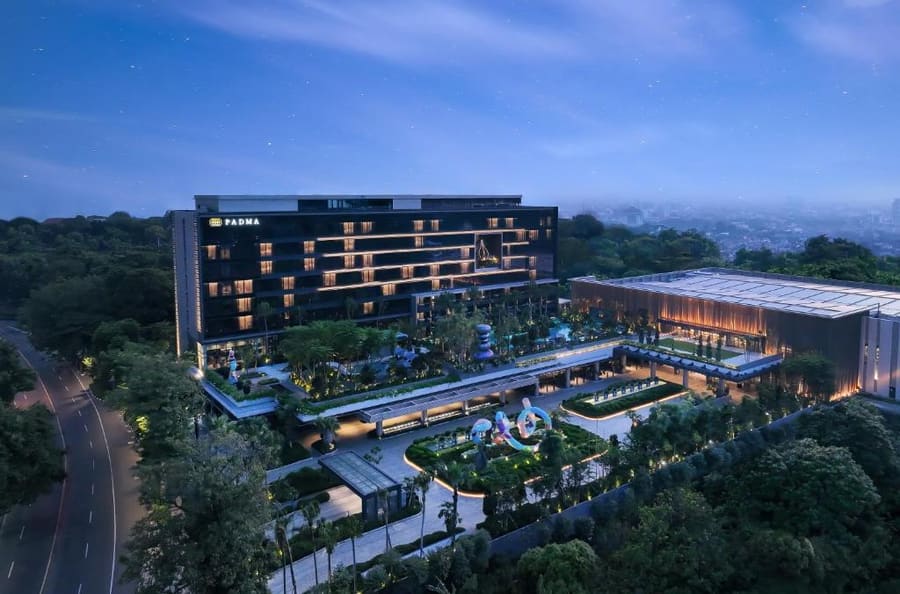
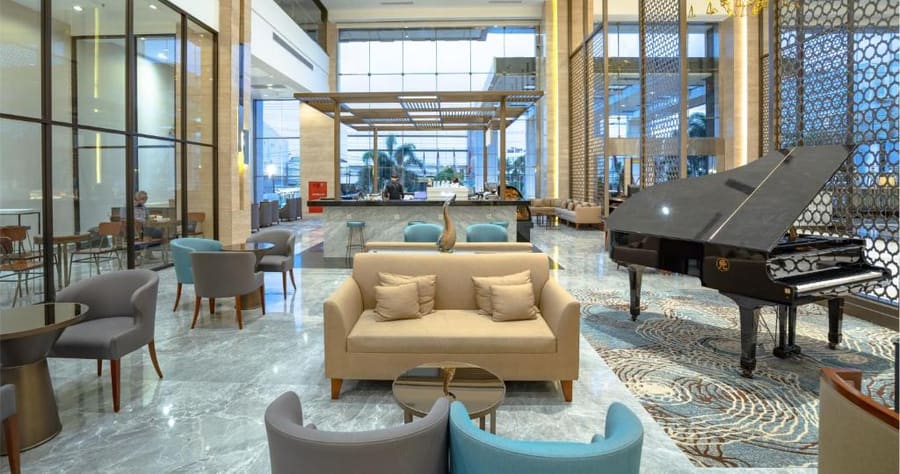
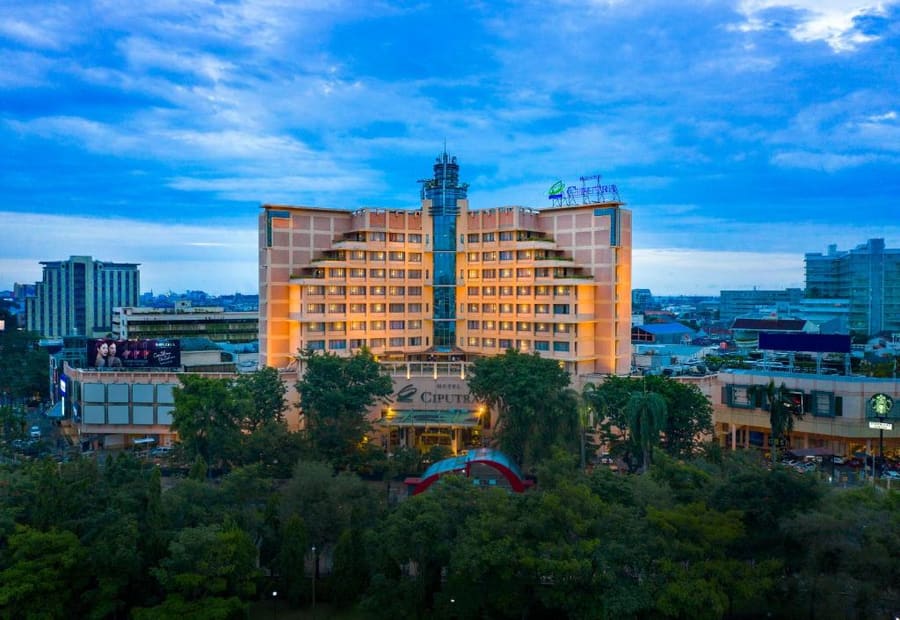
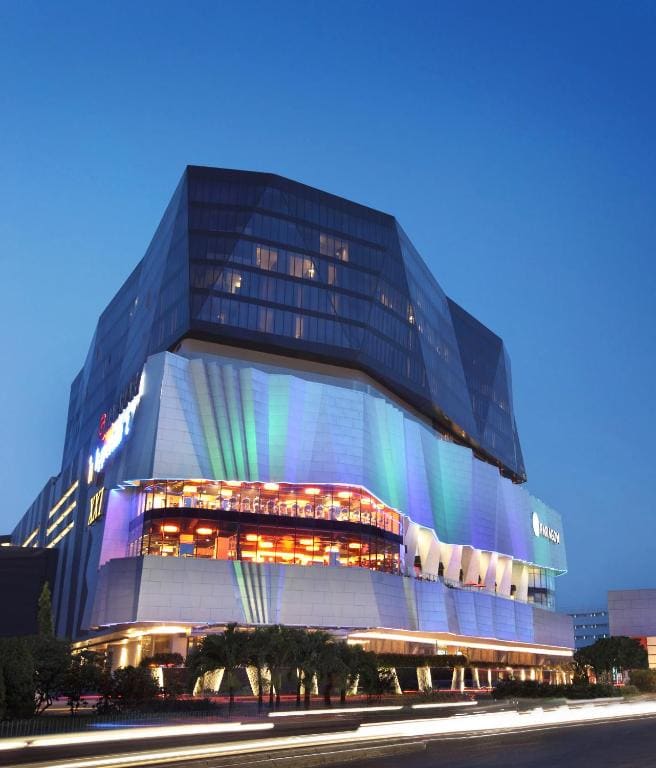
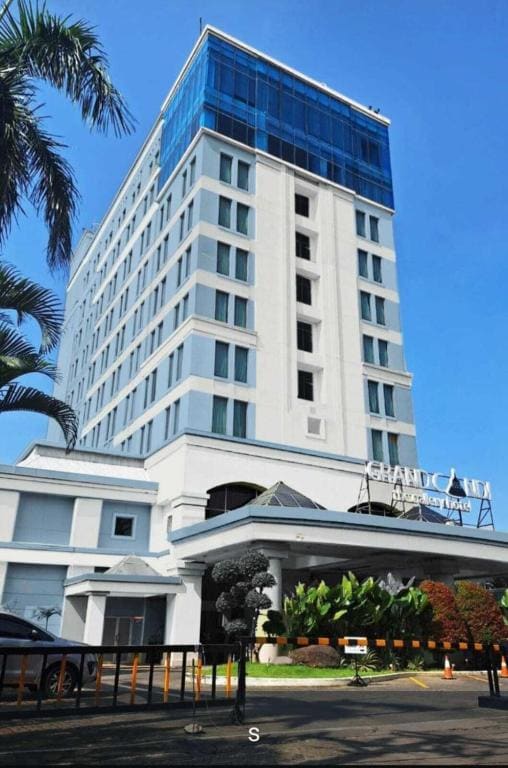
Choose your hotel based on elevation and mobility. Lower Semarang places you next to railway hubs and heritage walks, but you trade away climate comfort for convenience. The upper hill district of Candi cuts temperatures by several degrees and provides resort-style hotel grounds, but requires ride-hailing app rides for every outing into town.
Live rates, matched to the areas above.
transport
Semarang lacks a rail-based urban transit network, relying instead on Trans Semarang BRT buses and ride-hailing services. Grab and Gojek operate efficiently across all districts. Walking is practical only inside Kota Lama and Pecinan due to heat, broken sidewalks, and heavy traffic on arterial roads.
Ab Ahmad Yani International Airport (SRG)
Official airport taxi counter charges fixed rates by zone before exiting terminal.
Pick-up point sits designated right outside the main arrival hall door.
Trans Semarang Line 5 connects the airport terminal directly to Simpang Lima.
Buses run dedicated routes between key hubs for IDR 3,500 flat fare. Pay electronically using local e-money cards or exact cash.
Gojek and Grab motorbikes (Ojek) bypass coastal traffic jams faster than cars during peak commute hours.
Intercity trains stop at two main stations: Semarang Tawang for executive trains and Semarang Poncol for economy lines.
Trans Semarang bus conductors prefer electronic tap cards (E-Money, Flazz, Brizzi). Keep one loaded for quick boarding.
cost
Semarang remains substantially cheaper than Jakarta or Bali. Meals at local street stalls cost under IDR 25,000, while ride-hailing journeys across the flat city center rarely exceed IDR 30,000. Cash remains necessary for small food vendors and traditional markets in Pecinan.
Standard single bowl of poultry soup; additional side skewers cost IDR 3,000–6,000 each.
Flat single-trip fare valid across any bus line with transfer privileges at main shelters.
Standard entry ticket for adults covering all courtyard buildings and corridors.
seasonality
JUN – SEP
Dry season brings lower humidity and minimal rainfall. Ideal window for walking tours in Kota Lama.
OCT – NOV
Transition period with rising afternoon temperatures and occasional short thunderstorms.
DEC – FEB
Peak rainy season. Heavy monsoons cause localized tidal flooding (rob) in low-lying northern districts.
MAR – MAY
Rain tapers off. High morning temperatures make early outdoor excursions necessary.
practicalities
Northern coastal areas experience tidal flooding during full moons and heavy monsoons. Keep coastal driving to daytimes.
Dress modestly covering shoulders and knees when entering temple or mosque grounds. Remove footwear where indicated.
Small street food vendors do not take foreign credit cards. Carry small-denomination IDR banknotes.
Tap water is not drinkable. Use sealed bottled water or filtered refill stations provided by hotels.
Many small businesses close briefly on Friday between 11:30 and 13:00 for communal Islamic prayers.