landmark
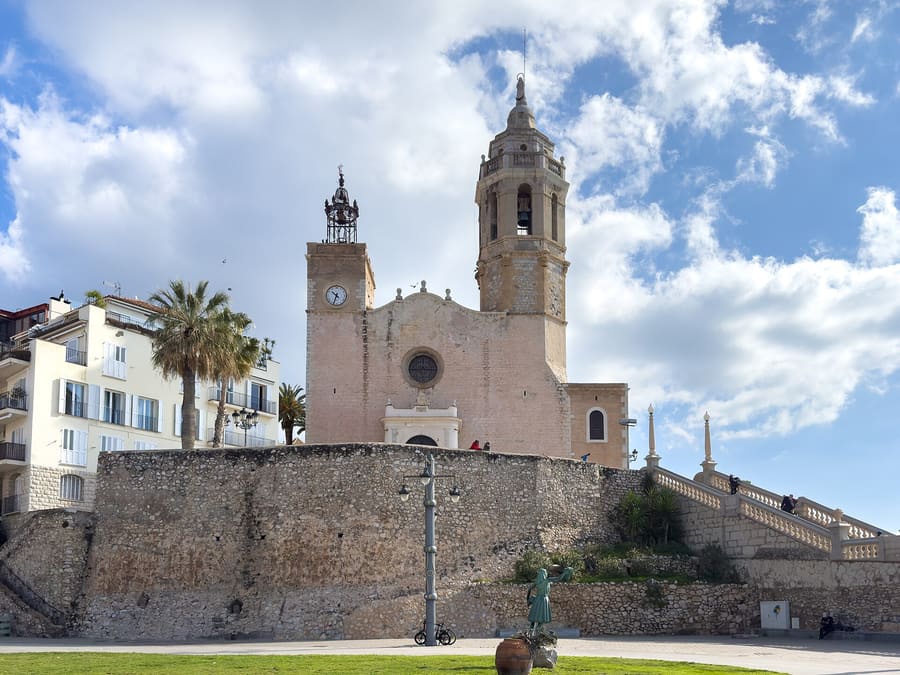
Sant Bartomeu i Santa Tecla
The 17th-century parish church sitting above Baluard square. Visit early morning before tour groups crowd the steps.
Parley fragenSpanien
Modernisme architecture, urban beaches, and coastal wine
introduction
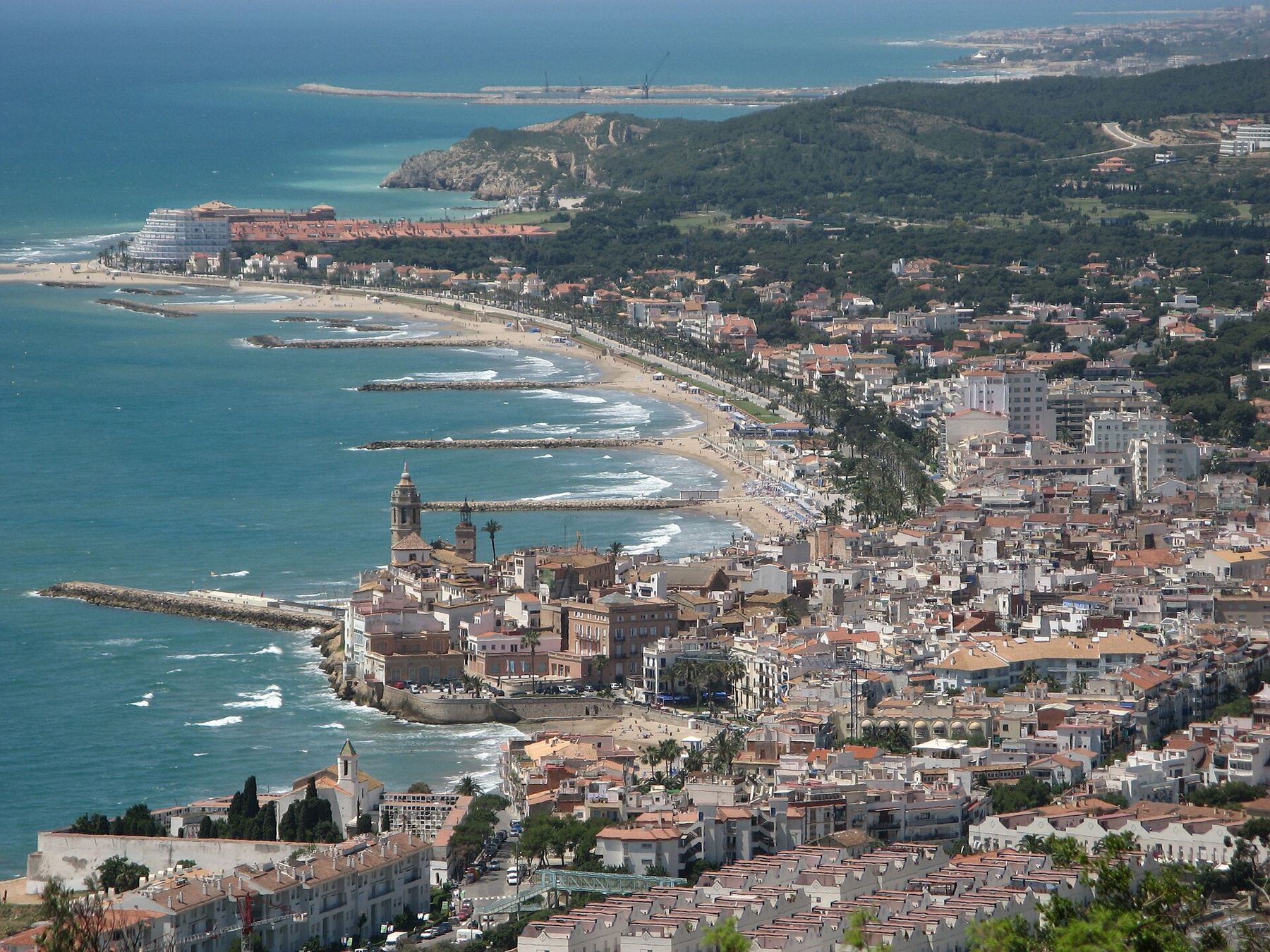
Sitges sits thirty-five kilometres south of Barcelona between the Garraf Massif and the Mediterranean. You walk everywhere along a flat coastal strip anchored by a hilltop seventeenth-century church. The town blends a nineteenth-century art sanctuary with seventeen distinct beaches and year-round festival energy. Expect high summer prices and busy weekend trains from the Catalan capital.
Modernisme coastal hub
Cau Ferrat museum holds Santiago Rusiñol's private collection, including works by El Greco and Pablo Picasso.
Weekend train congestion
Rodalies R2 Sud trains to Barcelona fill rapidly on Sunday evenings. Buy return tickets on arrival to skip station hall queues.
Sitges
Mtorrite · CC BY-SA 3.0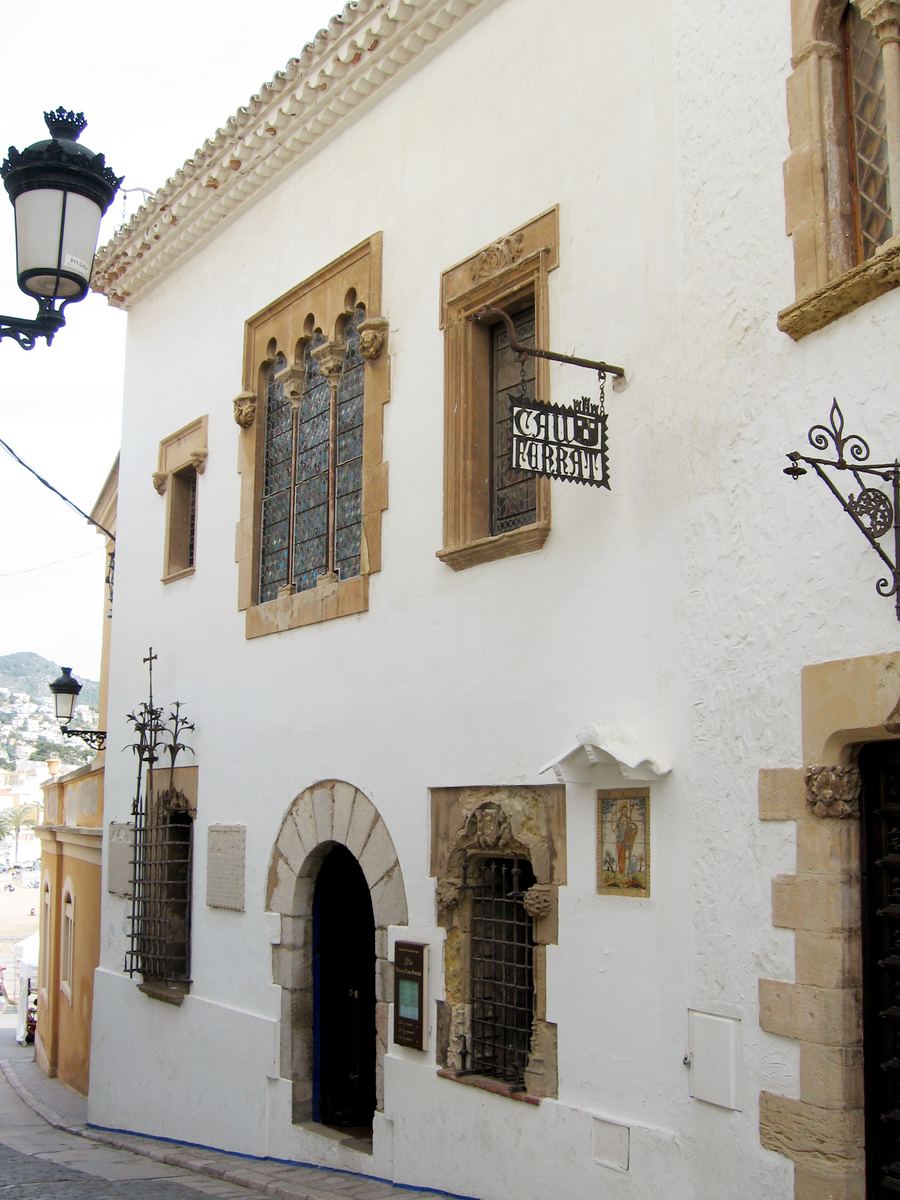
Casco Antiguo — Narrow pedestrian alleys, stone steps, and late-night bars near the church.
Till F. Teenck · CC BY-SA 2.5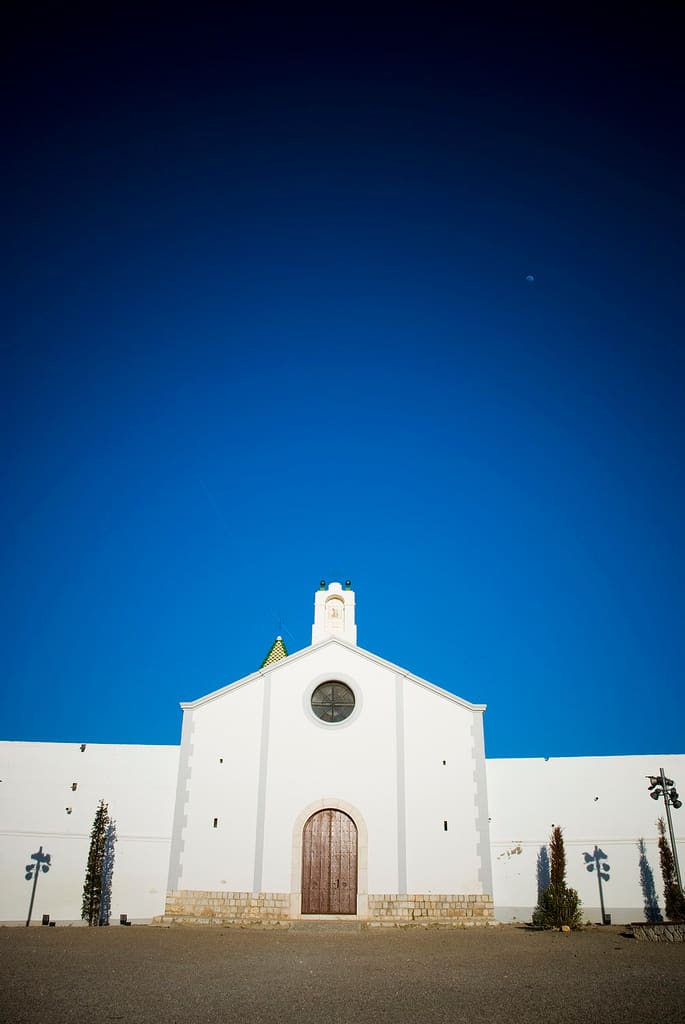
Sant Sebastià — A former fishermen quarter fronting a sheltered bay east of the headland.
Rubén Catalán López · CC BY 2.0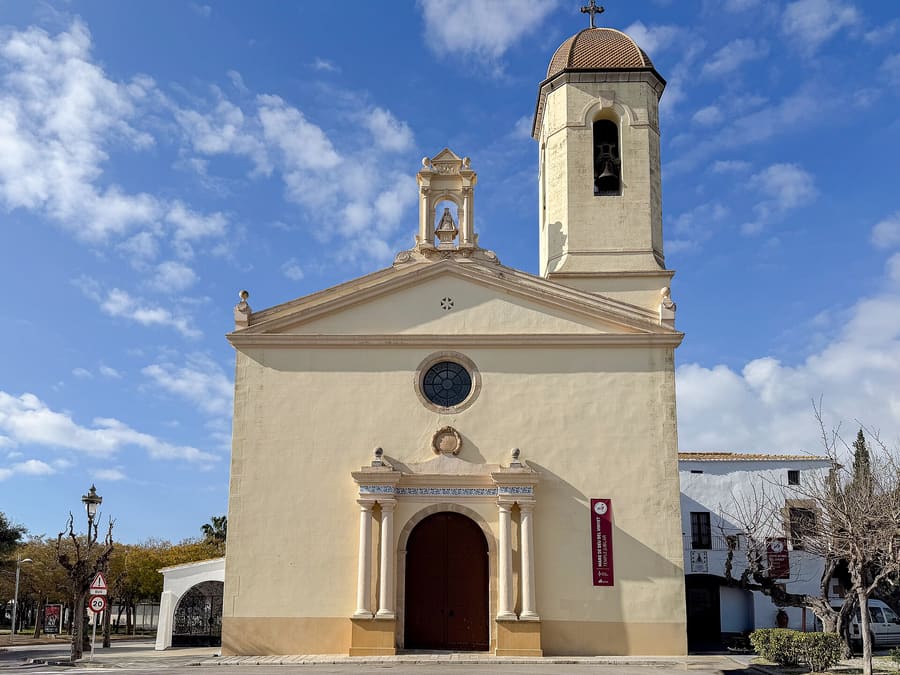
Vinyet — Residential green district lined with early 20th-century villas and wide avenues.
Kent Wang · CC BY 4.0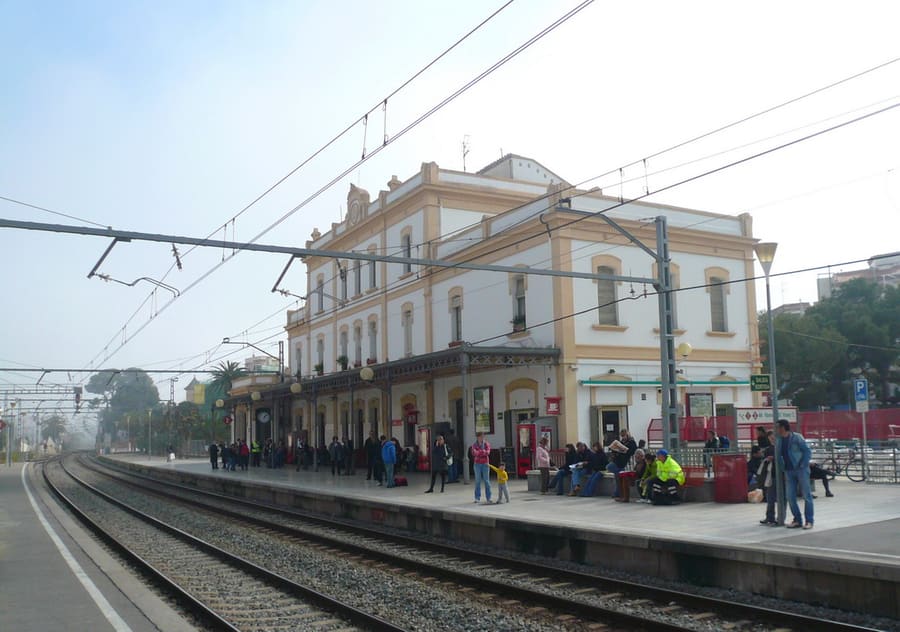
Poble Sec — Working neighborhood behind the railway lines with everyday local service shops.
Pere prlpz · CC BY-SA 3.0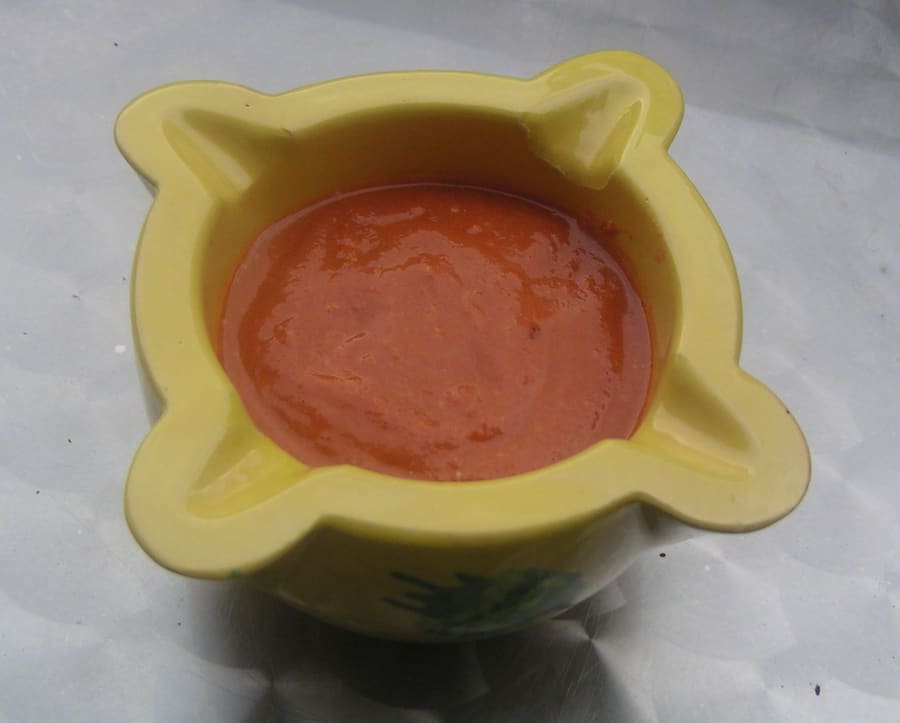
Xató salad served with anchovies, salt cod, and nut-and-pepper sauce.
Slastic · Public domainhighlights
landmark
The 17th-century parish church sitting above Baluard square. Visit early morning before tour groups crowd the steps.
Parley fragen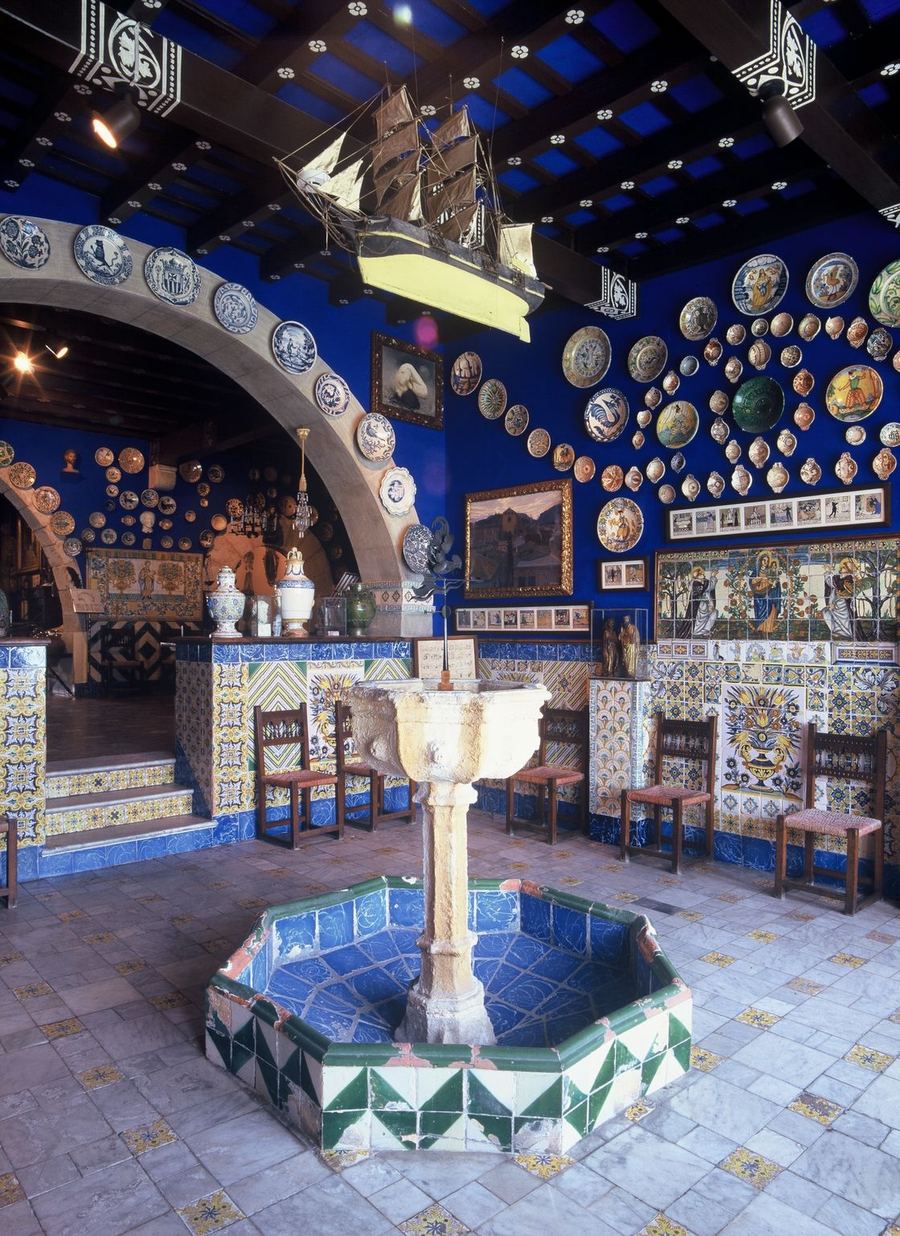
landmark
Former home of artist Santiago Rusiñol housing Modernisme wrought iron and glass. Combined tickets save money with Maricel.
Parley fragen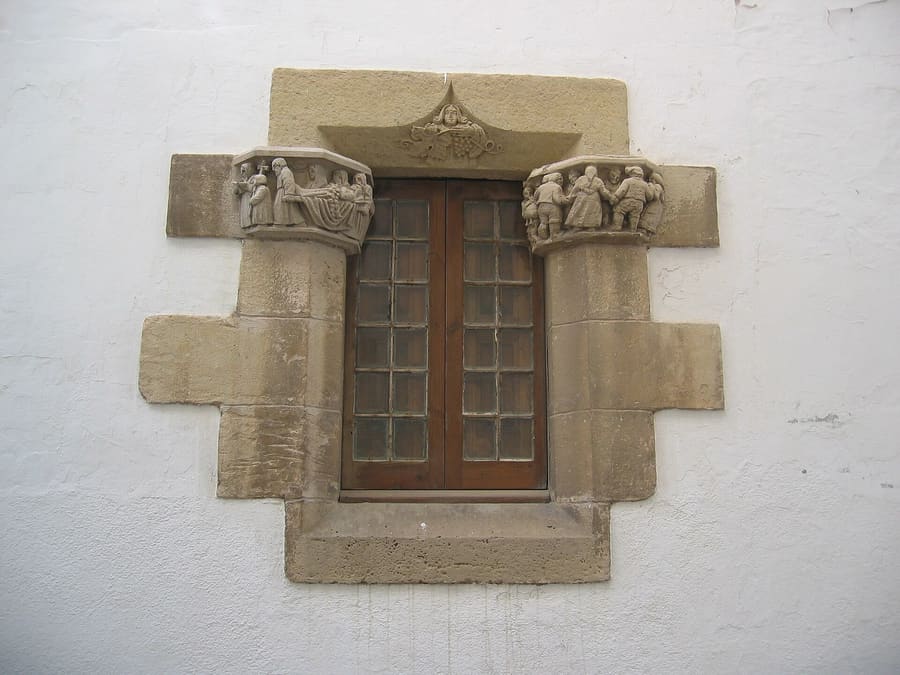
landmark
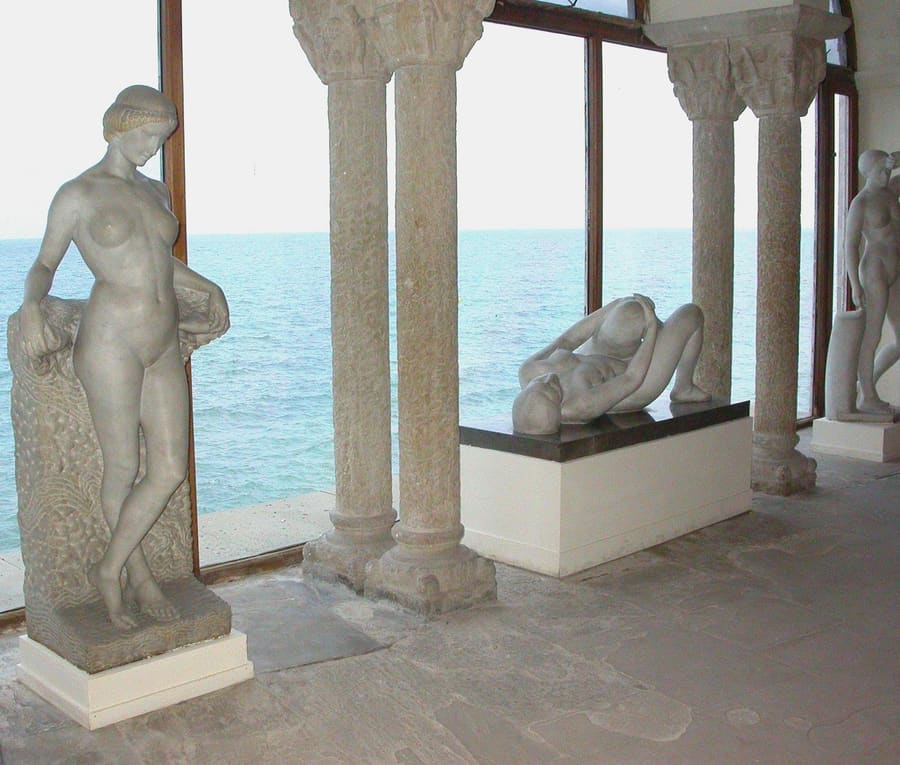
Art gallery spanning Romanesque to 20th-century Catalan sculpture. The seaside arcade offers clear views of the coast.
Parley fragen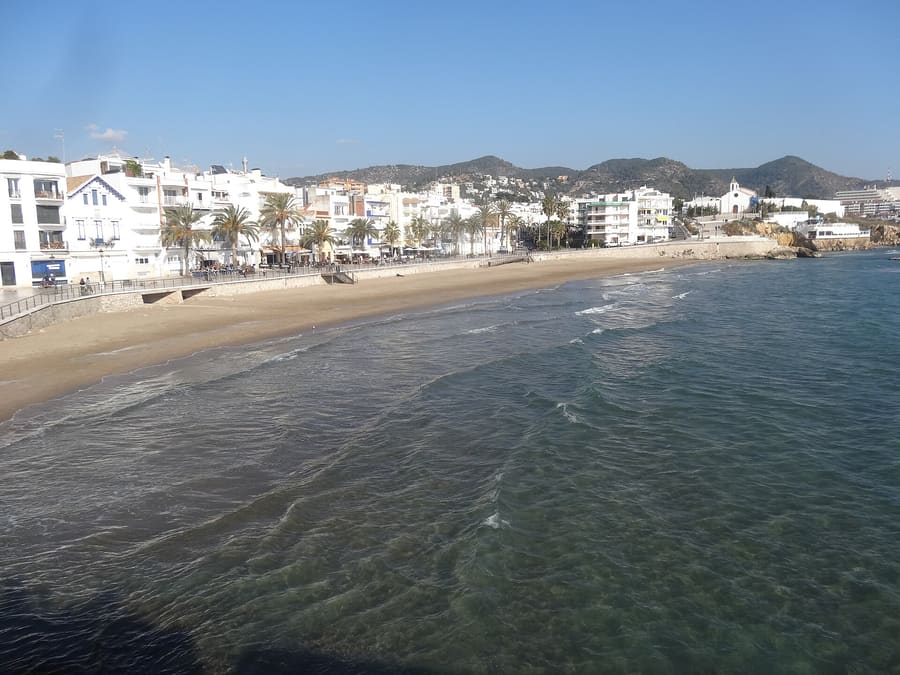
landmark
Framed beach east of the church with calm water and seafood terraces. Sun loungers sell out by midday in July.
Parley fragen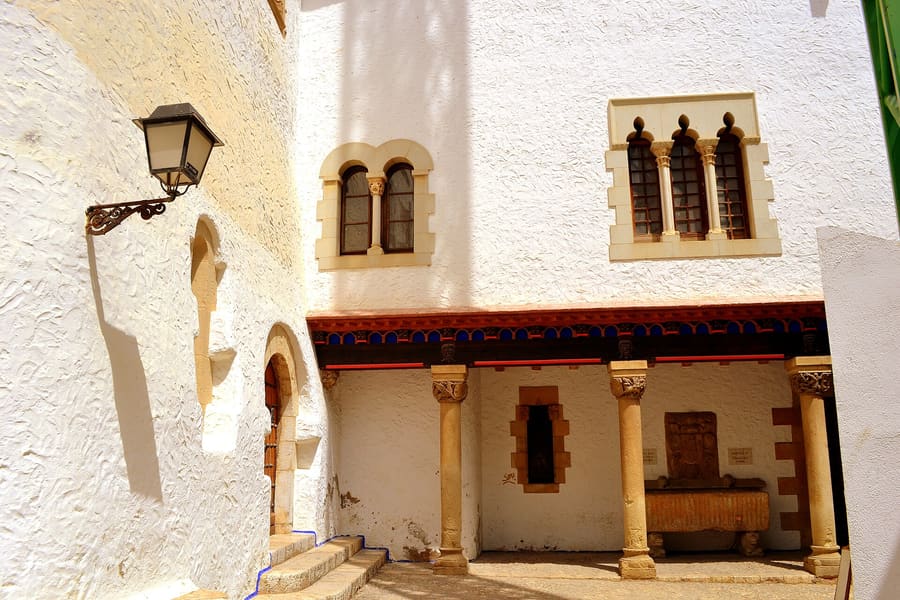
landmark
Palatial residence built in 1910 featuring elaborate tilework. Guided tours operate on selected days only.
Parley fragenattractions
areas
Narrow pedestrian alleys, stone steps, and late-night bars near the church.
In der NäheCau Ferrat, Sant Bartomeu, Platja de la Ribera
Parley fragenA former fishermen quarter fronting a sheltered bay east of the headland.
In der NähePlatja de Sant Sebastià, Baluard, Port d'Aiguadolç
Parley fragenResidential green district lined with early 20th-century villas and wide avenues.
In der NähePlatja del Terramar, Passeig Marítim
Parley fragenWorking neighborhood behind the railway lines with everyday local service shops.
In der NäheSitges Railway Station, Mercat Municipal
Parley fragenfood
Sitges dining centers on Xató, a traditional salad made with curled endive, salt cod, tuna, anchovies, and Arbequina olives. The dish relies on its smooth sauce crafted from toasted almonds, hazelnuts, nyora peppers, garlic, olive oil, and vinegar. Pair it with Malvasia de Sitges, a historic sweet and dry white wine variety saved from extinction by local vineyards in the 20th century.
Xató salad served with anchovies, salt cod, and nut-and-pepper sauce.
Slastic · Public domainLocal restaurants serve the fresh endive salad mostly during colder months, though tourism venues carry it year-round.
Sitges kitchens open for lunch at 13:30 and peak at 14:30. Dinner service rarely begins before 20:30.
Visit the Centre d'Interpretació de la Malvasia to taste authentic urban-harvested sweet wines directly from historical cellars.
history
Sitges shifted from an 18th-century fishing village to a Modernisme cultural hub when painter Santiago Rusiñol settled here in the 1890s. Returned American emigrants, known as 'Americanos', built opulent mansions throughout the town using wealth accumulated in Cuba. The town later evolved into Spain's pioneer countercultural and LGBTQ+ resort destination during the mid-20th century.
Rusiñol buys Cau Ferrat
Artist Santiago Rusiñol converts two fishermen's houses into a sanctuary for Modernisme gatherings and art.
Americano expansion
Industrialist Charles Deering partners with Miquel Utrillo to construct the sprawling seafront Palau de Maricel.
LGBTQ+ hub established
Sitges emerges as a premier Mediterranean resort town welcoming gay travellers from across Europe.
where to stay
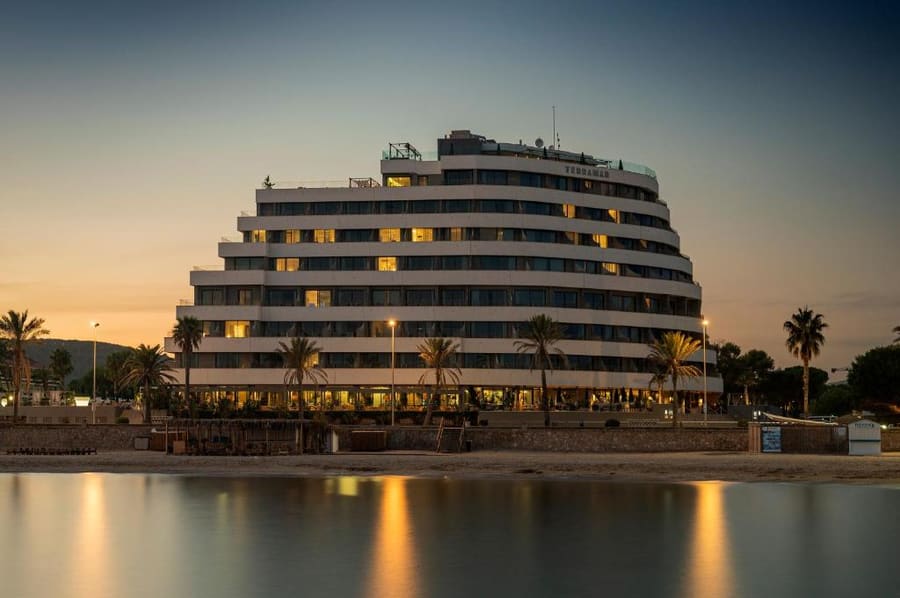
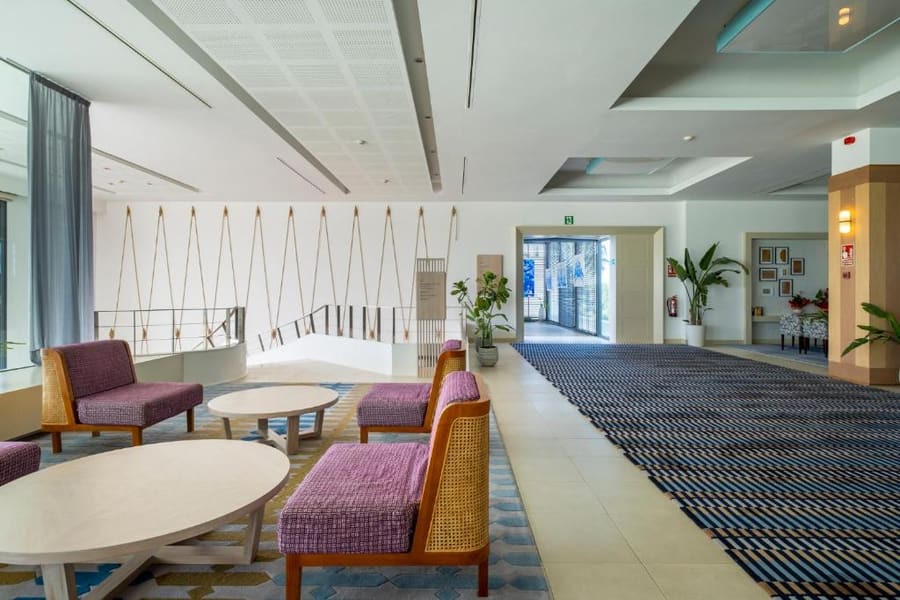
Choose your hotel based on noise tolerance and beach proximity. The seafront promenade puts you steps from the water but commands peak pricing. The Old Town places you directly above nightlife lanes, while Vinyet offers quiet garden villas a short walk from central sights.
Live rates, matched to the areas above.
transport
Sitges is entirely walkable. You do not need a car inside town limits because narrow streets and pedestrianized zones make driving impractical. Regional Rodalies trains connect you directly to Barcelona city center and regional coastal towns.
Ab Barcelona-El Prat Airport (BCN)
Monbus e16 runs hourly from T1. Board directly outside arrivals.
Requires changing trains at El Prat de Llobregat onto Rodalies line R2 Sud.
Standard metered rates increase after 20:00 and on weekends.
Trains run every 15–30 minutes to Barcelona Passeig de Gràcia and Sants stations.
Cars are banned on key shopping streets like Carrer de les Parellades and Carrer Major.
cost
Sitges carries higher food and lodging prices than average Catalan towns due to proximity to Barcelona. Restaurant prices drop noticeably once you walk two blocks inland from the promenade.
Daily fee per sun lounger on central beaches during June–September.
Three-course lunch menu including drink, served weekdays 13:00–16:00.
Standard price in town bars; expect upper limits on beachfront terraces.
seasonality
MAR – MAY
Mild spring weather ideal for sight-seeing. Sea temperature remains too chilly for swimming.
JUN – AUG
Hot days, crowded beaches, and peak nightlife. Accommodation rates reach annual high points.
SEP – OCT
Warm waters and thinner crowds. October brings the Sitges International Film Festival crowd.
NOV – FEB
Quiet winter season. Many beach bars close, but Xató season opens across local restaurants.
practicalities
Platja de las Balmins and Platja de l'Home Mort are dedicated clothing-optional beaches.
Independent shops close for afternoon siesta between 14:00 and 17:00.
February's Carnaval draws over 250,000 visitors. Expect blocked streets and filled trains.
Contactless cards are accepted in almost all restaurants, bars, and taxis.
Pay attention to green, yellow, and red beach flags indicating current swimming safety.