landmark
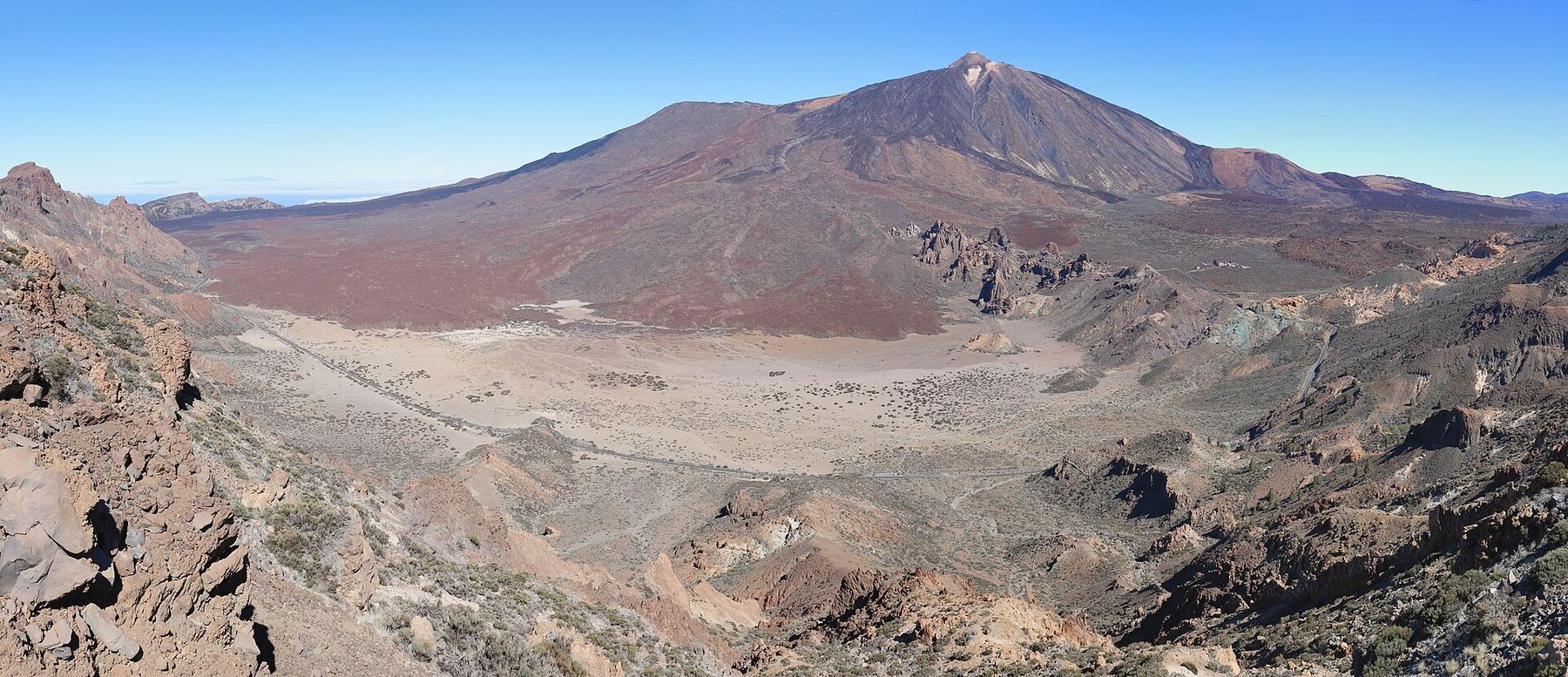
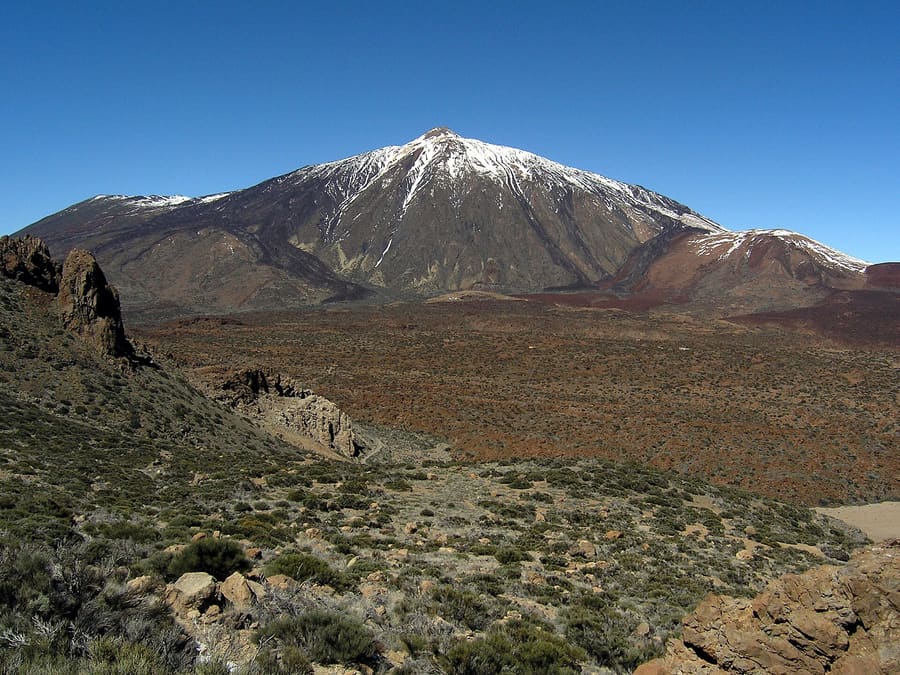
Mount Teide Summit
Spain's highest peak dominates the island. The cable car reaches 3,555 metres, but summiting the crater needs a pre-booked permit.
Parley fragenSpanien
Volcanic peaks, microclimates, and northern wine cellars.
introduction
Tenerife splits cleanly between the cloud-capped, historic north and the dry, resort-heavy south. Moving between microclimates takes under an hour via the TF-1 and TF-5 highways, but temperatures shift dramatically with altitude. A rental car is essential if you want to explore beyond beach promenades. Expect steep mountain roads, rapid weather shifts, and distinct local culture outside resort enclaves.
Airport selection matters
Fly into Tenerife North (TFN) for La Laguna and hiking. Use Tenerife South (TFS) if heading straight to southern beaches.
UNESCO Starlight Reserve
Teide National Park holds UNESCO World Heritage status and certified Starlight Reserve designation for celestial observation.
Teide summit permit rules
Accessing the Teide peak on foot requires a free national park permit, which books out two to three months in advance.
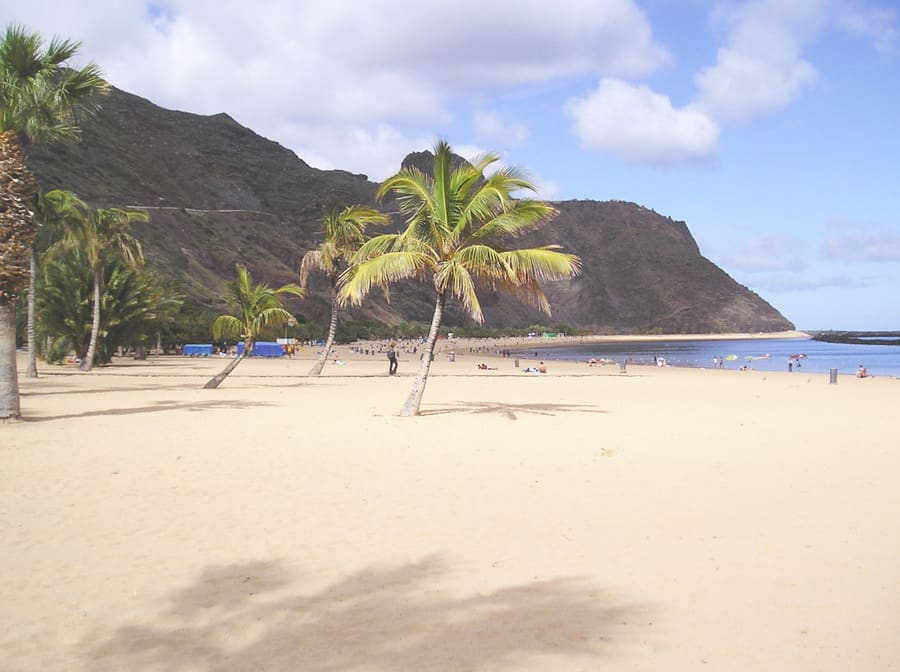
Tenerife
Peng (talk · contribs) · CC BY-SA 3.0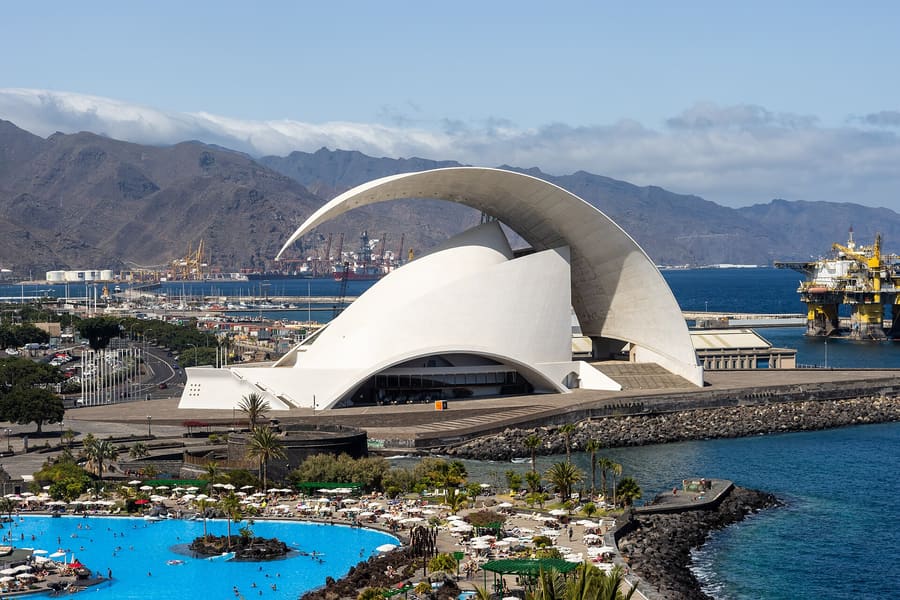
Santa Cruz de Tenerife — Working port city with mid-century modernism, palm trees, and zero resort fluff.
Photograph by Mike Peel (www.mikepeel.net). · CC BY-SA 4.0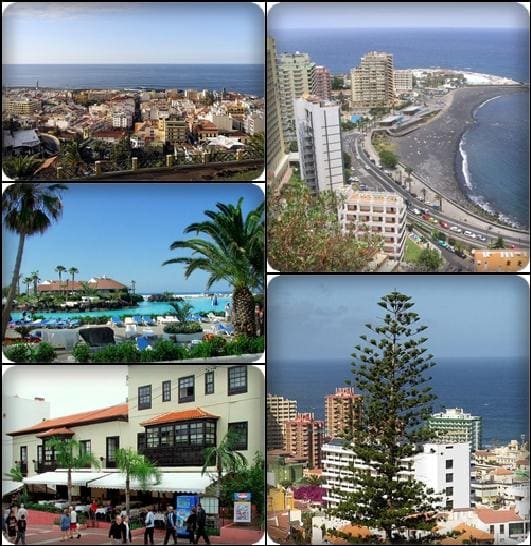
Puerto de la Cruz — Historic northern coastal town with black sand beaches and traditional Canarian plazas.
Berkaysnklf, Jens Steckert, Miguel303xm, Koppchen & User:Piotrus · CC BY-SA 3.0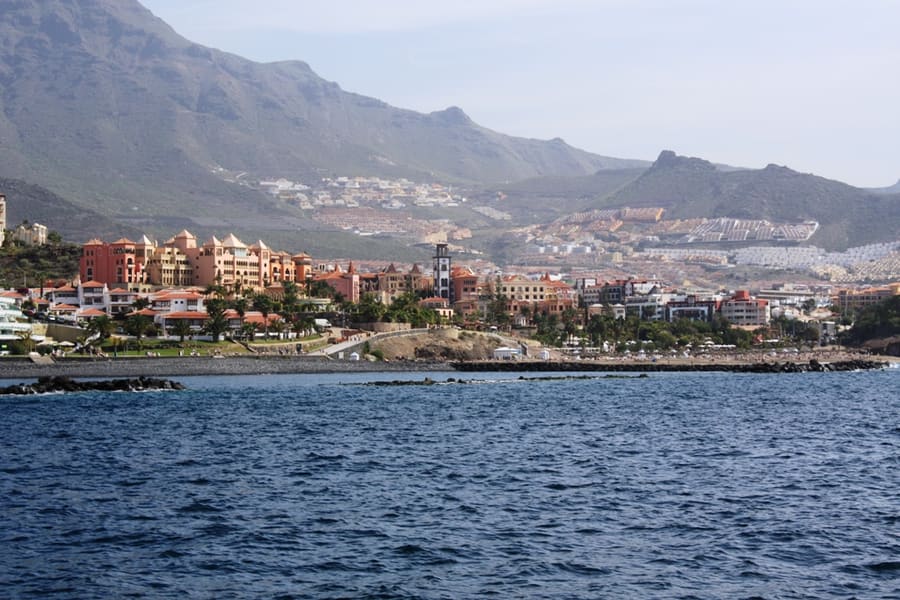
Costa Adeje — Polished southern coastline with predictable sunshine and wide beachfront boardwalks.
Javier Lastras · CC BY 2.0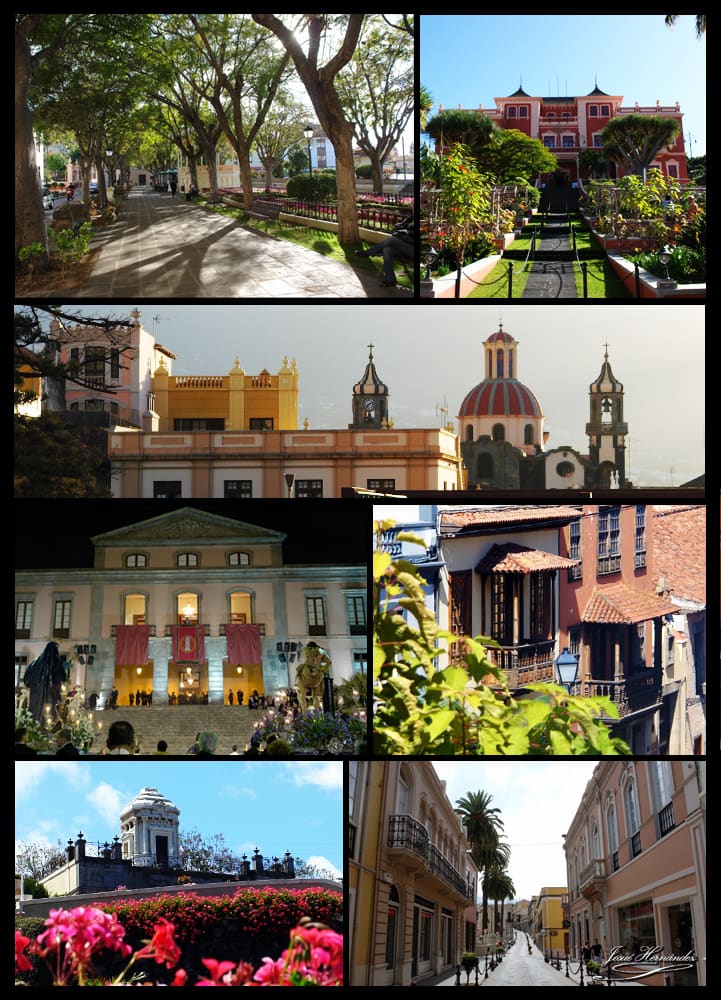
La Orotava — Steep colonial town featuring wooden balcony architecture and terraced vineyards.
JosuHdez · Public domain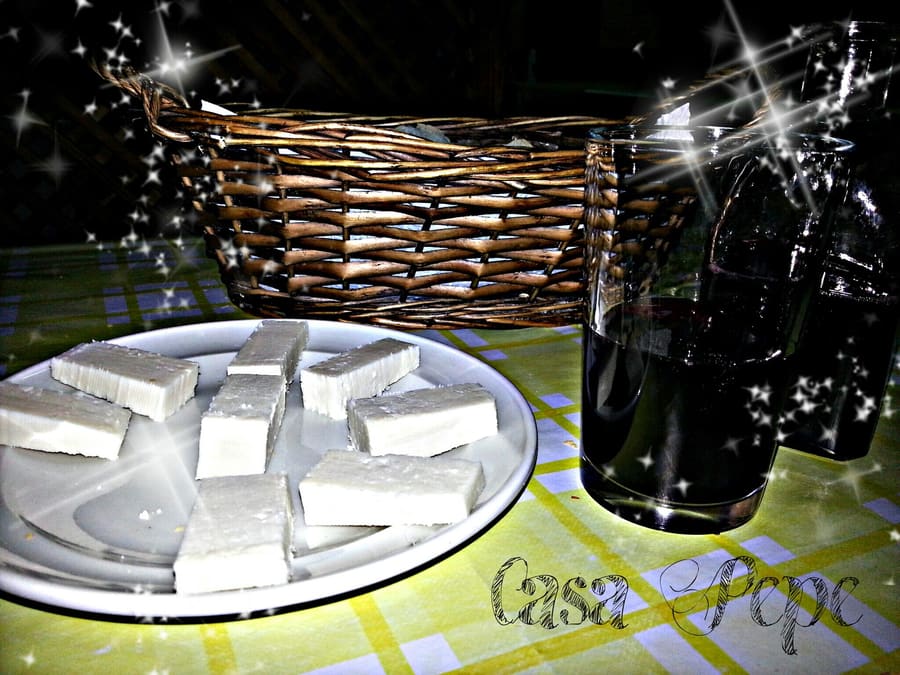
Traditional home-style Canarian cooking served at an informal northern guachinche.
User:Moisesdarias · CC BY-SA 3.0highlights
landmark
Spain's highest peak dominates the island. The cable car reaches 3,555 metres, but summiting the crater needs a pre-booked permit.
Parley fragen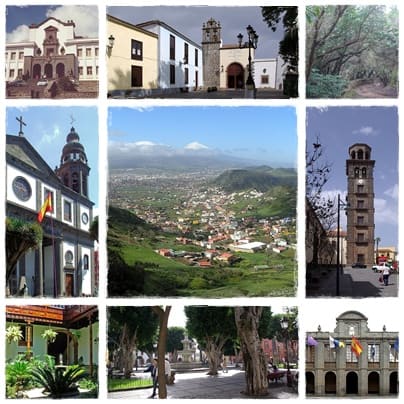
landmark
The former capital set the grid template for Latin American colonial cities. Cold sea mists roll in by afternoon, so pack a jacket.
Parley fragen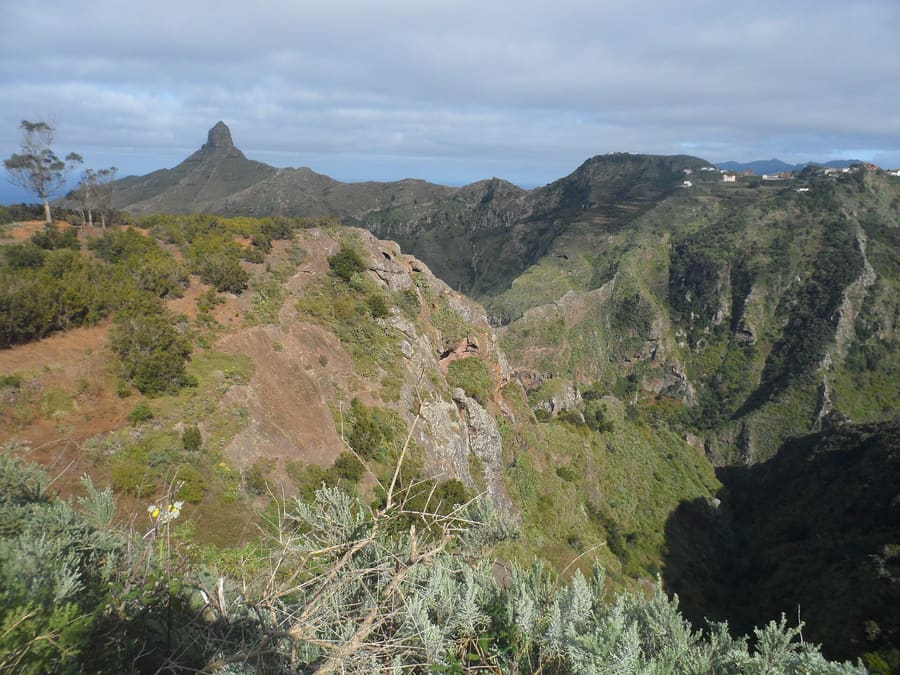
landmark
Prehistoric laurel forests blanket these ancient jagged ridges. Trails fill up early; park at Cruz del Carmen before 09:30.
Parley fragen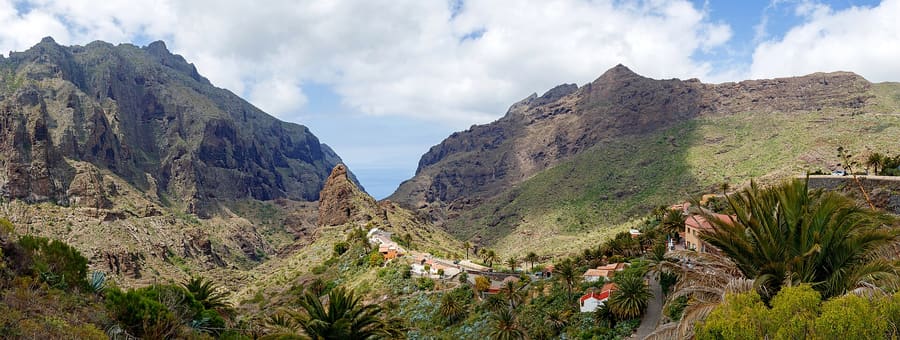
landmark
A dramatic mountain settlement perched above a ravine. Access roads are extremely narrow and require confident hairpin driving.
Parley fragen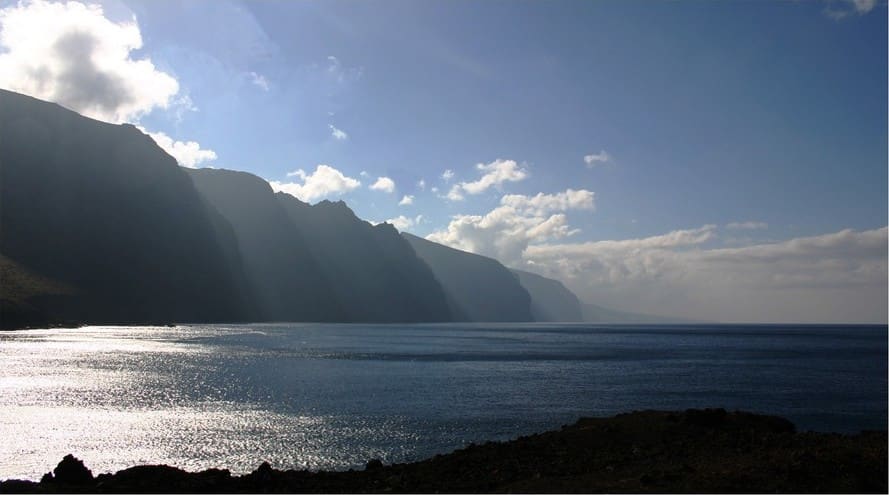
landmark
Basalt walls drop 600 metres into the Atlantic Ocean. Boat trips from the marina offer the clearest view of the rock face.
Parley fragen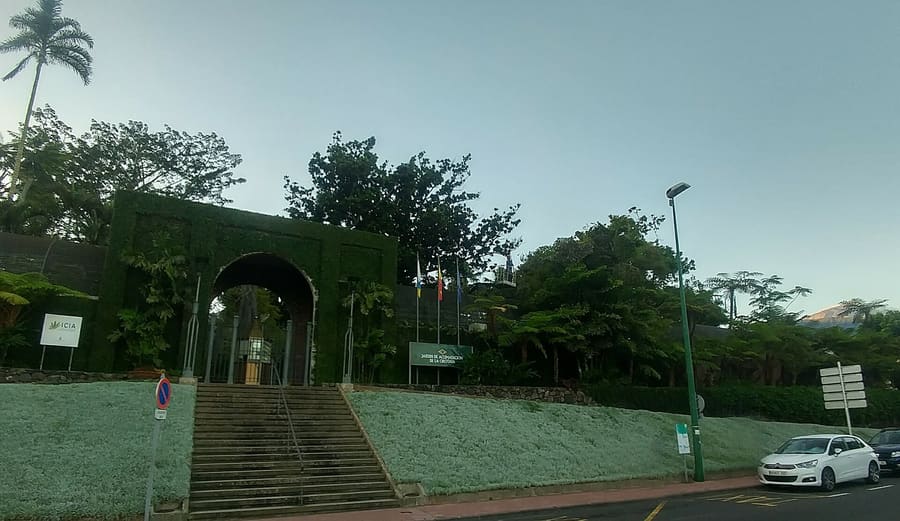
landmark
Established in 1788 to acclimatise tropical plants brought from the Americas. It costs under €4 and stays peaceful all day.
Parley fragenattractions
areas
Working port city with mid-century modernism, palm trees, and zero resort fluff.
In der NäheAnaga Rural Park and Las Teresitas.
Parley fragenHistoric northern coastal town with black sand beaches and traditional Canarian plazas.
In der NäheLa Orotava valley and Teide northern access.
Parley fragenPolished southern coastline with predictable sunshine and wide beachfront boardwalks.
In der NäheLos Gigantes and Tenerife South Airport.
Parley fragenSteep colonial town featuring wooden balcony architecture and terraced vineyards.
In der NähePuerto de la Cruz and Teide national park road.
Parley fragenfood
Northern Tenerife preserves a unique dining institution called the guachinche. These temporary, rustic eateries originated to sell surplus homemade wine alongside a few home-cooked dishes. Expect hearty plates of conejo en salmorejo (marinated rabbit) or ropa vieja (chickpea and meat stew). Meals come served with papas arrugadas—wrinkled salted potatoes paired with garlic mojo verde and spicy mojo picón.
Traditional home-style Canarian cooking served at an informal northern guachinche.
User:Moisesdarias · CC BY-SA 3.0Real guachinches operate under local regulations, serving only domestic wine and a maximum of three or four hot dishes.
Guachinches open primarily between November and April when new wine is ready, closing once the barrel runs dry.
Order queso asado con mojo, grilled local goat cheese drizzled with green mojo and palm syrup.
history
Before Spanish conquest in the late fifteenth century, Tenerife was inhabited by the Guanches, a Berber-descended indigenous people. Spanish victory in 1496 turned the island into a key Atlantic stopover for American trade fleets. The northern slopes grew rich on sugar cane and Malmsey wine exports. Later centuries brought trade competition, volcanic eruptions, and twentieth-century tourism development.
Conquest of Tenerife
The Battle of La Victoria concludes the Spanish conquest of the island, subduing the native Guanche kingdoms.
Eruption of Trevejo
Volcanic lava flows destroy the major northern port of Garachico, redirecting trade to Santa Cruz.
Battle of Santa Cruz
Royal Navy Admiral Horatio Nelson loses his right arm and fails to capture Santa Cruz de Tenerife.
Canarian Autonomy
The Canary Islands gain autonomous community status within Spain, co-sharing provincial administrative capitals.
where to stay
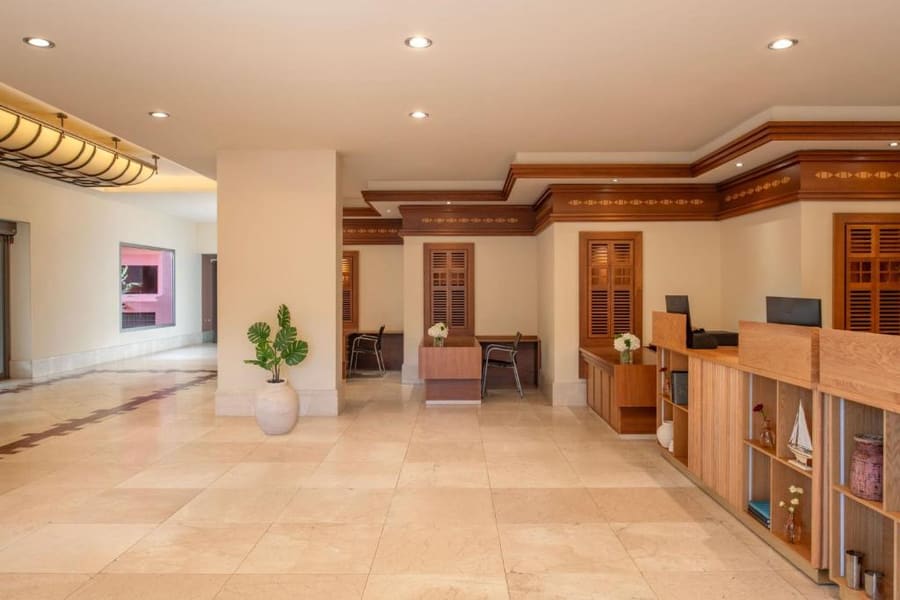
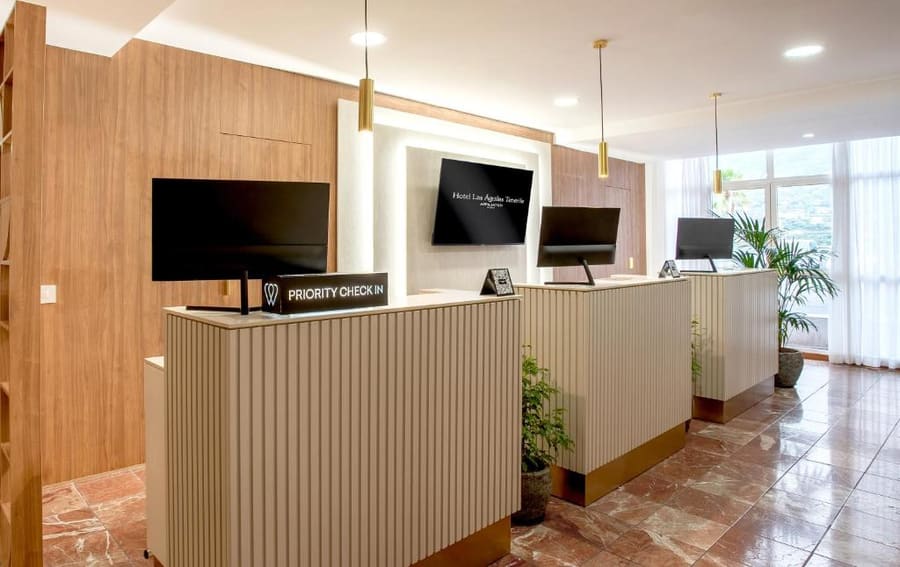
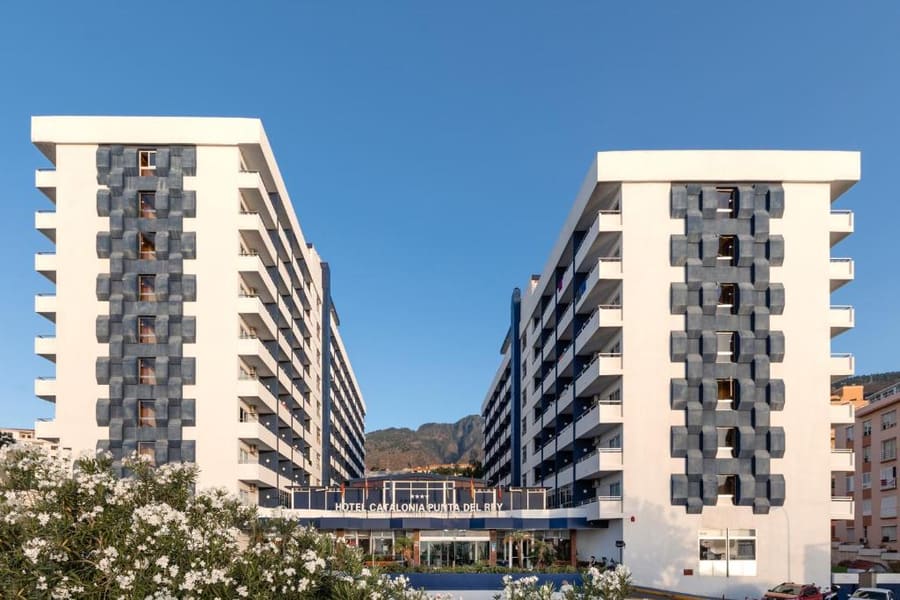
Choose your base by weather preference and travel style. The north delivers lush greenery, cooler temperatures, and historic towns. The south guarantees dry sunshine, sandy beaches, and purpose-built resort infrastructure. Renting a car makes moving between both zones effortless.
Live rates, matched to the areas above.

transport
A rental car offers maximum flexibility on Tenerife. Highway TF-1 loops the east and south coasts, while TF-5 connects Santa Cruz to the north. Public buses run by TITSA are clean and reliable, but mountain routes take twice as long as driving.
Ab TFS (Tenerife South Airport)
Line 111 runs daytime to Santa Cruz; Line 711 operates at night. Pay onboard via card or Ten+ pass.
Board at official rank outside arrivals. Surcharges apply 22:00-06:00 and on weekends.
Desks inside terminal. Take TF-1 highway north; local operators like Cicar include full insurance.
Book via app. Meet driver at the designated rideshare pick-up zone outside arrivals.
Line 1 links Santa Cruz and La Laguna directly, running every 5 to 10 minutes on weekdays.
Pay on entry using contactless cards or purchase a Ten+ travel card at stations for discounted bus fares.
Local operators like Cicar include full insurance without deposit blocks, making car hire straightforward.
TF-21 and TF-436 feature tight hairpin turns, steep inclines, and minimal guardrails; stay alert.
cost
Tenerife uses the Euro. Prices in non-tourist northern towns remain remarkably reasonable, while southern beach resorts charge typical European holiday rates. Fuel taxes in the Canary Islands are lower than mainland Europe.
Covers a jug of house wine, three shared meat plates, and wrinkled potatoes.
Ascends from the base station to La Rambleta in eight minutes.
Allows unlimited travel across all TITSA public bus routes for 24 hours.
Includes unlimited mileage and full insurance coverage with local suppliers.
seasonality
NOV – FEB
Peak winter sun season in the south. The north experiences occasional rain and mountain snowfall on Teide.
MAR – MAY
Ideal conditions for hiking Anaga and Teide. Mild temperatures with manageable tourist numbers.
JUN – AUG
Warmest months island-wide. Calima dust storms from Sahara can occasionally bring high heat and haze.
SEP – OCT
Warmest ocean water temperatures of the year. Pleasant weather with fewer crowd congestion spots.
practicalities
Bring swimwear and a warm down jacket. Temperatures drop below freezing on Teide while beaches hit 25°C.
The Teide cable car lifts you over 1,200 vertical metres in minutes. Walk slowly at the top.
Most informal north-coast wine eateries close on Mondays and Tuesdays and accept cash only.
Atlantic swells on northern black sand beaches carry strong rip currents. Observe red warning flags.
February brings Europe's largest carnival after Rio. Book accommodation six months ahead for this festival.