landmark
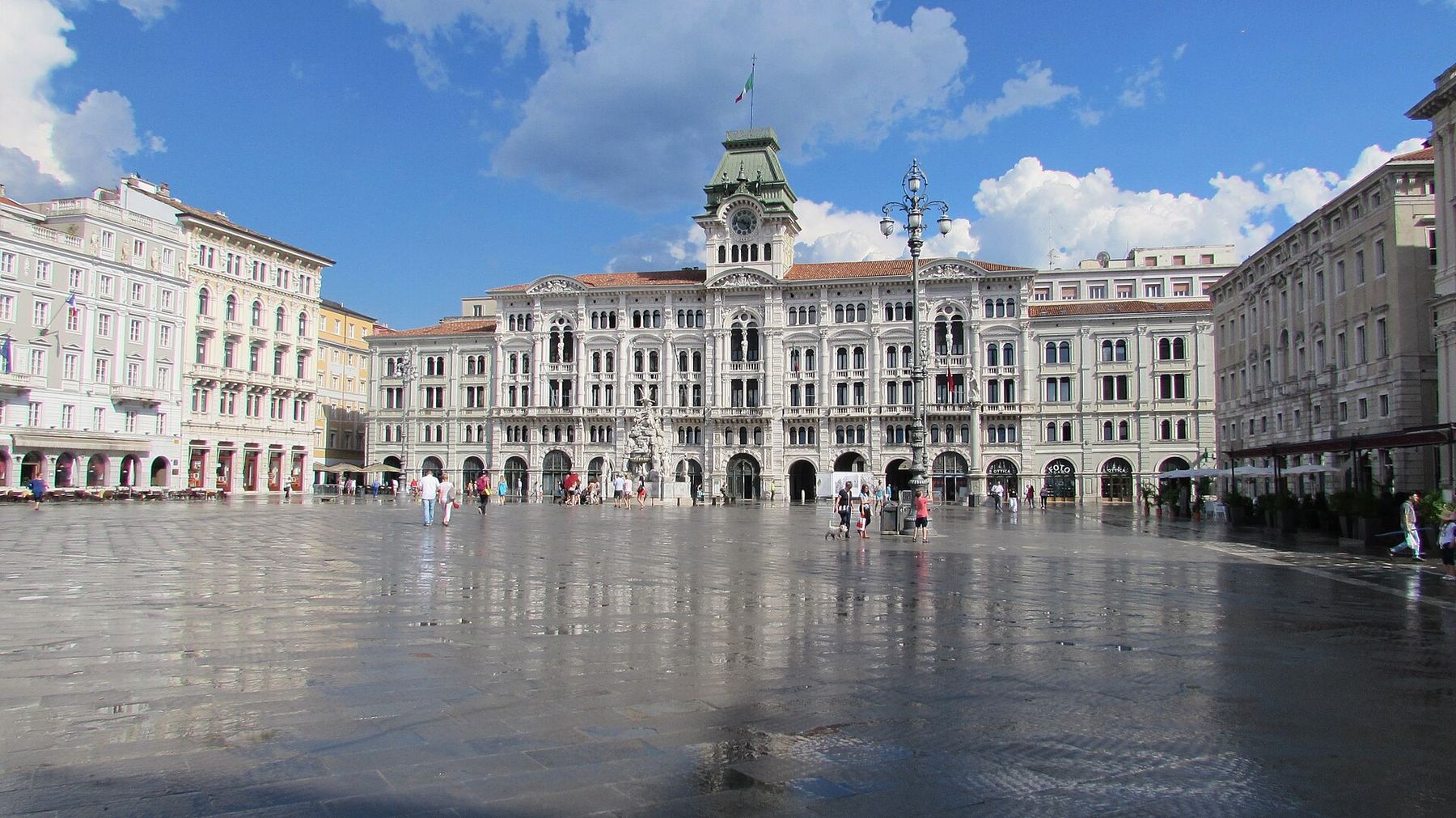
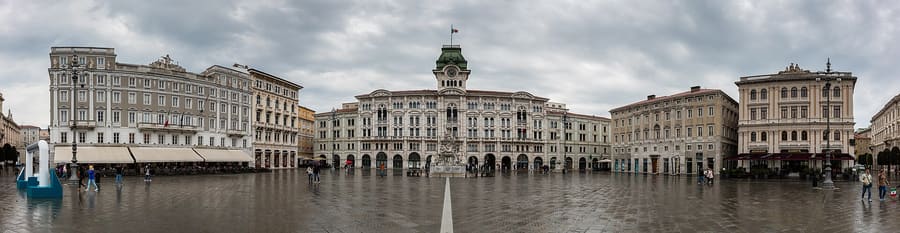
Piazza Unità d'Italia
Europe's largest seafront square opens directly onto the Adriatic. Sit at Caffè degli Specchi for late afternoon sun.
Parley fragenItalien
Habsburg grand coffeehouses on a windy Adriatic bay.
introduction
Trieste sits at the narrow strip of land where Northern Italy meets Slovenia. Its grand plazas and neoclassical avenues reflect two centuries as Austria's chief seaport. You move through the city on foot, switching between waterfront piers and hill climbs. Expect strong coastal breezes, Austro-Hungarian cafes, and local wine taverns.
Arriving by train
Walk straight out of Trieste Centrale into Borgo Teresiano. You avoid local taxis entirely for central hotels.
Literary capital status
Trieste served as James Joyce's home for over a decade. It holds Italy's highest density of independent bookstores per capita.
The Bora wind rule
Gale-force Bora winds blow during winter months. Pack a windproof jacket without an umbrella, which will snap instantly.
Trieste
Luca Aless · CC BY-SA 4.0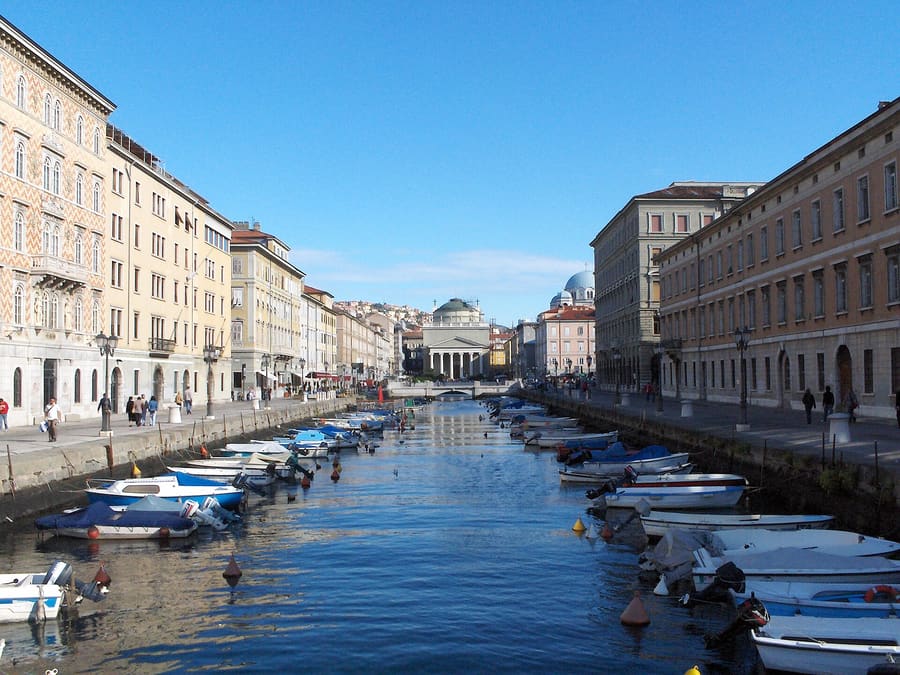
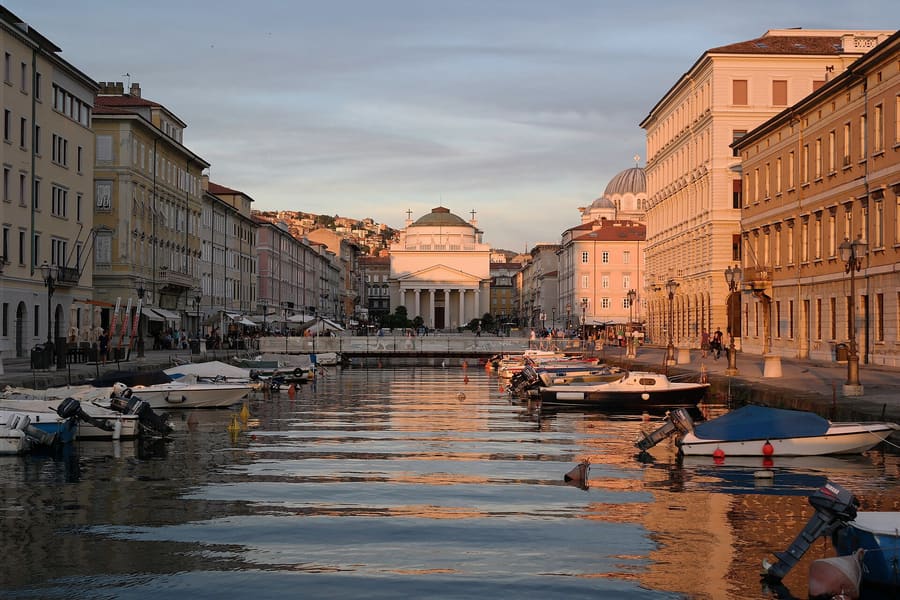
Borgo Teresiano — Neoclassical grid built by Empress Maria Theresa along the Grand Canal.
No machine-readable author provided. Zinn assumed (based on copyright claims). · CC BY-SA 3.0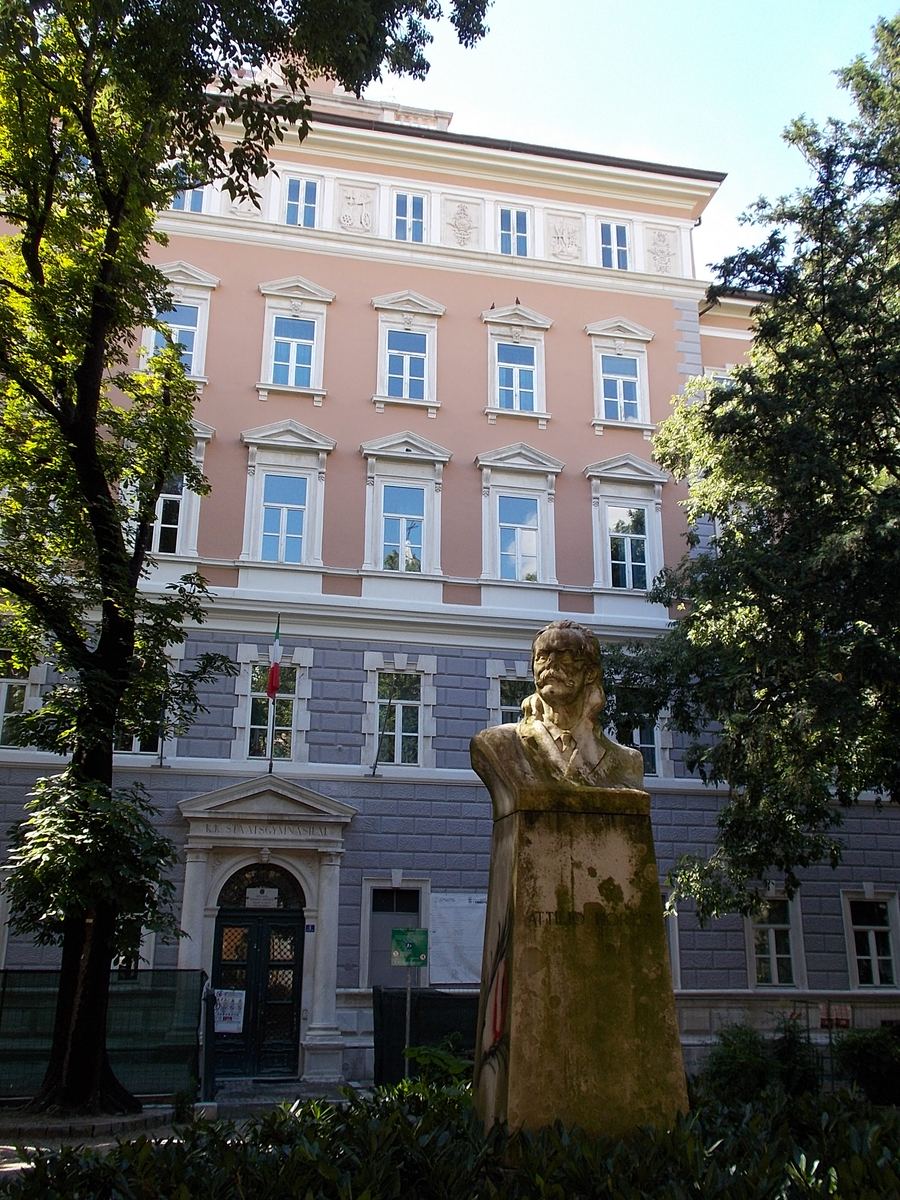
Cavana — Restored medieval pedestrian alleys filled with wine bars and artisan shops.
Szeder László · CC BY-SA 4.0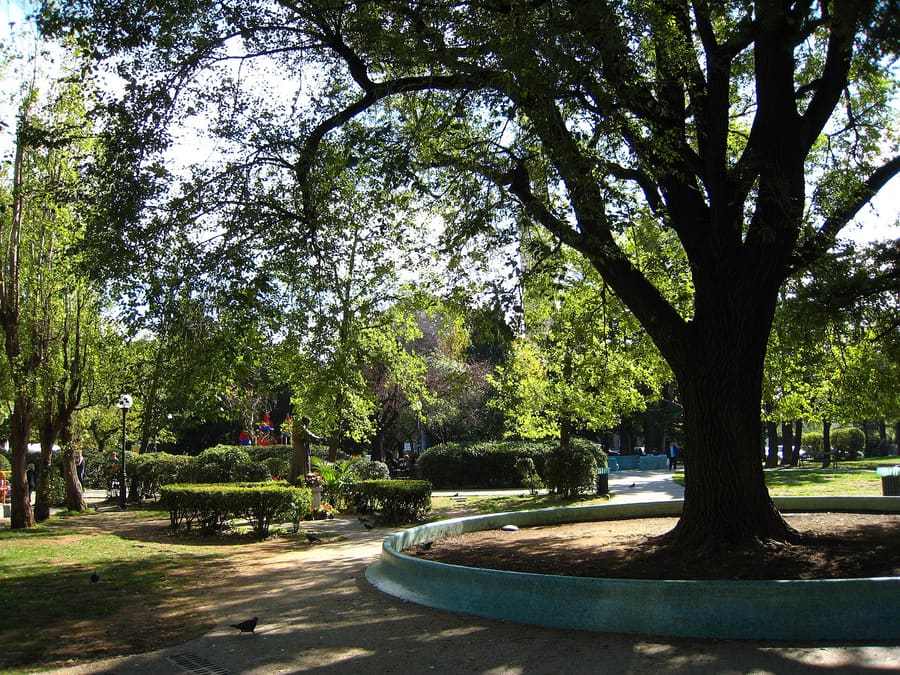
San Vito — Quiet residential hill dotted with leafy villas and neighborhood parks.
Tiesse · Public domain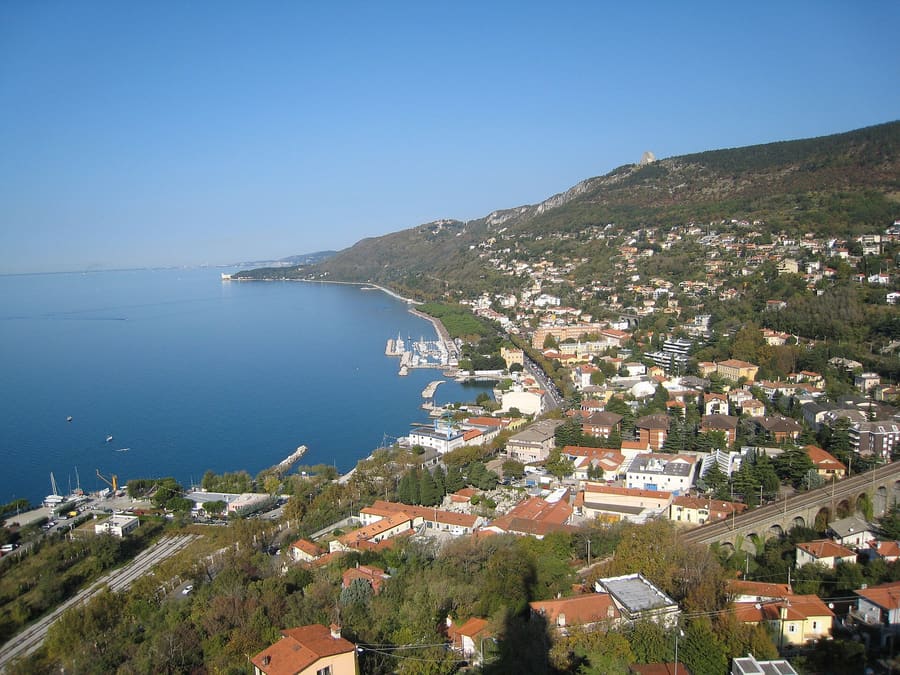
Barcola — Coastal promenade where locals sunbathe and swim along pine-shaded paved banks.
Tiesse at Italian Wikipedia · Public domain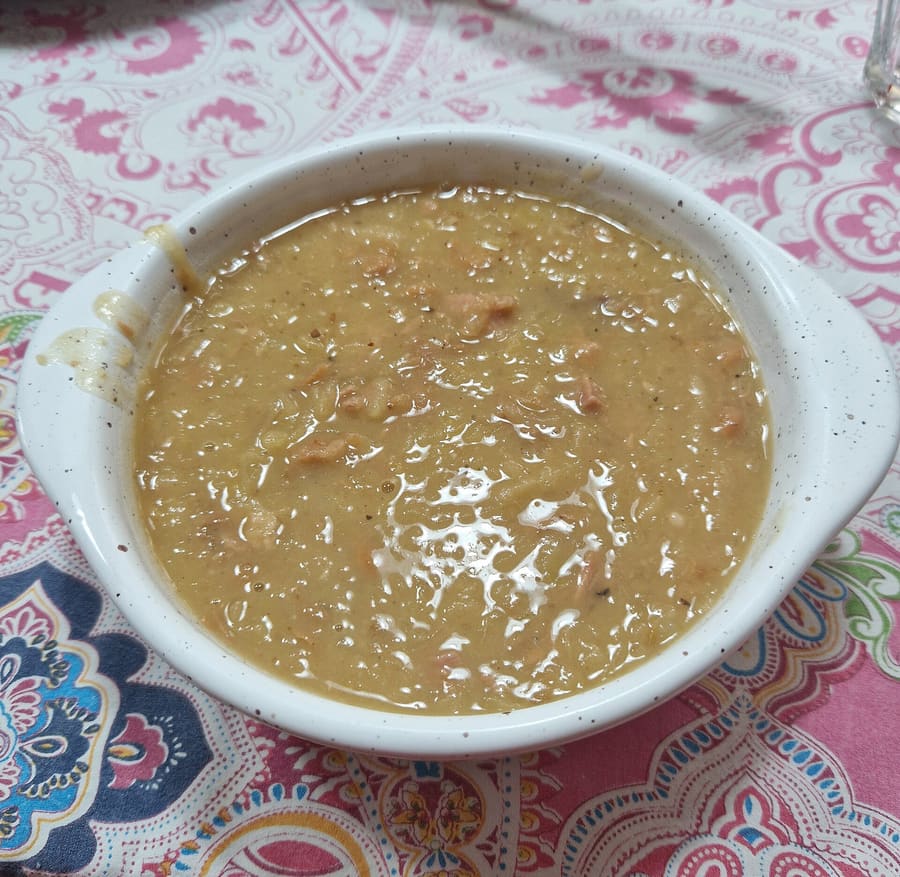
Jota, a traditional sour cabbage and bean stew spiced with pork.
Erardo Galbi · CC BY-SA 4.0highlights
landmark
Europe's largest seafront square opens directly onto the Adriatic. Sit at Caffè degli Specchi for late afternoon sun.
Parley fragen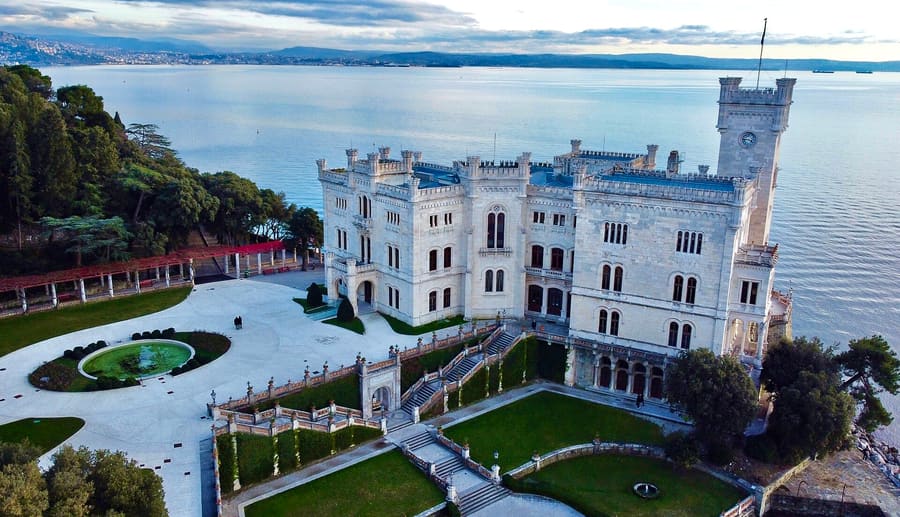
landmark
Archduke Maximilian built this white limestone castle on a coastal cliff. Take bus 6 or the summer Delfino Verde ferry.
Parley fragen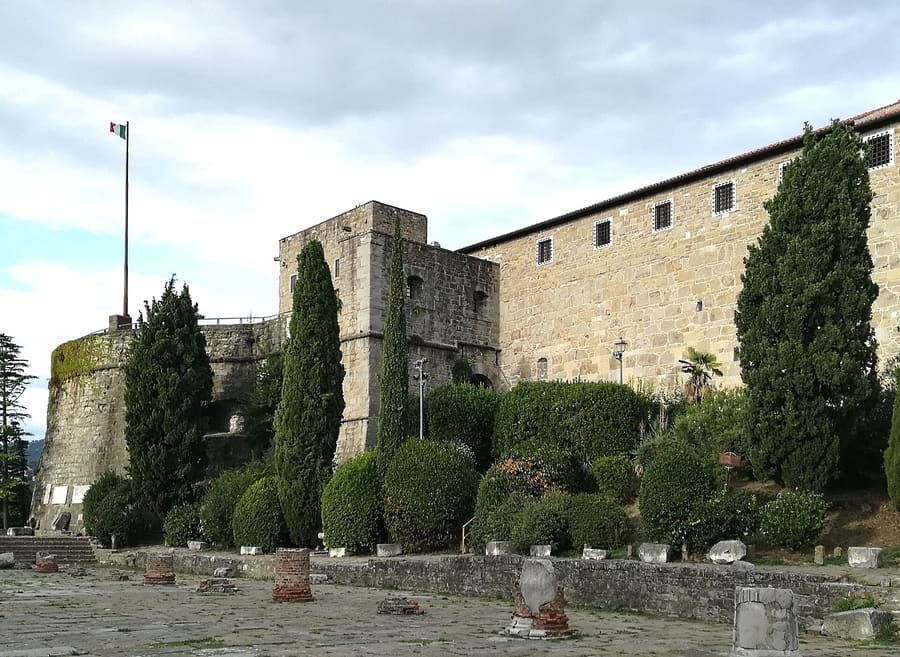
landmark
15th-century ramparts overlook the entire red-roofed gulf. Walk up via Capitelli or take bus 24 to skip the steep climb.
Parley fragen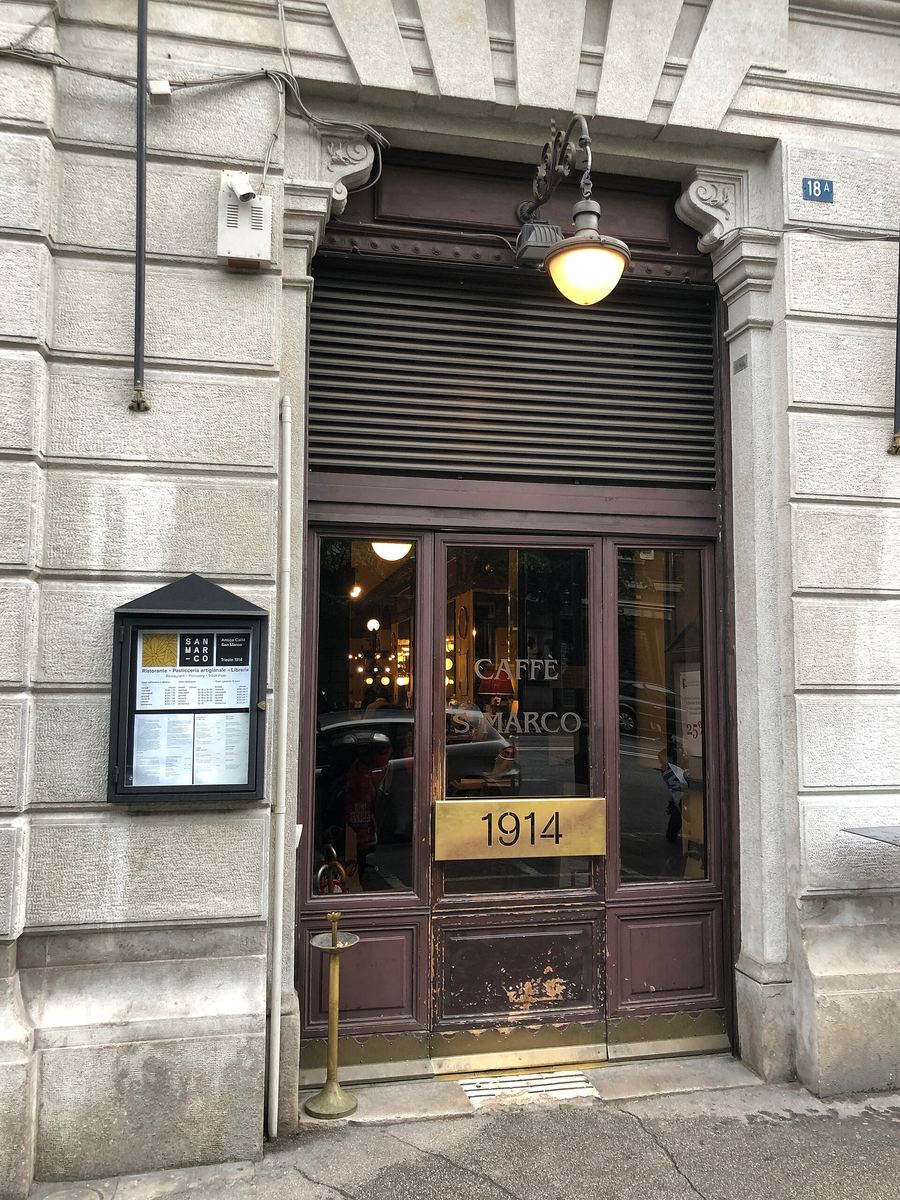
landmark
A 1914 literary haunt with original Viennese woodwork. Order a 'capo in b' at the wooden counter to pay lower standing prices.
Parley fragen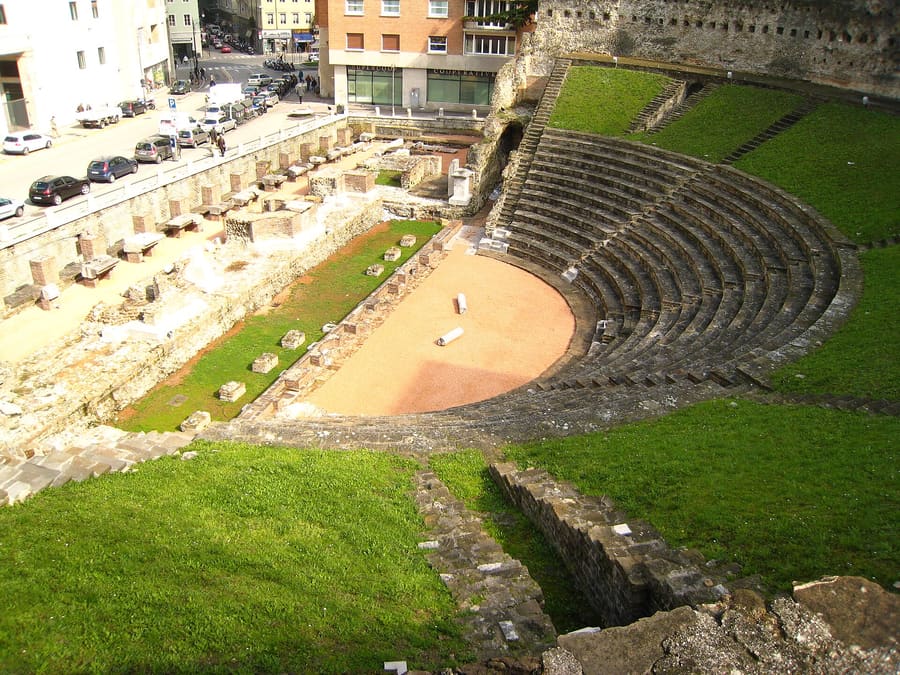
landmark
Built in the 1st century AD at the foot of San Giusto hill. Viewable anytime for free from Via del Teatro Romano.
Parley fragen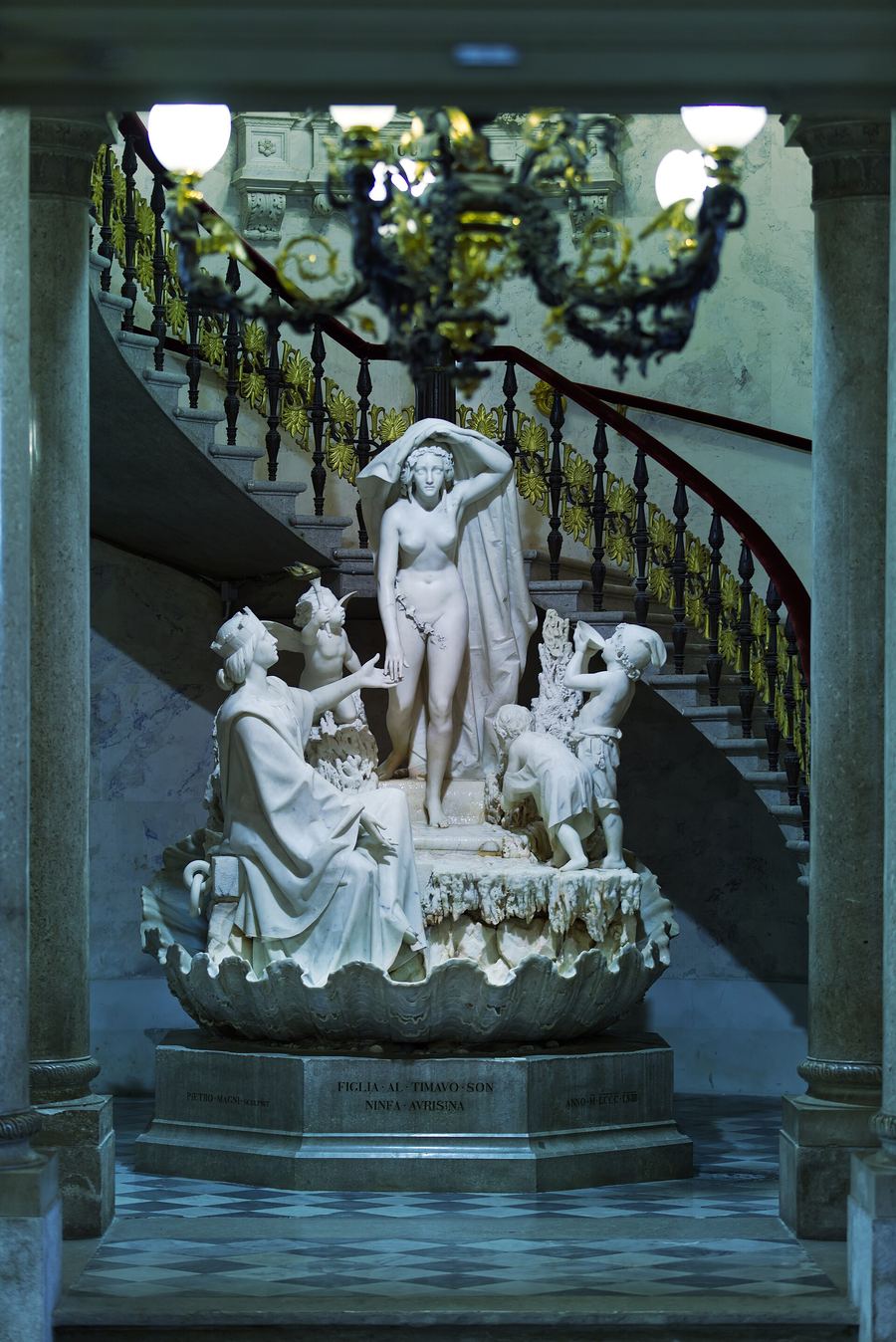
landmark
Baron Revoltella's 19th-century palace holds modern Italian art. The top floor terrace offers panoramic views of the harbor.
Parley fragenattractions
areas
Neoclassical grid built by Empress Maria Theresa along the Grand Canal.
In der NäheTrieste Centrale station and Canal Grande.
Parley fragenRestored medieval pedestrian alleys filled with wine bars and artisan shops.
In der NähePiazza Unità d'Italia and the harbor front.
Parley fragenQuiet residential hill dotted with leafy villas and neighborhood parks.
In der NäheSan Giusto Castle and Revoltella Museum.
Parley fragenCoastal promenade where locals sunbathe and swim along pine-shaded paved banks.
In der NäheMiramare Castle and pine forest.
Parley fragenfood
Trieste's cuisine reflects its geography. Sauerkraut, horseradish, and pork sausages feature heavily alongside fresh fish from the Adriatic Sea.Traditional buffets remain the core of local dining. These casual eateries serve boiled pork cuts and hearty bean stews directly from heated copper counters.Coffee ordering follows a strict local vocabulary distinct from the rest of Italy. Ordering correctly saves time and confusion at the counter.
Jota, a traditional sour cabbage and bean stew spiced with pork.
Erardo Galbi · CC BY-SA 4.0Triestines use unique coffee terms. Ask for a 'capo in b' to get an espresso macchiato served in a small glass.
Osmize are pop-up farm taverns in the Karst plateau marked by ivy branches along roads. They open for temporary days to serve cured meats and house wine.
This hearty Karst stew combines sauerkraut, cranberry beans, potatoes, and smoked pork ribs. Local buffets serve it daily at lunch.
history
Trieste grew from a small Roman settlement into Austria's primary commercial port. Its strategic position at the head of the Adriatic made it a major hub for international trade.In 1719, Emperor Charles VI declared Trieste a free port. The city expanded rapidly, attracting merchant communities from across the Mediterranean and Central Europe.Following World War I, Trieste became part of Italy. Political shifts in the 20th century created a unique border identity that still defines the local culture today.
Habsburg Protection
Trieste places itself under Duke Leopold III of Habsburg to counter Venetian naval dominance.
Free Port Status
Emperor Charles VI declares Trieste a free port, initiating two centuries of rapid commercial growth.
Italian Annexation
Following World War I and the collapse of Austria-Hungary, the Treaty of Rapallo awards Trieste to Italy.
Return to Italy
After years as a Free Territory divided into Allied and Yugoslav zones, Trieste rejoins Italy.
where to stay
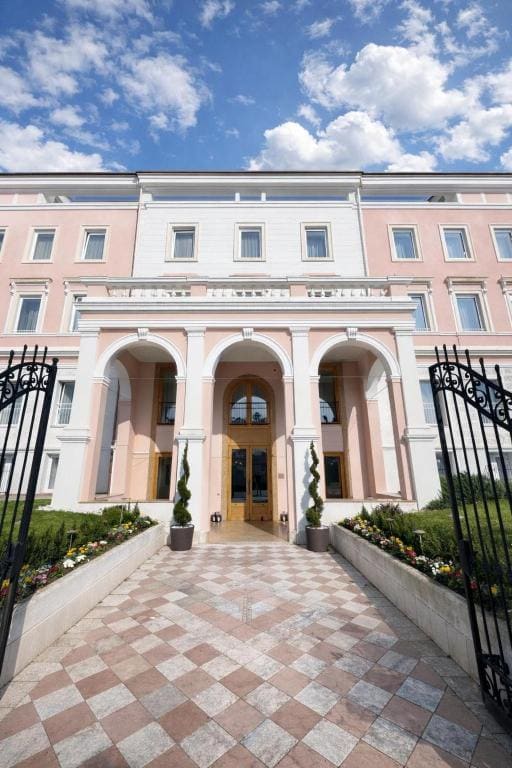
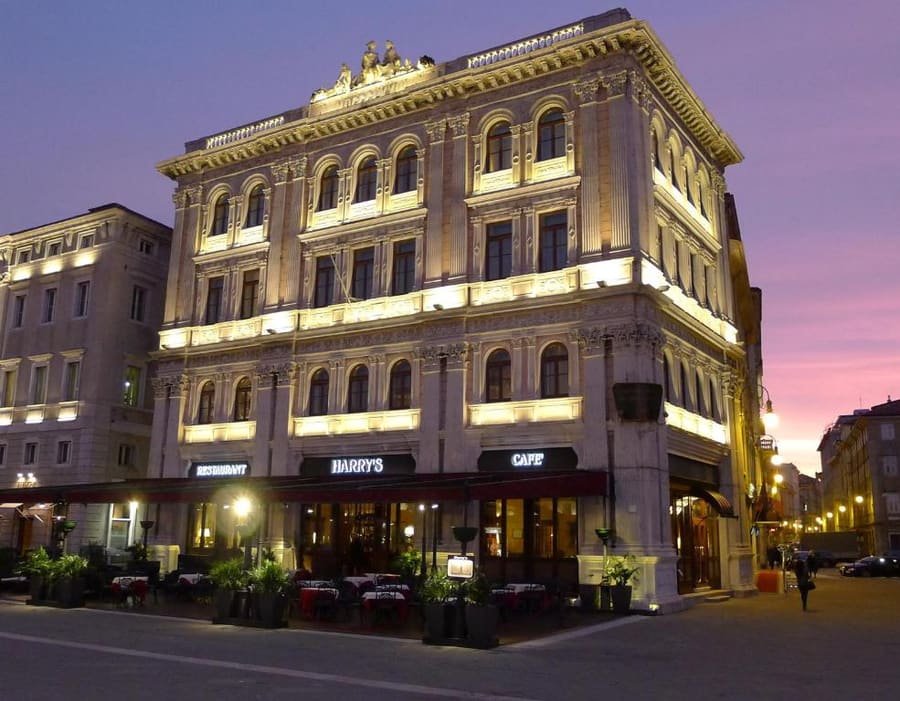
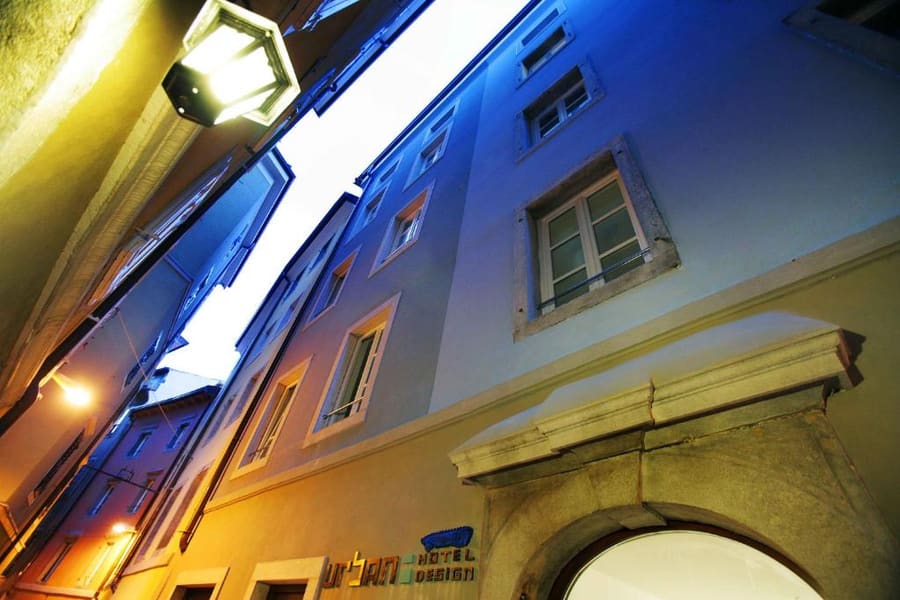
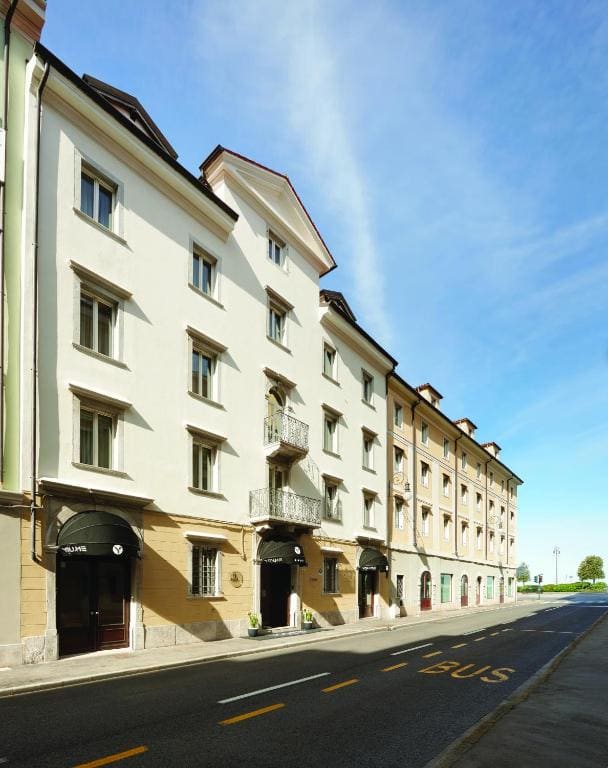
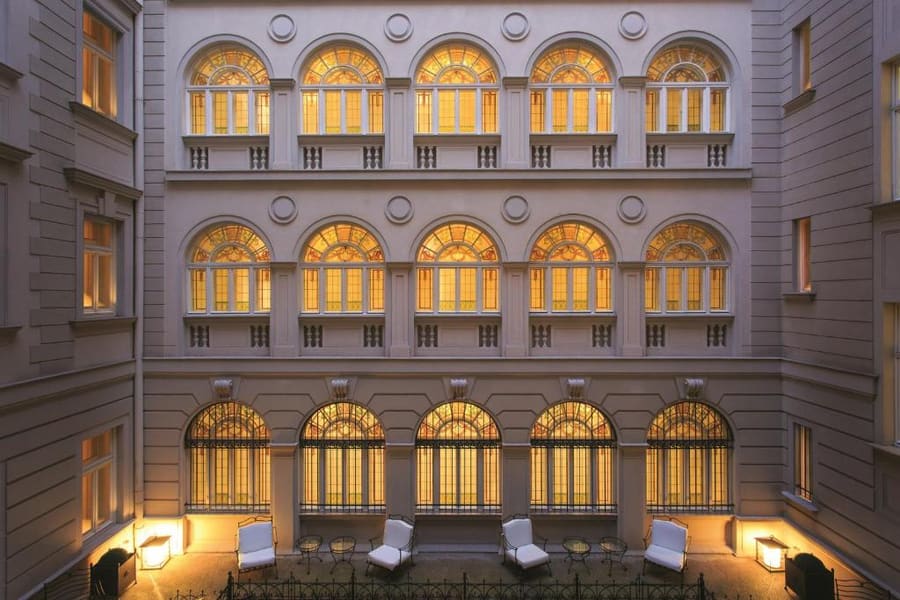
Choose your location based on your terrain preference and transit needs. The flat grid of Borgo Teresiano suits low-mobility travelers, while Cavana offers lively nightlife on pedestrian streets.
Live rates, matched to the areas above.
transport
Trieste is best explored on foot within the flat central districts. Local buses operated by TPL FVG handle hill routes and coastal transit efficiently.
Ab Trieste Airport (TRS)
Direct Trenitalia trains connect Trieste Airport station directly to Trieste Centrale.
Line G51 connects the airport terminal directly to the central bus station.
Fixed rates apply for trips from TRS airport to the city center.
Purchase TPL FVG transit tickets at newsstands or via the local transit app. Boarding without a validated paper ticket triggers fines.
Historic Tram 2 connecting Piazza Oberdan to Villa Opicina has frequent service disruptions. Replacement bus line 2 covers the exact route up the Karst hill.
Walking straight uphill from the coast requires taking public staircases called 'scalinate'. Bus 24 links the sea level directly to San Giusto castle.
cost
Trieste costs slightly less than Milan or Venice. Standing at coffee bars keeps daily expenses low, while seafood dining along the water commands standard Italian city rates.
Drinking coffee standing at the bar keeps costs low. Table service doubles the price.
Traditional buffets like Da Pepi serve generous plates of pork and stew at fair lunch rates.
Includes entrance to the castle grounds, lapidarium, and panoramic ramparts.
Valid for 60 minutes across all TPL FVG city bus lines within Trieste.
seasonality
MAR – MAY
Mild temperatures and empty cafes make spring ideal for walking the city streets.
JUN – AUG
Warm summer days bring sunbathers to Barcola. Sea breeze tempers humid afternoons.
SEP – OCT
Clear autumn days coincide with the Barcolana regatta in October. Book lodging months ahead.
NOV – FEB
Cold winds sweep through the gulf. Indoor coffee culture and warm buffets take center stage.
practicalities
When the cold Bora wind blows down from the plateau, metal handrails along steep streets help pedestrians stay steady.
Shops close between 13:00 and 15:30. Plan museum visits and shopping early in the morning.
Pop-up Osmize in the countryside operate on cash only. Credit cards are rarely accepted in rural hills.
The Slovenian border is less than 10 kilometers away. Bus line 39 gets you near the frontier trails.
Trieste lacks sandy beaches. Locals swim directly off concrete platforms or pine-shaded rocks in Barcola.