landmark
Saguaro National Park
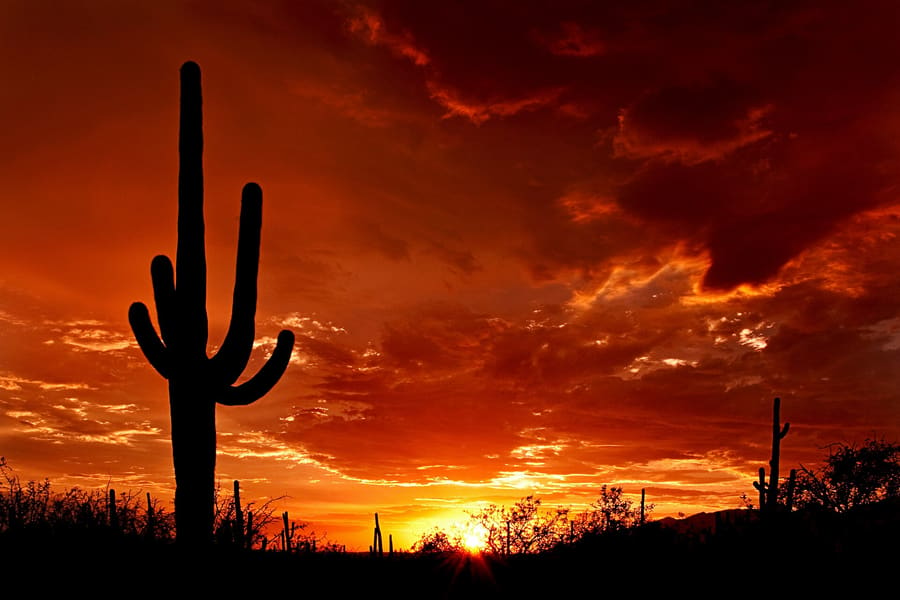
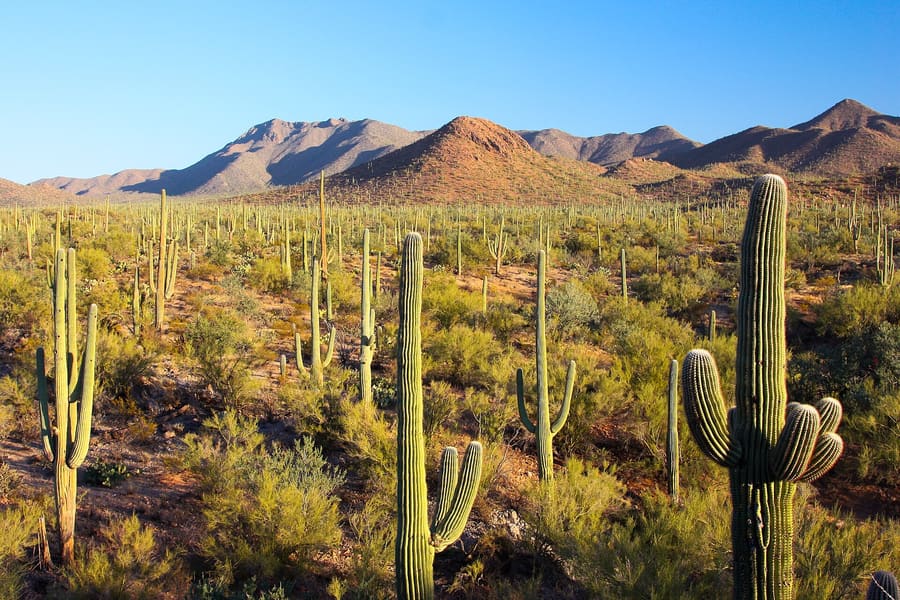
Two distinct districts split by the city protect millions of giant cacti. Drive the Bajada Loop Trail in the West district for dense stands.
Parley fragenVereinigte Staaten
UNESCO gastronomy, giant saguaros, and Sonoran heat.
introduction
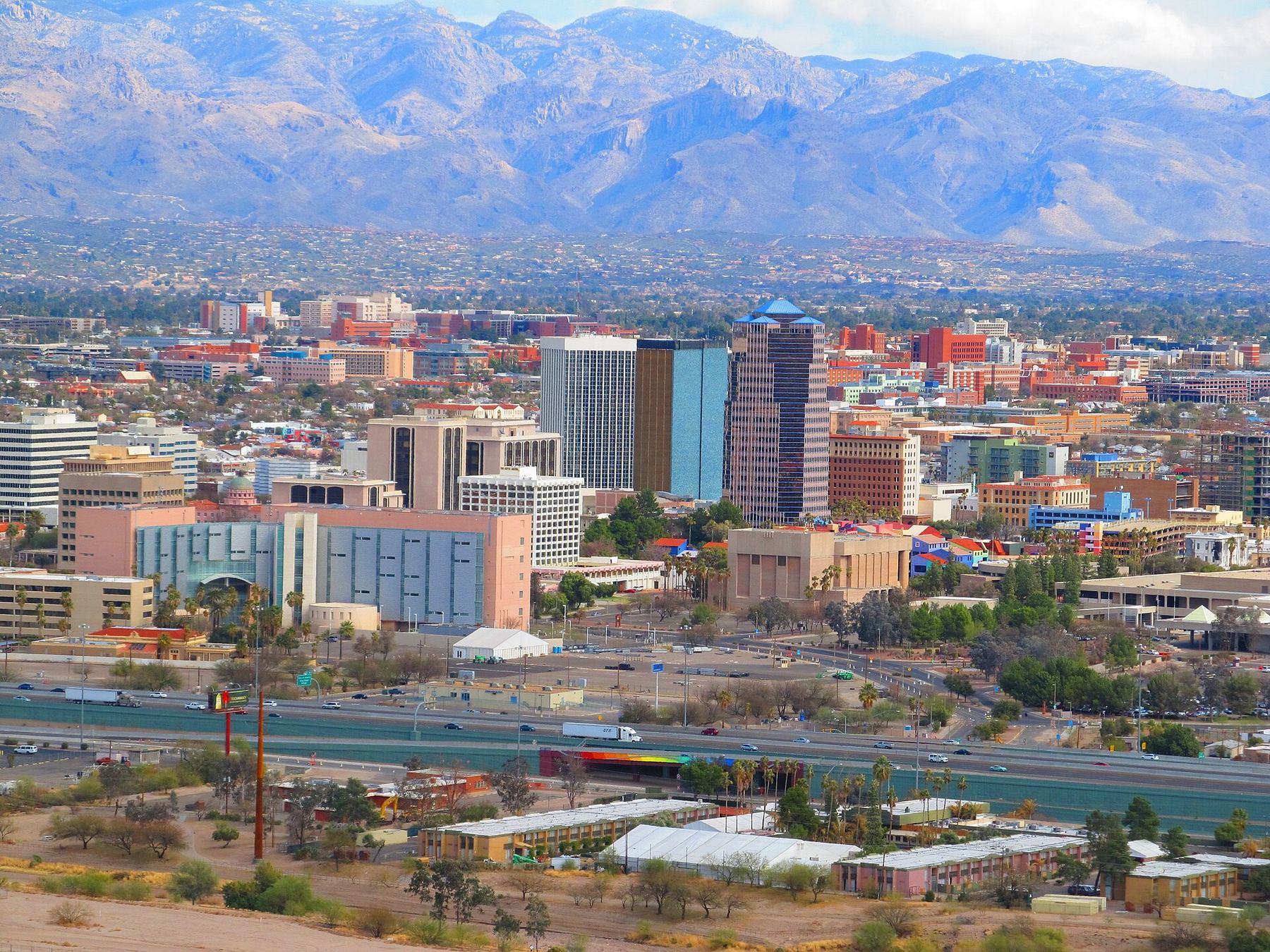
Tucson spreads across the Sonoran Desert, ringed by five mountain ranges. You move through the city primarily by car, though the Sun Link streetcar links downtown to the university. Summer temperatures regularly exceed 100°F (38°C), making winter and spring the practical seasons for outdoor exploration. Expect a UNESCO-designated food culture rooted in Sonoran wheat, native mesquite, and 4,000 years of agricultural history.
Arrival trick
Fly into Tucson International Airport (TUS) rather than Phoenix to save a two-hour freeway drive.
Recognition
Tucson became North America's first UNESCO City of Gastronomy in 2015 for its agricultural lineage.
Planning trick
Visit Saguaro National Park in early morning. Desert heat makes mid-day hiking hazardous most of the year.
Tucson
Joe Parks from Berkeley, CA · CC BY 2.0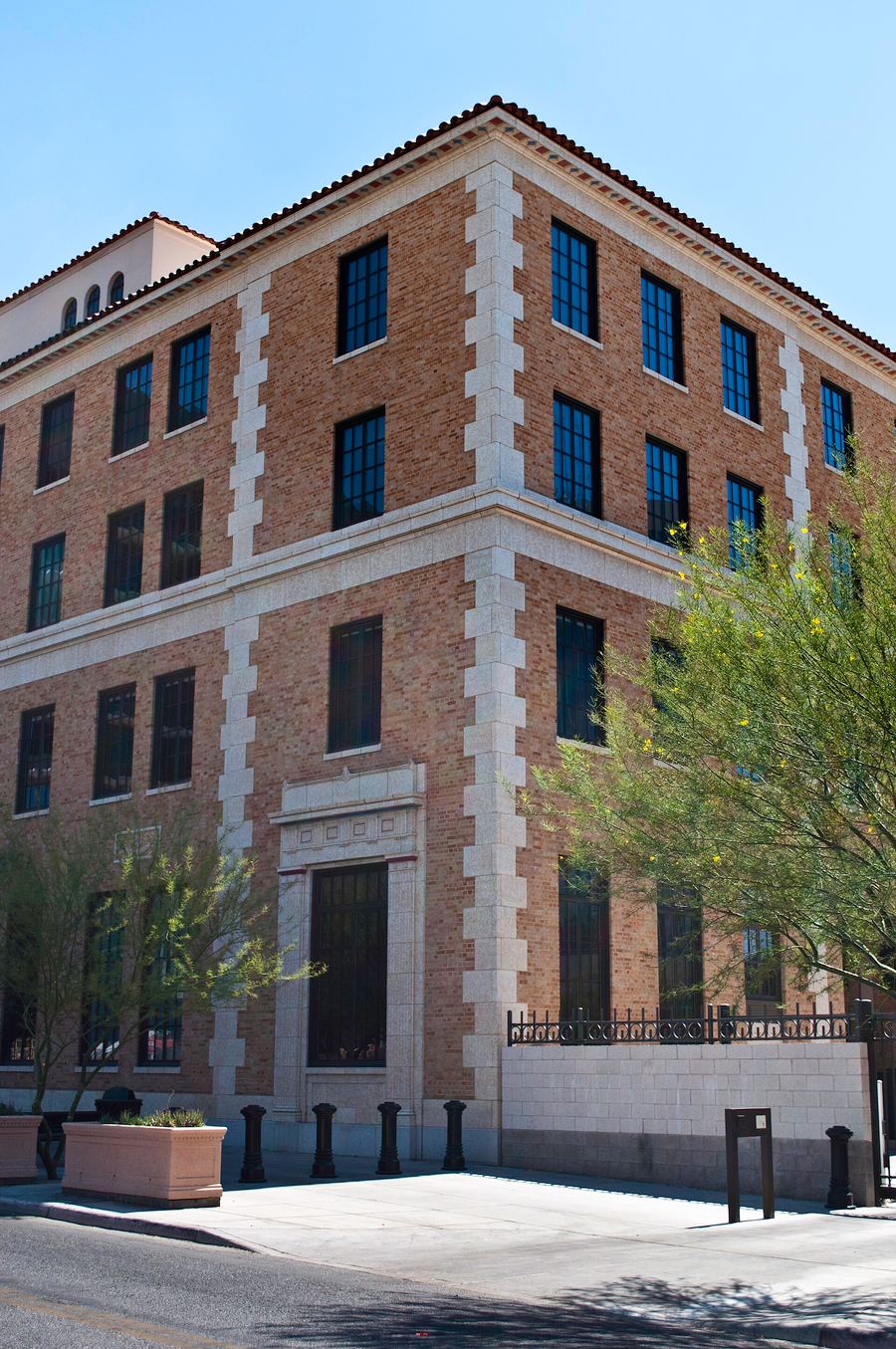
Downtown Tucson — Centrally located urban hub with historic theaters, local dining, and streetcar transit.
davidpinter · CC BY 3.0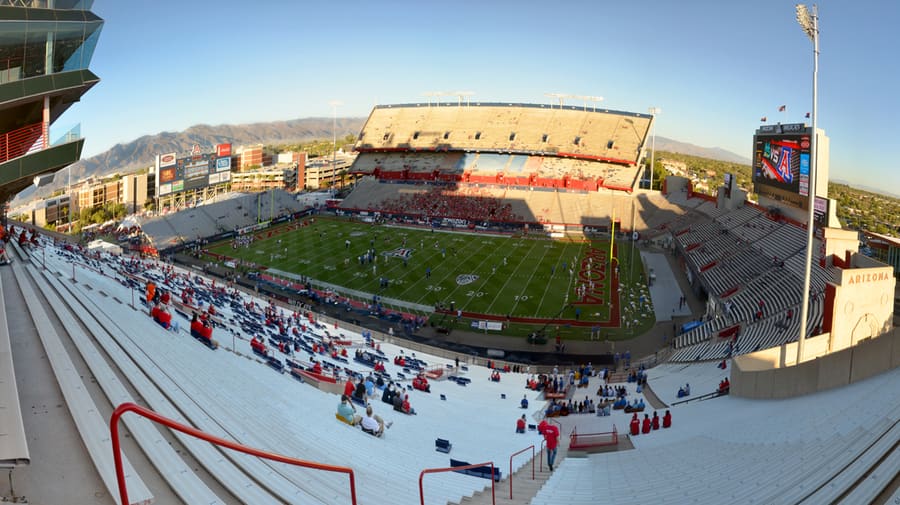
University & 4th Ave — Student-driven neighborhood with coffee shops, vintage clothing, and budget eats.
Wcarlisle4 · CC BY-SA 3.0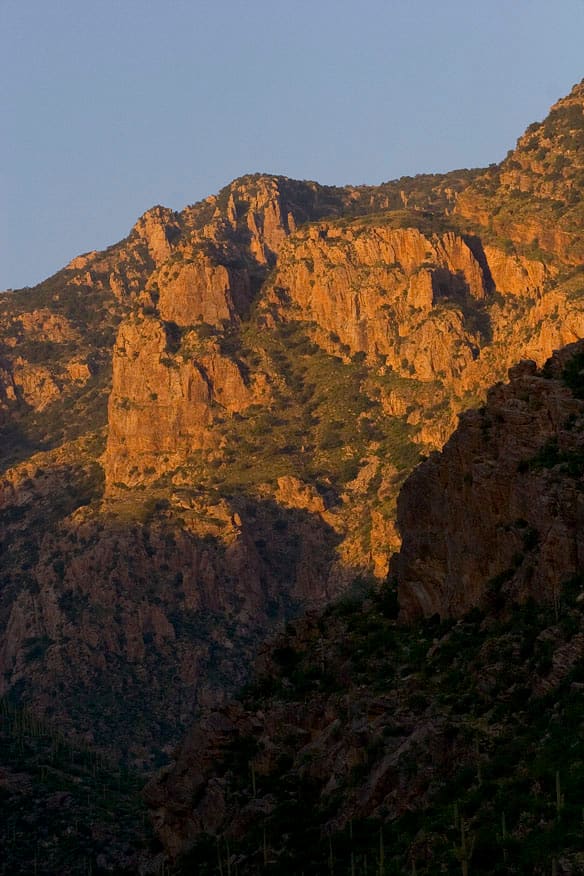
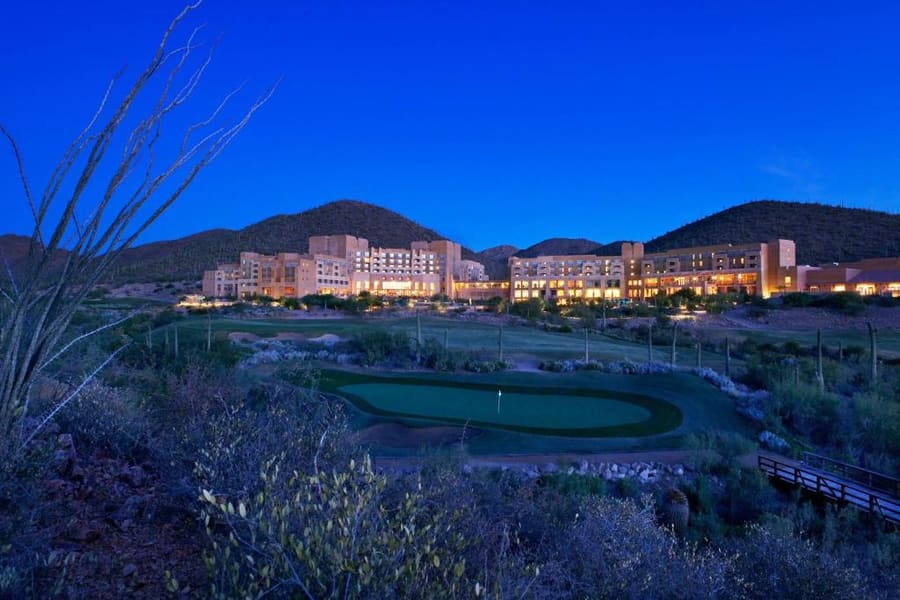
Catalina Foothills — Upmarket northern slope with resort properties, golf courses, and canyon access.
Michael Wifall from Tucson, USA · CC BY-SA 2.0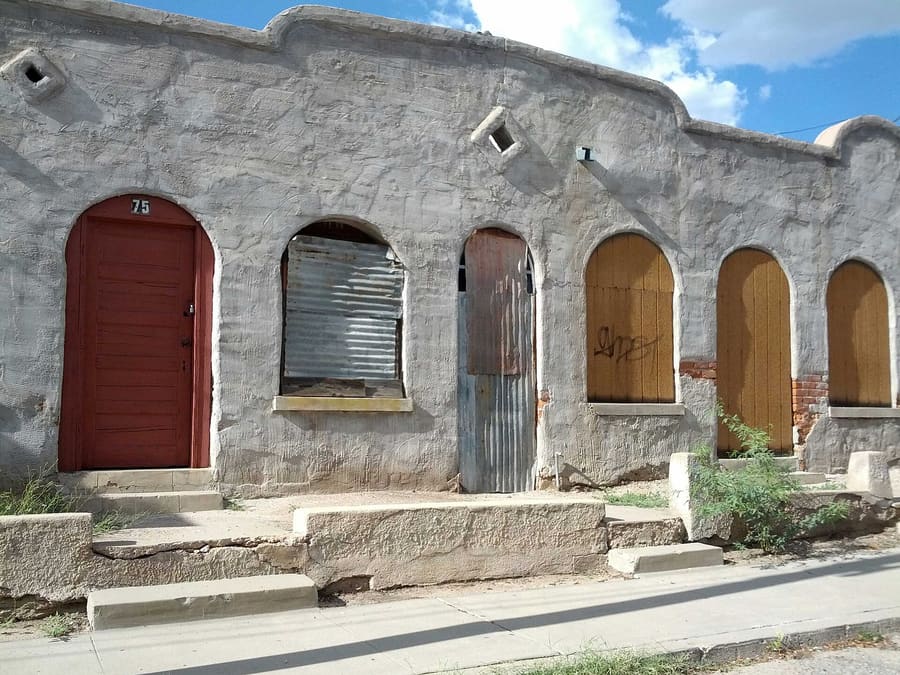
Barrio Historico — Quiet residential area featuring 19th-century adobe row houses and colorful streetscapes.
User:awjrichards · CC BY-SA 3.0
The Sonoran hot dog comes wrapped in bacon, grilled, and dressed with pinto beans, onions, tomatoes, and jalapeño salsa.
SZeltzer · CC BY-SA 4.0highlights
landmark
Two distinct districts split by the city protect millions of giant cacti. Drive the Bajada Loop Trail in the West district for dense stands.
Parley fragen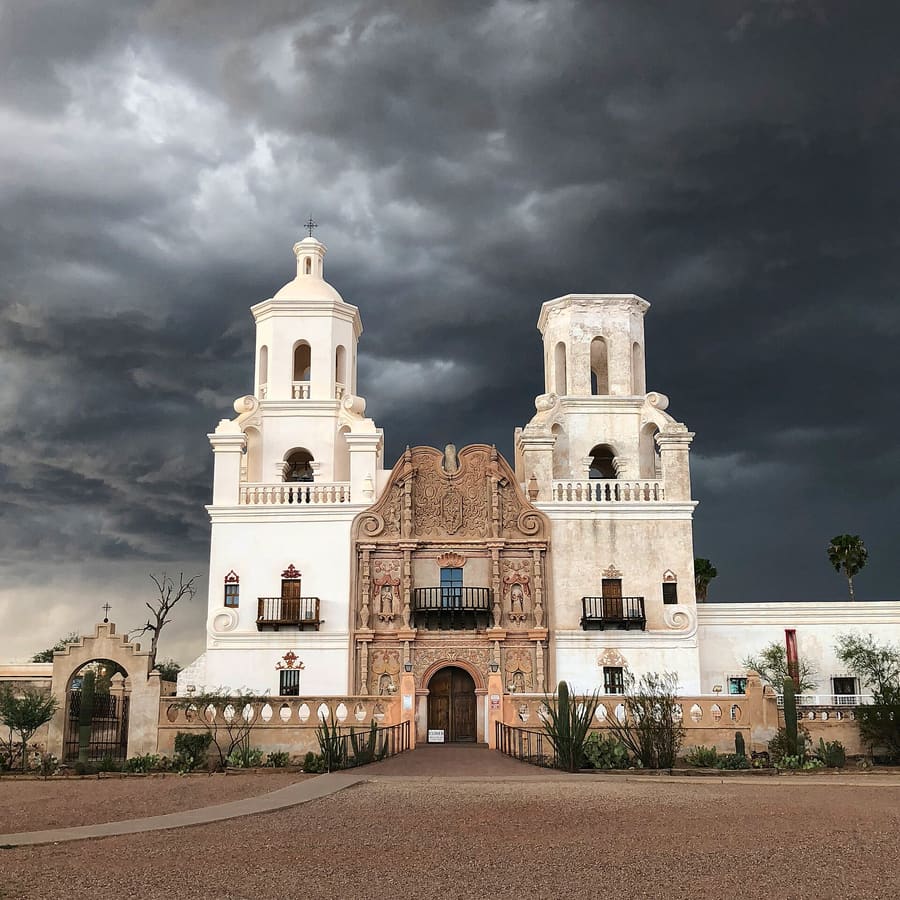
landmark
Active 18th-century Spanish Catholic mission with intact baroque frescoes. Admission is free, but cash donations support maintenance.
Parley fragen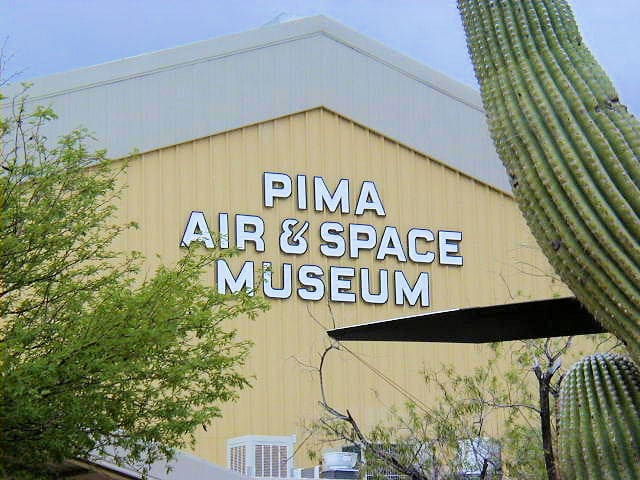
landmark
Houses 400 historical aircraft across 80 acres. Wear sturdy shoes because half the collection sits outdoors on desert dirt.
Parley fragen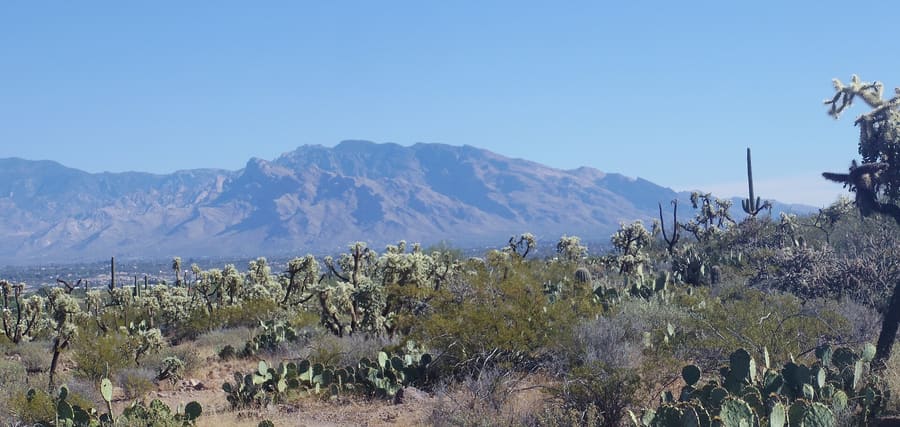
landmark
A 9,157-foot peak offering a 30°F temperature drop from the valley floor. Drive the Catalina Highway for dramatic biome shifts.
Parley fragenattractions
areas
Centrally located urban hub with historic theaters, local dining, and streetcar transit.
In der NäheBarrio Historico and 4th Avenue.
Parley fragenStudent-driven neighborhood with coffee shops, vintage clothing, and budget eats.
In der NäheUniversity of Arizona campus and Downtown.
Parley fragenUpmarket northern slope with resort properties, golf courses, and canyon access.
In der NäheSabino Canyon and Ventana Canyon.
Parley fragenQuiet residential area featuring 19th-century adobe row houses and colorful streetscapes.
In der NäheDowntown Tucson and Tucson Convention Center.
Parley fragenfood
Tucson's food culture reflects 4,000 years of agricultural history in the Santa Cruz Valley. The city was designated the first UNESCO City of Gastronomy in the United States in 2015, whereas Ensenada, Mexico was the first in North America in 2014. Local specialties focus on native ingredients like white Sonora wheat, tepary beans, and prickly pear fruit.
The Sonoran hot dog comes wrapped in bacon, grilled, and dressed with pinto beans, onions, tomatoes, and jalapeño salsa.
SZeltzer · CC BY-SA 4.0These two south-side rivals serve benchmark Sonoran hot dogs wrapped in bacon on split-top bolillo rolls.
Open early for slow-cooked pork carnitas served by the pound with fresh handmade corn tortillas.
Baker Don Guerra uses heritage grains like White Sonora wheat to bake naturally leavened sourdough loaves.
Order carne asada grilled over mesquite wood; cash and cards are accepted at the counter.
history
Indigenous Tohono O'odham peoples farmed the Santa Cruz River valley for millennia before Spanish missionaries arrived. Spanish forces established a walled presidio in 1775, establishing Tucson as a northern frontier outpost of New Spain. The United States acquired the settlement through the Gadsden Purchase in 1854, transforming a dusty adobe village into a desert trading hub.
Early Farming
Indigenous peoples cultivate maize and irrigate crops along the Santa Cruz River plain.
Spanish Mission Era
Eusebio Francisco Kino establishes Mission San Xavier del Bac.
Gadsden Purchase
The United States acquires Tucson from Mexico, incorporating it into the New Mexico Territory.
Railroad Arrival
The Southern Pacific Railroad reaches Tucson, ending its geographic isolation.
UNESCO Designation
UNESCO names Tucson the first City of Gastronomy in North America.
where to stay
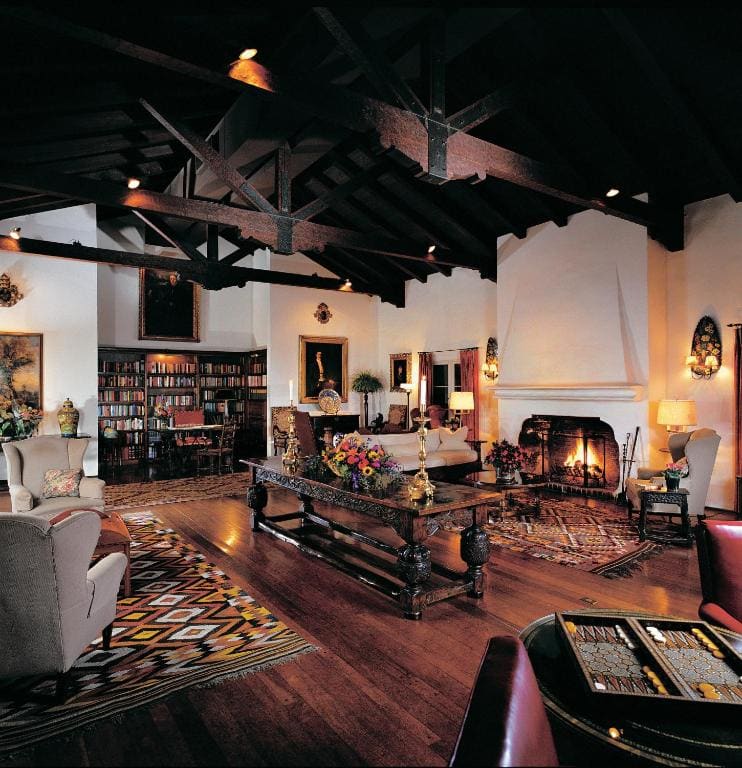
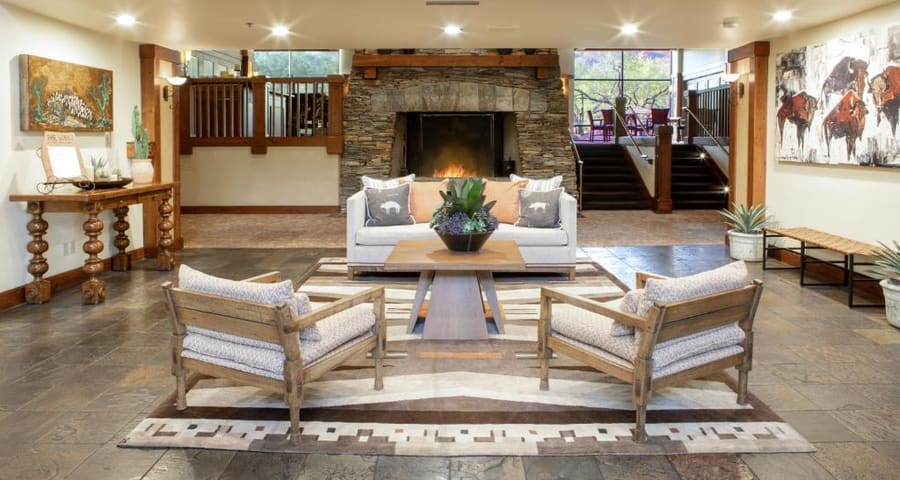
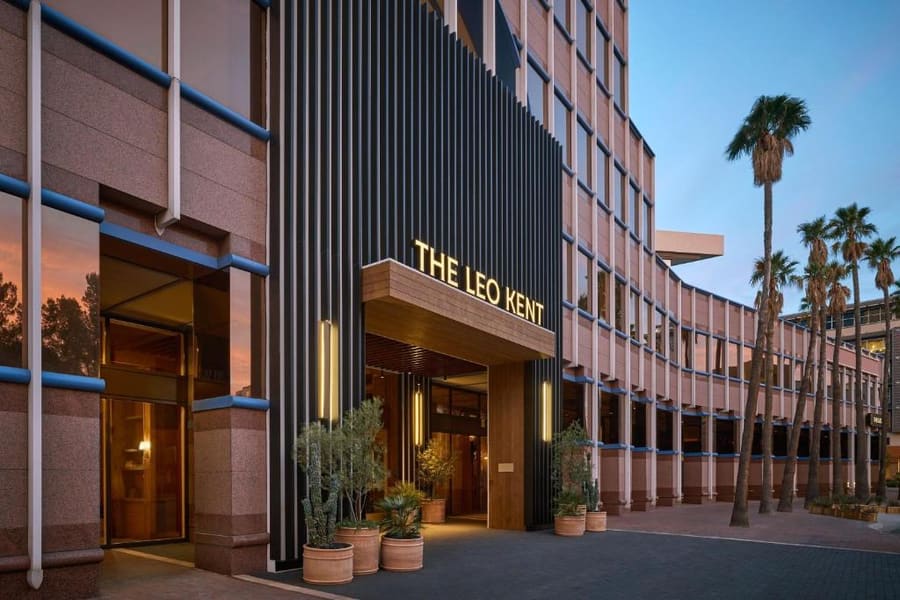
Choose your stay based on mobility. Downtown and 4th Avenue suit travelers without a car who want walkable dining. The Catalina Foothills offer quiet resort stays near hiking trails, but demand a rental car.
Live rates, matched to the areas above.

transport
Tucson is a spread-out desert grid. Driving a car is mandatory for reach beyond the central core, especially for mountain trails and national parks. Within the central corridor, the Sun Link streetcar provides simple urban transit.
Ab Tucson International Airport (TUS)
Pickups occur outside baggage claim at designated islands.
Taxicabs queue directly outside the lower level arrivals curb.
Sun Tran Route 11 and Route 25 link TUS to downtown; fares are currently free.
Connects the University of Arizona, 4th Avenue, Downtown, and Mercado District along a 3.9-mile route.
Sun Tran buses and Sun Link streetcars operate free of fare charge citywide.
Rent a car if you plan to visit Saguaro National Park West, Mount Lemmon, or Sabino Canyon.
Tucson lacks a central east-west freeway; cross-town drives on surface streets take 45 minutes during rush hours.
cost
Tucson remains significantly more affordable than Phoenix or Scottsdale. Casual dining offers exceptional value, while resort pricing spikes during winter and spring peak seasons.
Available at street stands and brick-and-mortar taquerias across the south side.
Includes three handmade corn tortilla tacos with beans and rice at local spots.
Public buses and streetcars currently operate without fares citywide.
Valid for seven days across both the East and West park districts.
seasonality
NOV – FEB
Daytime highs range 65–75°F (18–24°C). Peak tourist season brings higher hotel rates and crowded trails.
MAR – APR
Wildflowers bloom in the desert. Ideal outdoor conditions require booking accommodations months ahead.
MAY – JUN
Temperatures frequently exceed 100°F (38°C) with dry air. Hiking becomes dangerous past 9:00 AM.
JUL – SEP
Monsoon season brings violent afternoon thunderstorms and flash flooding. High humidity accompanies 100°F heat.
OCT
Temperatures cool to the mid-80s°F (29°C). Warm evenings make outdoor dining pleasant.
practicalities
Humidity is extremely low; drink water constantly even when you do not feel active sweat.
Never drive through flooded dips in roads during monsoon season; turn around immediately.
Carry two liters of water per person for any desert hike regardless of season.
Pack a warm jacket when driving up Catalina Highway; the peak is 30°F cooler than the valley.
Many small taquerias accept credit cards, but keeping cash handy speeds up street vendor orders.