landmark
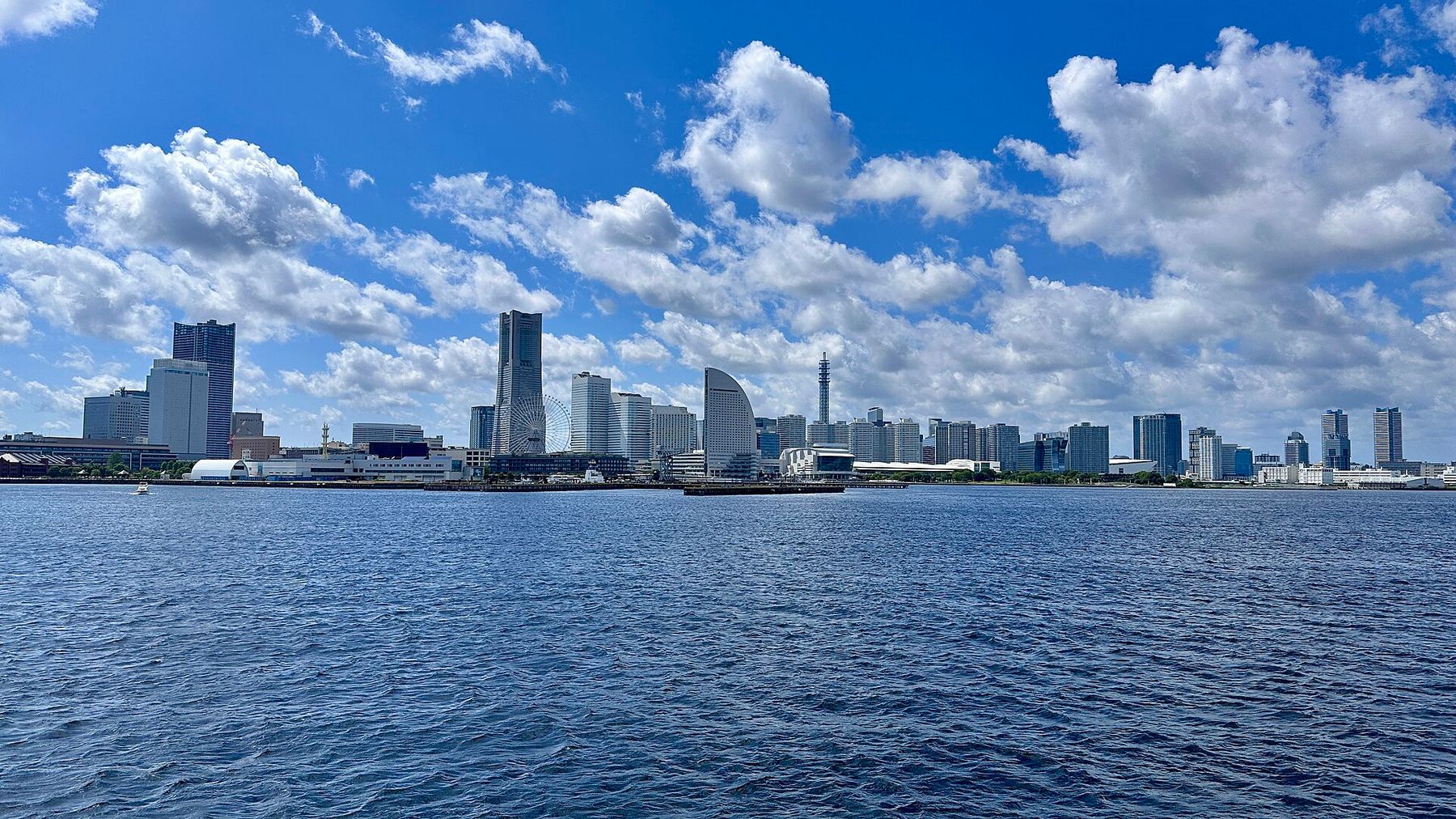
Yokohama Red Brick Warehouse
Customs storage built in 1911 turned creative hub. Visit early morning before crowds line up for artisanal bakeries.
Parley fragenJapan
Japan's port city of craft ramen, red brick, and bay views.
introduction
Yokohama sits twenty minutes south of Tokyo on the edge of Tokyo Bay. Wide pedestrian boardwalks and former shipping warehouses replace the dense grid of the capital. You navigate the harbor front on foot, by aerial ropeway, or along the underground Minatomirai Line. Expect open sky, maritime heritage, and late nights in retro drinking alleys.
Airport connection
Keikyu Line express trains run directly from Haneda Airport to Yokohama Station in 23 minutes.
Historical harbor
Yokohama opened as Japan's first international treaty port in 1859, shaping its distinct foreign enclave districts.
Transit pass tip
The Minatomirai Line 1-Day Pass costs 460 yen and pays off after three rides along the waterfront corridor.
Yokohama
外国人 · CC BY 3.0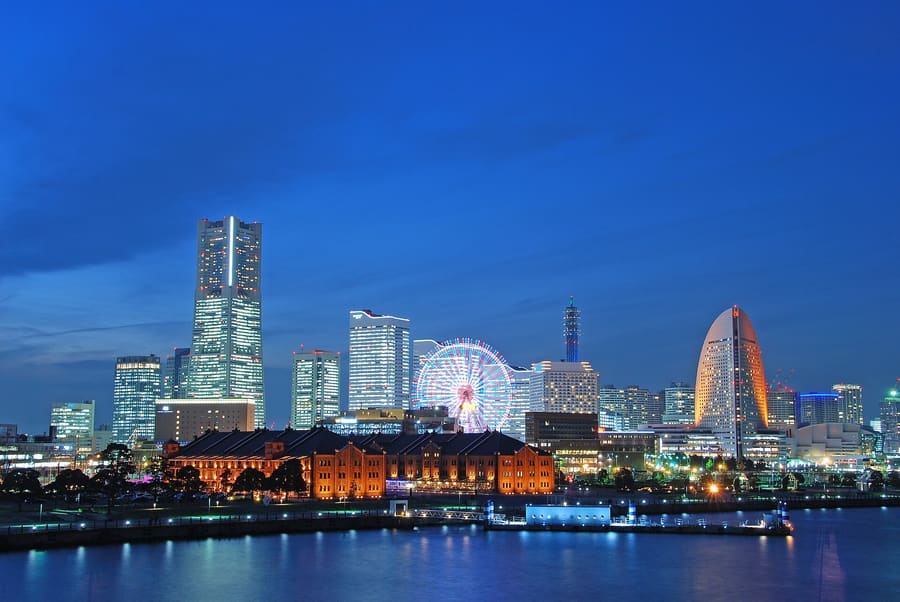
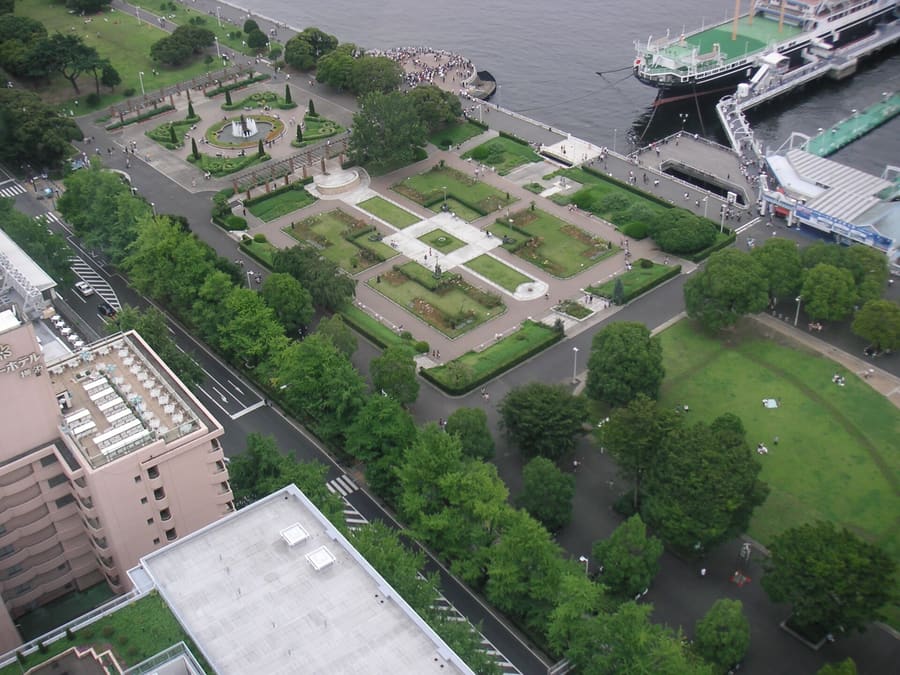
Minato Mirai 21 — Wide open sea promenades, glass high-rises, and restored brick docklands.
akumach from Kawasaki City, Japan · CC BY 2.0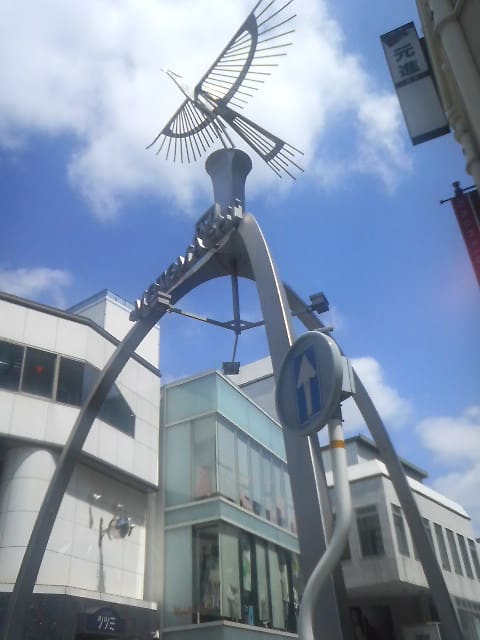
Motomachi & Yamate — Hilly residential district with Western bluffs, preserved mansions, and boutique shopping.
意味無し · CC BY-SA 3.0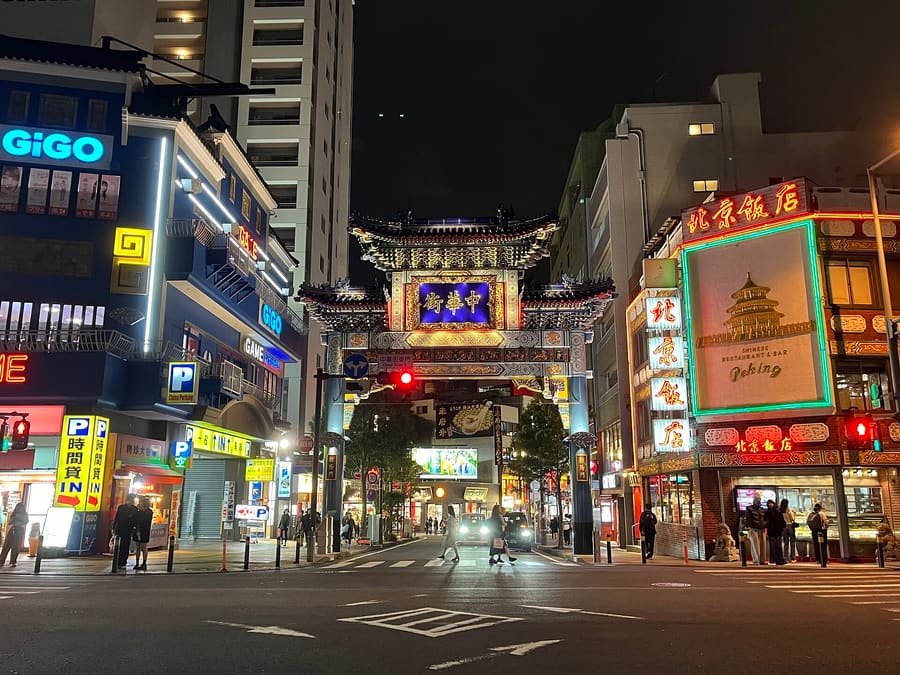
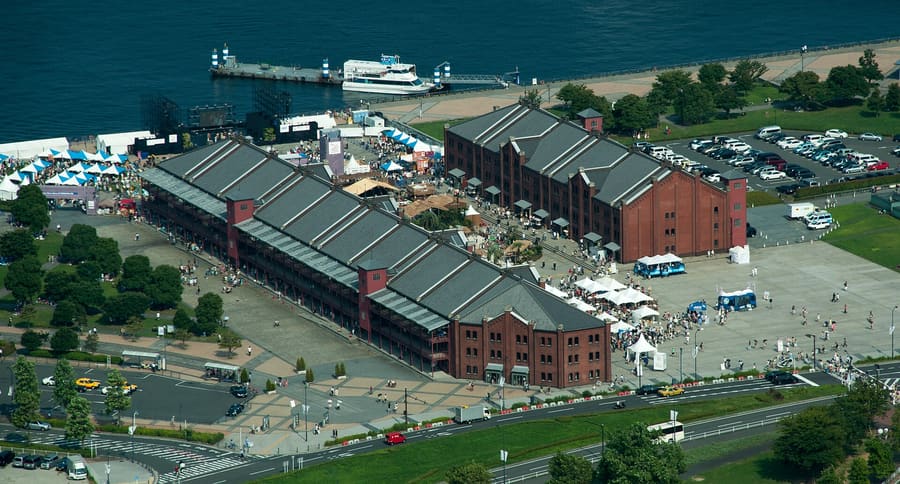
Chinatown & Yamashita — Dense food stalls, colorful temple gates, and lawn parks along the bay.
かなえゆうじん · CC0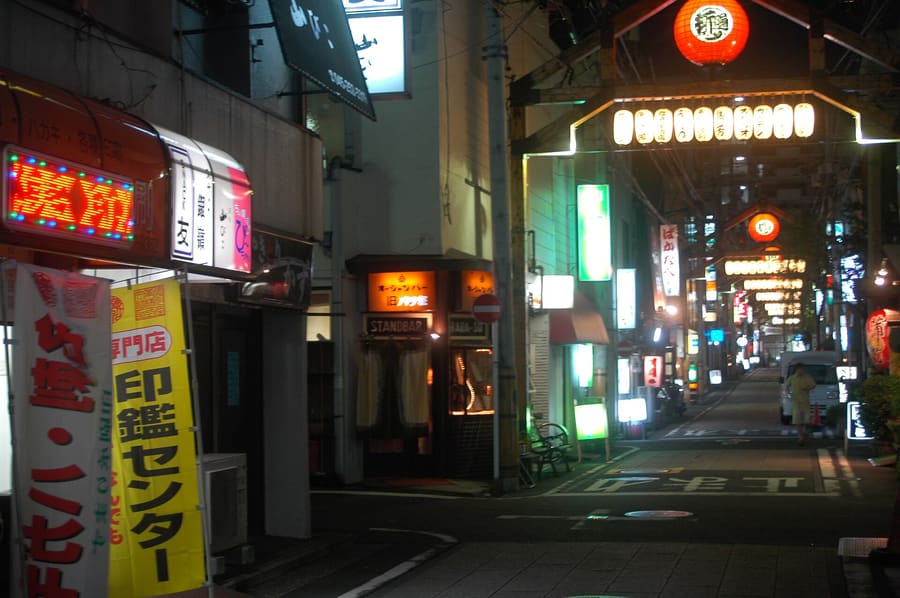
Noge & Kannai — Gritty back-alley izakayas, craft beer bars, and retro昭和 architecture.
Loadambala 2001 · CC BY-SA 3.0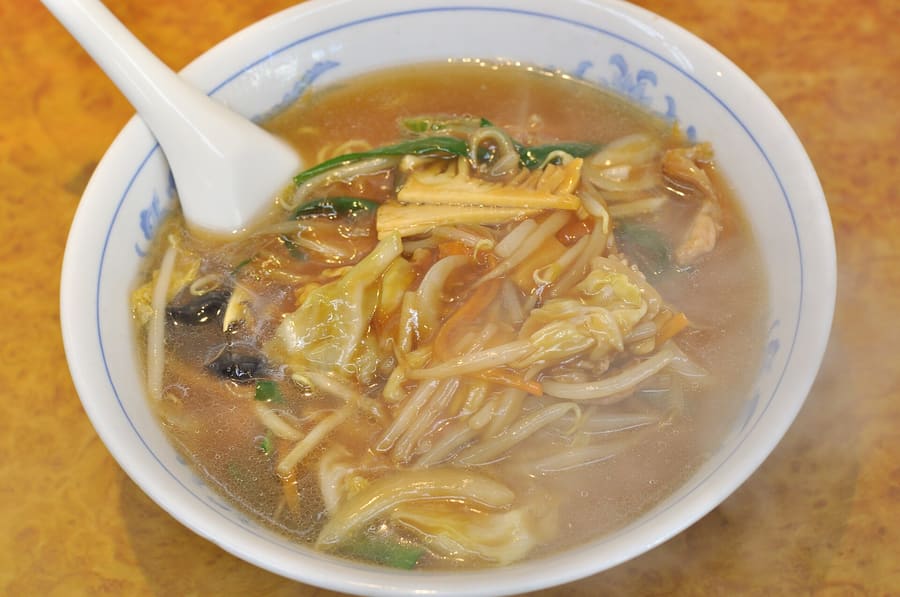
Sanmamen, Yokohama's signature local noodle dish cooked with thick stir-fried vegetables.
Ocdp · CC0highlights
landmark
Customs storage built in 1911 turned creative hub. Visit early morning before crowds line up for artisanal bakeries.
Parley fragen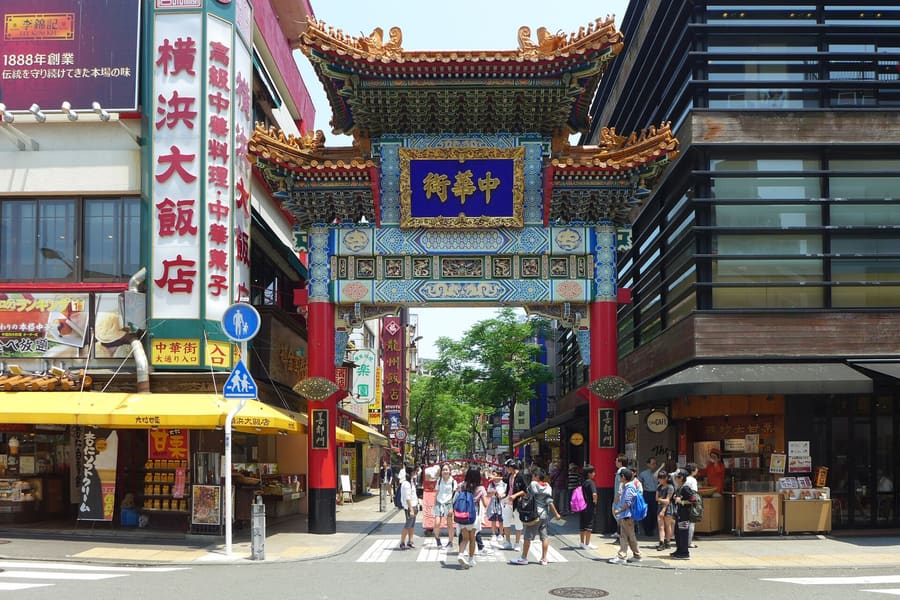
landmark
Japan's largest Chinatown with over 500 eateries. Walk off main streets to find small hand-pulled noodle shops.
Parley fragen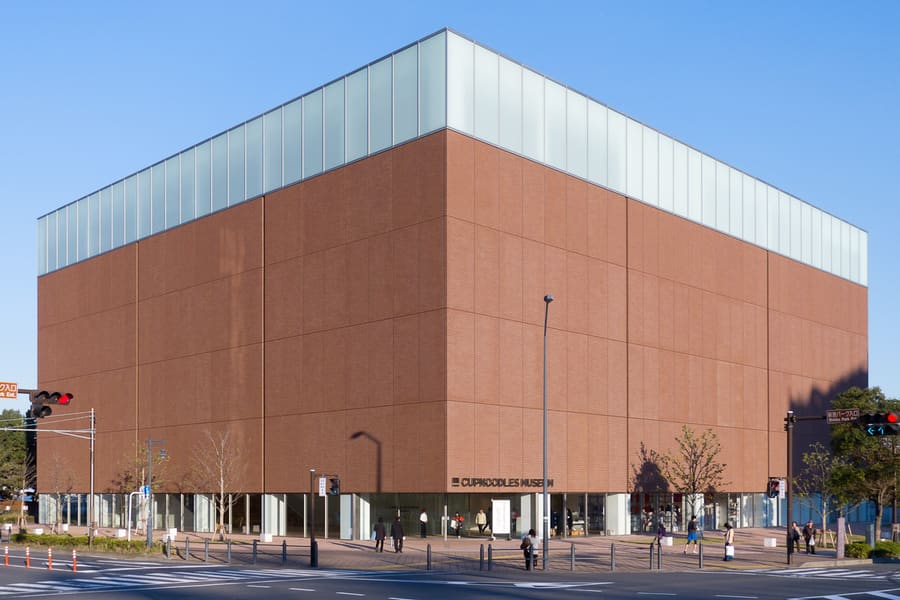
landmark
Interactive museum dedicated to instant ramen history. Reserve a My CUPNOODLES workshop slot at entry.
Parley fragen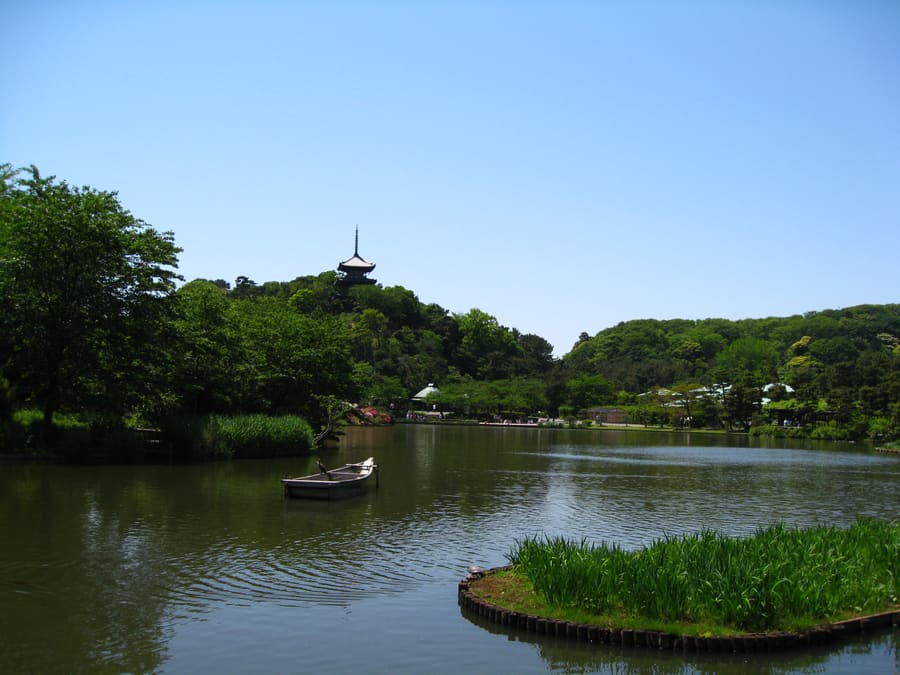
landmark
Traditional Japanese landscape garden featuring relocated historic buildings. Take bus 8 or 148 from Yokohama Station.
Parley fragen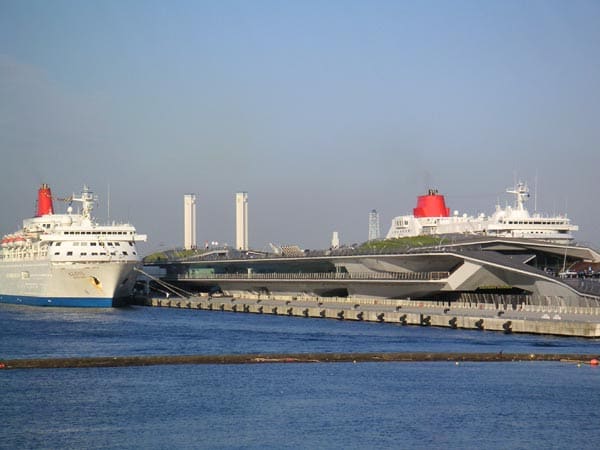
landmark
Pier terminal with a rolling wooden deck park. The open roof offers unobstructed views of Minato Mirai skyline.
Parley fragen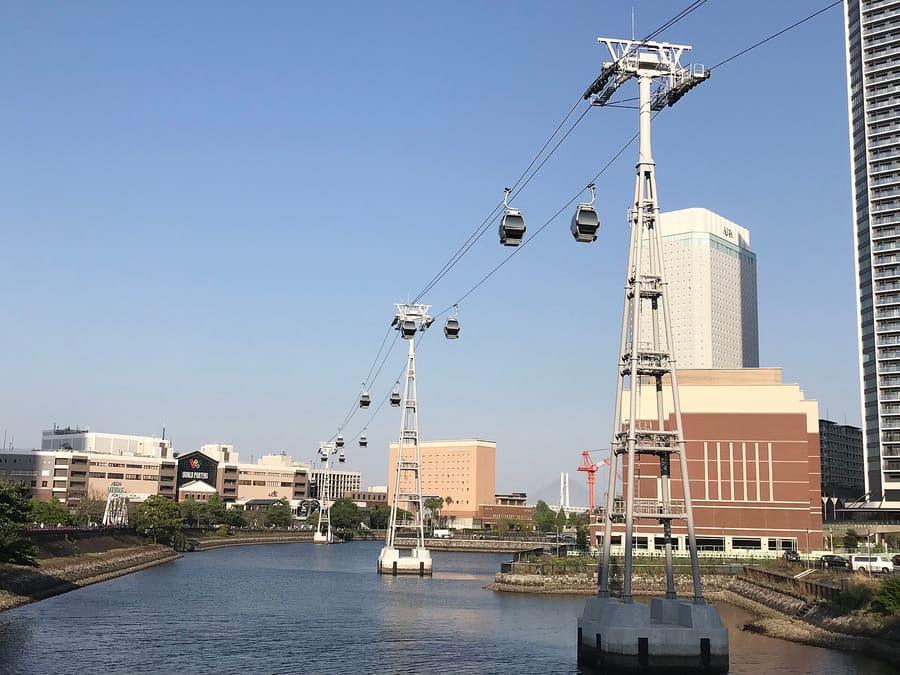
landmark
Urban ropeway connecting Sakuragicho Station to Canal Park in five minutes. One-way tickets cost 1,000 yen.
Parley fragenattractions
areas
Wide open sea promenades, glass high-rises, and restored brick docklands.
In der NäheCupNoodles Museum and Red Brick Warehouse
Parley fragenHilly residential district with Western bluffs, preserved mansions, and boutique shopping.
In der NäheHarbor View Park and Motomachi Shopping Street
Parley fragenDense food stalls, colorful temple gates, and lawn parks along the bay.
In der NäheYamashita Park and Osanbashi Pier
Parley fragenGritty back-alley izakayas, craft beer bars, and retro昭和 architecture.
In der NäheSakuragicho Station and Bashamichi
Parley fragenfood
Yokohama invented its own branch of Japanese food culture through its port connections. You eat Yokohama-style Iekei ramen with thick pork-soy broth, flat noodles, and spinach at Yoshimuraya near Yokohama Station. In Chinatown, Sanmamen is a popular noodle dish featuring crisp bean sprouts and pork in a savory starch broth over wheat noodles. Historic hotels here also created Western-Japanese dishes like Spaghetti Napolitan.
Sanmamen, Yokohama's signature local noodle dish cooked with thick stir-fried vegetables.
Ocdp · CC0Expect a 45-minute wait at Yoshimuraya ramen. Buy your meal ticket at the vending machine before getting into line.
Buy warm steamed pork buns from Edosei street stalls on Chinatown's main street rather than sitting down in large banquet halls.
Bars in Noge start filling around 18:00. Bring cash, as small counters under the rail tracks rarely take cards.
history
Yokohama was a fishing village of 100 households when Commodore Perry anchored off the coast in 1853. The Tokugawa Shogunate selected Yokohama as an international trade port in 1859 to isolate foreign merchants from Edo. Foreign settlements established gas streetlights, modern newspapers, and horse racing. The city rebuilt twice after the 1923 Great Kanto Earthquake and 1945 bombing raids.
Port opens
Yokohama opens to foreign trade, introducing Western trade houses and foreign settlement districts.
First Japanese railway
Japan's first railway links Shinbashi in Tokyo with Yokohama Station, cutting travel time to 53 minutes.
Hotel New Grand opens
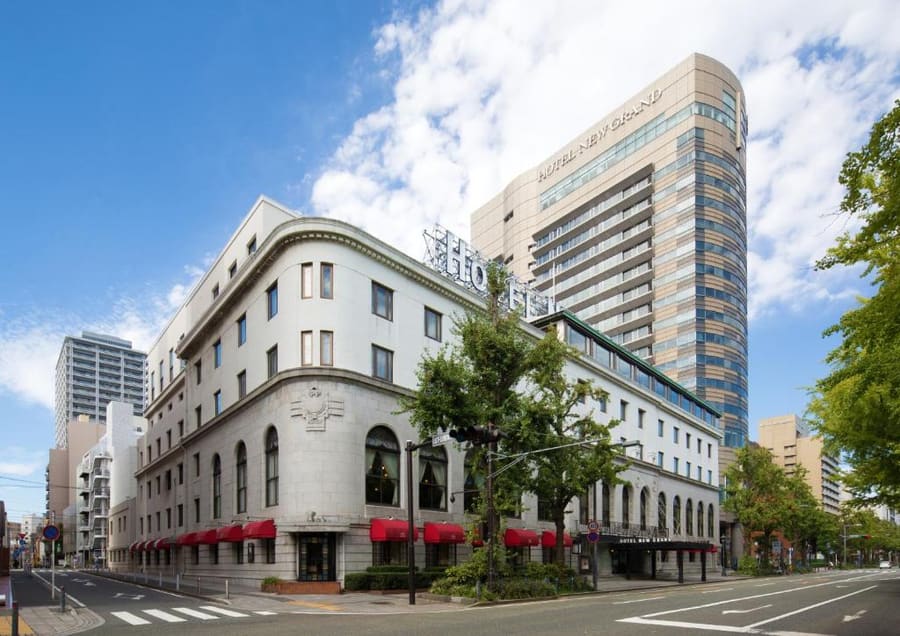
The waterfront hotel opens to host foreign dignitaries, establishing European dining culture in Japan.
Minato Mirai project
Construction begins on modern dockland reclamation, turning shipyard land into high-rise districts.
where to stay
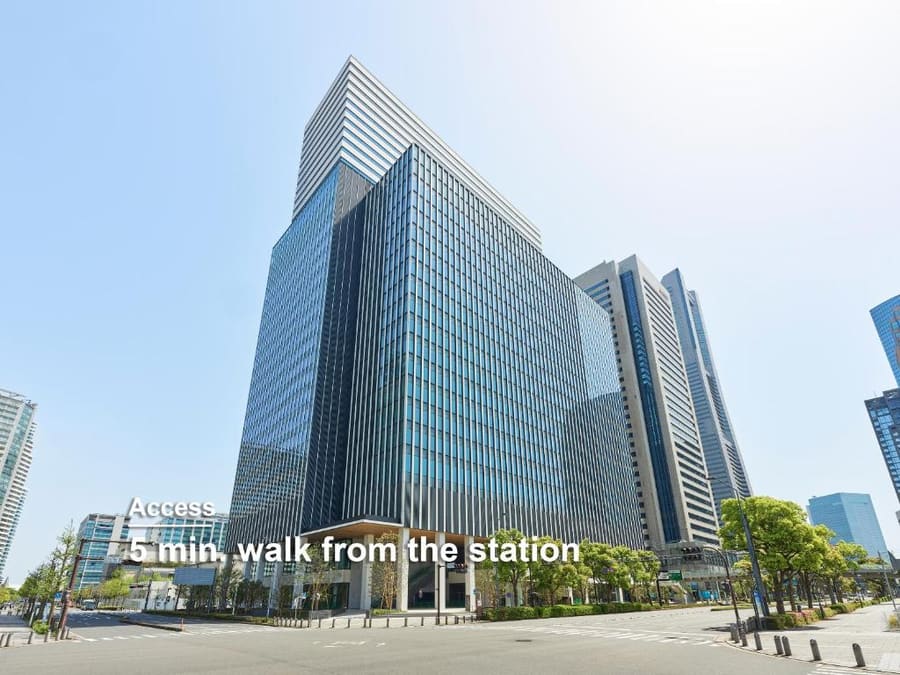
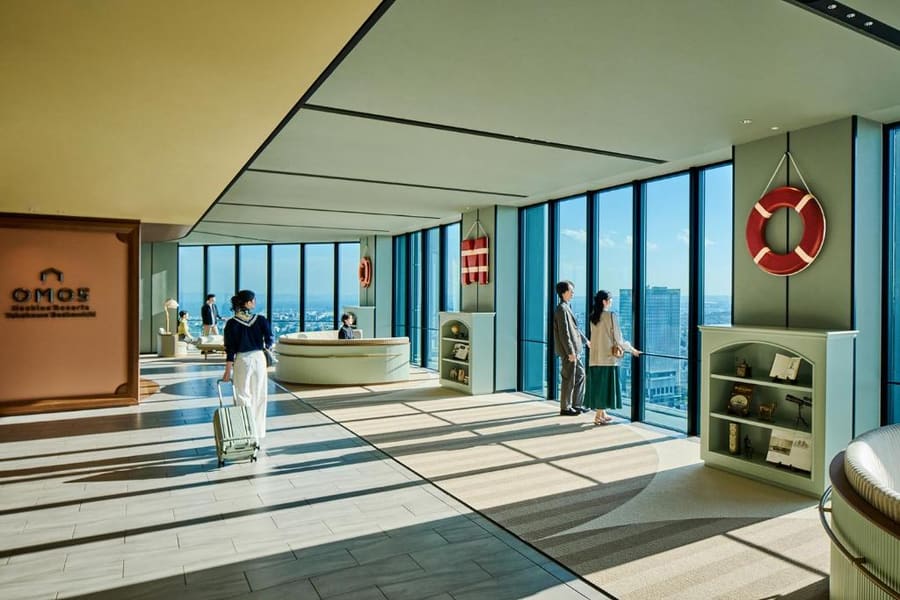
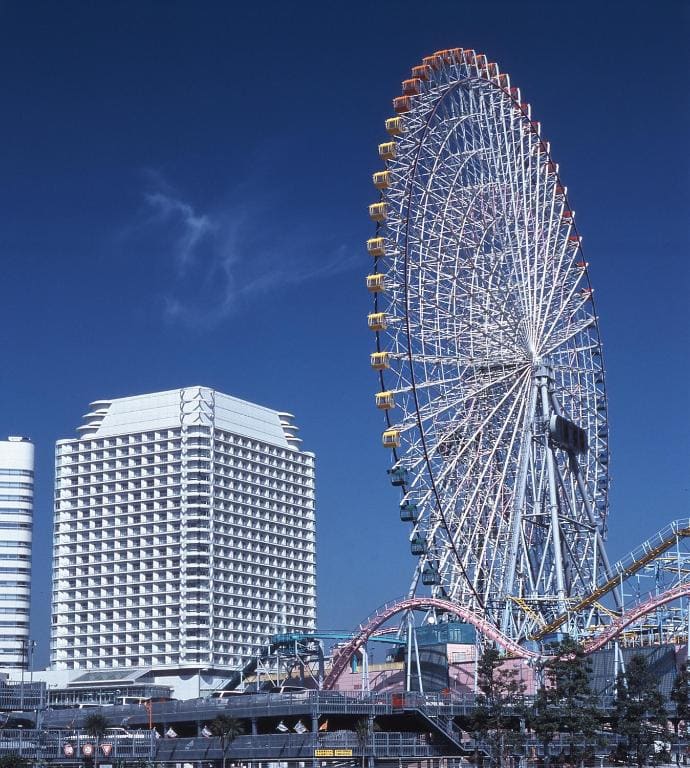
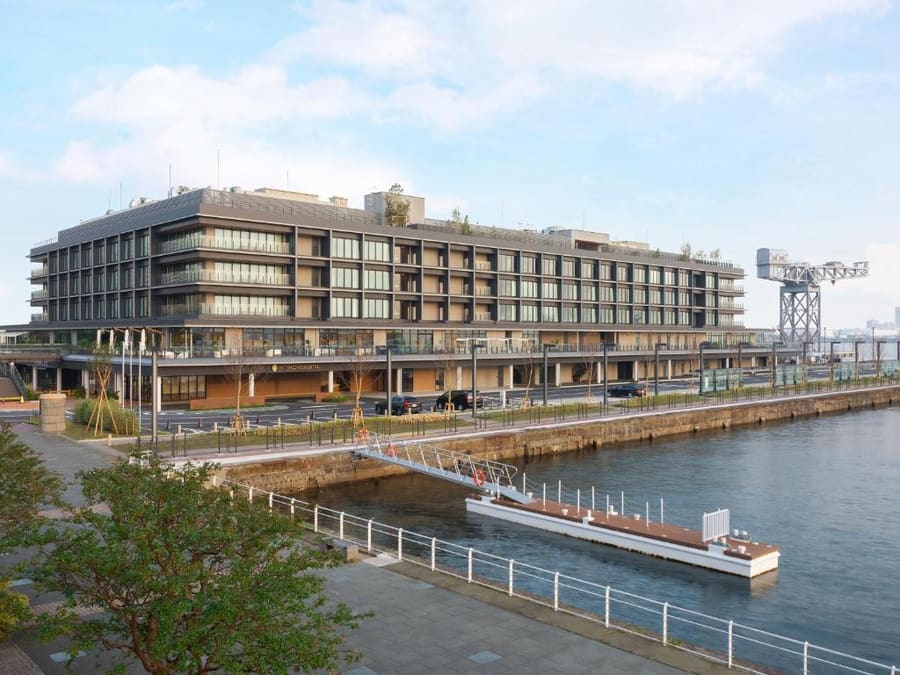
Base your location on transit access and evening plans. Minato Mirai suits travelers wanting bay views and direct hotel access to shopping malls. Noge and Sakuragicho put you steps from late-night izakayas and JR trains. Chinatown and Yamashita offer quieter waterfront parks and historic European architecture.
Live rates, matched to the areas above.
transport
Yokohama is linked by dense rail networks. The Minatomirai underground line connects Yokohama Station to Motomachi-Chukagai in eight minutes. The JR Negishi Line parallels the coast above ground. For waterfront trips between Sakuragicho and Red Brick Warehouse, you walk the elevated Kishamichi Promenade or board the Air Cabin aerial ropeway.
Ab Haneda Airport (HND)
Keikyu Line direct express runs every 10 minutes to Yokohama Station.
YCAT limousine buses run directly to Yokohama City Air Terminal.
Fixed-rate airport taxi fares apply when booked via official airport ranks.
Tokyu Toyoko Line trains continue directly onto the Minatomirai Line without requiring a transfer at Yokohama Station.
Tap Suica or Pasmo cards at all turnstiles across JR, Keikyu, Municipal Subway, and Minatomirai train lines.
The Sea Bass water bus links Yokohama Station East Exit to Red Brick Warehouse in 15 minutes for 800 yen.
cost
Yokohama is slightly cheaper than central Tokyo for dining and accommodation. Mid-range meals and local rail fares stay predictable, while waterfront luxury hotels charge premium rates for bay balcony views.
Standard price for Iekei or Sanmamen noodles at local counters.
Cost for three steamed xiaolongbao or one pan-fried pork bun.
Single underground journey between Yokohama Station and Chinatown.
General admission price. Custom noodle workshop costs an extra 500 yen.
seasonality
MAR – MAY
Spring brings cherry blossoms to Kishamichi Promenade and comfortable temperatures for bay walks.
JUN – AUG
Hot and humid weather with evening harbor fireworks displays. Hydrate frequently along unshaded piers.
SEP – NOV
Clear skies and mild temperatures make autumn ideal for exploring Sankeien Garden trees.
DEC – FEB
Crisp dry winter days offer the sharpest views of Mount Fuji across Tokyo Bay.
practicalities
Most Chinatown street stalls close by 20:30, though sit-down restaurants remain open until 22:00.
Osanbashi Pier deck gets strong ocean winds. Keep hats secured when walking the wooden promenade.
Small drinking counters in Noge rarely accept digital payments or credit cards. Carry physical cash.
Use coin lockers inside Sakuragicho Station before heading down the Kishamichi boardwalk.
Smoking on streets is banned across Yokohama outside designated glass smoking cabins near stations.