landmark
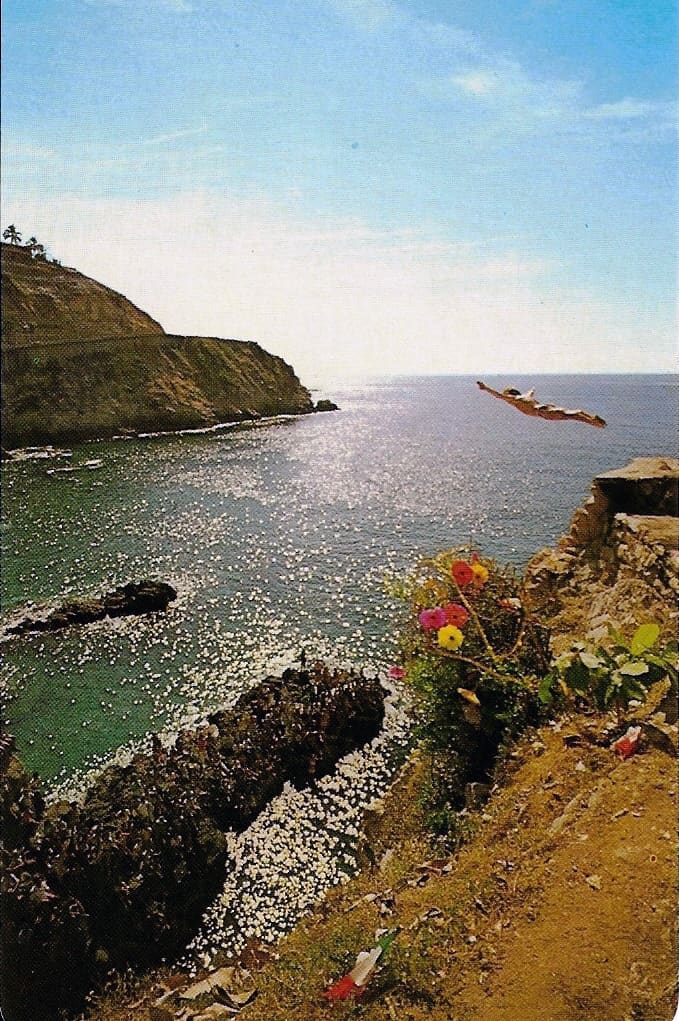
La Quebrada
Divers plunge 35 metres into a narrow ocean gorge. Time your visit for the night show when divers leap with lit torches.
Ρωτήστε το ParleyΜεξικό
A steep bay of high-diving tradition and oceanfront energy.
introduction
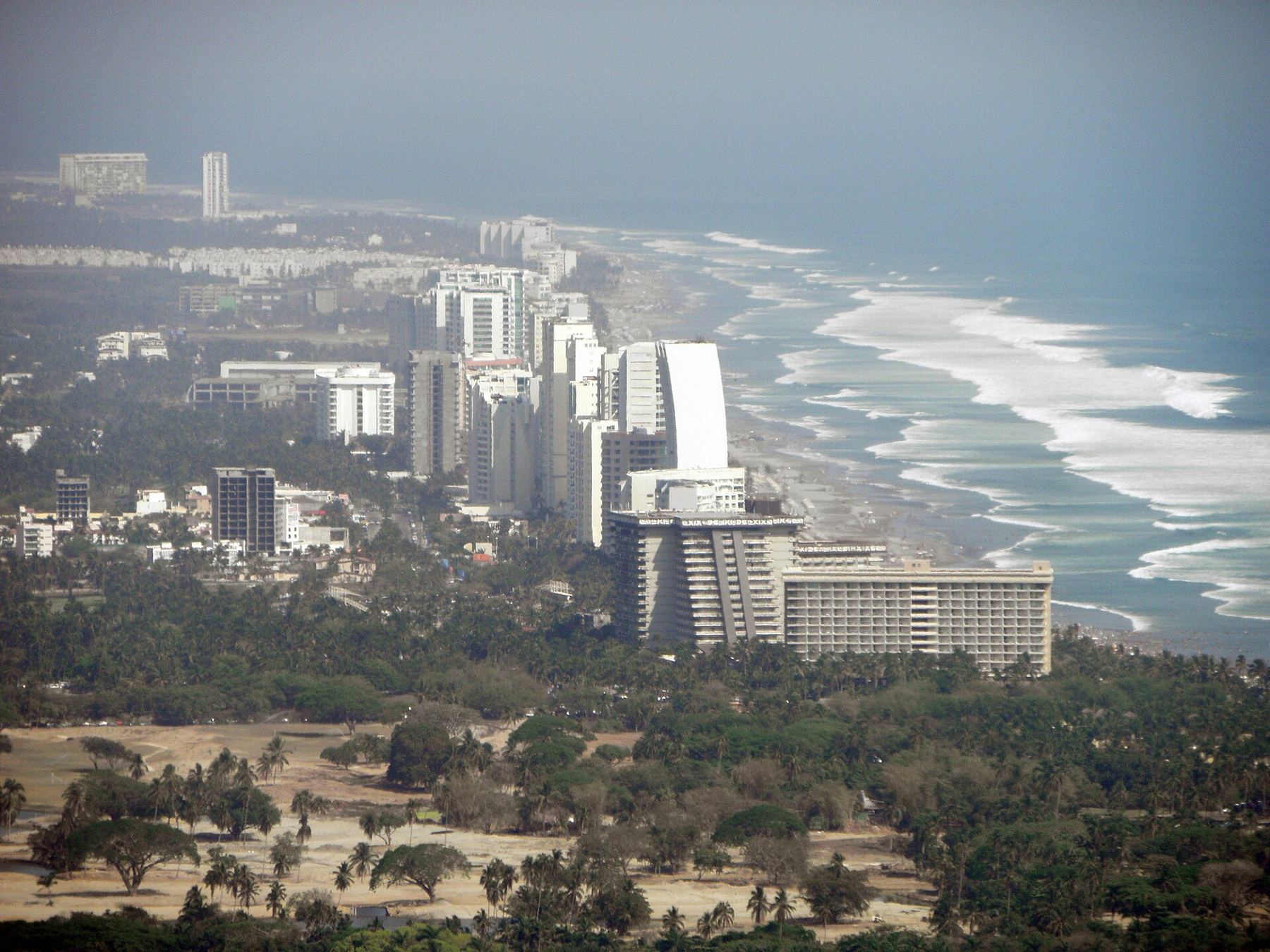
Acapulco wraps around a deep natural bay framed by the Sierra Madre del Sur mountains. The city divides into three distinct coastline eras: the old town near the cliffs, the golden mid-century strip, and the modern luxury enclave near the airport. You move along the main coastal highway by bus or taxi, trading calm bay water for open Pacific surf.
Airport taxicabs use fixed zone tariffs
Buy an official taxi voucher inside the Juan N. Álvarez terminal before stepping outside. Private rideshare apps cannot pick up passengers directly at the airport curbside.
Fort San Diego pentagonal fortress
The 17th-century star fortress houses the Museum of History of Acapulco. It remains the largest maritime fortification built along Mexico's Pacific coastline.
Thursday green pozole tradition
Local restaurants serve traditional green pozole every Thursday afternoon. Venues fill by 14:00, so arrive early to secure a table.
highlights
landmark
Divers plunge 35 metres into a narrow ocean gorge. Time your visit for the night show when divers leap with lit torches.
Ρωτήστε το Parley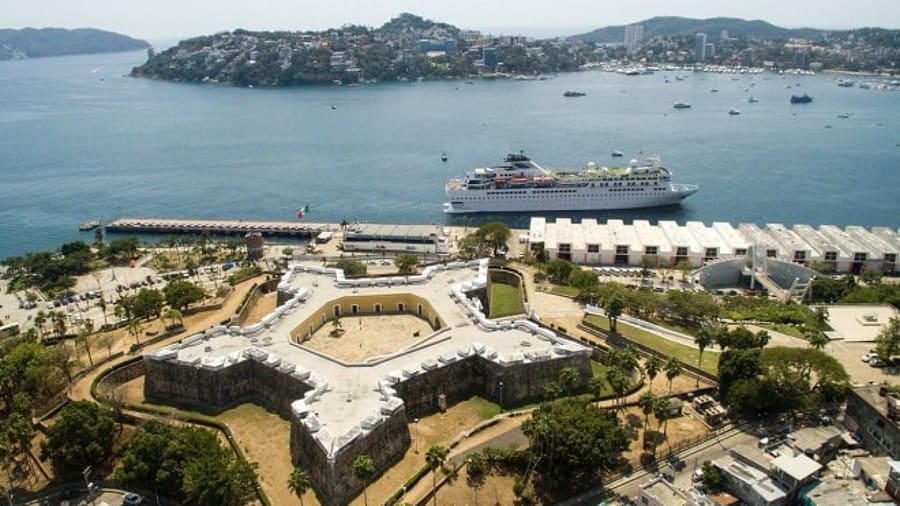
landmark
A pentagonal 17th-century fort guarding the bay. Explore exhibits detailing the historic Manila galleon trade route.
Ρωτήστε το Parley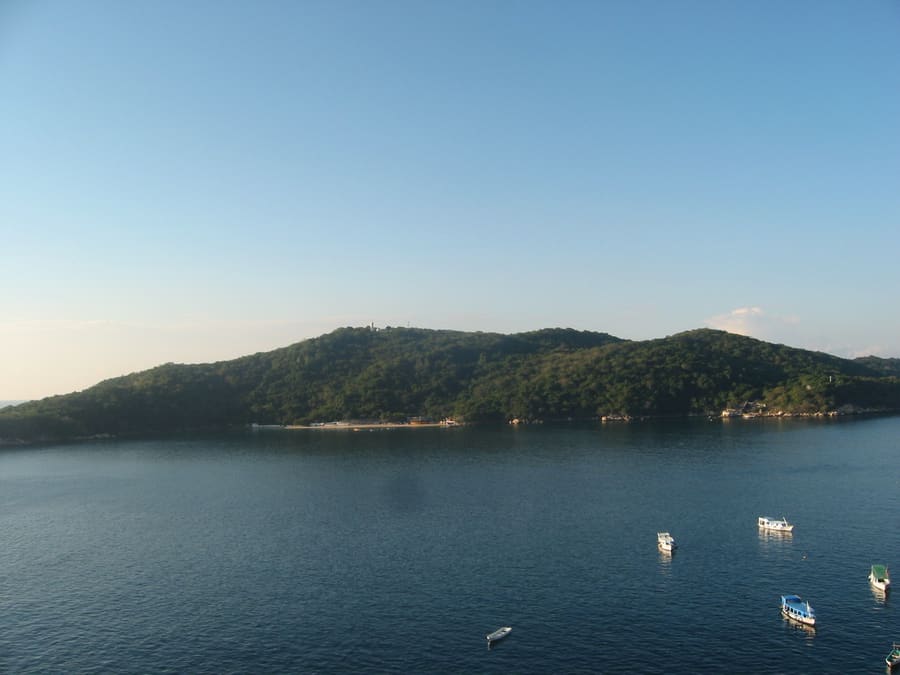
landmark
A rocky island reached by a short boat ride from Caleta. Water clarity makes it the bay's primary snorkeling spot.
Ρωτήστε το Parley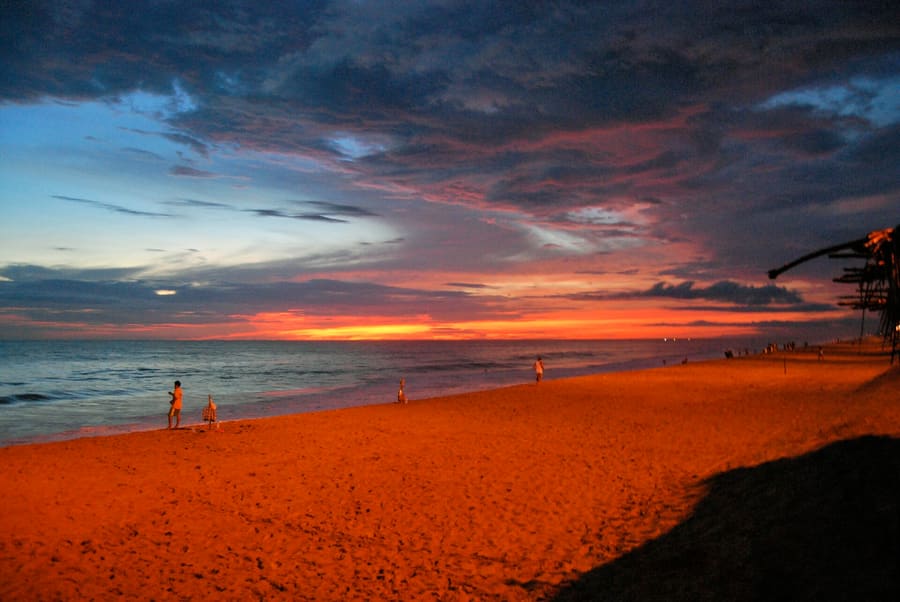
landmark
A long sand spit separating the Pacific from Coyuca Lagoon. Heavy surf makes swimming risky, but sunset views are unmatched.
Ρωτήστε το Parley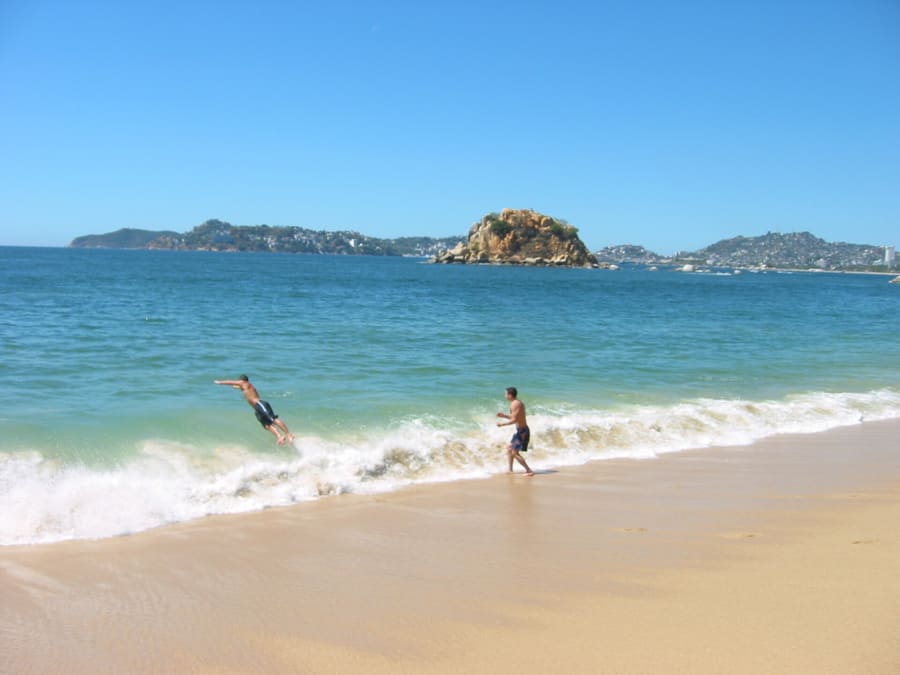
landmark
The center of beach activity along the Zona Dorada. Jet ski rentals and watersports operate continuously along this stretch.
Ρωτήστε το Parleyattractions
areas
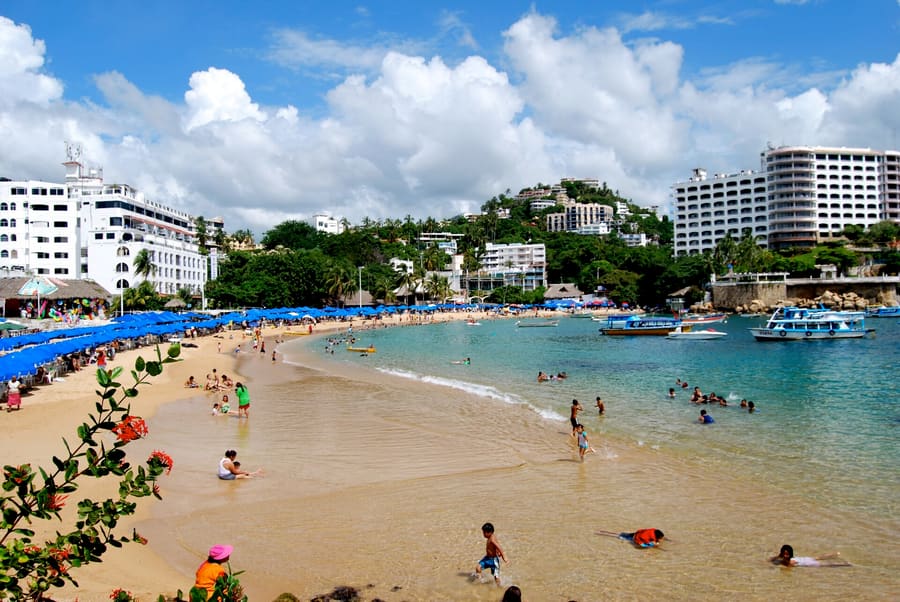
Mid-century architecture, cliffside views, and calm water around Caleta.
ΚοντάLa Quebrada, Fort San Diego, Caleta Beach
Ρωτήστε το Parley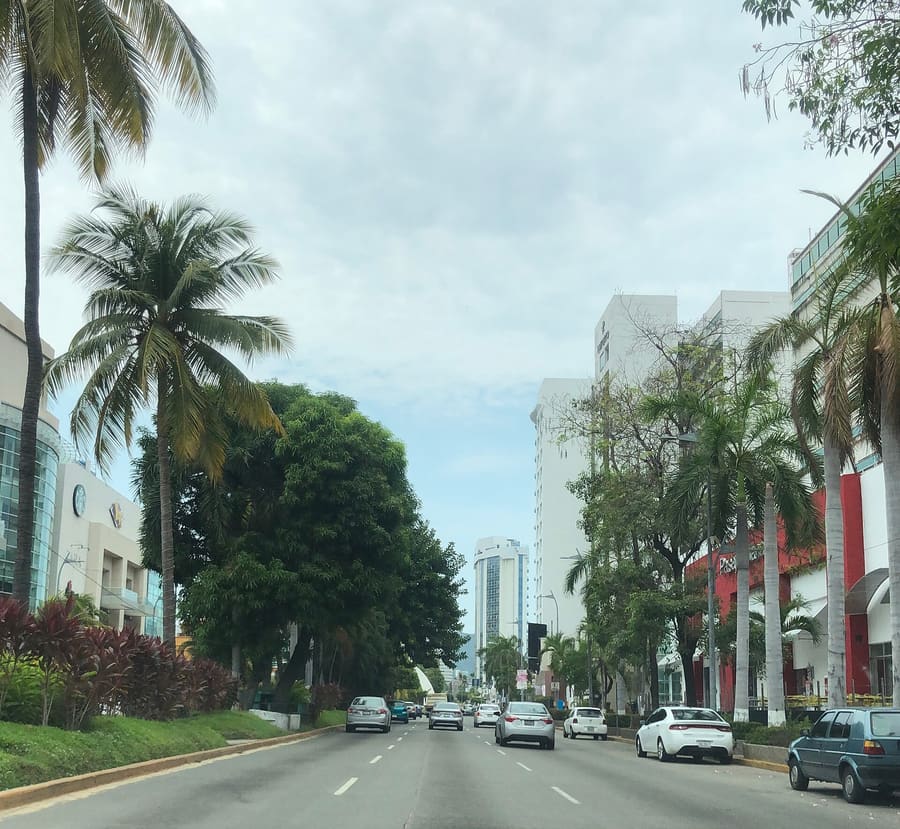
High-rise hotels, lively beach clubs, and continuous coastal activity.
ΚοντάPlaya Condesa, Diana Cazadora, El Rollo water park
Ρωτήστε το Parley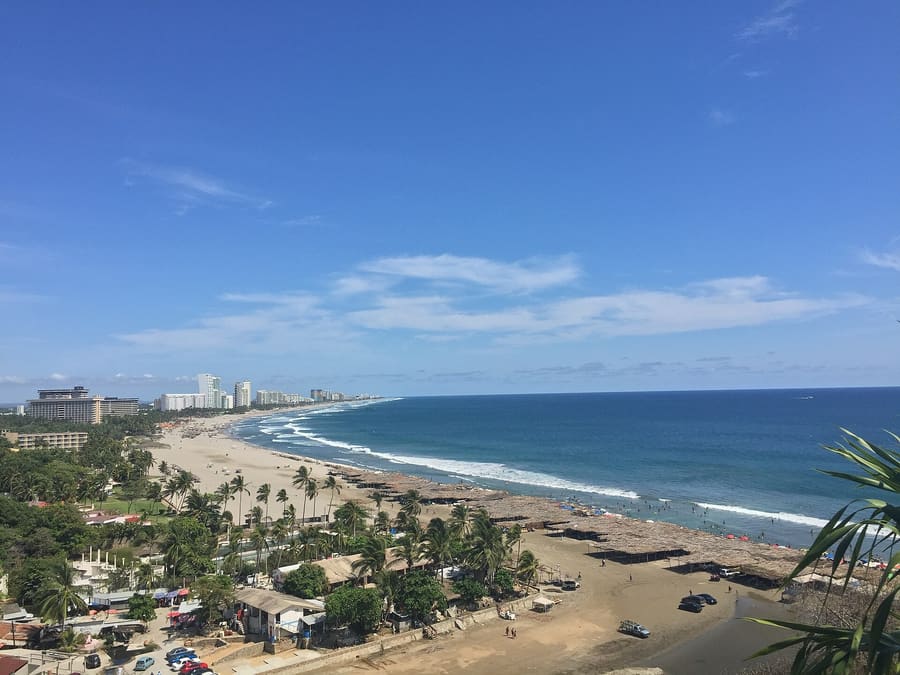
Gated golf resorts, modern luxury towers, and wide open beaches.
ΚοντάPlaya Revolcadero, La Isla Shopping Village
Ρωτήστε το ParleyQuiet beach village squeezed between open ocean surf and a freshwater lagoon.
ΚοντάCoyuca Lagoon, Barra de Coyuca
Ρωτήστε το Parleyfood
Acapulco eats differently from inland Guerrero. Thursday is strictly dedicated to green pozole, made with pumpkin seeds, epazote, and pork, served with mezcal and chicharrón. Daily dining centers on fresh Pacific mariscos, particularly pescado a la talla grilled over wood coals with chili paste.
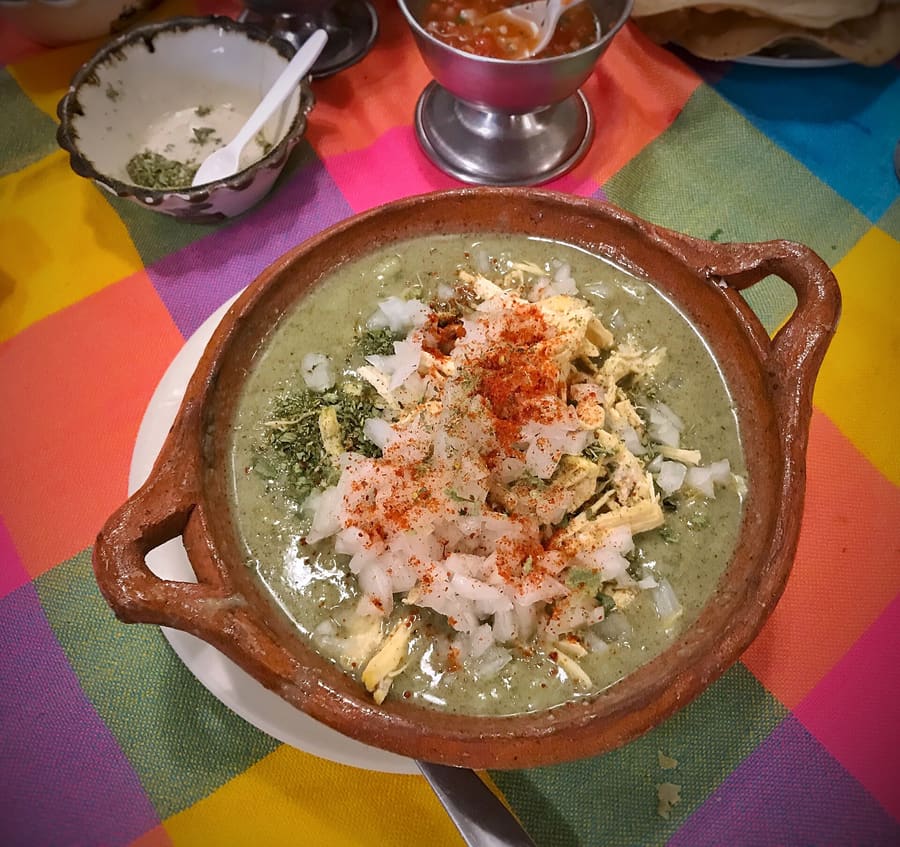
Traditional Guerrero green pozole served with local garnishes.
T.Tseng · CC BY 2.0Eat butterflied red snapper cooked over wood coals at Barra Vieja. The red chili marinade gives the fish a distinct smoky crust.
Drink chilled chilate made from cocoa, rice, cinnamon, and brown sugar. Buy it poured from height by street vendors along Avenida Costera in the morning.
history
Acapulco served as New Spain's primary Pacific portal for centuries. The arrival of the Manila galleons established trade links between Asia and the Americas, which required massive fortifications to defend against privateers. By the mid-20th century, road links to Mexico City turned the port town into a major international resort destination.
Spanish Settlement
Spanish navigators establish Acapulco as a major Pacific port for shipbuilding and exploration.
Manila Galleon Route
Andrés de Urdaneta discovers the Pacific return route, starting two centuries of annual Manila trade galleons.
Fort San Diego Built
Spanish military engineers build the star fort to protect trade goods from Dutch and English privateers.
Hollywood Resort Era
Acapulco transforms into an international resort as international celebrities and politicians build villas along the bay.
where to stay
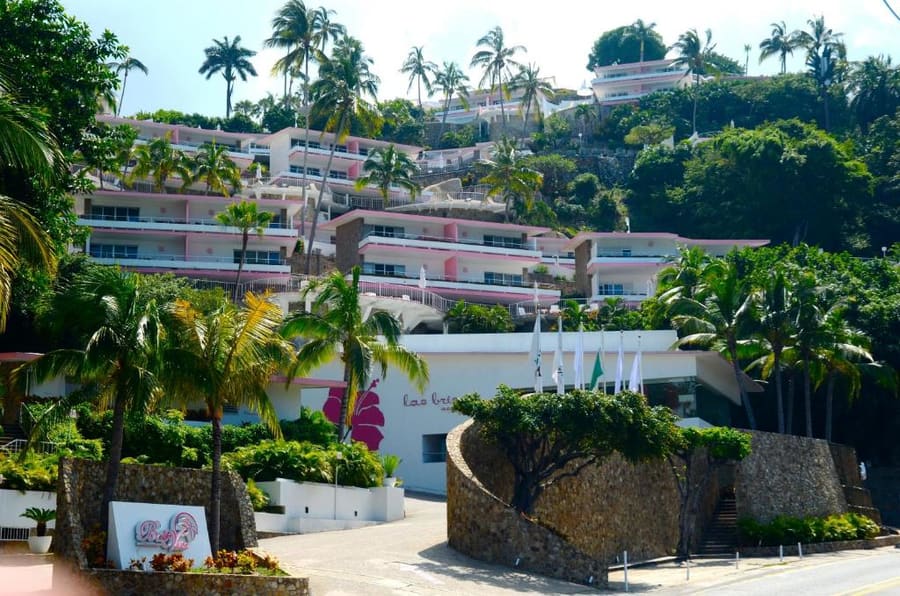
Choose your base by ocean conditions and neighborhood era. The Zona Tradicional offers historic mid-century hotels near the cliffs. Zona Dorada puts you on the central bay near dining, while Diamante provides isolated mega-resorts.
Live rates, matched to the areas above.
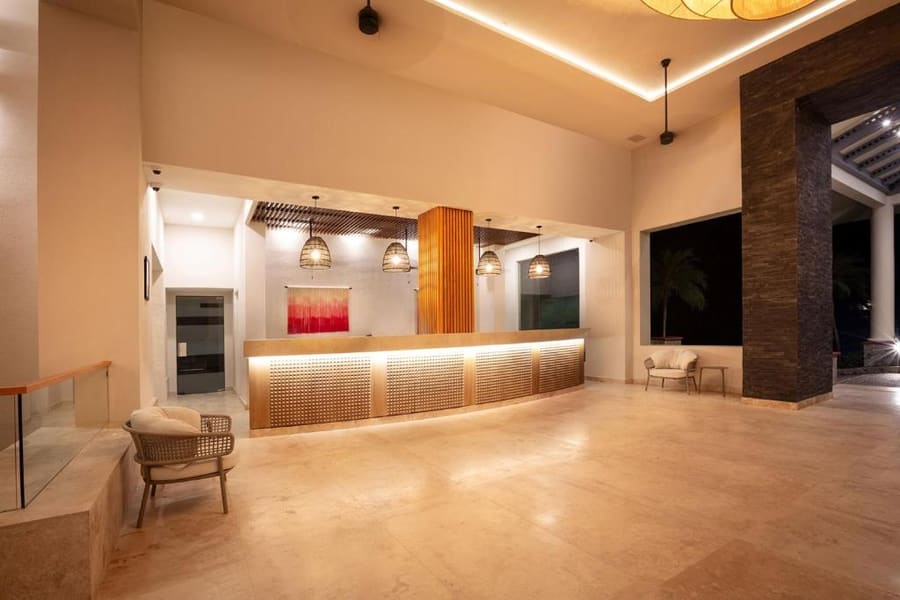
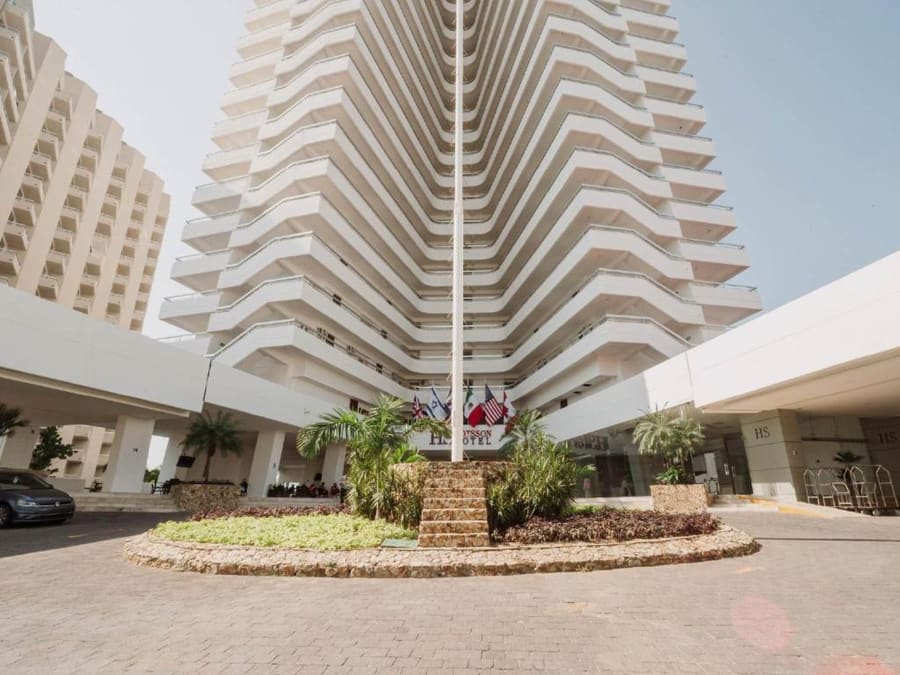
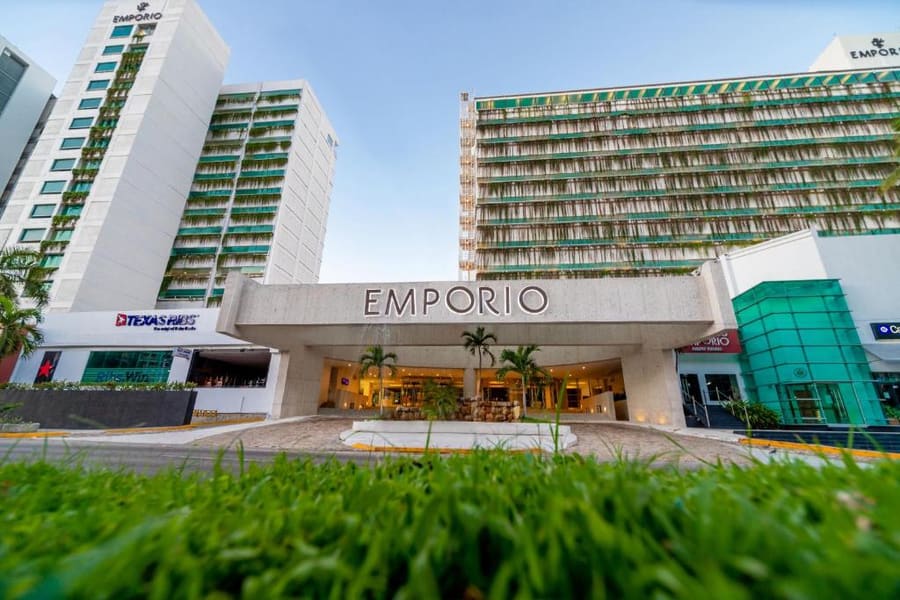
transport
Acapulco spans over 20 kilometers of coastline. Public transit includes bus rapid transit lines and shared yellow taxis. Taxis do not run meters, so negotiate total fares before boarding.
Από ACA
Buy pre-paid vouchers inside the terminal building before exiting.
Local buses stop outside the airport perimeter gates along the highway.
Pickup requires walking outside airport grounds to the main boulevard.
The Acabús rapid transit system connects central Acapulco to suburban corridors. Pay using a rechargeable smart card at station turnstiles.
Shared yellow sedan taxis run fixed routes along Avenida Costera. Confirm your destination with the driver before stepping into the vehicle.
Avenida Costera Miguel Alemán slows heavily between 18:00 and 21:00. Allow extra travel time when heading across the bay for dinner.
Street taxis do not use meters anywhere in Acapulco. Agree on the total cash fare with the driver before closing the door.
cost
Acapulco operates heavily on cash for daily purchases, though credit cards are accepted at major hotels and resort dining venues. Prices drop significantly outside the Diamante corridor.
Covers a seafood main dish and a local beer at a beachside palapa.
Grants access to the official viewing platform for the cliff diving show.
Flat rate per passenger for a ride along the main coastal boulevard.
Includes side garnishes, chicharrón, and tostadas at traditional diners.
seasonality
MAR – MAY
Warm ocean temperatures and clear skies. Holy Week brings huge domestic crowds and peak room rates.
JUN – AUG
Humid days with afternoon rain showers. Ocean swells increase along open Pacific beaches.
SEP – NOV
Highest rainfall of the year, particularly in September. Rates drop and many tourist businesses shorten hours.
DEC – FEB
Dry, sunny days with cool evening breezes. Winter holidays bring heavy bookings across all bay districts.
practicalities
Pacific ocean waves at Pie de la Cuesta and Revolcadero carry strong undertows. Swim only along protected bay beaches.
Tropical sun intensity at latitude 16° North requires high-SPF sunscreen. Reapply frequently when taking boat trips.
Wear sturdy shoes on Isla de la Roqueta. Trail paths leading up to the lighthouse involve uneven stone steps.
Beach vendors and small seafood joints do not take credit cards. Carry small bills in Mexican pesos for day trips.
La Quebrada divers perform nightly at set hours. Arrive 30 minutes early to secure a railing spot along the observation deck.