landmark
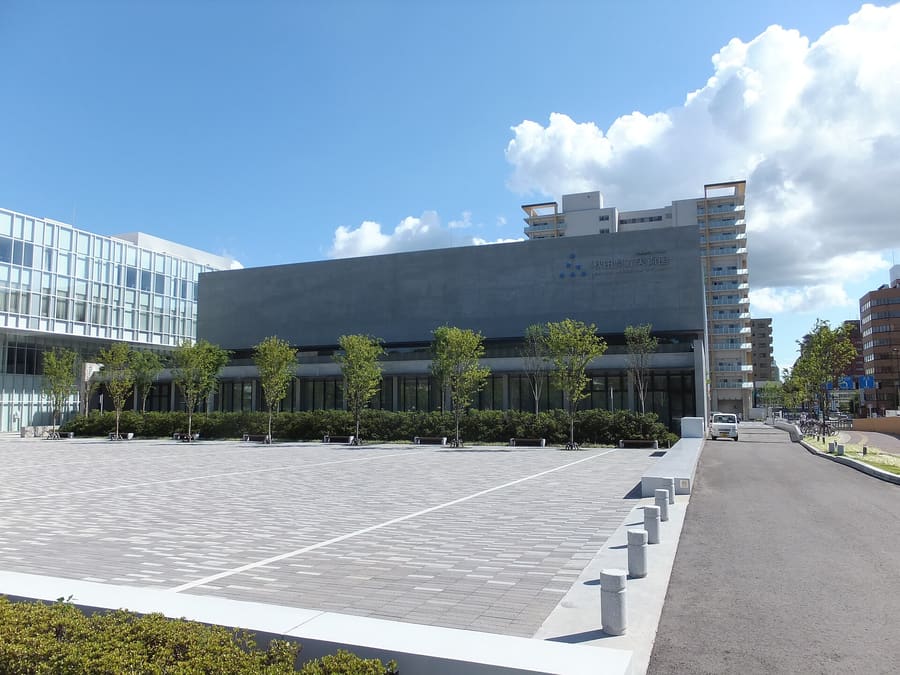
Akita Museum of Art
View Tsuguharu Foujita's massive 3.65-meter mural of Akita life. Designed by Tadao Ando, entrance costs ¥310.
Ρωτήστε το ParleyΙαπωνία
Cedar forests, rice culture, and deep northern winter traditions.
introduction
Akita sits between the Sea of Japan and the Ou Mountains, structured around rail lines and riverbanks rather than dense urban grids. You navigate the city easily on foot between the main station and the Asahi River, or via local buses for outer ports and parks. Heavy snowfall defines winter routines, while summer brings brief heat and the massive Kanto night parade. Expect low-key hospitality, regional food built on rice and fermentation, and straightforward transit links to deep mountain valleys.
Shinkansen seat reservation
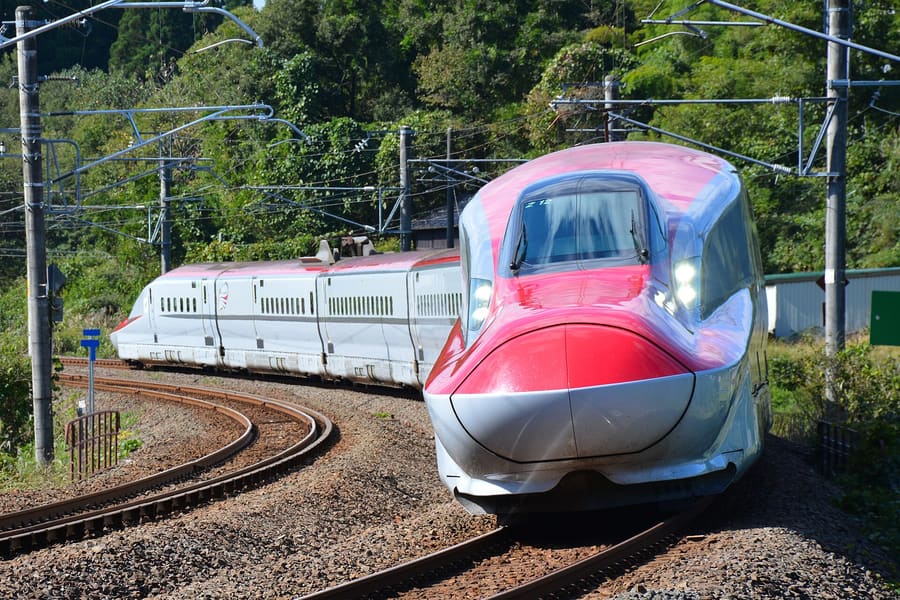
The Akita Shinkansen Komachi uses mandatory reserved seating. Book your seat online before boarding at Tokyo or Sendai to guarantee your spot.
Kanto Festival traditions
Akita Kanto Matsuri is designated an Important Intangible Folk Cultural Property of Japan. Balanced bamboo poles hold up to 46 paper lanterns over summer crowds.
Akita City Bus IC card system
Local Akuchu buses accept Suica and ICOCA cards. Tap your card when boarding through the rear door and tap again when exiting at the front.
Akita
Cheng-en Cheng · CC BY-SA 2.0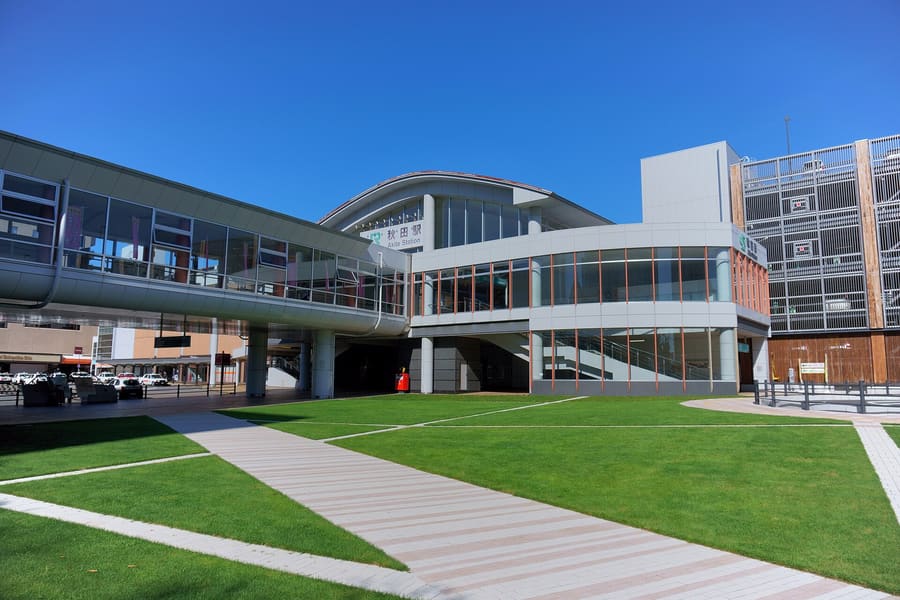
Akita Station Area — Transit hub lined with modern shopping centers, covered walkways, and izakaya lanes.
掬茶 · CC BY-SA 4.0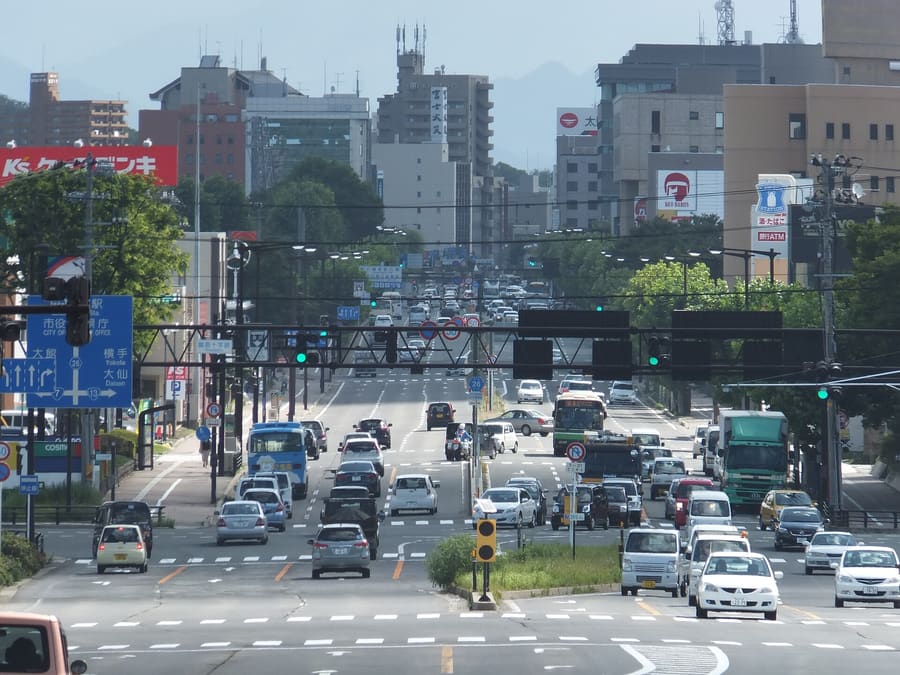
Sanno — Government district with broad avenues, administrative offices, and quiet lunch spots.
掬茶 · CC BY-SA 3.0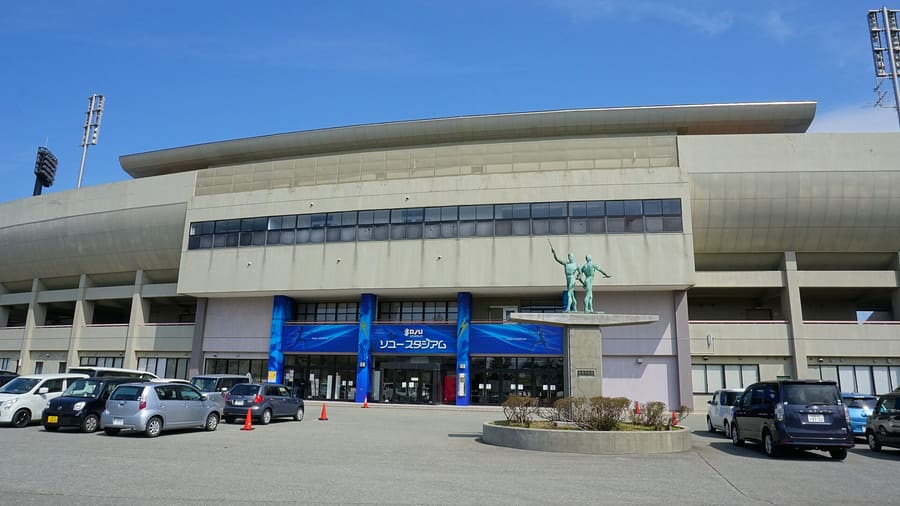
Yabase — Green residential zone housing the city athletic park, ancient shrines, and local markets.
掬茶 · CC BY-SA 4.0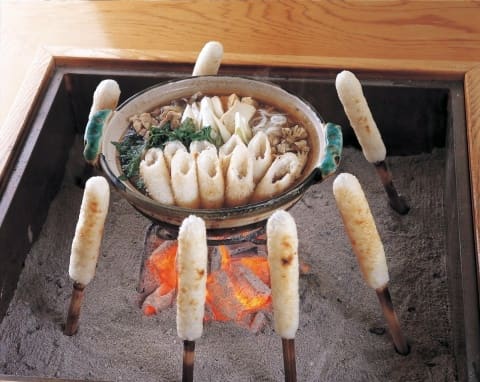
Kiritanpo simmered in local chicken broth with maitake mushrooms and seri parsley.
桜田守宏 at Japanese Wikipedia · Public domainhighlights
landmark
View Tsuguharu Foujita's massive 3.65-meter mural of Akita life. Designed by Tadao Ando, entrance costs ¥310.
Ρωτήστε το Parley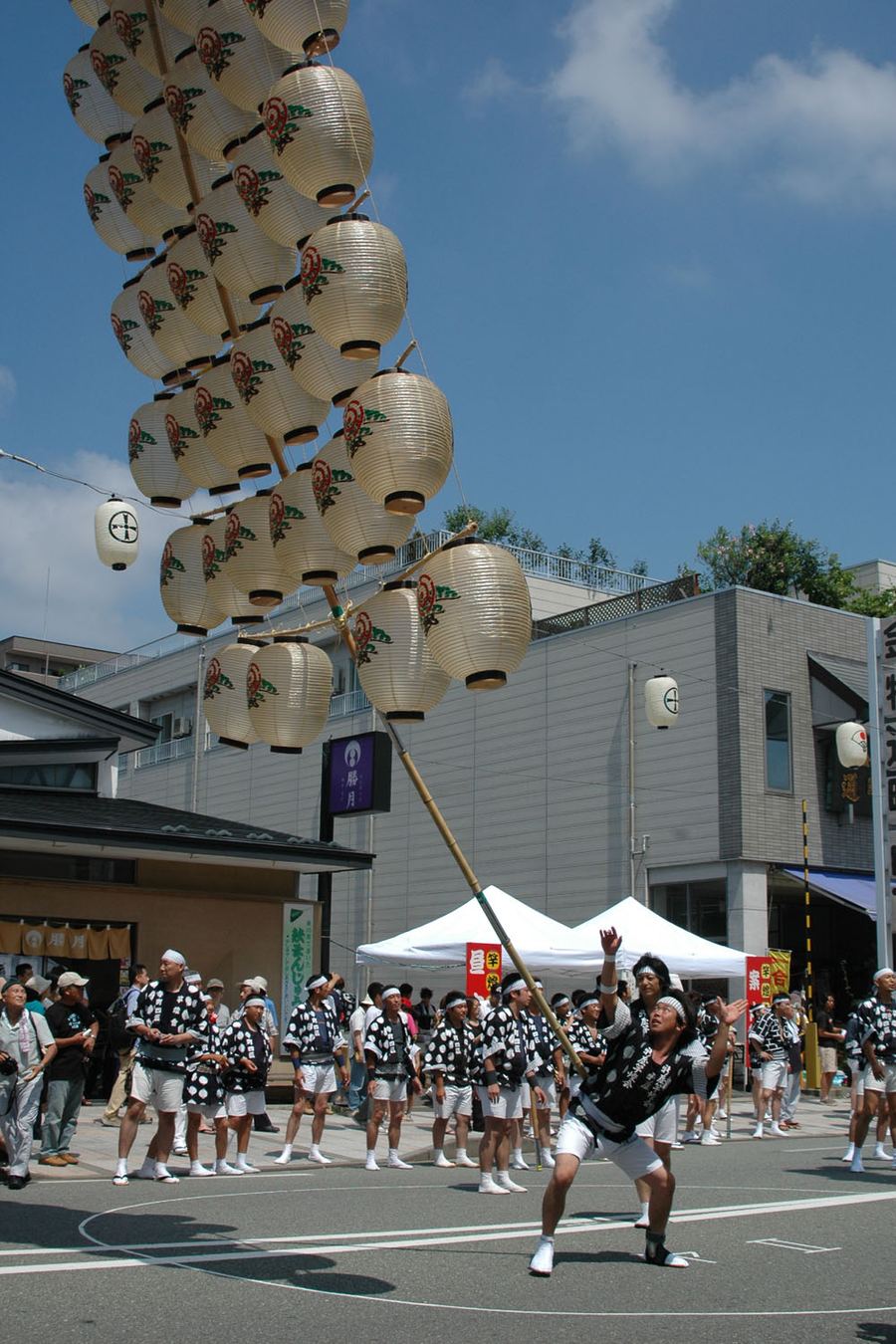
landmark
This wide avenue hosts 280 lantern poles every August 3 to 6. Reserve bleacher seats online by June or stand free along the curb.
Ρωτήστε το Parley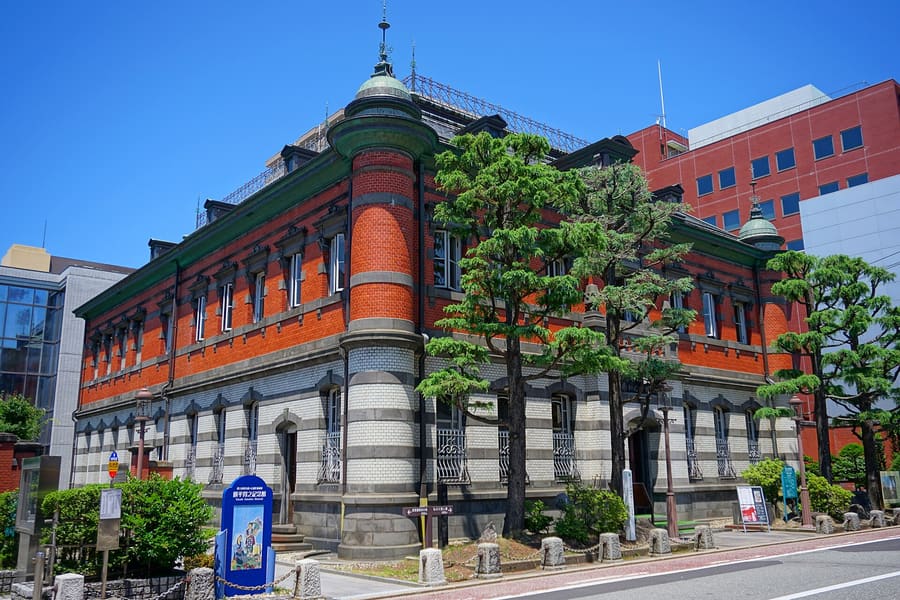
landmark
Examine 1912 Meiji-era brickwork and ornate carved plasterwork. Entry costs ¥210; closed on year-end holidays.
Ρωτήστε το Parleyattractions
areas
Transit hub lined with modern shopping centers, covered walkways, and izakaya lanes.
ΚοντάSenshu Park and Akita Museum of Art
Ρωτήστε το ParleyGovernment district with broad avenues, administrative offices, and quiet lunch spots.
ΚοντάPrefectural Office and Kanto Parade Route
Ρωτήστε το ParleyGreen residential zone housing the city athletic park, ancient shrines, and local markets.
ΚοντάYabase Athletic Park and Hikawa Shrine
Ρωτήστε το ParleyHistoric nightlife strip along the Asahi River packed with craft sake bars and local taverns.
ΚοντάRed Brick Museum and Neburi Nagashi Kan
Ρωτήστε το Parleyfood
Akita cuisine relies heavily on local rice crops and northern preservation techniques. Pounded rice cakes cooked on cedar skewers form the base of kiritanpo nabe, a hotpot simmered with Hinai-jidori chicken stock and burdock root. Hand-stretched Inaniwa udon noodles offer a smooth, thin alternative to thick Southern styles.Coastal catches bring shottsuru nabe, a clear hotpot seasoned with fermented sailfin sandfish sauce. Local sake breweries take advantage of soft mountain meltwater, producing clean, dry rice wines across the prefecture.
Kiritanpo simmered in local chicken broth with maitake mushrooms and seri parsley.
桜田守宏 at Japanese Wikipedia · Public domainEateries around Kawabata serve authentic kiritanpo nabe from October to March using fresh harvest rice.
Try thin Inaniwa udon chilled on bamboo mats at Sato Yosuke near Akita Station for ¥1,200.
Visit the Akita Sake Club near the station's west exit for three-glass regional tasting flights under ¥1,000.
history
Akita grew around Kubota Castle, established in 1604 by Satake Yoshinobu after his relocation from Hitachi Province. The castle lacked a central keep, relying instead on earthen ramparts and moat systems for defense. The town developed separate quarters for samurai north of the castle and merchants along the Asahi River.During the Meiji era, modern rail connections turned Akita into a regional grain and timber trading center. Petroleum discovery in the early 20th century spurred industrial port expansion at Tsuchizaki, transforming the city's economic scale before mid-century steel and agricultural modernization.
Kubota Castle founded
Satake Yoshinobu constructs Kubota Castle on Kubeota Hill, laying out samurai and merchant districts.
City incorporation
Akita officially incorporates as a city, unifying historic castle neighborhoods with river merchant ports.
Railway line arrives
The Ou Main Line links Akita to Tokyo by rail, accelerating rice and cedar timber exports.
Akita Shinkansen opens
The mini-shinkansen Komachi line opens, cutting train transit times to Tokyo down to under four hours.
where to stay
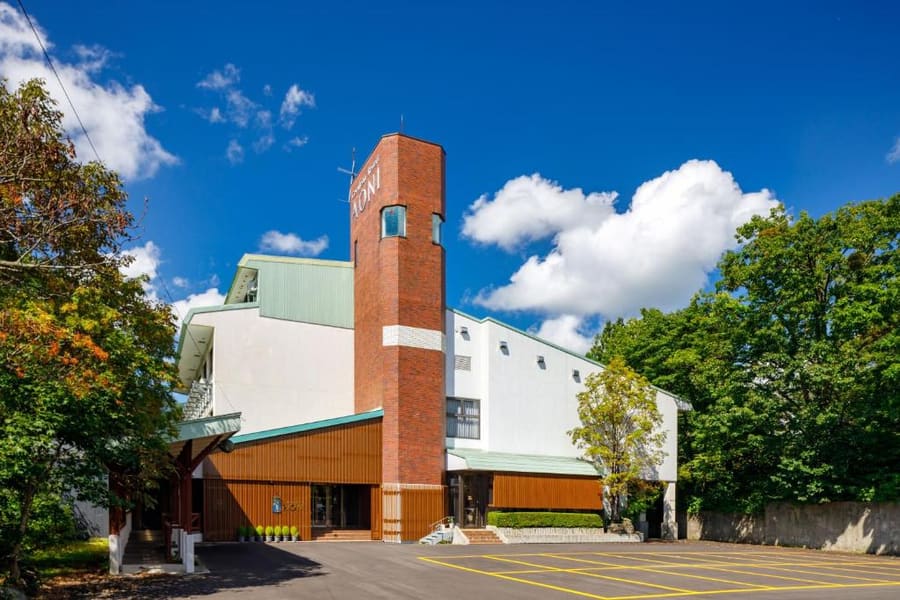
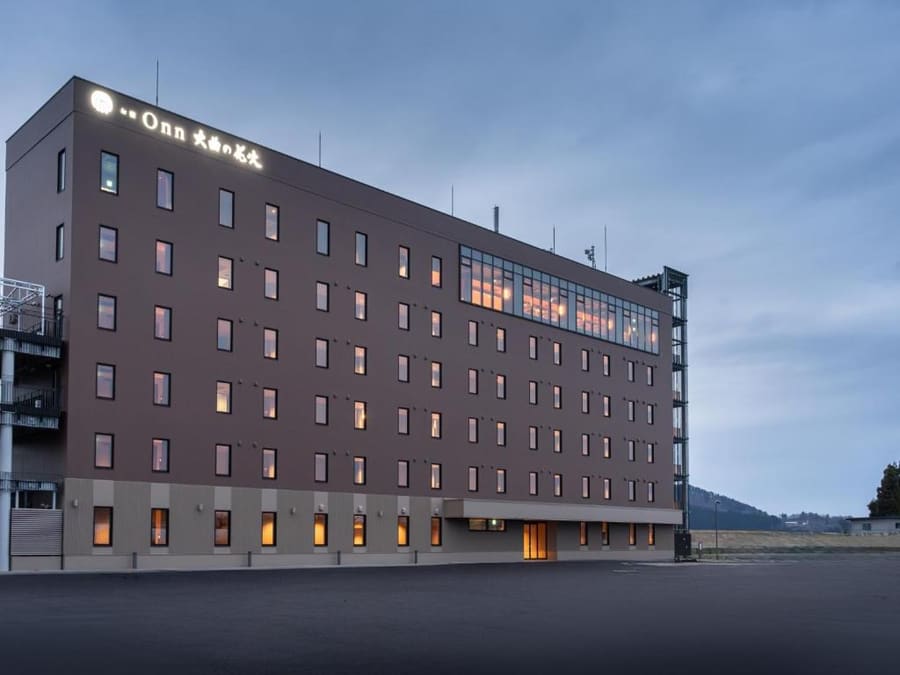
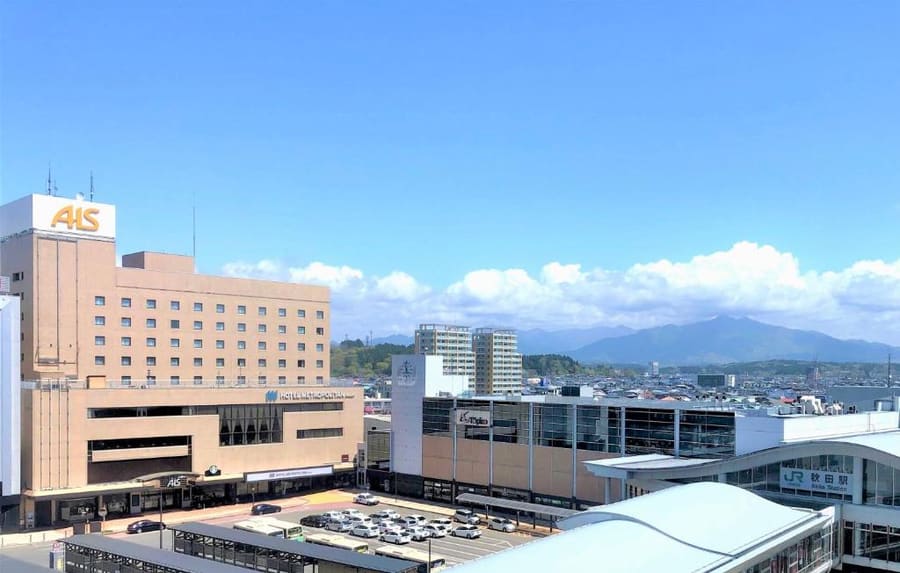
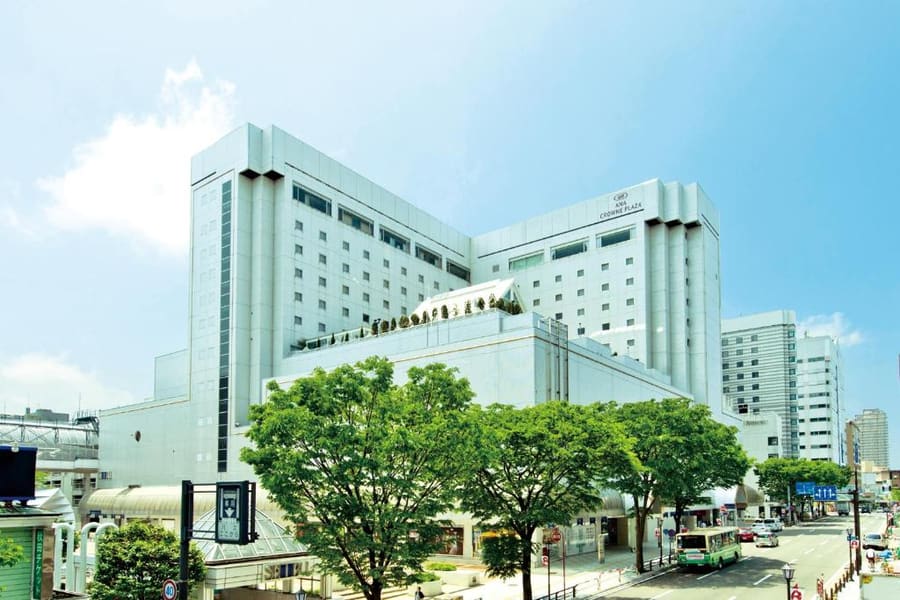
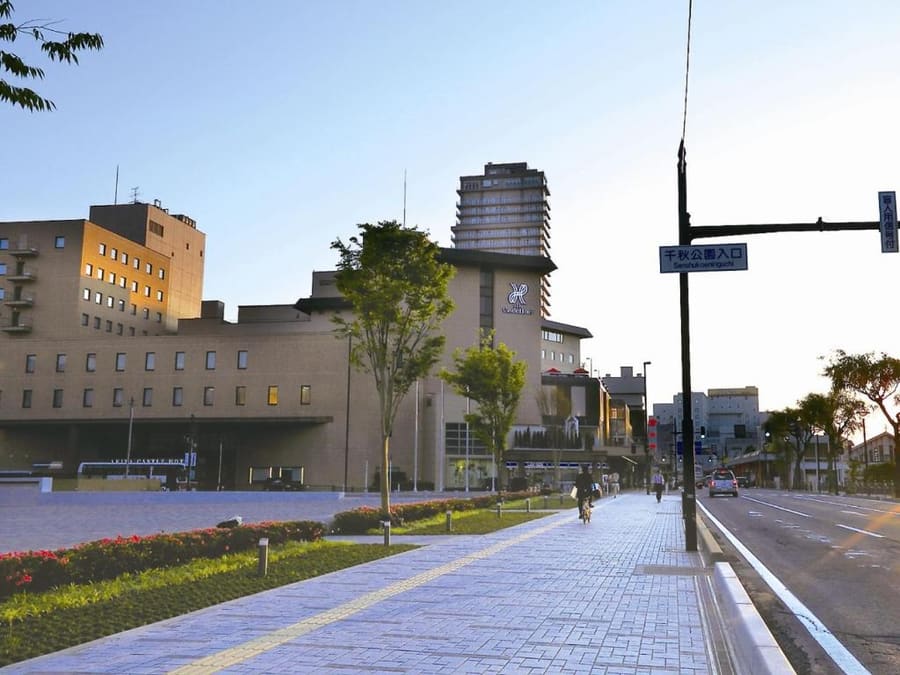
Choose your base based on transit needs and evening plans. Akita Station puts you directly on rail lines for day trips and offers modern business hotels with direct concourse access. Kawabata suits travelers prioritizing evening dining and sake bars within walking distance. Sanno offers quieter hotels near government offices, best suited for longer stays or business travel.
Live rates, matched to the areas above.
transport
Central Akita is compact and flat. Walking from Akita Station west exit to the Kawabata nightlife area takes 15 minutes. City buses run frequently from the station's west terminal to major attractions, while regional train lines connect to outer coastal and mountain districts.
Από Akita Airport (AXT)
Buses meet every arriving domestic flight outside the arrivals hall and run directly to Akita Station.
Fixed-rate airport taxis available at the terminal curb; price increases late at night.
Board Akita City buses (Akuchu) through the back door and tap your IC card. Tap again at the front door when exiting.
The Komachi Shinkansen carries no unreserved cars. Purchase seat tickets at station machines before boarding.
Suica, Pasmo, and ICOCA cards work on all Akita city buses and automatic train gates at Akita Station.
Local bus frequencies drop significantly after 20:00. Plan late returns by taxi or foot from Kawabata.
cost
Akita offers reasonable prices compared to Tokyo or Kyoto. Dining, local transport, and hotel rates remain affordable year-round, though prices spike during the Kanto Festival in early August.
A cold udon set with vegetable tempura at central noodles shops.
Per person hotpot meal including chicken, mushrooms, and seasonal side dishes.
Standard adult single ride within central city zones.
Three 45ml pours of regional Junmai Ginjo sake at local bars.
seasonality
MAR – MAY
Cherry blossoms bloom in Senshu Park around mid-April. Mild weather and moderate crowds.
JUN – AUG
Kanto Festival dominates early August. Book hotels months ahead; warm weather averages 28°C.
SEP – NOV
Autumn foliage peaks in late October. Harvest season brings fresh rice and seasonal kiritanpo dishes.
DEC – FEB
Heavy snow blankets the city. Cold sea winds require full winter gear; ideal season for hotpots.
practicalities
Department stores near Akita Station close at 19:00 or 20:00. Independent izakayas open around 17:00.
Major hotels and chain stores take credit cards. Smaller Kawabata drinking spots prefer cash in Japanese Yen.
Streets near the station are heated underfoot, but side roads freeze. Wear boots with textured rubber soles in winter.
Akita Station and major museums feature English signage. Smaller eateries rely on picture menus or Japanese script.
Familiarize yourself with tsunami evacuation routes if visiting coastal port areas like Tsuchizaki.