landmark
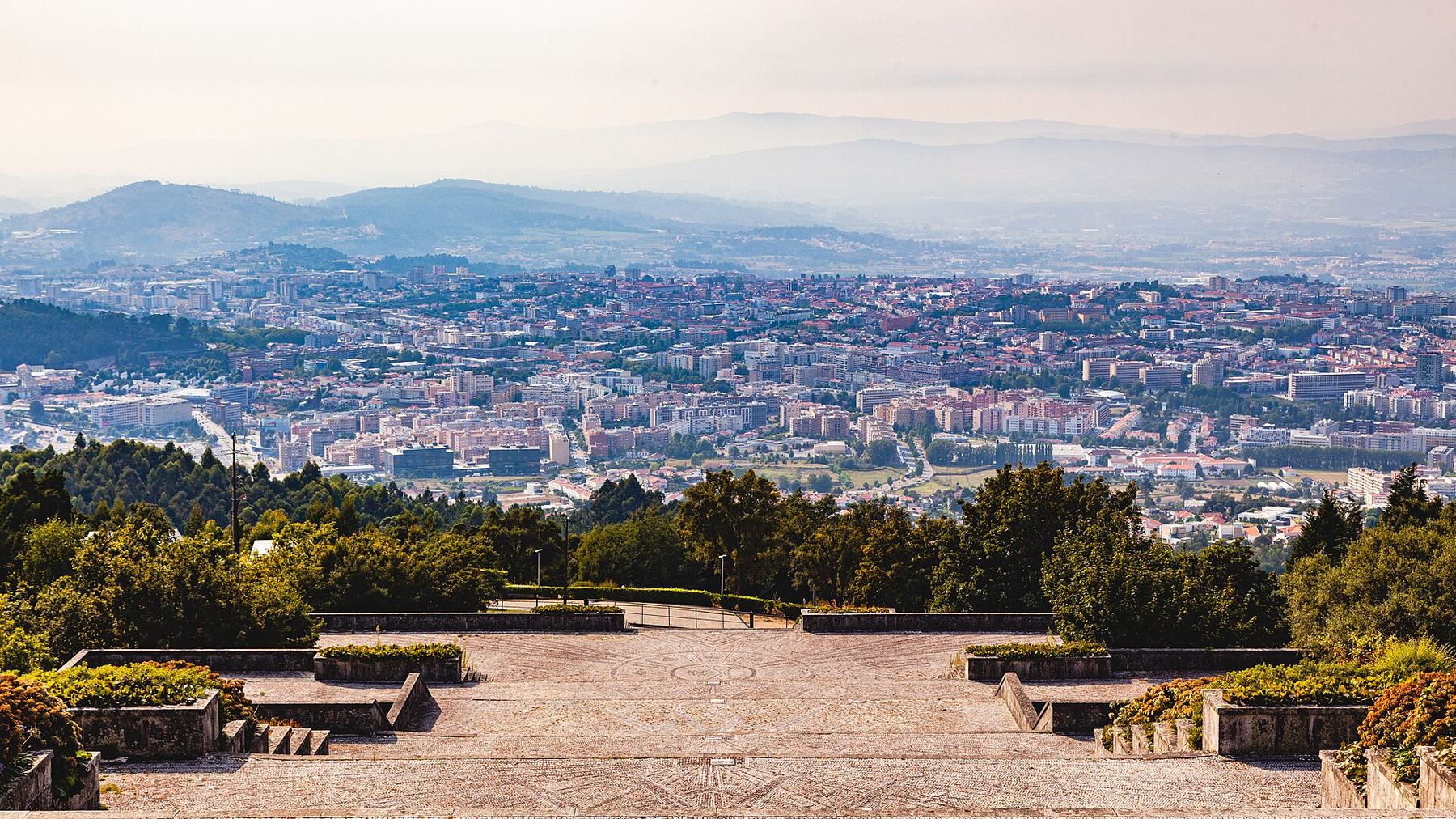
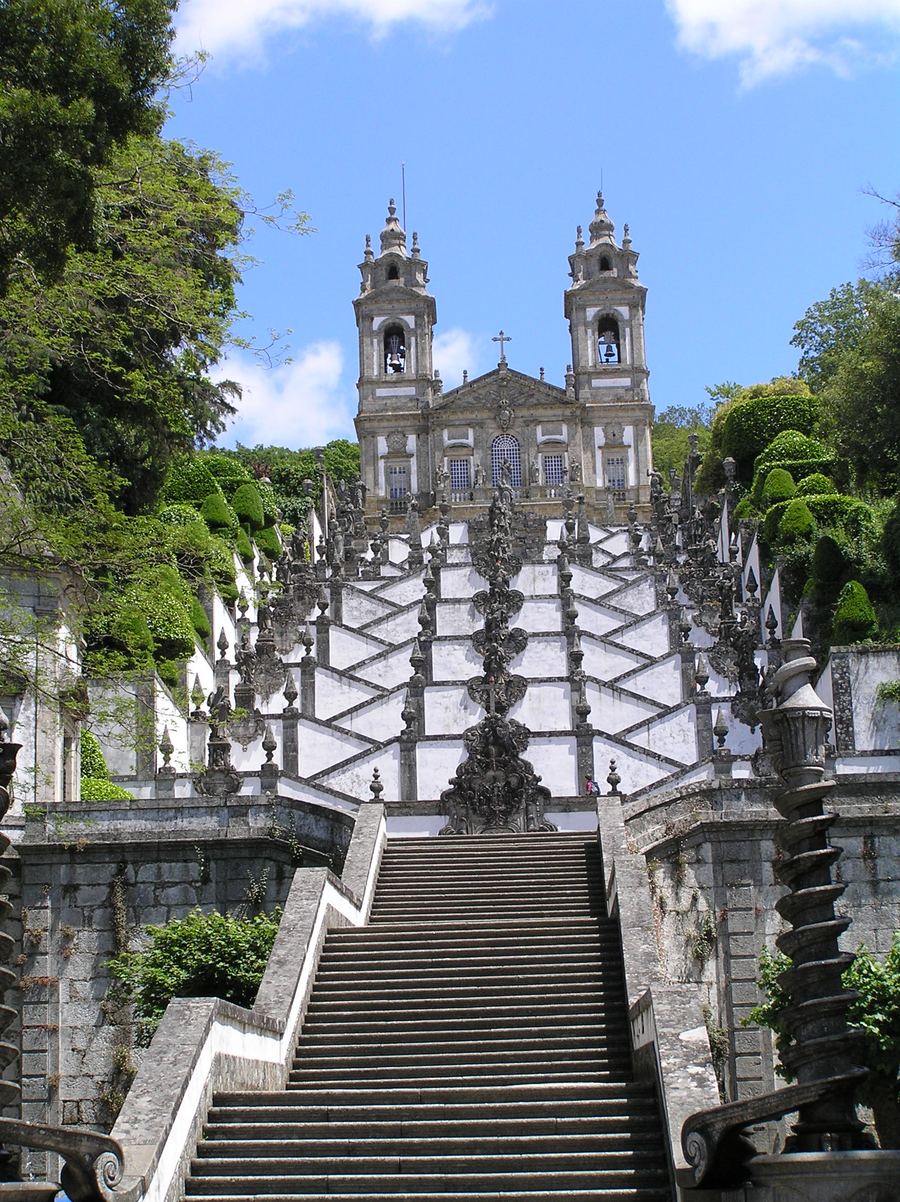
Bom Jesus do Monte
Climb 577 zigzagging granite steps or ride the 1882 water-powered funicular. Go early to beat tour buses.
Ρωτήστε το ParleyΠορτογαλία
Baroque architecture, ancient cathedrals, and northern soul.
introduction
Braga is Portugal's religious capital and oldest archdiocese, set in the Minho region. You navigate a compact pedestrian core flanked by Baroque churches, then climb outward to hilltop sanctuaries. Expectations should align with a working university city where ancient church bells regulate the rhythm of daily life.
Airport direct bus
GetBus runs direct coaches from Porto Airport to Braga bus terminal in 50 minutes for €9. Buy tickets from the driver or online.
UNESCO hydraulic funicular
The 1882 Bom Jesus funicular is the world's oldest operational water-counterbalanced rail system.
Oldest cathedral in Portugal
The Sé de Braga predates Portuguese statehood. Buy the ticket including the choir stalls and chapels.
Braga
GFreihalter · CC BY-SA 3.0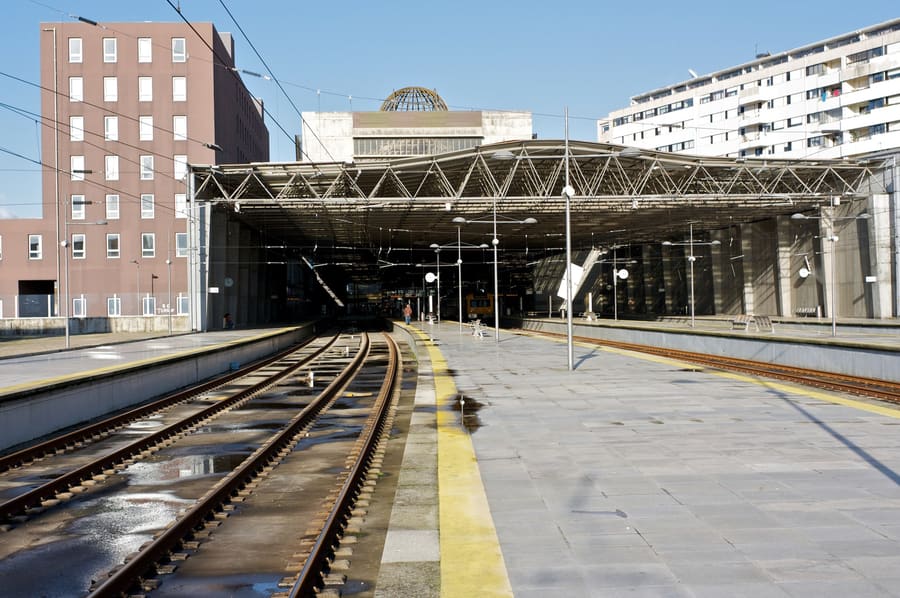
Maximinos — Transit hub zone around the main train station with utilitarian lodging.
Nuno Morão from Portugal · CC BY-SA 2.0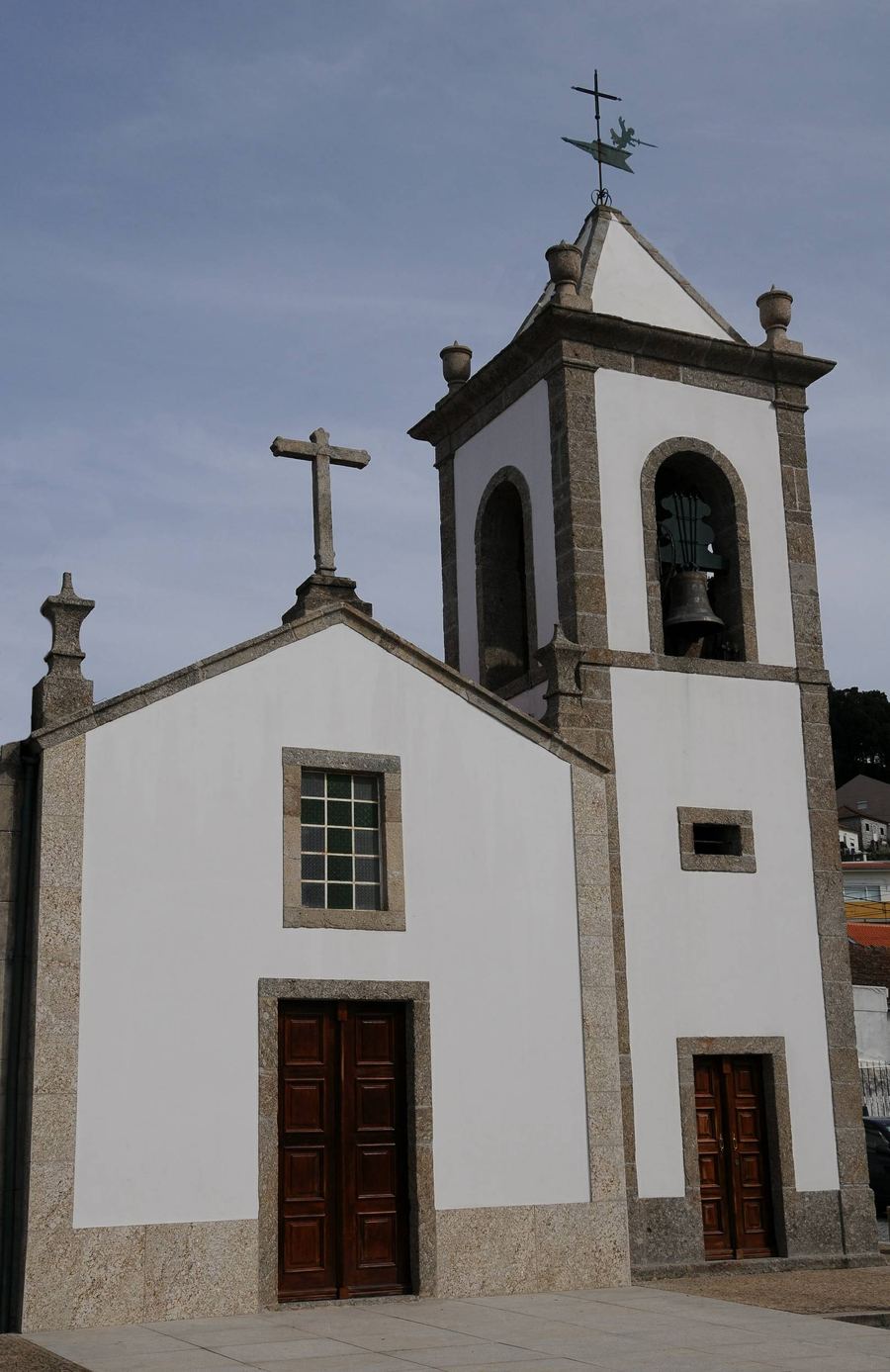
Tenões — Wooded hillside village at the foot of Bom Jesus.
Joseolgon · CC BY-SA 4.0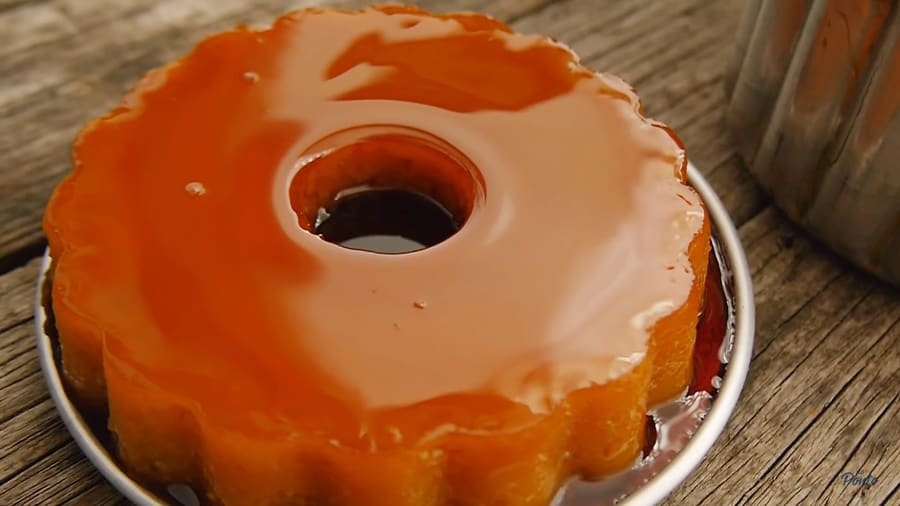
Pudim Abade de Priscos, a rich custard pudding made with egg yolks and lard.
No Ponto · CC BY 3.0highlights
landmark
Climb 577 zigzagging granite steps or ride the 1882 water-powered funicular. Go early to beat tour buses.
Ρωτήστε το Parley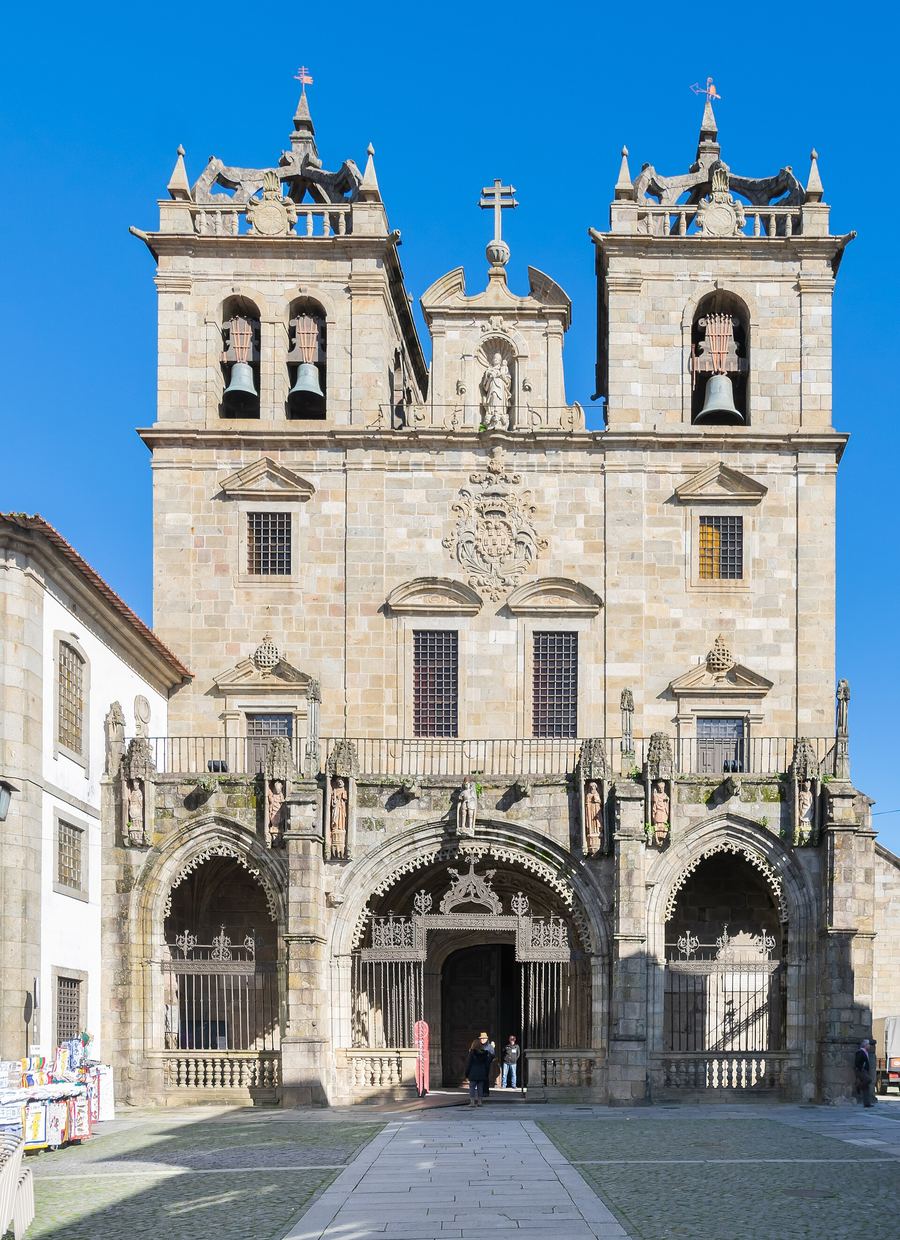
landmark
Portugal's oldest cathedral mixes Romanesque, Gothic, and Manueline styles. Pay extra for the organ room.
Ρωτήστε το Parley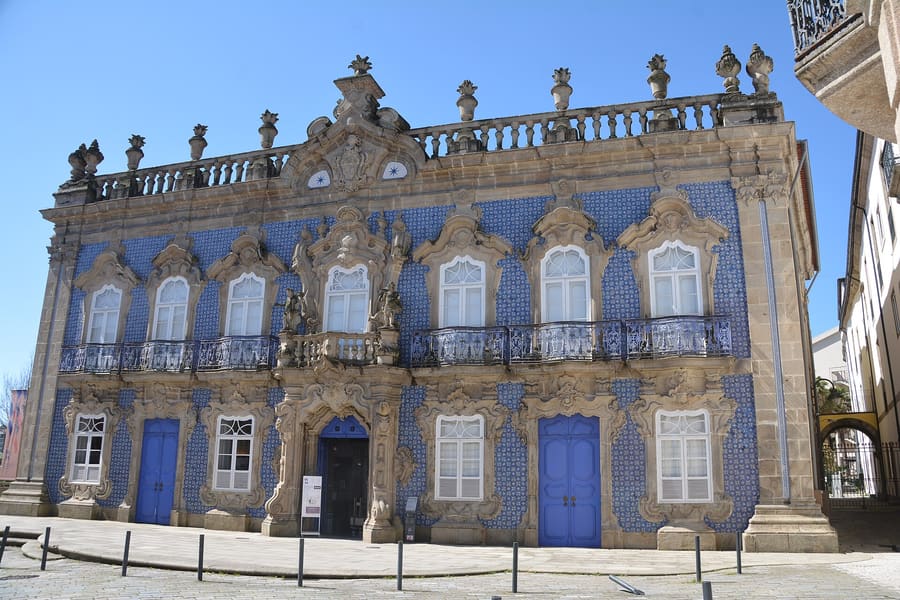
landmark
An 18th-century Baroque palace covered in blue azulejos. Housing a museum of medical charity relics.
Ρωτήστε το Parley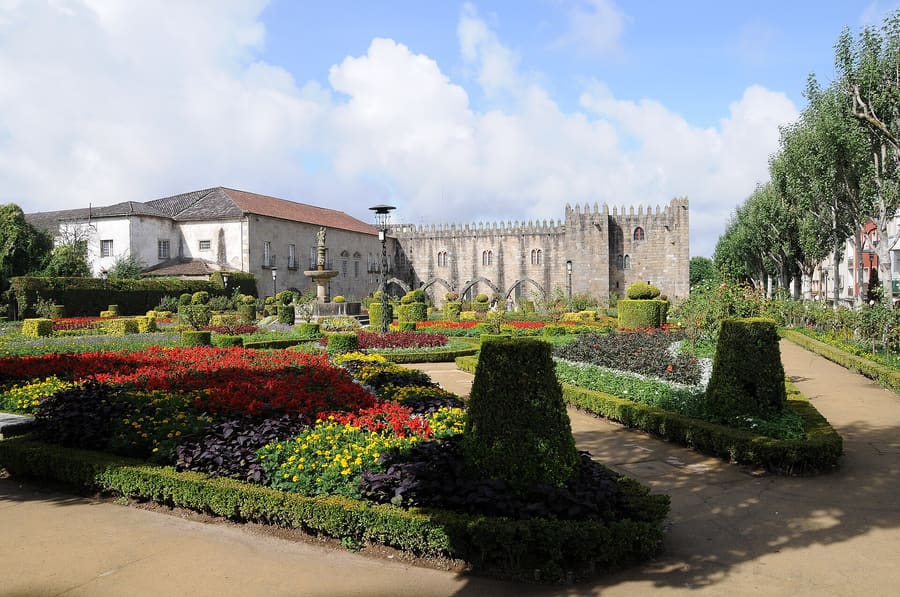
landmark
Geometric flowerbeds backed by medieval arches of the Episcopal Palace. Free to wander anytime.
Ρωτήστε το Parley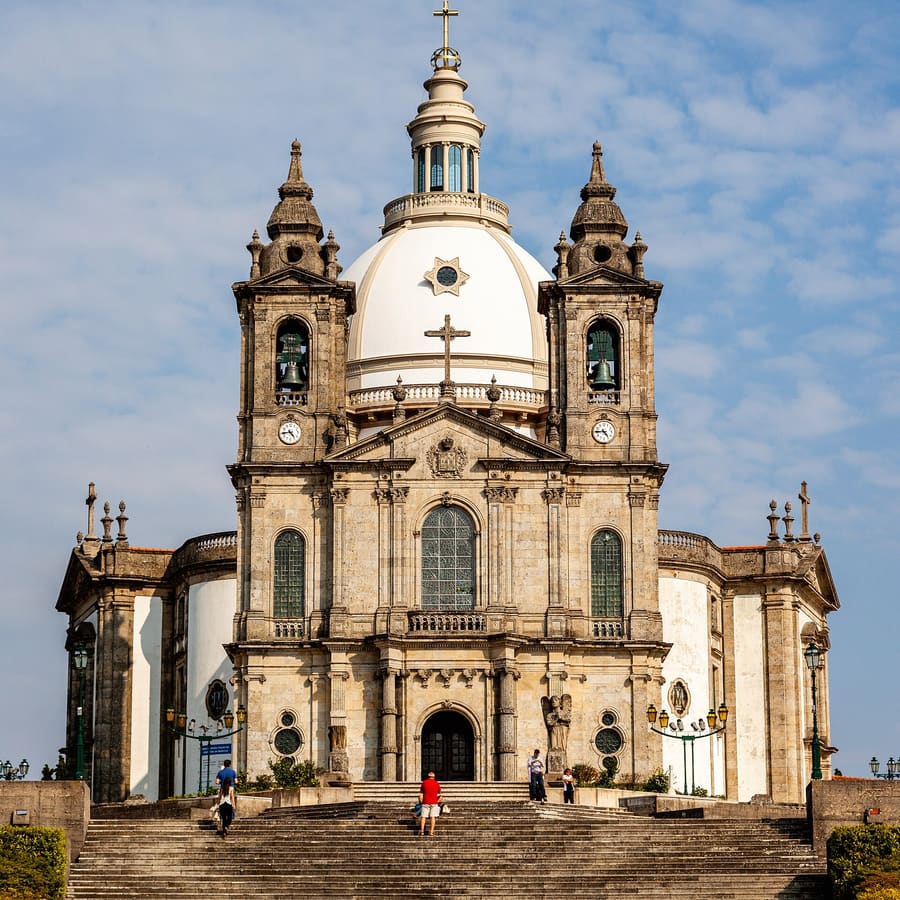
landmark
Massive 19th-century dome perched higher than Bom Jesus. Offers panoramic views over the Minho region.
Ρωτήστε το Parley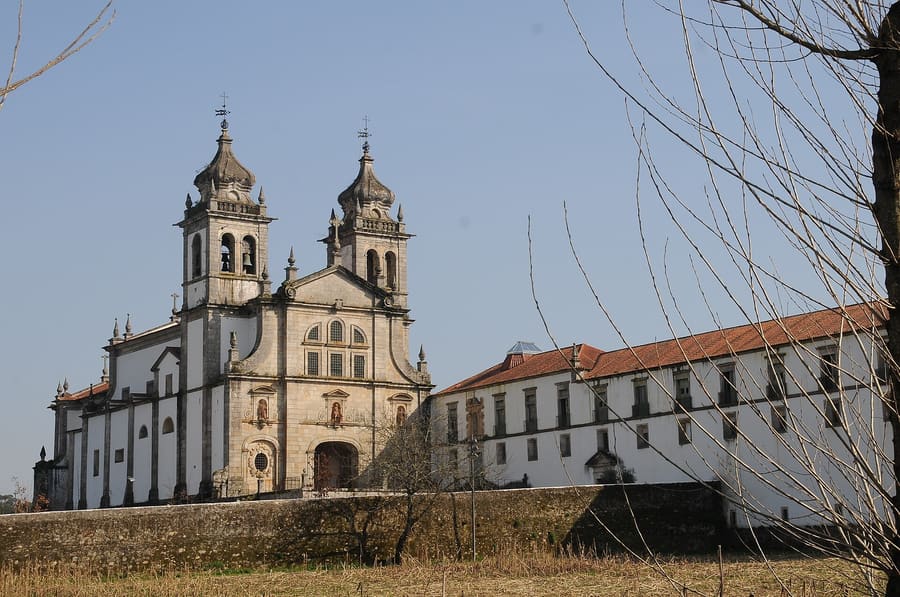
landmark
Former motherhouse of the Benedictines in Portugal. Features gilded woodcarvings and extensive grounds.
Ρωτήστε το Parleyattractions
areas
Transit hub zone around the main train station with utilitarian lodging.
ΚοντάBraga Train Station, Termas Romanas do Alto da Cividade
Ρωτήστε το ParleyWooded hillside village at the foot of Bom Jesus.
ΚοντάBom Jesus Funicular, Staircase of Bom Jesus
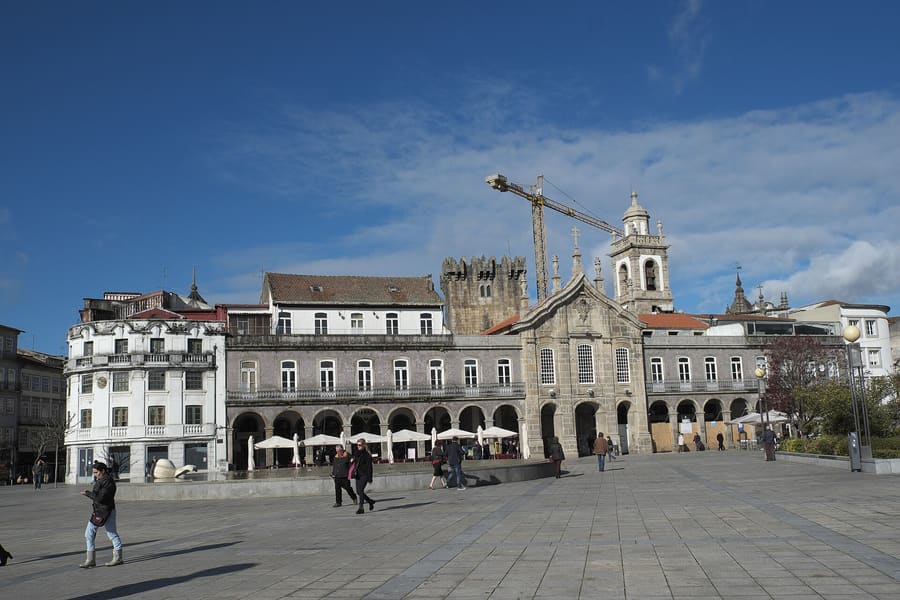
Ρωτήστε το ParleyPedestrianized core with historic cafes, grand plazas, and church bells.
ΚοντάSé Cathedral, Arco da Porta Nova, Praça da República
Ρωτήστε το Parleyfood
Braga eats rich, heavy northern Portuguese food. The signature local dish is Bacalhau à Braga, salt cod fried with onions and thinly sliced potato chips. Restaurants inside the central core serve traditional roasts on heavy clay platters.Sweet shops line the pedestrian streets, dominated by conventual pastries rich in egg yolks and sugar. Pudim Abade de Priscos is the city's famous dessert, flavored with bacon fat, port wine, and citrus.
Pudim Abade de Priscos, a rich custard pudding made with egg yolks and lard.
No Ponto · CC BY 3.0Order a frigideira, a puff pastry disk filled with minced beef, served over a glass floor revealing Roman ruins.
Kitchens open for dinner at 19:30, but traditional places fill up around 20:30.
Pair local cod with crisp Vinho Verde produced in the surrounding Minho vineyards.
history
Founded by the Romans as Bracara Augusta around 16 BC, Braga served as the capital of the Gallaecia province. The Suebi and Visigoths later made it a kingdom capital before Moorish occupation altered its trajectory.Reconquered in the 11th century, the city became Portugal's spiritual headquarters. Archbishops transformed Braga into a Baroque showpiece during the 18th century, adding grand fountains and hilltop sanctuaries.
Bracara Augusta
Emperor Augustus establishes the Roman settlement as an administrative capital for northern Iberia.
Cathedral Founded
Bishop Pedro begins construction of the Sé de Braga after Christian forces reclaim the territory.
Baroque Expansion
Archbishop Rodrigo de Moura Telles orders the construction of the monumental staircase at Bom Jesus.
Hydraulic Funicular
The water-powered funicular opens, connecting Braga to the summit of Bom Jesus do Monte.
where to stay
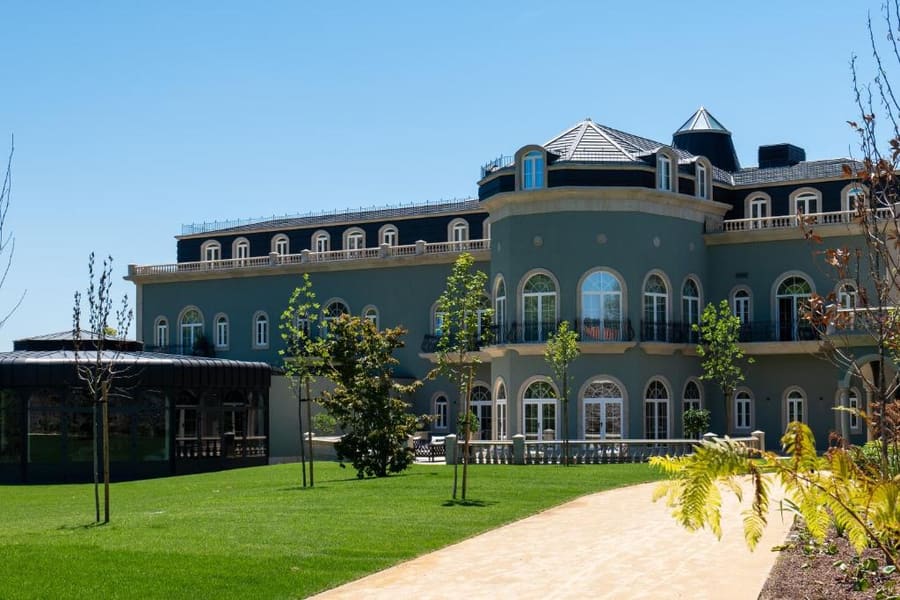
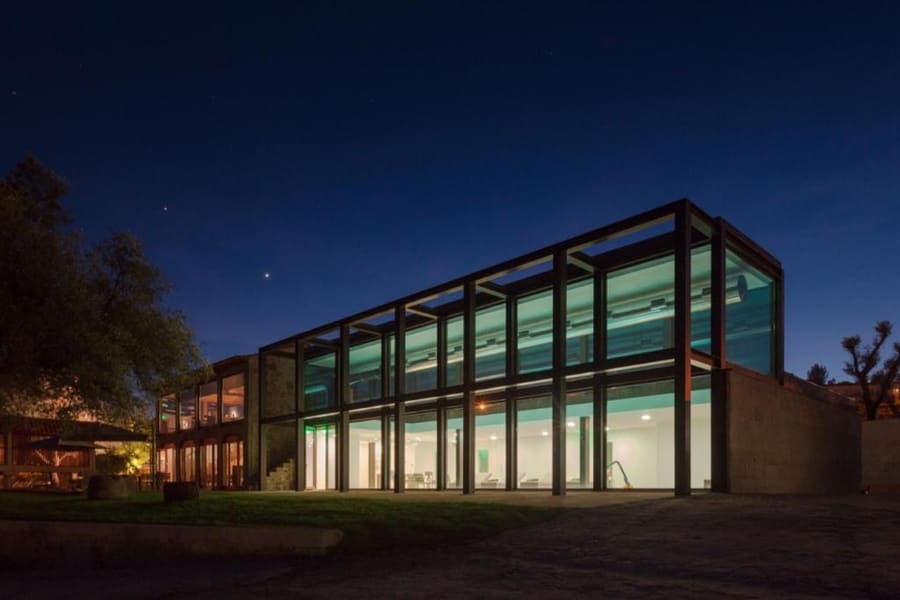
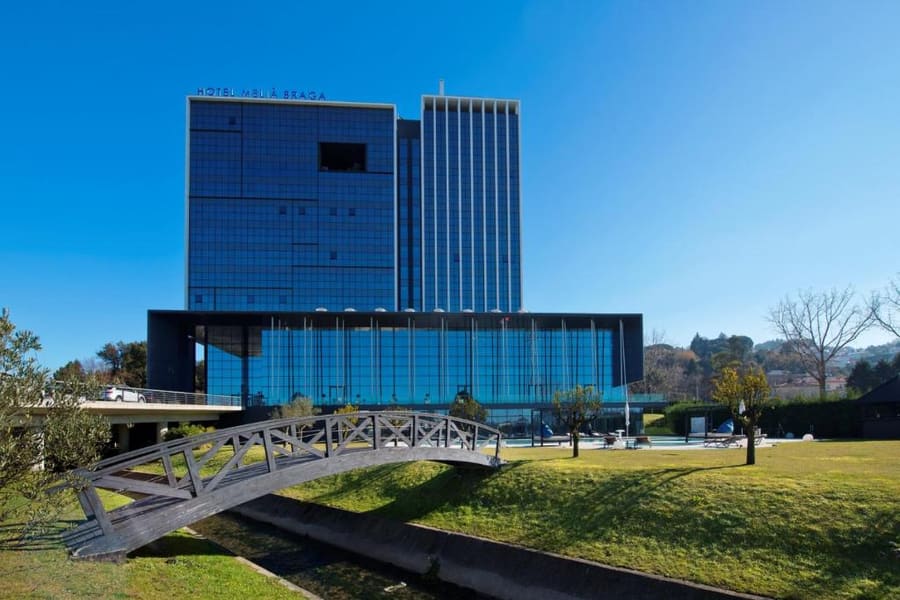
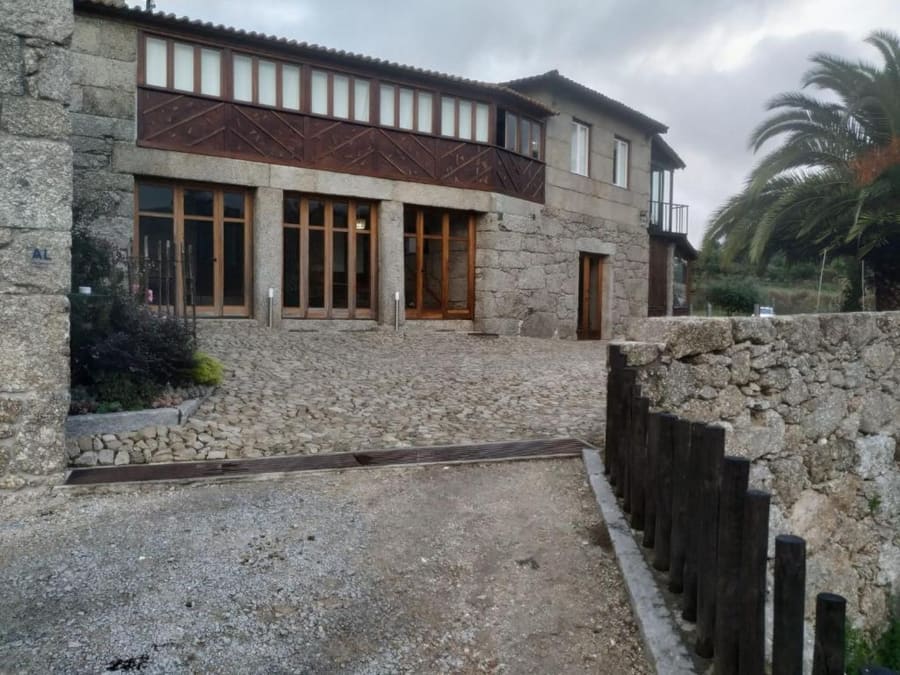
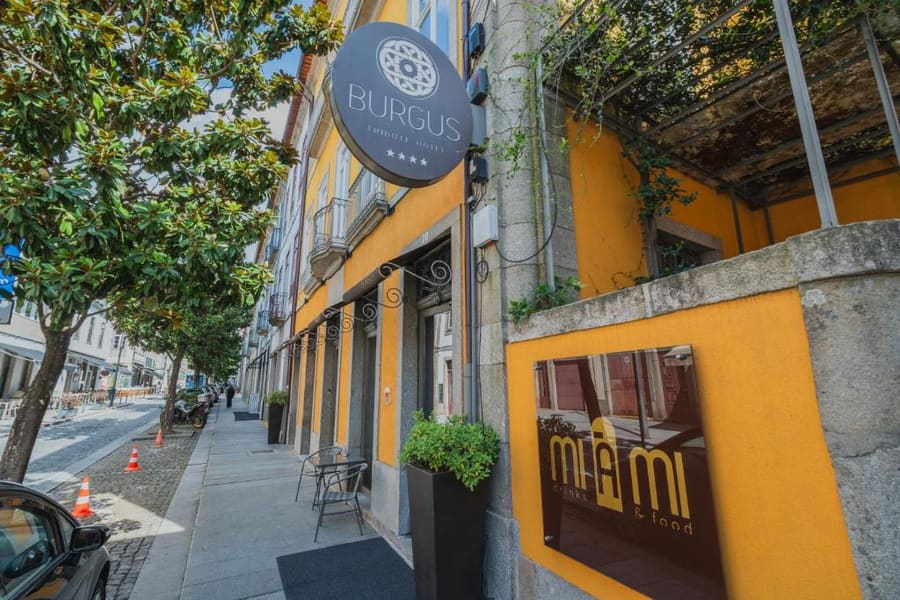
Choose your base depending on whether you want instant access to evening dining or quiet surroundings. The historic center puts you within walking distance of all major sight lines and restaurants, though driving there is difficult. Hillside hotels near Tenões offer greener settings at the cost of requiring taxi transfers into town.
Live rates, matched to the areas above.
transport
Braga's core is best explored on foot. For trips to Bom Jesus or Sameiro, use local TUB city buses or rideshare apps. Direct trains connect Braga to Porto, but reaching Guimarães by train requires changing trains at Lousado.
Από Porto Airport (OPO)
GetBus express service runs direct between OPO airport and Braga bus terminal.
Direct pick-up at OPO terminal via Uber or Bolt.
Line 2 runs frequently from Avenida da Liberdade directly to the foot of Bom Jesus.
Pay €1.55 in exact cash to the driver or tap a contactless card on TUB vehicles.
CP urban trains to Porto Campanhã cost €3.25 one-way and run hourly.
Cars are barred from the historic center. Set your destination pin outside the gate.
cost
Braga offers lower prices than Porto or Lisbon. Dining out and public transportation remain affordable, making it a cost-effective base for exploring northern Portugal.
Generous portion at a traditional central restaurant.
Includes entrance to the main chapel, high choir, and museum.
Covers both up and down rides on the water-balanced rail.
Standard price for a bica served at an historic coffeehouse.
seasonality
MAR – MAY
Mild temperatures and blooming gardens. Holy Week (Semana Santa) draws large crowds for solemn processions.
JUN – AUG
Warm summer days with late night street festivals like São João in late June. Book accommodation early.
SEP – NOV
Cooler days and autumn foliage around Bom Jesus. Expect occasional heavy rain showers by November.
DEC – FEB
Wet and cold weather. Hotel rates drop significantly outside Christmas and New Year dates.
practicalities
Churches limit tourist entry during active Sunday morning mass services.
Wear shoes with rubber soles to handle slick Portuguese calcada paving.
Most central places take Visa and Mastercard, but small bakeries may require cash for purchases under €5.
The climb up Bom Jesus has little shade. Walk the stairs during morning hours.
Temperatures at Sameiro and Bom Jesus are cooler than in the city center.