landmark
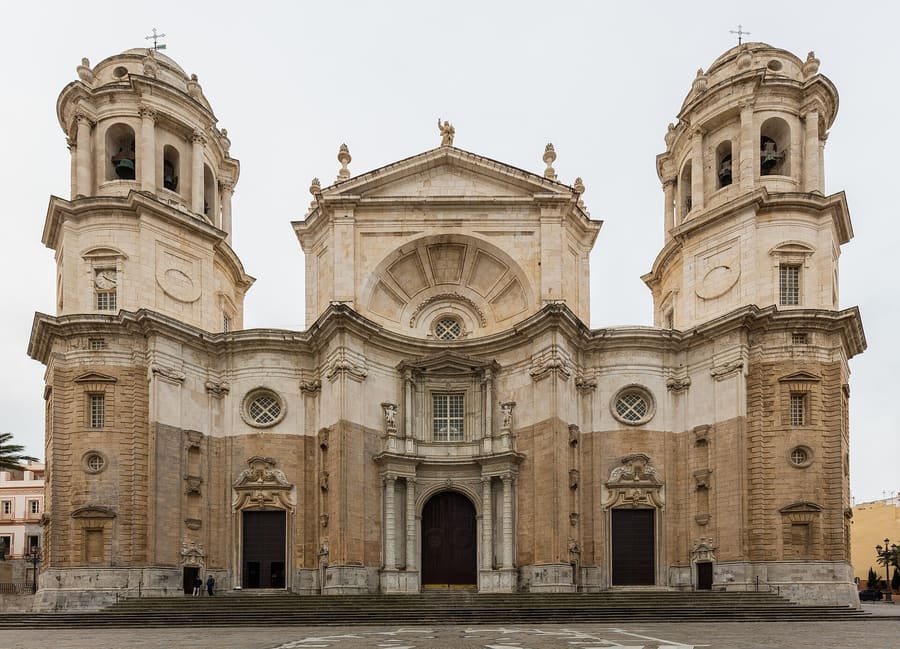
Cádiz Cathedral
Golden-tiled dome dominates the skyline. Climb the Levante Tower ramp instead of stairs for sweeping Atlantic views.
Ρωτήστε το ParleyΙσπανία
An ancient Atlantic peninsula of salt, stone, and fryers.
introduction
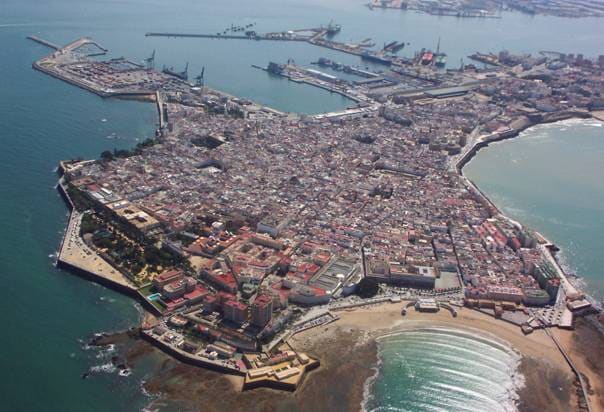
Cádiz sits almost entirely surrounded by water at the end of a narrow spit of land. The old town packs thousands of years of naval history into a grid you can walk across in twenty minutes. You navigate by sea breezes, high watchtowers, and the smell of hot olive oil from neighbourhood fryers. Life moves to the rhythm of Atlantic tides rather than mainland Spain.
Rail over road for entry
Trains arrive directly at Cádiz station on the edge of the old town. You walk straight into the historic center without needing a bus.
Ancient Atlantic stronghold
Phoenicians founded the port around 1100 BC. It remains one of the oldest continuously inhabited cities in Western Europe.
Wind dictates beach days
Check the levante wind forecast before planning beach days. High easterly winds make exposed beaches unlivable, driving locals to coves.
Cádiz
Diego Delso · CC BY-SA 4.0
El Pópulo — Ancient narrow alleys, stone arches, and quiet plazas tucked behind the cathedral.
Martita23 · CC BY-SA 4.0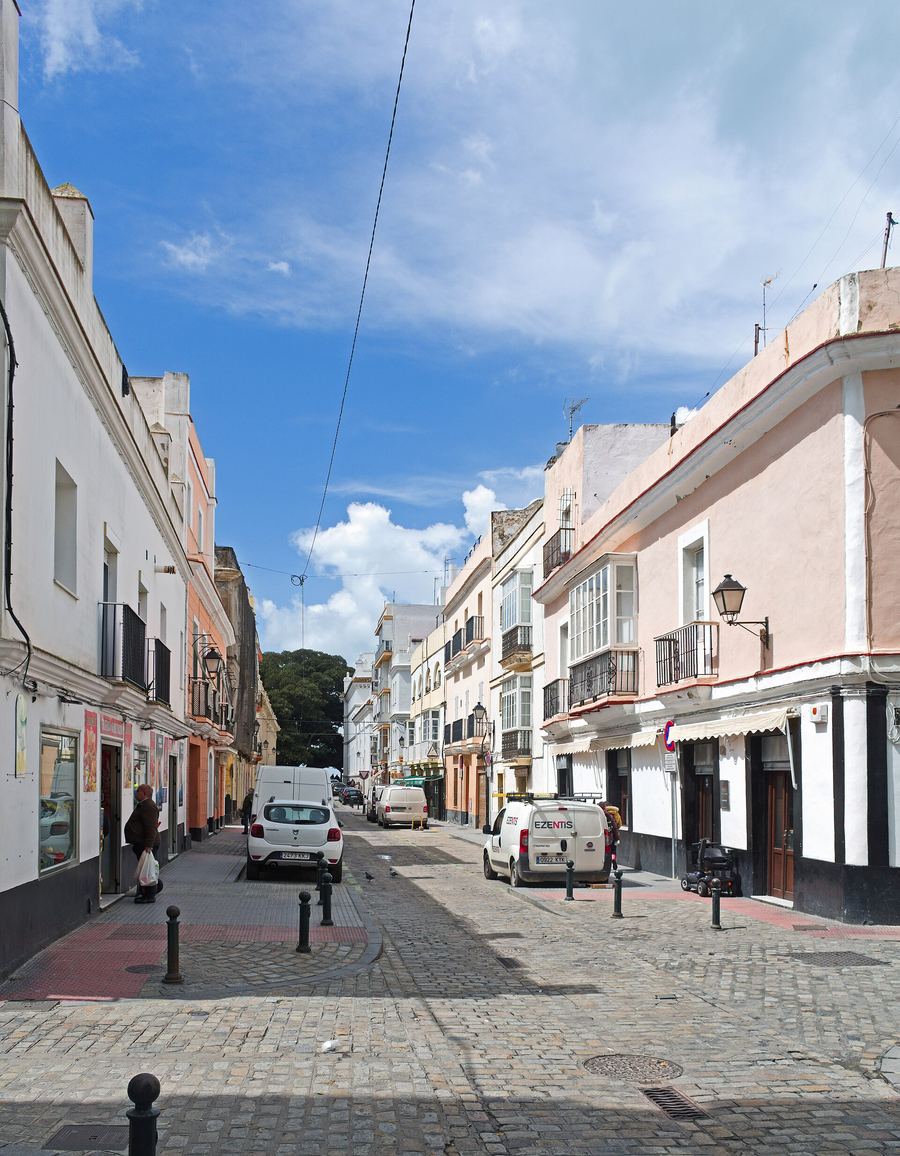
La Viña — Traditional fishermen's quarter packed with fried fish taverns and Carnival spirit.
Ymblanter · CC BY-SA 4.0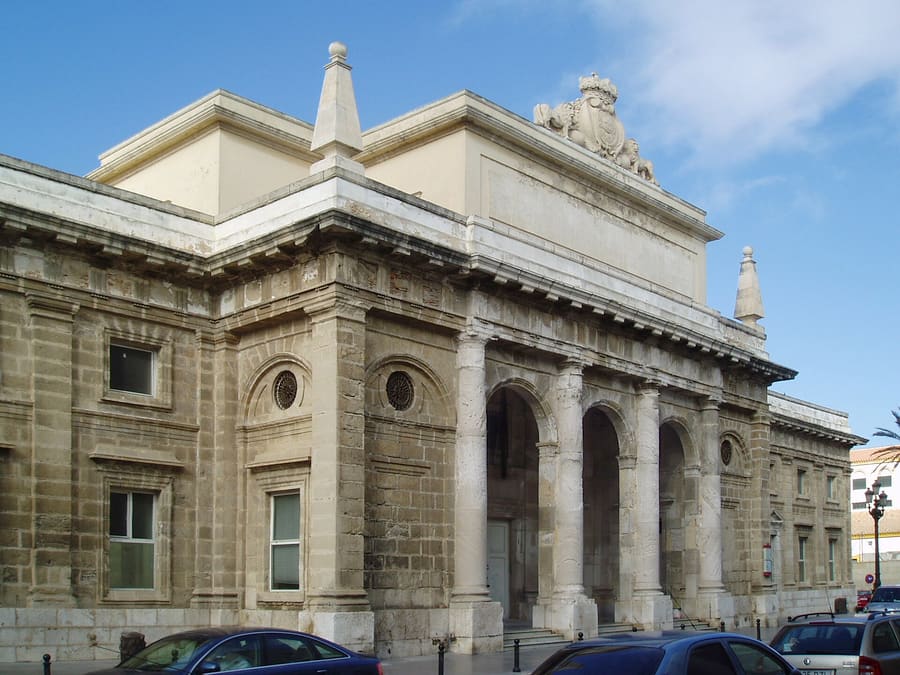
Santa María — Historic cradle of flamenco with steep lanes, whitewashed houses, and deep traditions.
Caleteron · CC BY-SA 3.0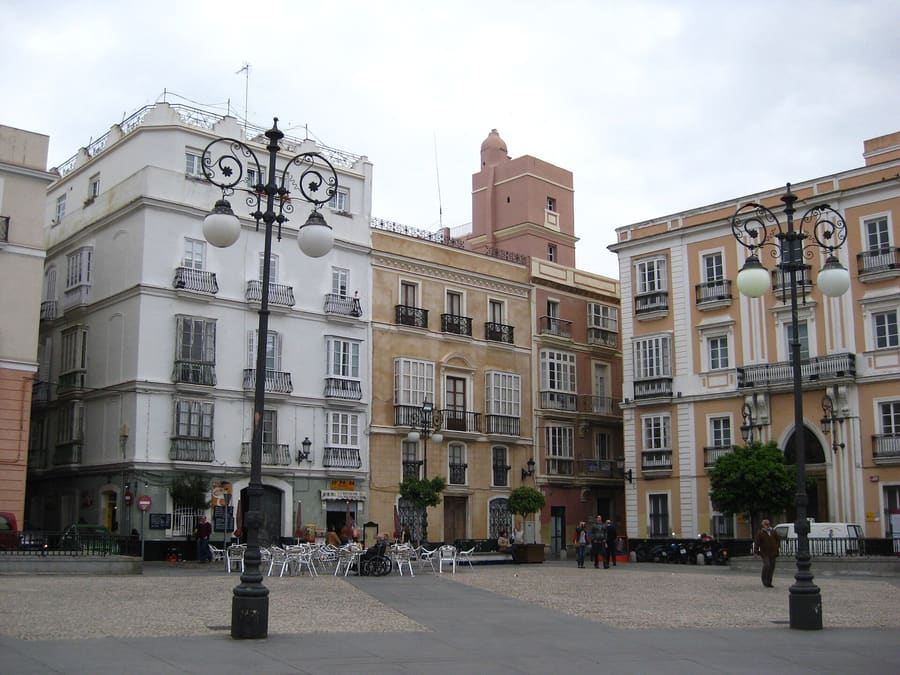
San Antonio & Mentidero — Grand 18th-century squares, tree-lined streets, and lively student-friendly plazas.
Feranza · CC BY-SA 3.0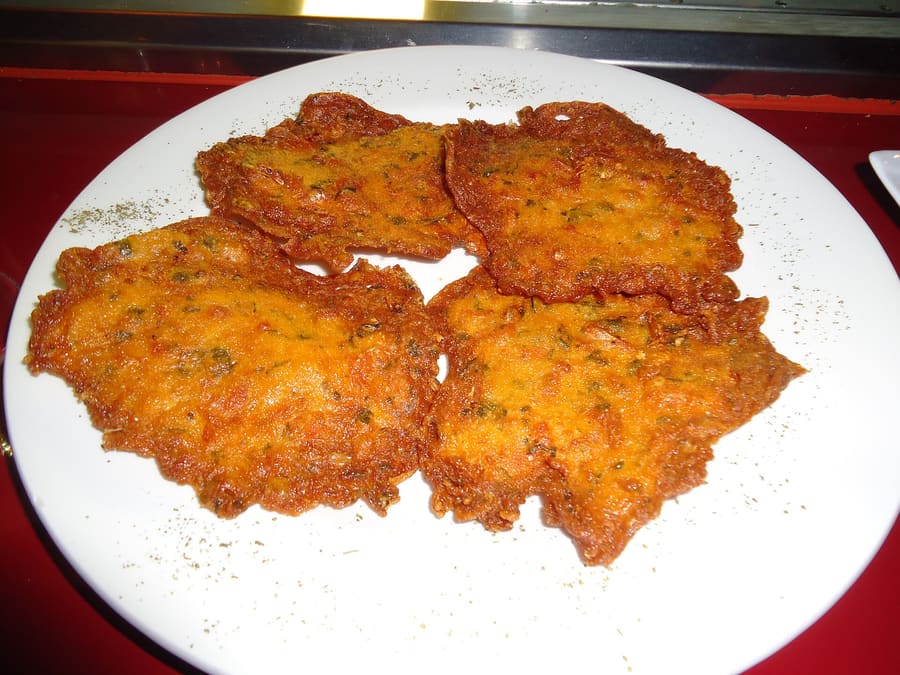
Crispy tortillitas de camarones cooked fresh at a local freiduría.
Mover el Bigote · CC BY 2.0highlights
landmark
Golden-tiled dome dominates the skyline. Climb the Levante Tower ramp instead of stairs for sweeping Atlantic views.
Ρωτήστε το Parley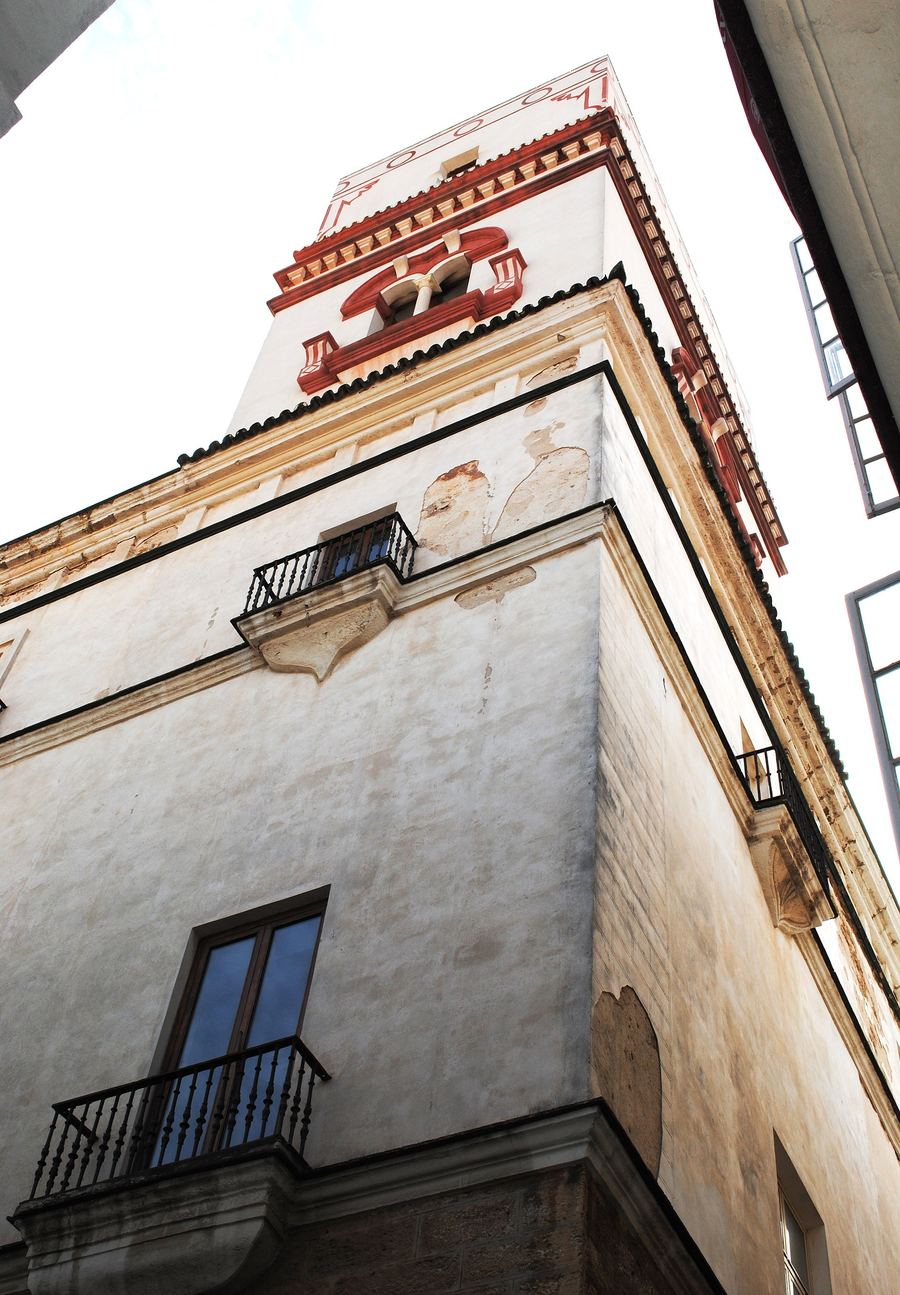
landmark
18th-century watchtower featuring a live camera obscura projection. Reserve tickets online at least two days ahead in peak summer.
Ρωτήστε το Parley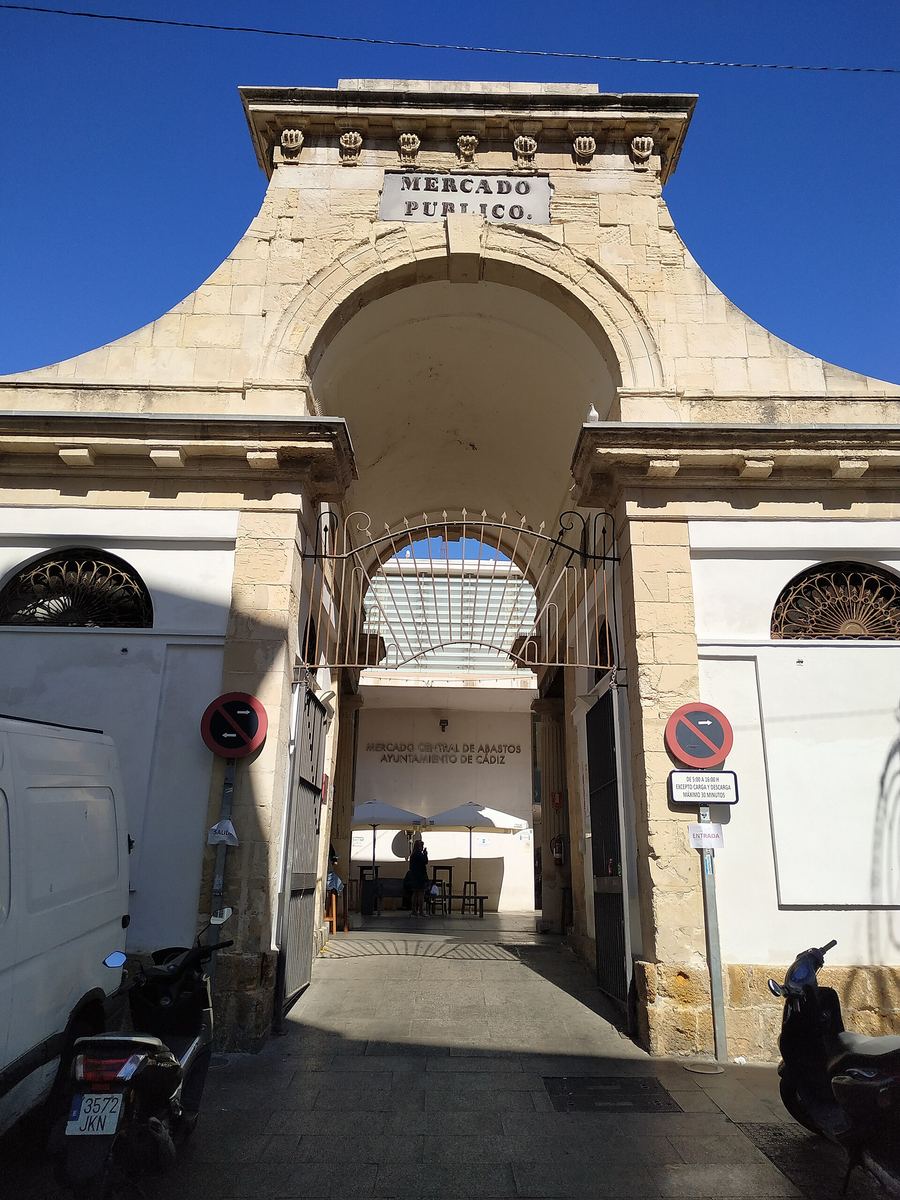
landmark
Historic covered market with fresh seafood stalls and tapas spots. Eat fried fish right outside at Rincón Gastronómico.
Ρωτήστε το Parley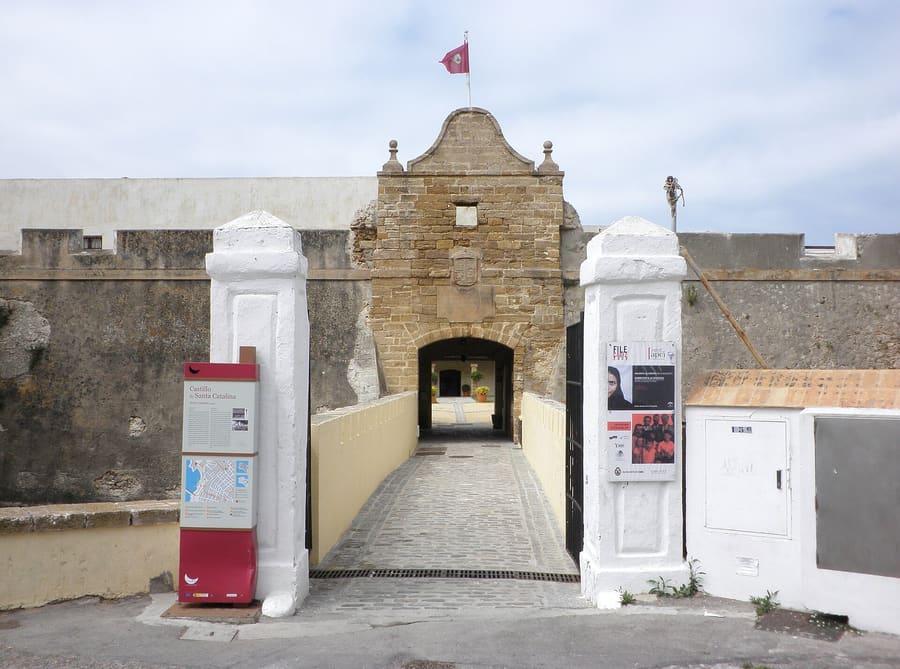
landmark
17th-century star-shaped fortress projecting into the sea. Free entry provides unobstructed sunset views over La Caleta beach.
Ρωτήστε το Parley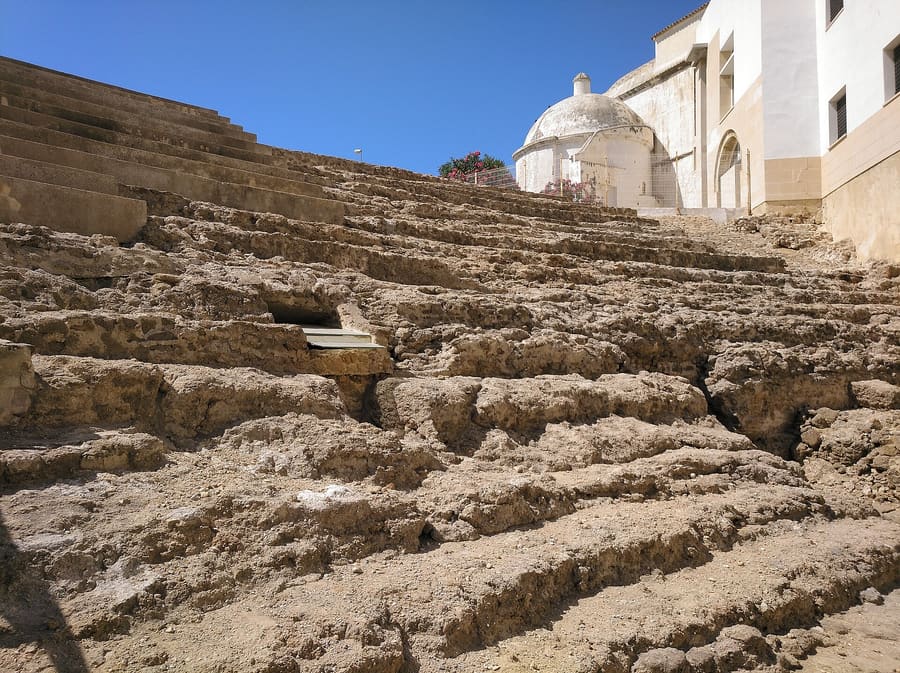
landmark
1st-century BC Roman theatre hidden under El Pópulo streets. Free admission includes a walk through the excavated tunnel beneath the seats.
Ρωτήστε το Parley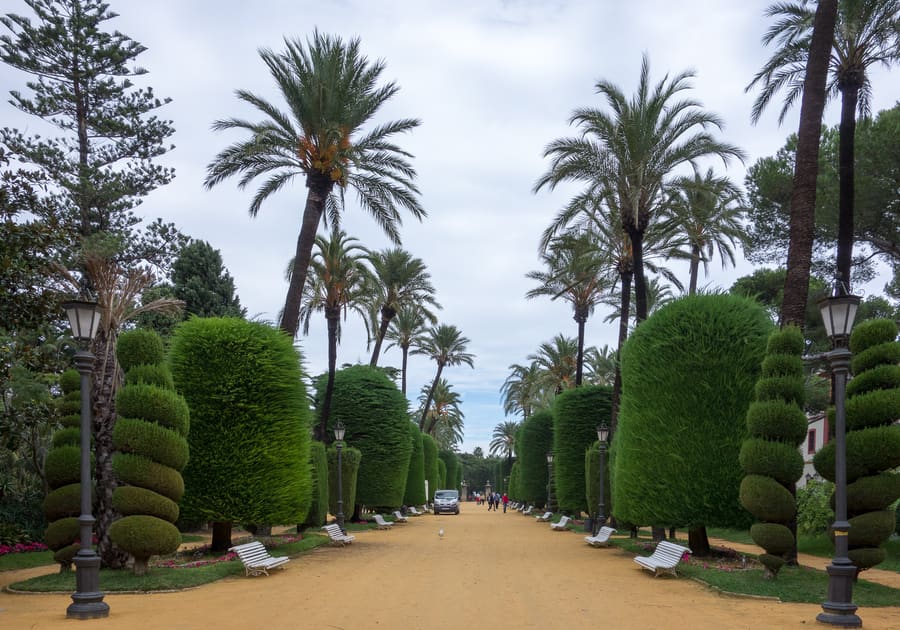
landmark
Coastal botanical garden with sculptured trees and an artificial cave waterfall. Shade offers relief during hot summer afternoons.
Ρωτήστε το Parleyattractions
areas
Ancient narrow alleys, stone arches, and quiet plazas tucked behind the cathedral.
ΚοντάCathedral and Roman Theatre
Ρωτήστε το ParleyTraditional fishermen's quarter packed with fried fish taverns and Carnival spirit.
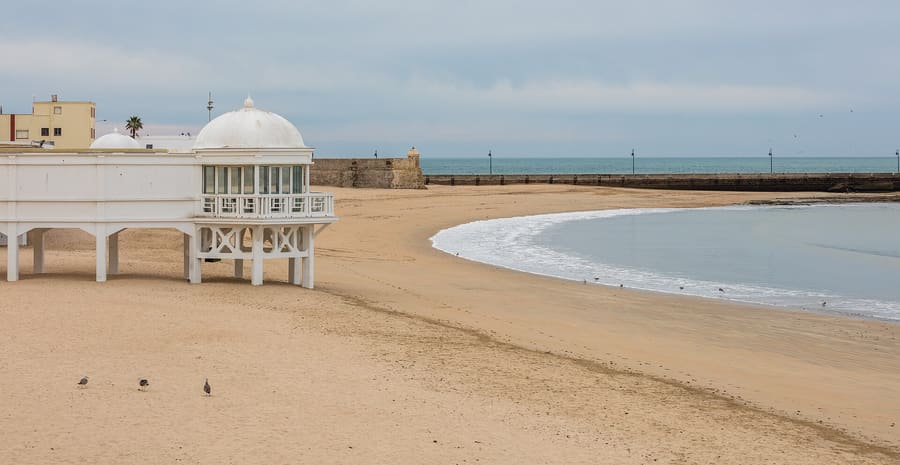
ΚοντάLa Caleta beach
Ρωτήστε το ParleyHistoric cradle of flamenco with steep lanes, whitewashed houses, and deep traditions.
ΚοντάTrain station and Puerta de Tierra
Ρωτήστε το ParleyGrand 18th-century squares, tree-lined streets, and lively student-friendly plazas.
ΚοντάParque Genovés and Alameda
Ρωτήστε το Parleyfood
Cádiz dining revolves entirely around the Atlantic Ocean. Local fryers, known as freidurías, specialize in pescaíto frito served piping hot in brown paper cones. You should order tortillitas de camarones, which are lacy crisp fritters made from chickpea batter and tiny whole shrimp. Red bluefin tuna from the coastal almadraba catch appears on menus from May onward.
Crispy tortillitas de camarones cooked fresh at a local freiduría.
Mover el Bigote · CC BY 2.0Paper cones of fried fish are eaten late morning or late afternoon. Stalls close brief windows between lunch and dinner service.
Eat at the outer ring of Mercado Central on Friday or Saturday afternoon. Grab a table early before the lunchtime crowd forms.
Pair fried seafood with chilled Manzanilla or Fino sherry. The sharp dry wine cuts directly through the fried batter.
history
Cádiz owes its existence to its strategic position on a narrow spit guarding a deep bay. Founded by Phoenicians, it traded precious metals across the Mediterranean. The city grew rich during the 18th century when it gained a royal monopoly on trade with the Americas. Strong stone walls kept out English privateers and Napoleonic troops.
Phoenician Foundation
Phoenicians establish Gadir as a trading post, making it one of Western Europe's oldest continuous settlements.
Roman Rule
Gades prospers under Roman control as an important naval port exporting salt-cured fish and garum.
Trade Monopoly
Spain transfers the Casa de la Contratación to Cádiz, routing Spanish American colonial trade through its harbour.
First Spanish Constitution
Delegates assemble inside the Church of San Felipe Neri to write Spain's liberal constitution during a French siege.
where to stay
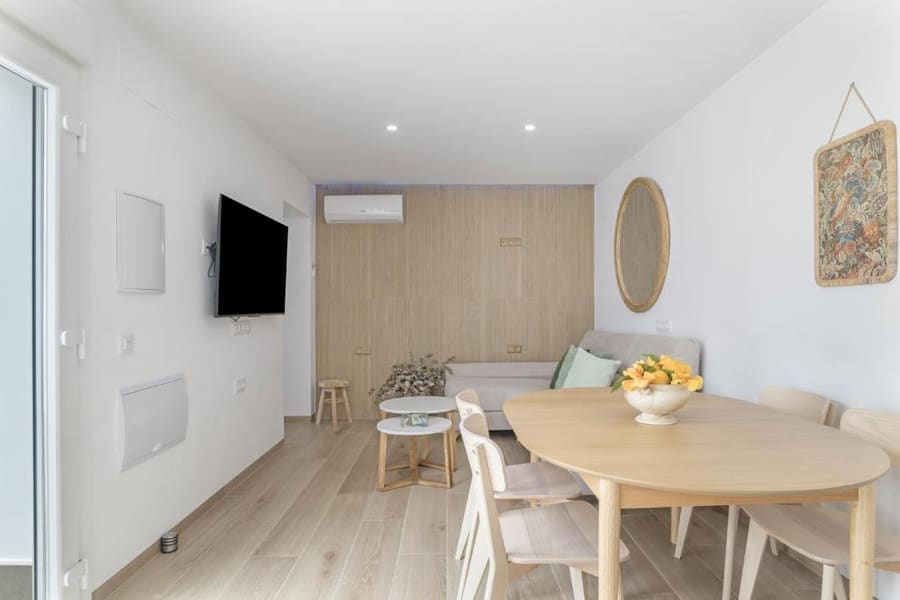
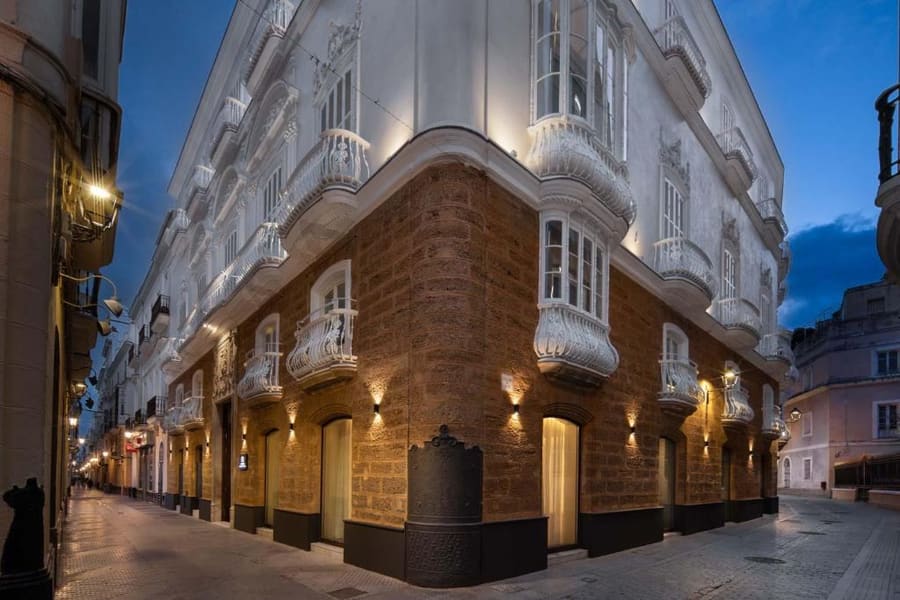
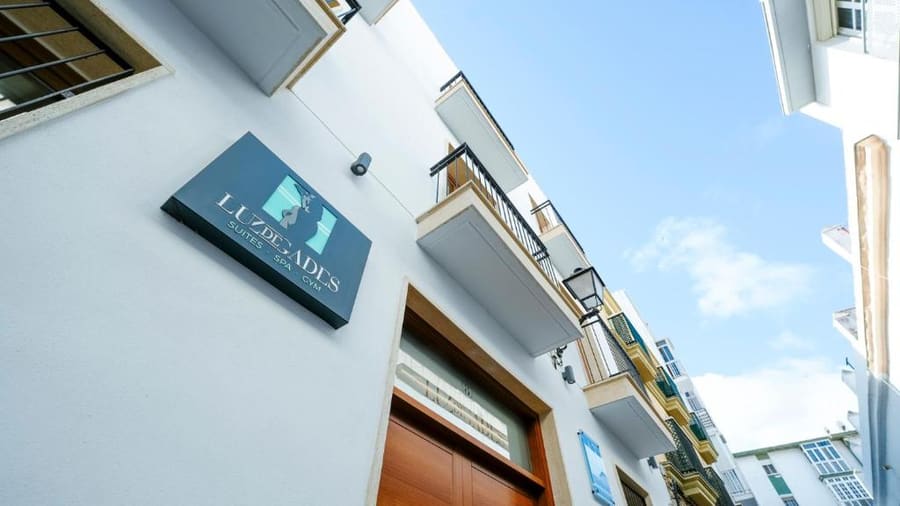
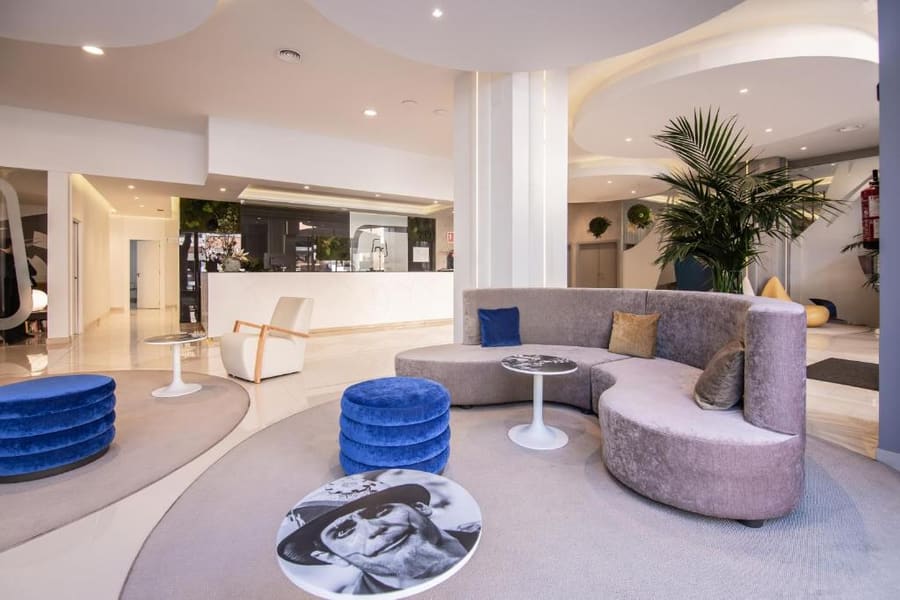
Choose your base based on whether you prefer atmospheric narrow streets or ocean views. Staying in the old town puts you within a 15-minute walk of everything. The modern beachfront extension south of Puerta de Tierra offers high-rise hotels and direct sand access, but lacks historical character.
Live rates, matched to the areas above.

transport
You do not need a car inside old Cádiz. The historical quarter is almost entirely pedestrianised or restricted to local vehicles. Walking is the fastest way to travel between sight lines. Taxis and local city buses serve the long beach strip stretching south.
Από Jerez Airport (XRY) or Cádiz Rail Station
Cercanías line C1 connects Jerez Airport directly to central Cádiz station.
Fixed highway rates apply from Jerez Airport into Cádiz city centre.
Intercity buses link Seville Santa Justa or Jerez to Cádiz bus terminal.
You can walk around the entire old town sea wall in roughly 90 minutes.
The Trambahía light rail links central Cádiz station to San Fernando and Chiclana.
Urban bus fare costs €1.15 per ride. Pay the driver directly with cash or contactless cards.
Do not attempt street parking in the old town. Use underground garages at Santa Bárbara or Canalejas.
cost
Cádiz remains noticeably more affordable than Seville or coastal resort towns in the Costa del Sol. Seafood prices depend on weight and market availability, but local fried fish cones offer exceptional value.
Generous serving of fried chocos or marinated dogfish from a freiduría.
Poured chilled directly from the barrel in neighborhood taverns.
Includes three shared plates, fried bites, and local drinks.
One-way coastal crossing to El Puerto de Santa María.
seasonality
FEB – MAR
Carnival fills streets with satirical singing groups. Book accommodation months in advance.
APR – MAY
Ideal sightseeing weather with mild sea breezes and manageable tourist numbers.
JUN – SEP
Hot ocean weather drives beach crowds. Atlantic winds offer relief from inland Andalusian heat.
OCT – DEC
Quieter streets and mild weather, though Atlantic rains occasionally hit late autumn.
practicalities
A strong easterly wind can blow sand relentlessly on La Caleta. Seek shelter in interior plazas on stormy days.
Small shops in El Pópulo and La Viña close strictly between 14:00 and 17:30 daily.
La Caleta beach shrinks significantly at high tide. Check local tide tables before laying out a towel.
If visiting for the February Carnival, secure rail tickets and rooms at least four months early.
Fresh fish vendors inside Mercado Central prefer cash for purchases under €5.