landmark
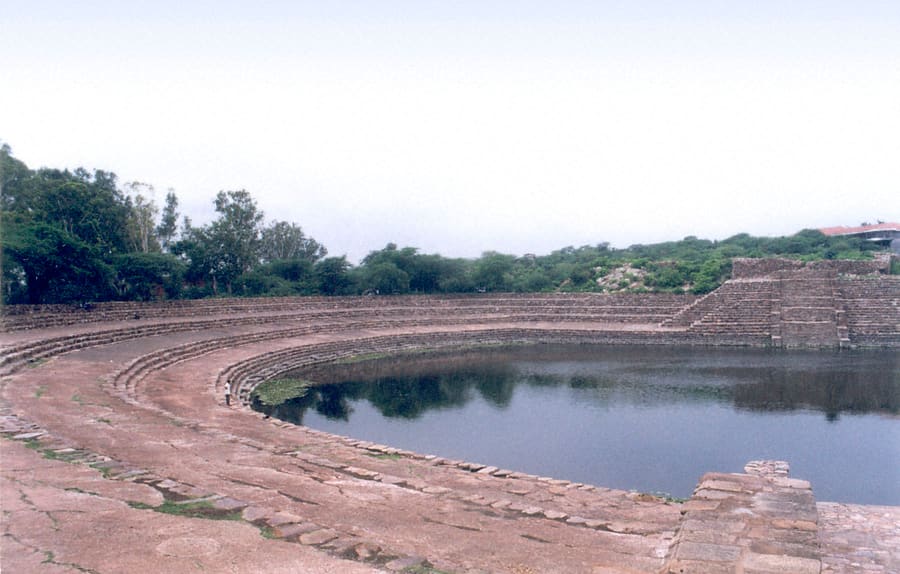
Surajkund Reservoir
A 10th-century semicircular sun pool built by King Surajpal. Visit early morning before crowds arrive at the nearby fairgrounds.
Ρωτήστε το ParleyΙνδία
Delhi's industrial neighbor of ancient stepwells and street food.
introduction
Faridabad sits directly south of Delhi on the Violet Metro Line. It serves as Haryana's largest industrial powerhouse, yet retains medieval stepwells and nineteenth-century forts. You navigate the city along the Mathura Road axis, where manufacturing hubs yield to sector markets. Expect dust, heavy traffic, and unvarnished North Indian daily life.
Metro terminal trick
Take the Violet Line from Delhi directly into Faridabad. Raja Nahar Singh station puts you at the southern terminus without fighting Highway 44 traffic.
Surajkund Mela
Surajkund hosts the world's largest crafts fair every February. Over a million visitors arrive, so traffic around the reservoir halts for two weeks.
Avoid Highway 44 rush hour
Mathura Road clogs northbound between 08:00 and 10:30, then southbound after 17:30. Travel mid-day to cross into Delhi smoothly.
Faridabad
WillaMissionary · CC0
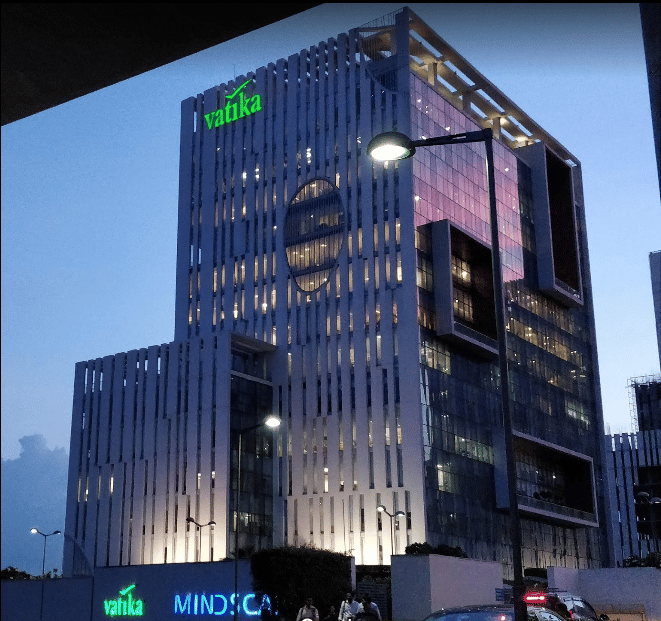
Surajkund — Wooded hills, luxury resorts, and quiet roads near the Delhi border.
Koshy Koshy · CC BY 2.0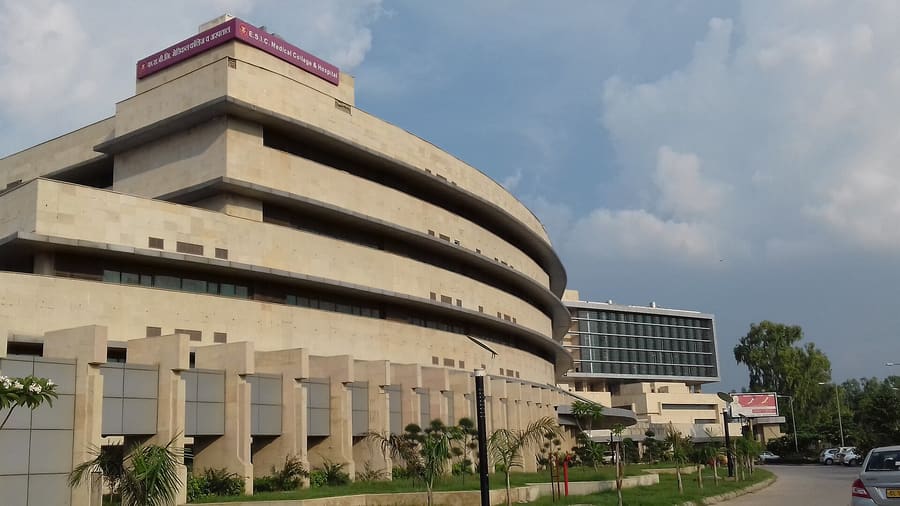
Sector 15 & 16 — Orderly residential grids with bustling local market centers and popular eateries.
Samarthrastogi15 · CC BY-SA 4.0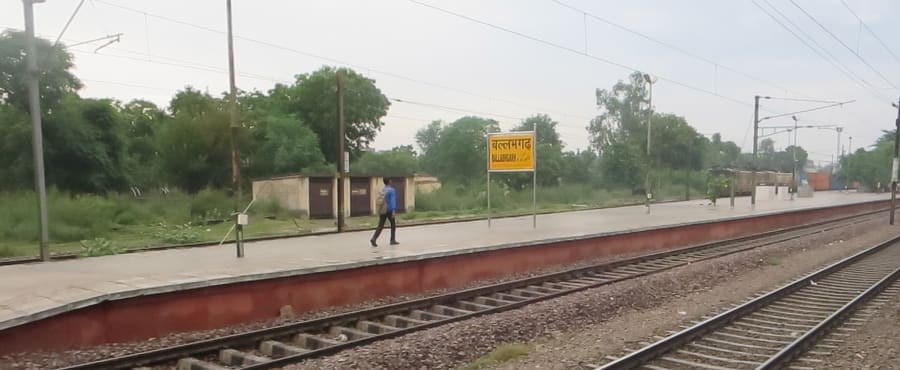
Ballabhgarh — Historic core mixed with industrial supply shops at the end of the Metro line.
Nikhilb239 · CC BY-SA 4.0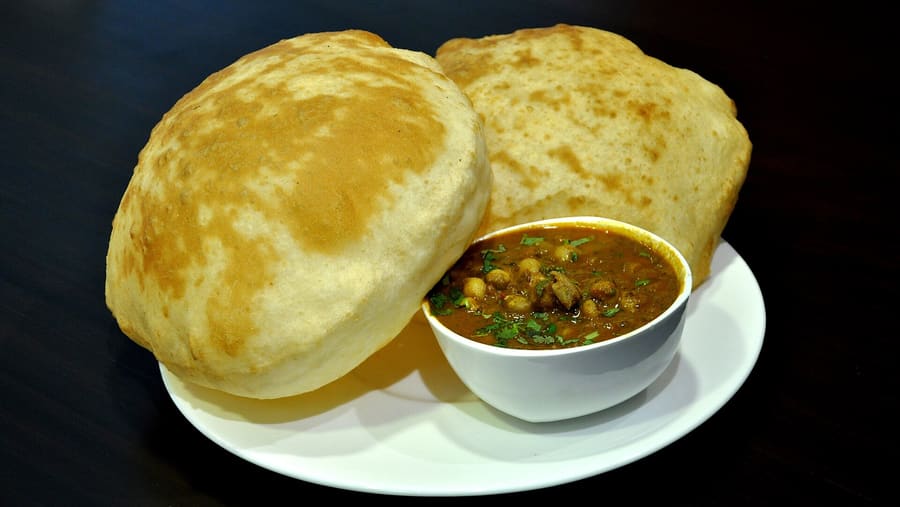
Freshly fried kachoris served with spicy potato curry in Old Faridabad.
Dheerajk88 · CC BY-SA 4.0highlights
landmark
A 10th-century semicircular sun pool built by King Surajpal. Visit early morning before crowds arrive at the nearby fairgrounds.
Ρωτήστε το Parley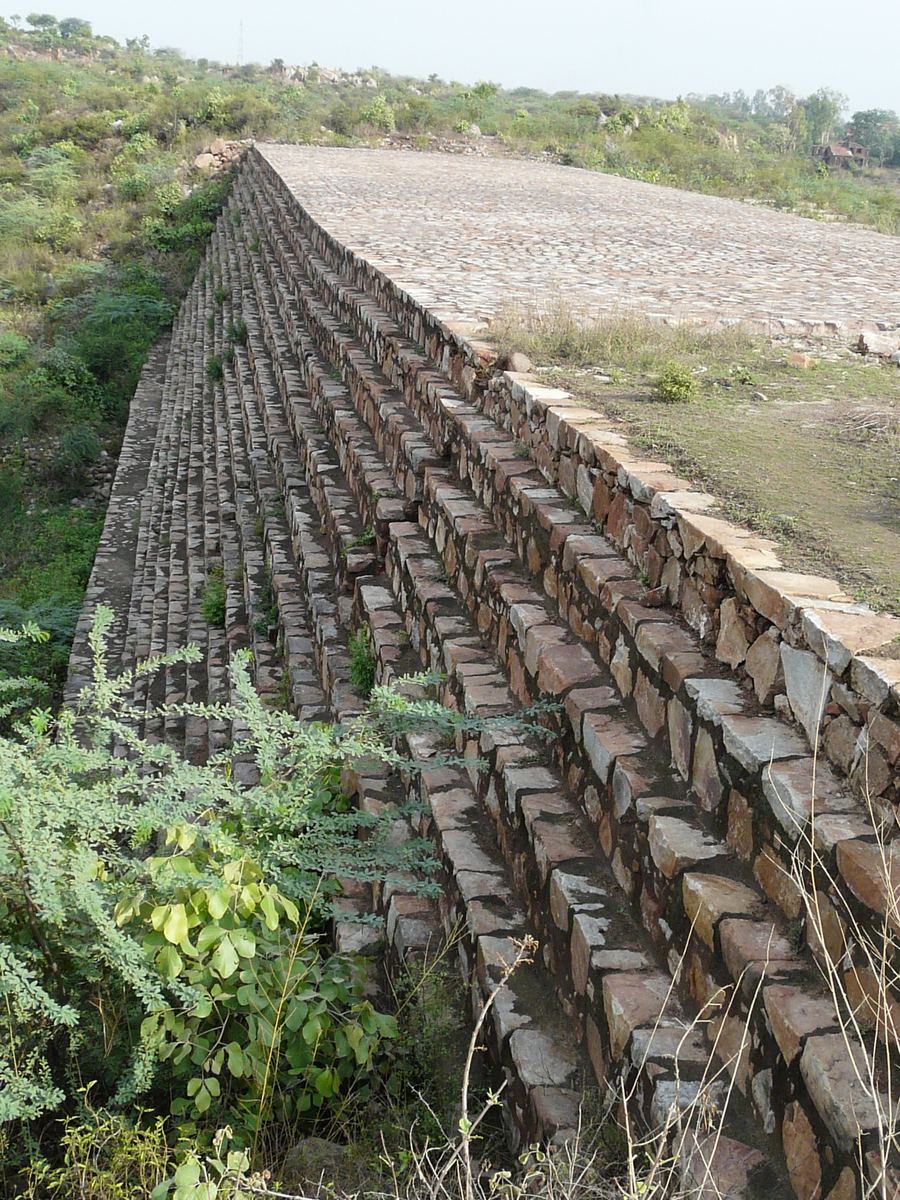
landmark
An ancient hydraulic structure built with quartzite blocks. Walk the embankment early in the dry season.
Ρωτήστε το Parley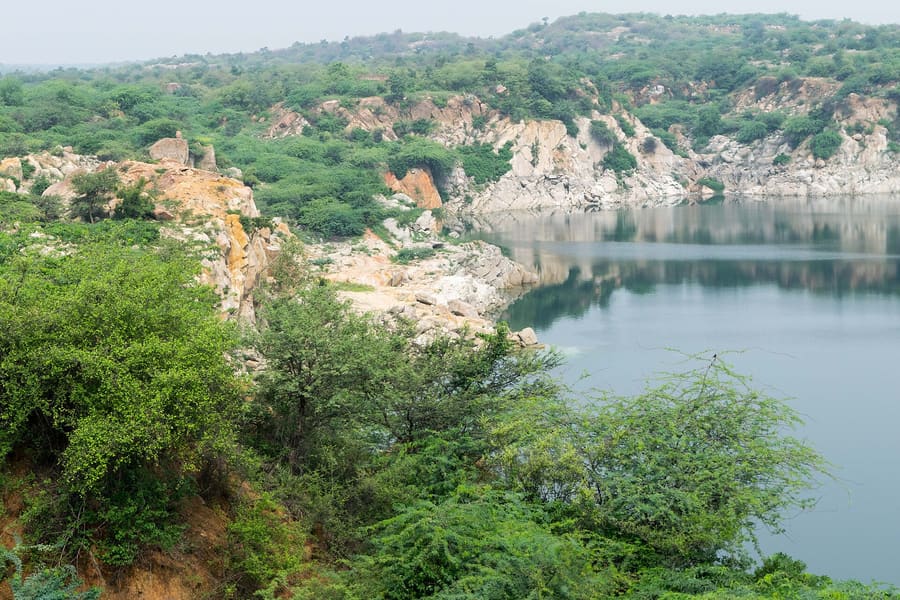
landmark
A scrub forest on the Aravalli ridge bordering Faridabad. Access the lake trails via the Gurugram-Faridabad road.
Ρωτήστε το Parleyattractions
areas
Wooded hills, luxury resorts, and quiet roads near the Delhi border.
ΚοντάTughlaqabad Fort and Asola Wildlife Sanctuary
Ρωτήστε το ParleyOrderly residential grids with bustling local market centers and popular eateries.
ΚοντάTown Park and Sector 12 administrative offices
Ρωτήστε το ParleyHistoric core mixed with industrial supply shops at the end of the Metro line.
ΚοντάRaja Nahar Singh Palace and Ballabhgarh Bus Stand
Ρωτήστε το ParleyDense bazaar streets, spice traders, and century-old snack stalls.
ΚοντάOld Faridabad Railway Station and Mathura Road
Ρωτήστε το Parleyfood
Faridabad eats hearty North Indian food shaped by Punjabi migration and Haryanvi dairy traditions. Morning begins at street carts in Old Faridabad selling bedmi puri with spicy potato curry. In the evening, Sector 15 Market turns into an outdoor dining strip for malai tikka, soya chaat, and thick sweet lassi.
Freshly fried kachoris served with spicy potato curry in Old Faridabad.
Dheerajk88 · CC BY-SA 4.0Head to Old Faridabad bazaar before 10:00 for crisp bedmi puris made from urad dal dough.
Food stalls open around 17:00 in Sector 15 Market. Try tandoori soya chaat at local stalls.
UPI QR codes work at almost every food stall, but keep ₹200 cash for small street vendors.
history
Sheikh Farid, treasurer to Mughal Emperor Jahangir, founded Faridabad in 1607 to protect the Delhi-Agra highway. Ballabhgarh emerged later as an independent Jat state under Raja Nahar Singh, who fought British forces in 1857. After 1947, the city expanded rapidly to rehabilitate displaced refugees and grew into Haryana's primary manufacturing hub.
City Foundation
Sheikh Farid establishes a fort, mosque, and water tank along the imperial highway to secure trade routes.
Ballabhgarh State
Jat rulers fortify Ballabhgarh, creating a regional power center just south of Mughal Delhi.
Rebellion & Martyrdom
Raja Nahar Singh joins the Indian Uprising against East India Company rule and is executed in Delhi.
Industrial Resettlement
Thousands of partition refugees settle in Faridabad, transforming farmlands into a planned industrial town.
where to stay
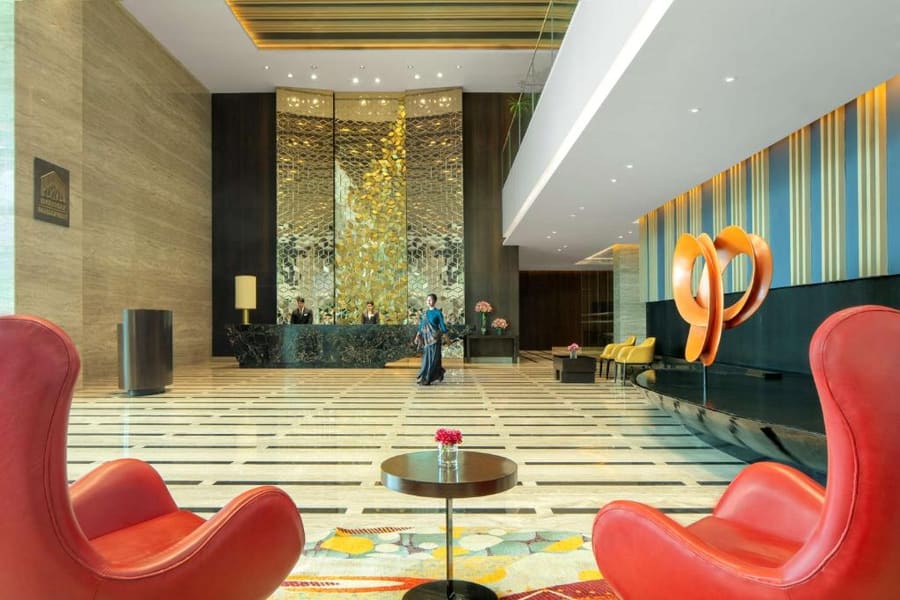
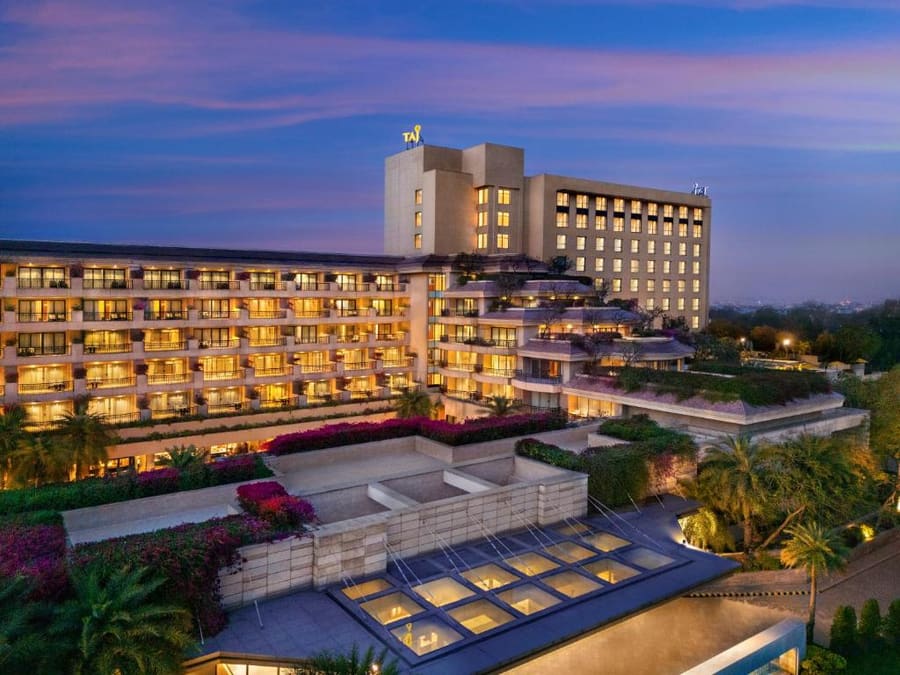
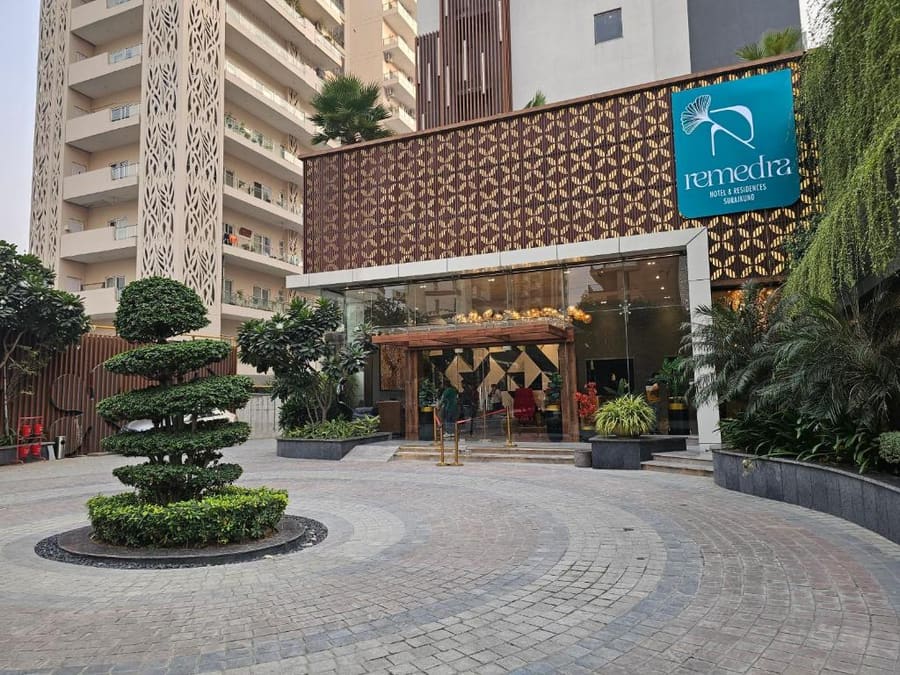
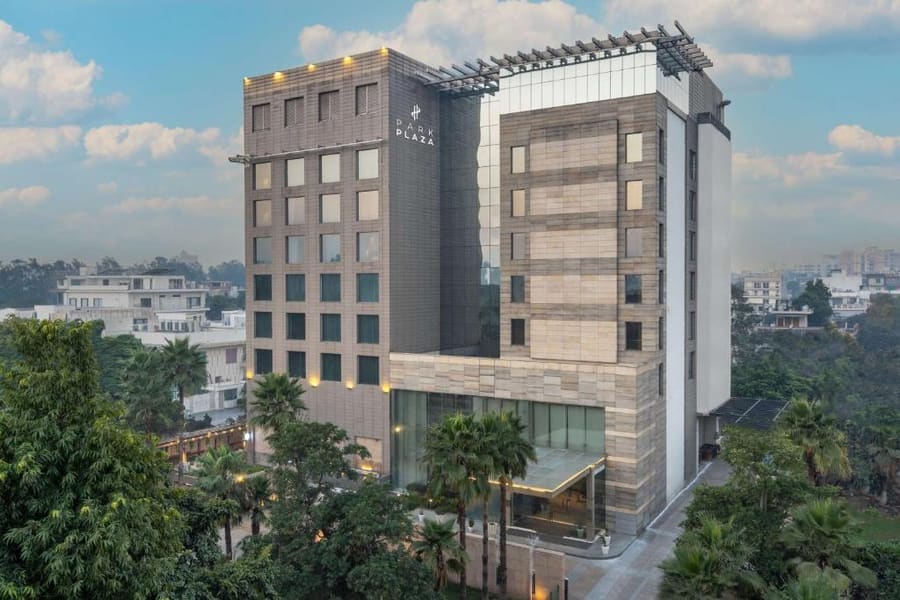
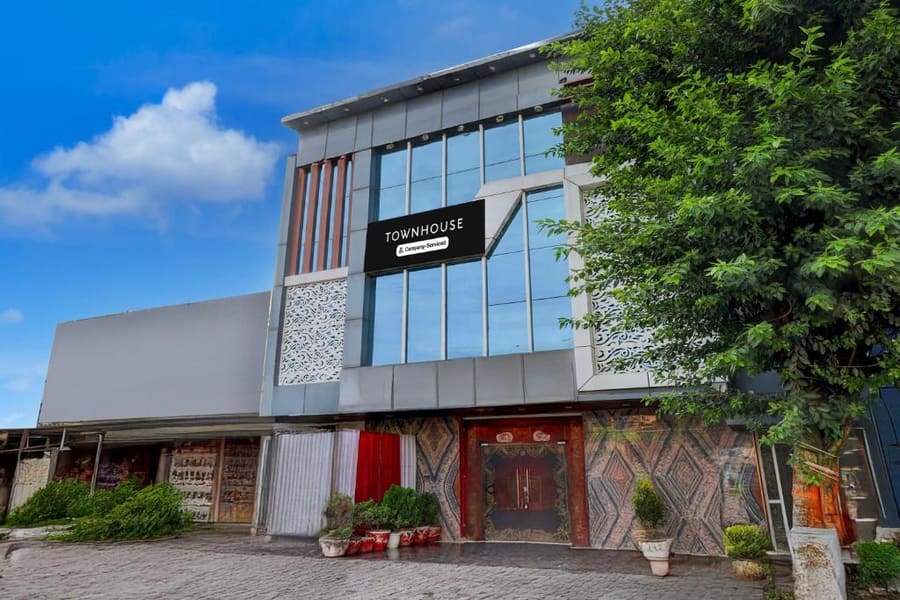
Choose your base by transport needs. Surajkund offers quiet resort grounds near South Delhi, while Sector 15 puts you close to metro stops and restaurants.
Live rates, matched to the areas above.
transport
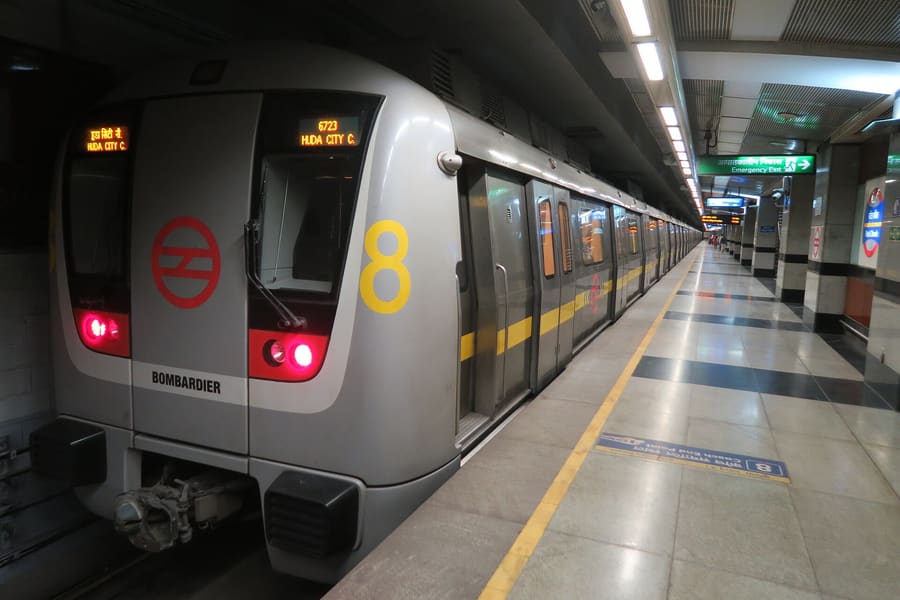
Faridabad connects seamlessly to Delhi via the Violet Metro Line, which runs north-south parallel to Mathura Road. Auto-rickshaws and app cabs handle intra-city trips.
Από DEL
Take Airport Express to New Delhi, then Violet Line straight to Faridabad.
App cabs like Uber or Ola handle peak traffic better than unmetered airport cabs.
Pick-up zones at Airport Terminal 3 and Terminal 1 are clearly marked.
Local suburban trains connect Hazrat Nizamuddin in Delhi to Old Faridabad station.
Delhi Metro's Violet Line runs directly through Faridabad along Mathura Road. Trains arrive every 4–6 minutes.
Use a Delhi Metro Smart Card or NCMC card to save 10% on fare costs and skip token queues.
E-rickshaws connect metro stations to sector markets for ₹10–20 per seat on shared routes.
Crossing from South Delhi via Badarpur border incurs heavy highway congestion between 18:00 and 20:00.
cost
Faridabad is considerably cheaper than neighboring Delhi and Gurugram for food and transport, though top-tier resort accommodation carries standard NCR rates.
Fares depend on distance traveled along the Violet Line network.
A plate of bedmi puri or chole bhature at a local shop.
Mid-range meal at a Sector 15 restaurant.
Shared or private ride between metro stations and sector sectors.
seasonality
OCT – NOV
Pleasant temperatures around 25°C. Air quality can deteriorate following crop burning season.
DEC – FEB
Cool winter days (10–20°C) ideal for sightseeing. Surajkund Mela takes place in February.
MAR – APR
Warm spring days before extreme summer heat begins. Daytime temperatures reach 32°C.
MAY – SEP
Extreme heat above 40°C followed by heavy monsoon rains in July and August.
practicalities
Sector markets and Old Faridabad bazaar close on Tuesdays for weekly maintenance.
Winter months (Nov–Jan) bring high AQI levels across NCR. Carry N95 masks for extended outdoor walks.
Dress conservatively when visiting religious sites like ISKCON or old neighborhood temples.
ATMs are plentiful in commercial sector markets, but cash is helpful in older bazaar quarters.
Drink sealed bottled water or filtered RO water offered at established restaurants.