landmark
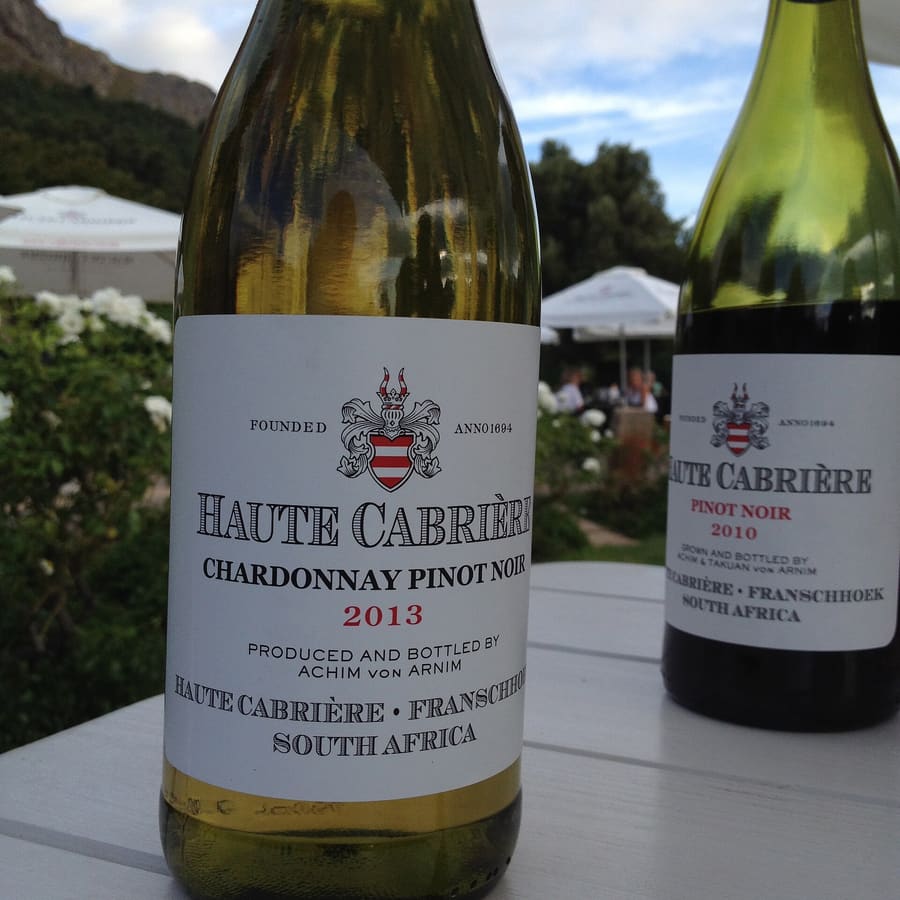
Haute Cabrière
Cellar carved into the pass cliffside, famous for Pinot Noir and Chardonnay. Book sunset sabrage demonstrations in advance.
Ρωτήστε το ParleyΝότια Αφρική
Cape Winelands gastronomy and valley wine routes
introduction
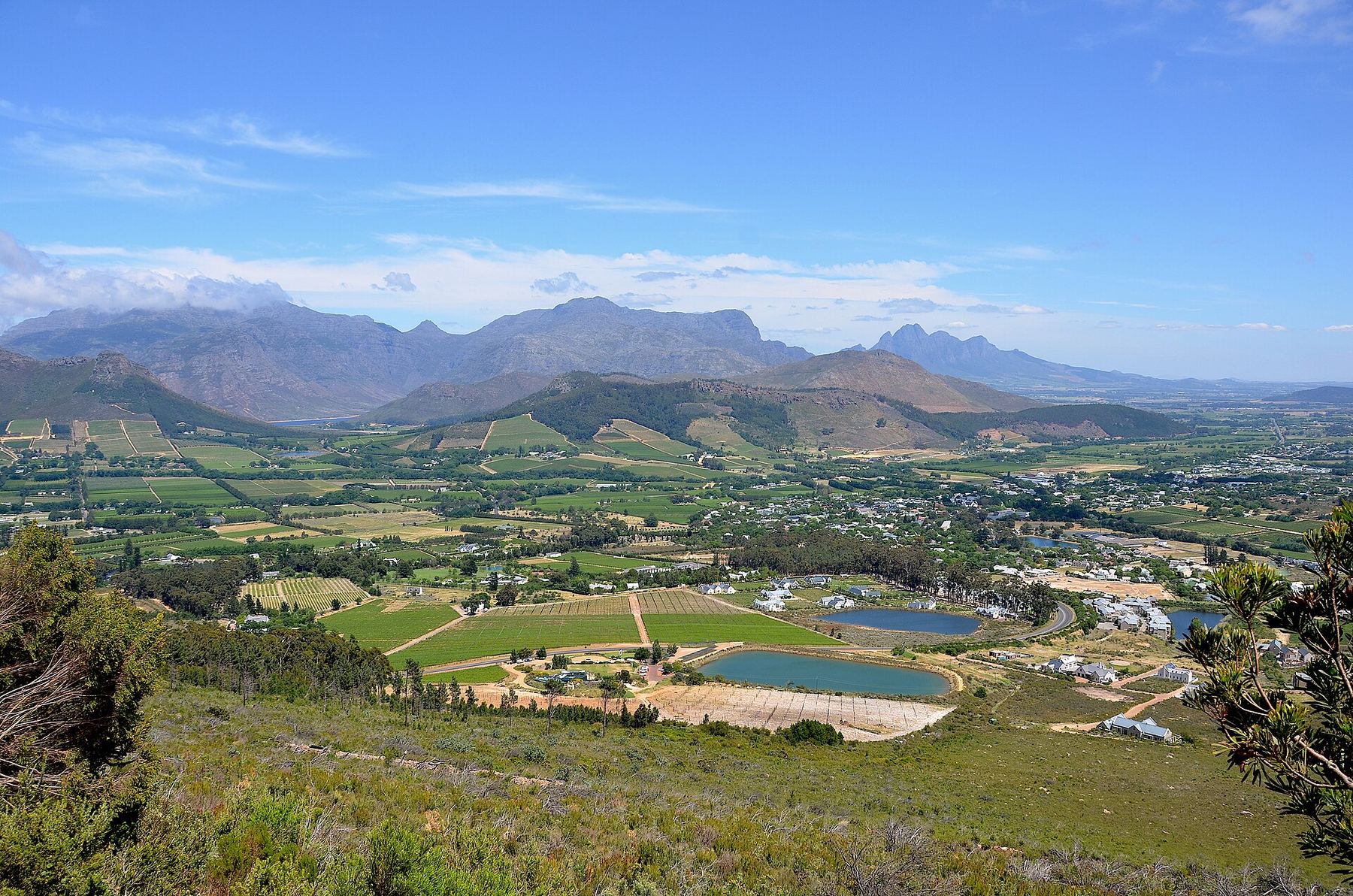
Franschhoek occupies a narrow valley ringed by the Drakenstein and Wemmershoek mountains. You navigate the town along a single main axis of restaurants and galleries, with vineyards fanning out into the valley floor. Wine estates here require planning, as tasting rooms and top-tier dining tables book weeks ahead. You come for structured days built around glass and plate rather than spontaneous nightlife.
Airport transfer strategy
Book private transport from Cape Town Airport beforehand. Uber operates into Franschhoek, but drivers rarely accept rides back to the airport.
Cap Classique capital
Franschhoek sits in the Cape Winelands Biosphere Reserve. It is South Africa's designated capital of Cap Classique sparkling wine production.
Wine tram booking window
The Wine Tram sells out weeks in advance during summer. Secure tickets online before arriving to guarantee your preferred color line.
Franschhoek
Vincent Steenberg at Dutch Wikipedia (Original text: Vincent Steenberg) · CC BY-SA 2.5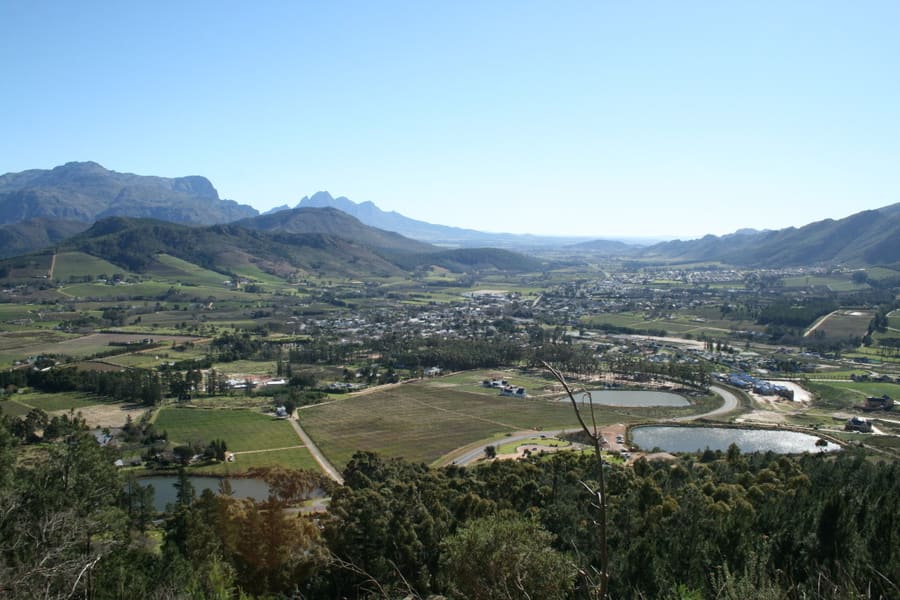
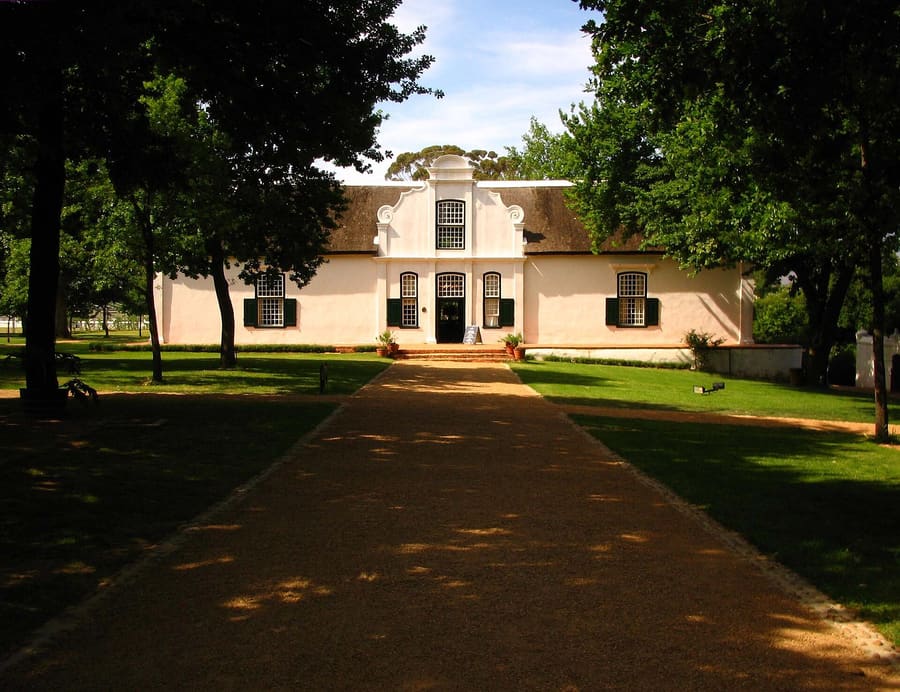
Village Centre — Walkable grid centered on Huguenot Road with bistros, galleries, and boutique shops.
User:(WT-shared) NJR ZA · CC BY-SA 4.0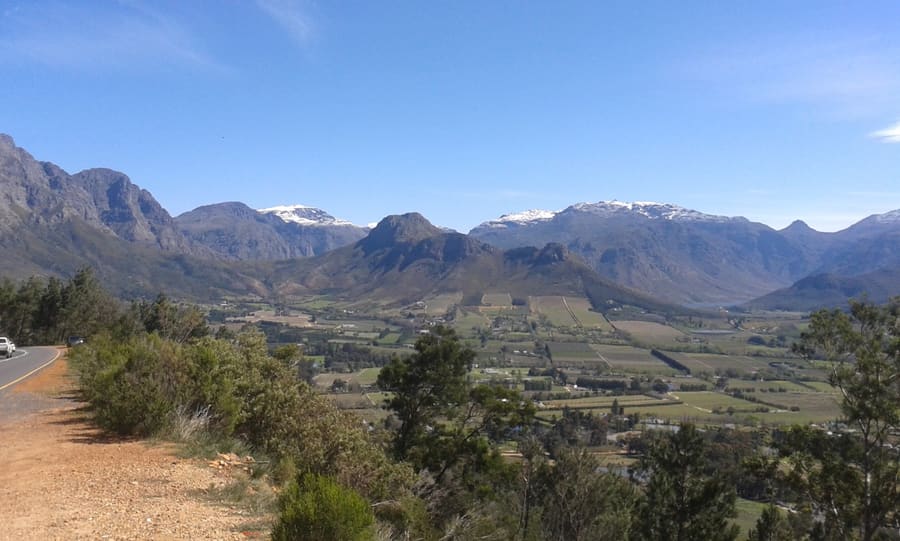
Franschhoek Pass — Elevated mountain slope area offering wide valley views and cliffside wineries.
Glany Saldanha · CC BY 3.0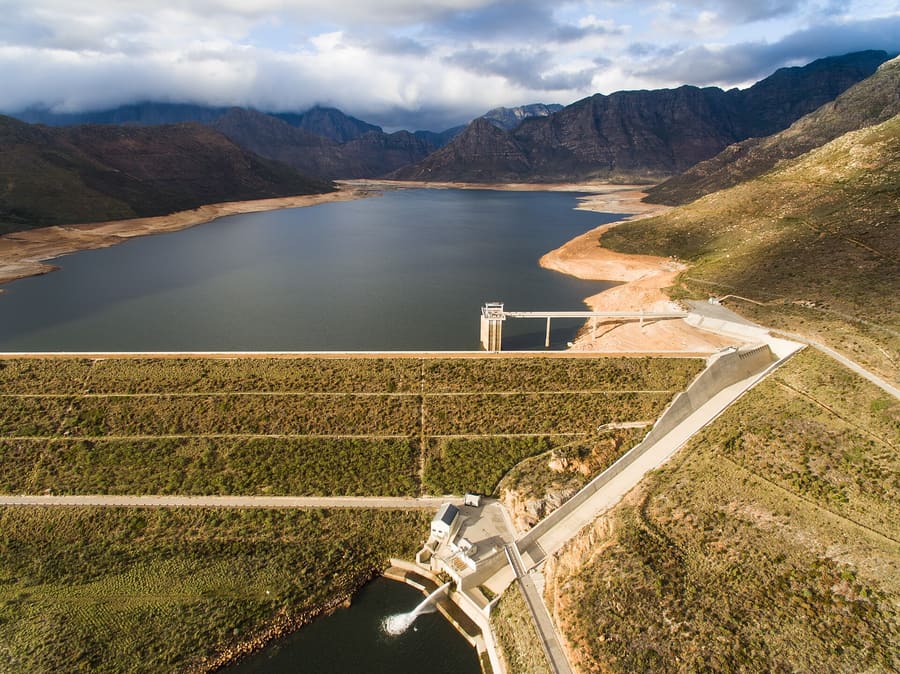
Robertsvlei Valley — Quiet agricultural pocket west of town surrounded by plum orchards and private vineyards.
Daniel Saaiman · CC BY-SA 4.0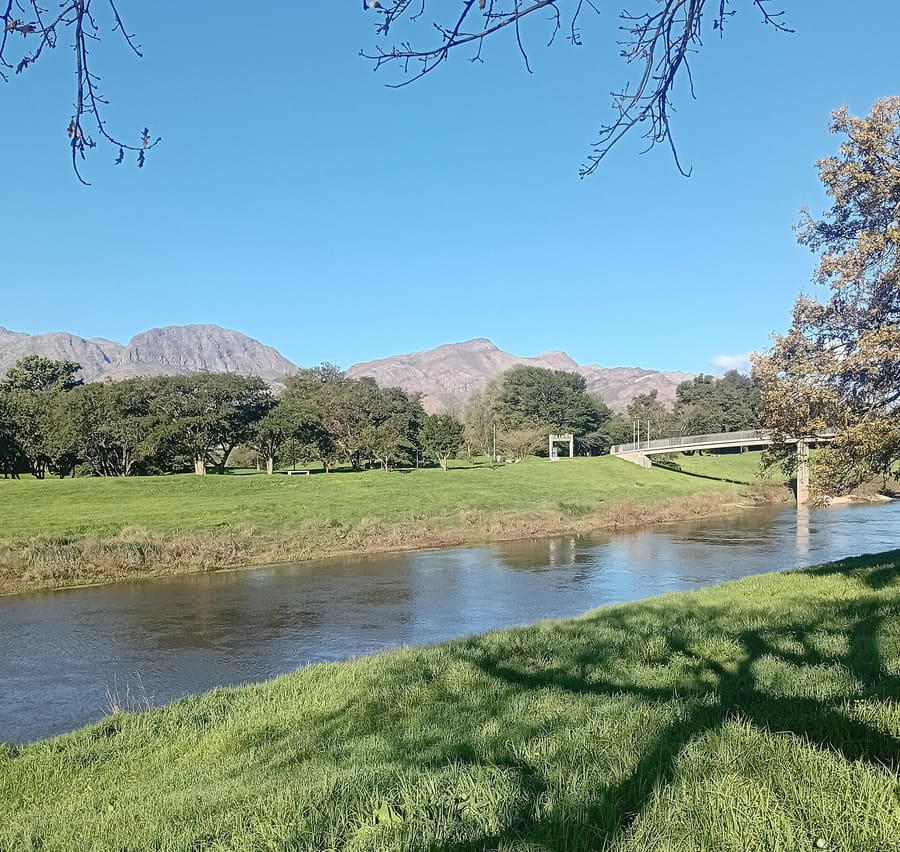
Simondium Corridor — Sprawling estate corridor stretching north toward Paarl, dominated by large working farms.
Lefcentreright · CC0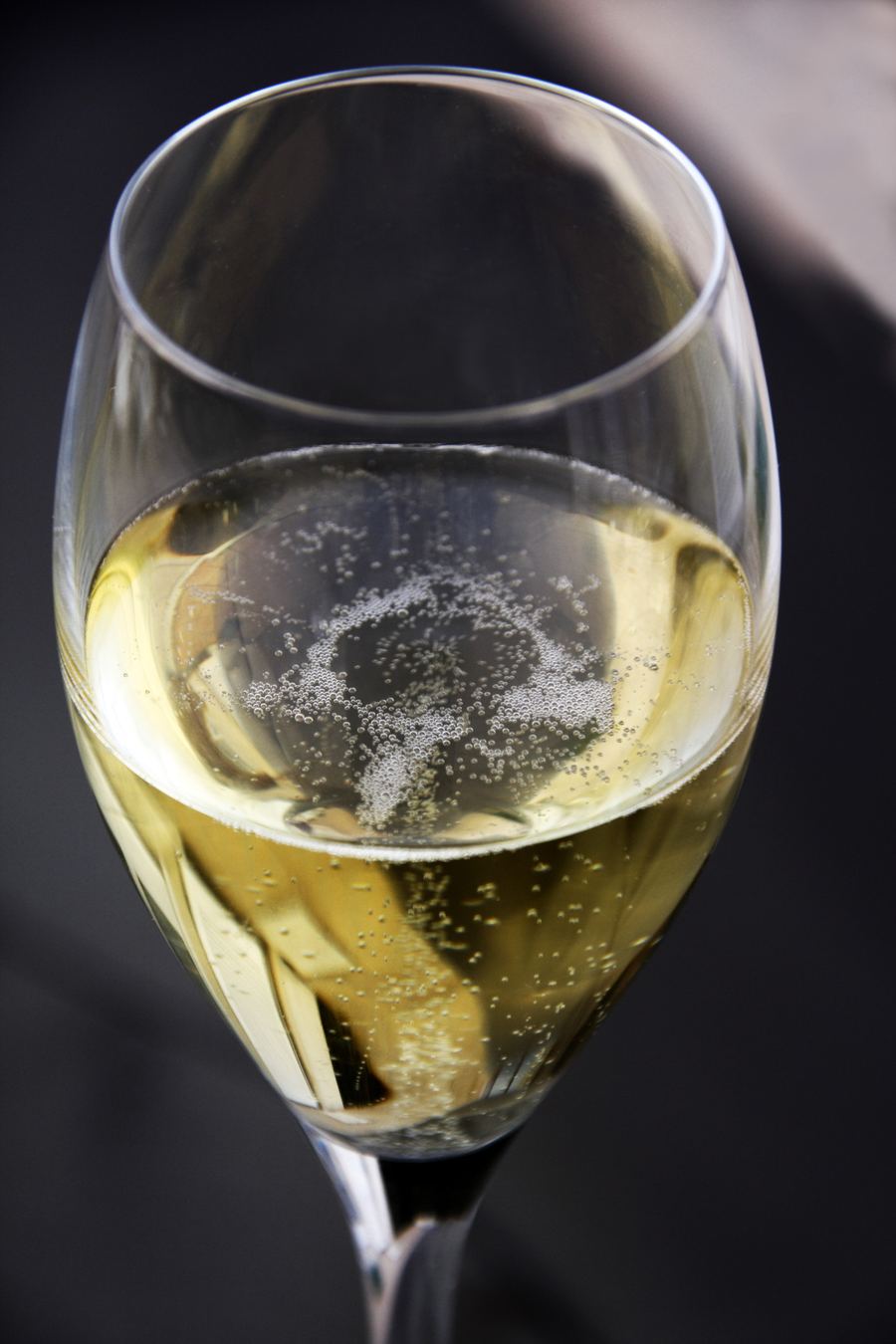
Methode Cap Classique served chilled on an estate outdoor terrace.
bgvjpe · CC BY 2.0highlights
landmark
Cellar carved into the pass cliffside, famous for Pinot Noir and Chardonnay. Book sunset sabrage demonstrations in advance.
Ρωτήστε το Parley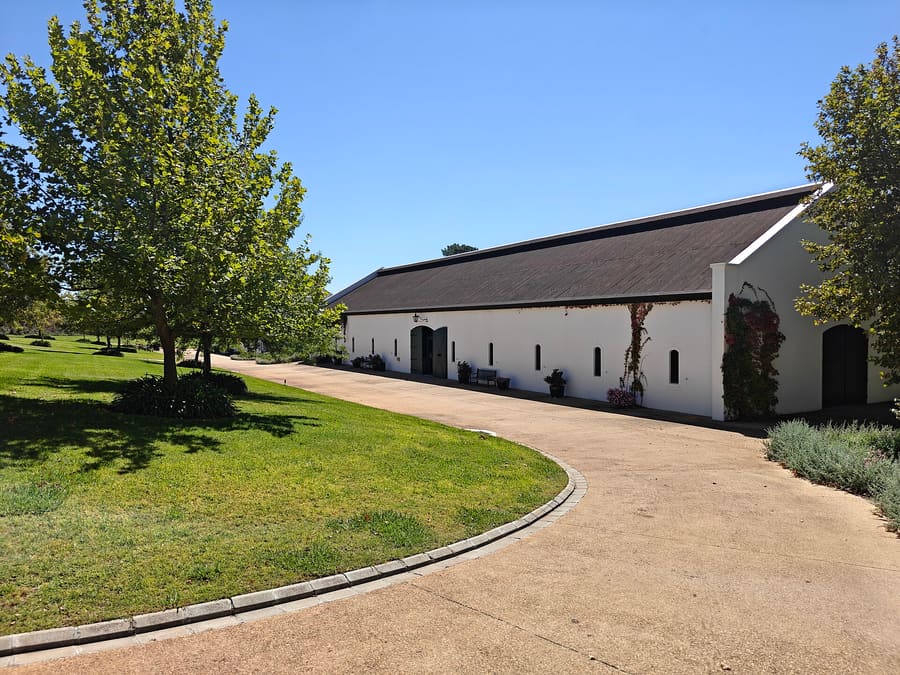
landmark
Houses over 100 vintage vehicles on L'Ormarins estate. Entry requires pre-booked online tickets before entering estate gates.
Ρωτήστε το Parley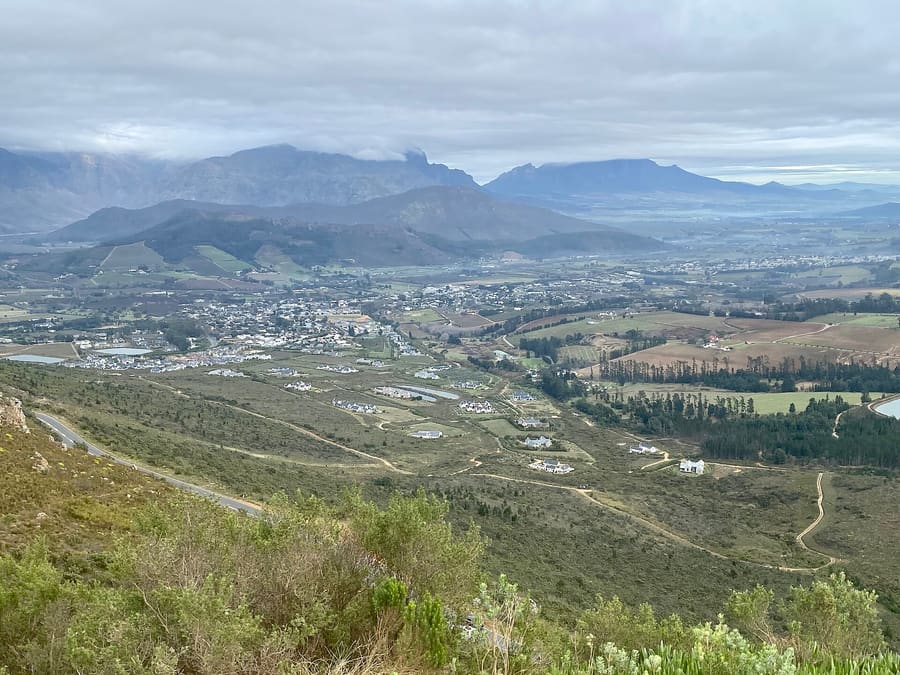
landmark
Protected mountain slopes with trails overlooking the valley. Pay R70 day permits via mobile payment at the pass entry.
Ρωτήστε το Parley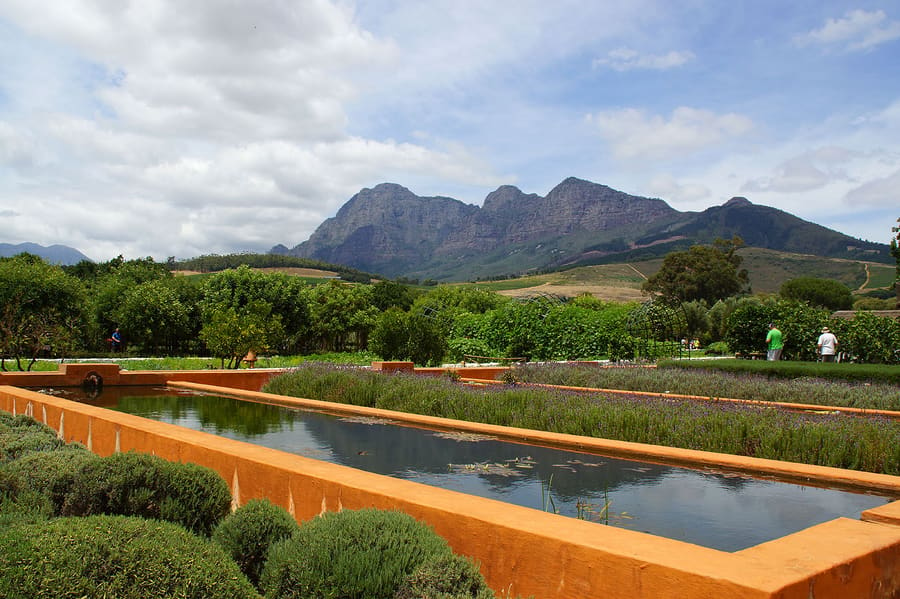
landmark
Eight-acre formal garden featuring fruit, vegetables, and indigenous fynbos. Arrive at 09:00 opening to beat tour bus groups.
Ρωτήστε το Parleyattractions
areas
Walkable grid centered on Huguenot Road with bistros, galleries, and boutique shops.
ΚοντάWine Tram terminal and Huguenot Monument
Ρωτήστε το ParleyElevated mountain slope area offering wide valley views and cliffside wineries.
ΚοντάHaute Cabrière and Mont Rochelle Reserve
Ρωτήστε το ParleyQuiet agricultural pocket west of town surrounded by plum orchards and private vineyards.
ΚοντάBerg River Dam and boutique wine farms
Ρωτήστε το ParleySprawling estate corridor stretching north toward Paarl, dominated by large working farms.
ΚοντάBabylonstoren and Boschendal
Ρωτήστε το Parleyfood
Franschhoek operates as South Africa's culinary baseline. High-end restaurants sit inside functioning wine estates where seasonal menus follow estate harvests. Traditional Cape Malay spicing appears alongside modern French technique. Methode Cap Classique, the local bottle-fermented sparkling wine, is poured at almost every table before meals.
Methode Cap Classique served chilled on an estate outdoor terrace.
bgvjpe · CC BY 2.0Top restaurants like La Petite Colombe release tables 90 days ahead online. Securing prime weekend slots requires immediate booking.
Local menus regularly feature locally farmed trout, springbok loin, and slow-cooked blesbok. Pair these with valley Syrah.
Estates schedule long multicourse lunches between 12:00 and 15:00. Nighttime taxi options are limited, making lunch safer for drinking.
history
The valley was originally known as Olifantshoek, named after the elephant herds that migrated through the mountain passes. In 1688, French Huguenot refugees arrived following the revocation of the Edict of Nantes. The Dutch authorities granted them land along the Berg River, leading to the name Franschhoek, meaning 'French Corner'. They established the region's viticulture.
Huguenot Settlement
French Protestant refugees settle in the valley, bringing French viticultural techniques and naming farm plots after their home towns.
Huguenot Memorial Unveiled
The central monument opens to commemorate the 250th anniversary of French settlement in the valley.
Wine Tram Relaunch
An old railway line built in 1904 is restored into an open-air hop-on wine tour transit system.
where to stay
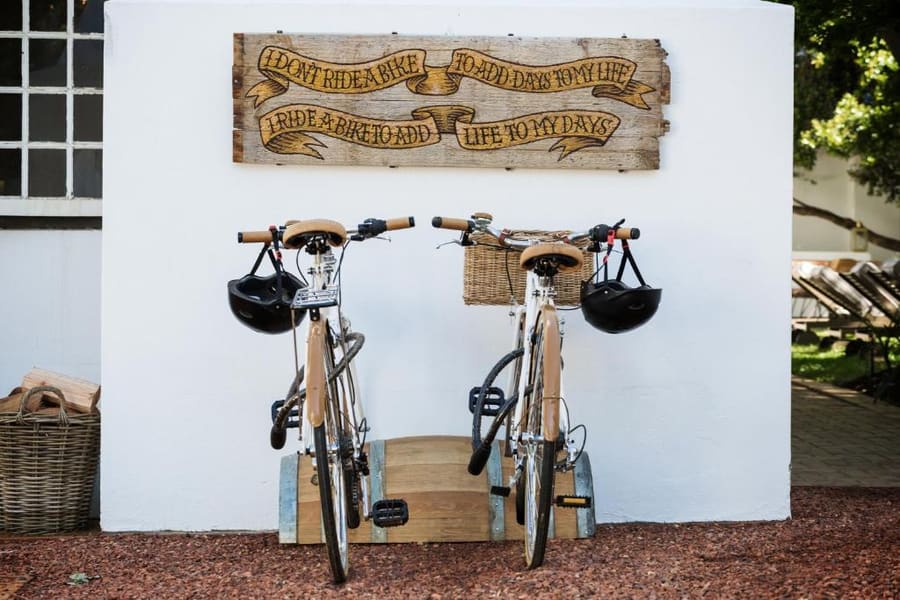
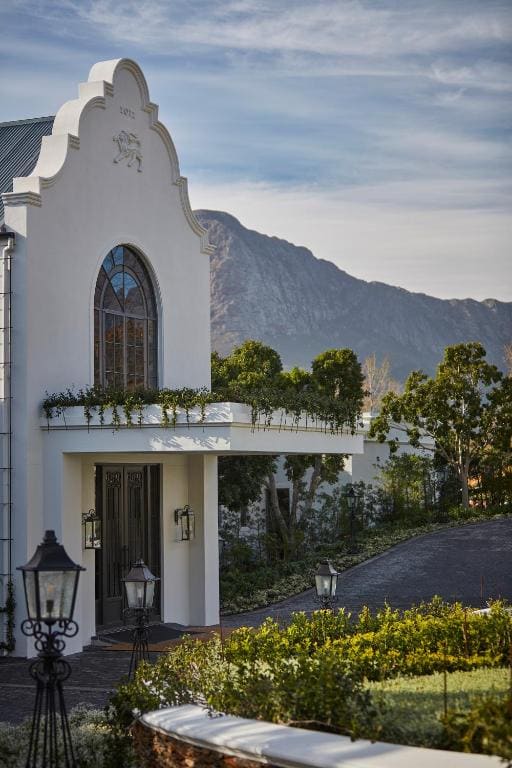
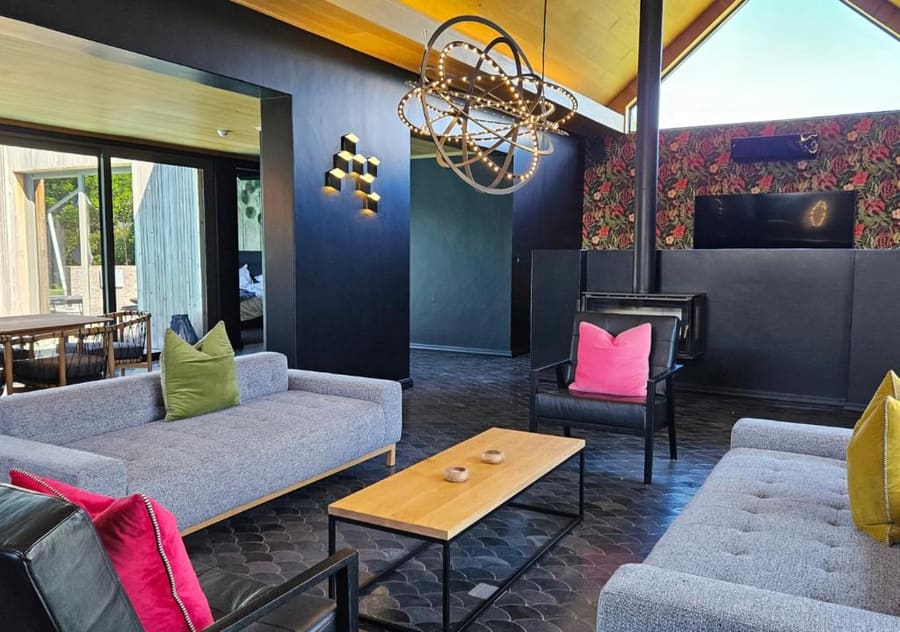
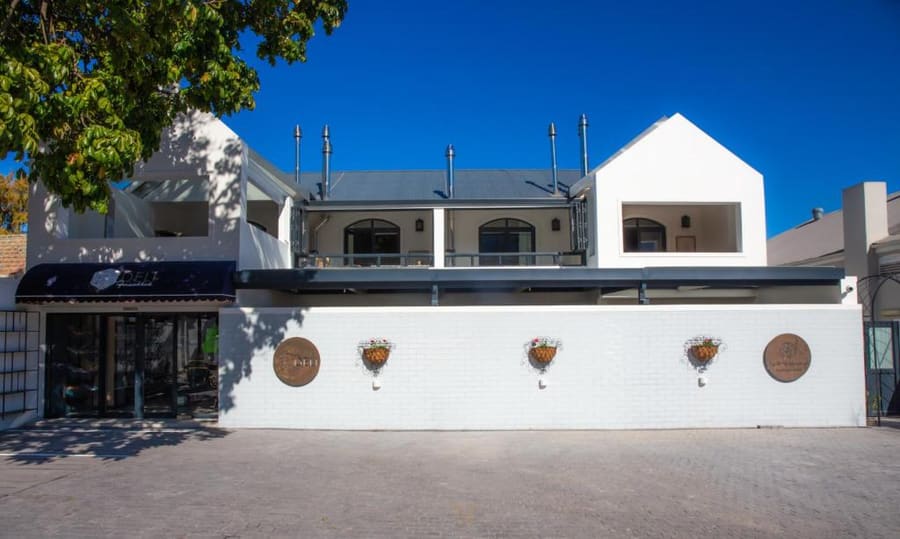
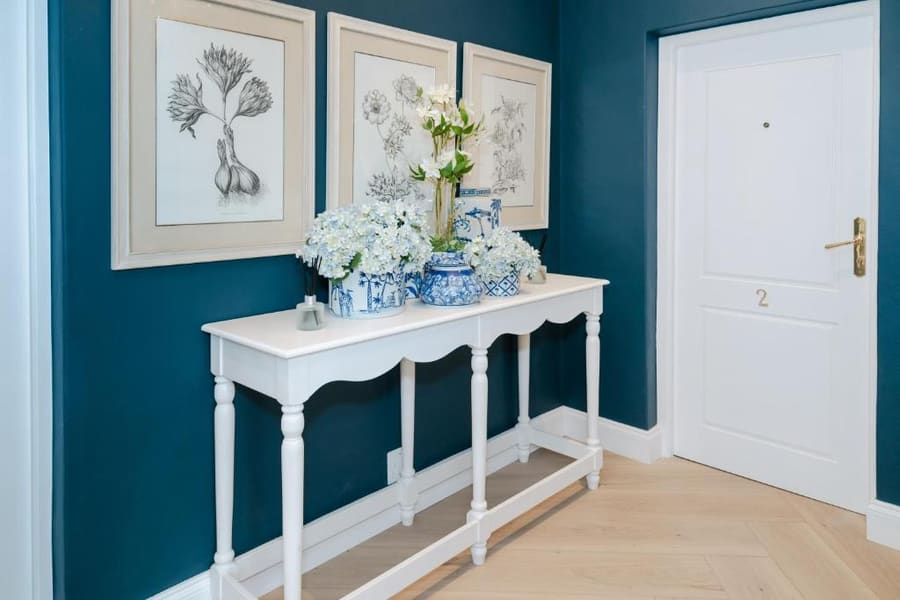
Choose your location based on mobility. Staying on Main Road lets you walk to dinner without driving. Selecting an estate deeper in the valley provides quiet vine views, but forces you to arrange private transfers or assign a designated driver.
Live rates, matched to the areas above.
transport
Franschhoek town centre is compact enough to navigate entirely on foot. To travel between distant wine estates, rely on the Wine Tram or pre-booked private driver services. Local taxis do not street-hail; you must phone dispatchers in advance.
Από Cape Town International Airport (CPT)
Fixed rate driver booked prior to arrival. Recommended for late flights.
Uber readily available from CPT to Franschhoek. Return journeys rarely pick up.
Best choice if visiting outlying estates, though strict alcohol limits apply.
The hop-on tram runs multiple color-coded routes. Tickets cost R330 per adult, excluding individual farm tasting fees.
Valley Uber availability drops drastically after 19:00. Ask your guesthouse to schedule a private evening driver.
Franschhoek has no municipal public bus system or train service connecting directly to Cape Town.
Only a handful of Uber drivers operate inside the valley. Driver wait times often exceed 25 minutes.
cost
Franschhoek pricing reflects its focus on luxury tourism. While standard supermarket goods match national averages, wine tastings, estate dining, and lodging carry premium tariffs relative to the rest of South Africa.
Covers four to six wines. Fee is frequently waived if you purchase bottles above a threshold.
Per person for a three-to-seven course set menu, excluding wine pairing additions.
Covers line transit for the day. Tasting fees at stops are paid directly to estates.
Required for entrance to Mont Rochelle hikes. Paid via SnapScan or card at the gate.
seasonality
DEC – FEB
Peak summer with temperatures reaching 35°C. Estate gardens are full, but crowds and prices reach annual highs.
MAR – MAY
Grape harvest season ends. Autumn foliage turns orange and gold across valley vineyards with warm, dry days.
JUN – AUG
Cold and rainy winter months. Log fires burn in tasting rooms, and major hotels drop accommodation rates.
SEP – NOV
Spring bloom period. Vine buds open and trail weather turns comfortable before peak summer crowds arrive.
practicalities
Visa and Mastercard are accepted universally. Keep small cash notes solely for car guards.
Valley sunlight stays intense on outdoor tasting decks. Carry UV sunglasses and high-SPF sunscreen year-round.
Village shops and galleries close by 17:00. Do not count on late-afternoon retail browsing.
Check if your hotel has generator or solar backup power during national electrical grid outages.
Dry heat and back-to-back tastings cause rapid dehydration. Drink equal amounts of tap water.