landmark
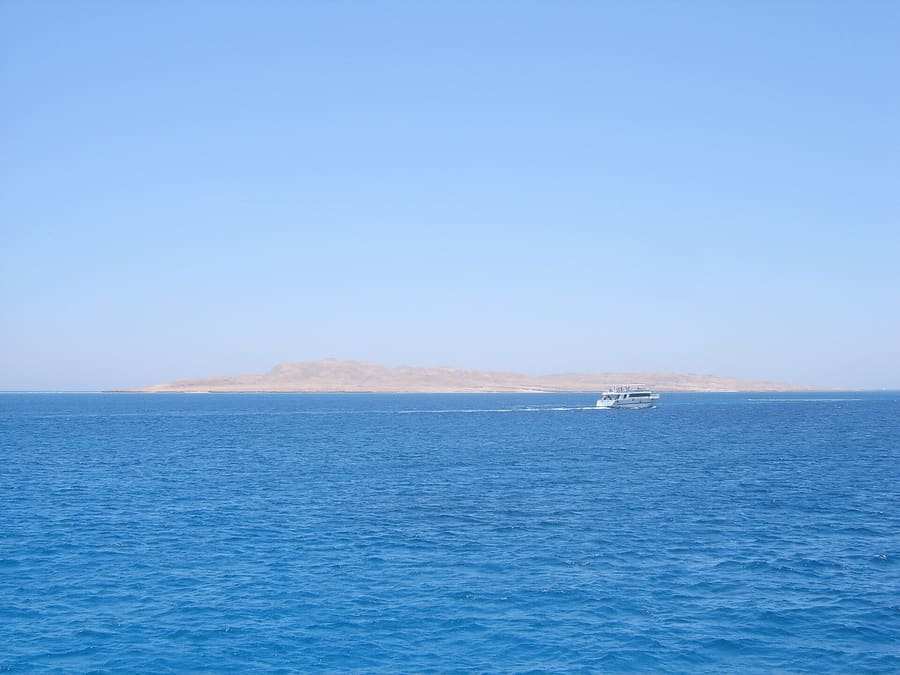
Giftun Islands
Protected sand islands with fringing coral reefs. Pay national park fees onboard your tour boat before departure.
Ρωτήστε το ParleyΑίγυπτος
Red Sea diving hub where resort strips border desert and reef.
introduction
Hurghada stretches forty kilometres along Egypt's Red Sea coast as a collection of purpose-built resort zones anchored by an older working port. Taxis and microbuses shuttle travellers down the linear coastal strip between coastal dive piers and desert quad-biking tracks. You come here for clear waters, fringing reefs, and direct boat access to famous Red Sea shipwrecks. Beyond the water, the town functions as a low-friction base for day trips into the Eastern Desert.
Airport taxi queue
Ignore hawkers inside HRG terminal. Pre-book private transfers or use ride-hailing apps to avoid unmetered fares.
Protected marine reserve
Giftun Island sits inside a designated marine protectorate with enforced national park ranger fees.
Hurghada
E v Schoonhoven · CC BY 3.0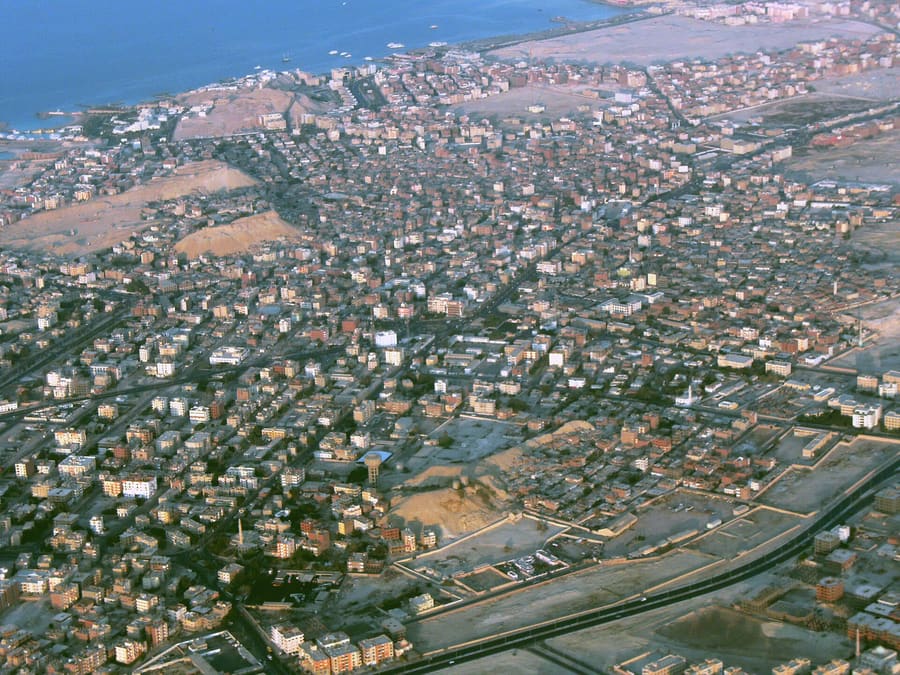
El Dahar — The working core of Hurghada with local markets, tea shops, and municipal services.
Usien · CC BY-SA 3.0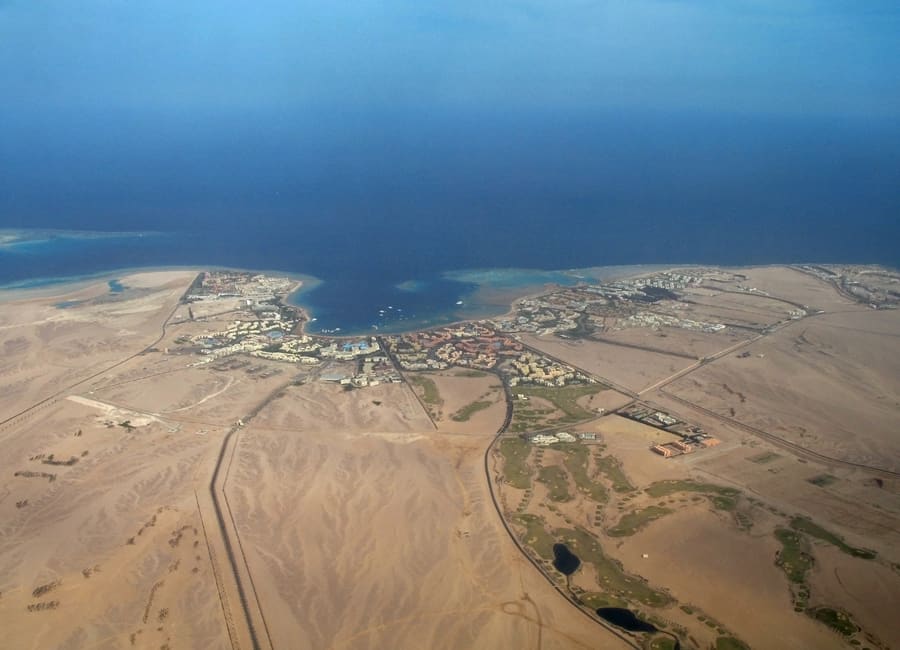
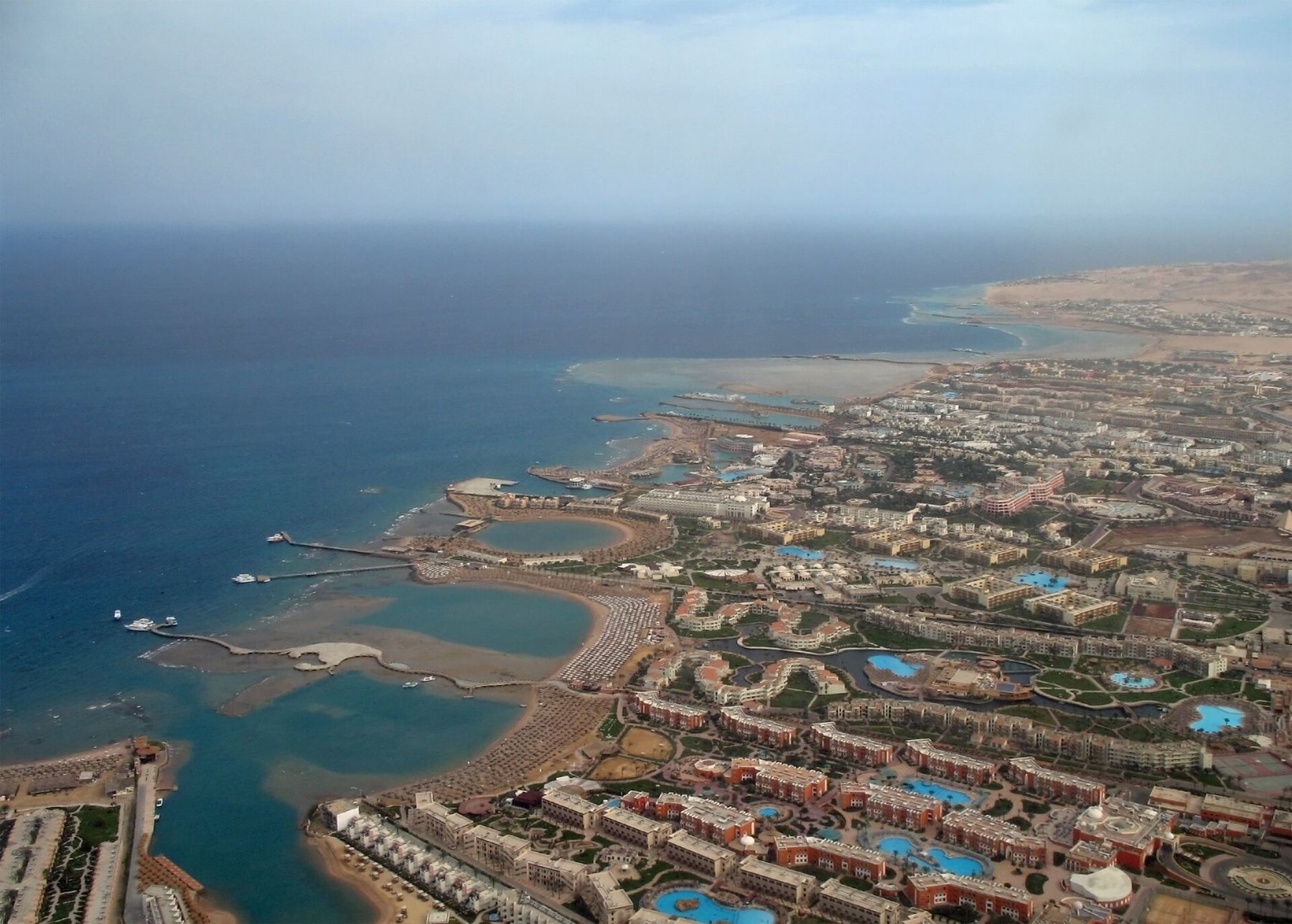
Makadi Bay — A self-contained resort enclave thirty kilometres south of the main city center.
Marc Ryckaert (MJJR) · CC BY 3.0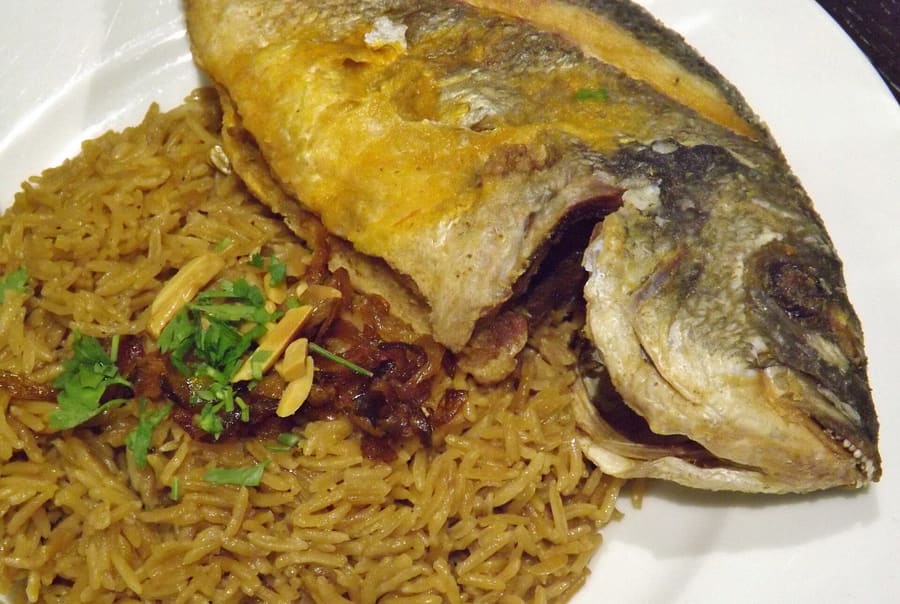
Sayadieh, a traditional Red Sea dish of spiced fish served over brown rice.
young shanahan · CC BY 2.0highlights
landmark
Protected sand islands with fringing coral reefs. Pay national park fees onboard your tour boat before departure.
Ρωτήστε το Parley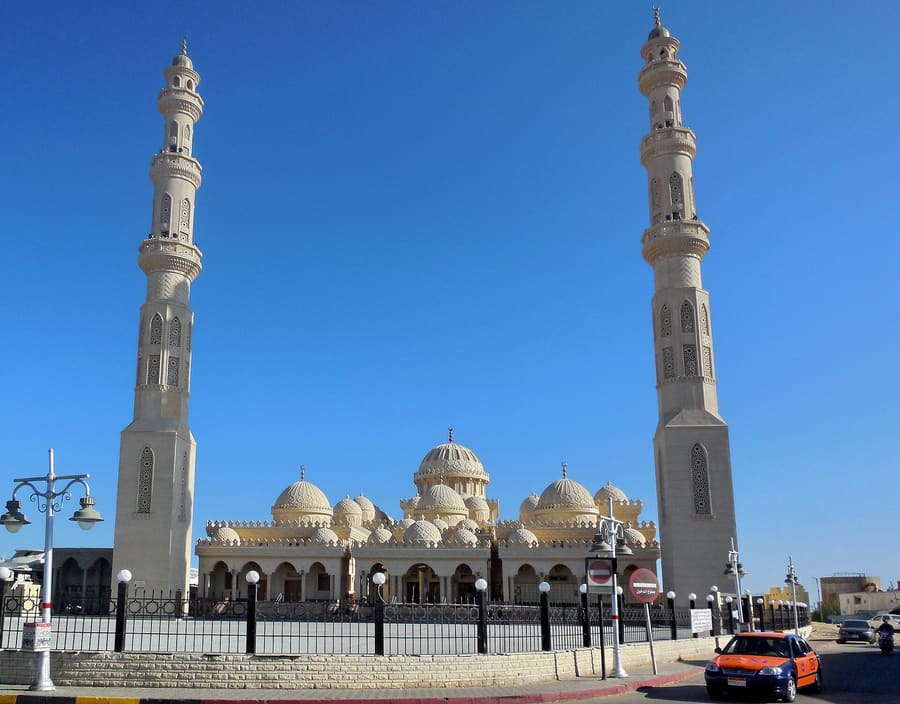
landmark
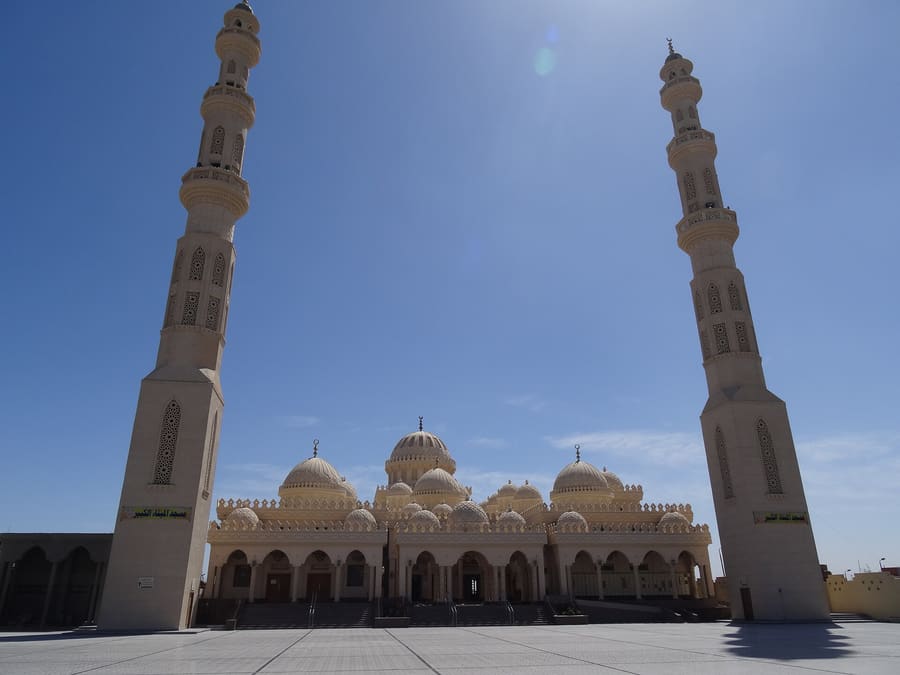
Grand white marble mosque adjacent to the port. Non-Muslim visitor entry is permitted outside scheduled prayer hours.
Ρωτήστε το Parley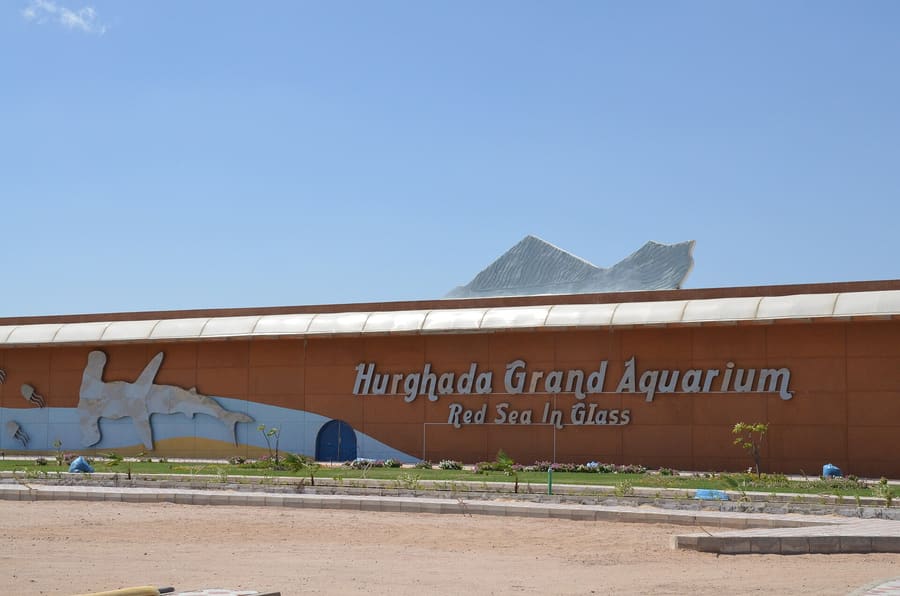
landmark
Indoor facility housing Red Sea marine life and a shark tunnel. Pre-booking online saves venue queue time.
Ρωτήστε το Parley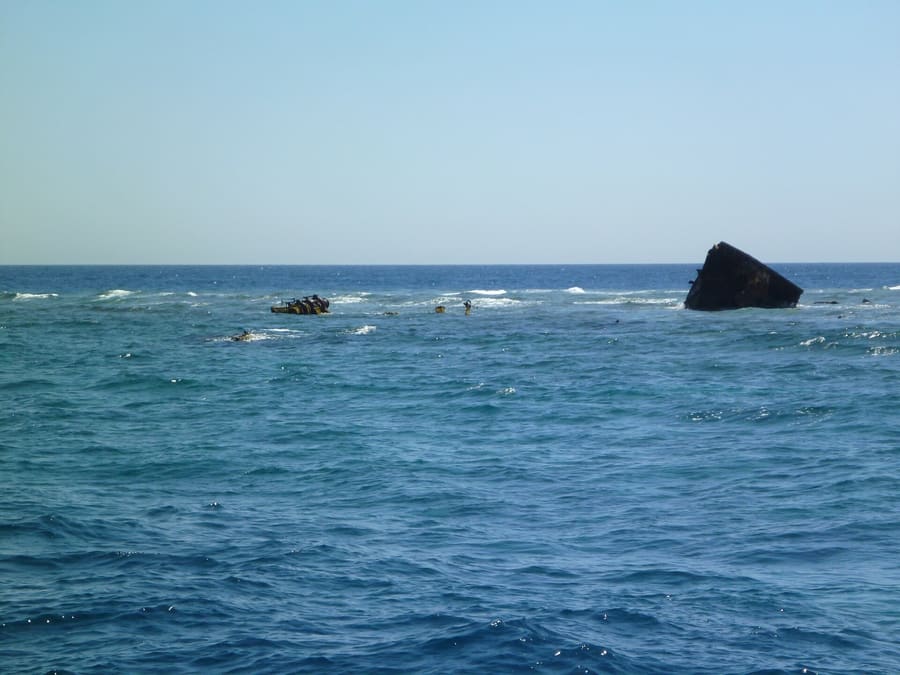
landmark
Famous graveyard of historical shipwrecks north of Hurghada. Accessible via full-day liveaboard or dive boat trips.
Ρωτήστε το Parleyattractions
areas
The working core of Hurghada with local markets, tea shops, and municipal services.
ΚοντάEl Dahar market and main fish port
Ρωτήστε το ParleyThe commercial strip centred on Sheraton Road, blending local shops with tourist traffic.
ΚοντάHurghada Marina and port piers
Ρωτήστε το ParleyA self-contained resort enclave thirty kilometres south of the main city center.
ΚοντάGubal Strait dive boat launches
Ρωτήστε το ParleyA six-kilometre car-free avenue lined with international resort complexes and cafes.
ΚοντάGrand Aquarium and southern beaches
Ρωτήστε το Parleyfood
Hurghada culinary culture revolves around the morning catch brought to the port near El Mina Mosque. Fishmongers display Red Sea snapper, grouper, and squid directly on ice blocks. You select raw seafood by weight at local fish halls and specify the cooking style, usually grilled over charcoal or fried with garlic cumin spices.
Sayadieh, a traditional Red Sea dish of spiced fish served over brown rice.
young shanahan · CC BY 2.0At eateries around the fish market, pick fresh fish from the display counter before asking for charcoal grilling.
Harbour restaurants receive the morning boats at dawn, making lunch the peak time for fresh availability.
history
Hurghada began in the early twentieth century as a small fishing village. The discovery of offshore oil fields in 1913 brought industrial development and military infrastructure to the coast. In the late 1970s, international scuba divers recognized the exceptional clarity of the Red Sea reefs, initiating the town's shift into a major tourism center.
Oil discovery
Petroleum exploration begins around the site, turning the isolated fishing village into a minor industrial outpost.
First dive resorts
International diving pioneers establish permanent bases, building the first modern coastal hotels.
Marina opening
The Hurghada Marina opens, shifting tourist development toward high-end yachting and structured pedestrian zones.
Terminal expansion
Hurghada International Airport completes a modern passenger terminal to process direct charter flights.
where to stay
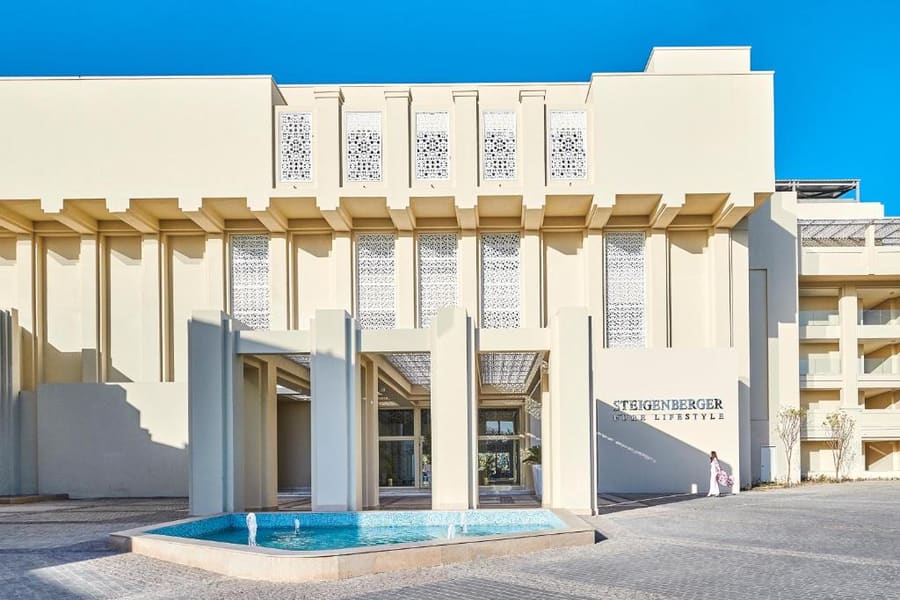
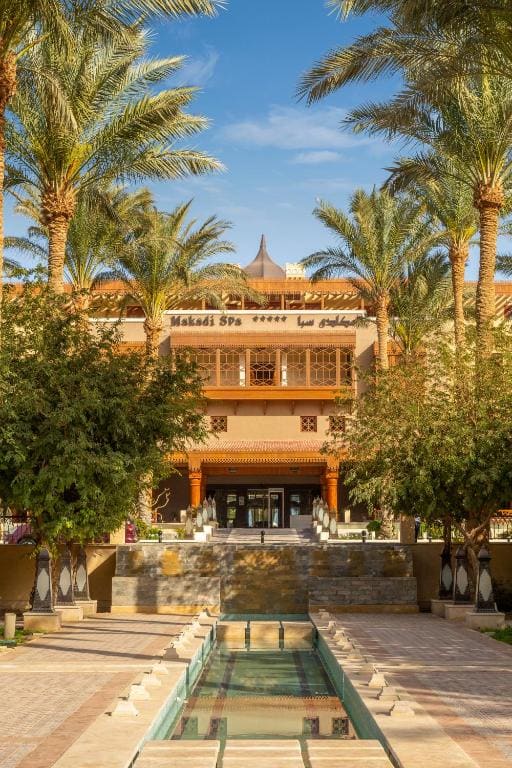
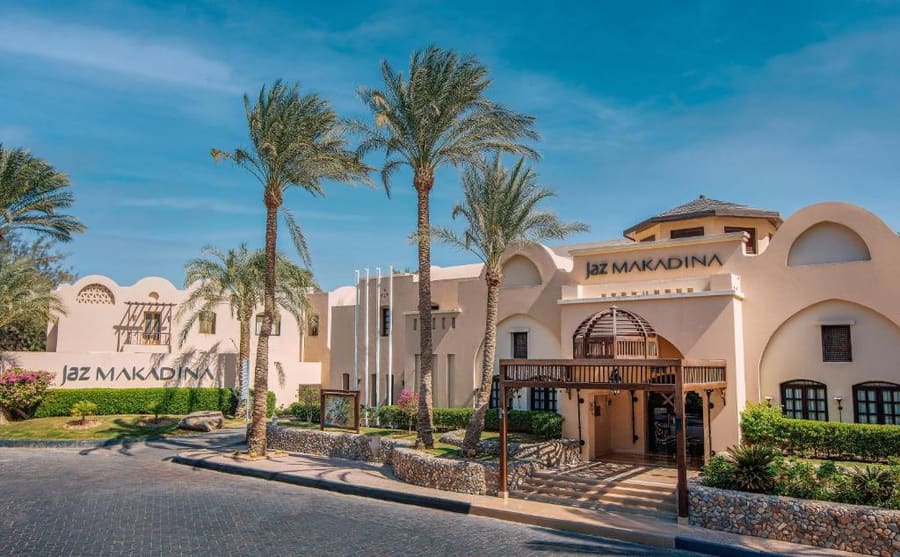
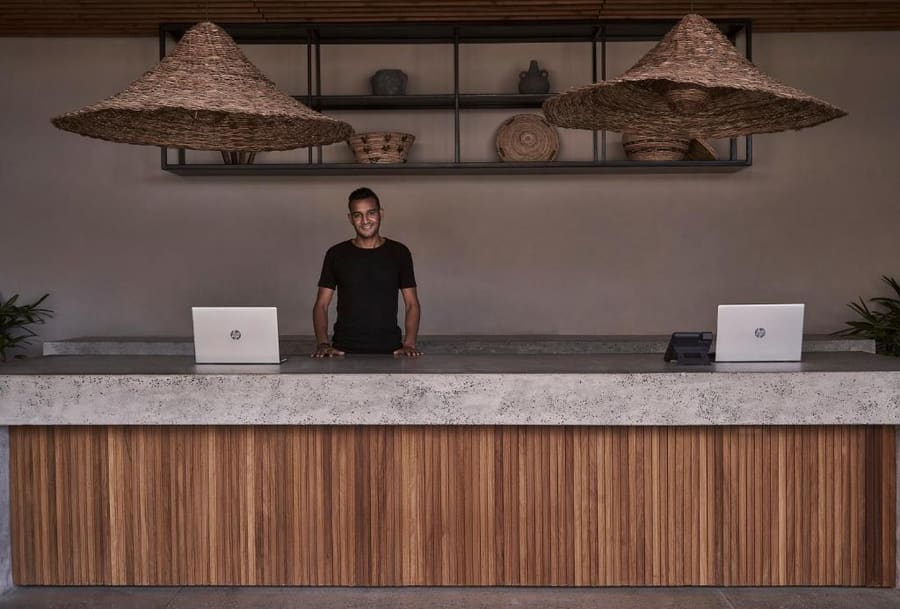
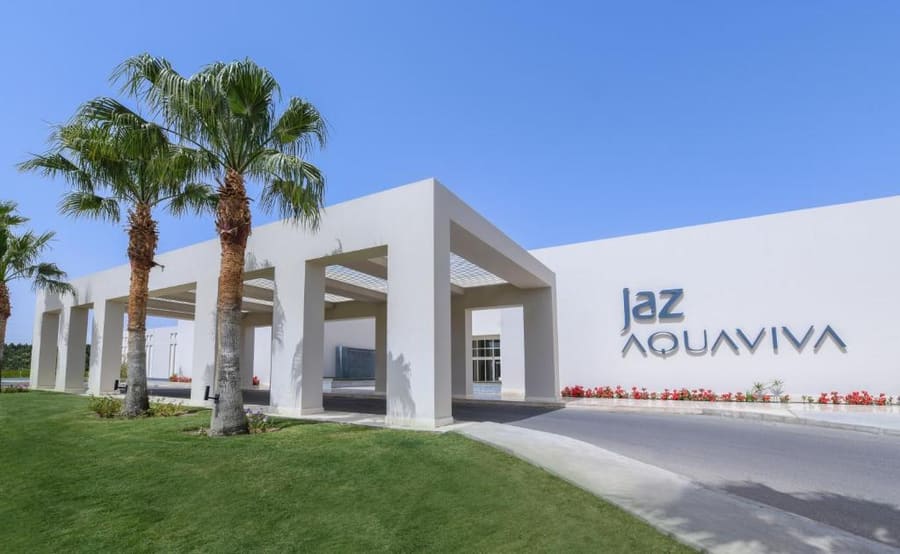
Choose your base by deciding how much distance you want between your bedroom and the city. Central Sakala puts you next to night markets and boat piers, while southern zones like Makadi Bay trade city access for self-contained beaches and private house reefs.
Live rates, matched to the areas above.
transport
Hurghada lacks a formal public metro or heavy rail network. Transport relies entirely on private taxis, ride-hailing applications, and white Toyota microbuses that run up and down the primary coastal road.
Από Hurghada International Airport (HRG)
App pickups happen outside the main terminal gates.
Negotiate fixed price firmly before putting luggage in trunk.
Pre-booked driver meets you inside arrivals holding a sign.
Uber and Careem operate in central zones, eliminating price negotiations needed for street taxis.
Street taxis rarely run meters. Agree on total fare for all passengers before stepping inside.
Security guards check vehicles entering closed areas like Makadi Bay, adding five minutes to trips.
cost
Prices in Hurghada split between the local economy and tourist resort pricing. Paying in Egyptian Pounds delivers better value than using Euros or US Dollars at informal street rates.
Includes two open-water dives, equipment rental, and lunch on the boat.
Price per person for grilled catch, rice, and fresh salads in Sakala.
Fixed fare per seat for hops along main coastal avenues.
Half-day guided excursion into the desert hinterland.
seasonality
DEC – FEB
Cooler days and cooler sea temperatures. Bring a 5mm wetsuit if planning extended diving sessions.
MAR – MAY
Warming waters and moderate air temperatures. Wind conditions pick up during spring months.
JUN – AUG
Air temperatures exceed 38°C. Water is very warm, but midday desert heat limits land activities.
SEP – NOV
Optimal conditions with warm sea temperatures and manageable air heat. Book dive boats early.
practicalities
ATMs are widespread, but smaller vendors and taxi drivers rarely accept credit cards.
Tap water is unsuitable for drinking. Use bottled or filtered water for brushing teeth.
Swimwear is normal on hotel private beaches, but cover shoulders and knees when visiting El Dahar.
All major hotels run luggage scanners and metal detectors at entrance vehicle gates.