landmark
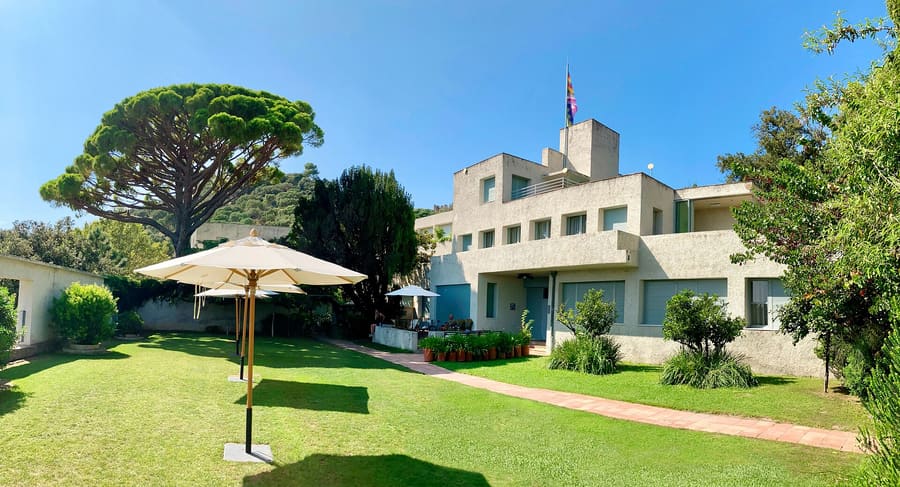
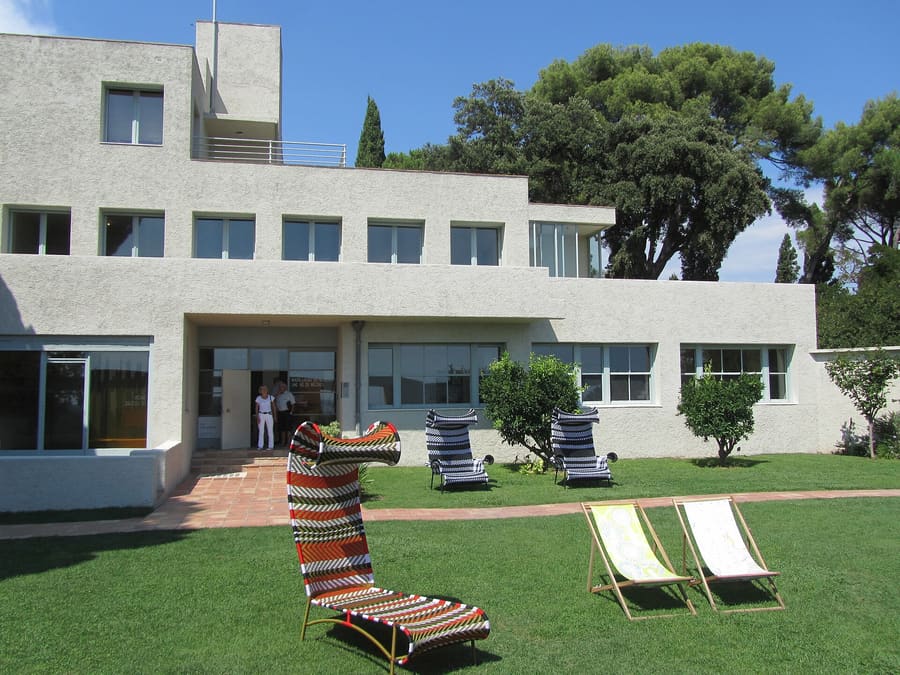
Villa Noailles
Modernist 1920s villa designed by Robert Mallet-Stevens. Free entry; walk up the steep Montée de Noailles from the old town.
Ρωτήστε το ParleyΓαλλία
Modernist architecture, salt marshes, and offshore islands.
introduction
Hyères sits three kilometres inland from the Mediterranean coast, separated from its own port by salt pans and olive groves. You navigate three distinct zones: a steep medieval centre below a ruined castle, a strip of coastal wetlands, and the offshore Îles d'Or. Moving between them requires planning because public buses run infrequently outside peak summer months.
Arrival trick
Toulon-Hyères Airport sits four kilometres south of the centre. Bus line 63 connects the terminal to the city station for €1.40.
Heritage status
Villa Noailles holds official national landmark status as a prime example of 1920s modernist architecture.
Planning trick
Pre-book the La Tour Fondue ferry to Porquerolles online. Boarding queues without reserved tickets take up to an hour in July.
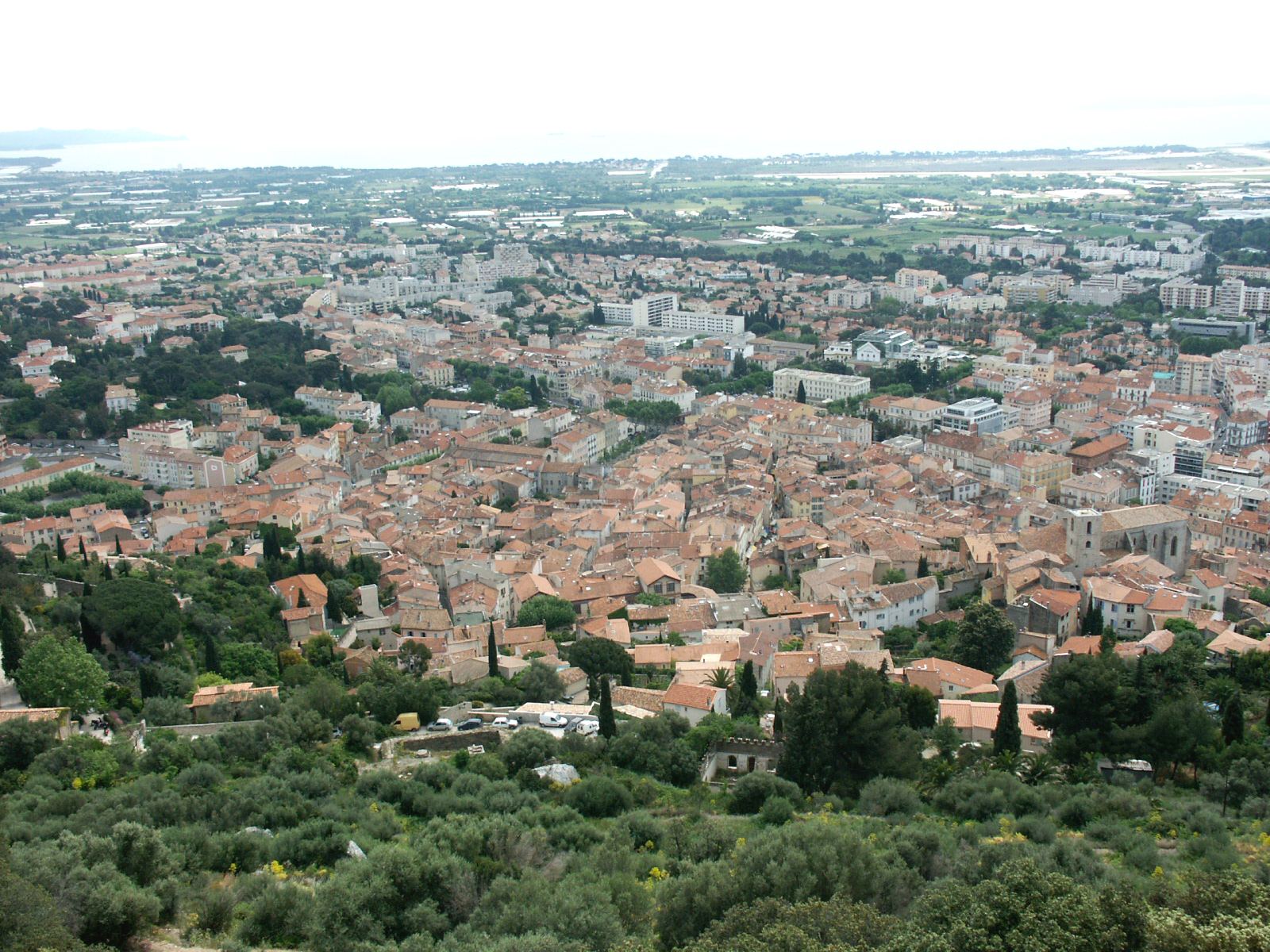
Hyères
Daniel Wilk · CC BY-SA 3.0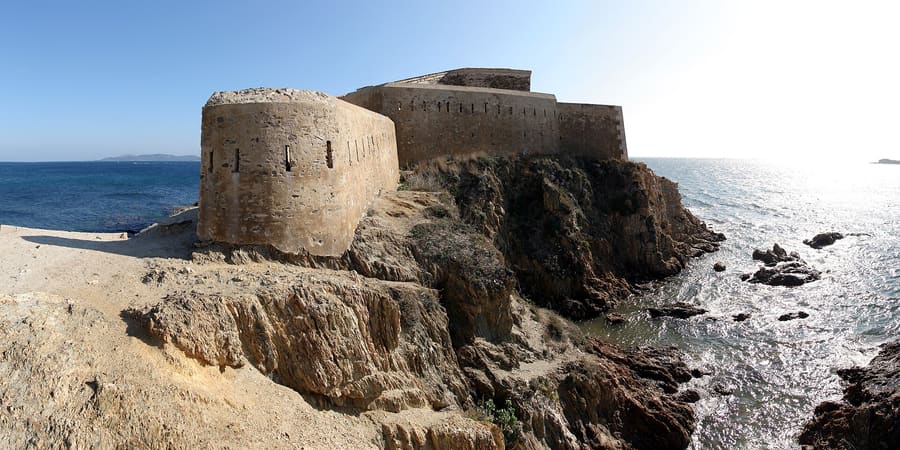
Presqu'île de Giens — Rugged coastal cliffs, pine forests, and windsurfing beaches.
Kuebi = Armin Kübelbeck · CC BY-SA 3.0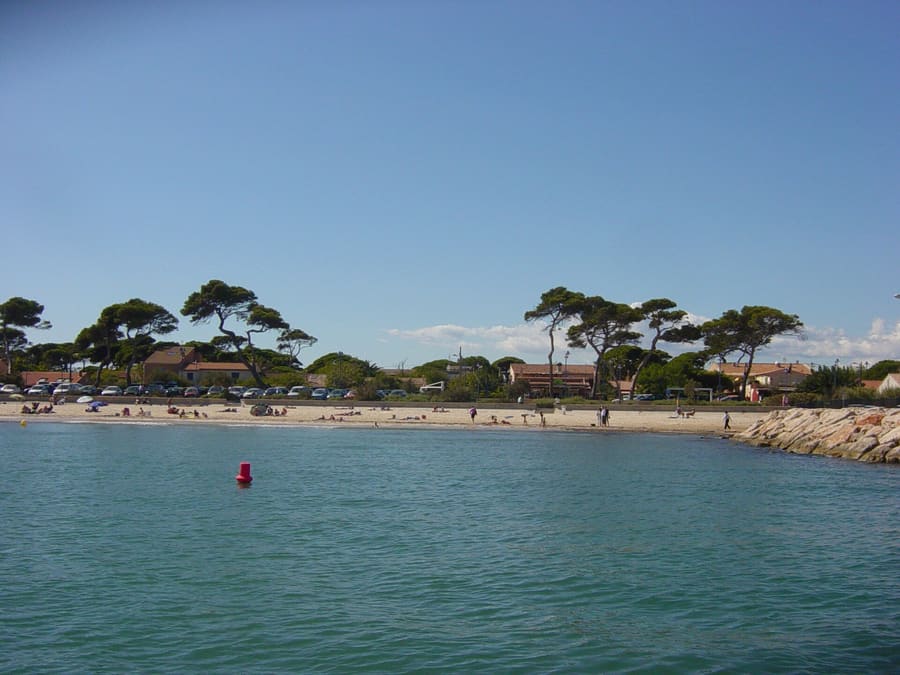
La Capte — Low-rise beach village tucked between salt lagoons and shallow sea.
Johnjohn83var · CC BY-SA 3.0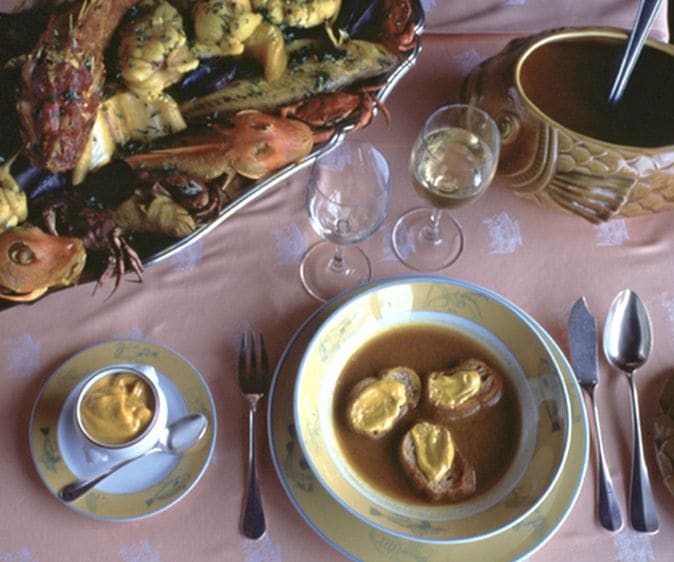
Local red mullet and seasonal vegetables served near the port.
Slastic · CC BY 3.0highlights
landmark
Modernist 1920s villa designed by Robert Mallet-Stevens. Free entry; walk up the steep Montée de Noailles from the old town.
Ρωτήστε το Parley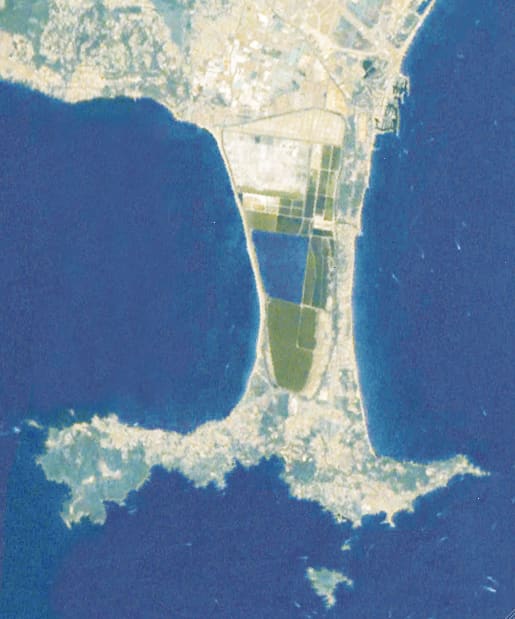
landmark
A double-sandbar peninsula framing pink salt flats. Take bus 67 from the station straight to the tip.
Ρωτήστε το Parley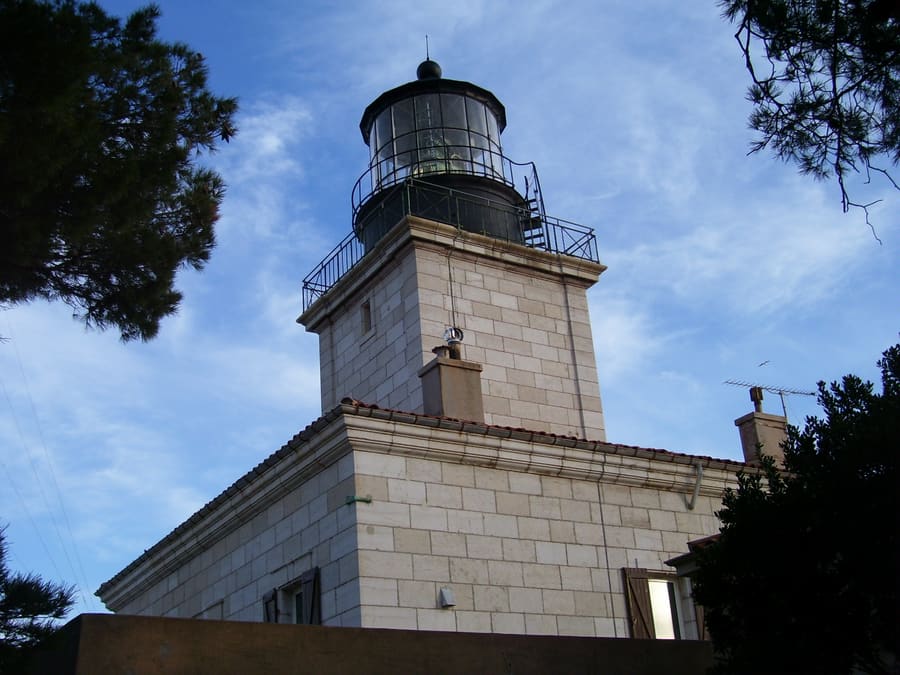
landmark
Car-free island 20 minutes by ferry from La Tour Fondue. Rent a bicycle at the port to reach Plage Notre-Dame.
Ρωτήστε το Parleyattractions
areas
Rugged coastal cliffs, pine forests, and windsurfing beaches.
ΚοντάLa Tour Fondue pier and Sentier du Littoral
Ρωτήστε το ParleyLow-rise beach village tucked between salt lagoons and shallow sea.
ΚοντάPlage de la Capte and Les Pesquiers salt pans
Ρωτήστε το ParleySteep pedestrian alleys, stone archways, and outdoor cafes below castle ruins.
ΚοντάVilla Noailles and Tour des Templiers
Ρωτήστε το ParleyBoat docks lined with seafood eateries and active diving schools.
ΚοντάPlage de Saint-Pierre and ferry piers
Ρωτήστε το Parleyfood
Dining in Hyères mirrors its geography: seafood dominates the port, while the old town favours Provencal vegetable preparations. Local menus highlight artichoke violet, wild thyme gathered from the Maquis hills, and red mullet caught off Giens. You pay higher prices on the waterfront, but the quality of fish remains high if you choose spots listing the daily catch.
Local red mullet and seasonal vegetables served near the port.
Slastic · CC BY 3.0Buy local tapenade and goat cheese every Saturday morning from growers set up around the Templar tower.
Restaurants along Port de Hyères require 24 hours advance notice to source the seven fish species needed for traditional soup.
Kitchens in the old town close strictly at 14:00. Arrive by 12:30 to secure a outdoor table.
history
Hyères originated as Olbia, a fortified Greek trading post established in the fourth century BC. Medieval rulers built the hilltop fortress, drawing residents away from coastal pirate raids. By the nineteenth century, British aristocrats transformed Hyères into the Riviera's original winter resort, planting imported palm trees that defined its modern urban landscape.
Greek Foundation
Massalia Greeks found the fortified coastal outpost of Olbia to secure trade along the coast.
Rule of Anjou
Charles of Anjou acquires Hyères, strengthening the hilltop castle and urban walls.
Avant-Garde Hub
Charles and Marie-Laure de Noailles commission Robert Mallet-Stevens to build their modernist villa.
where to stay
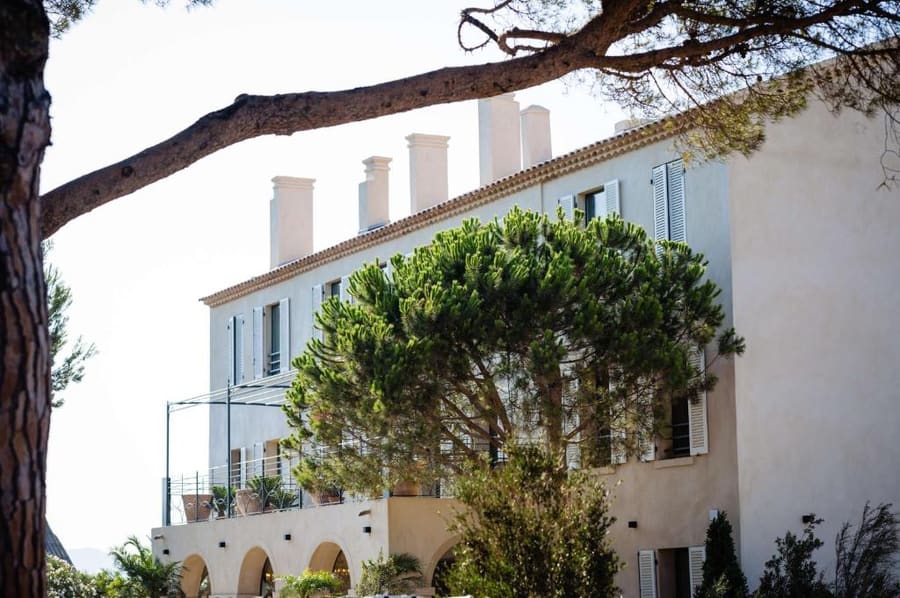
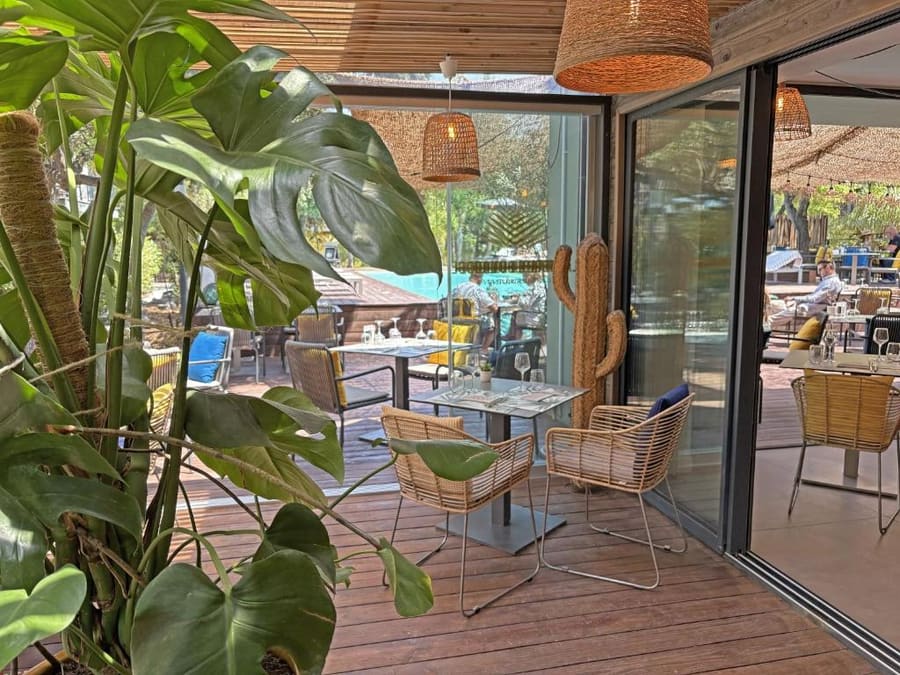
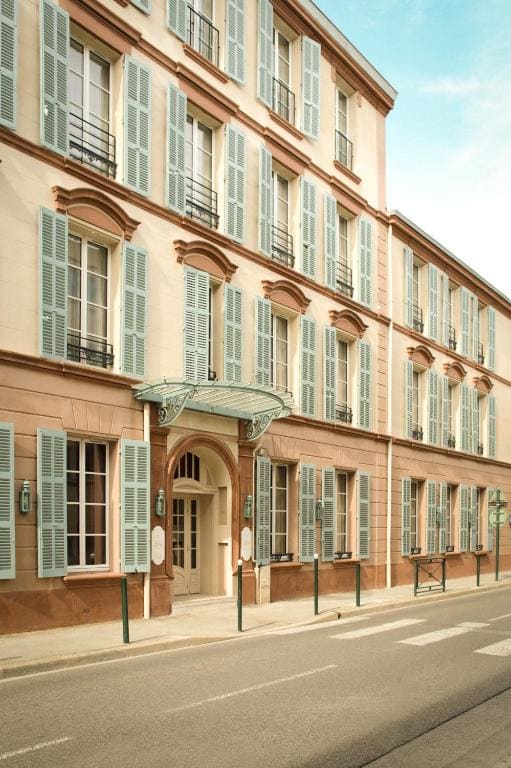
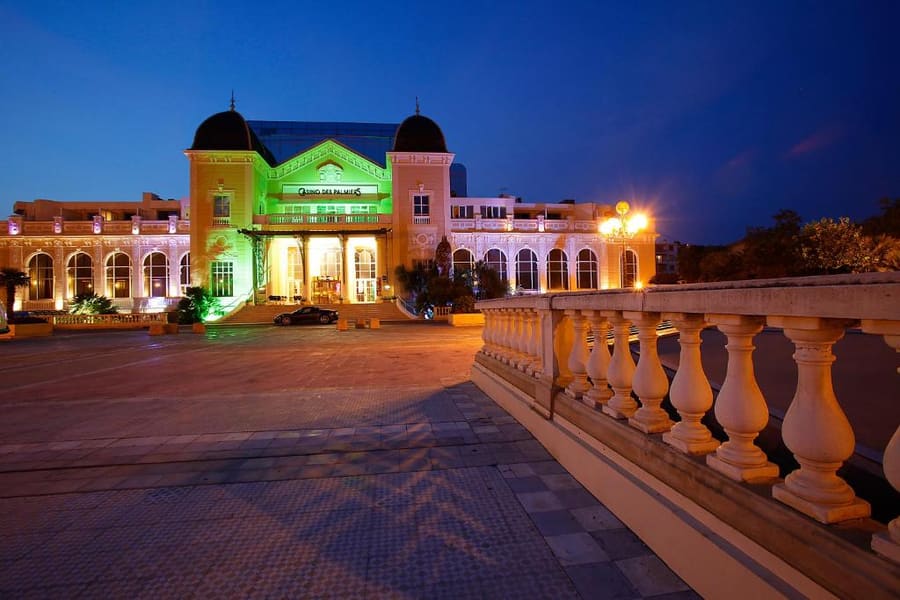
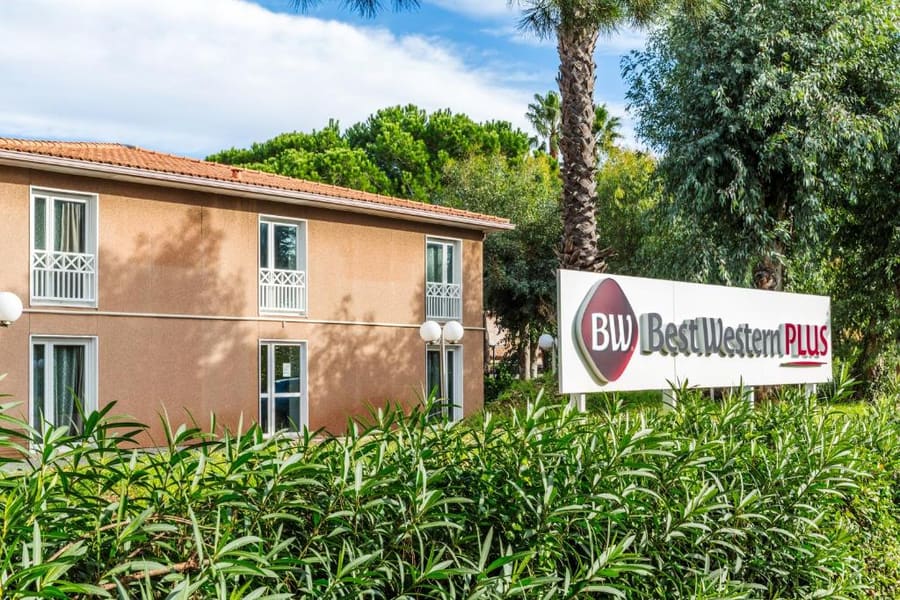
Choose your base based on transport. Stay in Vieille Ville for bus access, historic streets, and evening dining. Choose Port de Hyères or La Capte if you want immediate beach access, though you will need a car or patience with bus schedules to reach the old city.
Live rates, matched to the areas above.
transport
The urban network Réseau Mistral serves Hyères and the broader Toulon area. City buses connect the central train station to the port, the airport, and the Giens peninsula tip. Riding a car on the peninsula during peak summer brings long traffic delays due to narrow single-lane roads.
Από Toulon–Hyères Airport (TLN)
Line 63 links terminal to Hyères centre station every 60 minutes.
Fixed daytime ranks wait outside arrival doors.
This bus connects Gare de Hyères to the Porquerolles ferry port every 30 minutes in summer.
Buy a 'Carte 10 Voyages' for €10 at newsagents to save on single €1.40 bus fares.
Most local bus routes stop running after 20:00 outside July and August.
Reserve electric bikes on the mainland to guarantee availability before boarding the morning ferry.
cost
Hyères costs less than neighbouring Saint-Tropez, but prices rise near the coast. You pay standard Provencal rates for food and regional transit. Visiting offshore islands adds ferry and bicycle rental costs to your daily budget.
Standard adult return fare from La Tour Fondue terminal.
Standard hybrid bike rate on Porquerolles island.
Three courses without wine at a Vieille Ville bistro.
Valid for one hour across all Réseau Mistral lines.
seasonality
MAR – MAY
Wildflowers bloom across the salt flats. Water remains cold for swimming, but walking trails are quiet.
JUN – AUG
Sea temperatures hit 24°C. Expect road congestion on Giens Peninsula and long queues for island ferries.
SEP – OCT
Sea remains warm enough for swimming until mid-October. Summer crowds depart, reducing lodging rates.
NOV – FEB
Mild daytime temperatures around 13°C. Many island ferry services and coastal restaurants close for winter.
practicalities
Strong northwesterly winds blow up to 90 km/h. Beachgoers shift to eastern sheltered coves during wind warnings.
Smoking and forest access are banned on Port-Cros and Porquerolles during high fire risk summer days.
Salins des Pesquiers hosts hundreds of flamingos. Bring binoculars to observation points along Route de la Giens.
Port-Cros is a strict national park. Bicycles are banned; you explore the island entirely on foot.
Supermarkets in town close at 12:30 on Sundays. Stock up on food early if staying in self-catering apartments.