landmark
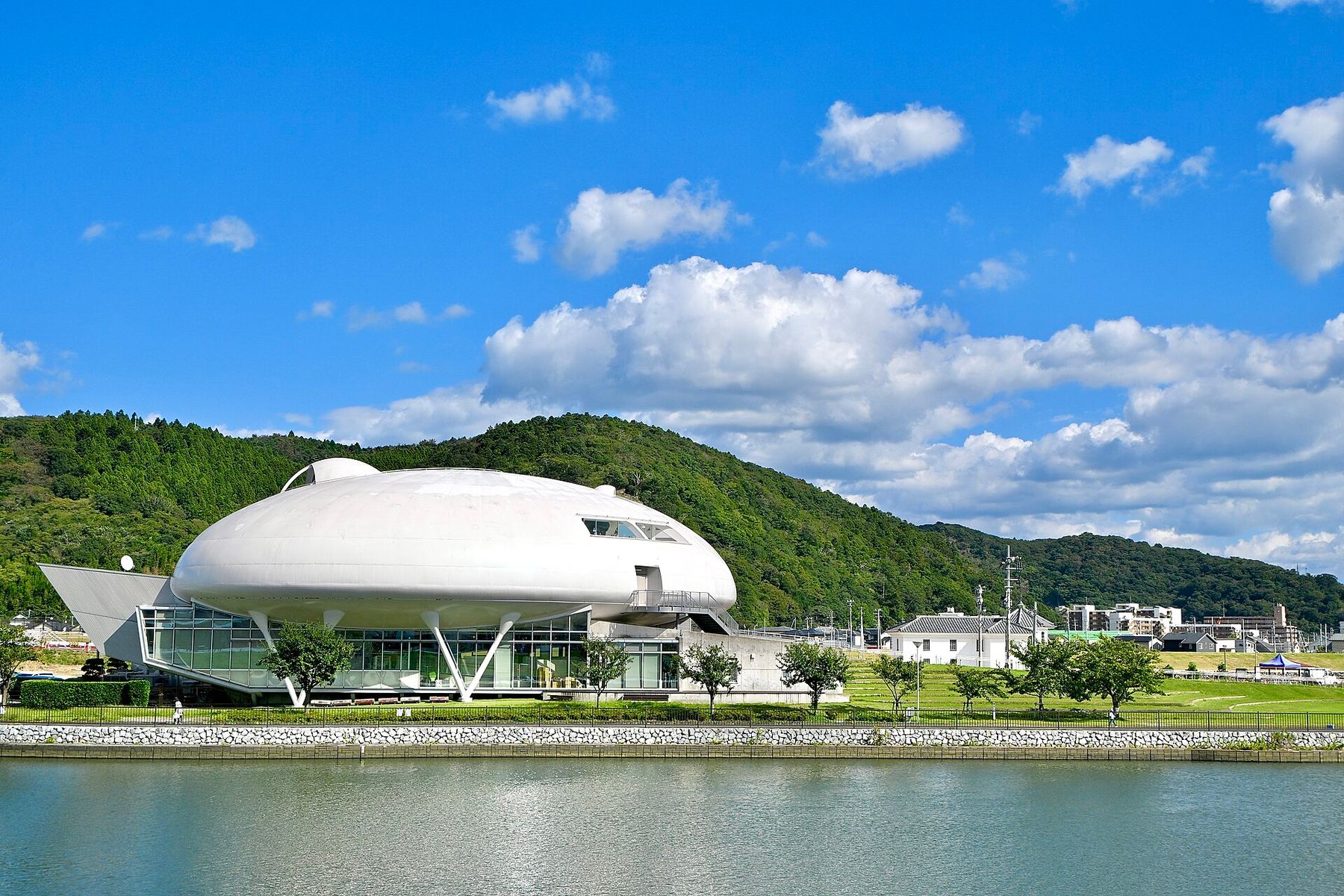
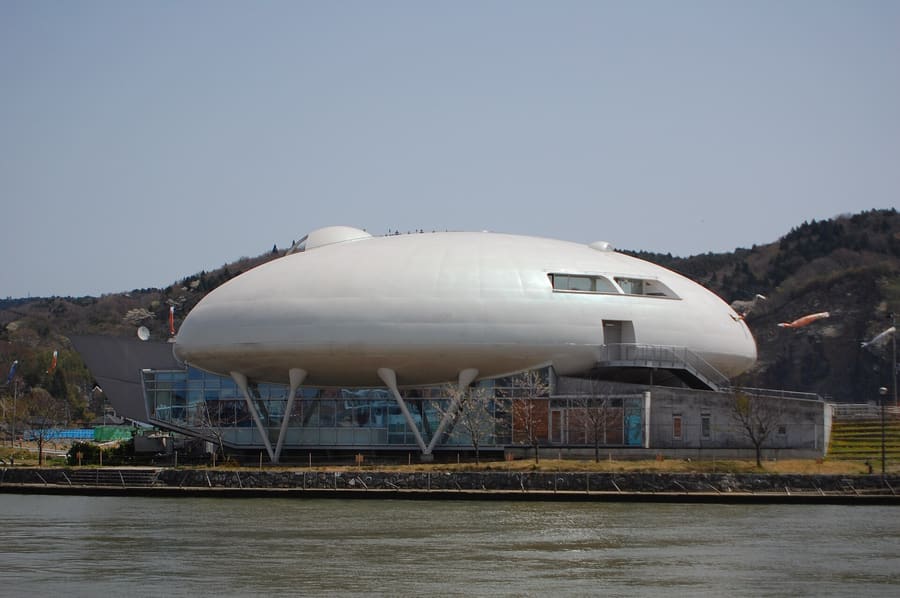
Ishinomori Manga Museum
A futuristic spherical museum built on an island in the river. It displays original manuscripts by Shotaro Ishinomori.
Ρωτήστε το ParleyΙαπωνία
A rebuilt port of brown noodles, manga, and cat islands.
introduction
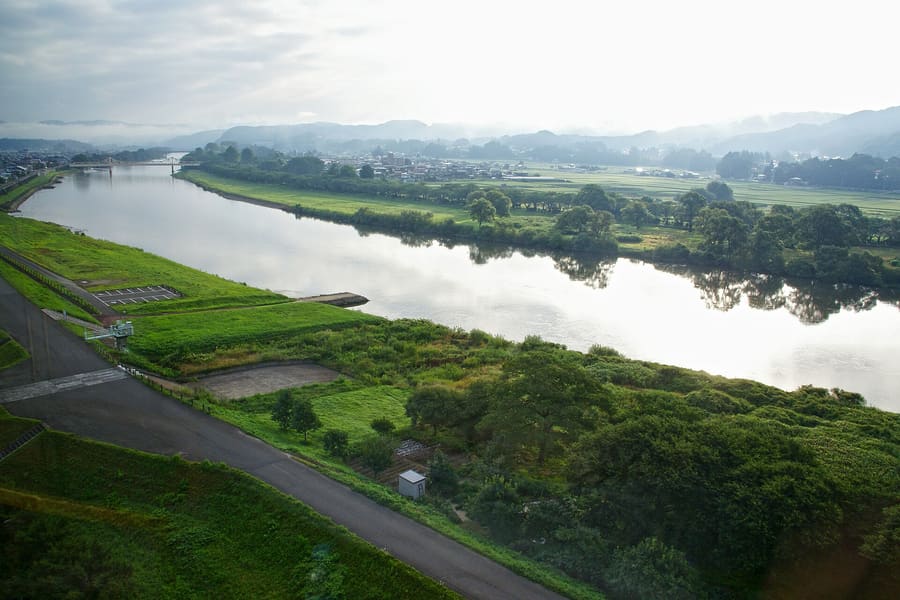
Ishinomaki sits at the mouth of the Kyu-Kitakami River in coastal Miyagi Prefecture. The 2011 tsunami destroyed large swathes of the city, but intensive rebuilding reshaped the waterfront into a functional port hub. You navigate the core on foot around Ishinomaki Station, using local ferries to reach offshore islands and local buses for the outer peninsula.
Arrival trick
Take the JR Senseki-Tohoku Line direct express train from Sendai Station. It takes 50 minutes and skips local stops.
Ferry planning
Ferries to Tashirojima leave from the Motomachi pier near the river. Missing the afternoon return strands you on the island overnight.
Ishinomaki
663highland · CC BY 2.5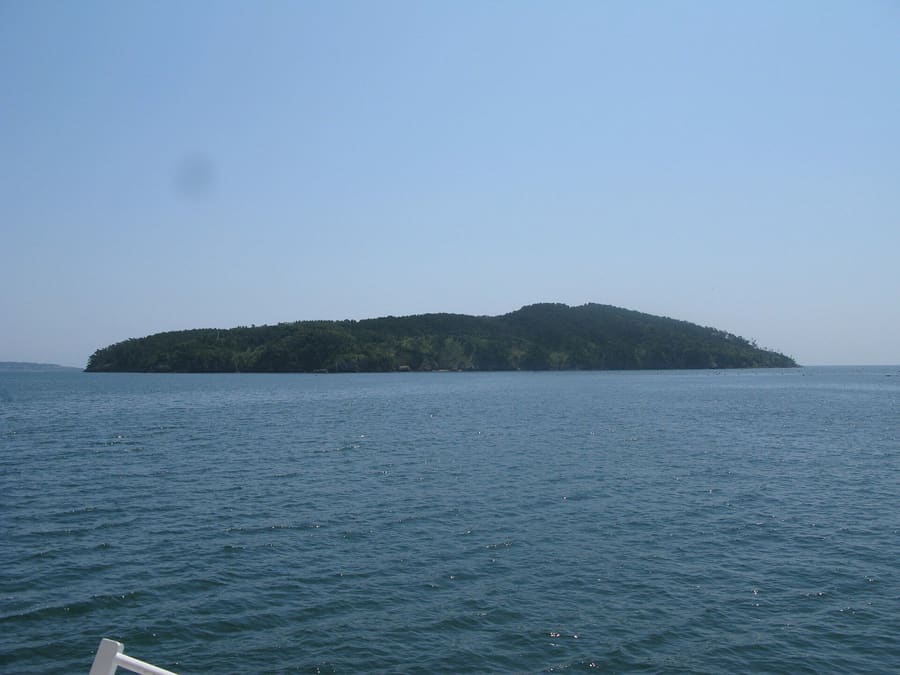
Tashirojima — Quiet fishing island with narrow paved paths, free-roaming cats, and minimal vehicle traffic.
ひでゆき · Public domain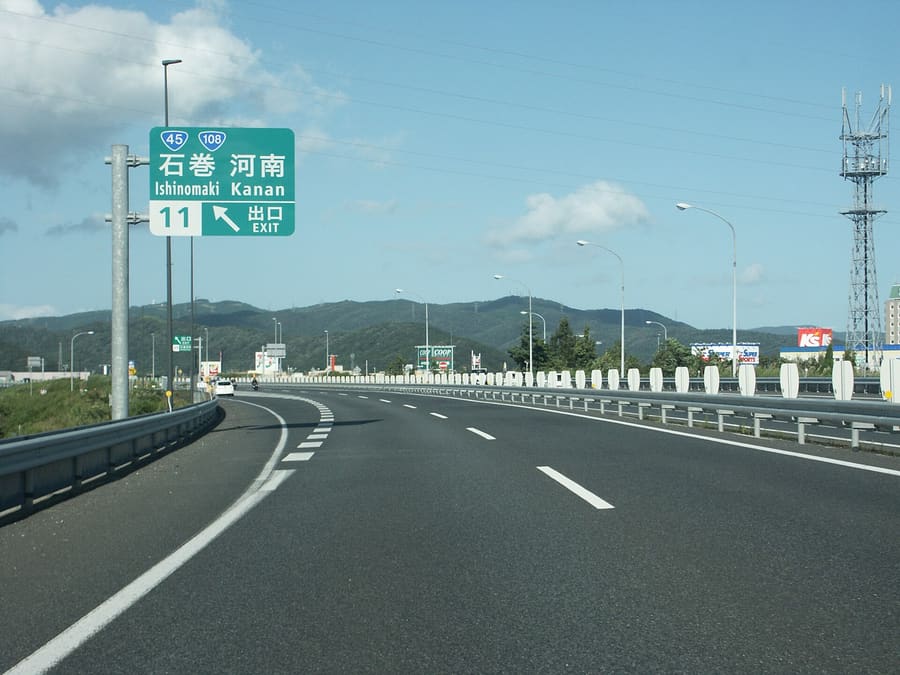
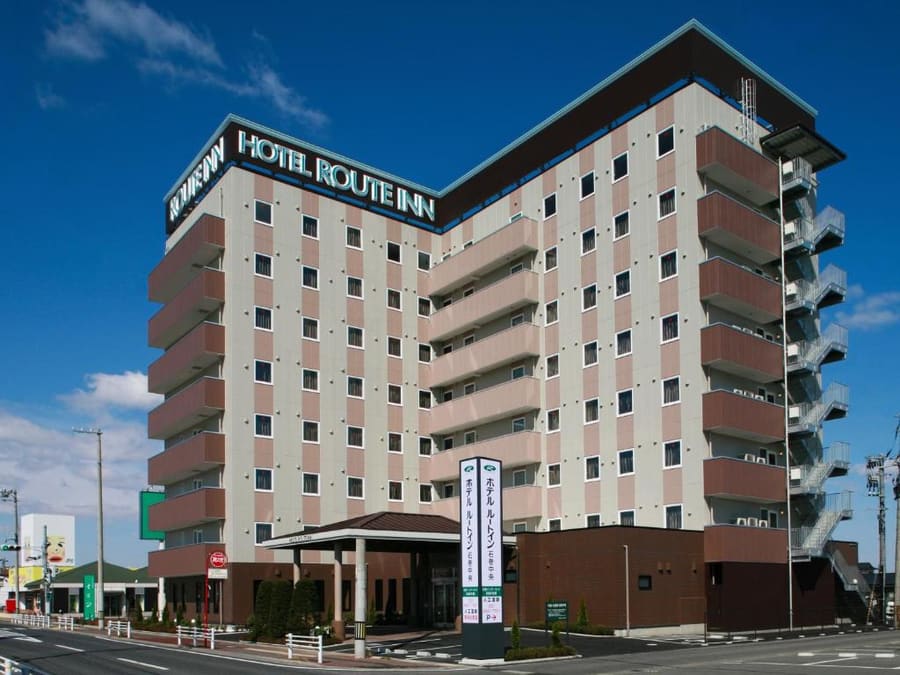
Hebita — Modern commercial sector along the expressway exit with large stores and chain hotels.
Ebiebi2 · CC BY-SA 4.0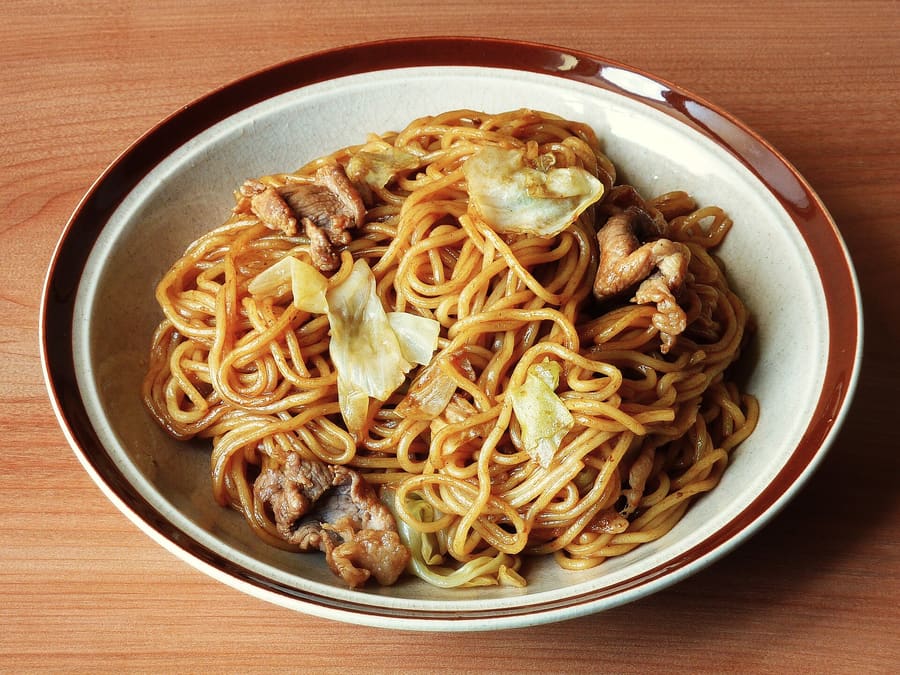
Ishinomaki Yakisoba cooked in broth and topped with a runny fried egg.
Quercus acuta · CC BY-SA 4.0highlights
landmark
A futuristic spherical museum built on an island in the river. It displays original manuscripts by Shotaro Ishinomori.
Ρωτήστε το Parleylandmark
An island offshore where semi-feral cats outnumber residents. Buy return ferry tickets in the morning at Motomachi pier.
Ρωτήστε το Parley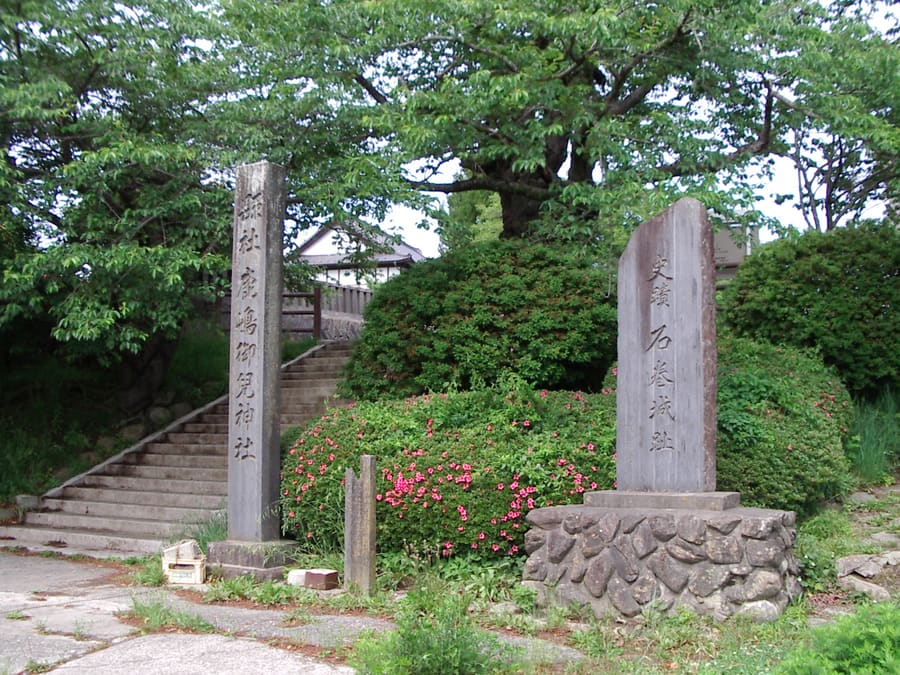
landmark
A hilltop viewpoint looking down over the reconstructed coastal flatlands. Spring brings hundreds of blooming cherry trees.
Ρωτήστε το Parley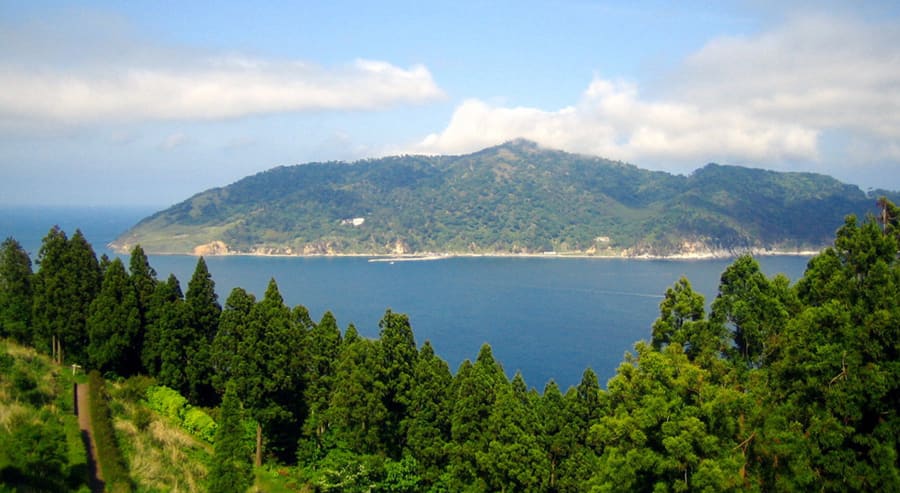
landmark
A granite island sacred to fortune hunters. Wild deer roam free around the 8th-century Koganeyama Shrine.
Ρωτήστε το Parley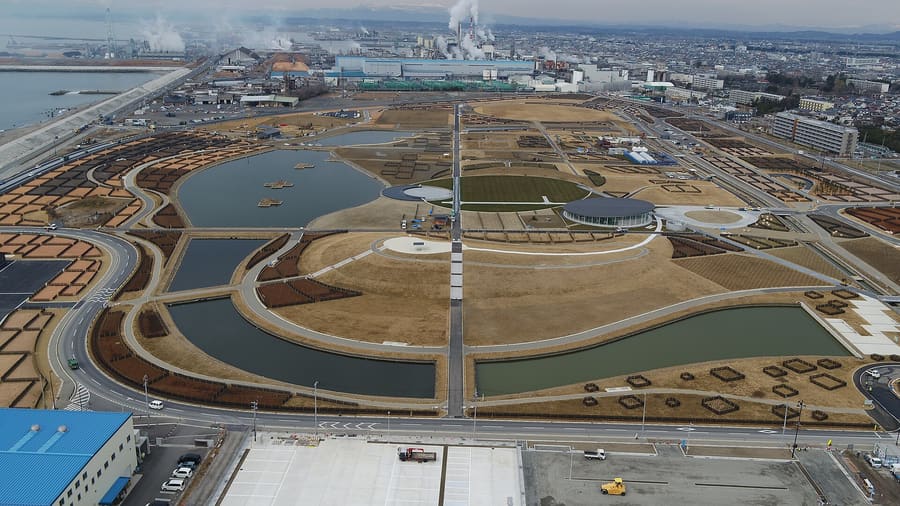
landmark
A sobering coastal park built over the devastated Kadonowaki district. The preserved elementary school ruin sits nearby.
Ρωτήστε το Parleyattractions
areas
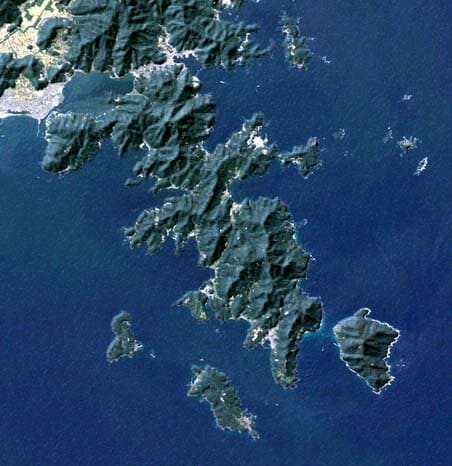
Remote coastal landscape defined by whaling heritage, steep fjords, and ocean winds.
ΚοντάAyukawa Port and Kinkasan ferry terminal.
Ρωτήστε το ParleyQuiet fishing island with narrow paved paths, free-roaming cats, and minimal vehicle traffic.
ΚοντάNitoda Port and Cat Shrine.
Ρωτήστε το ParleyModern commercial sector along the expressway exit with large stores and chain hotels.
ΚοντάIshinomaki-Kanan Interchange on the Sanriku Expressway.
Ρωτήστε το ParleyWalkable district lined with manga art, local izakayas, and access to the river island.
ΚοντάIshinomori Manga Museum and Genki Ichiba market.
Ρωτήστε το Parleyfood
Ishinomaki cooks with ingredients straight from the cold Sanriku coast. Local waters produce thick oysters, sea urchin, and bluefin tuna brought daily to the city wholesale market. The city's signature comfort dish is Ishinomaki Yakisoba, made using unique double-steamed noodles that turn brown before cooking. Chefs cook these noodles in fish stock instead of water and top them with a fried egg.
Ishinomaki Yakisoba cooked in broth and topped with a runny fried egg.
Quercus acuta · CC BY-SA 4.0The noodles are brown because of double-steaming during production, not from added sauce.
Eat seafood bowls at Genki Ichiba between 11:00 and 14:00. Stallholders run out of fresh catches by mid-afternoon.
Local oysters reach peak plumpness between November and March. Grill huts open near the coast during winter.
history
Ishinomaki grew as a crucial rice-shipping port during the Edo period under the Date clan. Lord Date Masamune built the galleon San Juan Bautista here in 1613 to launch an embassy to Europe. Modern industrialization turned the mouth of the Kyu-Kitakami River into a major fishing and paper-manufacturing hub. The March 2011 earthquake and tsunami destroyed vast areas of the city, spurring a massive decade-long coastal reconstruction effort.
Keicho Embassy Departs
Hasekura Tsunenaga sets sail from Ishinomaki aboard the Sant Juan Bautista for Rome.
Mangattan Opens
The Ishinomori Manga Museum opens on Nakashishima to honor creator Shotaro Ishinomori.
Great East Japan Earthquake
Tsunami waves exceed 10 metres, causing widespread destruction across lower city districts.
Memorial Park Dedicated
The Ishinomaki Tsunami Recovery Memorial Park opens in Kadonowaki to preserve history.
where to stay
Live rates, matched to the areas above.
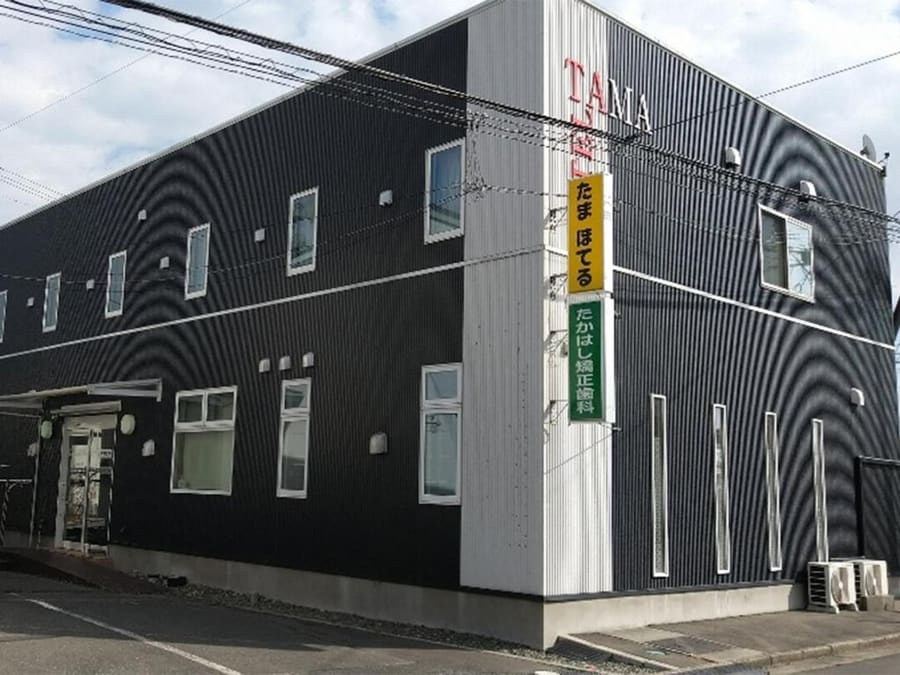
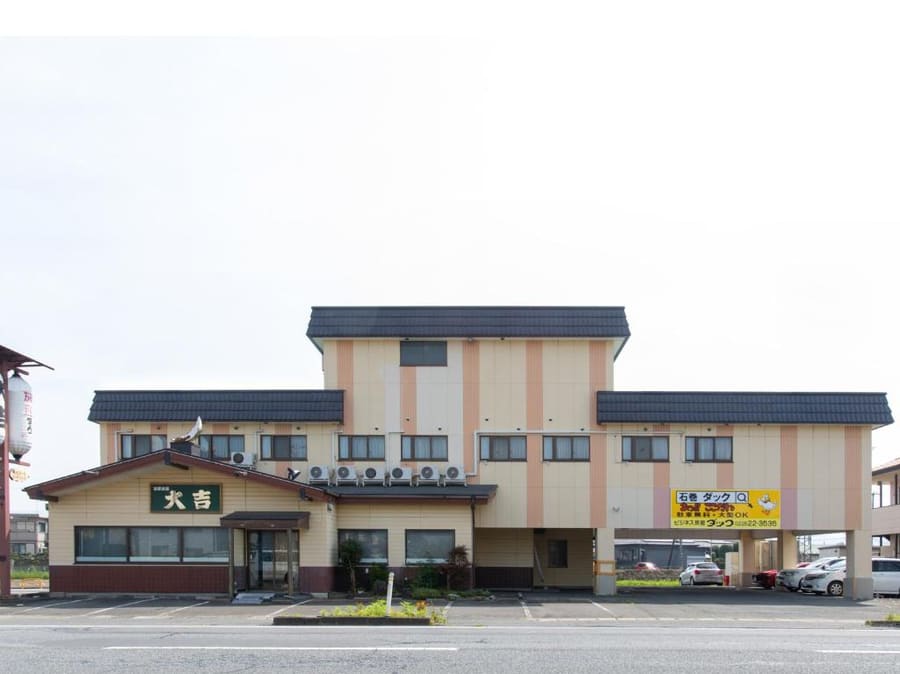
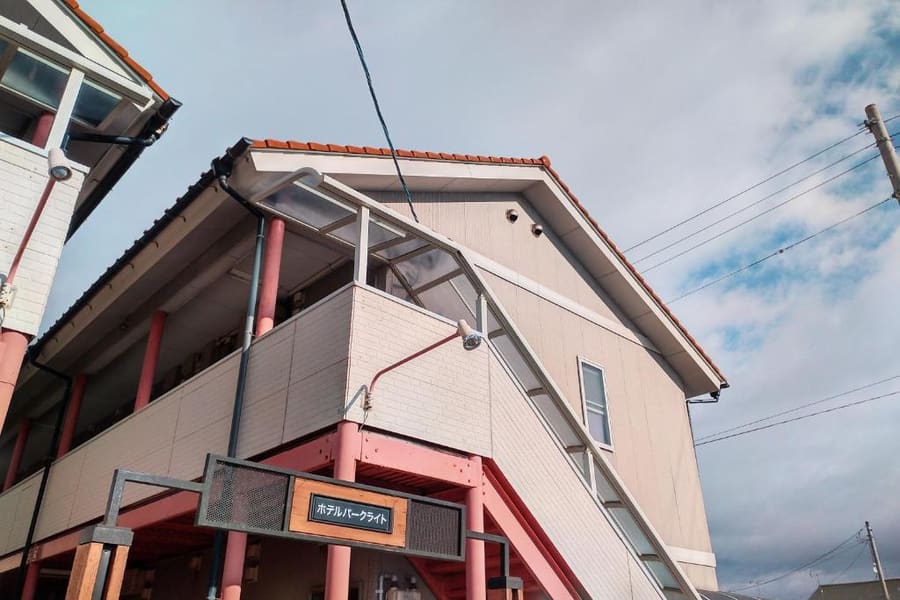
transport
Central Ishinomaki is flat and easy to cover on foot between the station and river. Local Miyakou buses connect the station to outer sites like Kadonowaki and Ayukawa. Coastal ferries operated by Ajishima Line connect the city mainland pier to Tashirojima and Ajishima.
The Senseki-Tohoku Line uses hybrid trains and takes 50 minutes. Regular Senseki Line trains take 85 minutes.
The ferry pier moved to Motomachi along the Kyu-Kitakami River. It is a 15-minute walk from Ishinomaki Station.
Ferries to Tashirojima run 3 times daily. Double check departure times before walking to the pier.
cost
Ishinomaki offers regional Tohoku prices that run noticeably lower than Tokyo or Kyoto. Meals rely heavily on local port catches, keeping fresh seafood prices moderate.
A full plate of local brown noodles topped with fried egg at downtown diners.
Fresh raw seafood rice bowl at Genki Ichiba market hall.
Adult ticket from Motomachi pier to Tashirojima on Ajishima Line.
Adult admission to permanent and special exhibit galleries.
seasonality
MAR – MAY
Spring brings blooming cherry blossoms to Hiyoriyama Park. Sea breezes remain cool.
JUN – AUG
Warmest months for island ferry trips. High humidity and occasional summer rain squalls.
SEP – NOV
Clear skies and comfortable temperatures. Seafood harvest hits peak winter richness.
DEC – FEB
Cold coastal winds and quiet streets. Oyster season reaches its peak in winter huts.
practicalities
Tashirojima has no trash cans or stores. Carry all your garbage and drinks back to the mainland.
Do not feed cats human food or cat treats on roads. Use designated feeding areas near cat shrines.
Island vending machines and ferry terminal counters require physical Japanese yen.
High waves cancel ferries to Tashirojima and Kinkasan. Check status online on windy mornings.
Blue signage on street poles indicates elevation. In an earthquake, head up Hiyoriyama immediately.