landmark
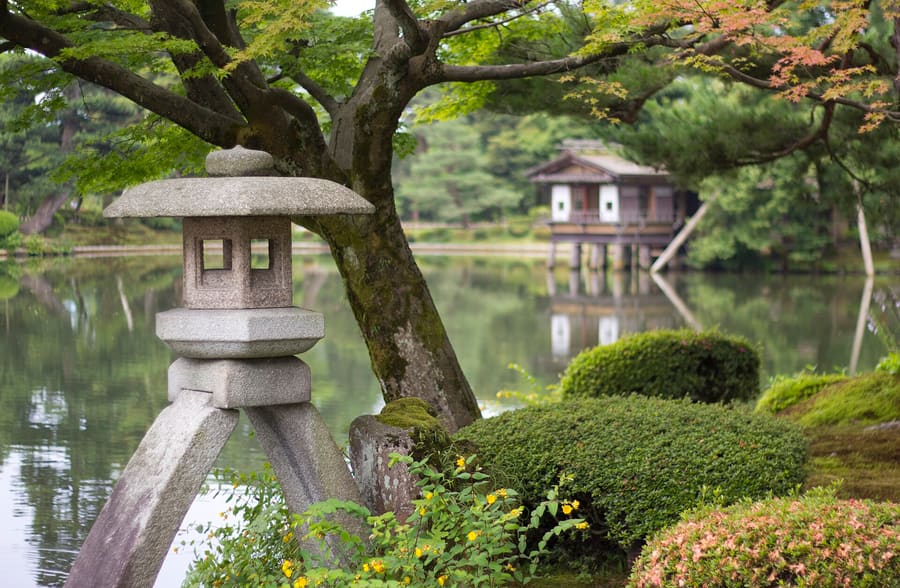
Kenroku-en
Centuries-old Maeda clan landscape garden. Enter at 07:00 before tour groups arrive to walk the ponds in silence.
Ρωτήστε το ParleyΙαπωνία
Edo-period architecture, coast-fresh seafood, gold leaf
introduction
Kanazawa escaped destruction in the Second World War. High-speed rail connects it directly to Tokyo in two and a half hours, but the city retains its preserved Edo-period districts and merchant culture. You can navigate the central core entirely on foot or via the dedicated loop bus. Come for cold-water seafood from the Sea of Japan, refined gold-leaf craft, and one of Japan's celebrated historical gardens.
Arrival speed-run
Hokuriku Shinkansen trains pull into Kanazawa Station. Exit through the east side under the Tsuzumi-mon gate to reach bus bays.
Craft designation
UNESCO designated Kanazawa a City of Crafts and Folk Art in 2009. The city produces over 90 percent of Japan's domestic gold leaf.
Weather trick
Local proverbs advise bringing an umbrella even on clear mornings. Winter brings heavy snowfall and wet coastal winds off the Sea of Japan.
Kanazawa
Kakidai · CC BY-SA 4.0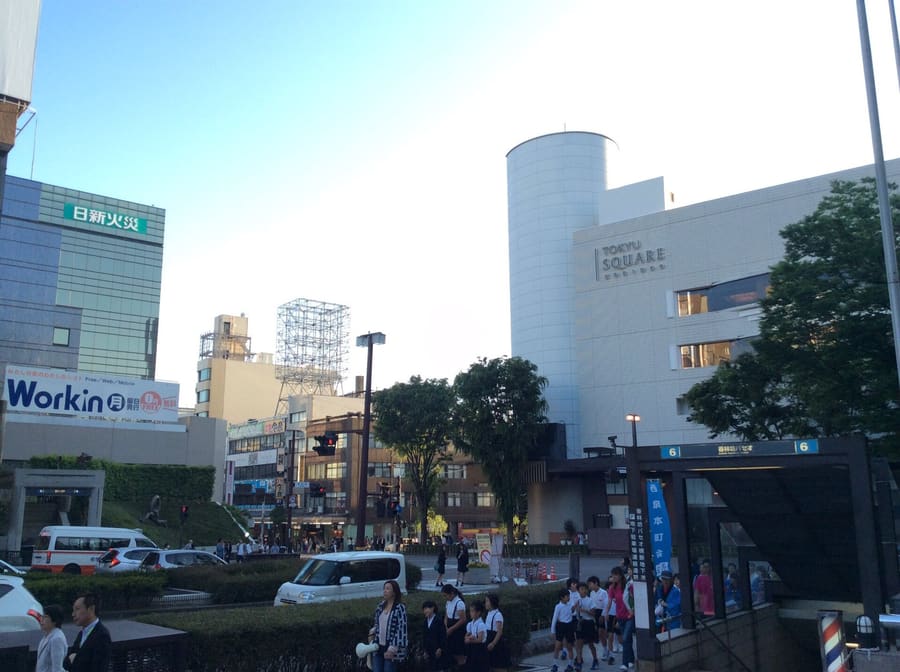
Korinbo & Katamachi — Central retail and night dining hub. Department stores sit beside narrow izakaya alleys.
Nryate · CC BY-SA 4.0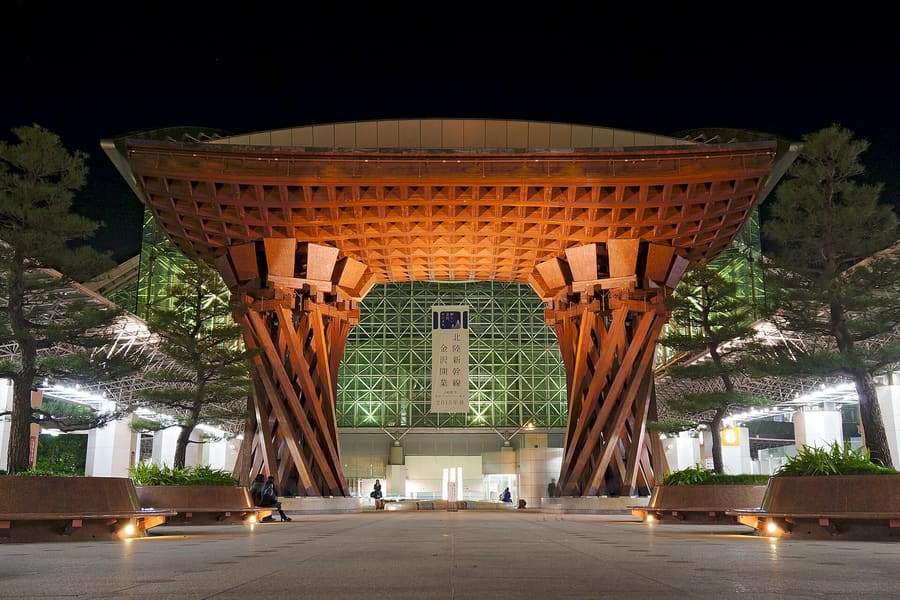
Station Area — Modern transit gateway framed by the wooden Tsuzumi-mon gate and glass umbrella dome.
663highland · CC BY 2.5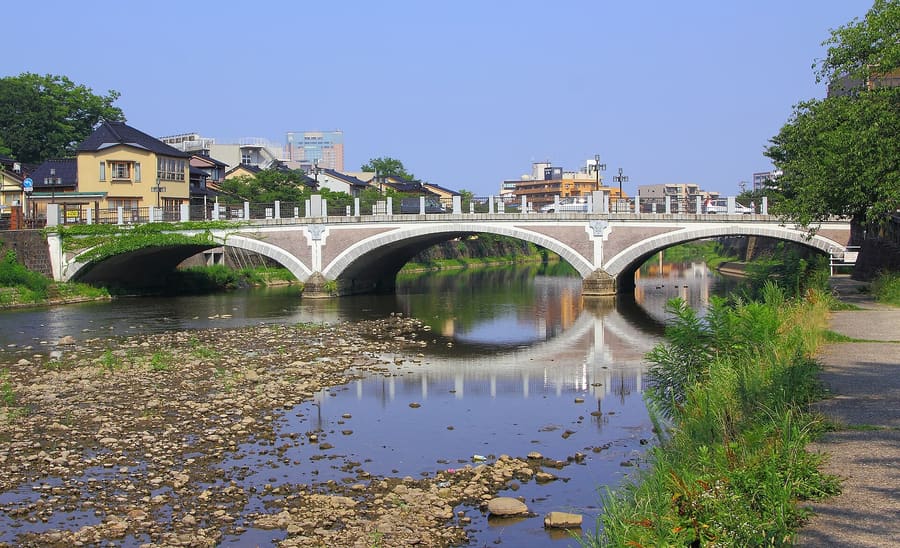
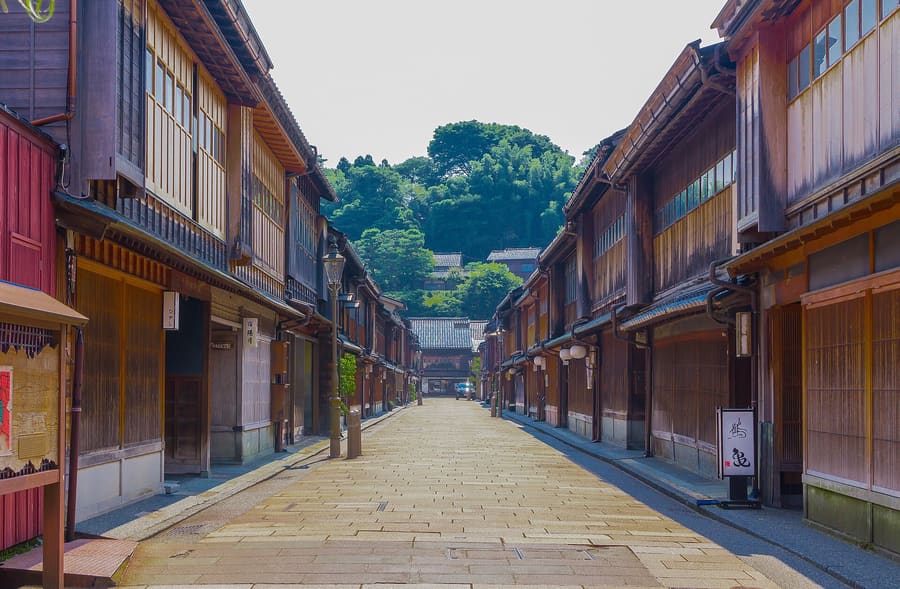
Kazuemachi & Asanogawa — Quiet riverside geisha quarter. Lanterns illuminate stone paths along the water after sunset.
Kakidai · CC BY-SA 4.0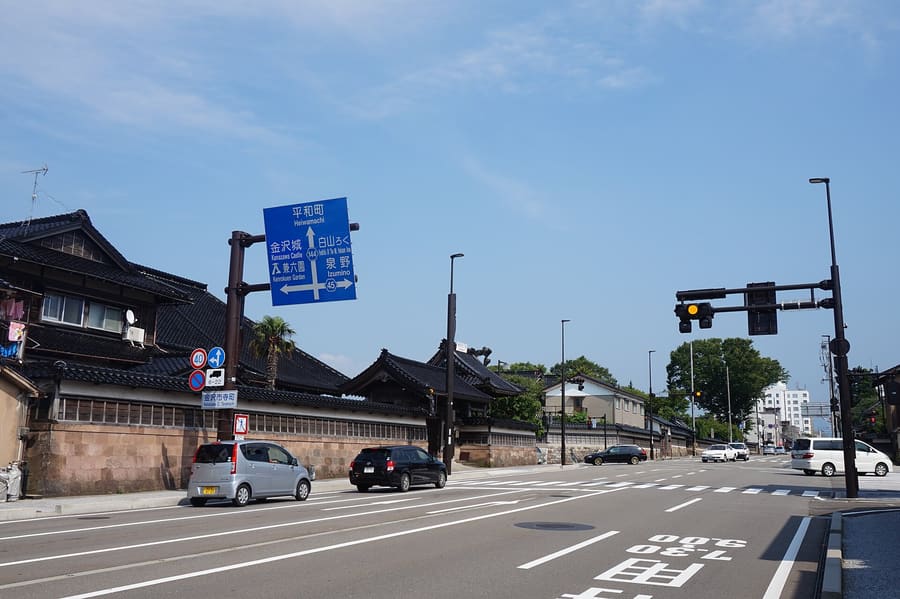
Teramachi — Serene southern district packed with historical Buddhist temples and stone walls.
Kyoww · CC BY-SA 4.0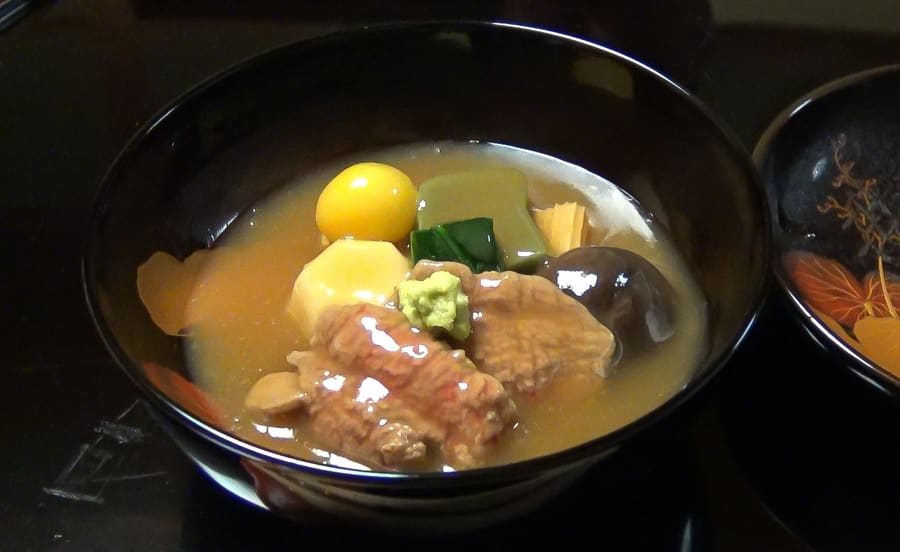
Jibu-ni, a traditional Kaga stew of flour-coated duck cooked in rich dashi stock.
Asacyan · CC BY-SA 4.0highlights
landmark
Centuries-old Maeda clan landscape garden. Enter at 07:00 before tour groups arrive to walk the ponds in silence.
Ρωτήστε το Parley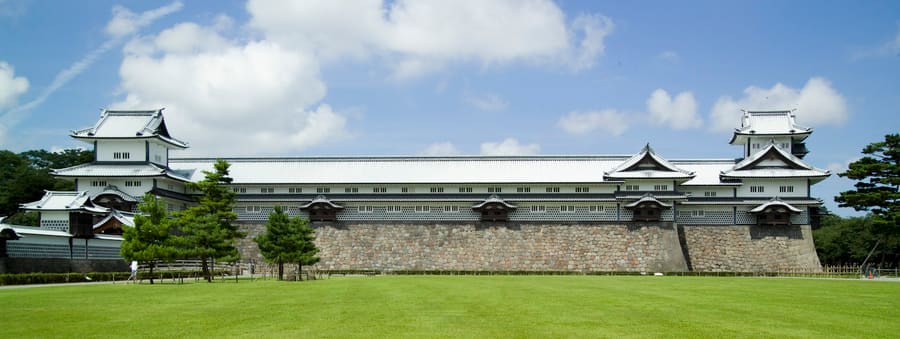
landmark
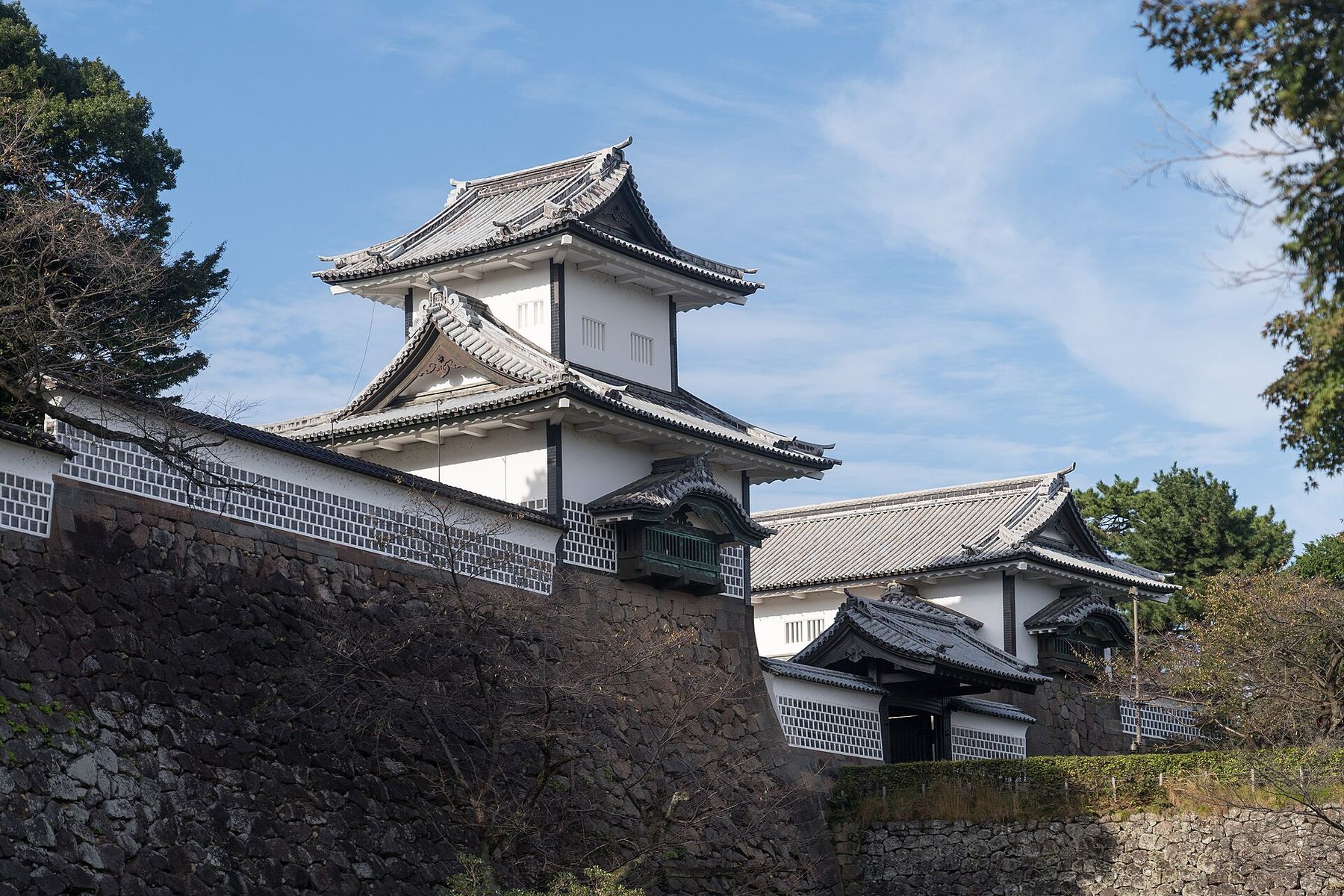
Reconstructed timber storehouses and gatehouses. Walk the broad wooden interiors of Hishi Yagura for feudal carpentry details.
Ρωτήστε το Parleylandmark
Preserved 1820 entertainment district with wooden latticework. Visit after 17:00 when daytime crowds leave.
Ρωτήστε το Parley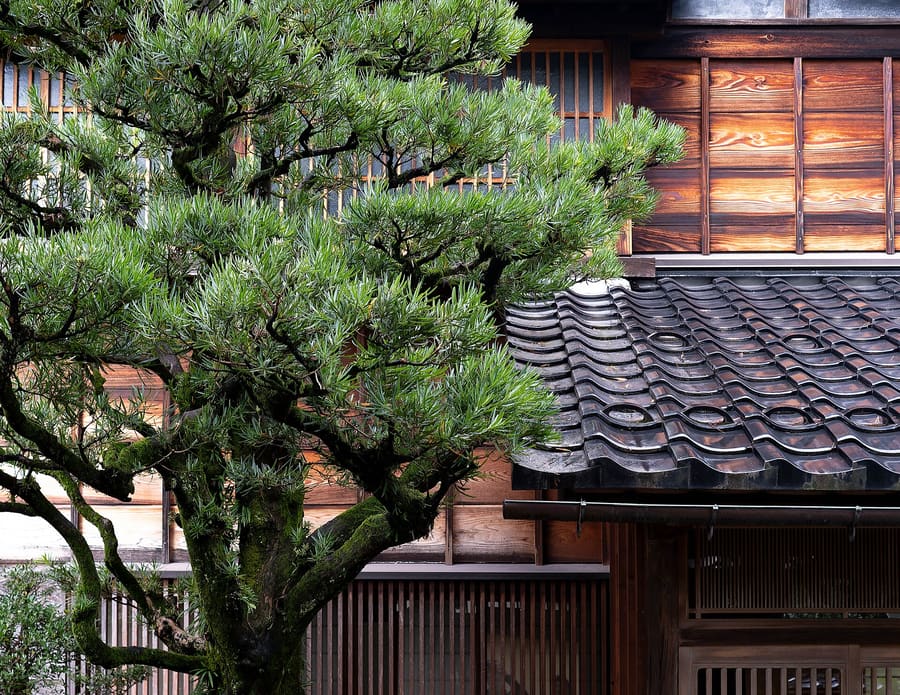
landmark
Earthen-walled lanes once home to middle-ranking samurai. Step inside Nomura House for its private courtyard garden.
Ρωτήστε το Parley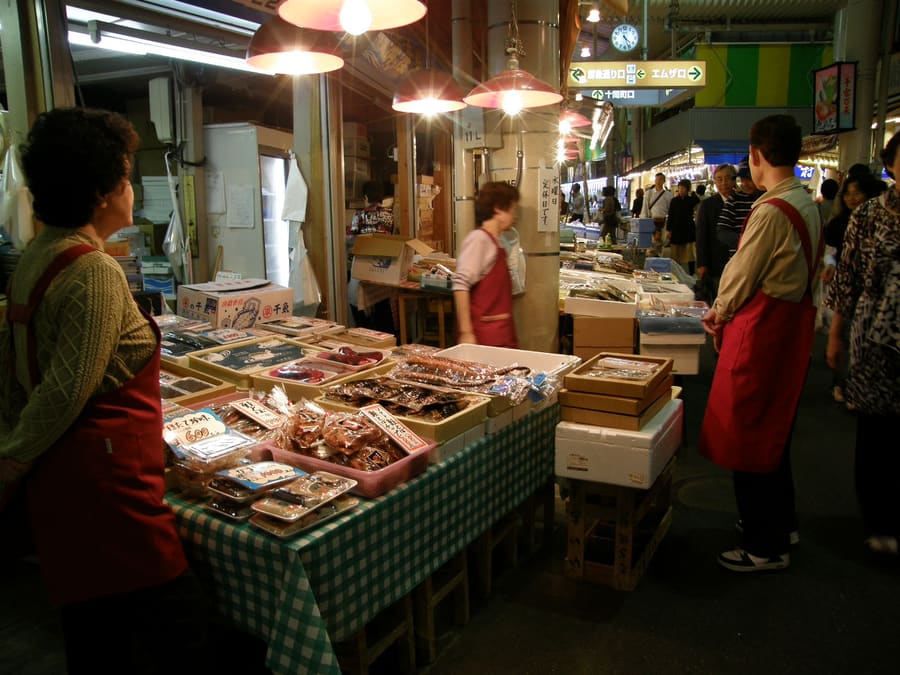
landmark
Active fresh food market operating since 1721. Arrive by 08:30 for breakfast seafood bowls before lines build.
Ρωτήστε το Parleyattractions
areas
Central retail and night dining hub. Department stores sit beside narrow izakaya alleys.
ΚοντάNagamachi, Kenroku-en
Ρωτήστε το ParleyModern transit gateway framed by the wooden Tsuzumi-mon gate and glass umbrella dome.
ΚοντάOmicho Market, Shinkansen
Ρωτήστε το ParleyQuiet riverside geisha quarter. Lanterns illuminate stone paths along the water after sunset.
ΚοντάHigashi Chaya, Bridge of Wishes
Ρωτήστε το ParleySerene southern district packed with historical Buddhist temples and stone walls.
ΚοντάMyoryu-ji (Ninja Temple)
Ρωτήστε το Parleyfood
Kanazawa sits on the coastal edge of the Sea of Japan, making cold-water seafood central to local meals. Winter brings Kano-gani (snow crab) and Nodoguro (blackthroat seaperch), known for high fat content and rich flavor. Traditional Kaga cuisine features slow-stewed poultry and regional root vegetables cooked with dashi stock.
Jibu-ni, a traditional Kaga stew of flour-coated duck cooked in rich dashi stock.
Asacyan · CC BY-SA 4.0Thick dashi soup featuring duck or chicken coated in wheat flour, served with sudare-fu wheat gluten and fresh wasabi.
Fatty blackthroat seaperch seared briefly with a blowtorch to release fish oils. Eat it fresh at Omicho Market stalls.
Male snow crabs harvested locally between November and March. Local fishmongers boil them fresh daily on market floors.
history
Kanazawa grew around a fortified temple complex before the Maeda clan established power in 1583. As leaders of the rich Kaga Domain, the Maeda invested wealth into crafts and arts rather than military weapons to avoid suspicion from the Tokugawa shogunate. Because air raids bypassed the city in World War II, original historic layouts survive.
Maeda Toshiie Enters
Maeda Toshiie takes control of Kanazawa Castle, starting nearly three centuries of Maeda clan rule over Kaga Domain.
Kenroku-en Completed
The Maeda family completes construction of Kenroku-en garden as their private outer landscape grounds.
Wartime Survival
Kanazawa avoids aerial bombardment, preserving Edo-era street patterns, chaya districts, and samurai canal networks.
Shinkansen Arrives
The Hokuriku Shinkansen line opens direct high-speed service from Tokyo Station, cutting travel time to 150 minutes.
where to stay
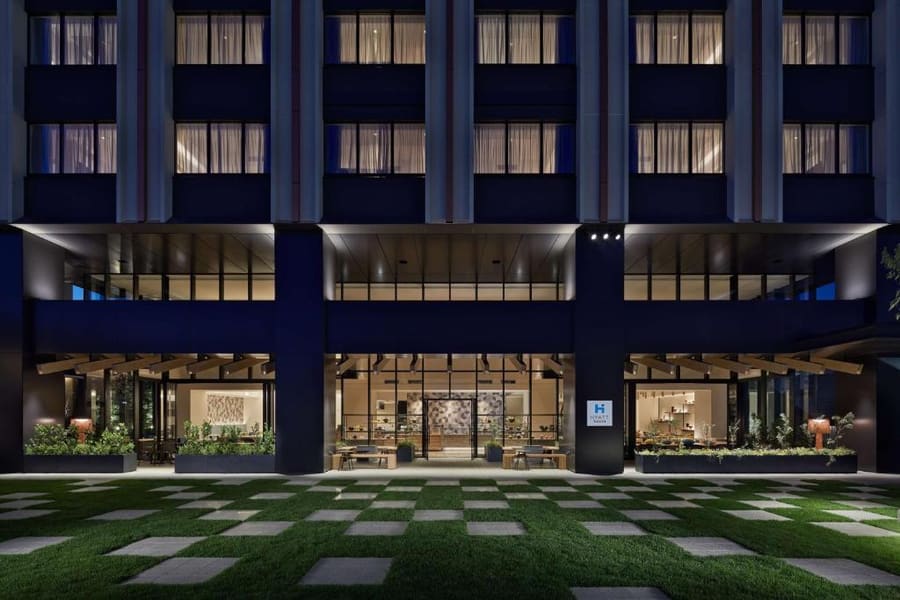
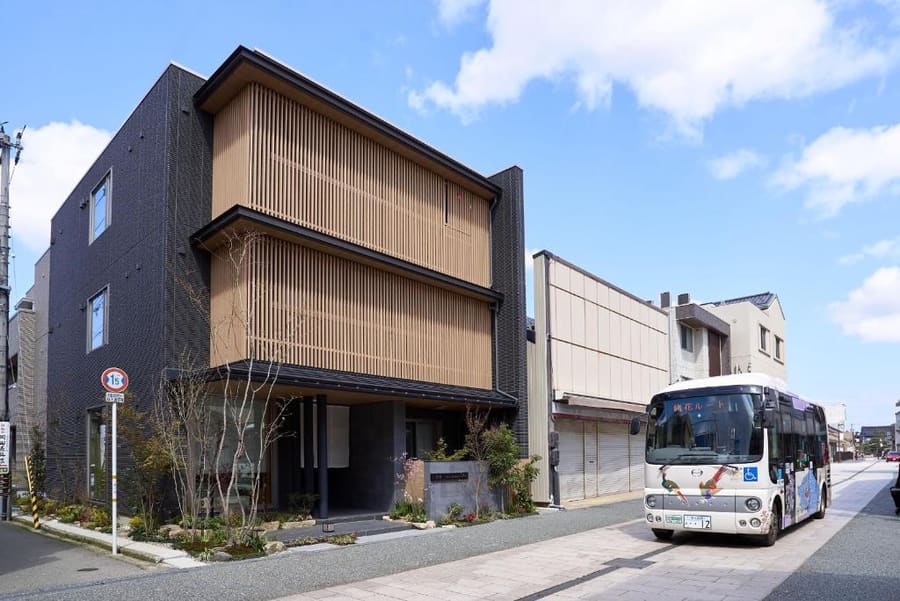
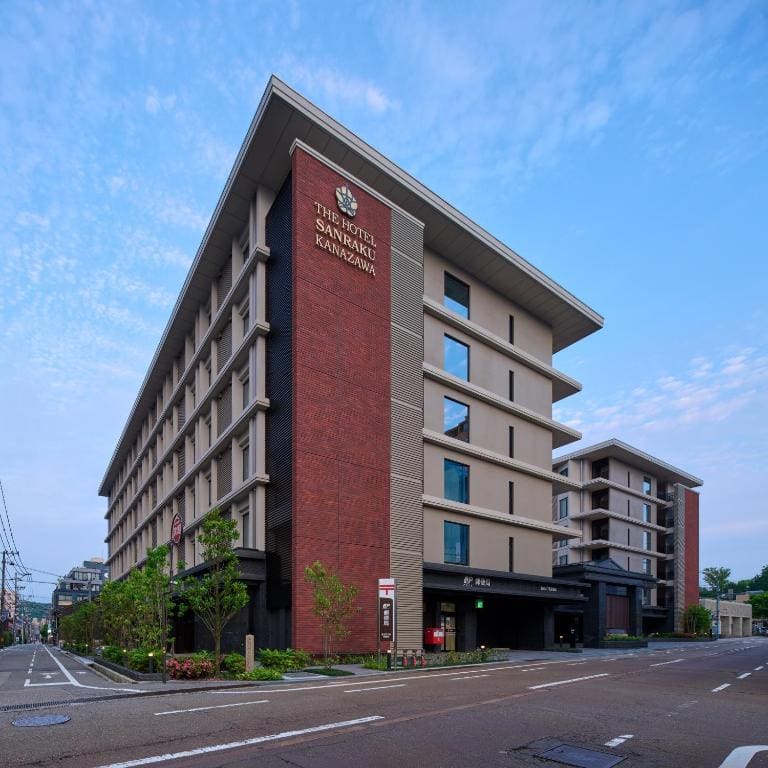
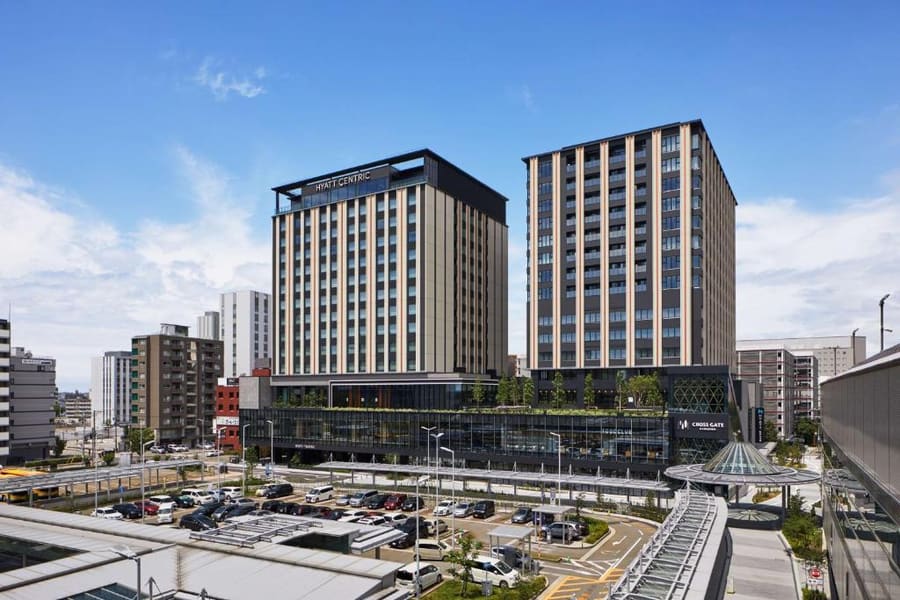
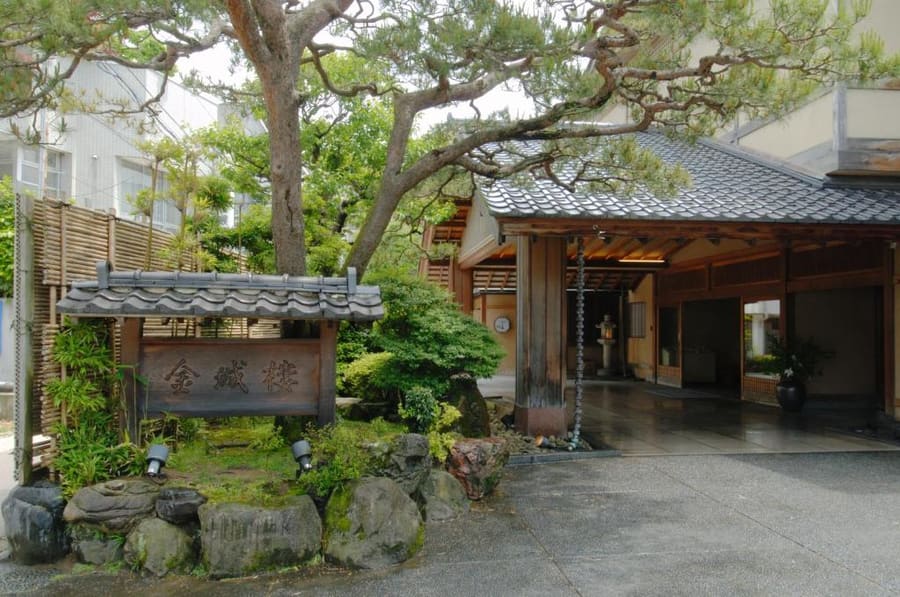
Choose your location based on arrival plans and evening habits. The station area suits late train arrivals and morning departures. Korinbo puts you within walking distance of evening izakayas and historic sights. Higashi Chaya offers quiet heritage atmosphere after day visitors leave.
Live rates, matched to the areas above.
transport
Kanazawa lacks a subway system. Central sights form a tight cluster three kilometers south of the train station. You can walk between major historic districts easily, or ride the dedicated city loop buses that connect all key tourist stops every fifteen minutes.
Από Kanazawa Station (Shinkansen / JR Rail Hub)
Hokutetsu Kanazawa Loop Bus runs left and right loops from East Exit Bus Stop 7.
Standard meter fare from station taxi ranks to central Korinbo hotels.
Flats-rate city bus circuit connecting the station, Omicho Market, Kenroku-en, and Chaya districts.
Suica, Pasmo, and ICOCA cards tap on all local Hokutetsu city buses.
Red electric pedal-assist bikes stationed across town. Register online to unlock docks via smartphone.
Loop buses stop running around 18:00. Use standard local city buses or taxis after dark.
cost
Kanazawa entry fees and dining costs stay moderate compared to Tokyo. Garden and museum admissions are reasonable, while fresh seafood bowls and high-end ryokan dinners represent the main splurge items.
Standard adult entry ticket. Free access during early morning opening hours before main gates open.
Fresh raw seafood rice bowl topped with local seasonal fish at market stalls.
Vanilla soft ice cream wrapped completely in a paper-thin sheet of edible gold leaf.
seasonality
MAR – MAY
Cherry blossoms bloom around castle moats in early April. Mild temperatures make walking optimal.
JUN – AUG
Humid summer weather brings lush green garden moss. Rainy season peaks in late June.
SEP – NOV
Autumn foliage turns Kenroku-en maples red. Snow ropes (yukitsuri) are installed on pine trees in November.
DEC – FEB
Cold coastal snow falls. Peak season for snow crab and sweet cold-water shrimp at Omicho Market.
practicalities
Kenroku-en opens free gates at 05:00 or 06:00 depending on season. Clear out before paid opening at 07:00 or 08:00.
Myoryu-ji requires advance telephone reservations. Strict timed tours depart precisely on schedule.
Book gold leaf application classes at craft shops along Higashi Chaya at least two days ahead.
Conical rope arrays protect Kenroku-en pine trees from heavy wet snow from November through March.
Keep a compact umbrella in your day pack. Sea winds bring sudden downpours year-round.